Selinda Camp
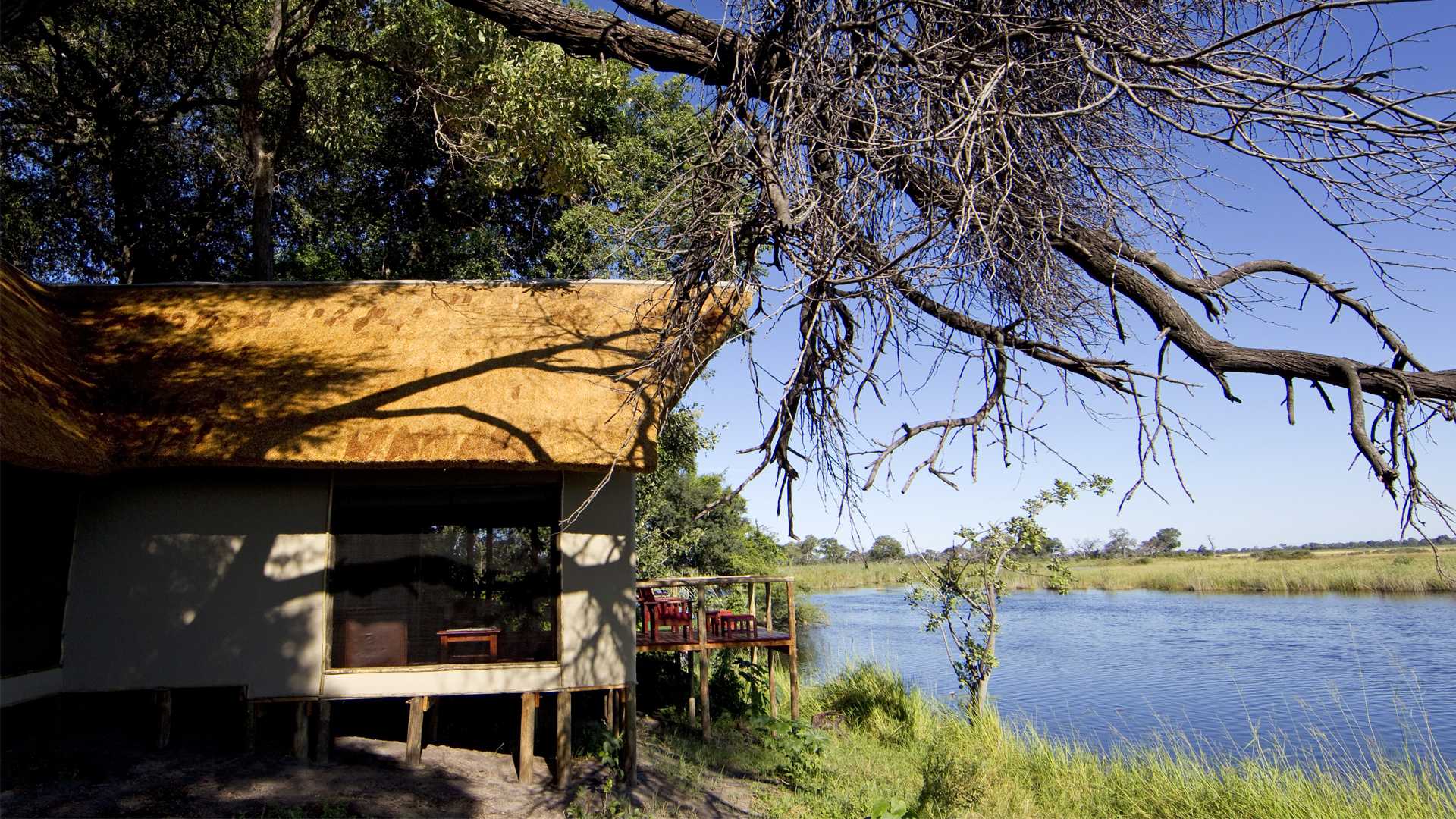
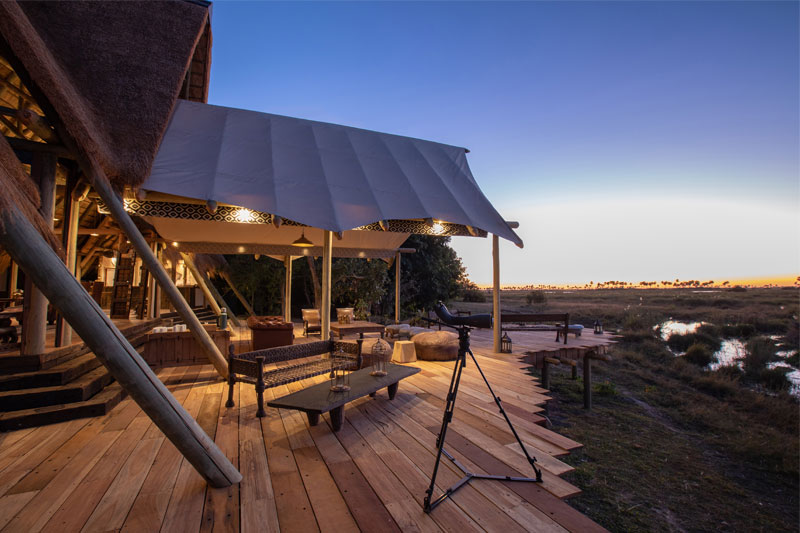
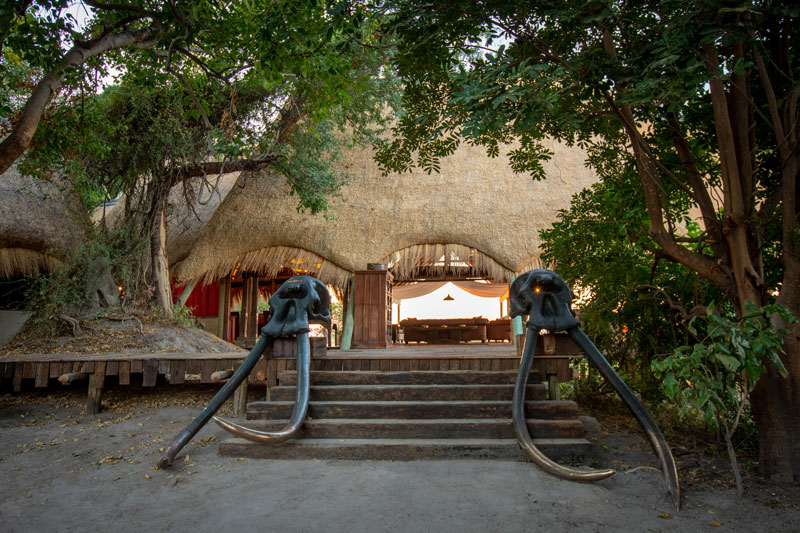
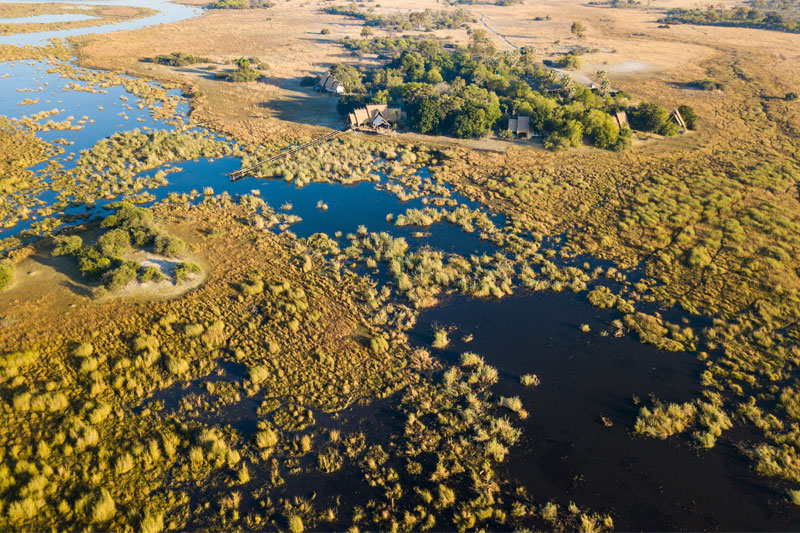
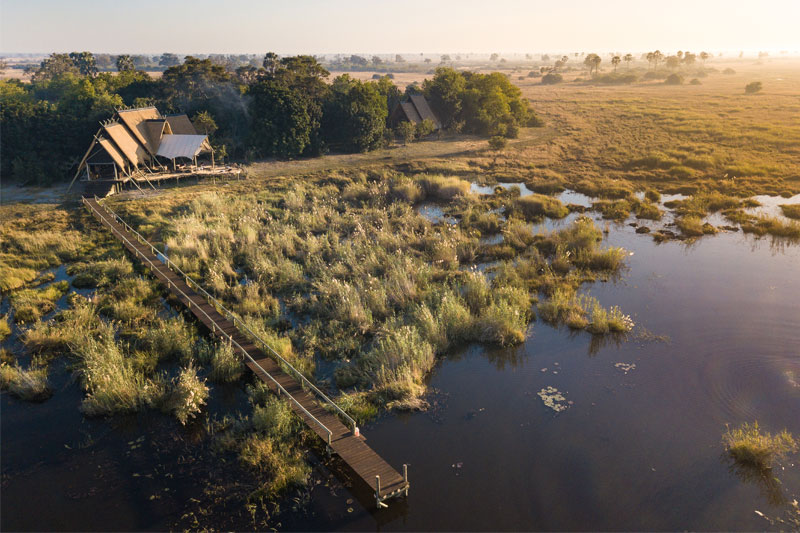
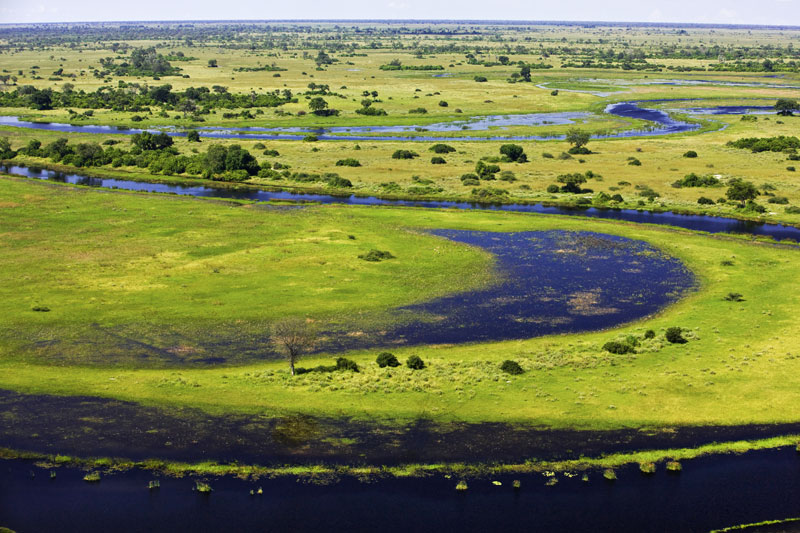
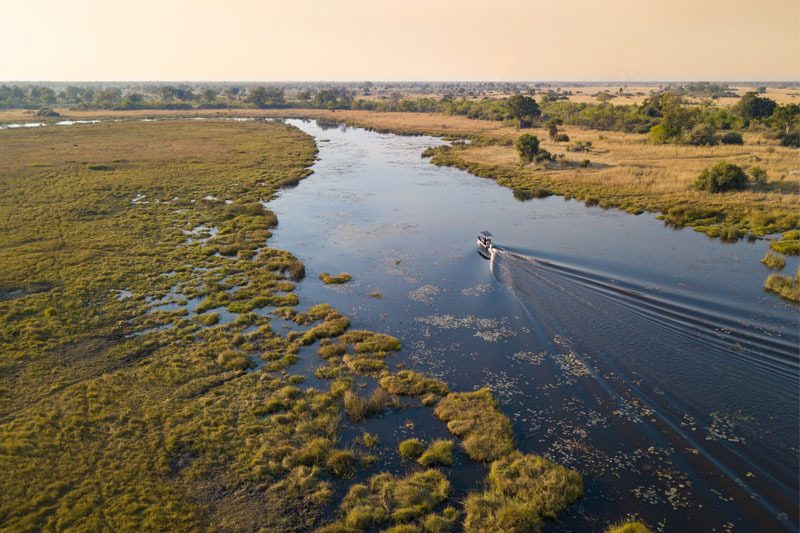
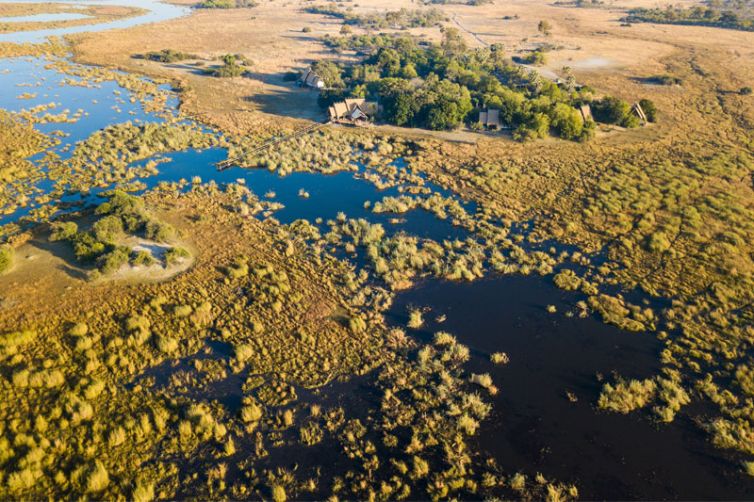
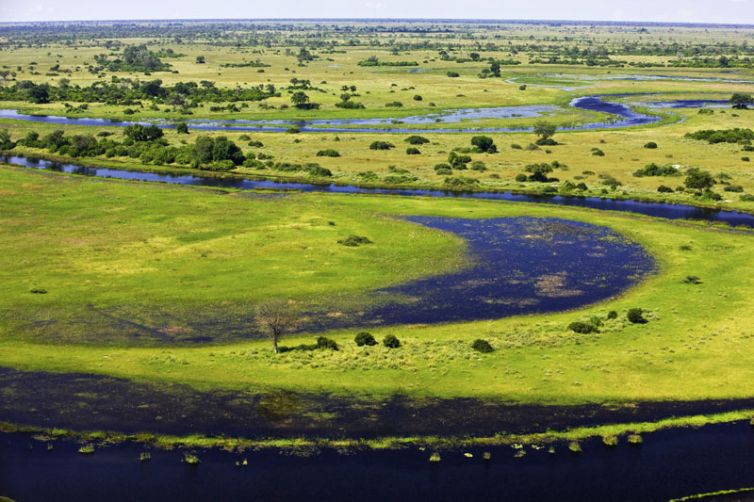
Selinda Camp is a luxury tented lodge overlooking the floodplains and waterways of the Selinda Spillway in the eastern edge of the remote Selinda Concession in the Greater Linyanti area.
Selinda Camp has long been one of our favourite camps in Botswana with a lovely location in the exclusive and game rich Selinda Reserve. While the camp is now Relais & Chateaux, offering superb levels of accommodation with a significant price tag, the ethos still focuses on friendly and personal service with good guiding and a tailored experience. The superb tented lodge is one of the best camps in Botswana and is perfect for those wanting great game viewing and a wilderness adventure in an exclusive and luxurious environment.








Rooms
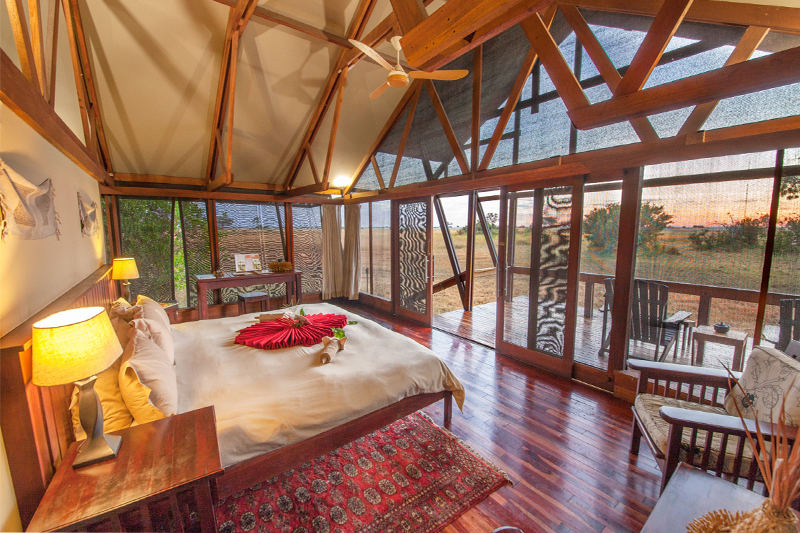
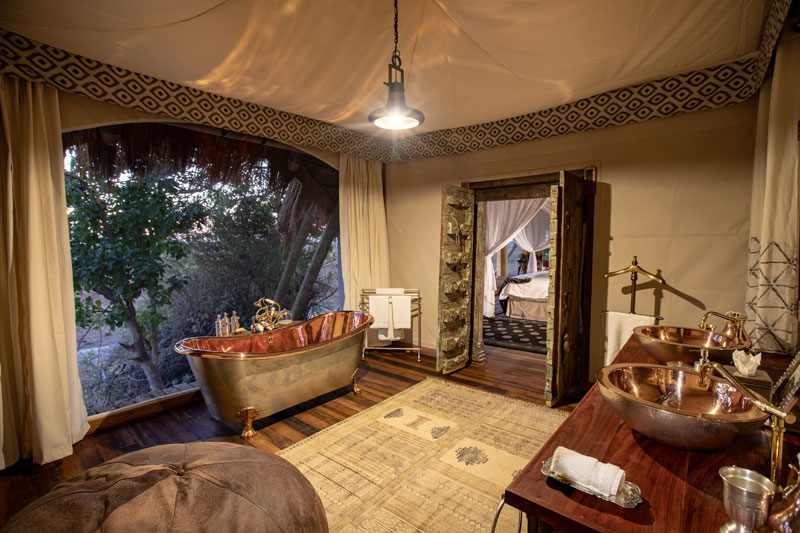
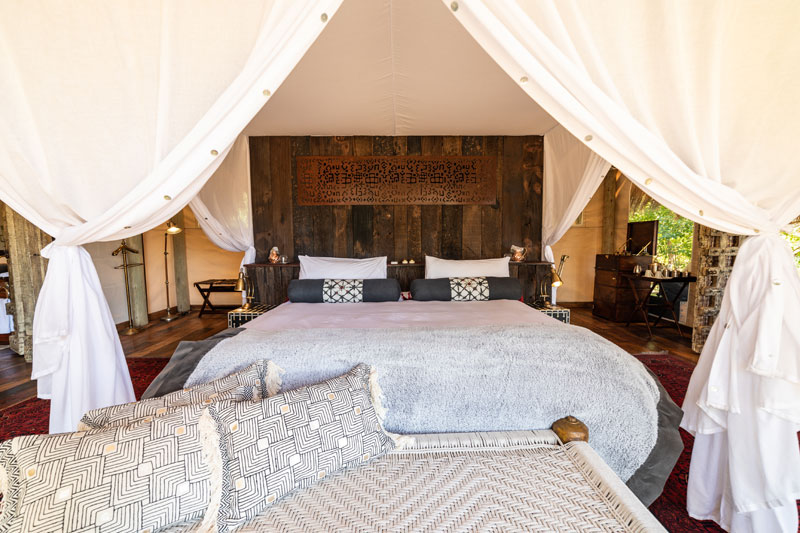
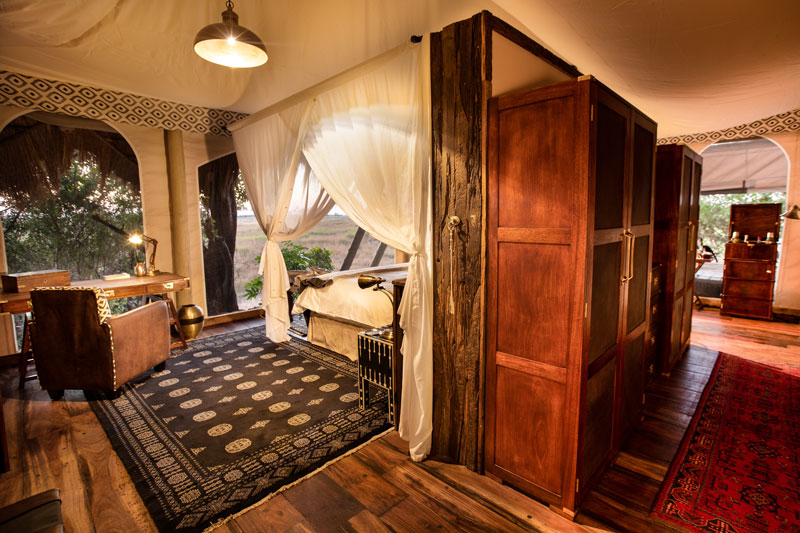
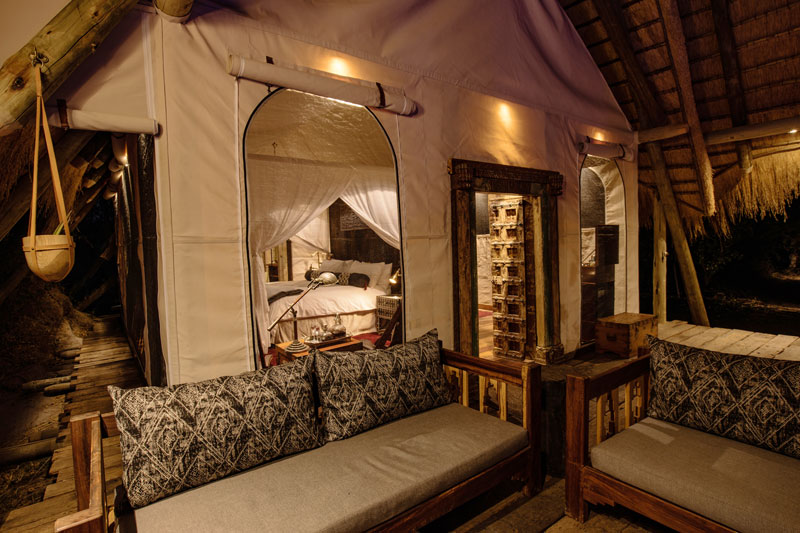
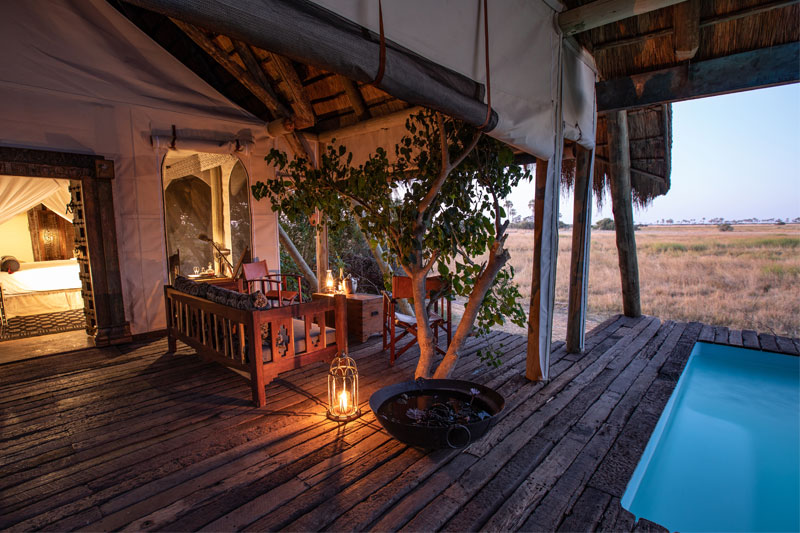
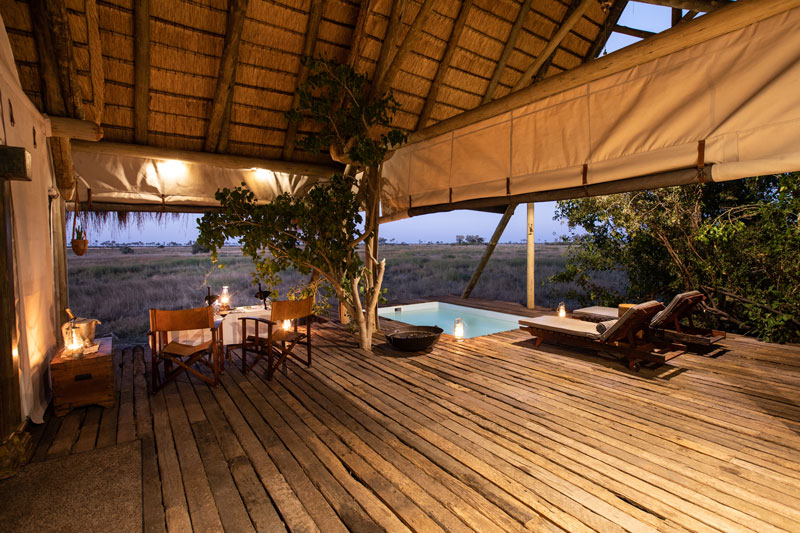
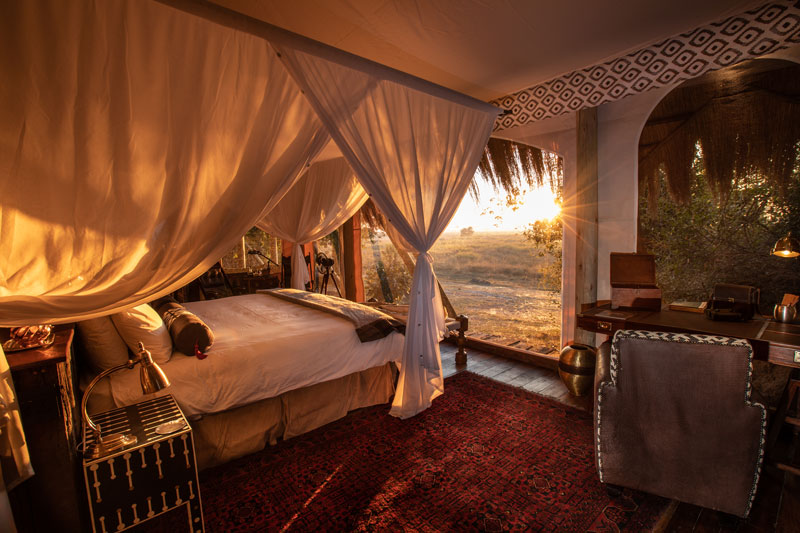
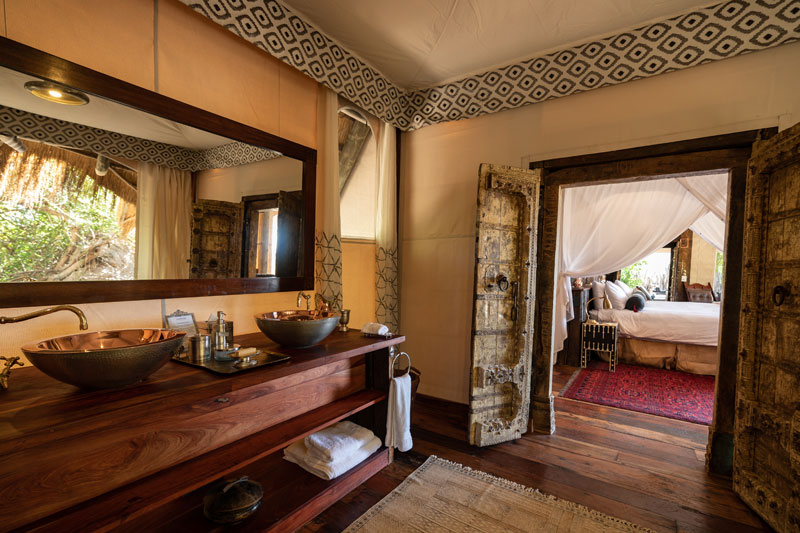
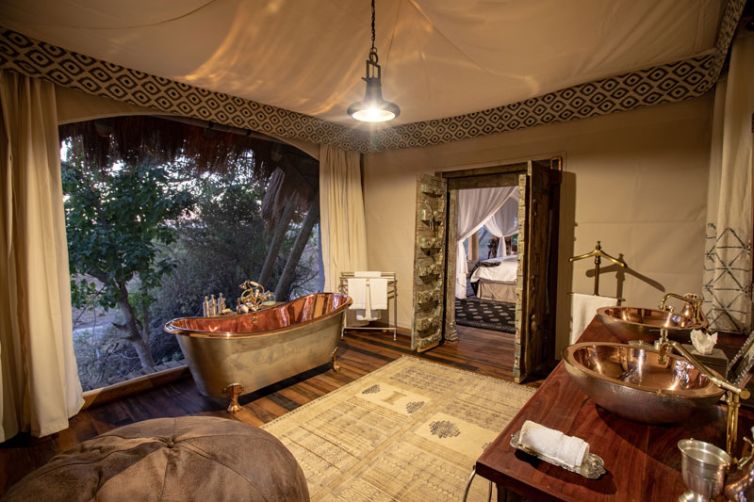
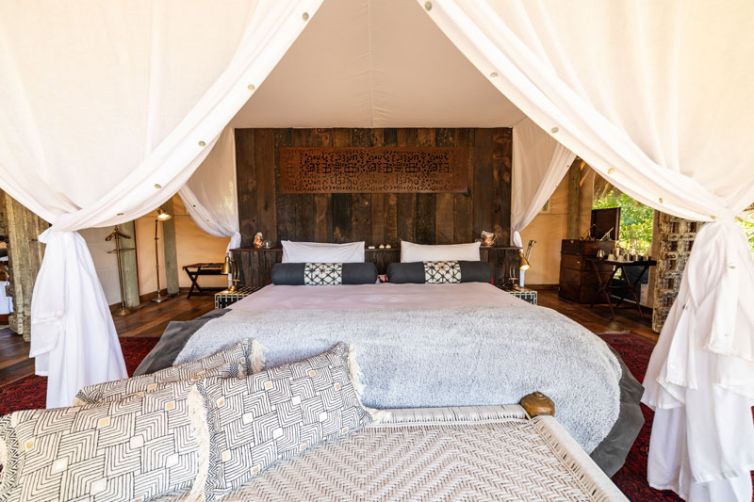
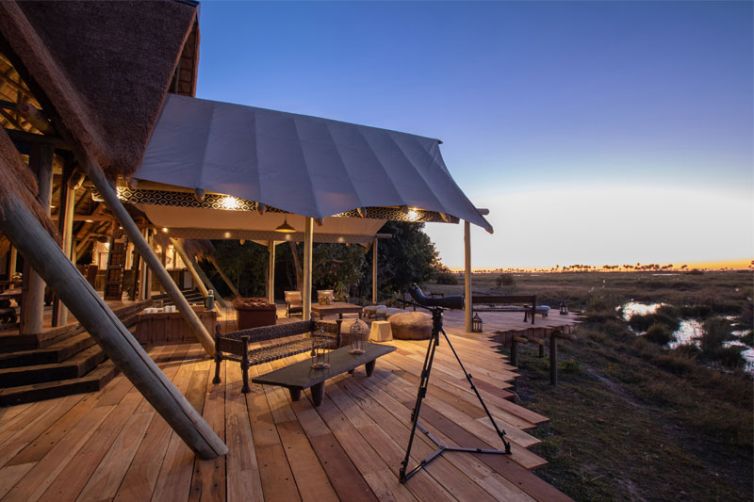
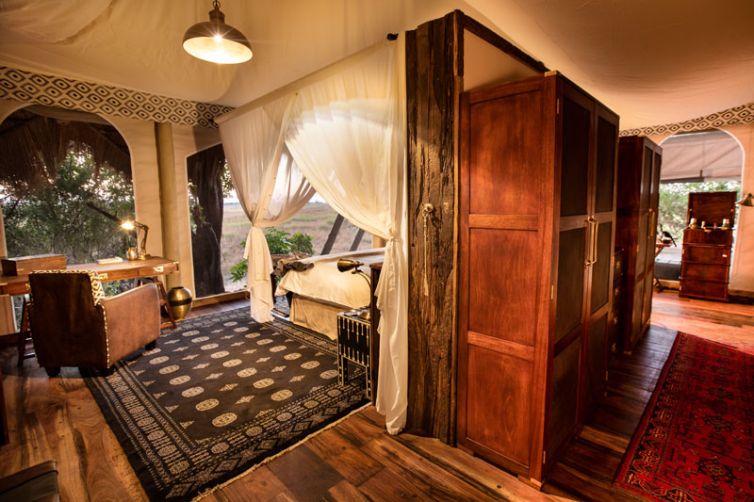
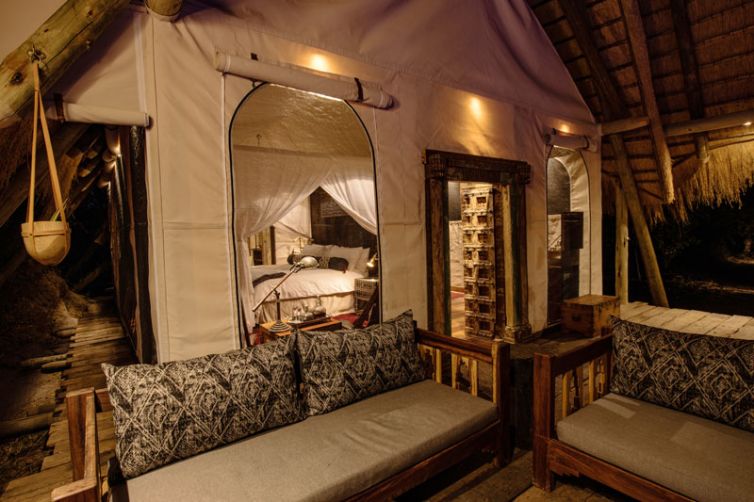
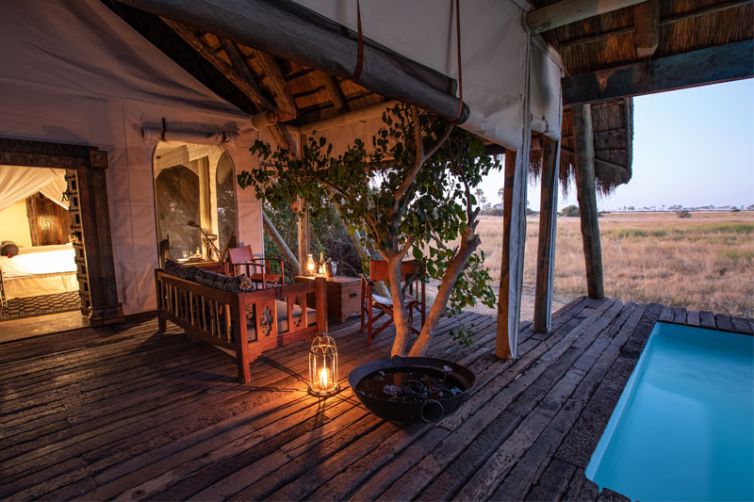
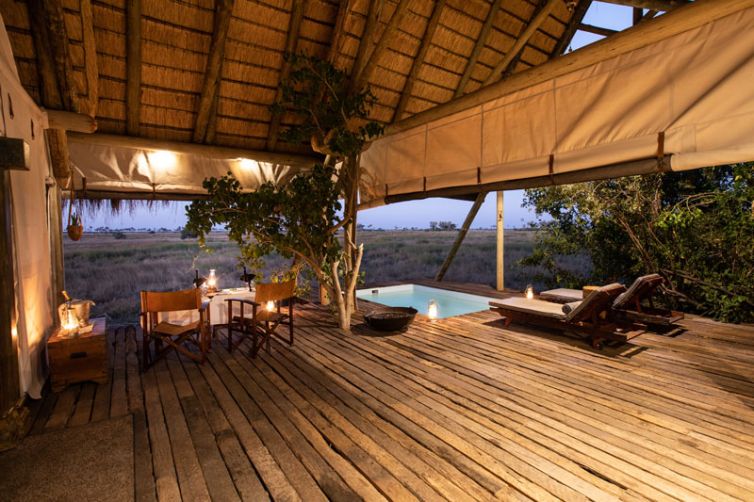
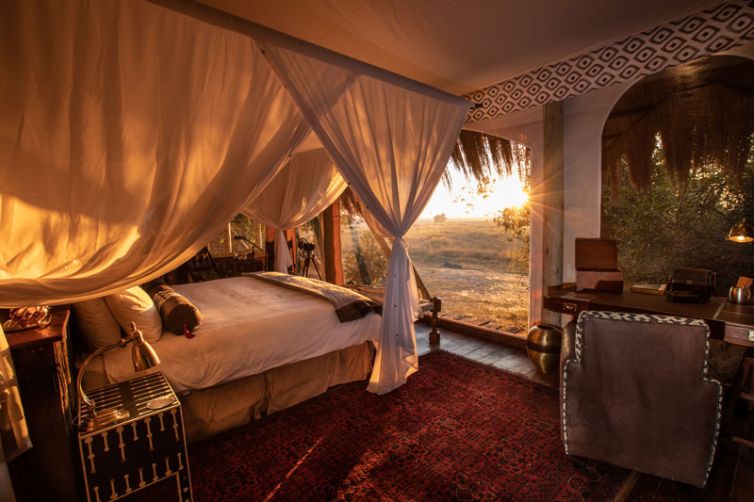
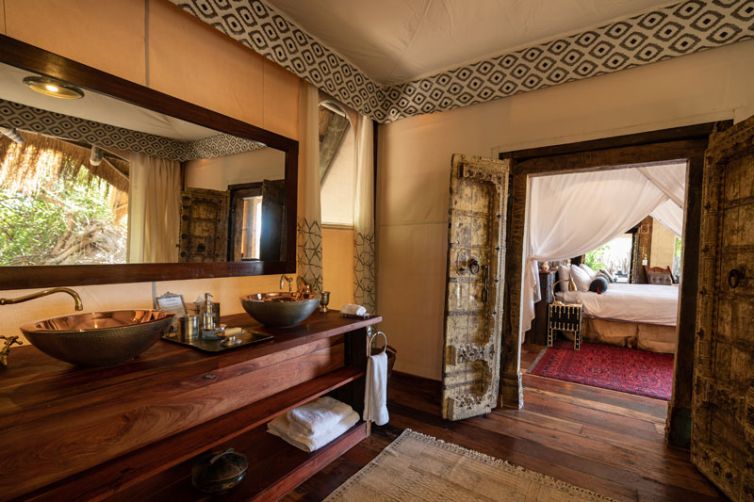
Luxurious accommodation is offered for a maximum of six guests in three tented suites. All suites are under thatch and raised on wooden decking, each with a large furnished private verandah and small swimming pool offering picturesque views out over the floodplains. Each tent has a plumbed en suite bathroom (double vanity, flush toilet, bath and shower), an air conditioning system above the bed (with a walk in mosquito net) and a writing desk with a chair. Each of the guest suites has a professional camera set, including a camera body and lenses (photos will be downloaded to a USB flash stick on guest’s departure) as well as a pair of high-quality binoculars for guest use during your stay). Suites are also equipped with yoga mats, light weights and an exercise bike is positioned on each deck.
Positioned adjacent to Selinda Camp, and operating entirely privately, is the two bedroomed Selinda Suite. This is an exclusive use property which comprises of two en suite bedrooms and a shared lounge, dining area and swimming pool. All bookings at the Selinda Suite will benefit from a private game drive vehicle, guide, host and chef.
Central Areas
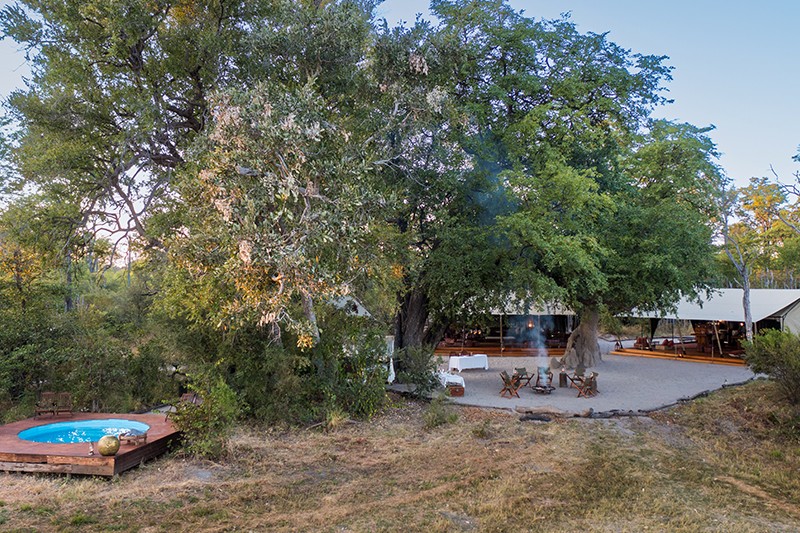
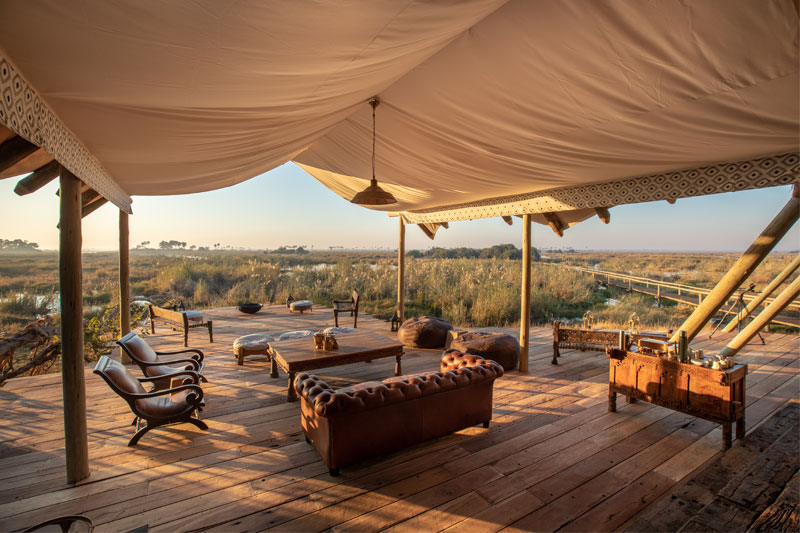
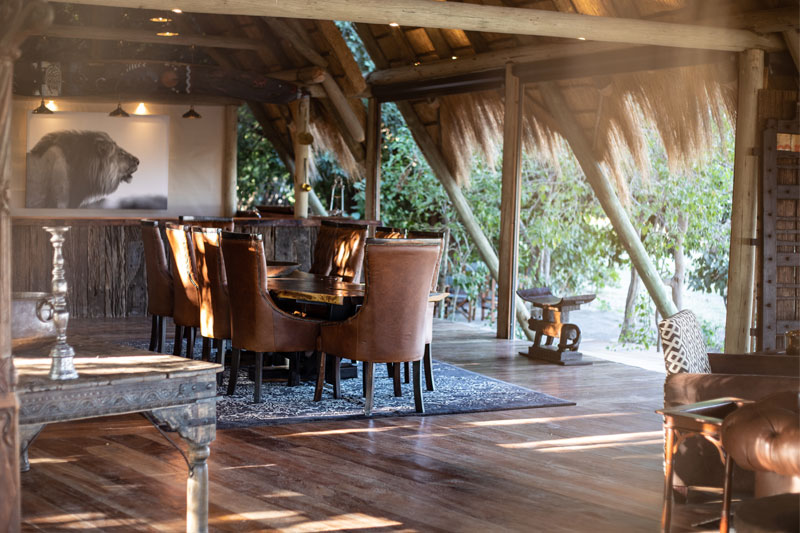
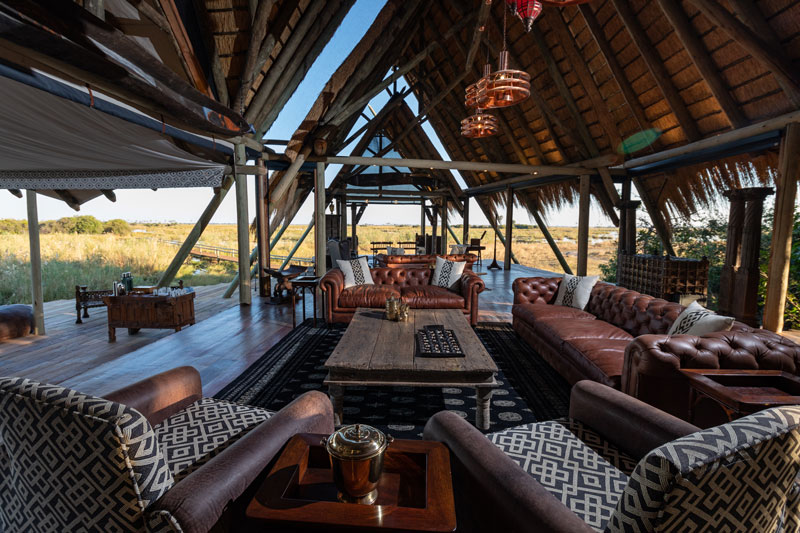
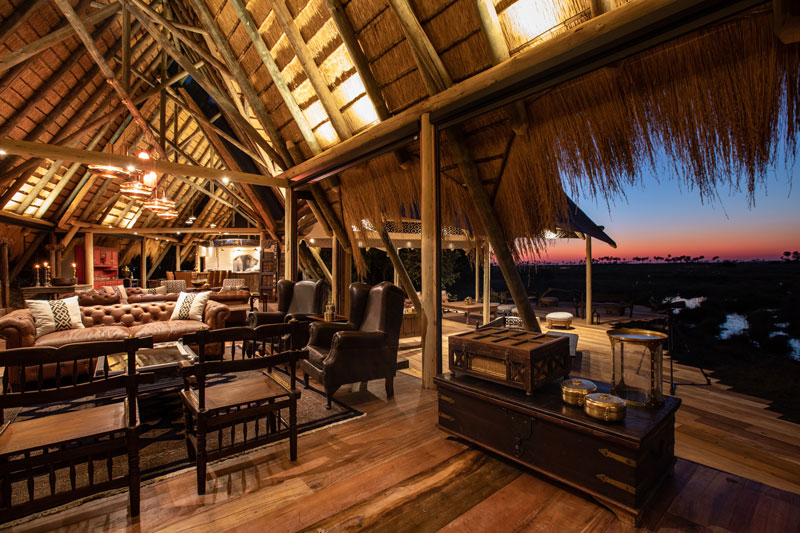
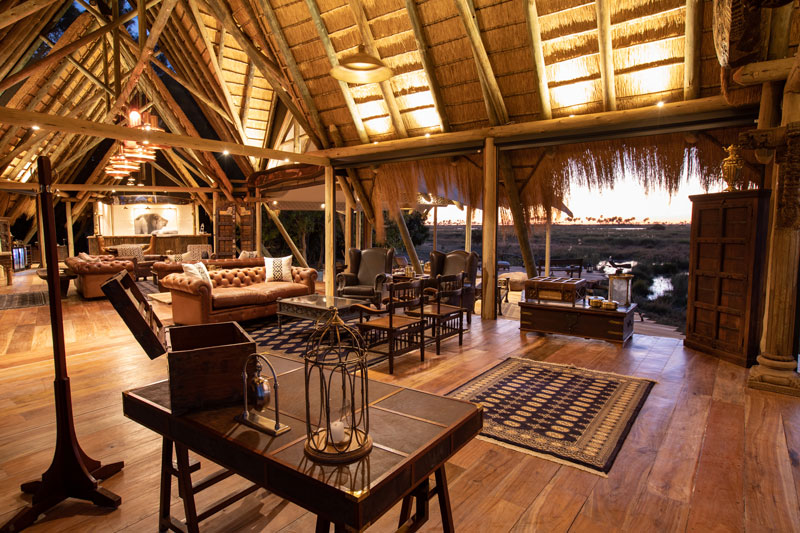
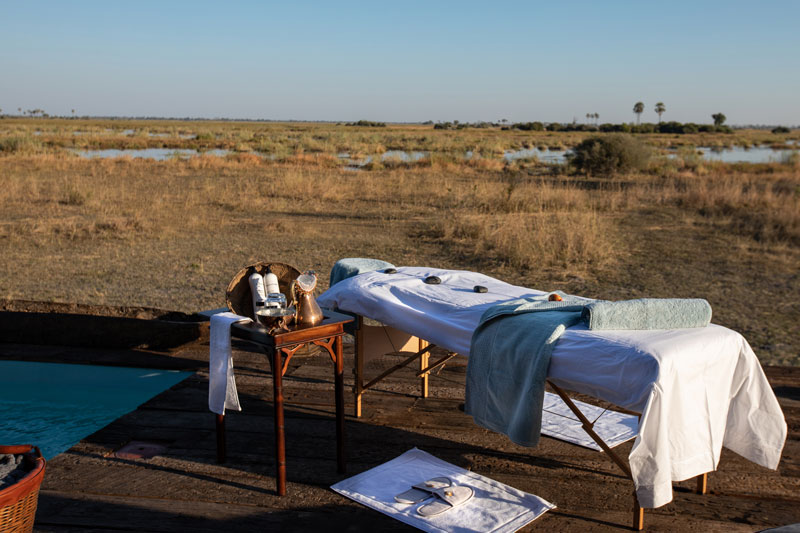
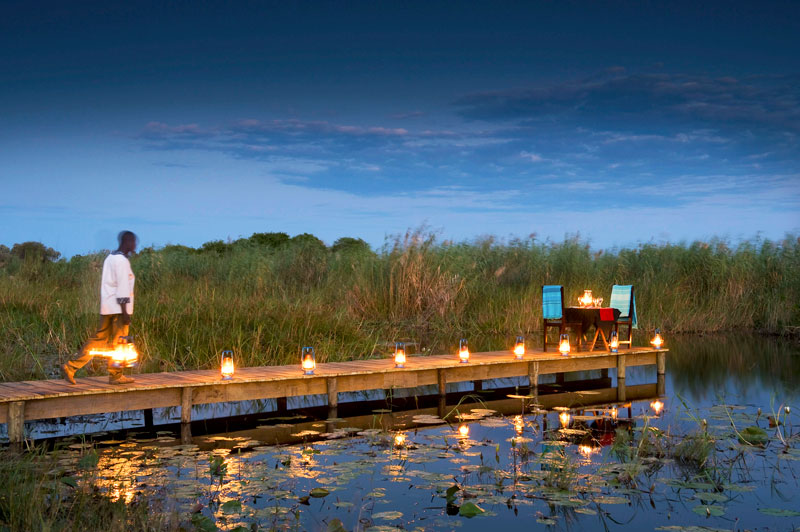
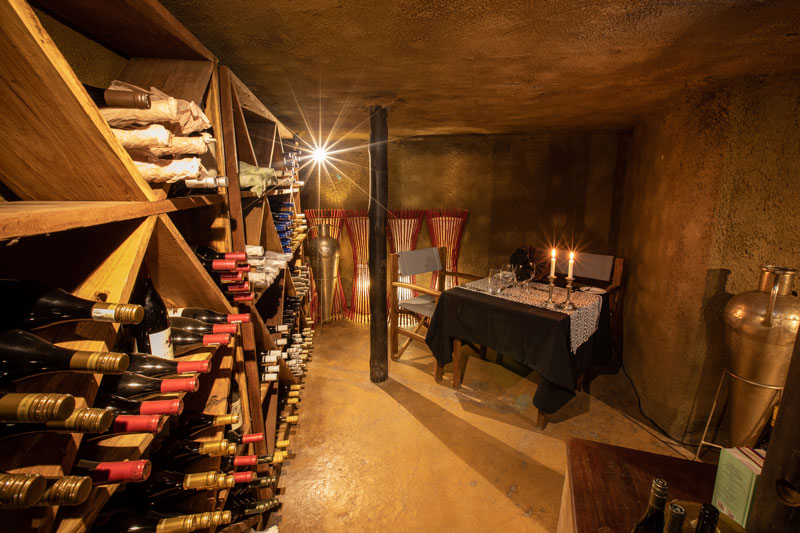
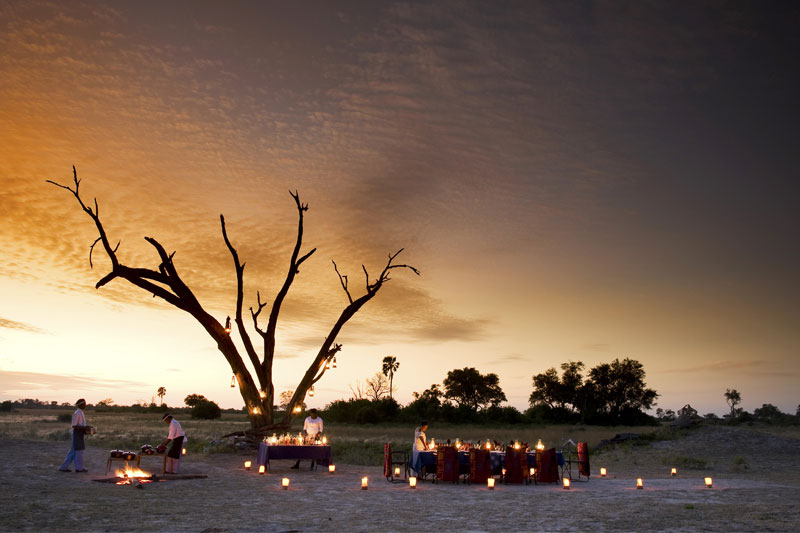
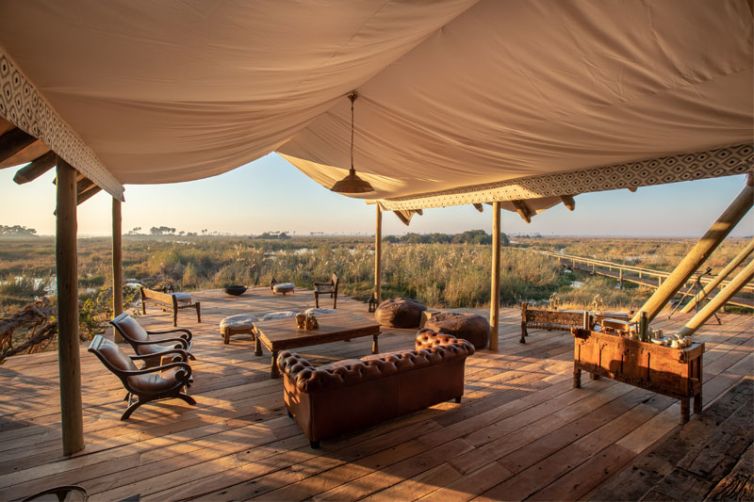
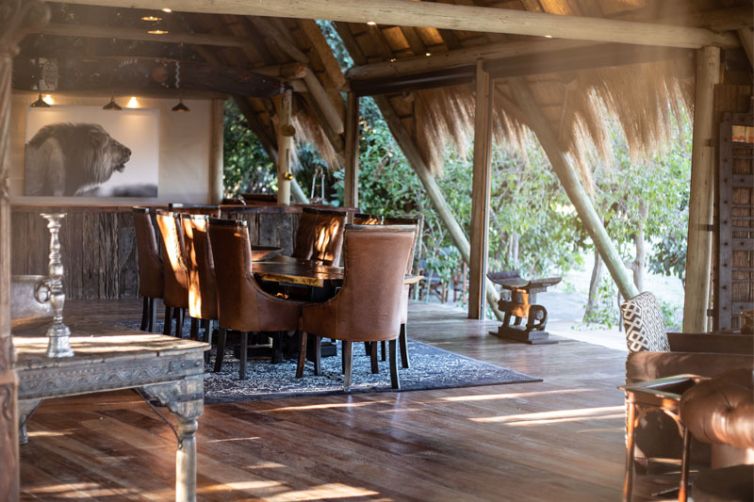
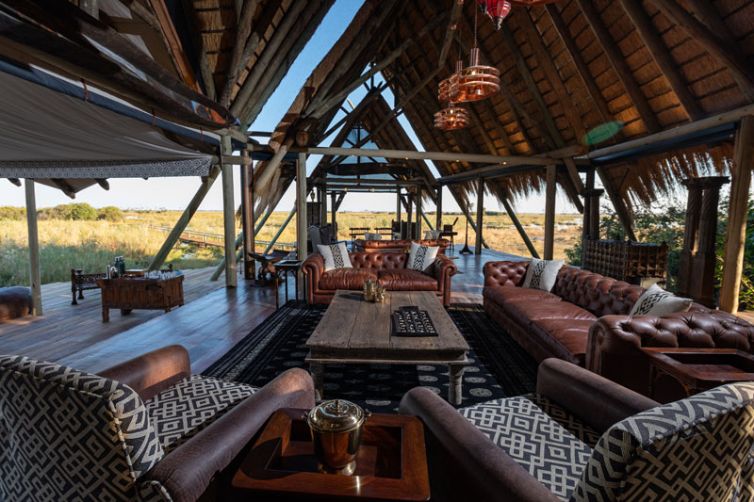
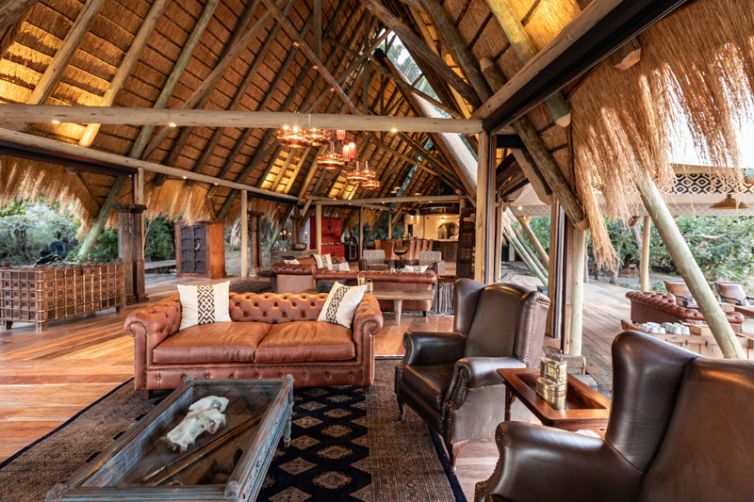
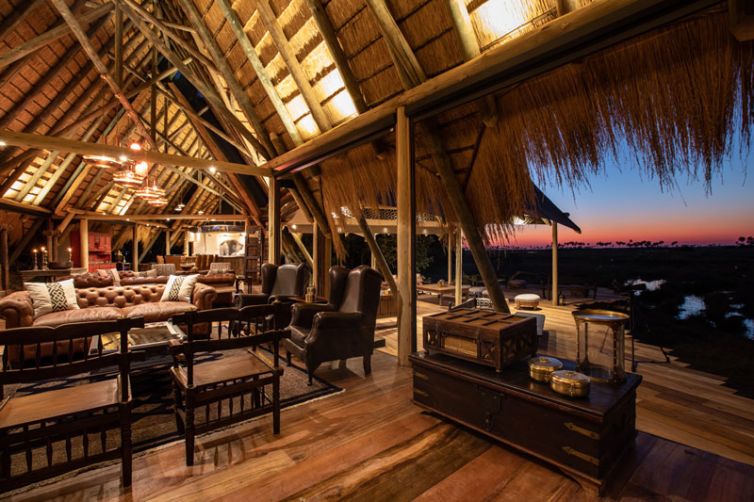
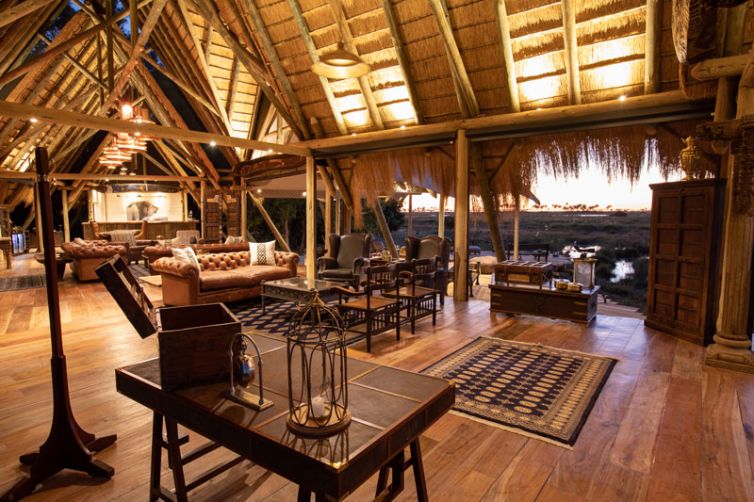
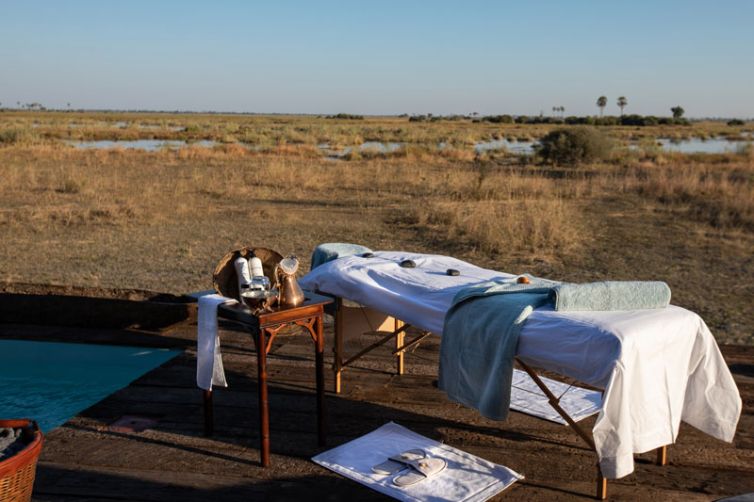
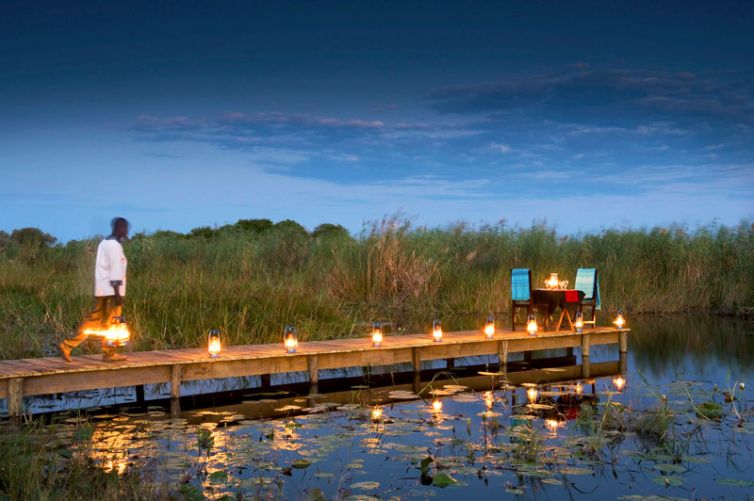
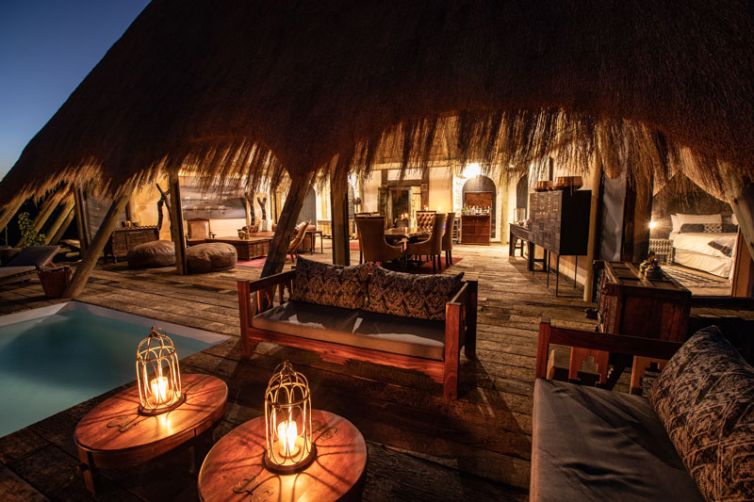
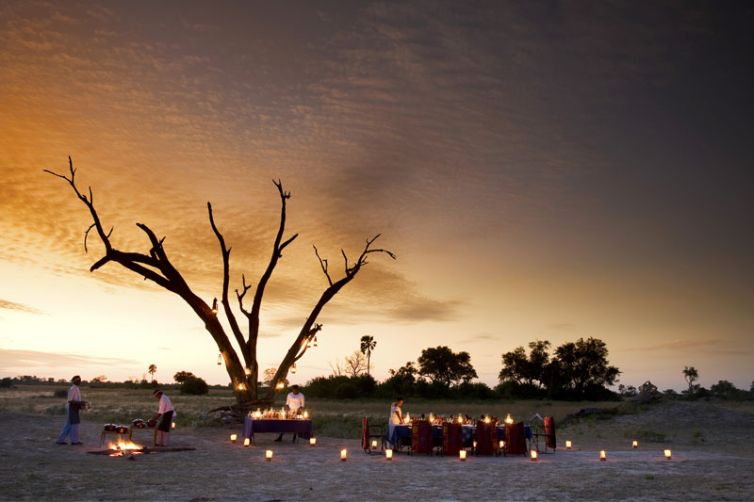
The large open plan thatched central areas of the camp include the lounge areas and the dining room, an extended furnished deck, wine cellar, spa, gift shop and fire pit. There is flexibility to dine both indoors or out overlooking the Selinda Spillway.
Facilities
Wi-Fi – Yes
Power for charging – Yes
Swimming pool – Private Plunge Pools
Habitat & Wildlife
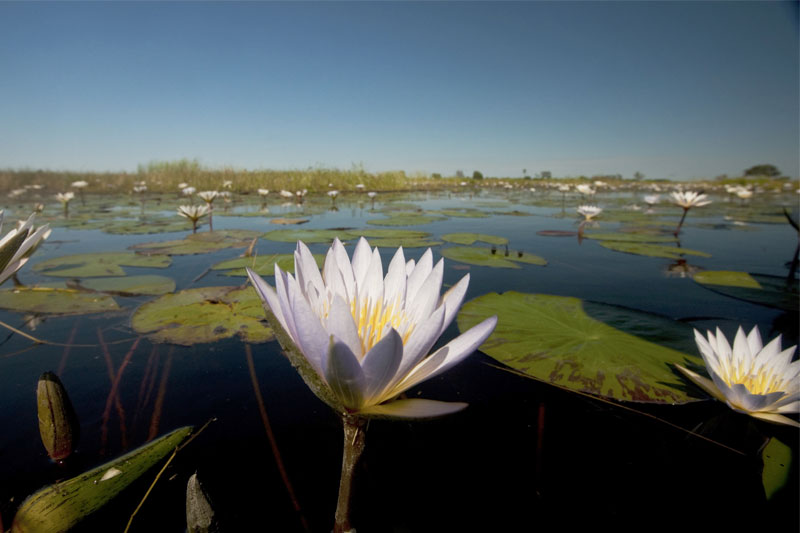
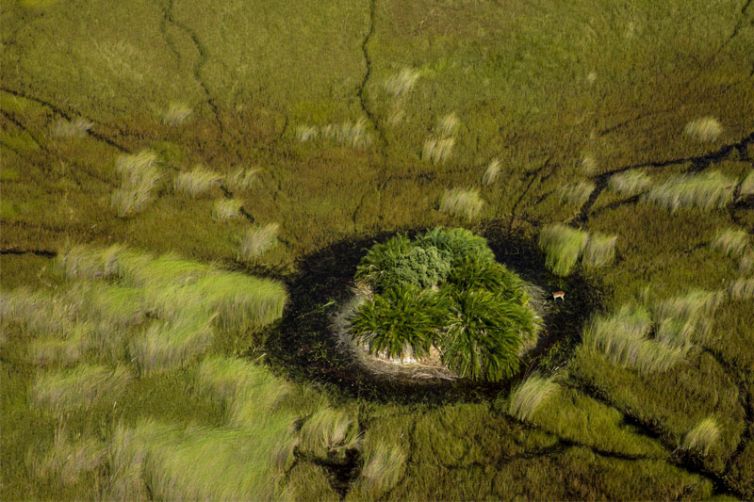
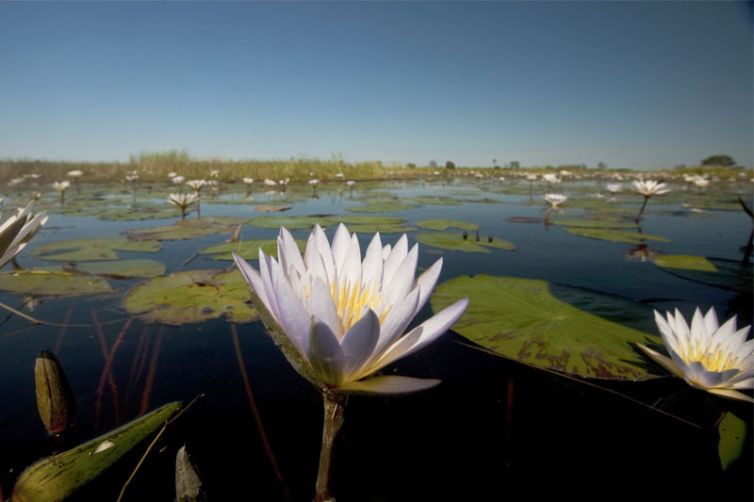
The Selinda Reserve is a private safari concession owned by the Great Plains Foundation which covers an area of some 1350 square kilometres between the northern reaches of the Okavango Delta and the Kwando/Linyanti river system, straddling the Selinda (or Magwegqana) Spillway. The habitat of the area is an interesting contrast of open floodplains, thick salt bush, riverine forest, and the swampland created by the spillway itself.
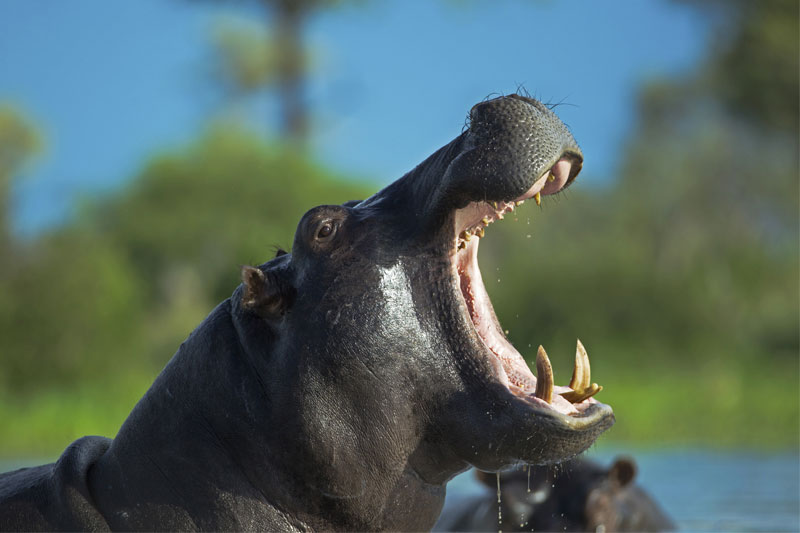
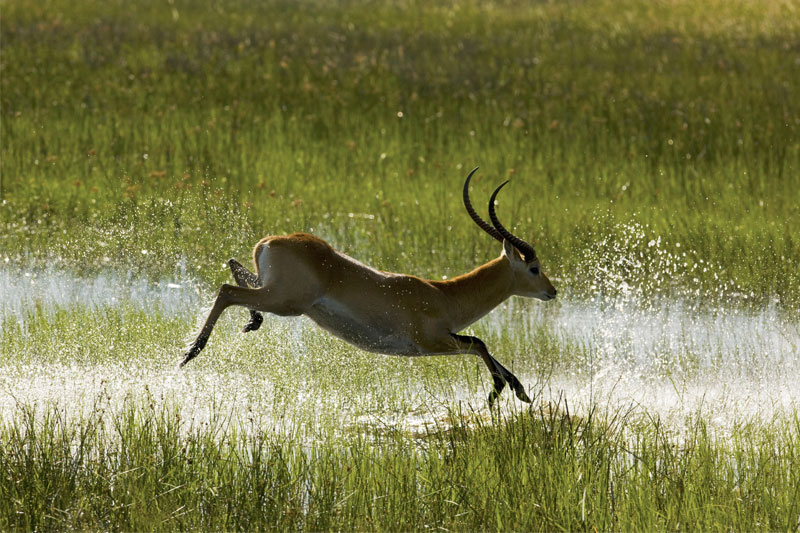
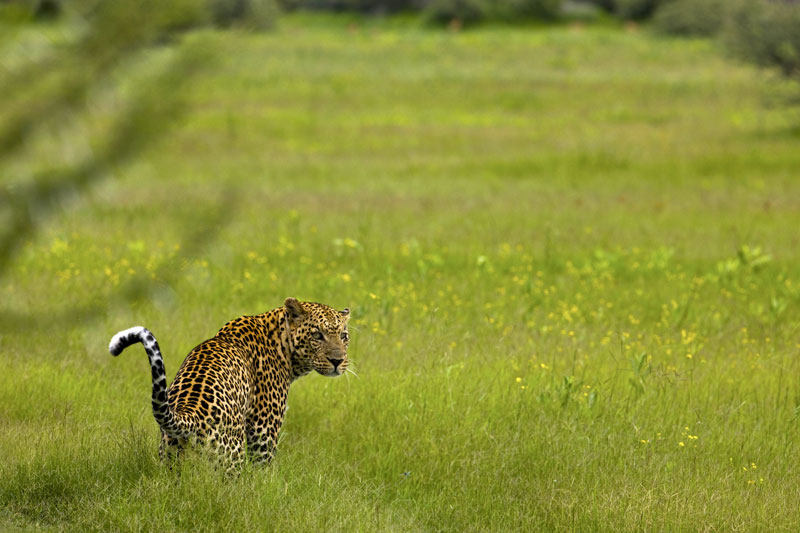
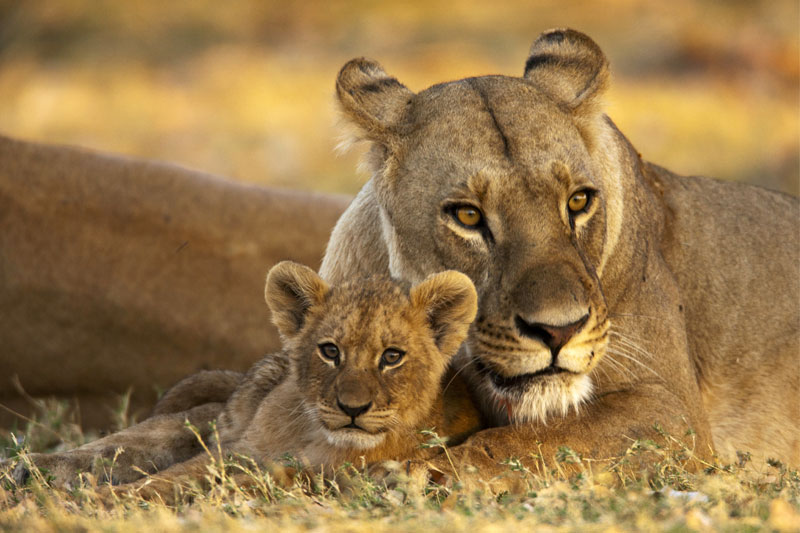
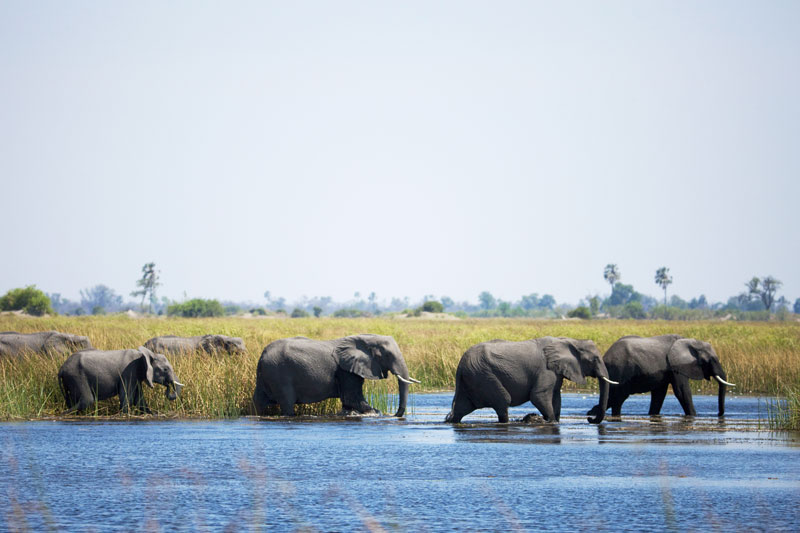
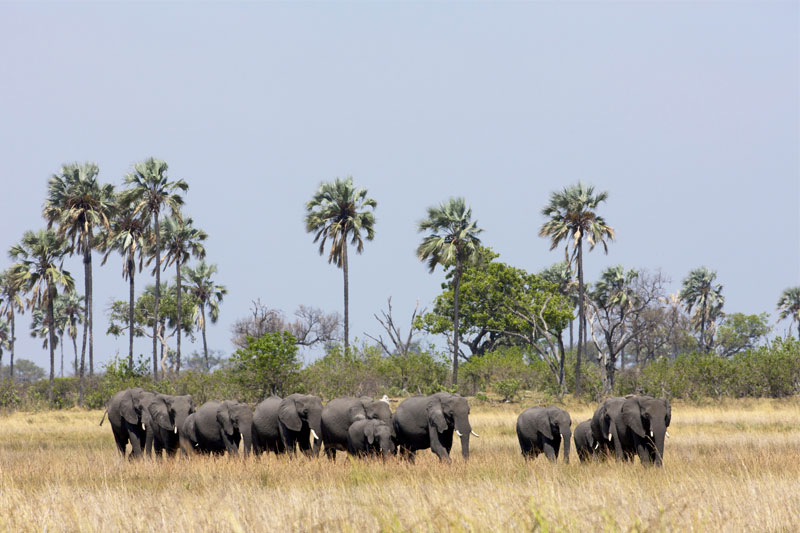
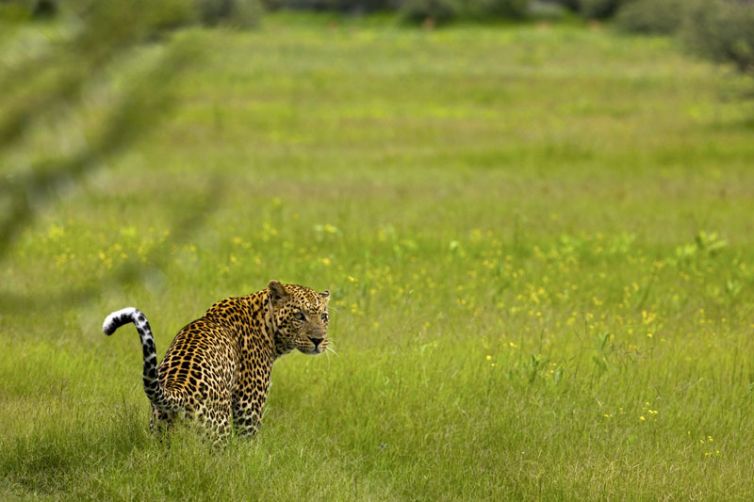
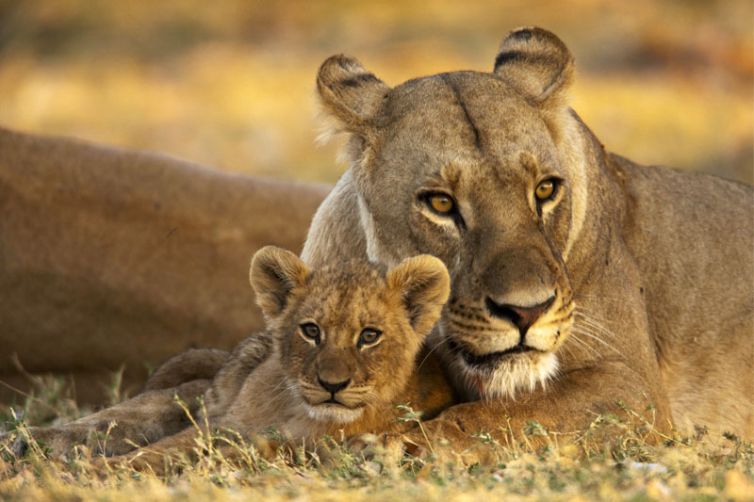
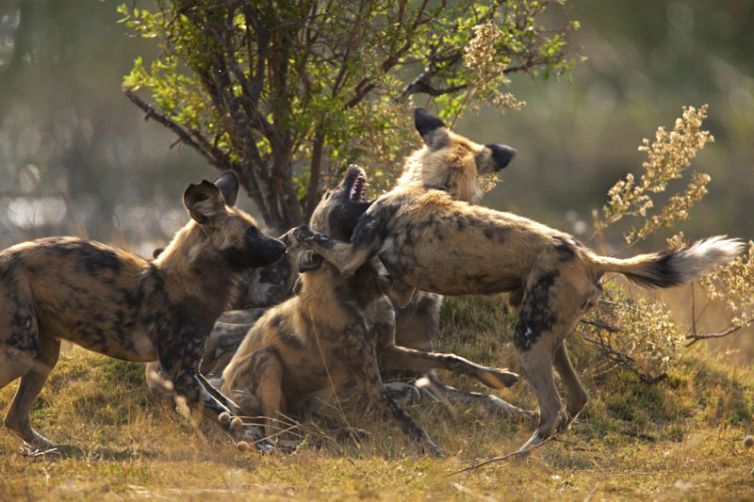
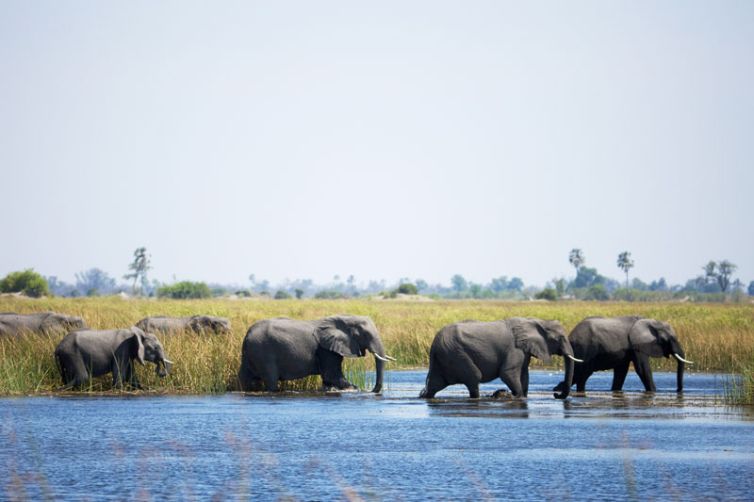
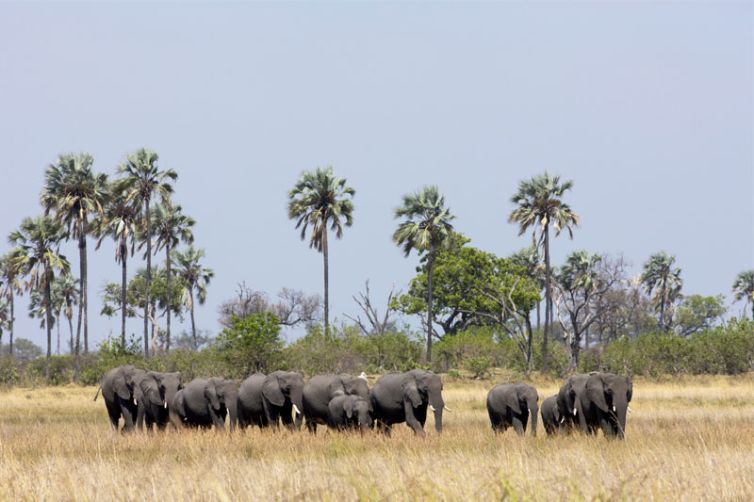
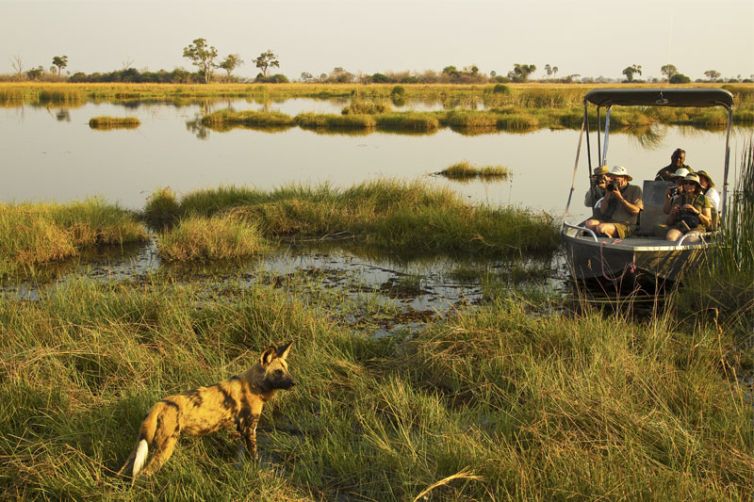
The birdlife is prolific and the many varieties of kingfishers, bee-eaters, eagles, ducks, egrets, plovers, herons, cranes, storks, geese, woodpeckers, shrikes, thrushes, buntings, chats, owls and parrots are just some of the many different species found. The area is good for predators with resident lion prides and regular sightings of leopard and wild dog. Cheetah are more elusive these days and not often encountered. General game is very good, especially from May to November, and animals likely to be seen include elephant, hippo, kudu, impala, zebra, tsessebe and giraffe. Recently, Great Plains have been involved with the relocation of rhino back into Botswana, though they are still very hard to find.
Night drives can be productive with chances to see nocturnally-active species such as bat- eared fox, spring hare, leopard, aardwolf, porcupine, aardvark, bushbaby, civet, genet, white-tailed mongoose, serval and African wild cat.
Activities
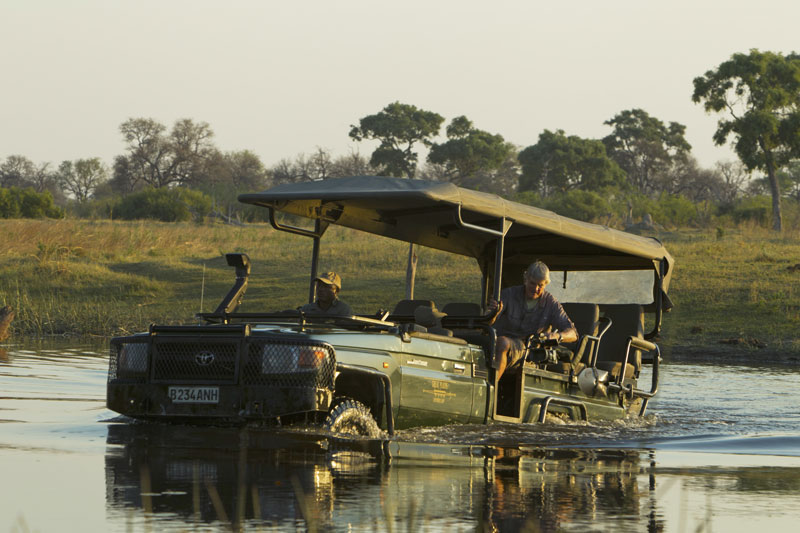
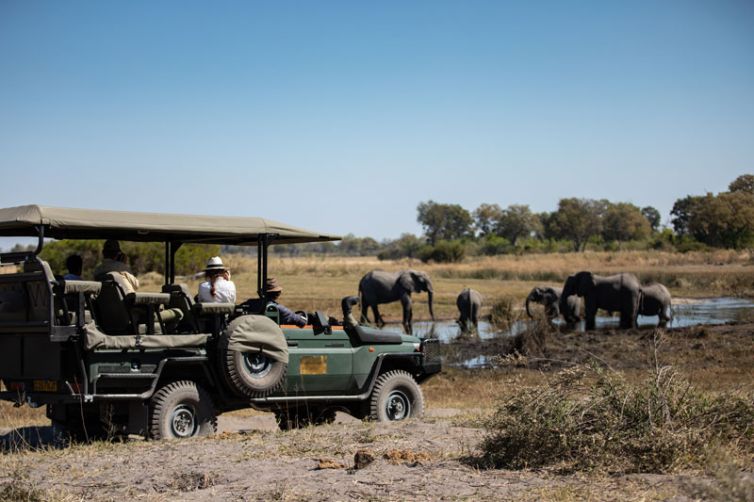
Selinda is a classic big game destination and game drives are the main activity, operated in the mornings and afternoon. The afternoon drives are often extended into night drives before dinner, though it is also possible to do more dedicated night drives after dinner.
Walking is available too, led by excellent walking guides, and walks can vary in focus and duration, very much depending on the interests of the guest. We do however tend to feel that dedicated or experienced walkers should consider Selinda’s sister camp, Selinda Explorers, if they are looking for a walking orientated safari.
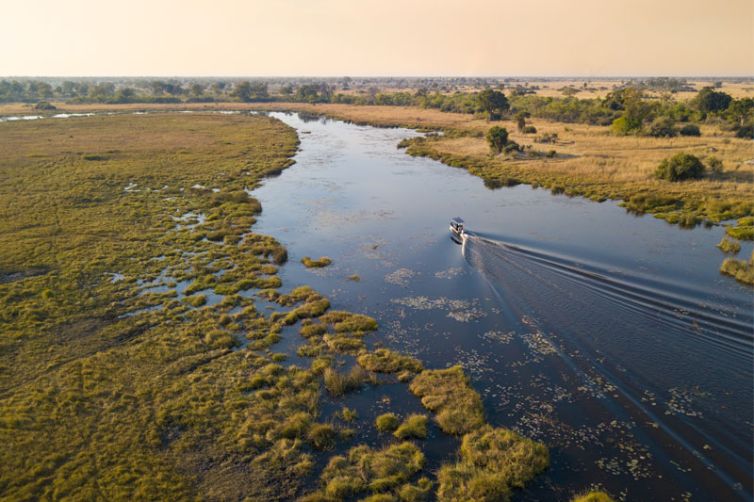
The Selinda Spillway has held enough water since 2010 to offer boat cruises, though year by year the water levels are receding again. Being out on the water is usually more about viewing the water orientated wildlife such as hippos and crocodiles, and enjoying the birdlife and the beautiful scenery, including wonderful sunsets on afternoon cruises. However, you never know when you will encounter elephants crossing the channel! As the camp itself is based on the northern side of the spillway and the airstrip and some of the main game viewing areas are located to the south, all guests will enjoy short boat cruises up and down the spillway during their stay, even if they don’t opt for a boat cruise activity. Fishing is possible too, from March to December.
Seasons
Selinda is open all year, though game viewing is best from June to early November. Fishing is not permitted in Botswana during January and February.
Selinda Camp accepts children from six years of age and while triples can be arranged for children aged 15 years and younger, there is no specific family accommodation. If families with children under 12 years old wish to walk, it will be down to the discretion of the guide as to whether this would be safe. Selinda camp does have a relatively adult atmosphere and the adjacent separate Selinda Suite is more suited to families wanting a very exclusive, upmarket safari experience. The Great Plains Young Explorers Program is perfect for keeping young guests engaged.
Selinda Camp is operated by Great Plains Conservation which exists to conserve and expand natural habitats, using sustainable eco-tourism to protect and restore critical habitats, conserve wildlife, and benefit local communities. All resulting in responsible travel opportunities for guests and achieving the company’s aim of ‘conservation tourism’.
Together with their charitable arm, the Great Plains Foundation, they manage over one million acres of land across Botswana, Kenya and Zimbabwe. A conservation and community levy is added to each stay with Great Plains Conservation as a contribution to the Great Plains Foundation’s work.
Here are just some examples of the projects carried out and supported:
In Botswana, conservation initiatives include ‘Rhinos Without Borders’ which, together with partner andBeyond, commits to relocate rhinos on a magnitude never done before from South Africa to safe havens in Botswana.
Also in Botswana the Great Plains Earth Academy provides vocational training and supplemental education with a conservation and tourism focus to youth and adults living alongside the Okavango Delta. The goals of the Earth Academy are to improve participants’ understanding of their local environment and wildlife, promote conservation and sustainability, and invest in the skill and capacity of the local community and workforce.
The Solar Mamas initiative was set up to address both lack of economic opportunity and electricity deficit in remote villages bordering the Okavango Delta. Nine ‘Solar Mamas’ left their communities in Botswana and attended a six-month solar power training course in India. They returned with the skills to run a business and build, install and maintain sustainable energy for their communities.
The Great Plains Student Conservation Camps, one of their longest running programmes, have reached students and teachers in both Botswana and Kenya with environmental and conservation education. By engaging and mentoring young people in communities bordering protected land, students see positive examples of local professionals working to protect their fragile ecosystems and are inspired to become champions of biodiversity themselves.
In 2022 Great Plains established an inaugural all-female ranger unit to operate in their concessions, gather essential data and act as an early detection force against illegal wildlife crime. Hiring female rangers builds their capacity as individuals, empowers the communities they represent and offers opportunities to shift gender stereotypes and establish strong female role models for young girls. Additional teams are being trained and activated in Botswana and Zimbabwe.
Through Conservation Roots the Great Plains Foundation is partnering with local communities to restore indigenous trees to landscapes across Kenya, Botswana, and Zimbabwe. Working with local communities, partner organizations and school systems Conservation Roots plants indigenous trees and teaches their value and critical role in functioning ecosystems.
In 2024, Great Plains expanded the reach of their impact beyond the areas in which they operate and established a partnership with 4Ocean. Plastic waste is collected from the world’s oceans and turned into fashionable bracelets, which are available for sale in their camps. Every bracelet removes 5lbs of plastic from the sea, provides jobs, and starts a clean-up movement.