Kala Camp
KALA CAMP IS A BEAUTIFUL HIDEAWAY IN THE HEART OF THE OKAVANGO DELTA WETLANDS.
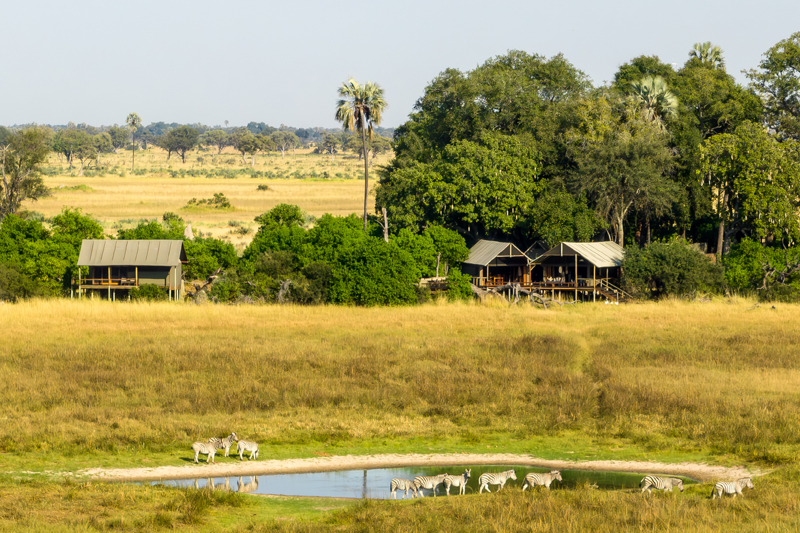
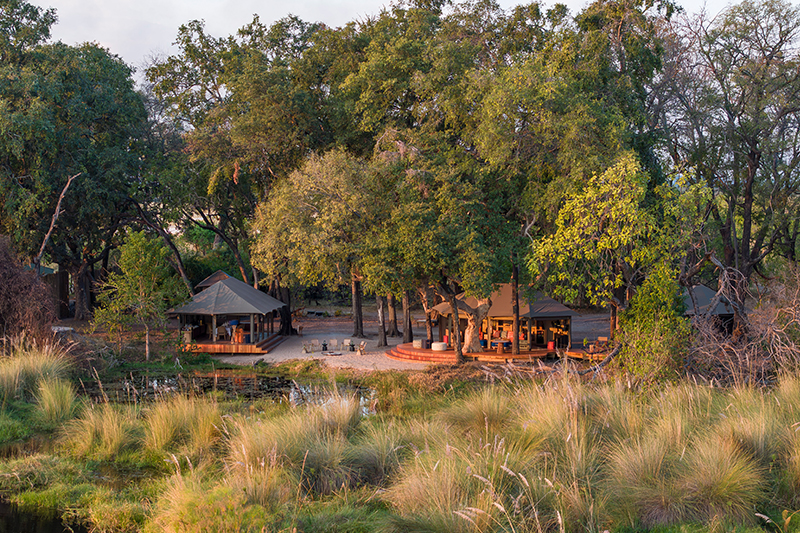
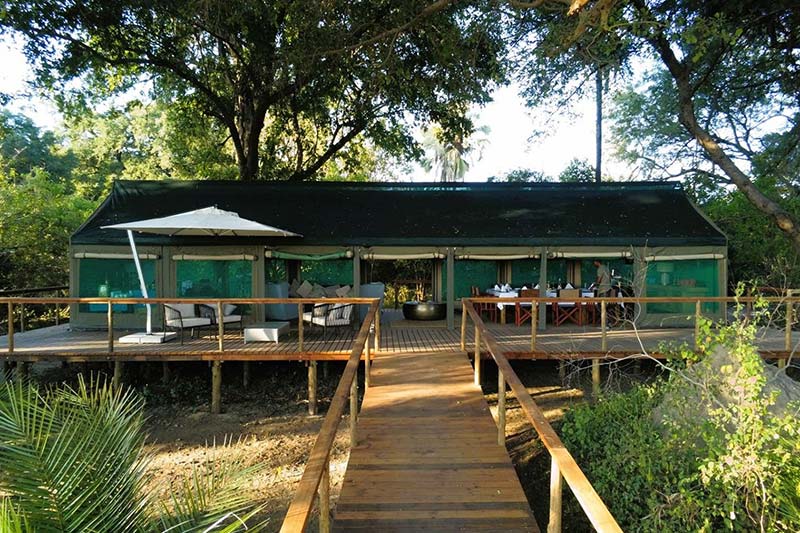
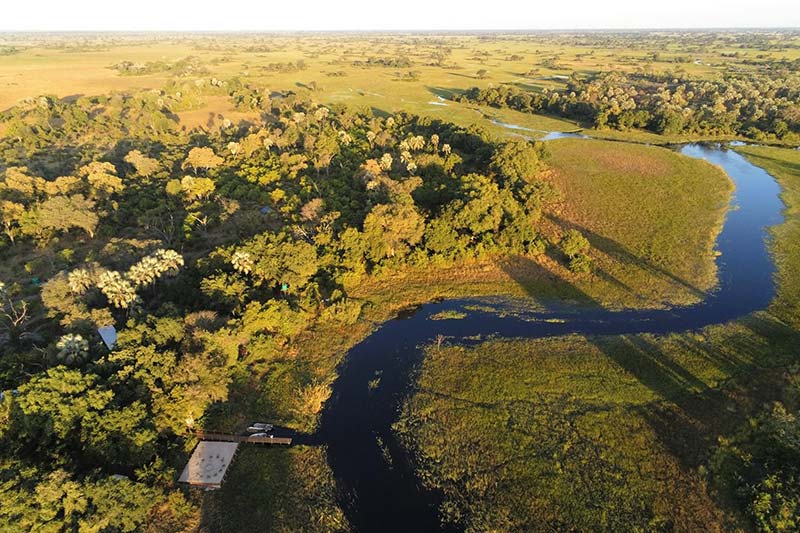
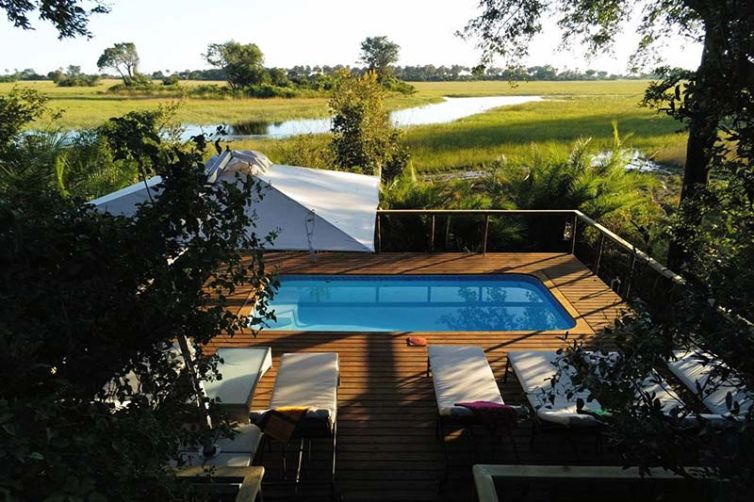
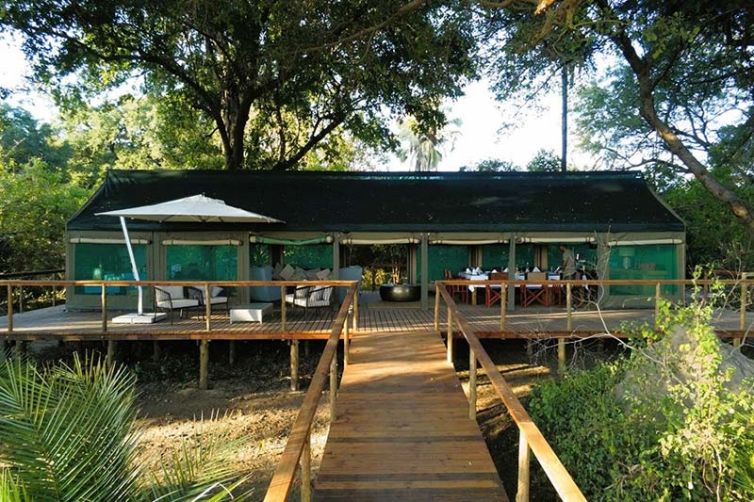
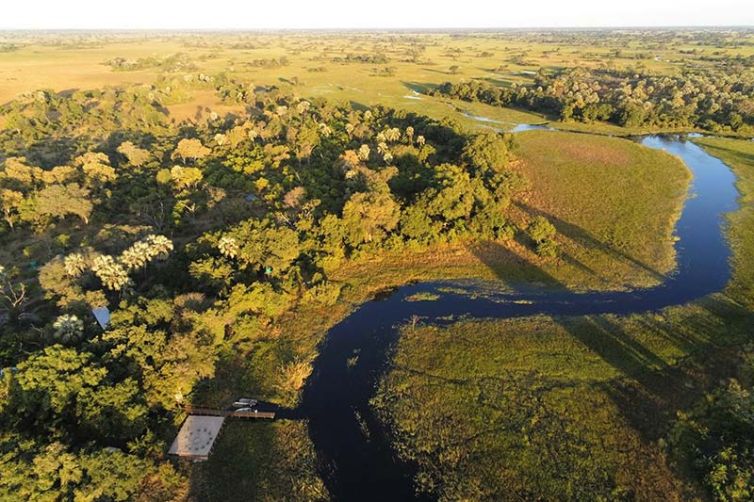
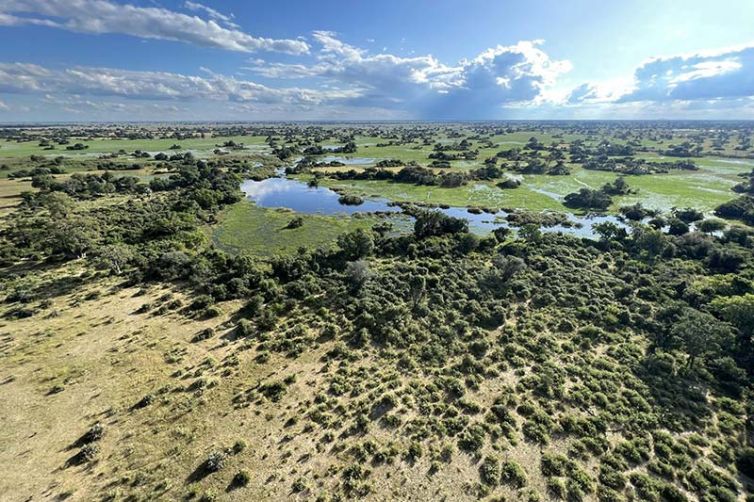
Kala Camp is an intimate tented camp in a picturesque setting in the north-western Okavango Delta. Set on a wooded island overlooking a permanent deep water channel, and surrounded by endless flood plains and smaller islands, Kala Camp offers a stunning wetland Okavango Delta experience, especially when water levels are high (usually between May and September). Kala is a classic tented camp, authentic in style, operated by an experienced team and offering a very personalised, yet relaxed, service. For Botswana, Kala is refreshingly down to earth and unpretentious, yet the tents are very comfortable and the food is good. Due to its location, permanent water restricts the amount of wildlife in the area and the ability to do game drives, so for most of the year Kala Camp is not an intensive game viewing safari destination, with mokoro excursions and boat cruises being the main activities. However, walks are possible year round and game drives are possible when water levels allow. For birders or anyone looking to break up their game driving safari with a couple of days of serenity, Kala is a great option.
Rooms
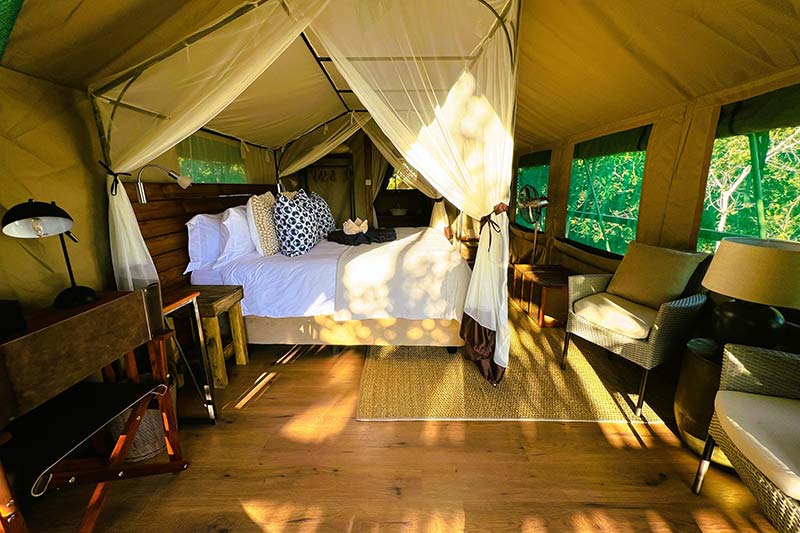
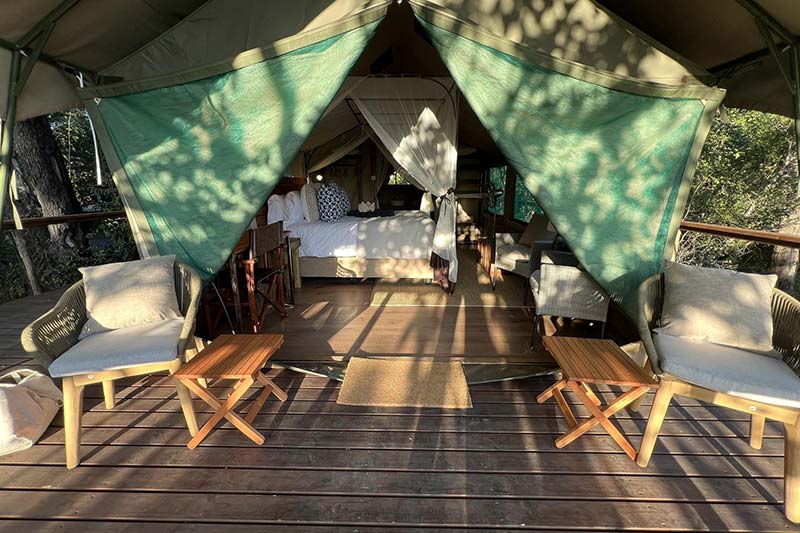
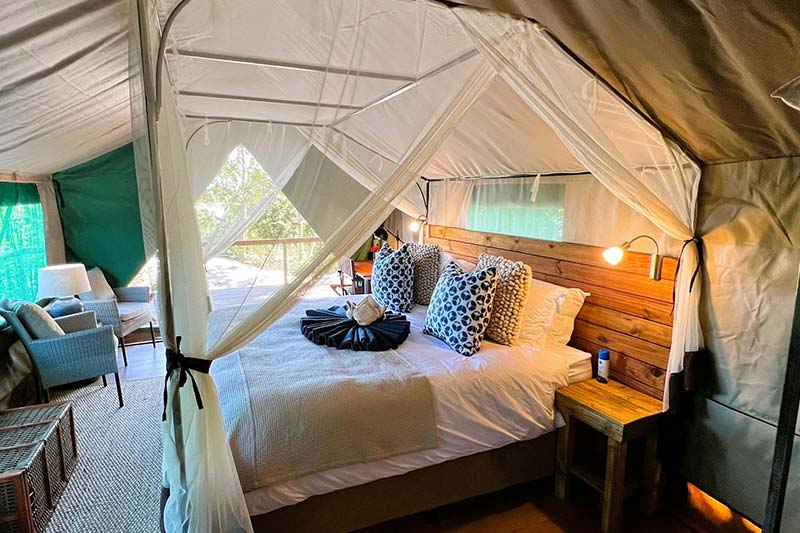
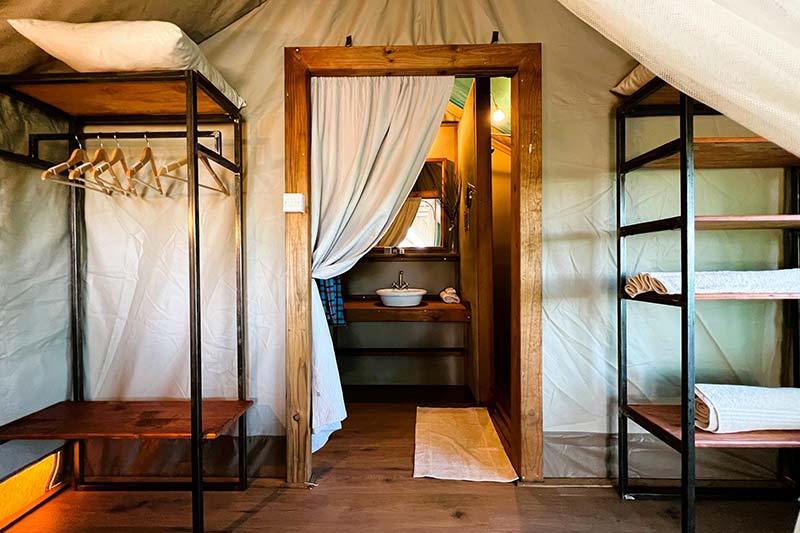
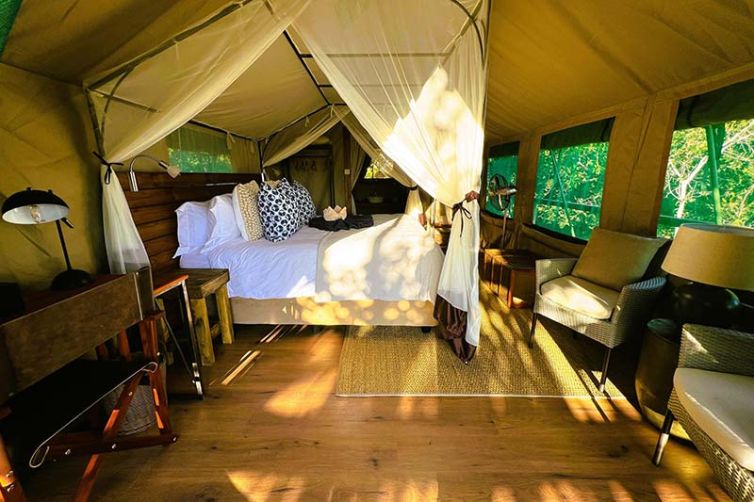
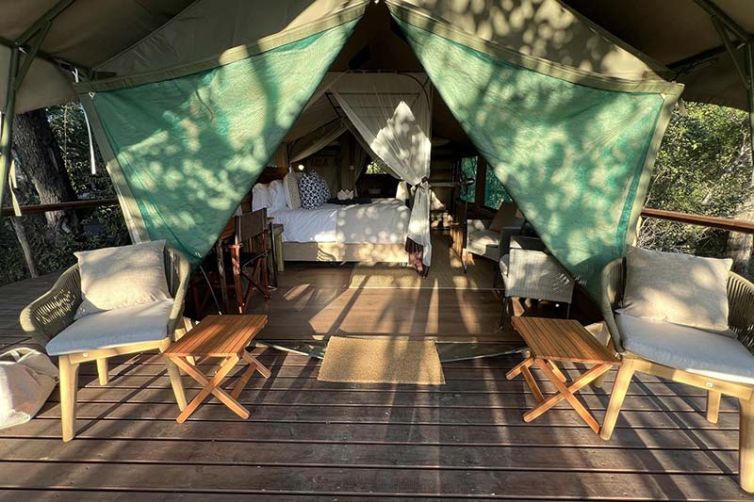
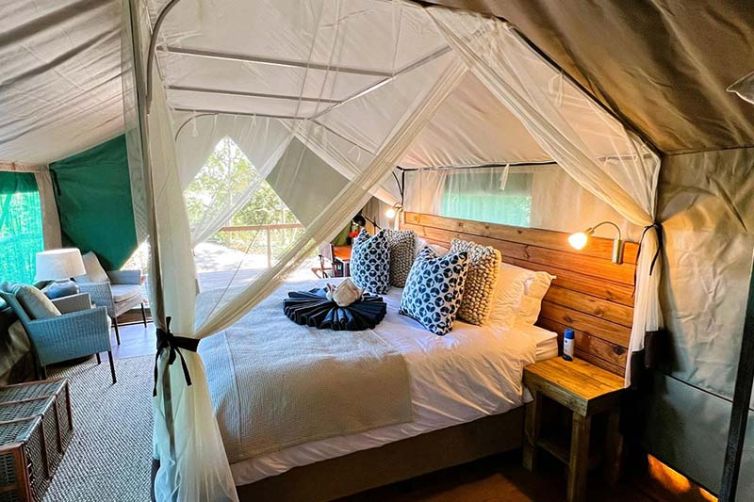
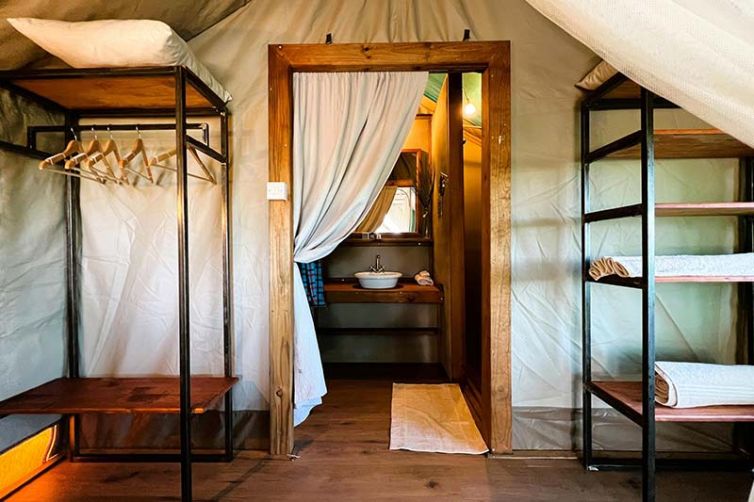
Accommodation is provided for 14 guests in seven tents which are simple yet comfortable with twin or king size beds under a mosquito net. Each tent has an outside deck with seats. The bathroom is to the back of the tent with a flush toilet, plumbed shower and basin. Each tent has a standing fan for the hotter months.
Central Areas
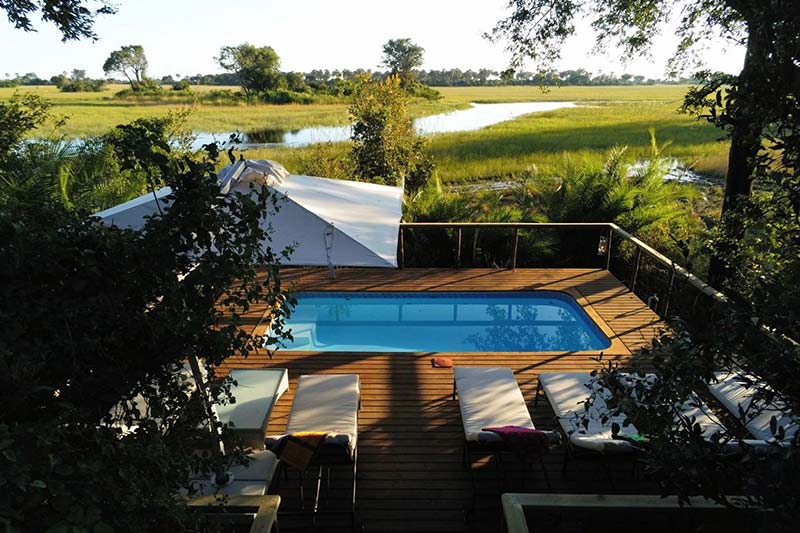
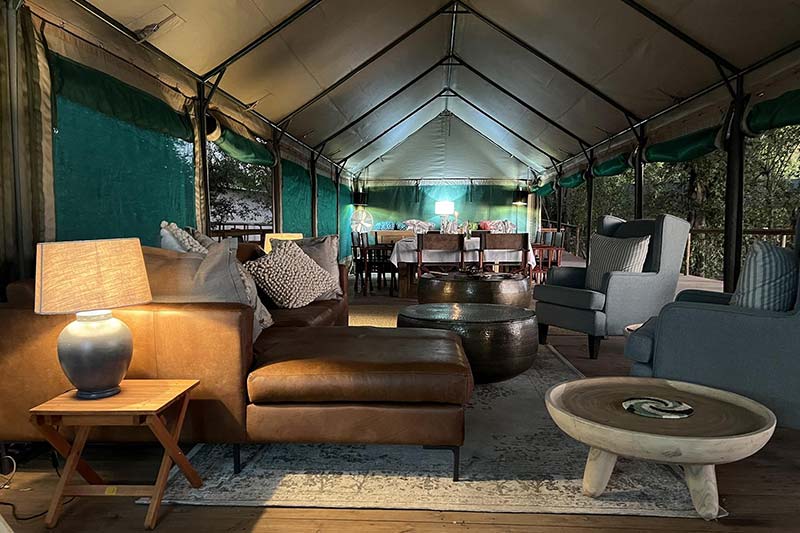
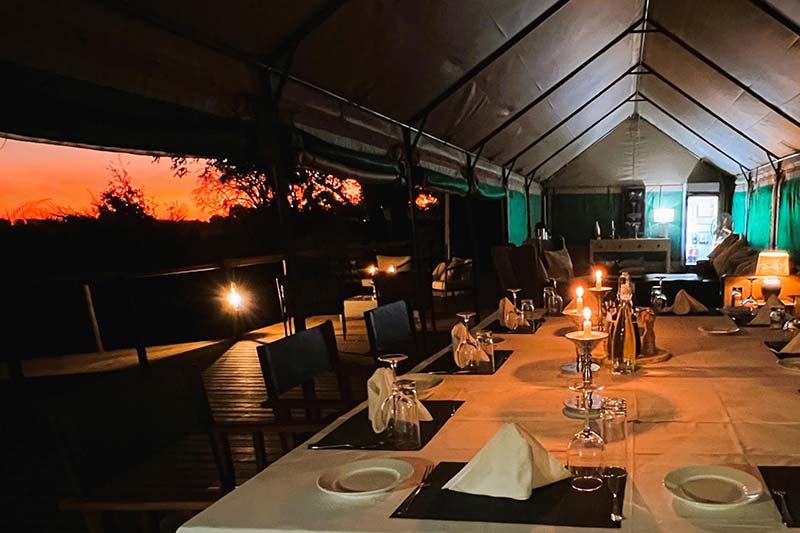
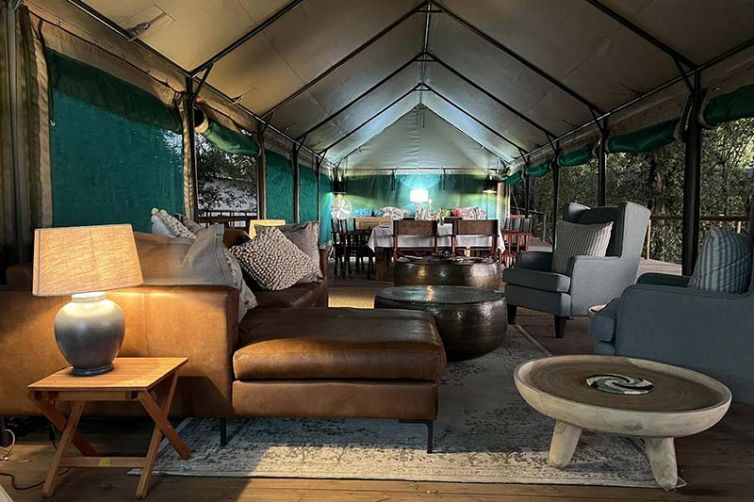
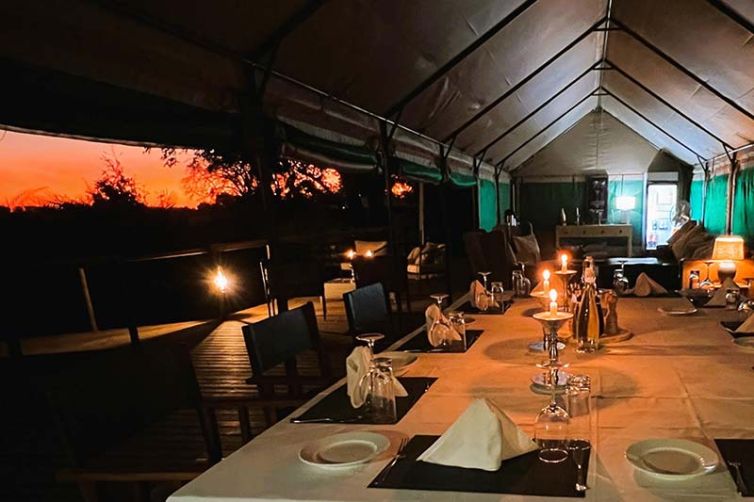
The main areas include an intimate lounge and dining tent, a small swimming pool and a sand boma in front of camp where meals will sometimes be taken.
Facilities
Wi-Fi – Yes
Power for Charging – Yes
Swimming – Yes
Habitat & Wildlife
Kala Camp offers a true Delta water experience, especially so during the flood season from May to September when the camp is surrounded by water. The area is characterised by deep water channels, lagoons and islands – a lush and beautiful, watery landscape. The permanent water means this area is not the best for big game, but highlights include red lechwe and sitatunga and the birdlife is spectacular.
Activities
Water activities are possible on the concession all year round, but when the flood waters are in (approx. May to September depending on the annual flood), they can start directly in front of camp. Boating, mokoro excursions and fishing (fishing is from March to December only) are all offered. Guided walks are possible on nearby islands and guests can also take a boat trip to the village on Jao Island for a short guided walk and to meet the local community. When the concession is drier, game drives are offered although it is not an intensive game viewing location.
Seasons
Kala Camp is open March to November but is best visited when the Okavango is in flood, usually from May through to September.
Children under 12 years are not accepted at Kala Camp and there is no specific family accommodation. The camp is not an obvious family destination due to the water-orientated experience, but for those travelling with older teenage children, particularly those with an interest in birds, Kala Camp would make for an adventurous inclusion in an Okavango Delta safari.
Kala Camp supports wildlife conservation and directly supports efforts to reduce poaching in the area. They also run a separate community project through their partners at Okavango Livelihoods and are in the process of setting up a fully operational curio shop at Jao Village as well as working towards creating a fisheries project there. They also support Travel For Impact through the donation of bednights to their bedbank – this organisations supports socio-economic development of communities in the north western part of Botswana through the development of culture and heritage ecotourism opportunities, creating jobs and generating income that goes directly into the community.
Kala Camp incorporates sustainability into their operations, including measures to reduce their carbon footprint such as solar power, recycling of all plastics and responsible waste management.