Bilimungwe
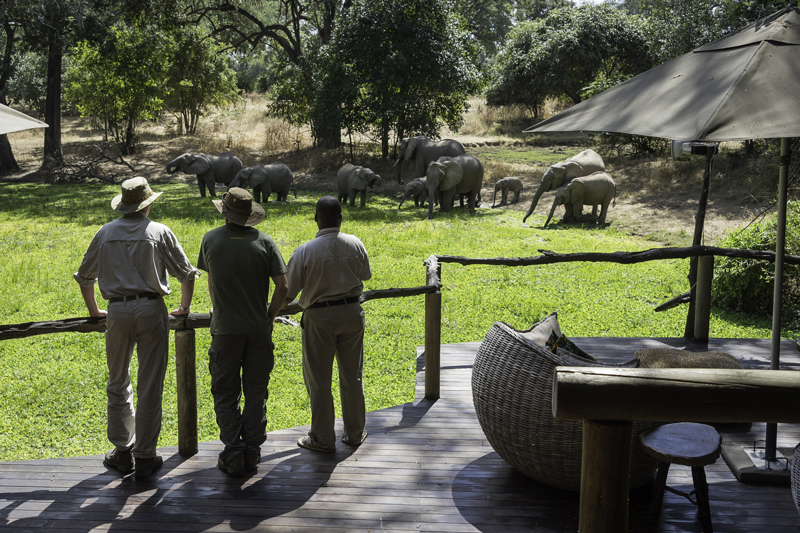
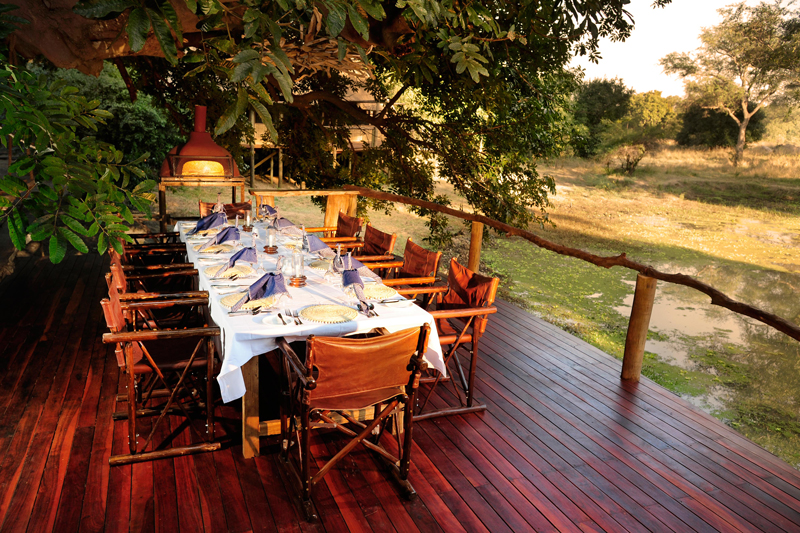
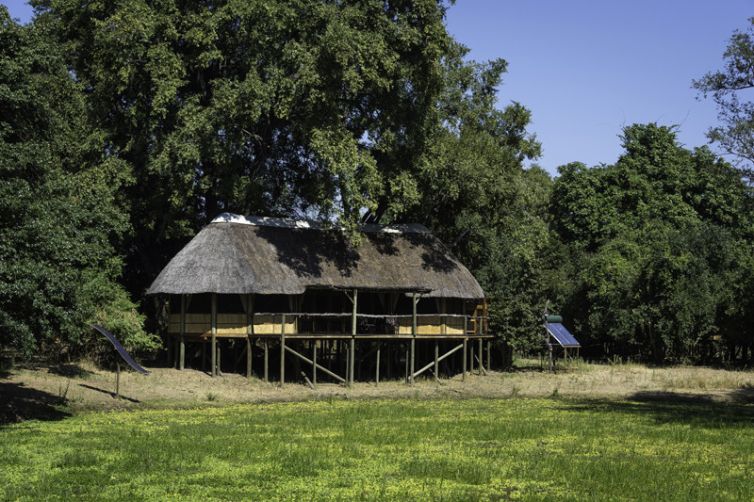
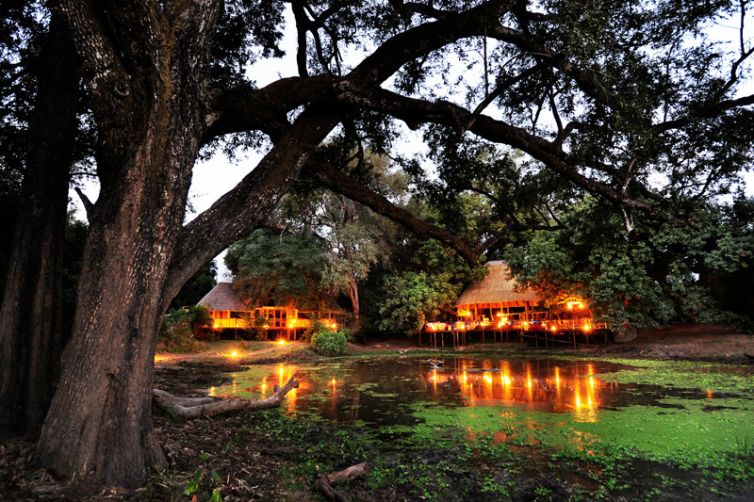
Bilimungwe is a luxury bush lodge overlooking a water hole in the southern part of the South Luangwa National Park.
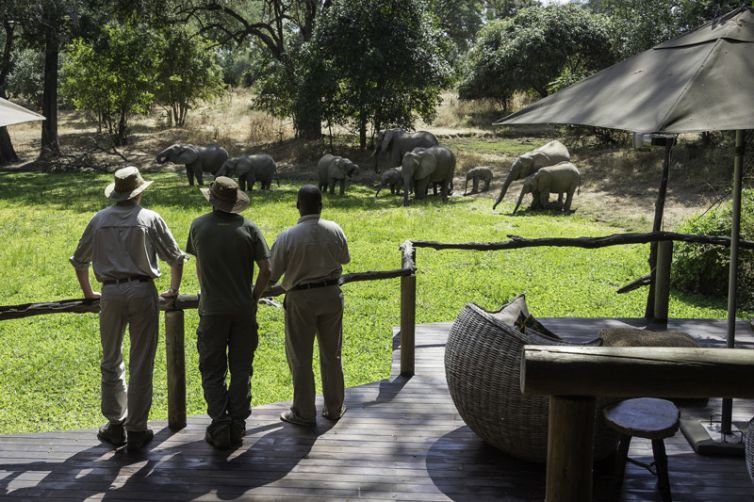
Bilimungwe is a charming bush lodge which offers a really exclusive safari experience. The camp has a lovely setting and has the feel of a camp that always has game around it, and wandering through! Originally a fairly rustic walking bush camp, Bilimungwe has evolved into a very smart bush lodge that is suitable for a wide range of clientele. The remote location, wonderful walking options and intimate camp atmosphere will still appeal to bush enthusiasts seeking a close to nature safari experience. However at the same time, Bilimungwe can also appeal to travellers looking for a relaxed and comfortable safari experience, where game drives are the main focus. The common themes are the camps’ exclusivity, personal service, good guiding and wonderful bush location. Whilst the area close to Bilimungwe is very good for game viewing, especially offering the chance to see wild dog and leopard, there is not enough of a road network to justify more than three nights in the area unless you are also keen to explore on foot.
Rooms
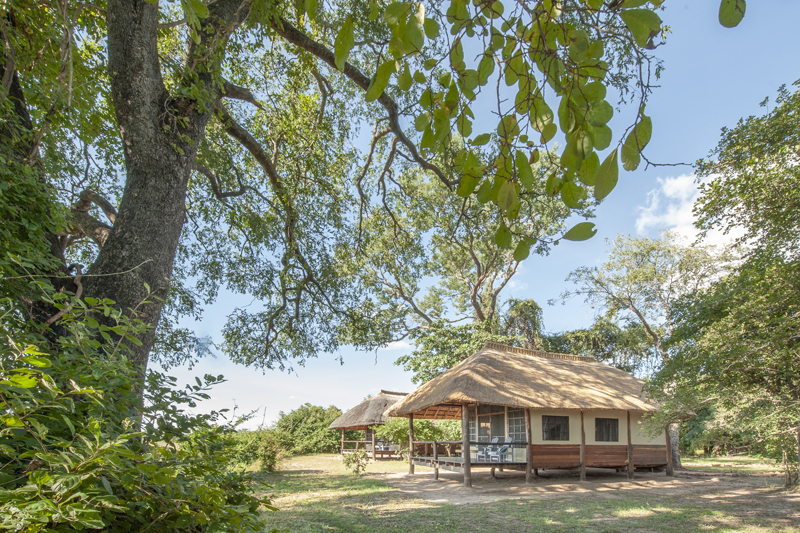
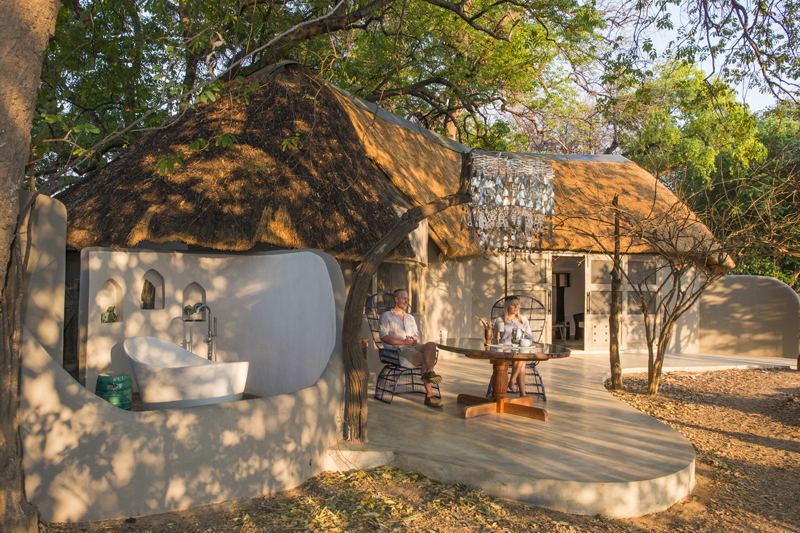
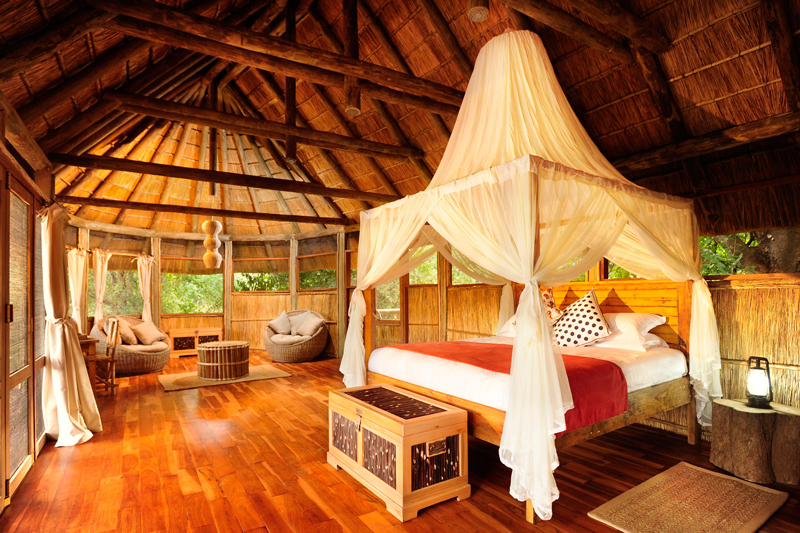
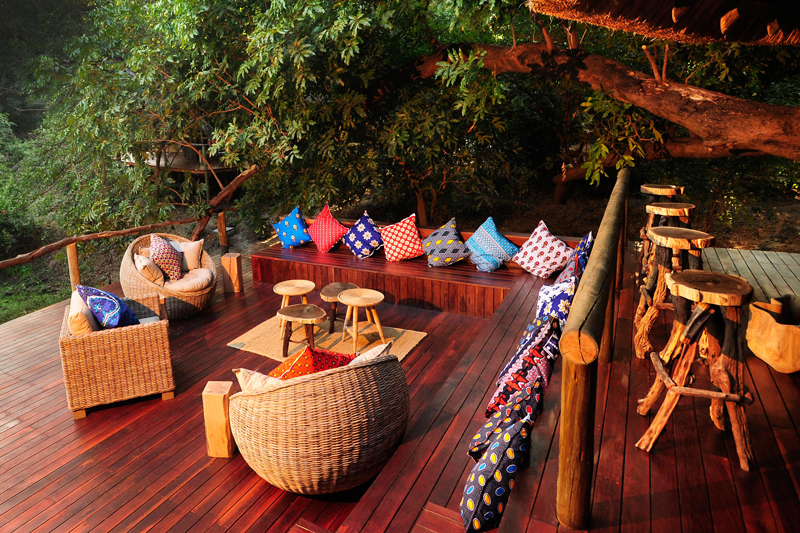
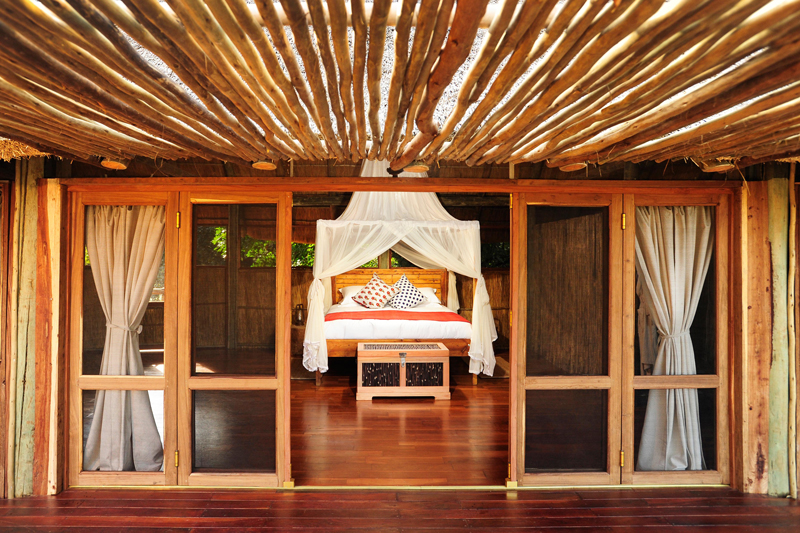
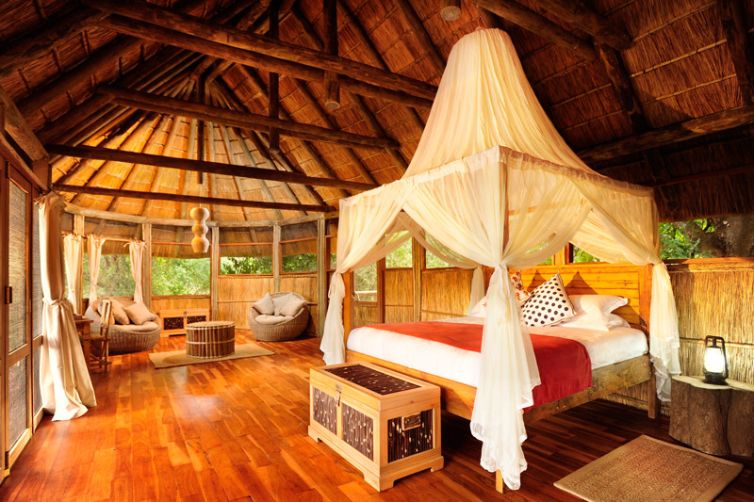
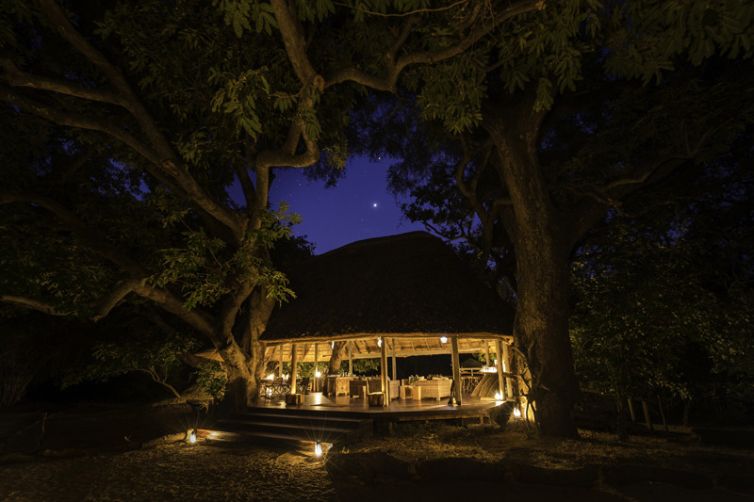
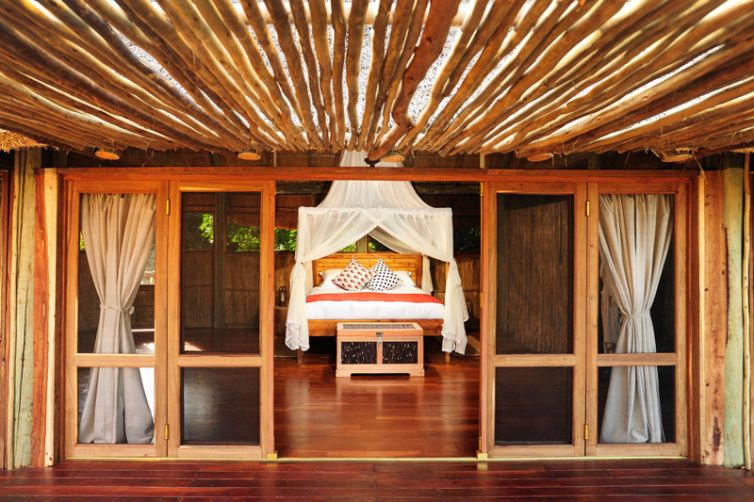
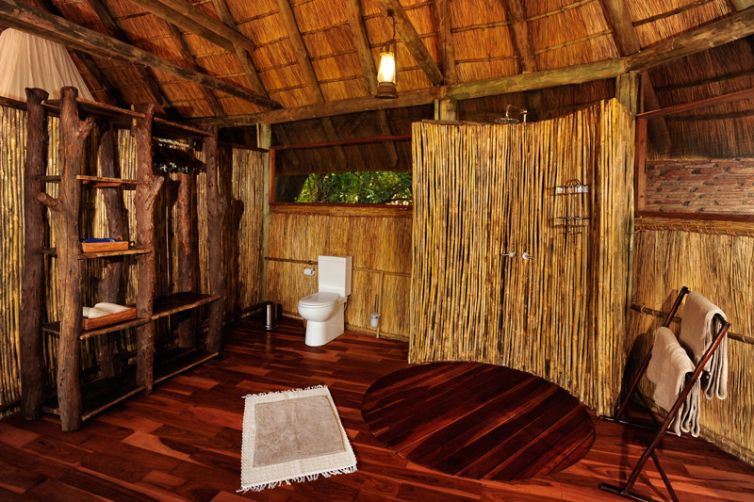
Bilimungwe has a lovely setting amongst a grove of mahogany and winter thorn trees and each of the four chalets has excellent views over a number of waterholes. The wood and gauze chalets are all built off the ground on a large wooden platform under a thatch roof. Each chalet is very spacious with a main sleeping area, separate sitting area and open plan bathroom with indoor plumbed shower, double vanity and flush loo. There is also an outdoor waterfall shower. The decor throughout showcases the woods used from the surrounding trees, and mosquito gauze is used for windows. To the front of each chalet is an oversized deck with furniture.
Central Areas
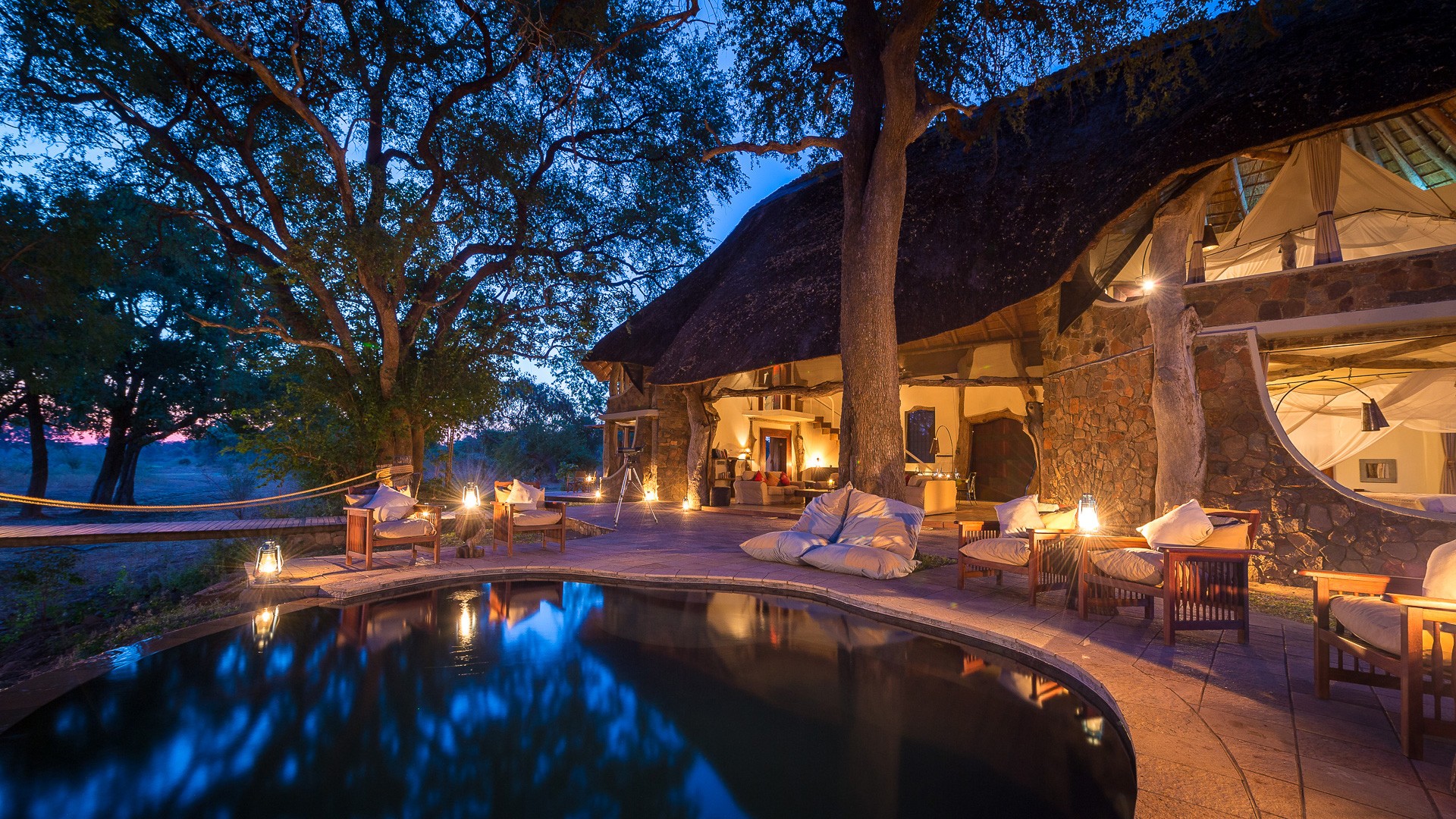
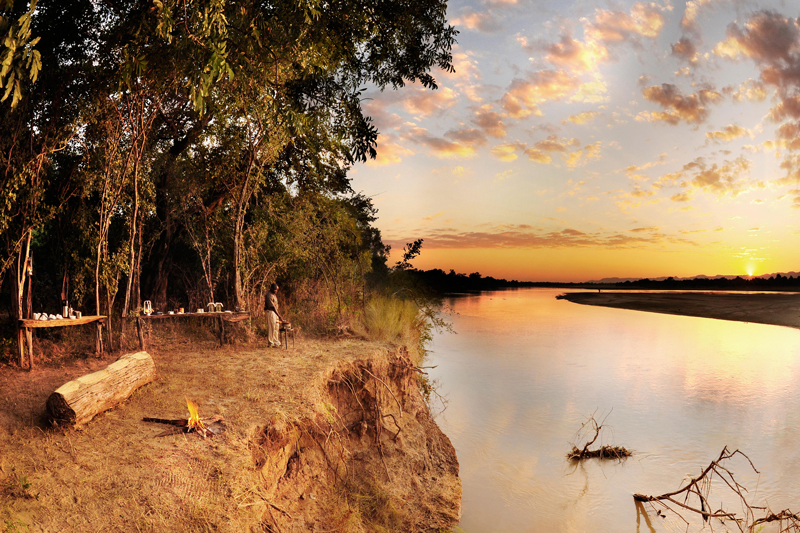
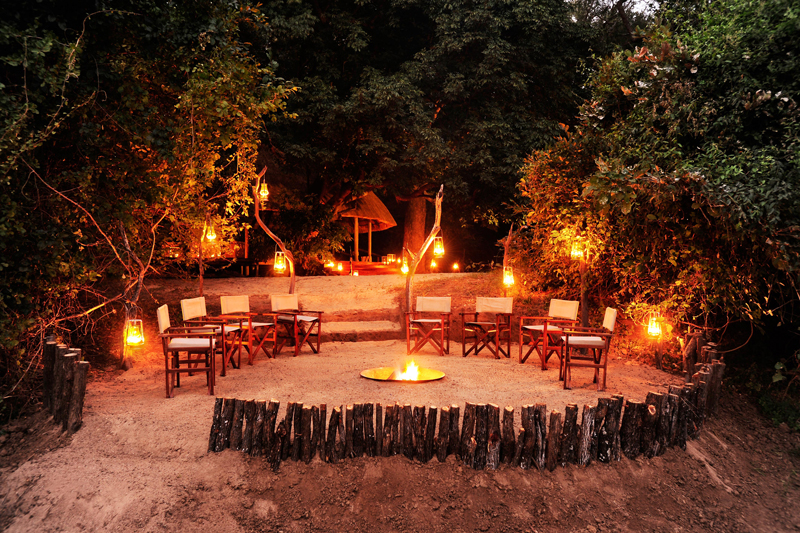
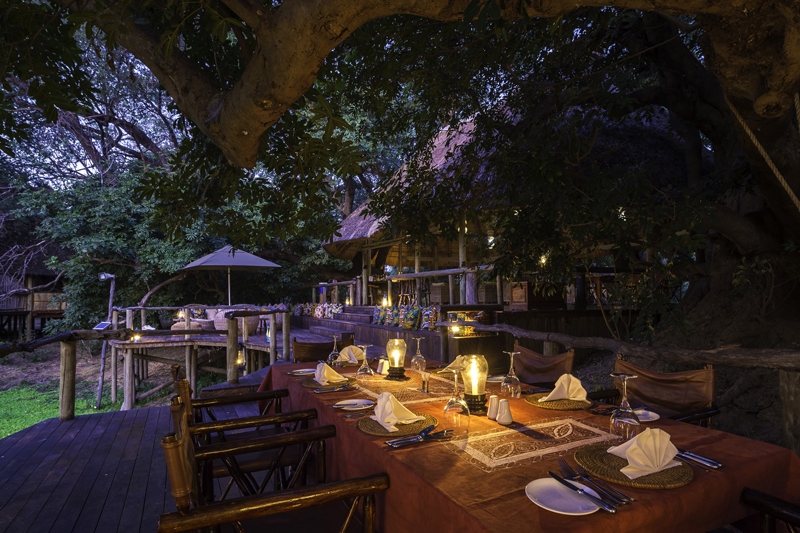
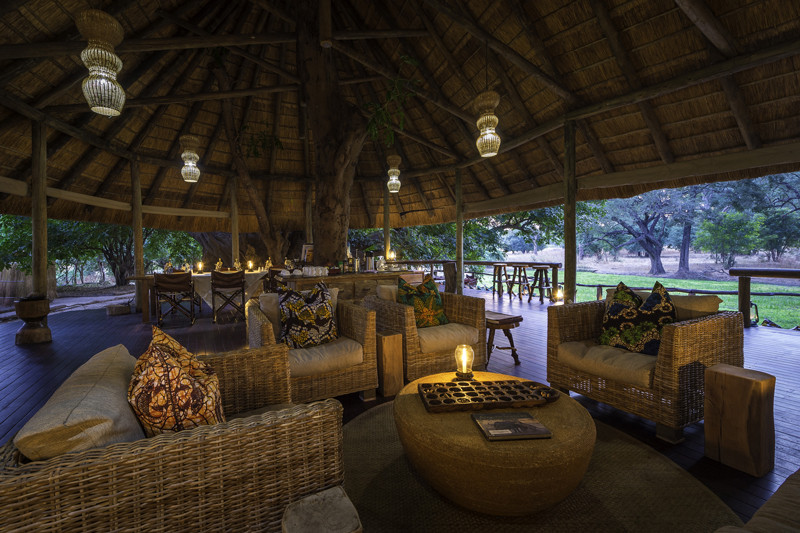
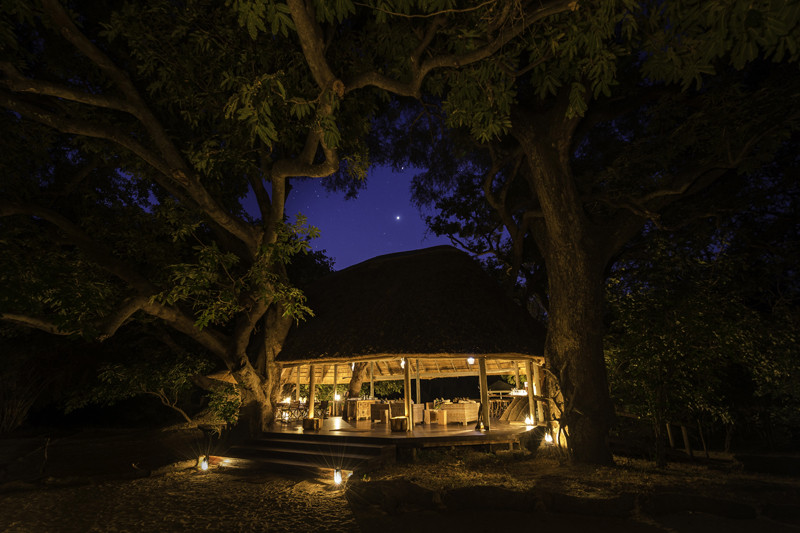
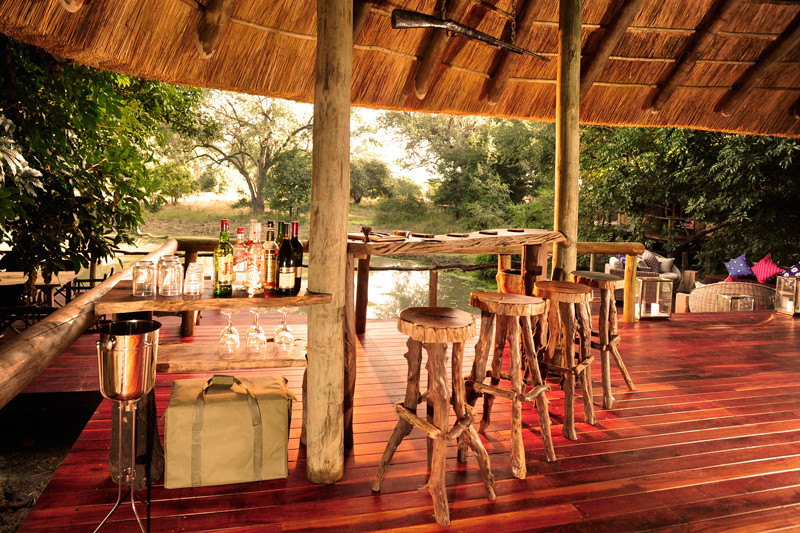
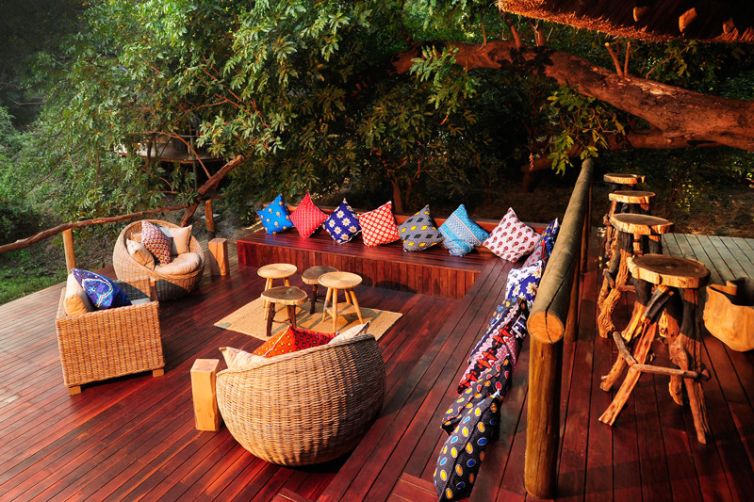
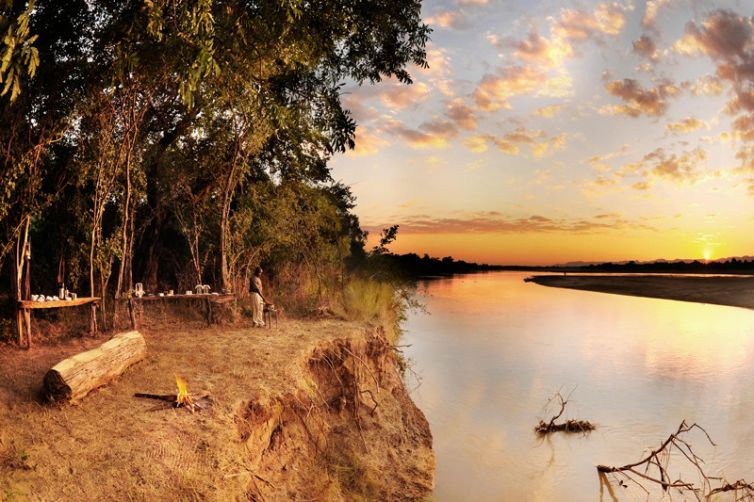
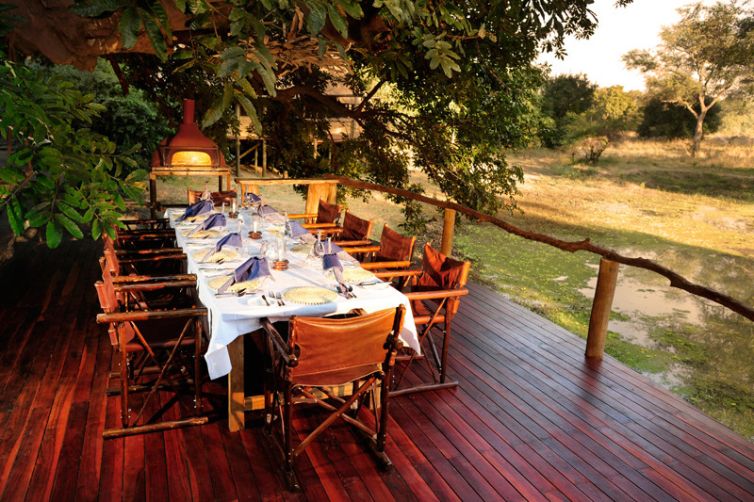
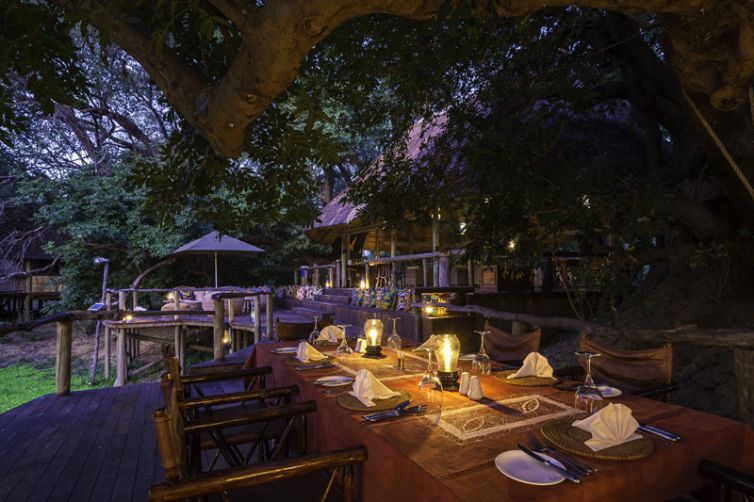
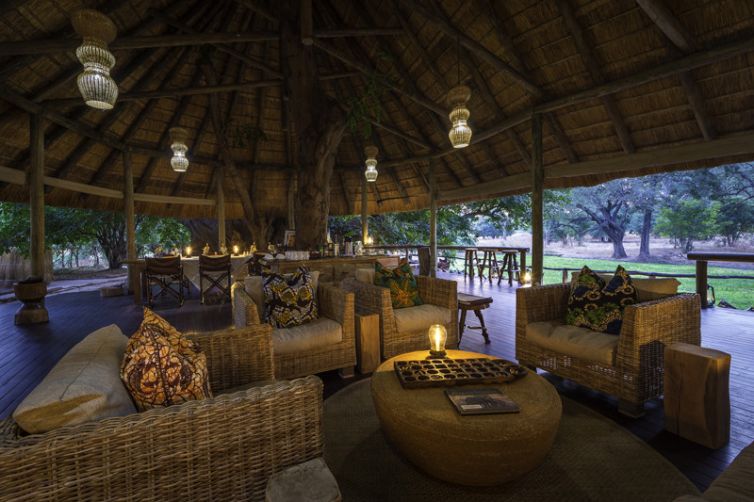
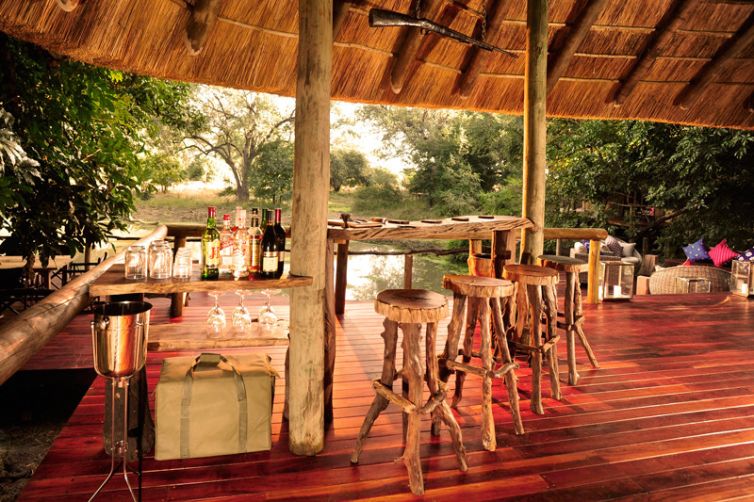
The open sided dining and lounge area is built around a termite mound, under the shade of a winter thorn tree and leads to a lower level deck with comfortable seating. Breakfast is taken at a stunning spot overlooking the Luangwa River a short walk from the main area.
Facilities
Wi-Fi – No
Power for charging – Yes
Swimming pool – No
Habitat & Wildlife
The Luangwa Valley is one of Africa’s most scenic and game-rich National Parks. Forming part of the southern end of the Great Rift Valley, the wide valley floor is about 1,000ft lower than the surrounding plateau and through the centre flows the Luangwa River which is fed by dozens of sand rivers during the rainy season, causing it to become a raging torrent. It frequently alters its course from season to season, causing many ox-bow lakes to form. These lakes are very important to the ecology of the valley and account for the high carrying capacity of the park.
Elephant, although slightly smaller than their southern African savannah counterparts, are plentiful, as are buffalo (in huge herds), kudu, waterbuck, puku, impala, bushbuck, warthog, and reedbuck. Thornicrofts giraffe (endemic to the region) are commonly seen and the Cookson’s hartebeest can be seen in the northern sector of the park. Along the river hippo can be seen in their hundreds, in the late dry season packed into ever decreasing water pools, whilst huge crocs laze on the many sand banks. However, the park is perhaps best known for its predator populations, in particular lion and leopard, the latter of which are seen regularly by day and at night. Wild dogs have made a good comeback in the park in recent years and are often sighted. Night drives can also be very productive, with nocturnal species such as civet, genet, honey badger, white-tailed mongoose, African wild cat, spotted hyaena and porcupine regularly seen in addition to the many superb leopard sightings.
The birdlife of the Luangwa is equally exceptional, with over half of the total Zambia species (around 700) being recorded here. Commonly sighted species include crowned crane, carmine- and white-fronted bee-eaters (which nest in the banks of the river from late August onwards), Lilian’s lovebird, purple-crested turaco, paradise whydah, striped kingfisher and the impressive saddlebill storks. Pel’s fishing are also regularly seen.
Activities
Bilimungwe was originally developed as a walking camp, and there is still a strong focus on walking with morning walks being offered each day. Afternoons are often set aside for relaxed afternoon game drives which extend into a night drive after sunset drinks. However, increasingly guests have required morning game drives and these days many guests focus more on driving then walking, so it is possible to stay at Bilimungwe without walking at all! There is also a comfortable hide overlooking a very productive water hole. We suggest however that Bilimungwe is best for guests wishing to explore by vehicle and on foot.
Seasons
Bilimungwe is open from mid-May to the end of December though game viewing will be best from July to October.
Bilimungwe is not an obvious choice for families with children under 12 years old. However, for families with older teenage children, Bilimungwe could offer a really fantastic family safari adventure.
All guests of The Bushcamp Company, owners of Bilimungwe, contribute to conservation and community upliftment in the South Luangwa region through the payment of a nightly conservation and community levy.
All guests also pay a ‘Keyrings for Conservation’ fee (you’ll receive an elephant keyring on arrival as a token of appreciation – these are also for sale in the gift shop in camp for guests who wish to purchase gifts to take home) and these raise $100,000 per year toward the projects supported by The Bushcamp Company.
The Bushcamp Company works closely with local organisations including Conservation South Luangwa and the Zambian Carnivore Programme (to which the conservation and community levy goes towards), to support efforts such as anti-poaching and anti-snaring activities, human-wildlife conflict mitigation and training and wildlife research.
Support is also given to a number of community projects through both the conservation and community levy and Keyrings for Conservation. Such projects include Commit to Clean Water which funds the drilling of boreholes for local communities. Each borehole provides fresh drinking water to at least 300 people per day. The Meal-a-Day Programme provides school meals for 4,000 students each day, while support for local primary and secondary schools includes building classrooms, sponsoring teacher salaries and providing school equipment.
Guests who have space in their luggage can bring items to donate to local schools.