Zawadi Hotel
Zawadi Hotel is an exclusive, boutique hotel located on the south-east coast of Zanzibar.
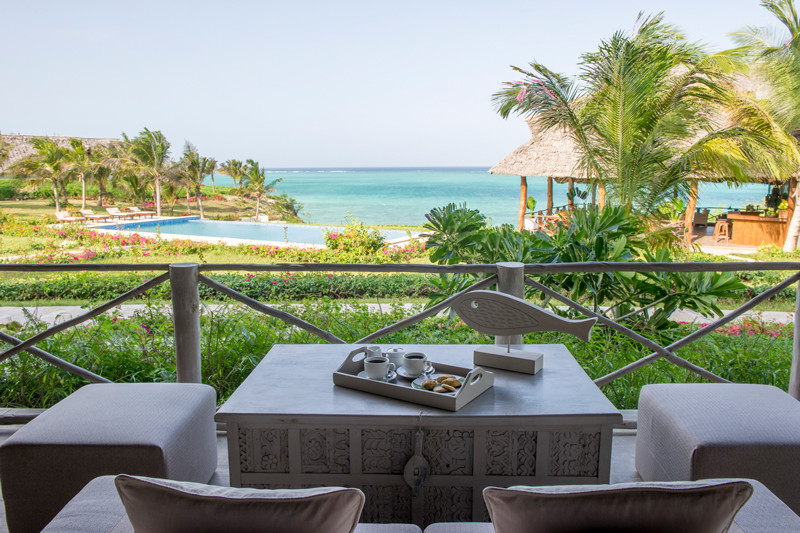
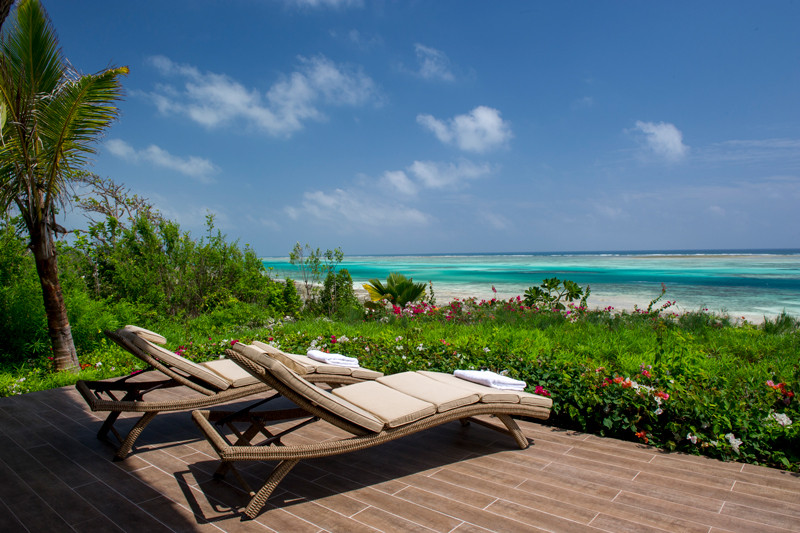
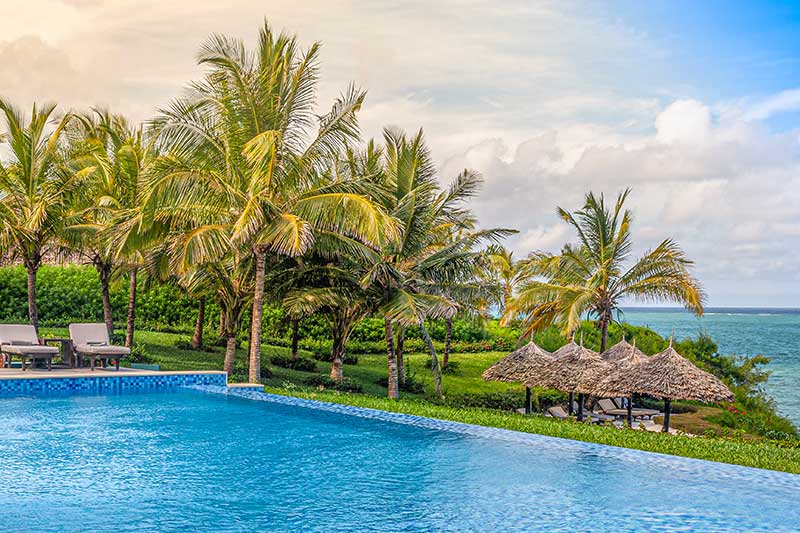
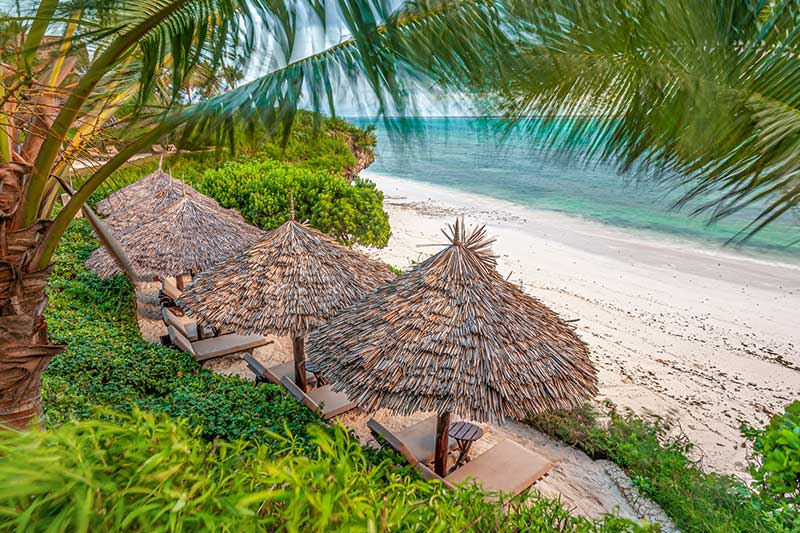
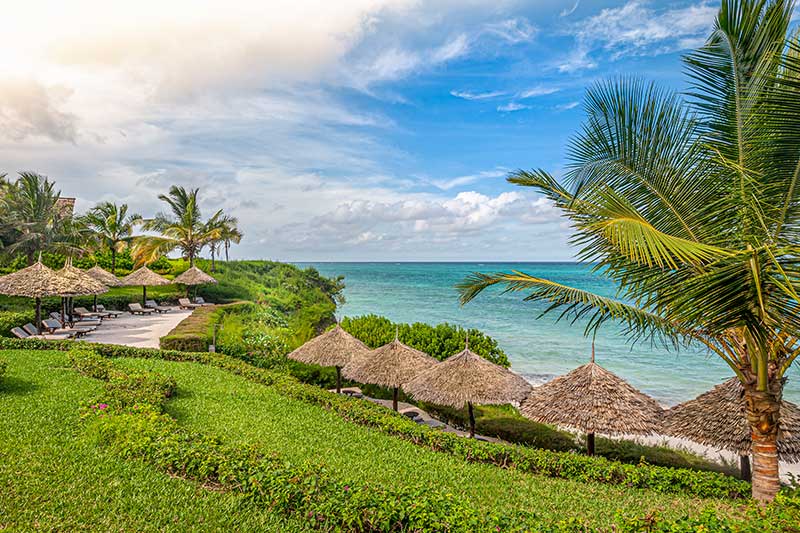
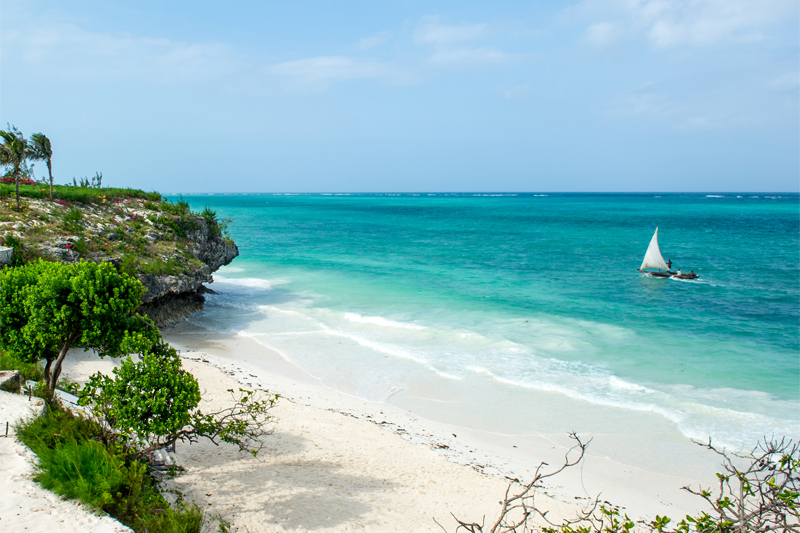
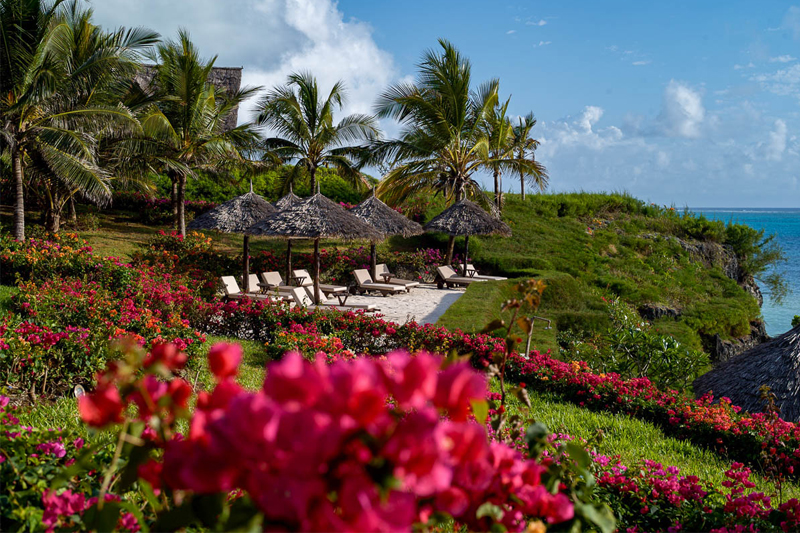
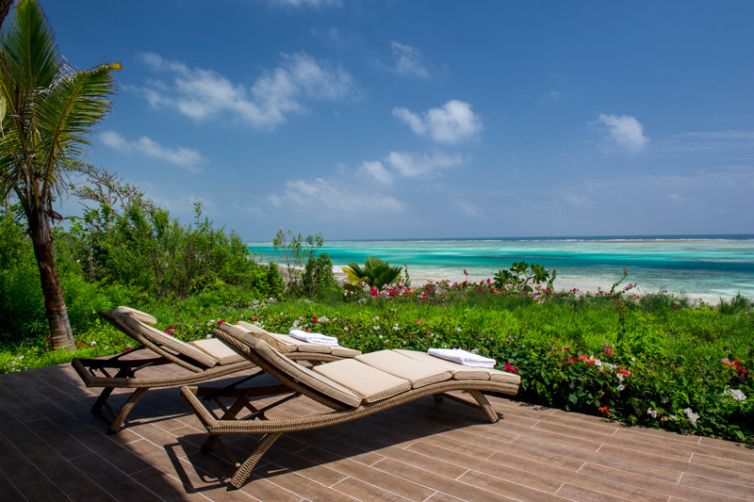
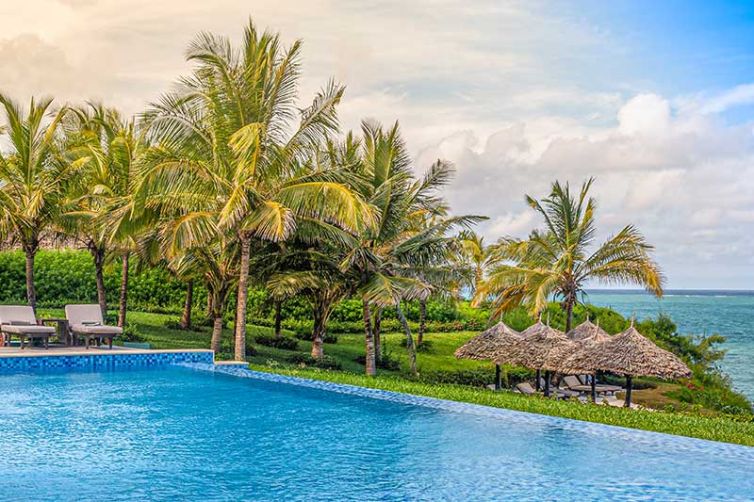
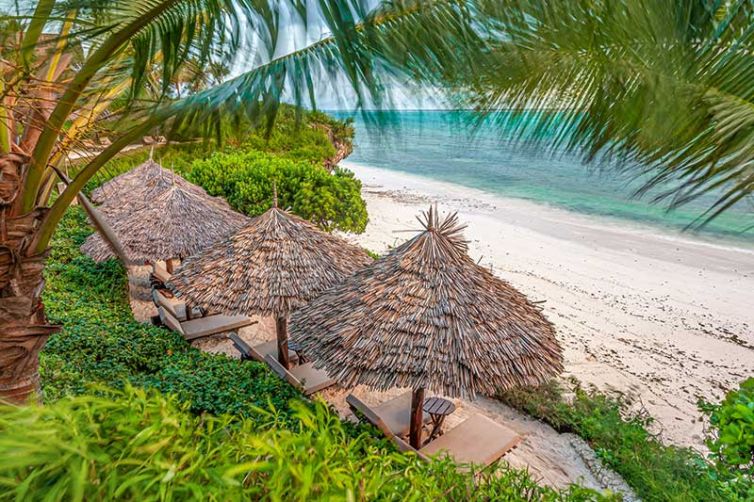
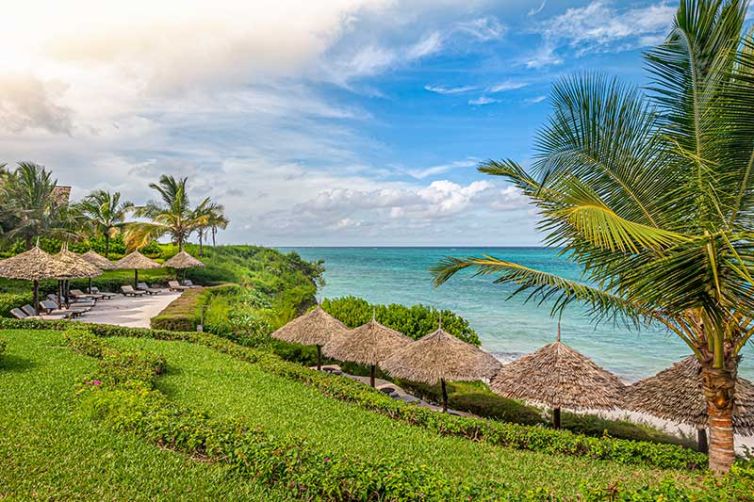
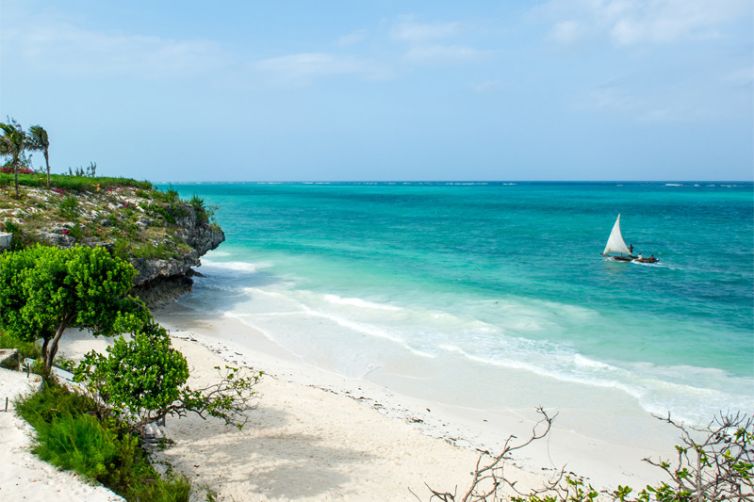
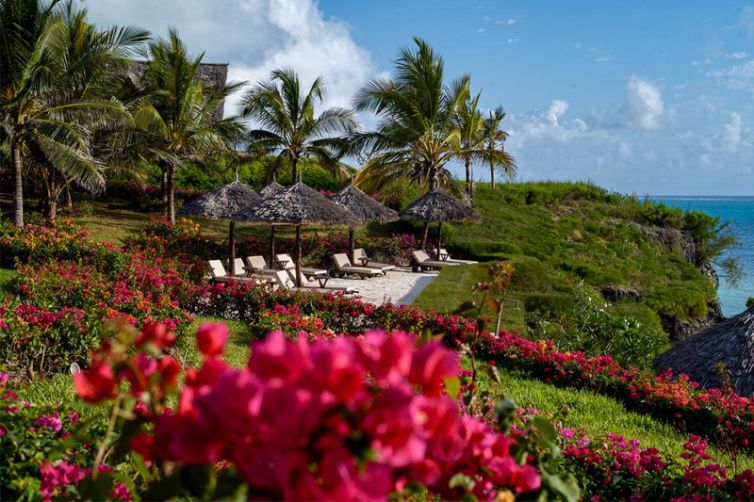
Zawadi is one of the more luxury hotels to consider on Zanzibar, and there are three critical factors to consider. Firstly, it is a small, boutique property and is therefore very suited to guests looking for a quiet, exclusive stay. Secondly, it is set along the top of cliffs with wonderful views of the ocean, with a private beach. Thirdly, Zawadi is part of the Zanzibar Collection, who we believe run excellent hotels. Zawadi will therefore offer a lovely balance of sophistication combined with warm, personal service.
Rooms
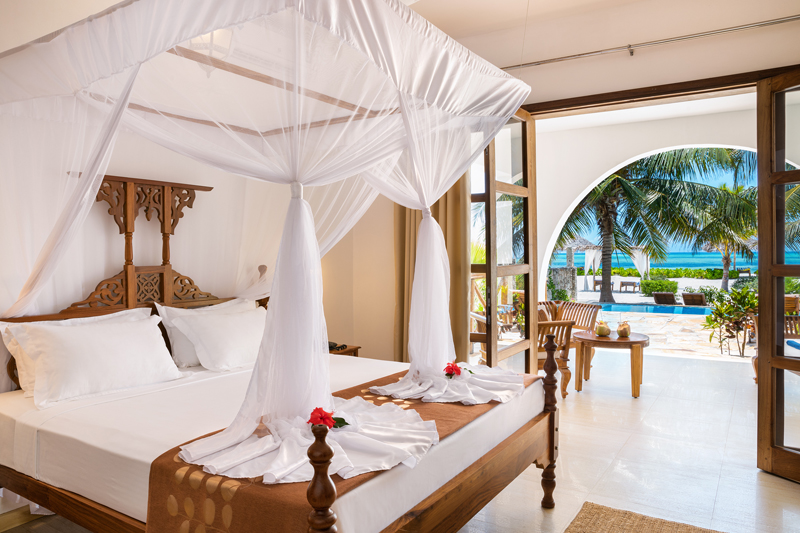
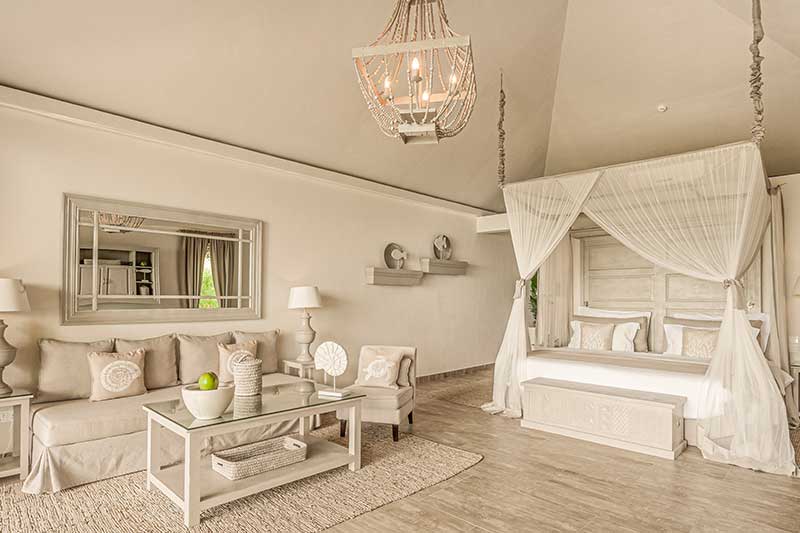
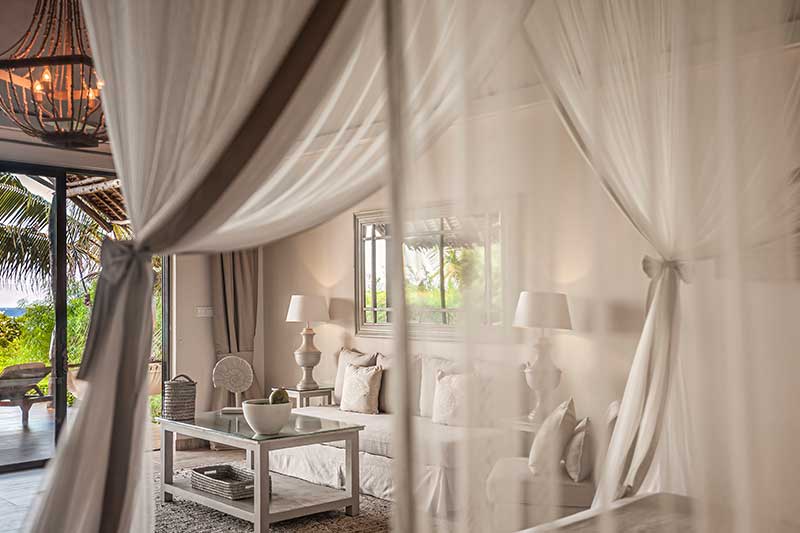
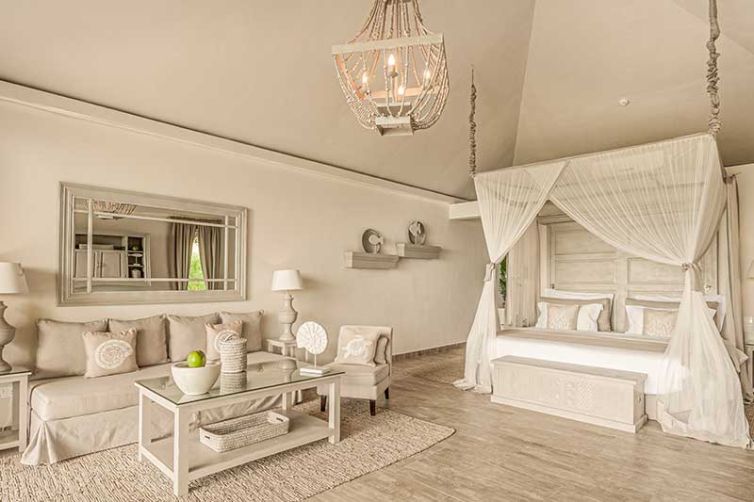
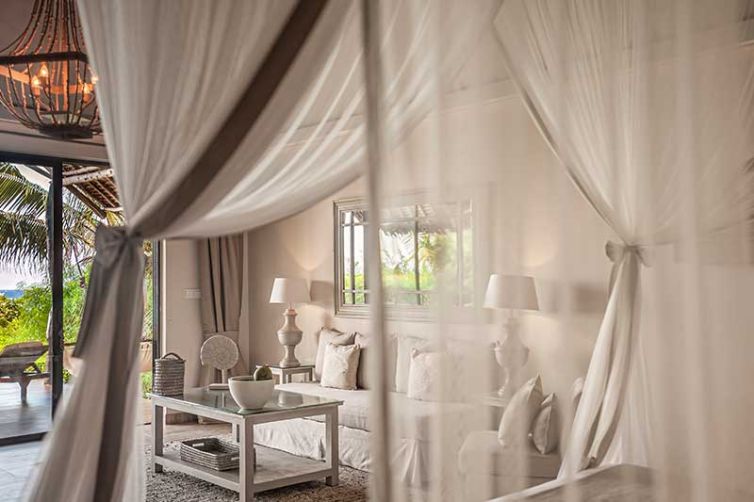
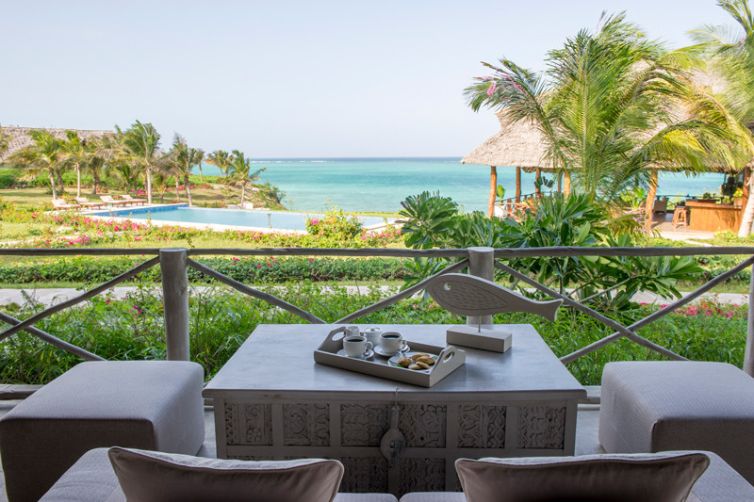
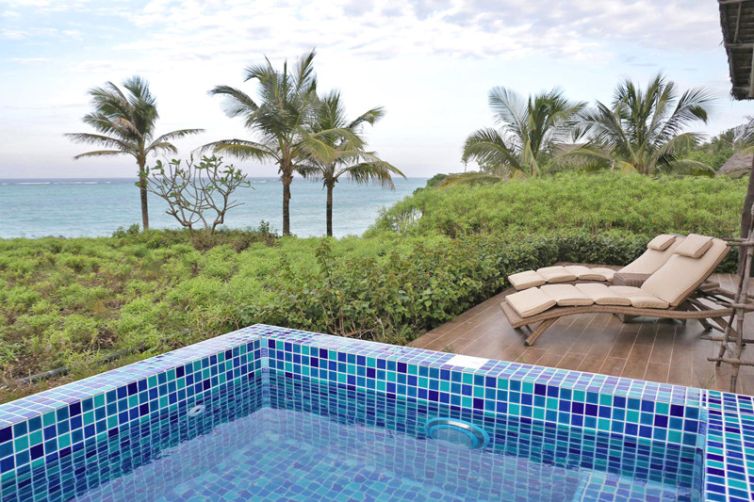
Zawadi accommodates 24 guests in 12 spacious villas offering an intimate beach retreat. The villas are private, spacious and luxuriously furnished with elegant beach décor. Each includes a king sized bed, air conditioning, mini bar and en suite bathroom with twin basins, freestanding bath and toilet. Sliding doors to the fore lead onto a spacious terrace with a private plunge pool and stunning ocean views.
Central Areas
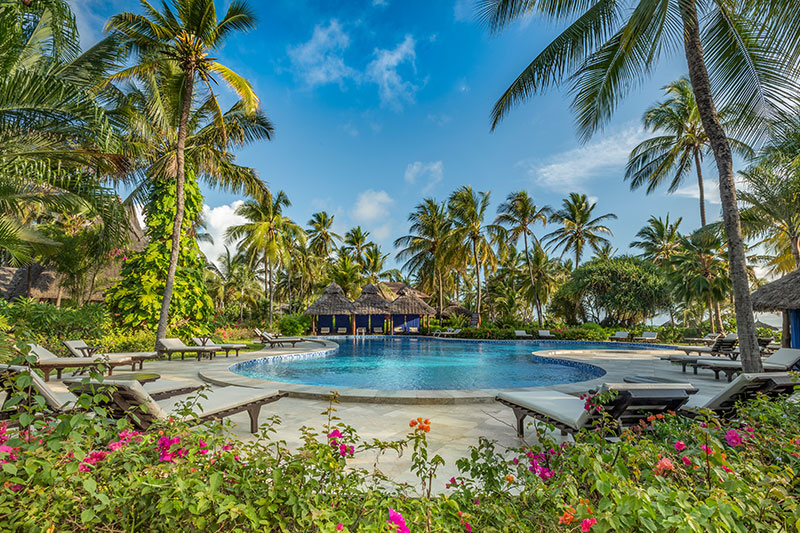
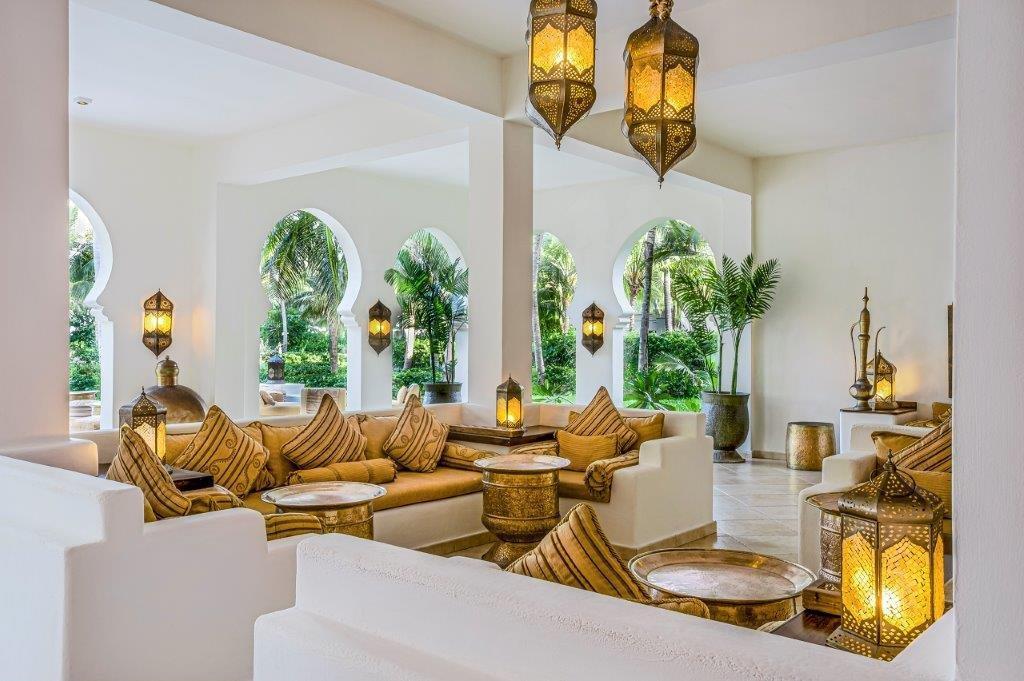
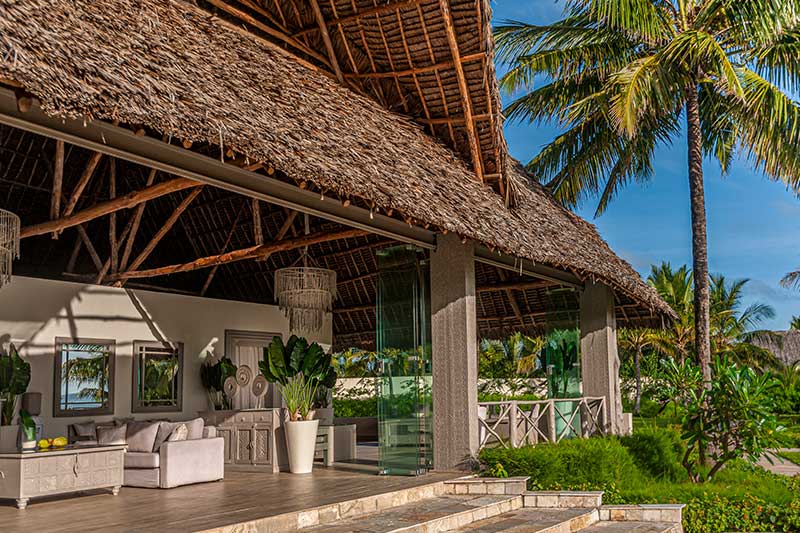
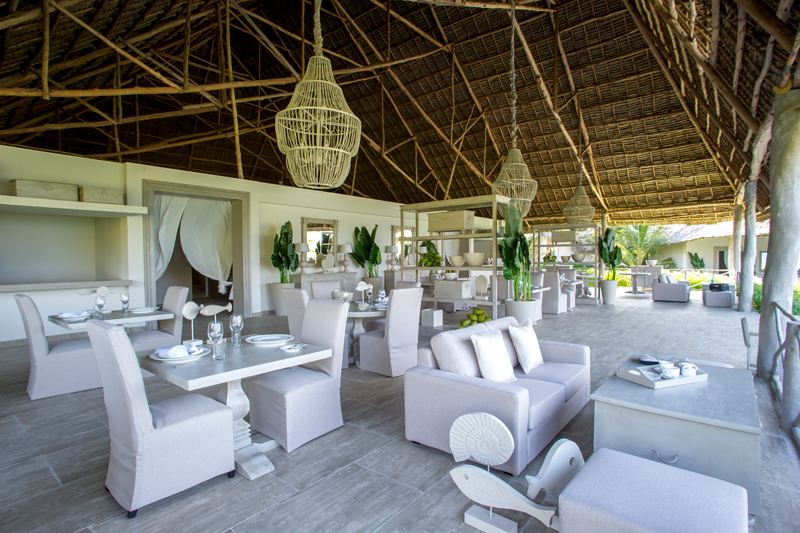
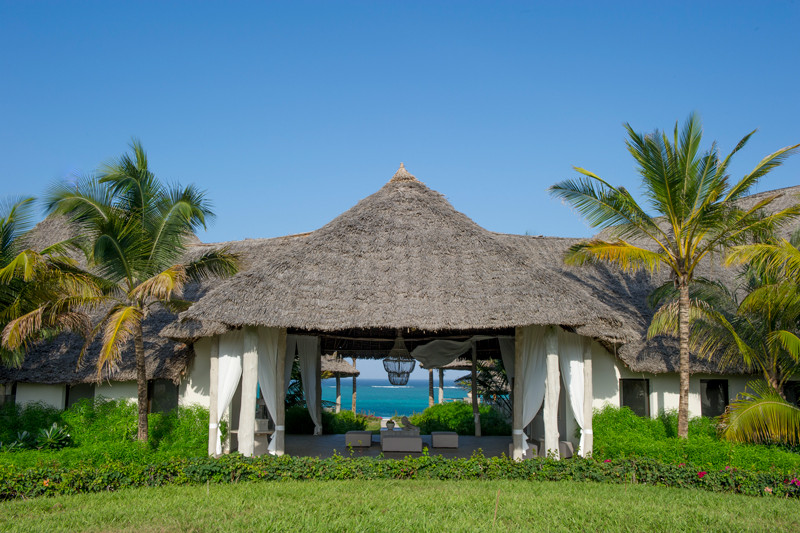
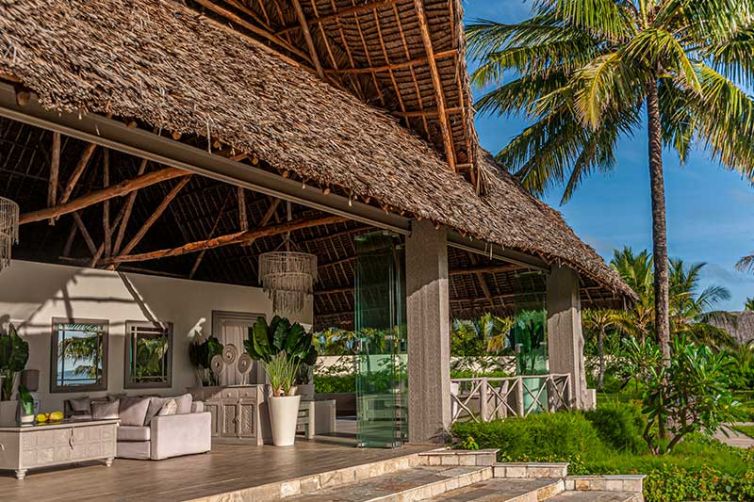
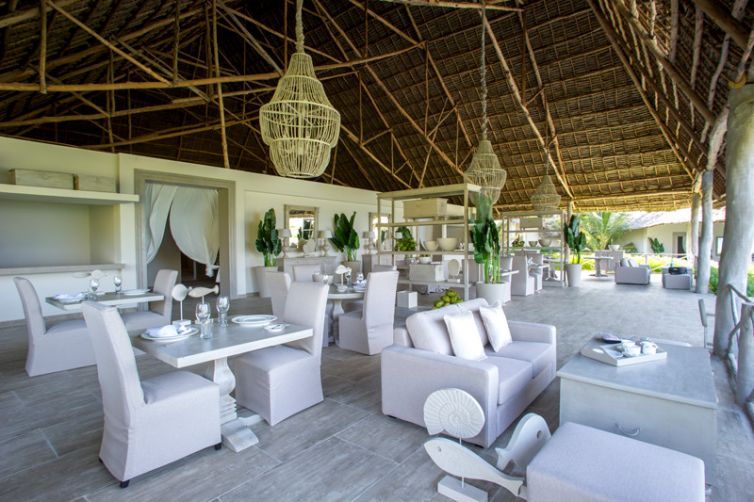
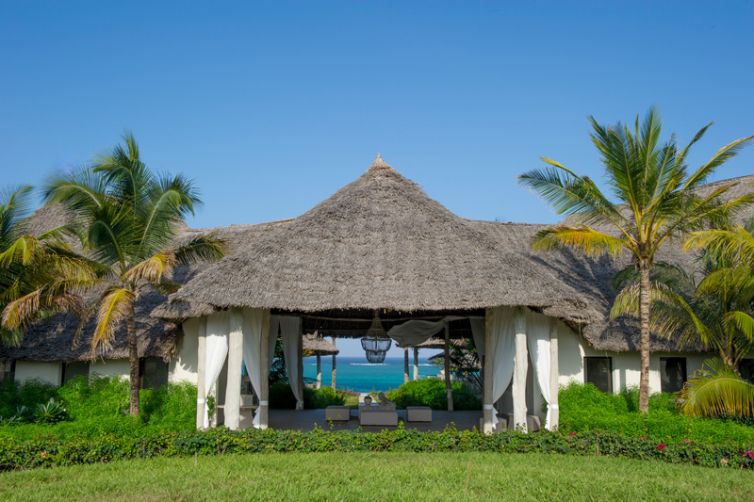
The open-plan thatched central areas face the ocean and consist of a lounge/bar and dining area. There is a large swimming pool with pathway leading down to the beautiful white sandy beach. Beside the pool is the beach bar and terrace. With a relaxed atmosphere, Zawadi is a tranquil, laid back hide-away offering personalised service and excellent cuisine.
Facilities
Wi-Fi – Yes
Power for Charging – Yes
Swimming Pool – Yes
Habitat & Wildlife
Zanzibar’s, or more correctly Unguja’s (Zanzibar is the name of the archipelago which includes both Pemba and Unguja islands), history dates back more than 2000 years when the islands traded with ships from Persia, Arabia and India. From about the 10th century, groups of immigrants from Shiraz (Persia) settled on the island and mixed with the local people. In the 16th century, the Portuguese established a trading station before being ousted by Omani Arabs a couple of centuries later. In 1840, the Sultan Said moved his capital from Muscat to Zanzibar with the Omani Arabs forming an elite group of landlords and rulers. Indian settlers formed a merchant class and the island became an important centre of regional politics and the focus of the slave trade.
In 1890, Zanzibar became a British protectorate before gaining independence in 1963. In 1964, the Sultan was overthrown and nearly all Arabs and Indians expelled. Later that year, Zanzibar and Tanganyika combined to form Tanzania. Since then, many of the expelled peoples have returned.
In Zanzibar’s Stone Town (the old quarter and a UNESCO World Heritage site), a fascinating maze of narrow streets and alleyways lead past numerous old houses, mosques, ornate palaces, shops and bazaars reflecting the various influences through the ages – Arab, Persian, Indian and European. Many of the buildings date back to the 19th century and depict the wealth of its builder. Arab houses have plain outer walls with large doors leading to an inner courtyard. Conversely, Indian houses have a more open facade and large balconies with railings and balustrades. Take the chance to savour the atmosphere by dining at one of the rooftop restaurants.
The area outside the Stone Town is called Michenzani (New City), a failed attempt at becoming a modern city.
Depending on where you are staying on the island, there are a number of interesting excursions to consider. Visit a Spice Plantation, take a trip to the Jozani Forest (southern part of the island) where the rare red colobus monkey is found or visit Chumbe Island Coral Park (either as a day trip from Stone Town or overnight). Sundowner trips by traditional sailing dhow are available out of Stone Town. Due to environmental concerns, we no longer recommend swimming with dolphins.
Please remember that Zanzibar, like much of the East African coastline, has a strong Islamic culture, and that you should dress appropriately when in public areas and the Stone Town. During the month of Ramadan, further courtesy should be shown to those observing their faith, particularly in respect to service which you may find slower than usual.
The best beaches on the island are those found on the north and east coasts. However, please note that there are large tidal movements and sea swimming from most beaches during low tide is difficult. The best snorkelling is found around the Mnemba and Chumbe islands, but snorkelling is available along the length of the east coast where it is usually necessary to go out by boat to enjoy the best locations.
Like most of East Africa, the islands are affected by the monsoon winds – the Kuzi (or sometimes Kisi) which blows from April to September/October is a south-easterly which brings choppy sea conditions and seaweed to the shorelines, whereas the Kaskasi blows from the north-east from October/November to March producing calmer seas and slightly higher temperatures.
Activities
Zawadi’s own Rising Sun Dive Centre caters for all level of divers from total beginners to professionals. Snorkelling trips are also possible. The hotel also offers standard Zanzibar excursions including dolphin tours to Raz Kizimkazi (an over-crowded experience), Jozani Forest where you may catch sight of the Zanzibar red colobus monkey, Spice Farm Tours and day trips to Stone Town.
Seasons
Zawadi is open all year round, though Zanzibar is best avoided during the main rainy season in April and May.
Children over the age of 16 years are accepted. Triples are possible. However, Zawadi is not a natural choice for families and there are other hotels that are more likely to suit families with older teenage children.
The Zanzibar Collection, owners of Zawadi, gives employment and training to those within the local communities, teaching them life skills that they can carry with them throughout their lives. They also employ a marine biologist specialising in conservation and run a programme for all staff members to educate them on manging the ocean and understanding its resources.
The large gardens at Zawadi were planted using a natural product which absorbs humidity during the day and then releases it into the roots at night saving 50% of water on irrigation. The organic garden produces fresh produce for the kitchen and fish is purchased from the fisherman.
To minimise the usage of single use plastic bottles at Zawadi, drinking water is served in carafes refilled from recyclable water containers. The plastic bottles which are still used in the mini bars are recycled as flower pots in the nursery garden and used as construction material back of house.
Much of the interior items at Zawadi have been made by local craftsmen and women using traditional skills, supporting the communities through income and also using recycled materials instead of creating waste.