Pongwe Beach Hotel
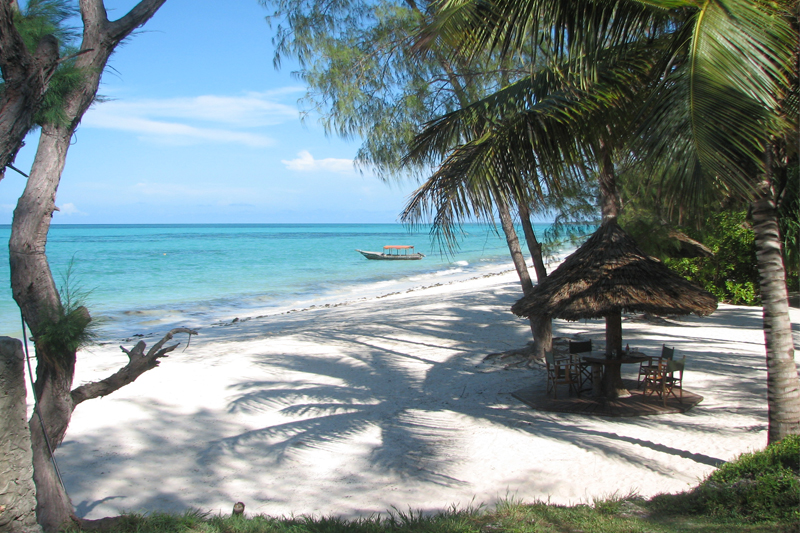
Pongwe Beach Hotel is an established beach lodge overlooking a gorgeous beach on the east coast of Zanzibar.
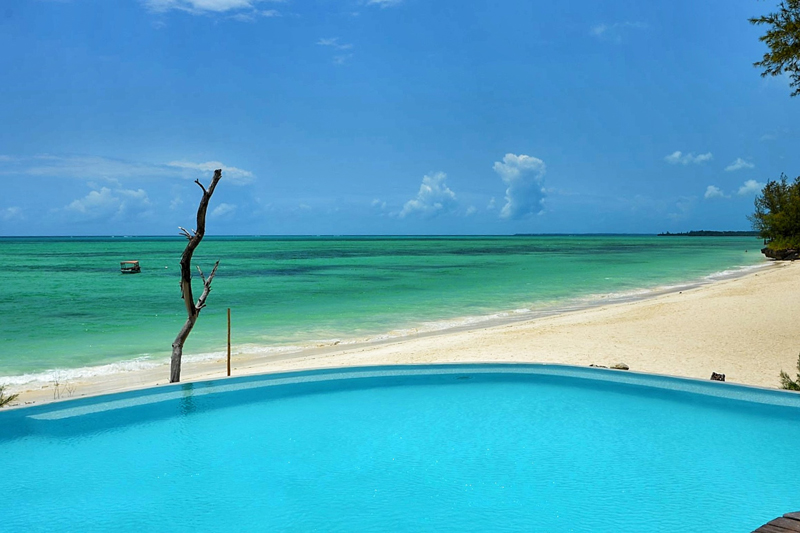
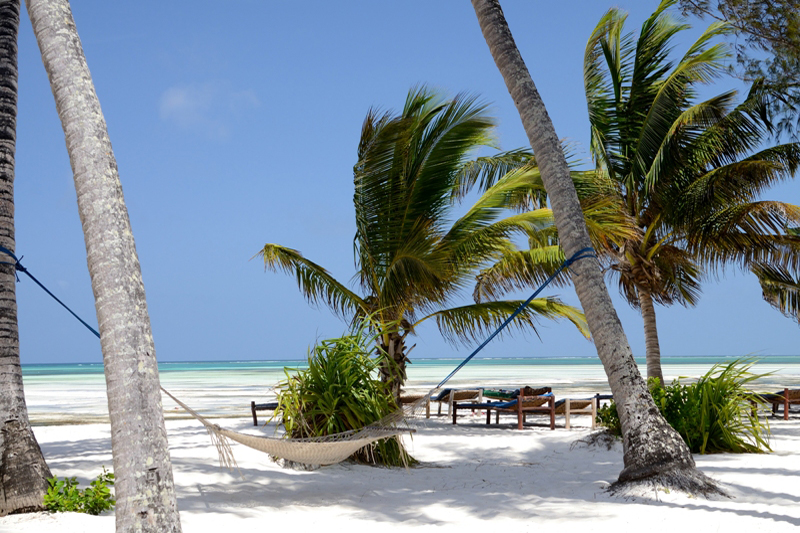
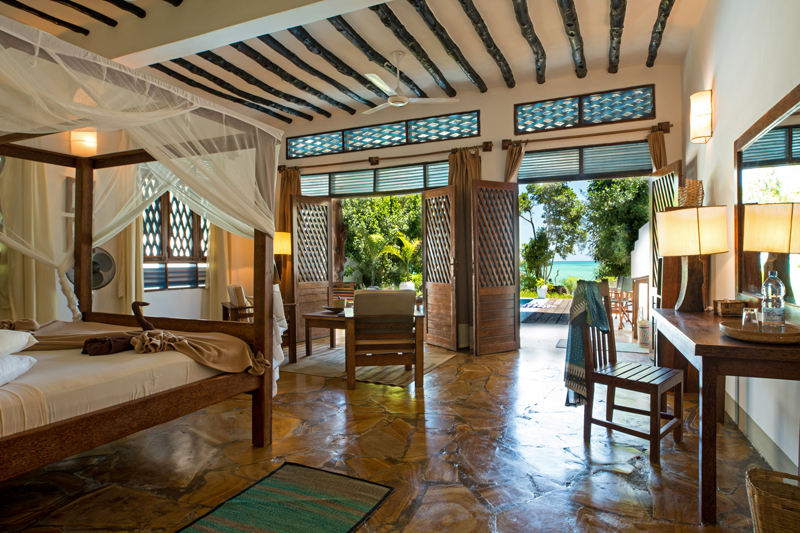
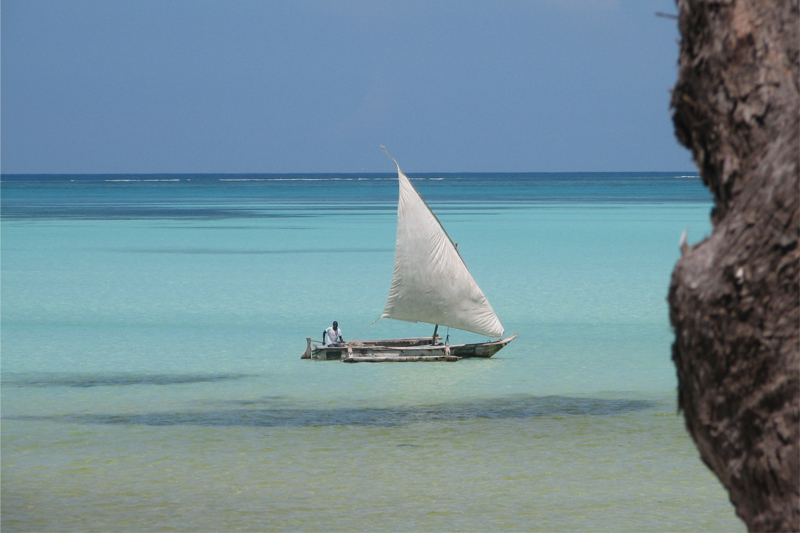
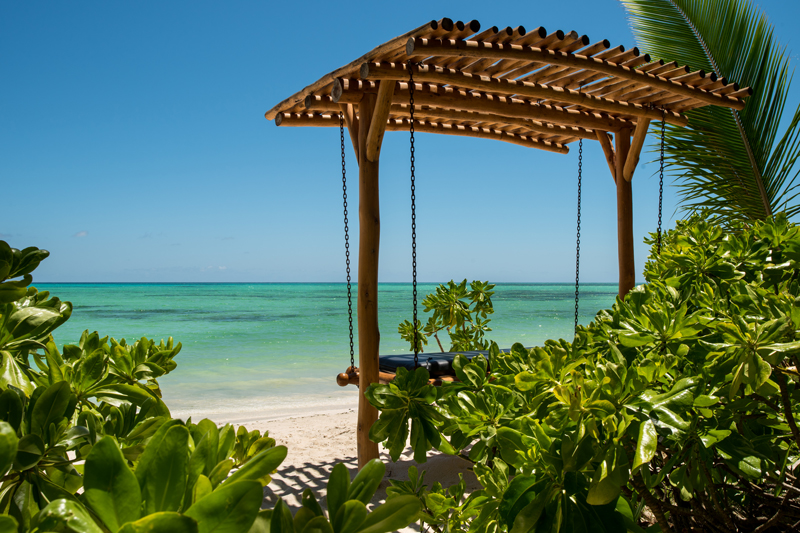
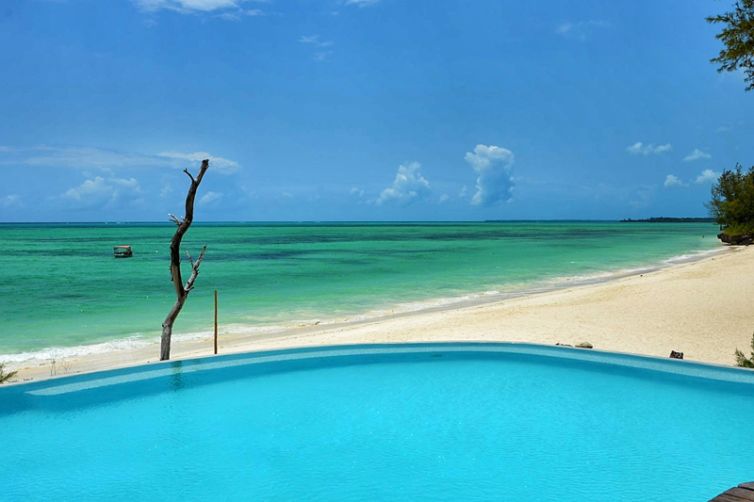
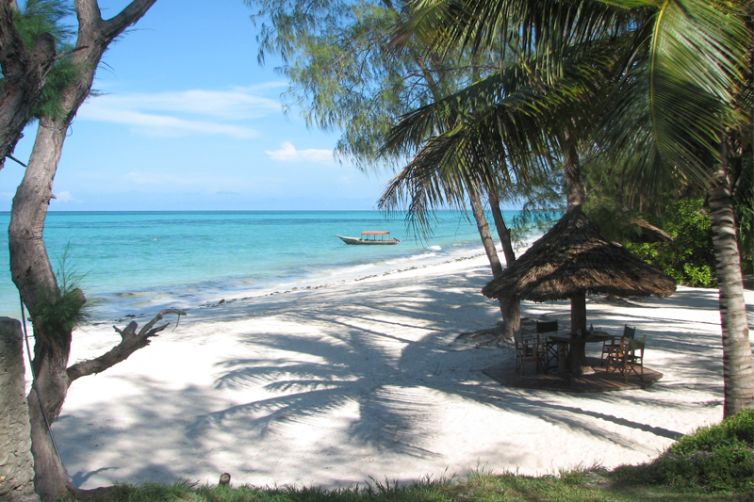
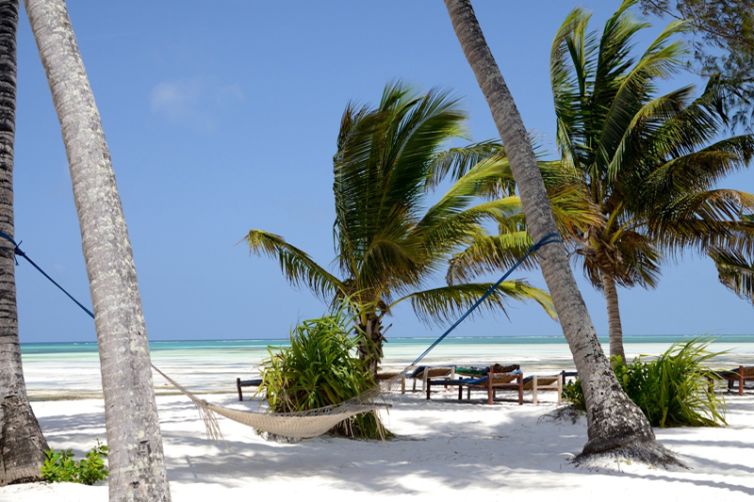
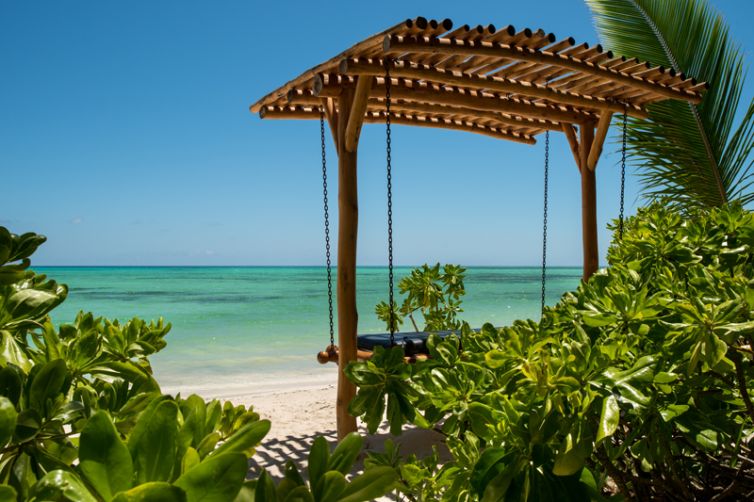
Pongwe Beach Hotel is a very good option if you are looking for a relaxed, down to earth beach lodge with a lovely natural beach setting, at good value for money prices. Rooms are simple but comfortable and the lodge has a cosy, intimate feel. For anyone looking for larger, more impressive rooms then the Seaview Suites or recently opened Cliff Ocean Suites would be suitable. The ambience of the property is relaxed, with friendly service and good food. We would not suggest Pongwe Beach is a sophisticated beach option, but it is very popular, often fully booked a long time in advance and guests always enjoy their stay. The beach is gorgeous, one of the best on Zanzibar, making the place feel like a little slice of paradise.




Rooms
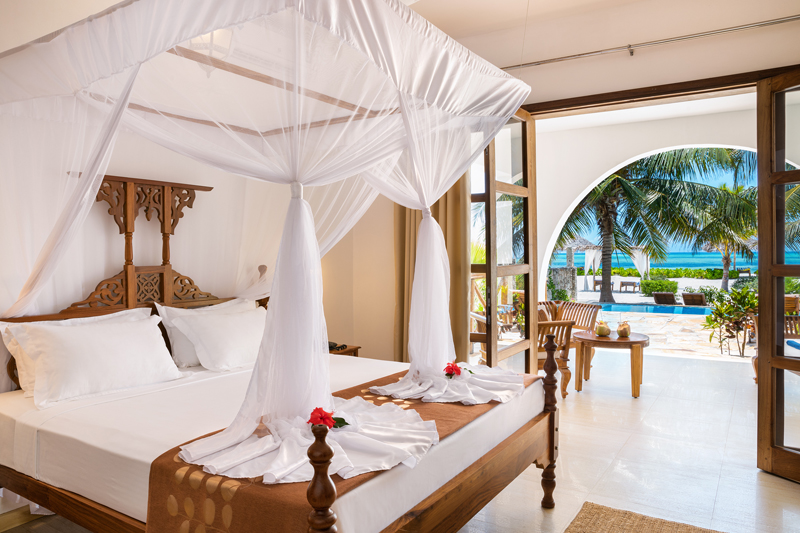
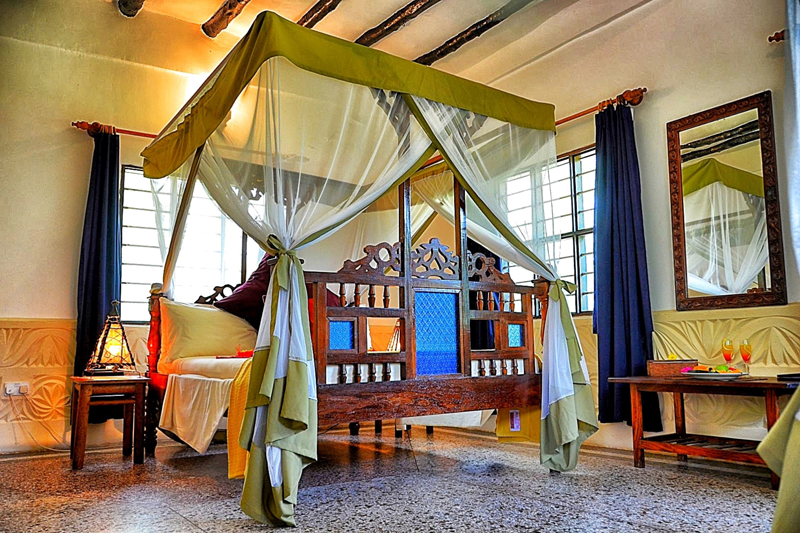
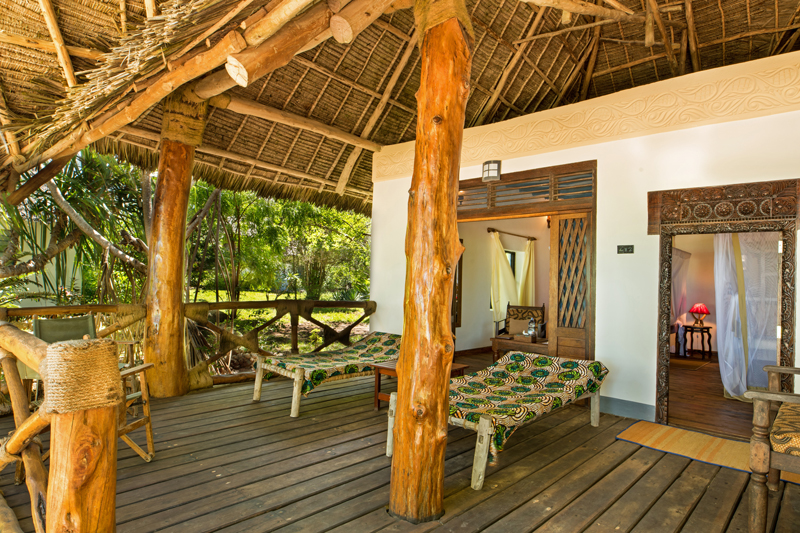
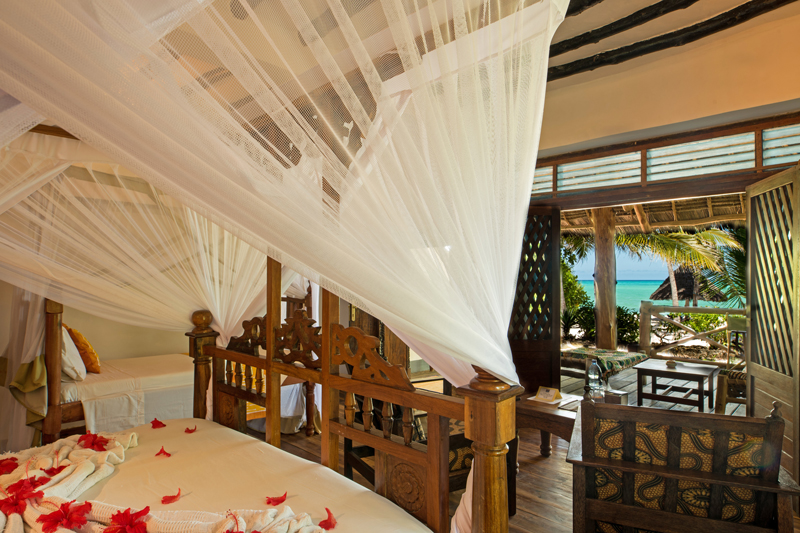
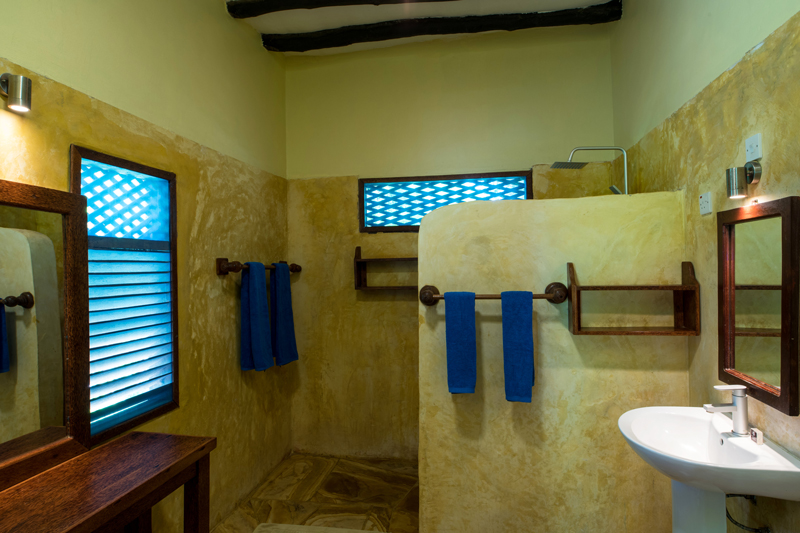
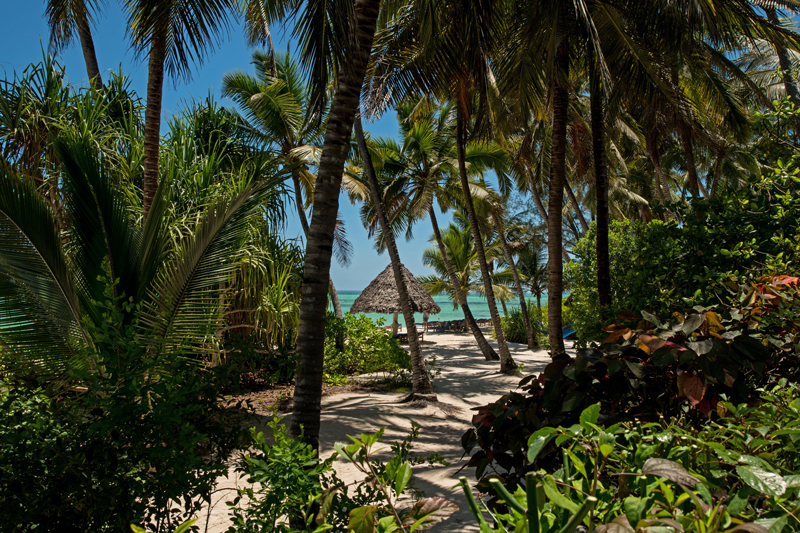
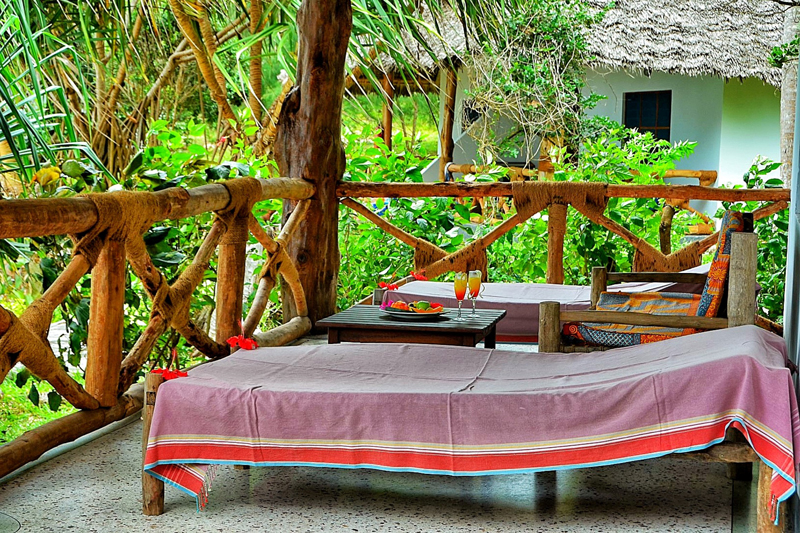
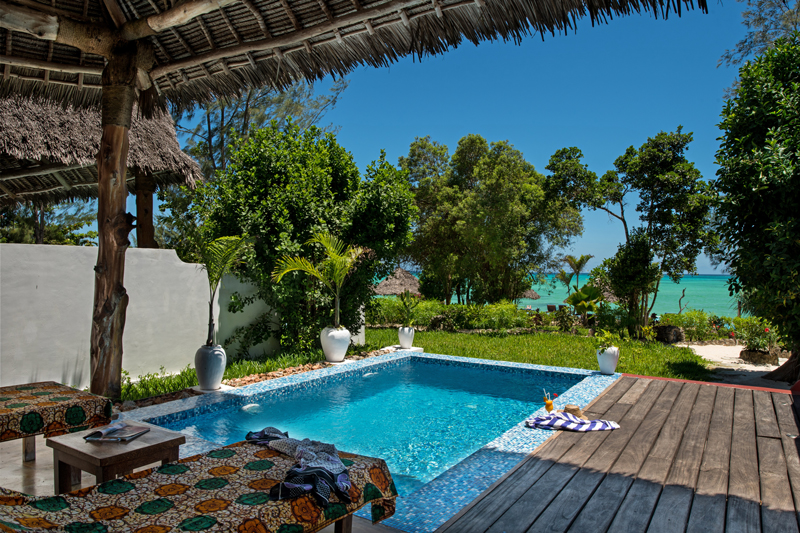
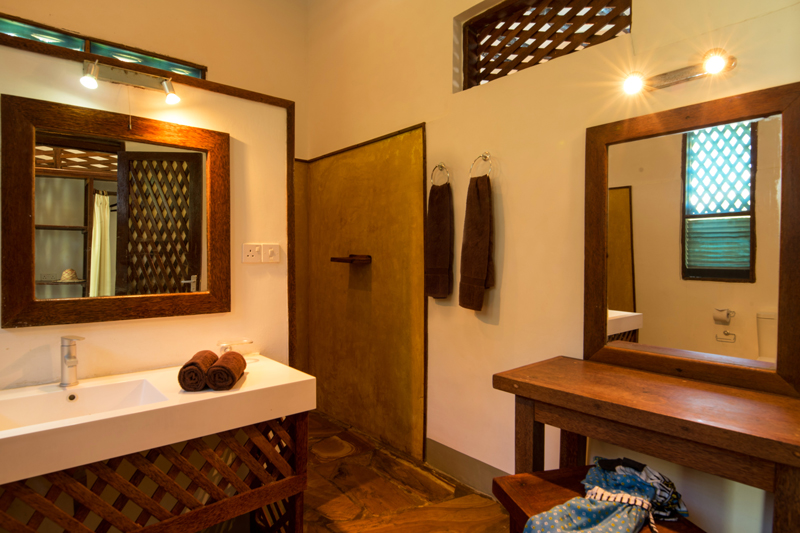
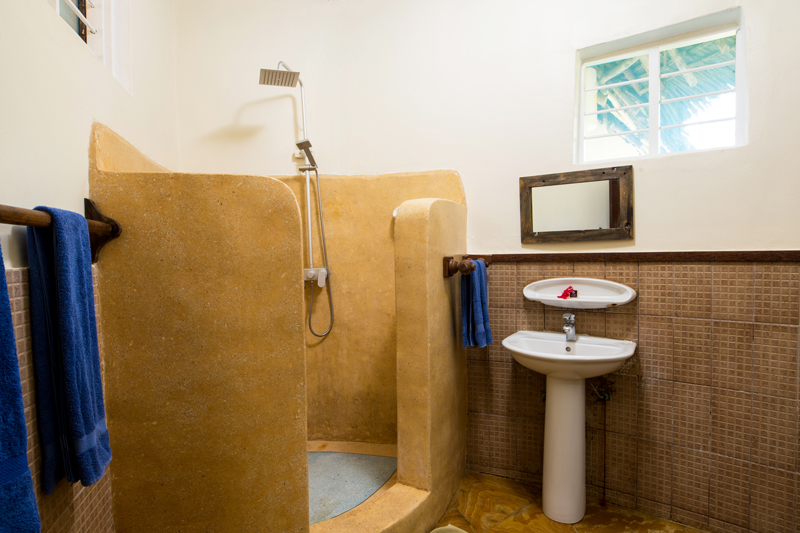
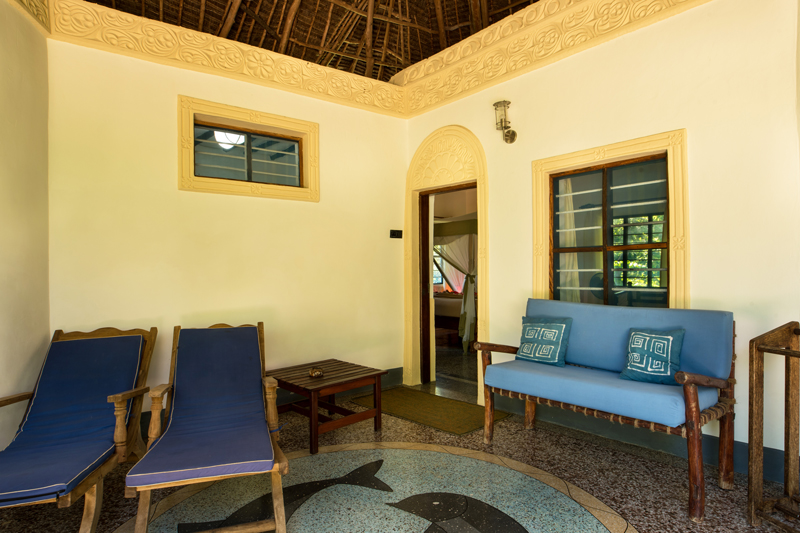
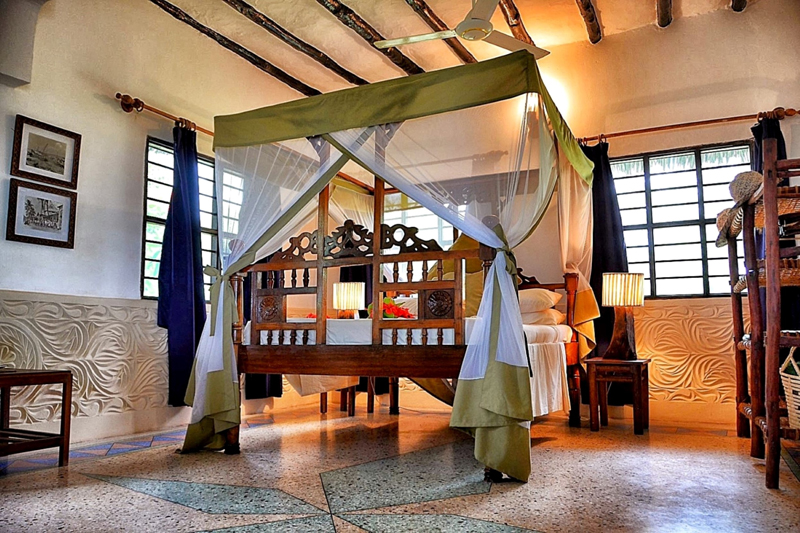
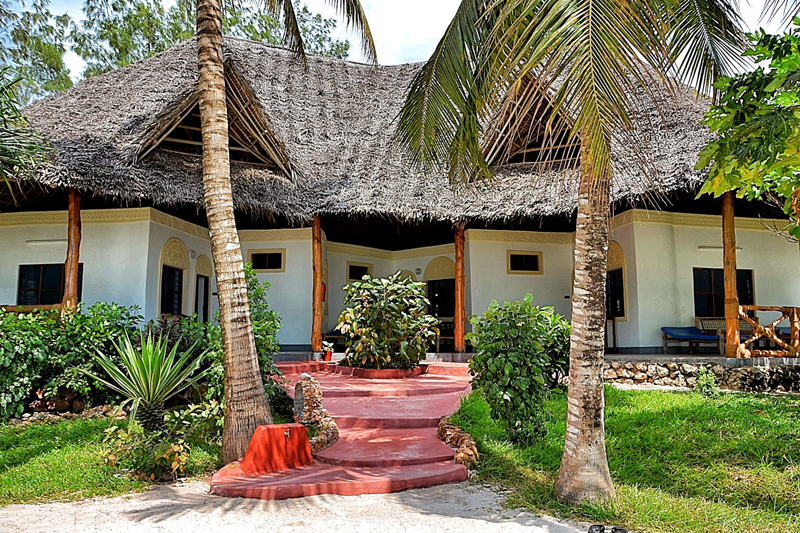
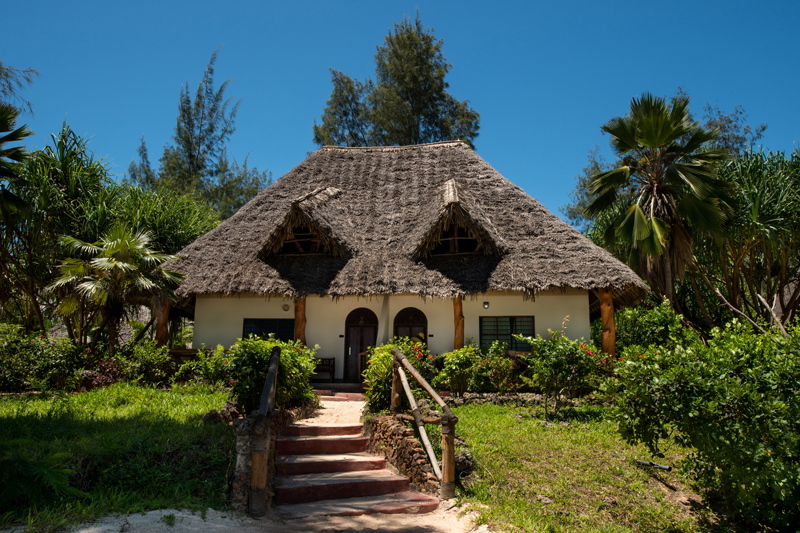
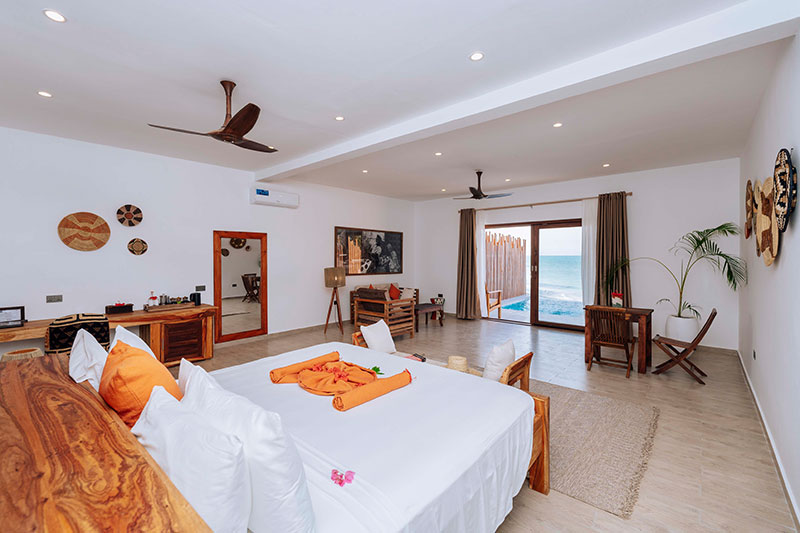
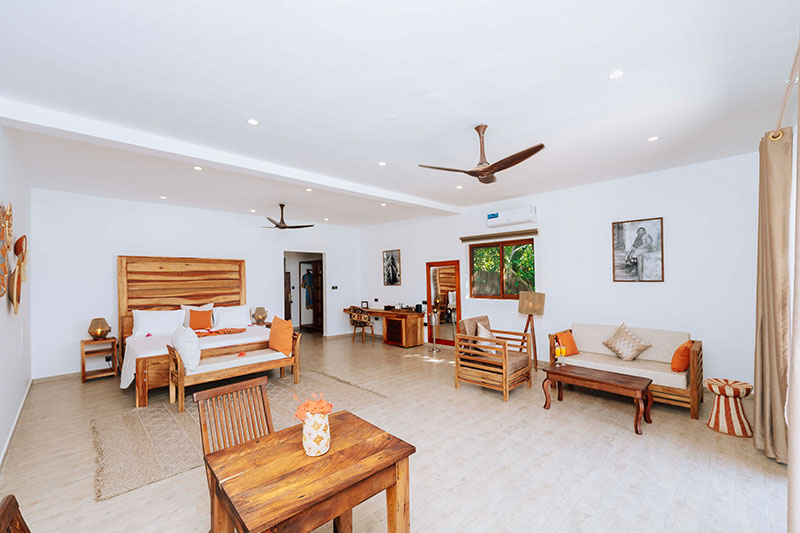
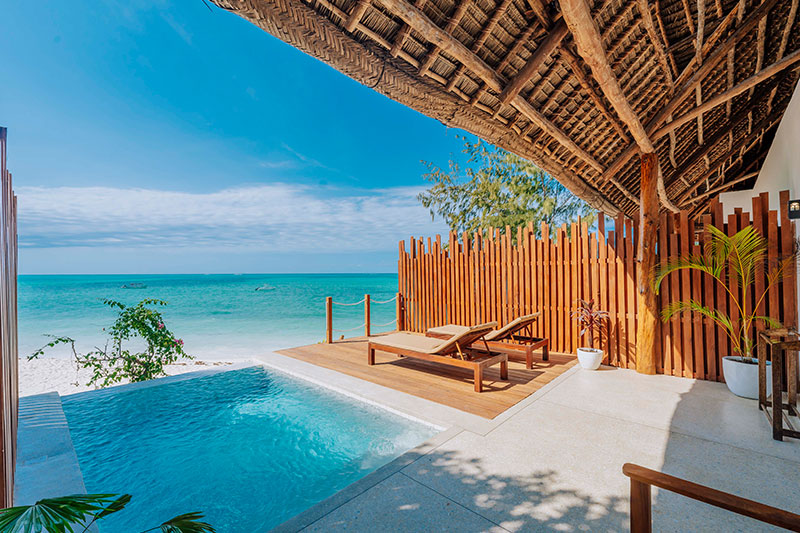
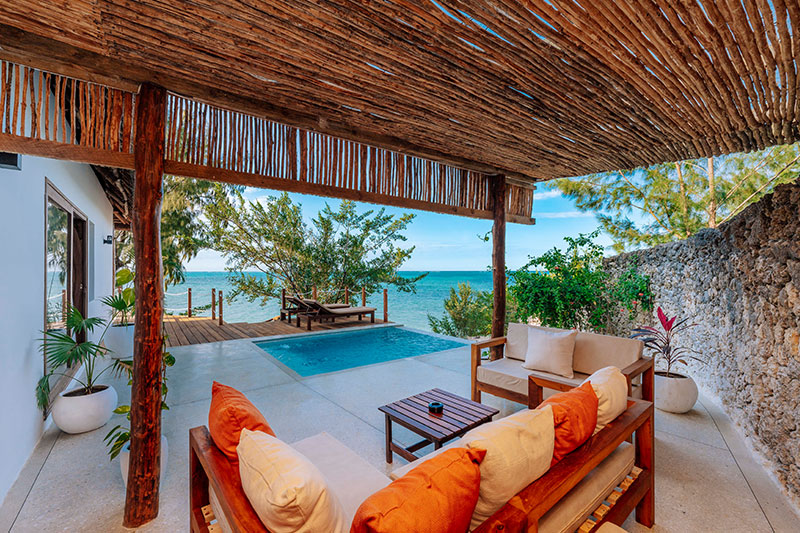
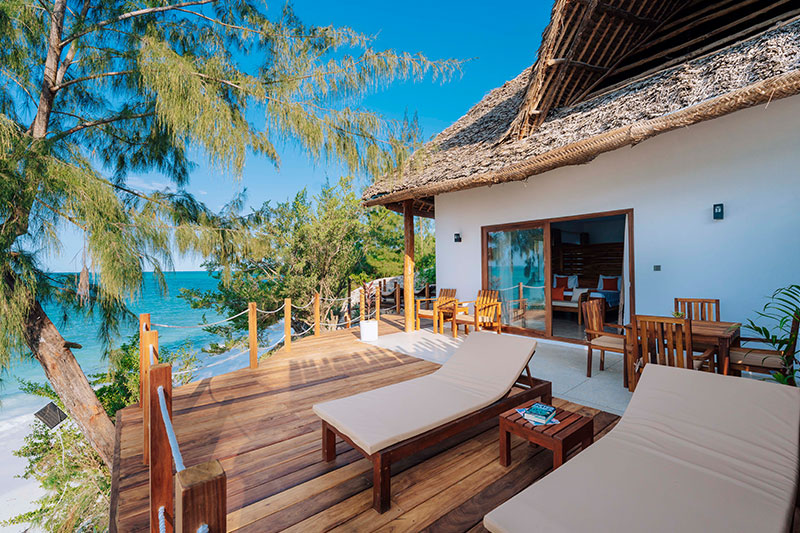
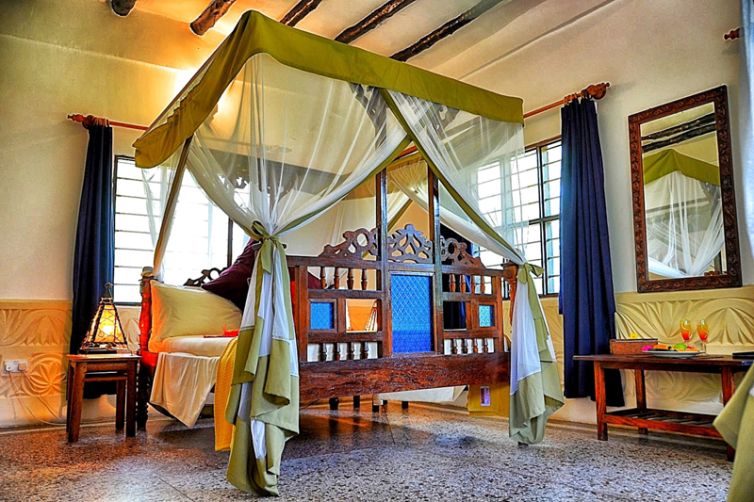
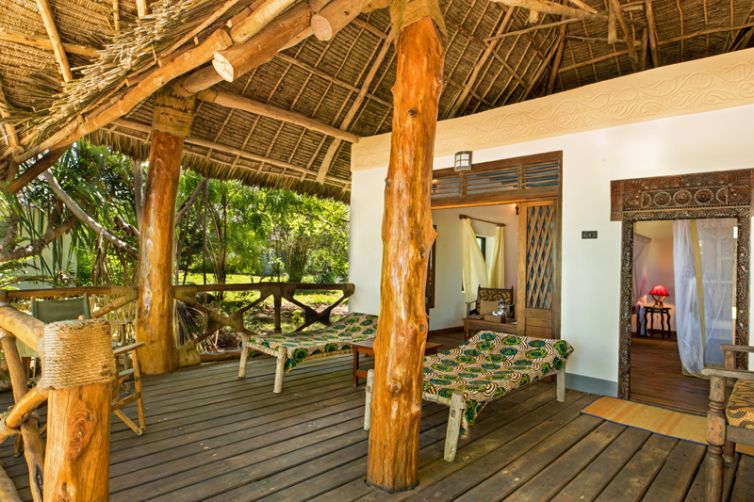
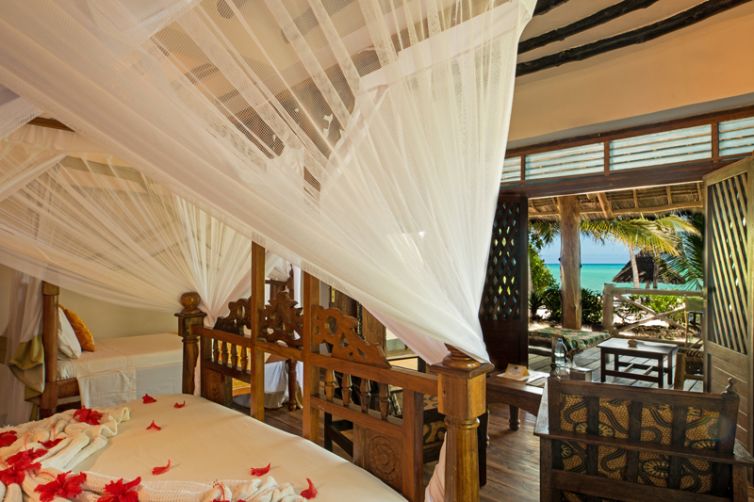
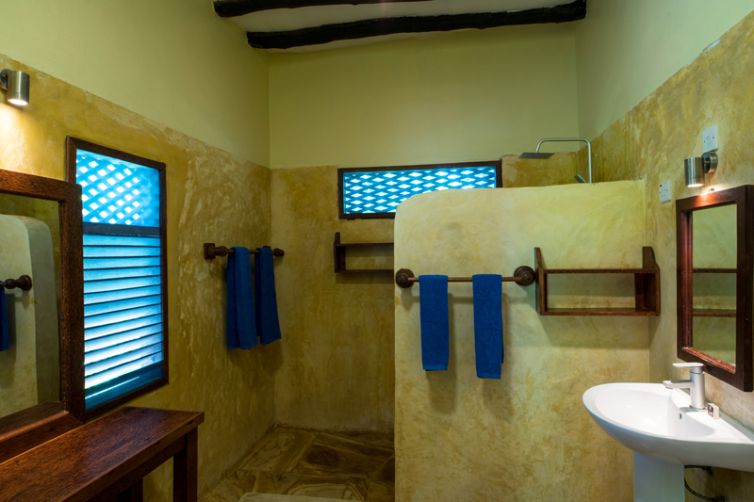
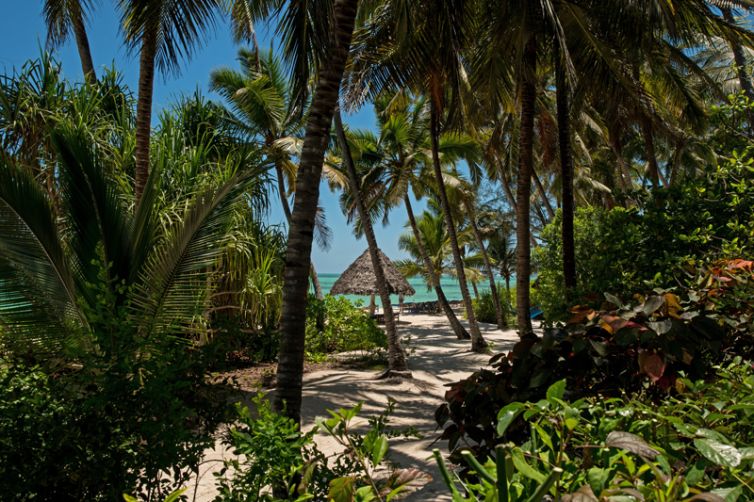
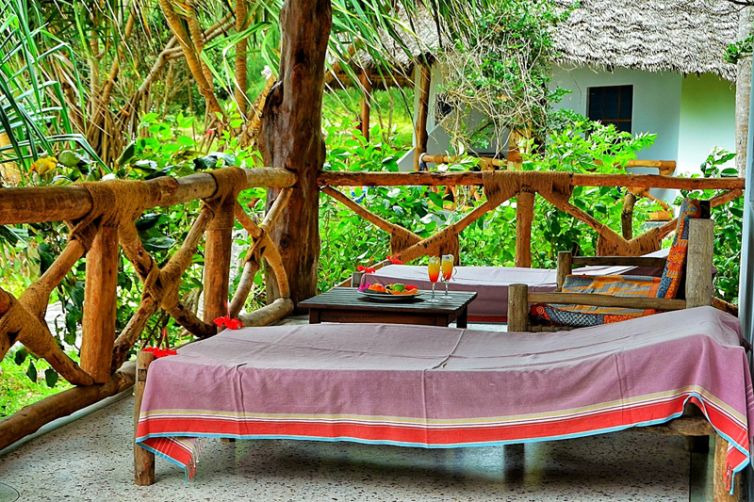
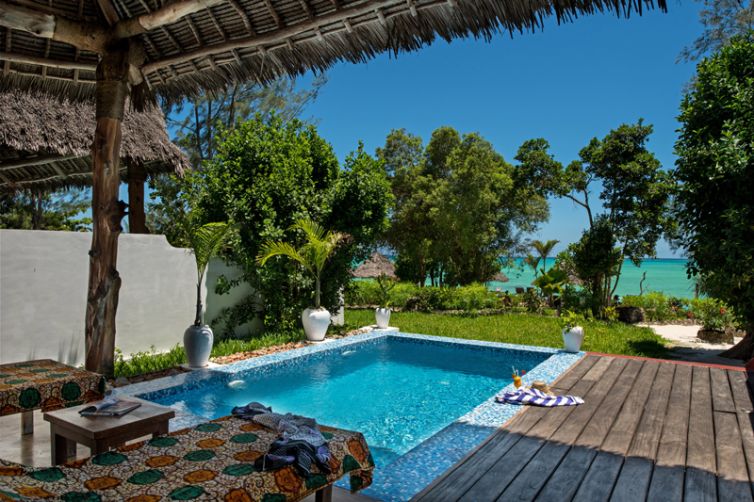
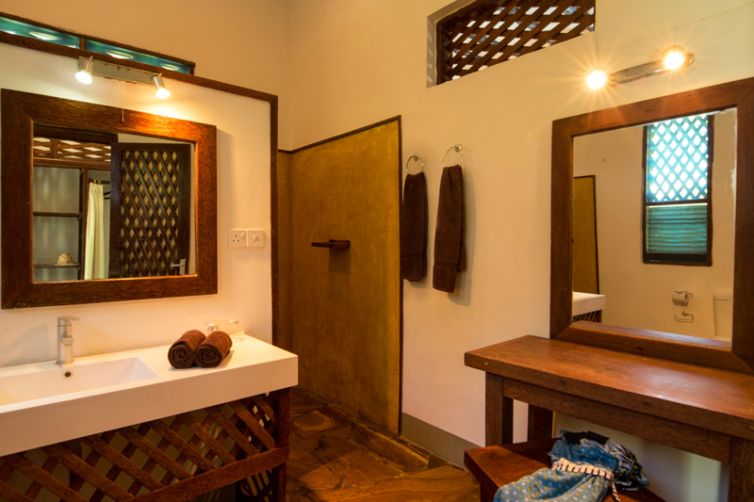
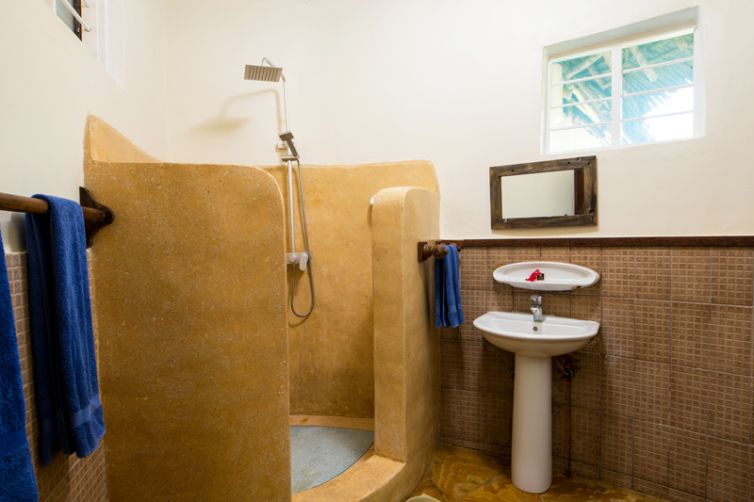
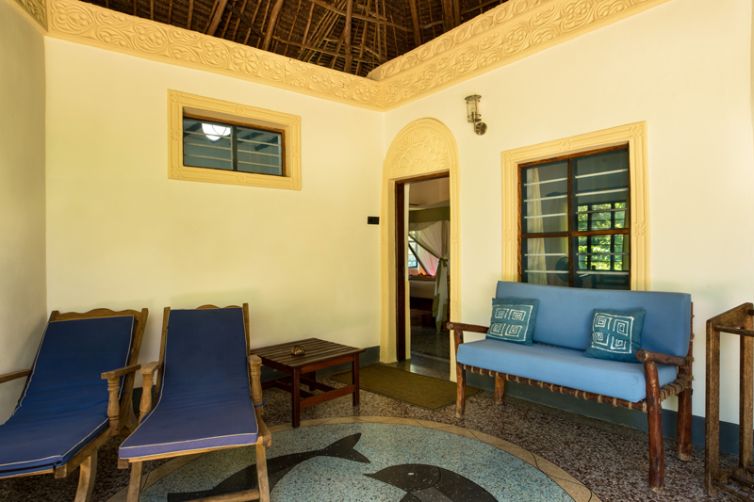
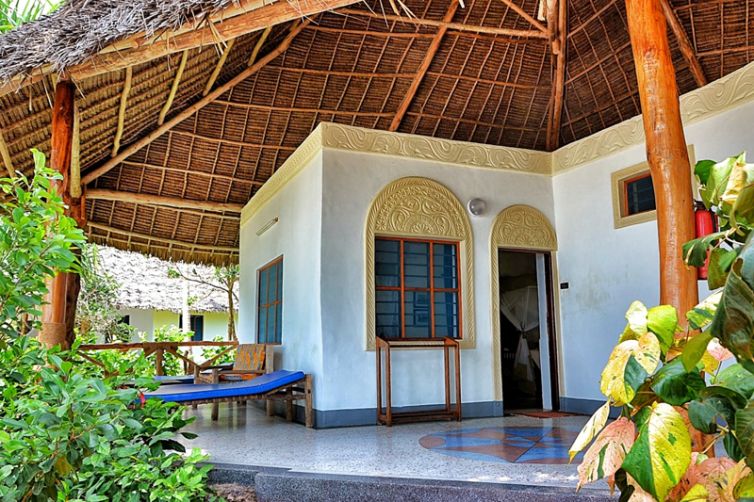
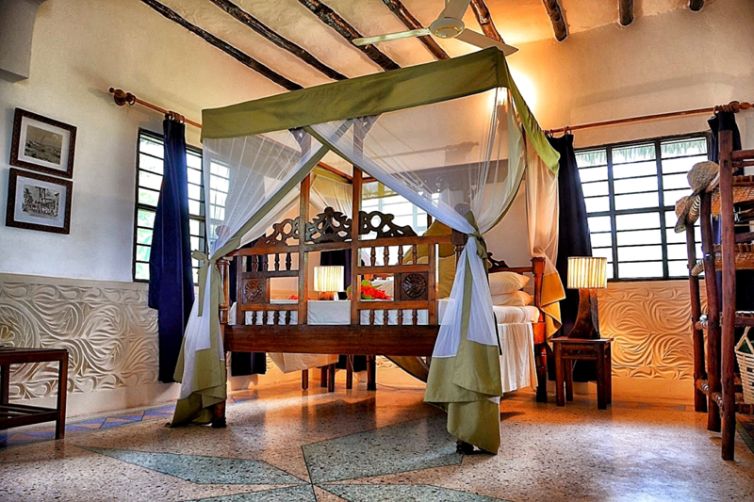
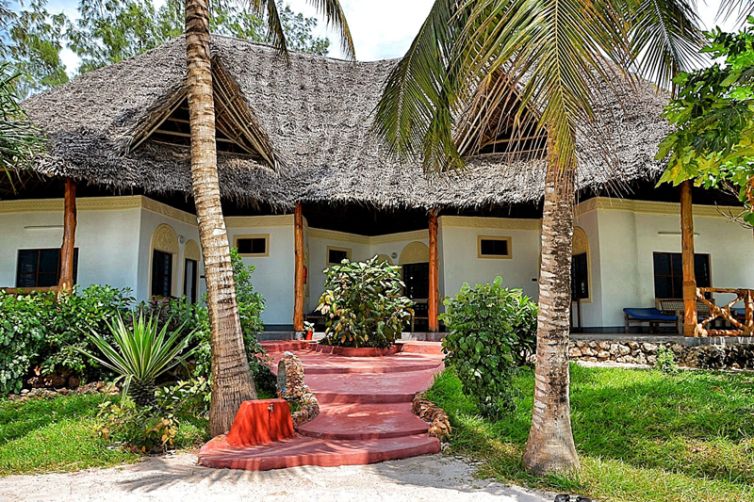
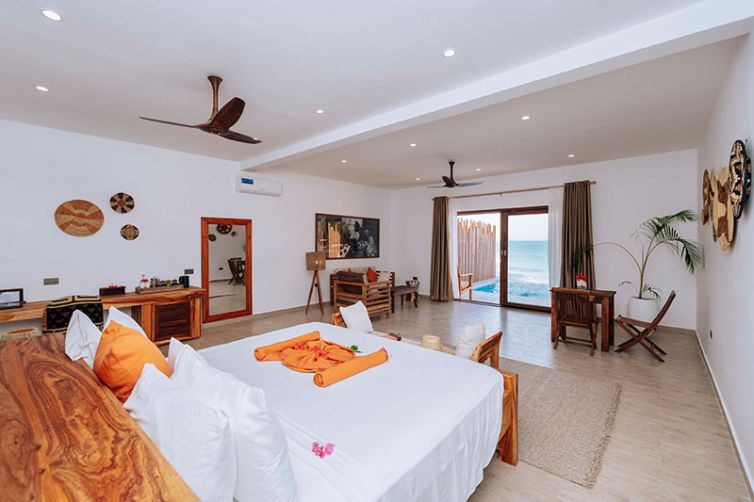
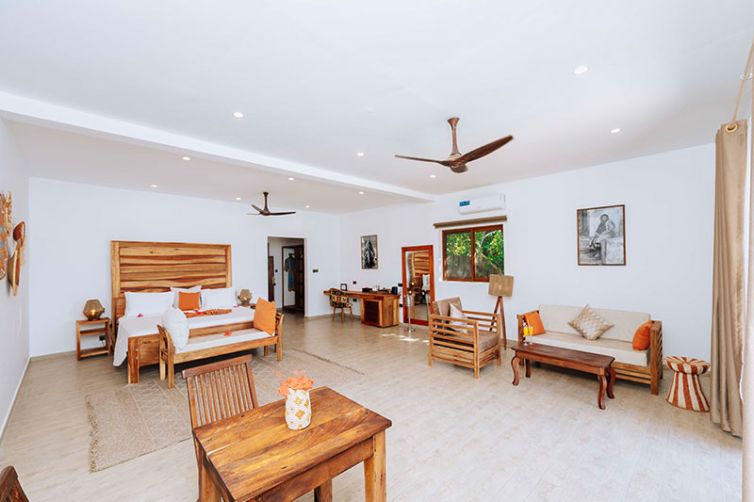
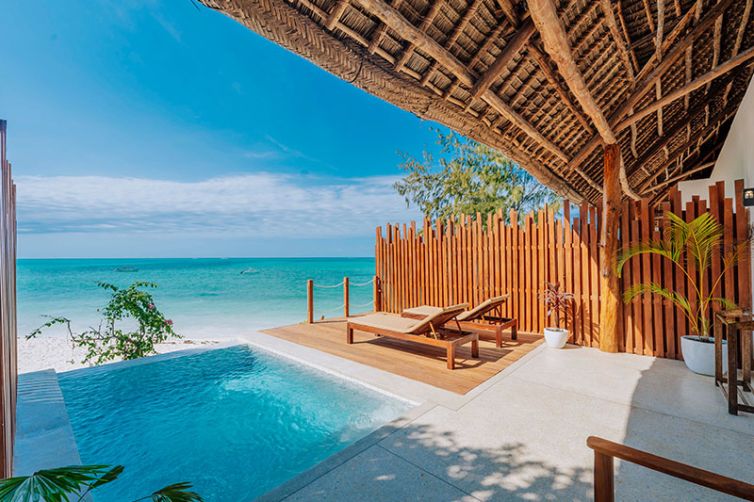
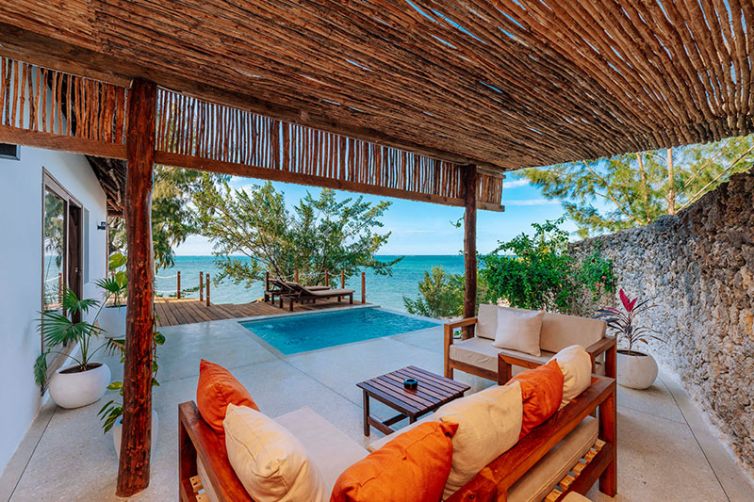
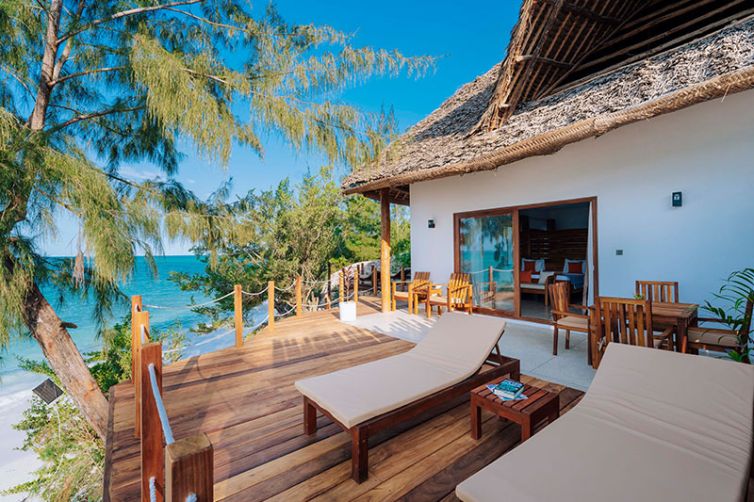
The hotel offers accommodation in a range of 23 rooms and suites which are simply decorated, whitewashed buildings dotted amongst the gardens and along the beach front. The 11 Beachfront Rooms are arranged in blocks of two or three, tucked into vegetation andall with sea views; while the three Garden Rooms are in a block set back in the gardens with no sea view and therefore slightly lower in price. The Beachfront and Garden View Rooms each have a Zanzibari double bed (if a twin bed is required, an additional single bed is added to the room). The four Seaview Suites are more spacious with private plunge pools. The two Beachfront Family Suites are perfect for families, each with two bedrooms including a master double bedroom with lounge area and en suite bathroom, a second twin bedroom with en suite, and a patio area with plunge pool and outdoor dining area. The latest addition to Pongwe are two Cliff Ocean Suites and one Cliff Ocean Superior Suites which are designed to a higher specification offering spacious, contemporary accommodation. All the Cliff Ocean Suites include a king size bed, sitting area with day bed that can be converted to the third bed (suitable for a child) and a private deck with plunge pool and beautiful ocean views. The Superior Suites have large wrap-around decks with a private dining area and ideal for honeymooners or guests who want a more private stay. All rooms and suites have either evening breeze eco or standard air conditioning as well as ceiling and standing fans and mosquito nets over the beds. En suite facilities include shower and toilet and all rooms have a private verandah. Some of the rooms can accommodate three or four guests with additional single beds added.
Central Areas
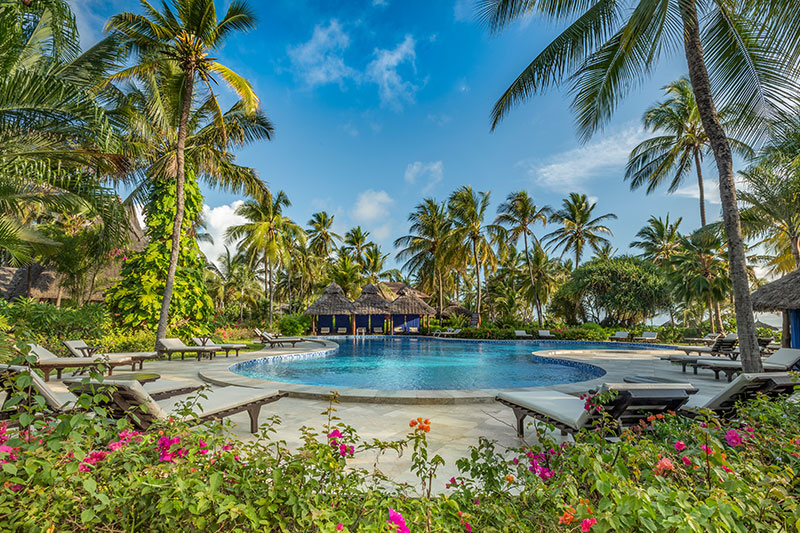
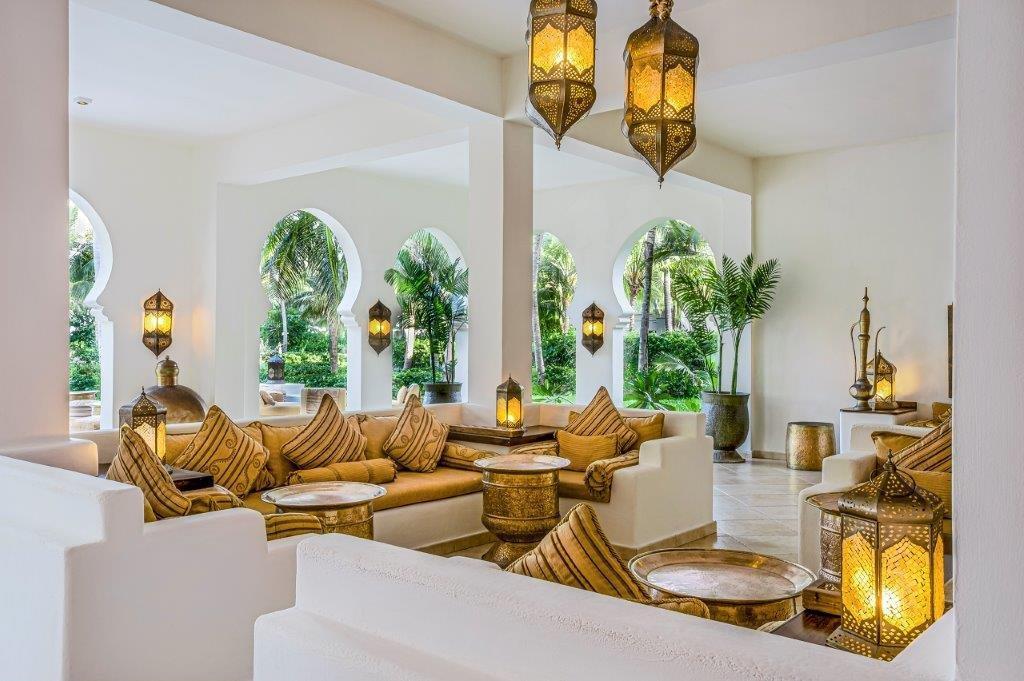
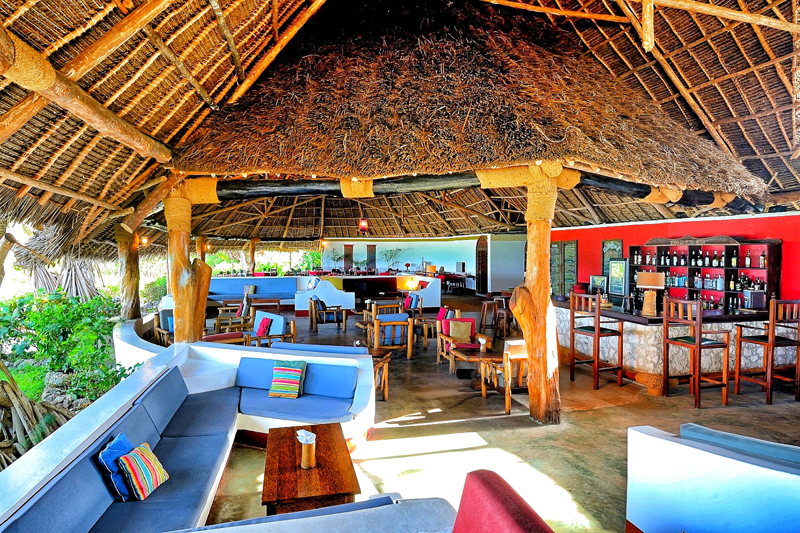
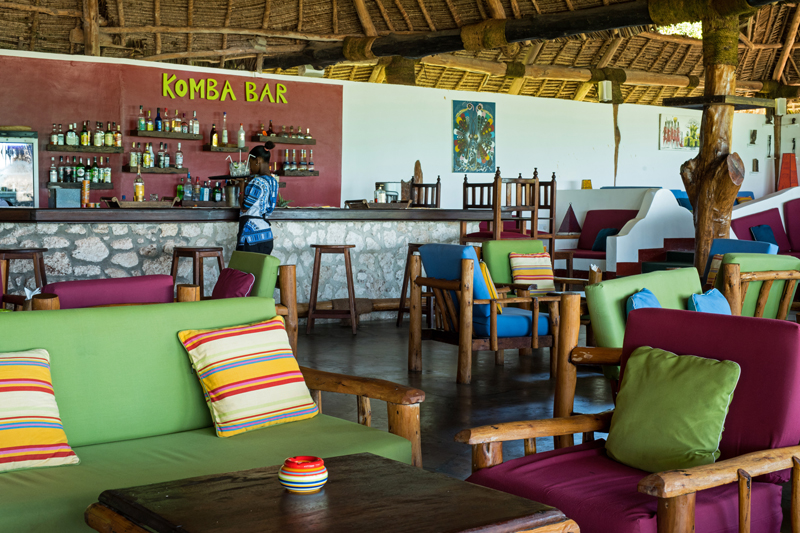
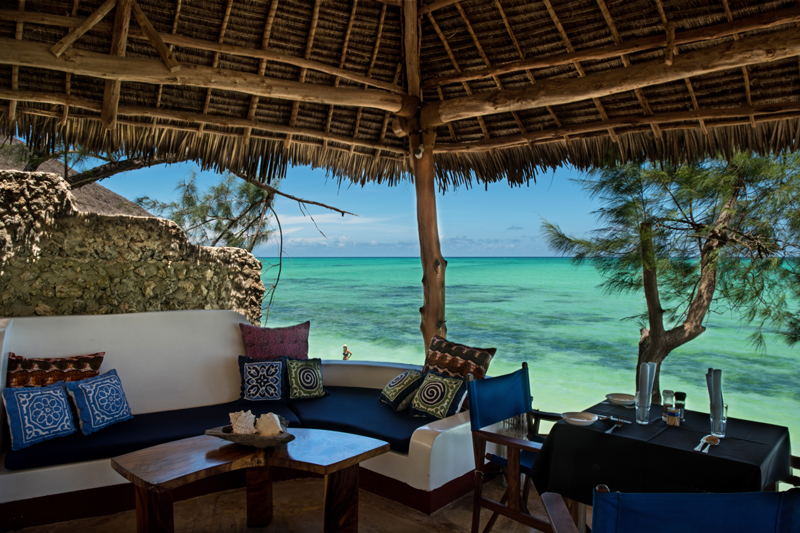
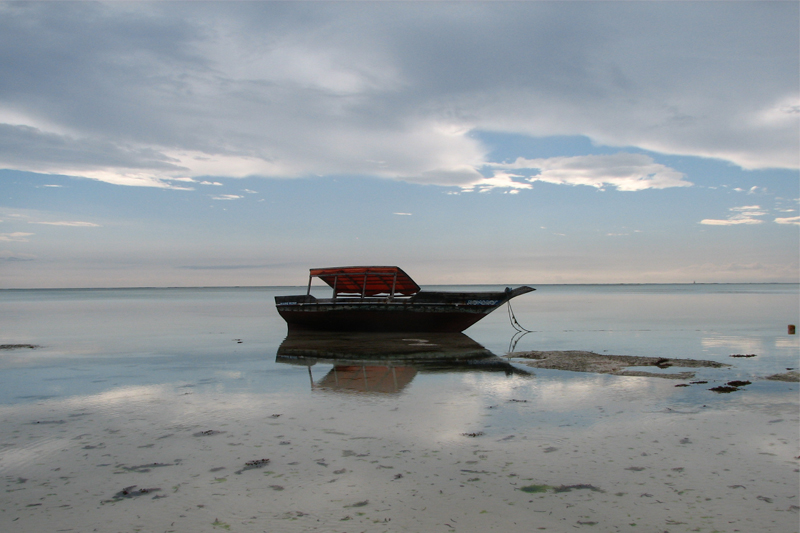
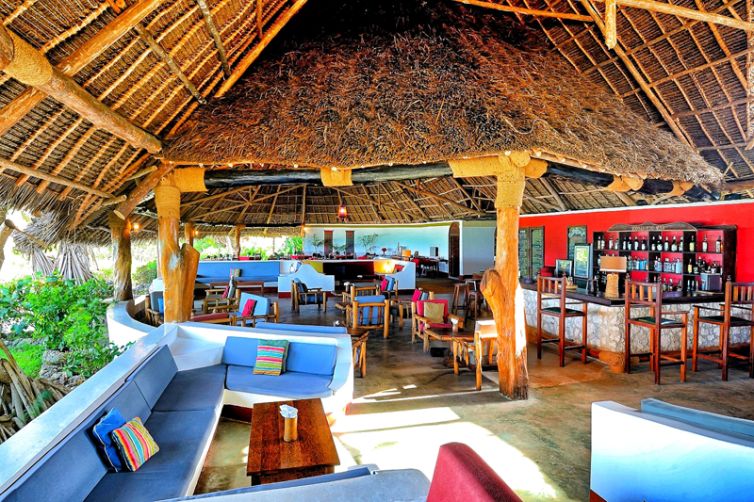
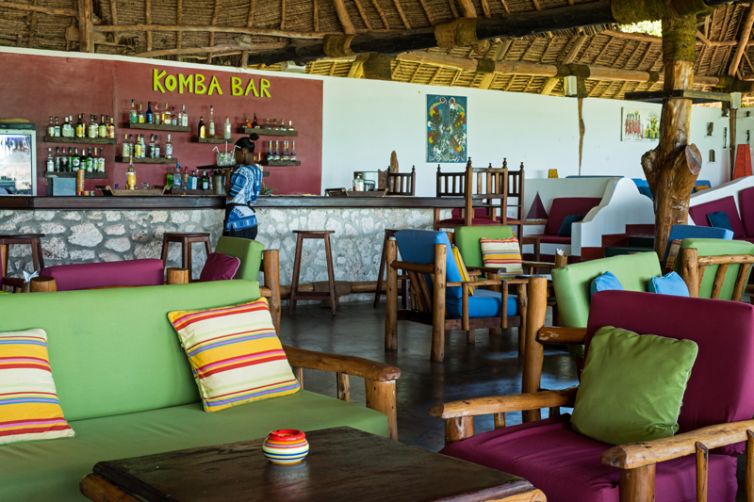
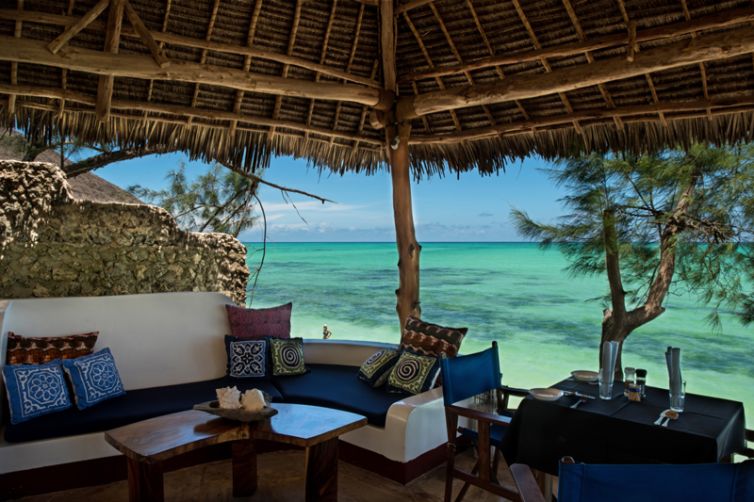
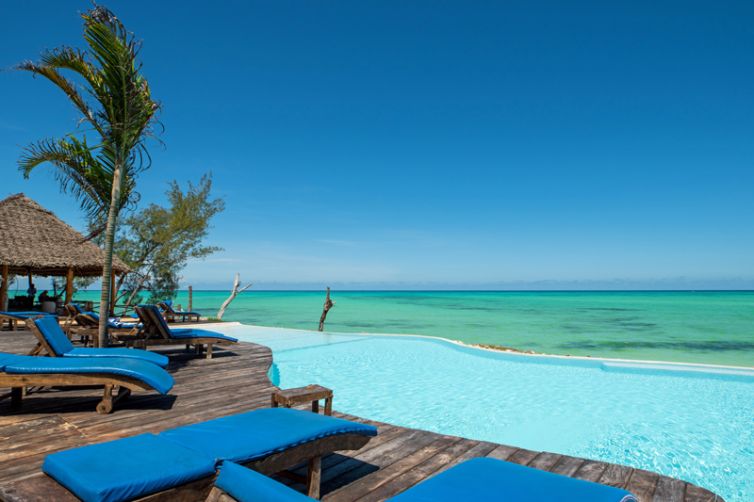
There is a large central dining, lounge and bar area and guests are welcome to make use of the library and various board games. A swimming pool is located on the edge of the beach (note there are large tidal fluctuations with good swimming from the beach during high tide only).
Facilities
Wi-Fi – Yes
Power for Charging – Yes
Swimming Pool – Yes
Habitat & Wildlife
Zanzibar’s, or more correctly Unguja’s (Zanzibar is the name of the archipelago which includes both Pemba and Unguja islands), history dates back more than 2000 years when the islands traded with ships from Persia, Arabia and India. From about the 10th century, groups of immigrants from Shiraz (Persia) settled on the island and mixed with the local people. In the 16th century, the Portuguese established a trading station before being ousted by Omani Arabs a couple of centuries later. In 1840, the Sultan Said moved his capital from Muscat to Zanzibar with the Omani Arabs forming an elite group of landlords and rulers. Indian settlers formed a merchant class and the island became an important centre of regional politics and the focus of the slave trade.
In 1890, Zanzibar became a British protectorate before gaining independence in 1963. In 1964, the Sultan was overthrown and nearly all Arabs and Indians expelled. Later that year, Zanzibar and Tanganyika combined to form Tanzania. Since then, many of the expelled peoples have returned.
In Zanzibar’s Stone Town (the old quarter and a UNESCO World Heritage site), a fascinating maze of narrow streets and alleyways lead past numerous old houses, mosques, ornate palaces, shops and bazaars reflecting the various influences through the ages – Arab, Persian, Indian and European. Many of the buildings date back to the 19th century and depict the wealth of its builder. Arab houses have plain outer walls with large doors leading to an inner courtyard. Conversely, Indian houses have a more open facade and large balconies with railings and balustrades. Take the chance to savour the atmosphere by dining at one of the rooftop restaurants.
The area outside the Stone Town is called Michenzani (New City), a failed attempt at becoming a modern city.
Depending on where you are staying on the island, there are a number of interesting excursions to consider. Visit a Spice Plantation, take a trip to the Jozani Forest (southern part of the island) where the rare red colobus monkey is found or visit Chumbe Island Coral Park (either as a day trip from Stone Town or overnight). Sundowner trips by traditional sailing dhow are available out of Stone Town. Due to environmental concerns, we no longer recommend swimming with dolphins.
Please remember that Zanzibar, like much of the East African coastline, has a strong Islamic culture, and that you should dress appropriately when in public areas and the Stone Town. During the month of Ramadan, further courtesy should be shown to those observing their faith, particularly in respect to service which you may find slower than usual.
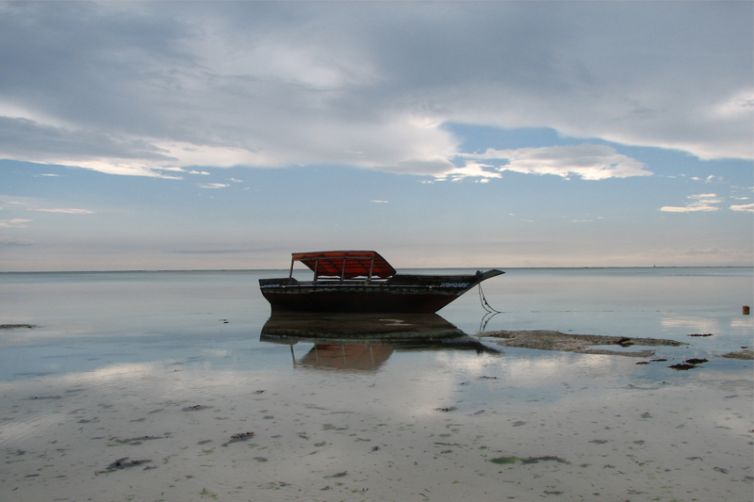
The best beaches on the island are those found on the north and east coasts. However, please note that there are large tidal movements and sea swimming from most beaches during low tide is difficult. The best snorkelling is found around the Mnemba and Chumbe islands.
Like most of East Africa, the islands are affected by the monsoon winds – the Kuzi (or sometimes Kisi) which blows from April to September/October is a south-easterly which brings choppy sea conditions and seaweed to the shorelines, whereas the Kaskasi blows from the north-east from October/November to March producing calmer seas and slightly higher temperatures.
Activities
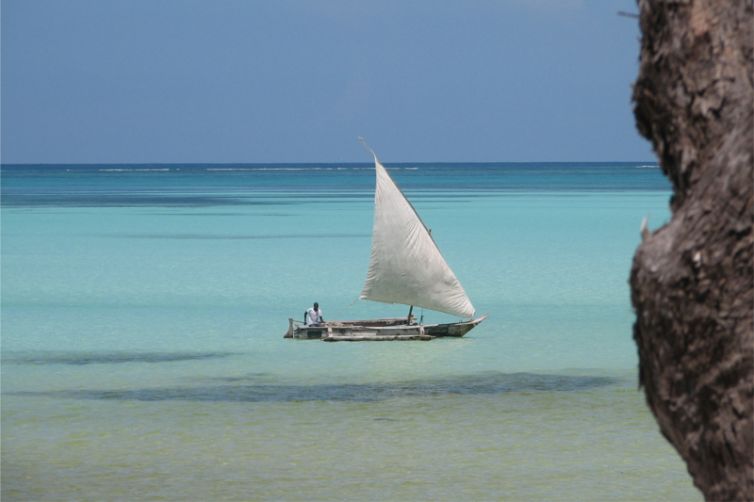
The hotel has kayaks, mountain bikes, snorkelling equipment (adult sizes only), hand-held kites, frisbees, boule, bats and balls etc. available free of charge. As mentioned above, due to the large tidal fluctuations, reef shoes are useful when walking further out on the beach during low tide. There are small charges for the boats used for reef snorkelling and the ngalawas (local small dhows) for sailing and hand-line fishing. Diving and deep sea fishing trips can be arranged with nearby resorts. Sight-seeing tours around Zanzibar can also be arranged.
Seasons
Pongwe is open from June through to mid-April each year.
There is no age restriction. The family suites are an ideal choice for families wanting their own space with two en suite bedrooms, a private pool and living space. For those travelling with younger children, triple and quad rooms are also possible. Pongwe is a good value option for families who are happy with the simple facilities or a small hotel and who don’t need the buzz of a larger resort hotel.
Pongwe supports their local community through various means. They built a fresh water supply in the village which is sufficient for the entire community and assist the village development through cash funds. Support is also given to the primary school through donations both from themselves and their guests who bring stationery and clothes for the children.