Mwagusi Safari Camp
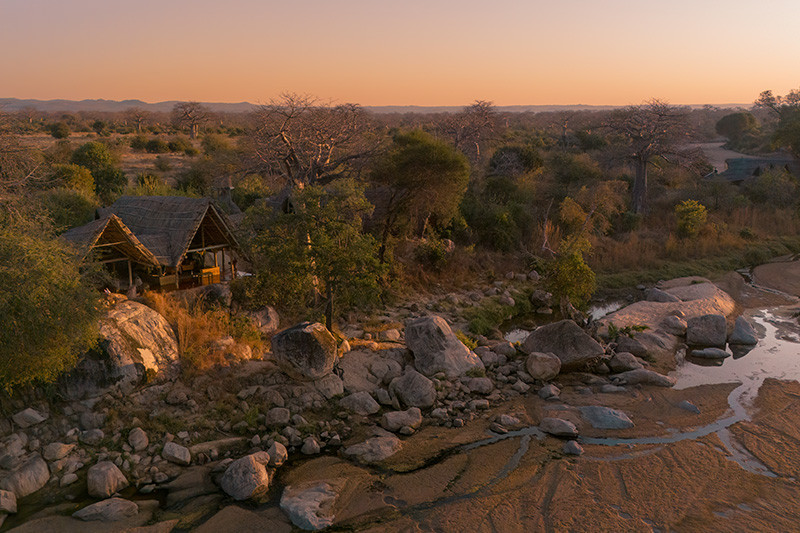
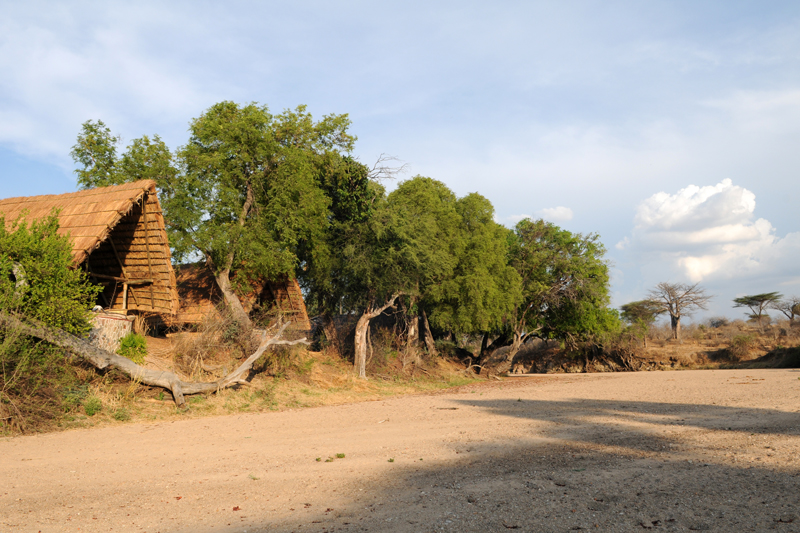
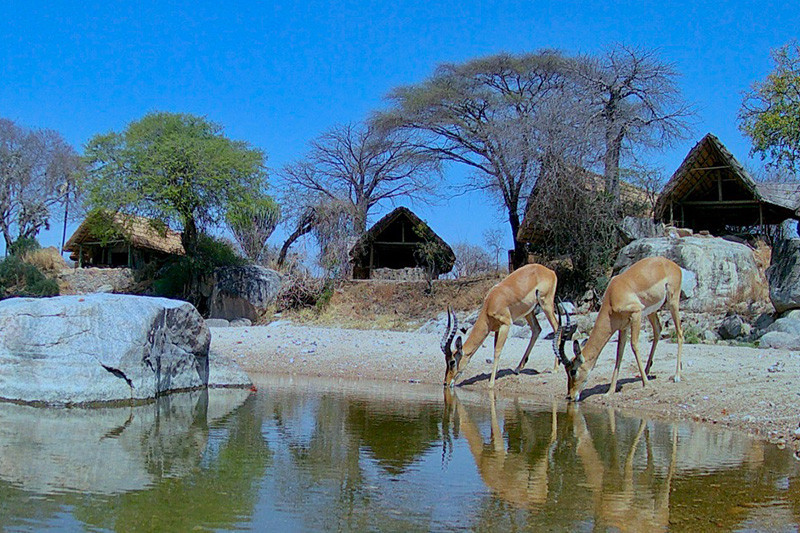
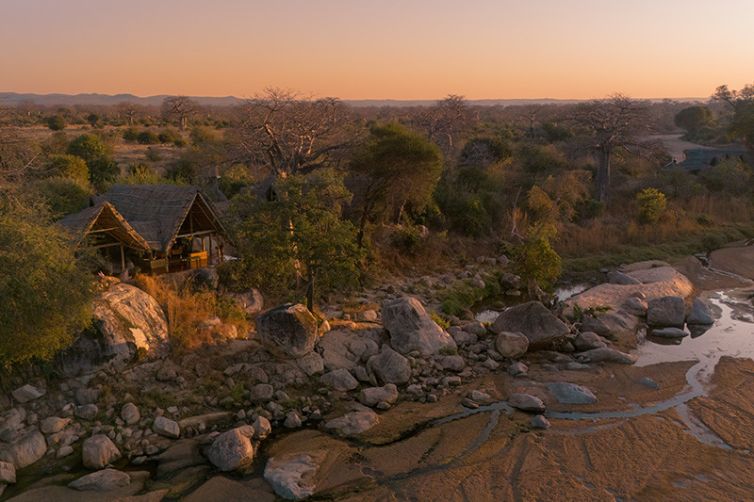
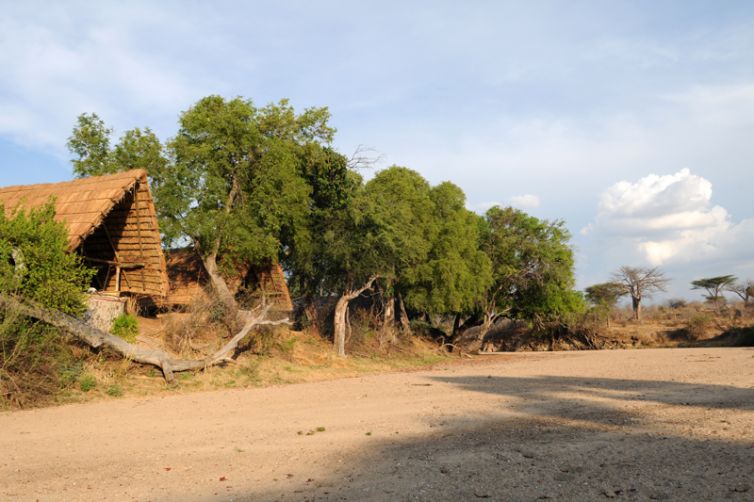
Mwagusi Safari Camp is a tented lodge situated in a prime position on the Mwagusi River in the eastern region of Ruaha National Park.
Mwagusi is a long-established property founded by Chris Fox, part of the Fox family who were the main pioneers of tourism development in Ruaha. The lodge is not quite as small and intimate as it used to be, but the location is superb for game viewing and the rustic style of the central areas, combined with sandy pathways around camp, ensure that a true bush atmosphere is maintained. Meals are taken communally, often split on more than one table, and game is regularly spotted from camp. A strength of Mwagusi has always been the knowledge of the local guides who have all grown up in the area and have been trained in house. The accommodation is very comfortable and spacious, whilst maintaining a rustic safari feel. In recent years Mwagusi has offered very good value for money compared with a couple of the newer properties in Ruaha.


Rooms
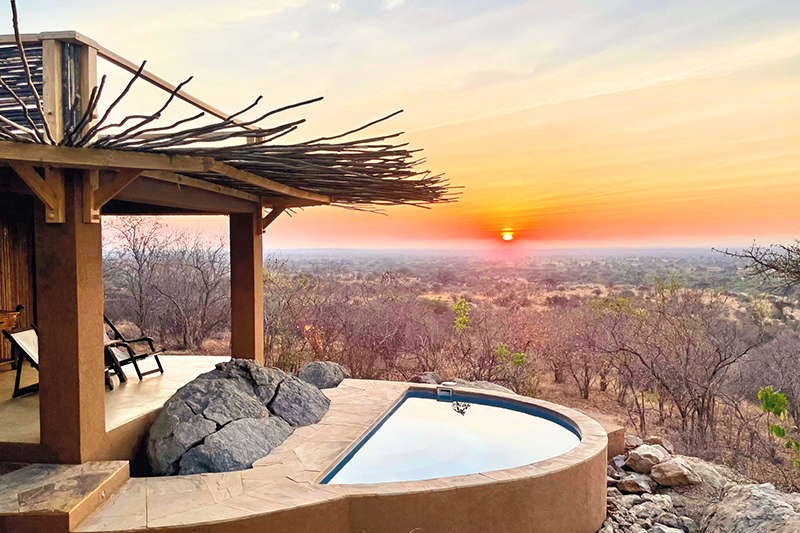
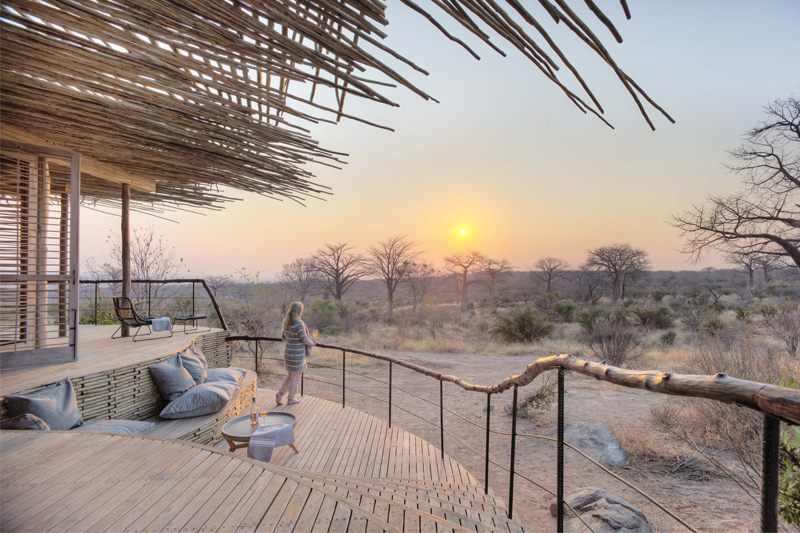
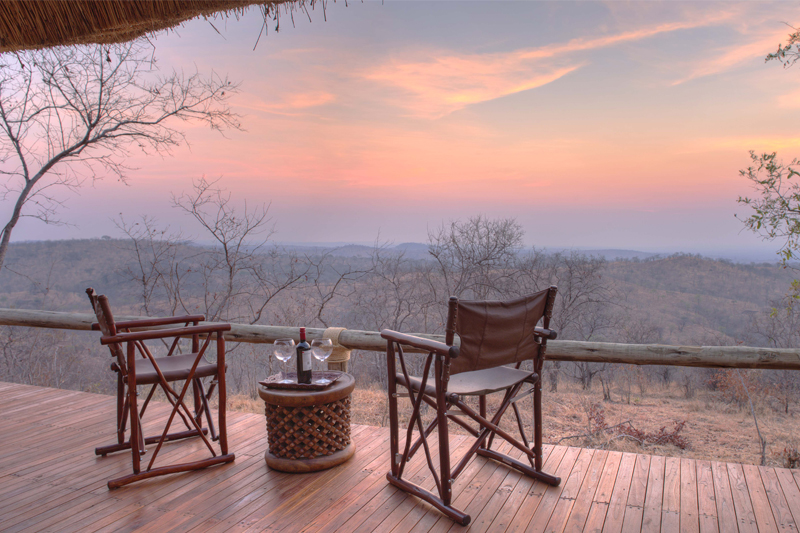
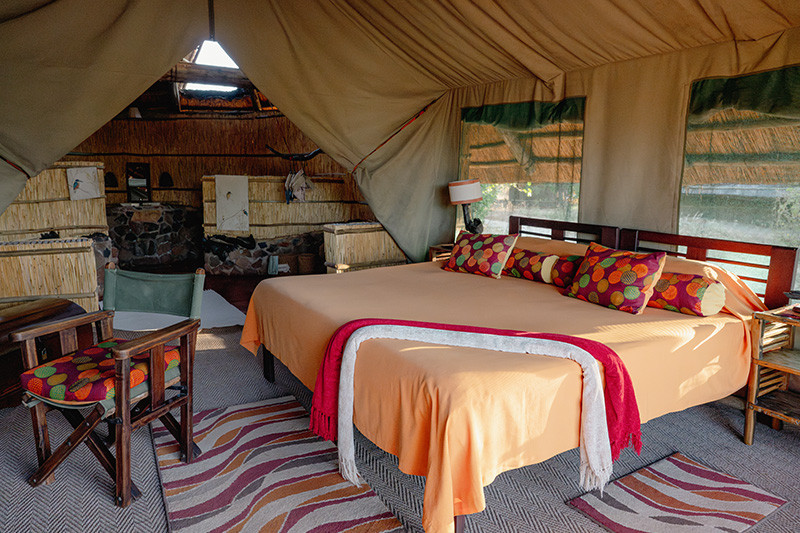
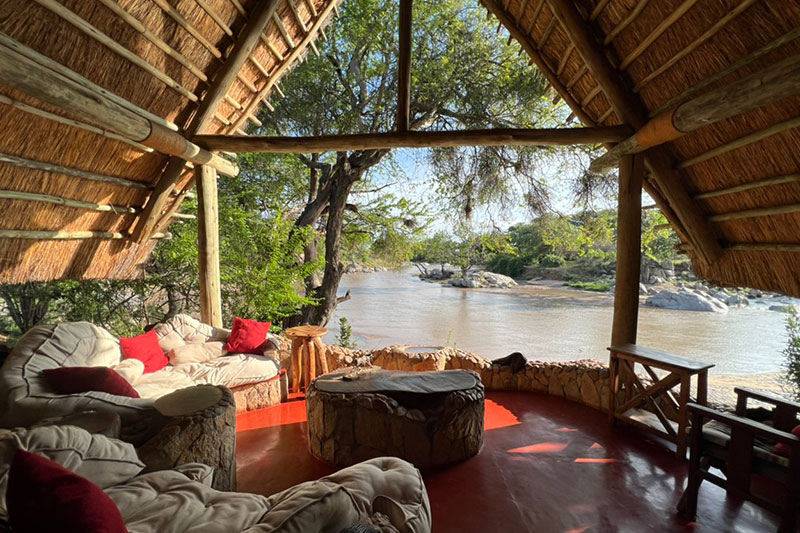
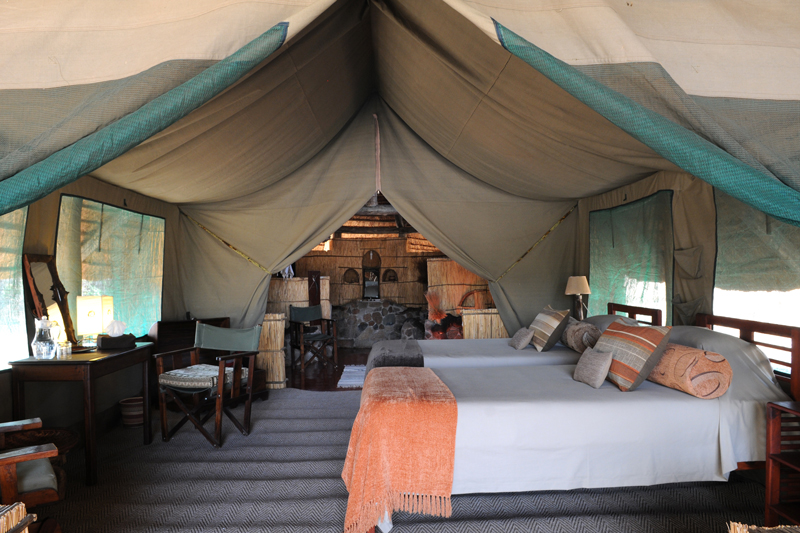
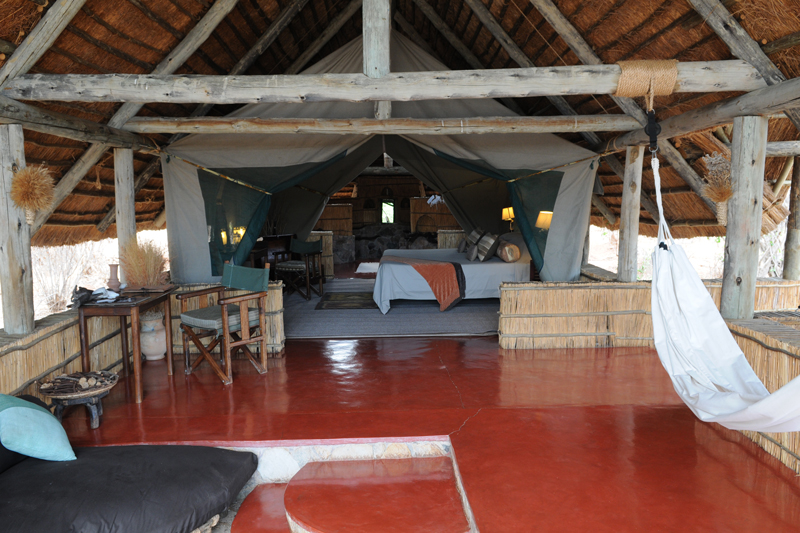
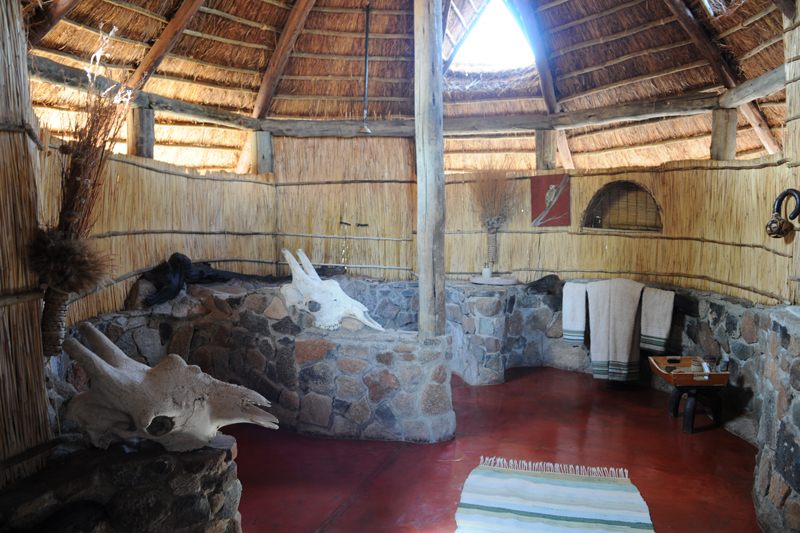
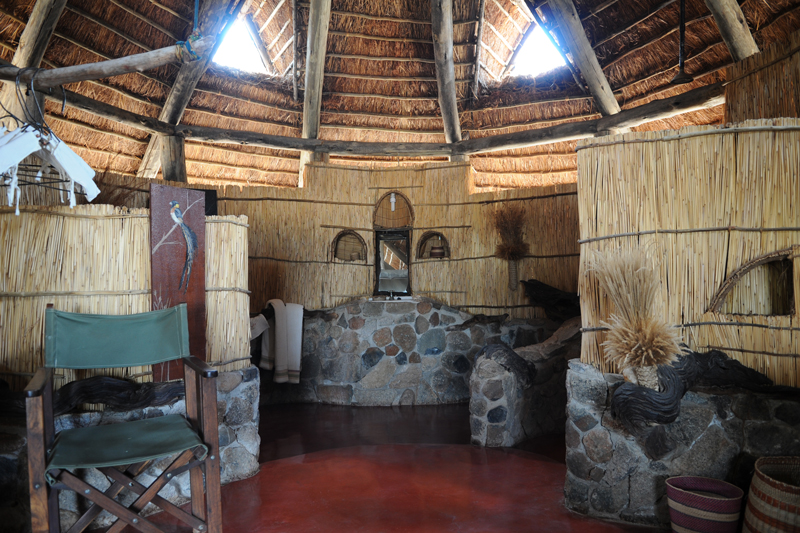
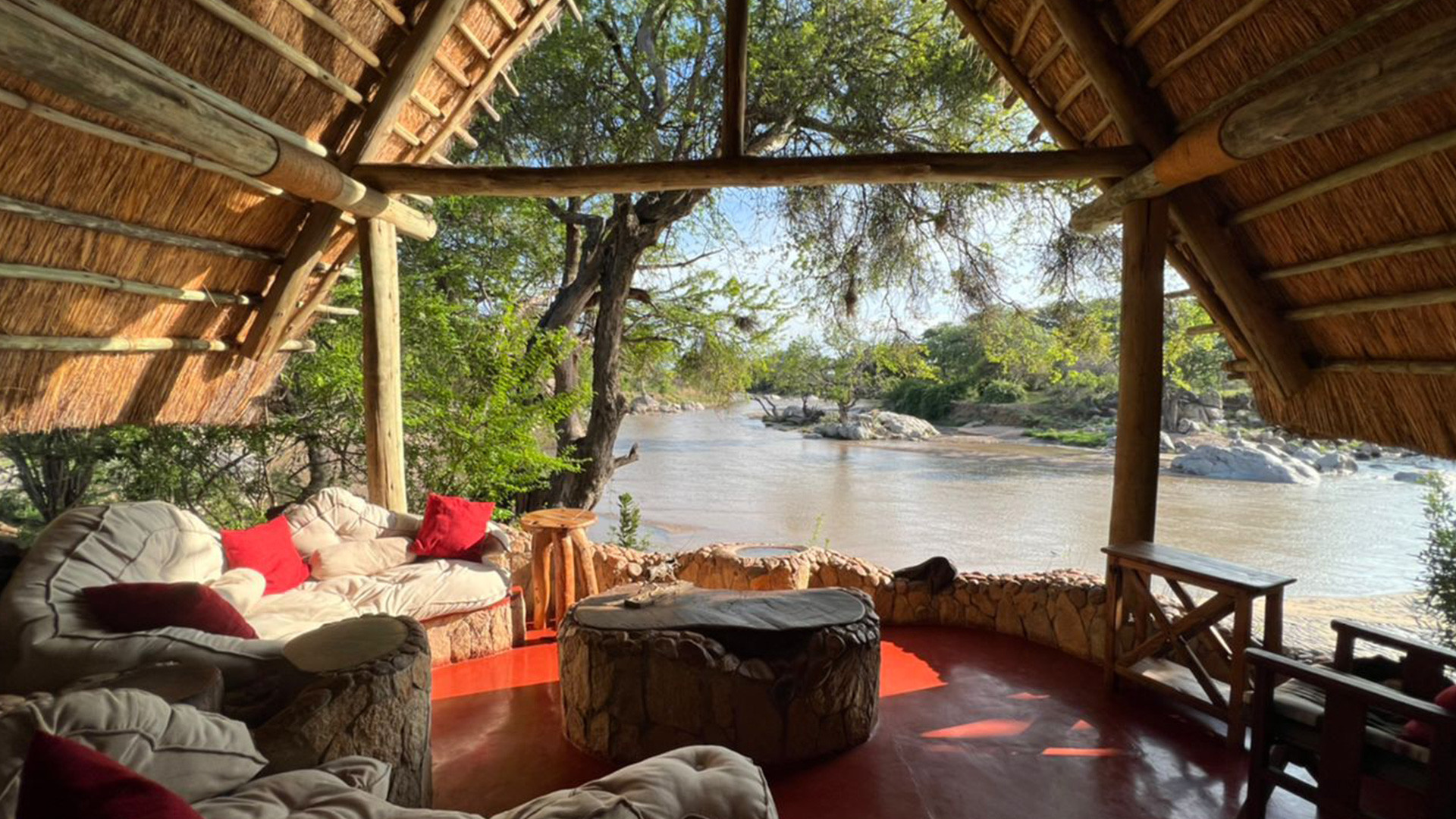
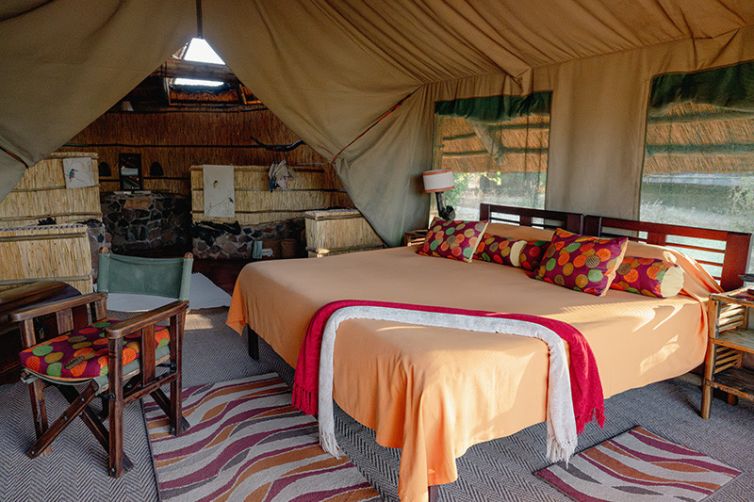
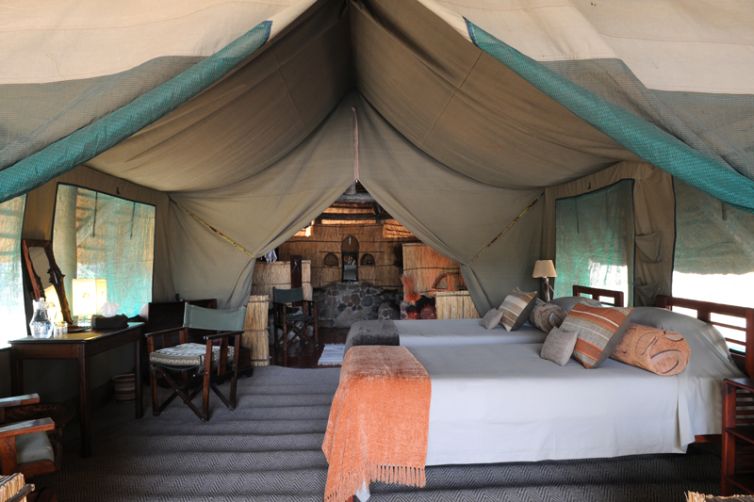
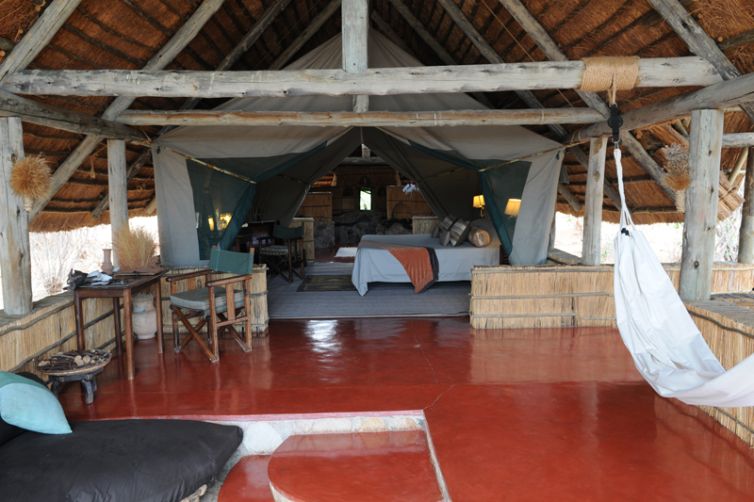
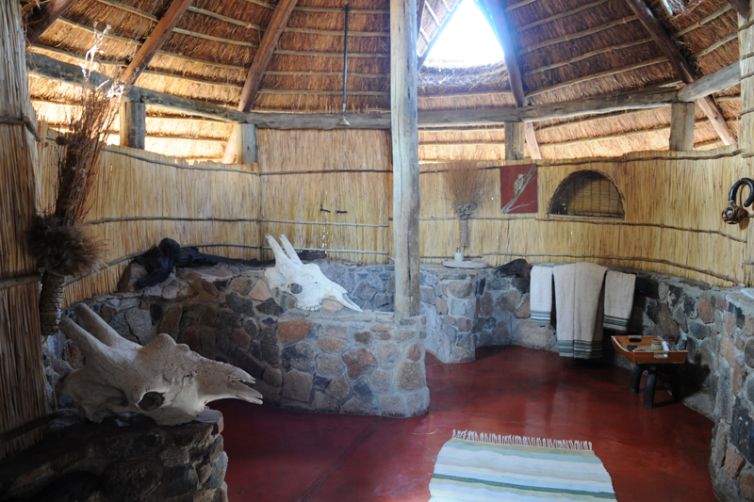
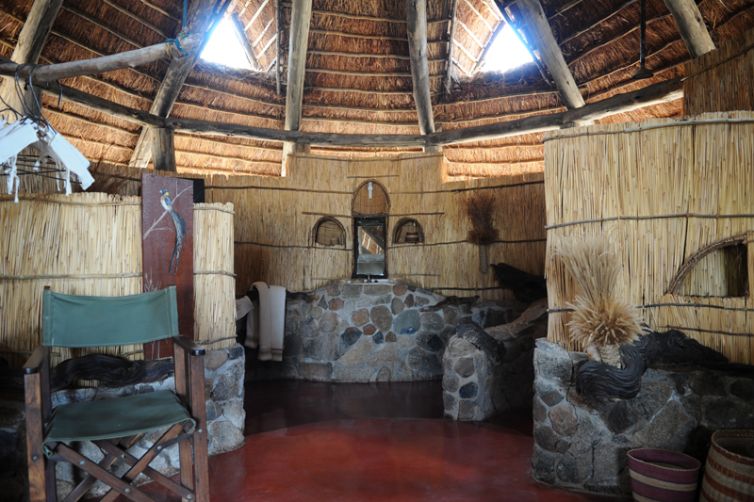
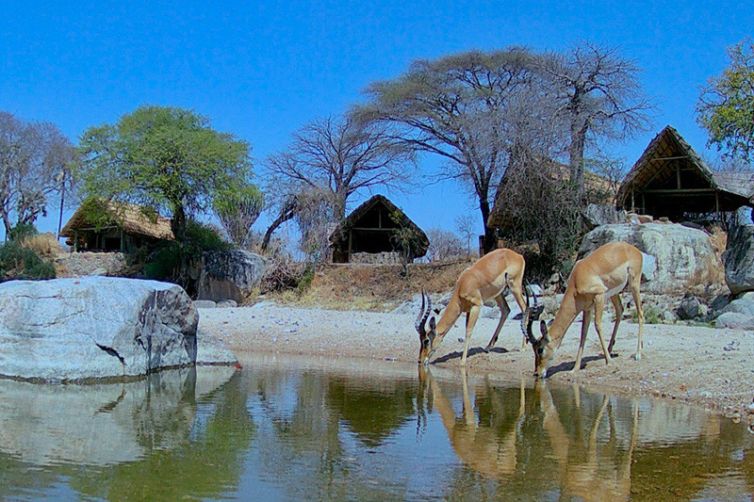
Accommodation is offered for a maximum of 30 guests in 13 comfortable tented bandas. Each room is slightly different in layout but all are built under large thatched roofs under which is a tented bedroom section. This leads to an en suite bathroom at the rear of the room which is constructed of a low stone wall and three-quarter height reed walls set under the thatch and includes a flush toilet, vanity unit and plumbed shower. To the fore of each tent is a spacious verandah area on polished concrete, furnished with a comfortable sitting area and a hammock, overlooking the Mwagusi River.
Central Areas
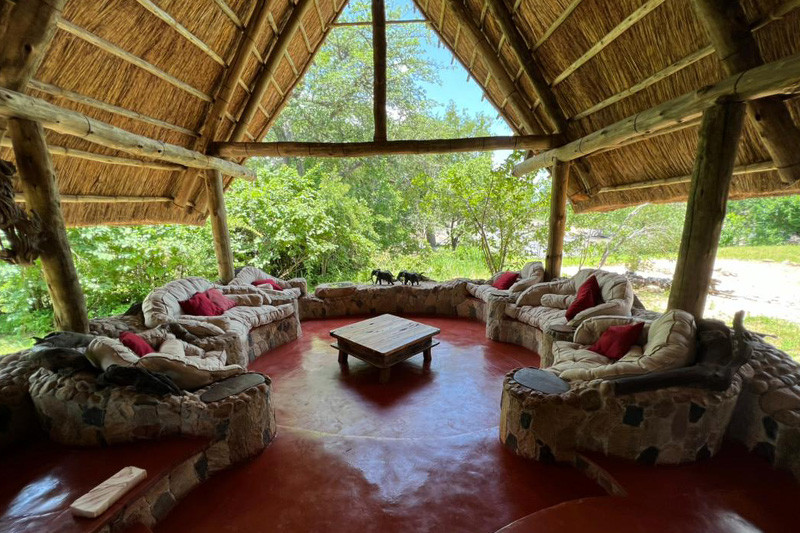
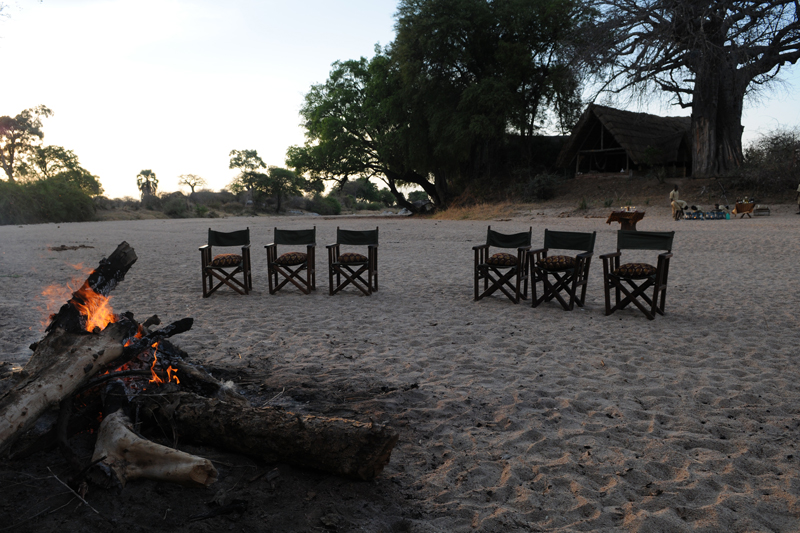
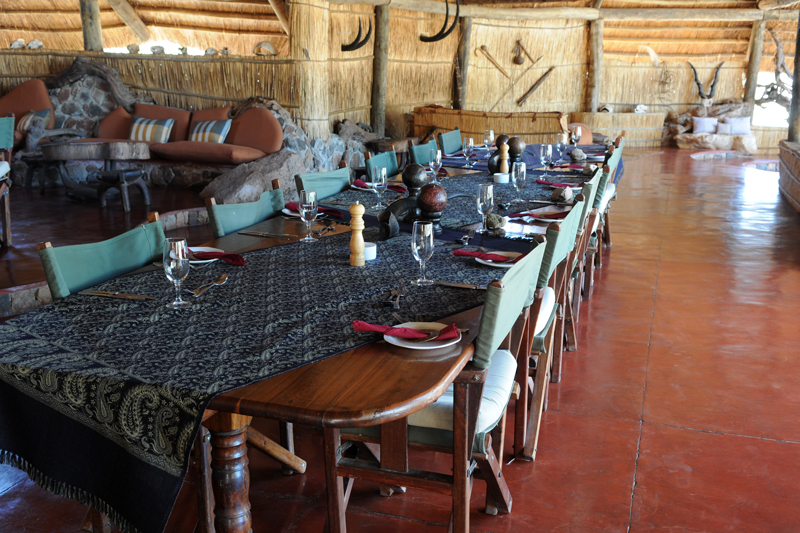
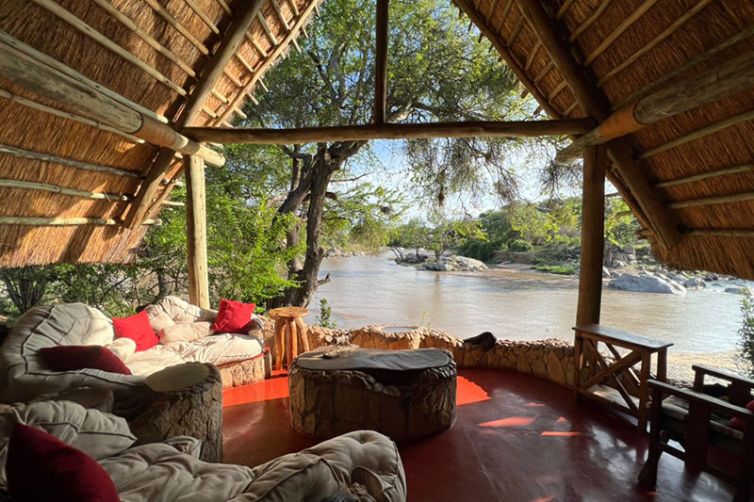
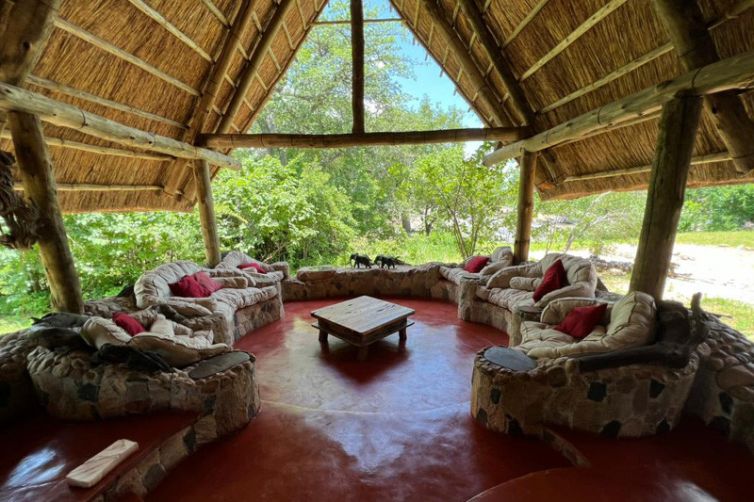
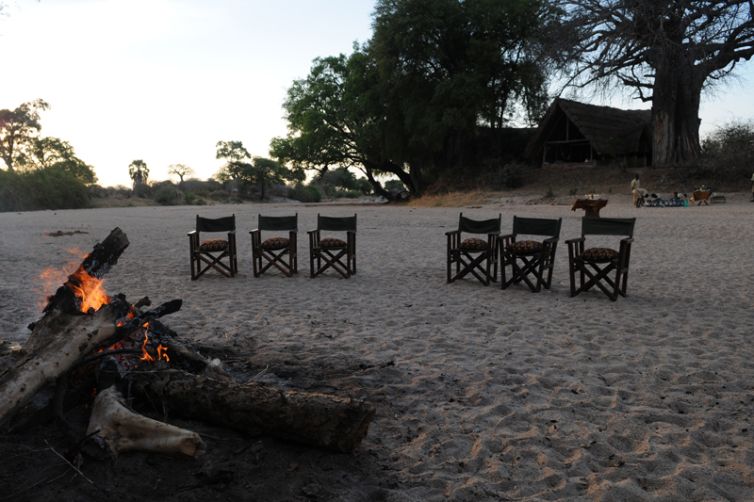
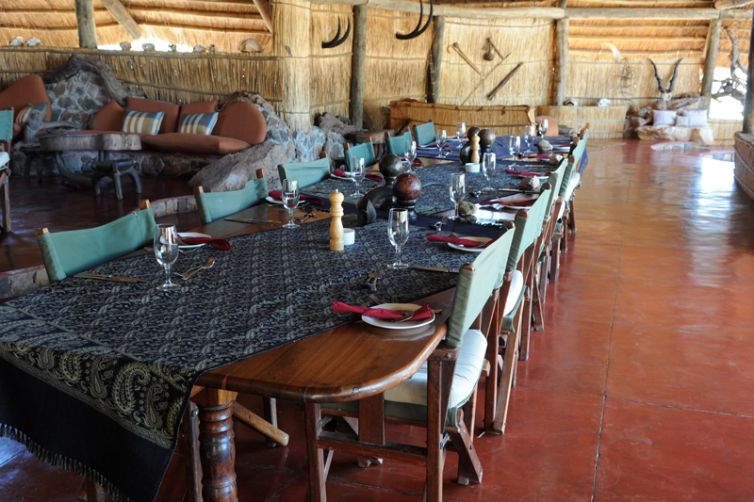
The central area consists of a large thatched main area, which serves as the nucleus for meals, with small alcoves providing sitting areas. There is also a small lounge/diner which can be used for small groups travelling together. Most breakfasts and lunches are taken in the main area, whilst dinner is taken alfresco in the river bed when weather permits. There is also a camp fire where pre dinner drinks are often taken during the dry season.
Facilities
Wi-Fi – Yes
Power for Charging – Yes
Swimming Pool – No
Habitat & Wildlife
Ruaha National Park was previously part of the huge Rungwa Game Reserve, with which it shares its north-western boundary. In 1964, it was gazetted as the National Park. The terrain within the park is well wooded and undulating. The Great Ruaha River gives the park a permanent supply of water, but there are also numerous sand rivers which become raging torrents during the rains (from December to April). In addition to the Great Ruaha River, there are also numerous waterholes, swamps and seepage areas which provide water throughout the year.
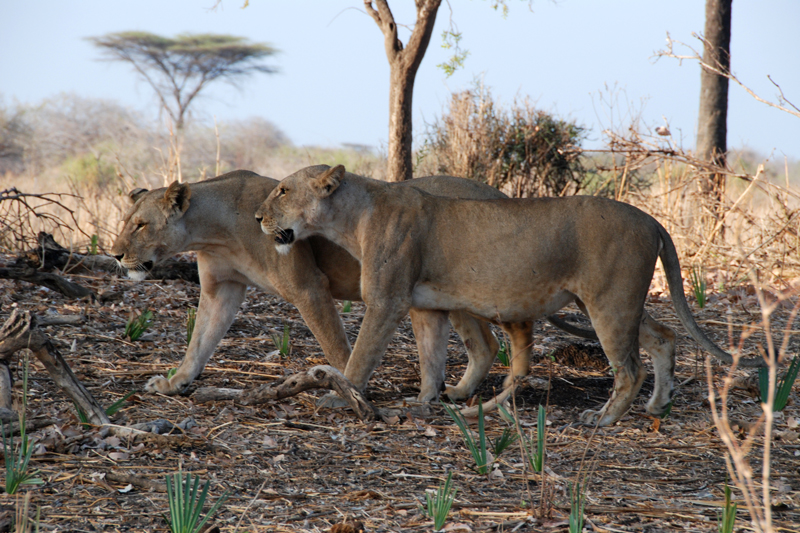
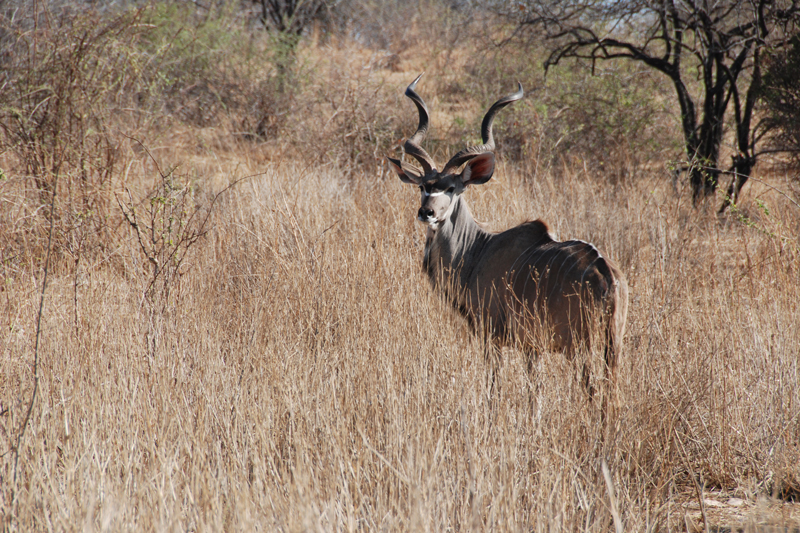
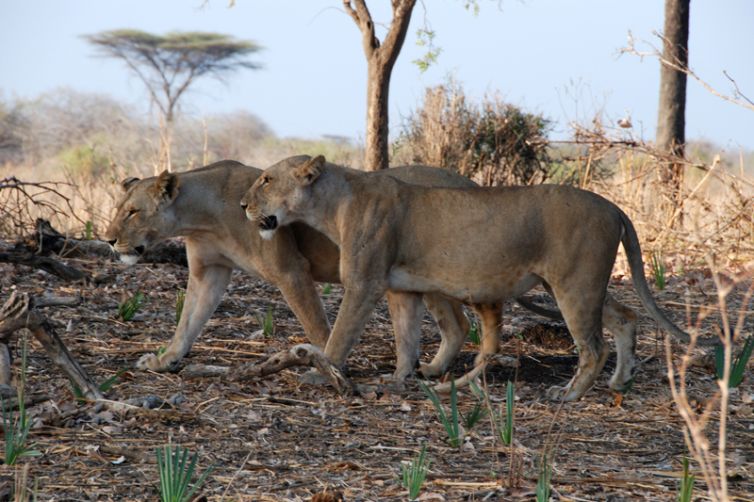
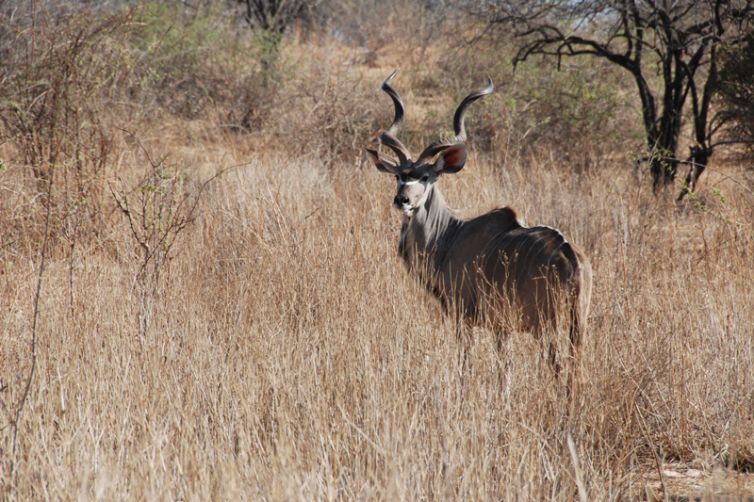
Generally speaking, the park is divided into four different habitats consisting not only of Miombo, but also of undulating hills dominated by baobabs, the albida woodland along the main river courses and areas of open ‘black cotton’ grassland. Mammal viewing is superb particularly in the dry season (June to October) when the animals are forced to congregate around water sources – elephant, buffalo, lion, leopard, cheetah, wild dog, impala, zebra, giraffe, hippo, waterbuck, roan and sable antelope, eland, greater and lesser kudu, and Grant’s gazelle are just some on the many species to be seen.
Local birdlife is exceptional as Ruaha lies in the convergence zone of species found both to the north and south of the region. Amongst the 570 or so species recorded in the park, you can expect to see bateleur and fish eagles; ostrich; spurwing and Egyptian geese; crowned cranes; guinea fowl; yellow-billed, saddle-billed, Abdim’s and open-billed storks; and numerous species of ibis, plover, kingfisher, bee-eater, parrot, duck, barbet, dove, francolin and roller. The local red-billed hornbill has recently been recognised as its own species. Tsetse fly are present in Ruaha but more in some areas than others. The core game viewing region around the Mwagusi River is not seriously affected by Tsetse.
Although sometimes on offer, we do not countenance extended walks in Ruaha unless you are escorted by a professional guide carrying his own firearm. We do not recommend walking safaris where security is only provided by park rangers, as in our opinion the rangers who take the walks do not have sufficient skills/experience. There is no off-road driving.
Activities
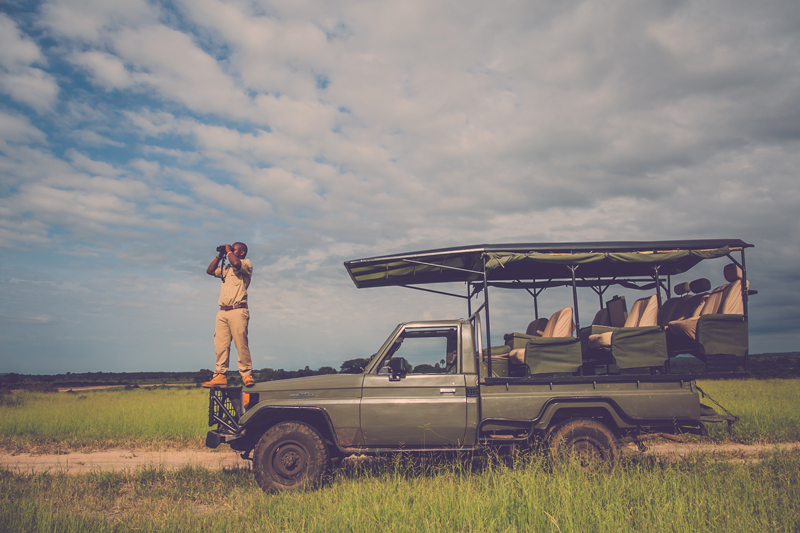
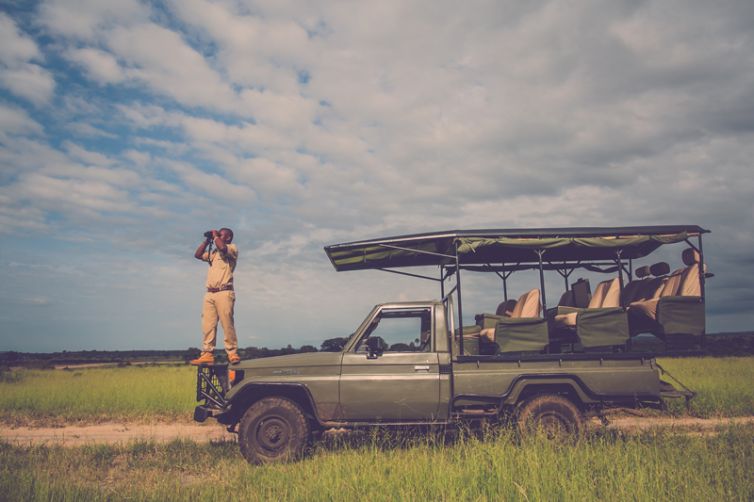
Game drives are conducted in open 4WD vehicles with a shade canopy. Excursions usually take place in the morning and afternoons but full day drives (with a picnic lunch) can also be arranged. Mwagusi also operates a morning bird walk on a daily basis around the camp grounds. The camp runs a guiding school on site and the students will often take part in these bird walks. At additional cost, night drives are available (pre-booking is advisable). There is also the option to undertake longer walks in designated areas of the park close to Mwagusi (at extra cost) which are escorted by two armed park rangers.
Seasons
Mwagusi is open from June through to March each year, though the best time for game viewing is between July and October.
Mwagusi accepts children 5 years and older but with its remote and adventurous feel and the fact that animals are often in camp, we feel Mwagusi is best suited for older children upwards of 12 years. There is no specific family unit though an extra bed may be added to a standard tent.
Mwagusi is owned by Chris Fox and supports the Fox family’s Foxes’ Community and Wildlife Conservation Trust (FCWCT). The Trust helps orphans and foster families in the Mufindi community with accommodation, food, education and medical support. They have built, and operate, six orphanage dormitories with plans to expand, improve the education facilities further and run outreach projects in the villages as well as offering counselling and treatment for HIV and AIDS. HIV infected mothers who are nursing their babies are encouraged to join the Foxes NGO Milk Powder Program to bottle feed with a formula to prevent them being infected with HIV from their own milk.
The Trust also supports the Kindergarten Outreach Programme, Igoda Children’s Village and Mdabulo Health Facility.
Through their NGO, the Fox family have undertaken a holistic approach to balance the interdependent community with their environment. They strive to deal as best they can with the causes of environmental, social and health problems rather than focusing on the more obvious symptoms.
Chris is also personally involved with the Rainforest Conservation who run a project in Mufindi to preserve native species. Monitored by anti-poaching units, the project also involves the removal of snares and the monitoring of human and wildlife activity.
As members of Pack For A Purpose, guests at Mwagusi may use the space in their luggage to bring in donations for schools and clinics in the area.