Mila
Mila is A permanent luxury tented camp located in the western corridor of the Serengeti National Park.
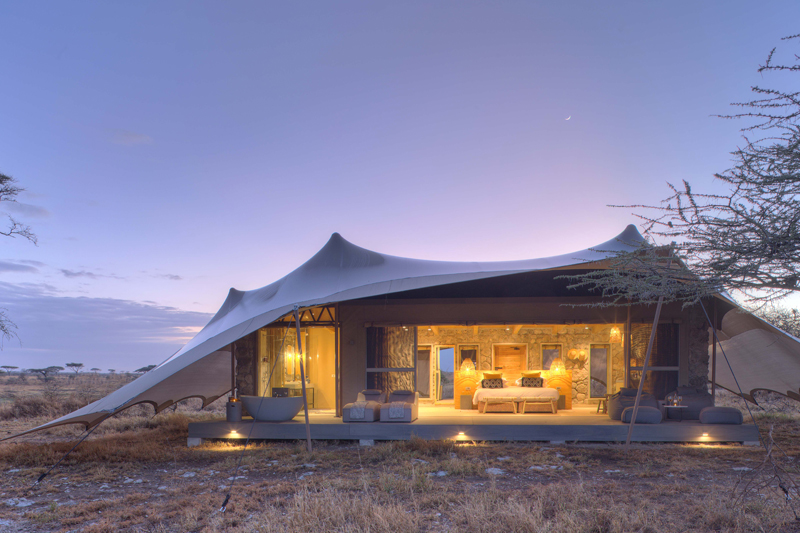
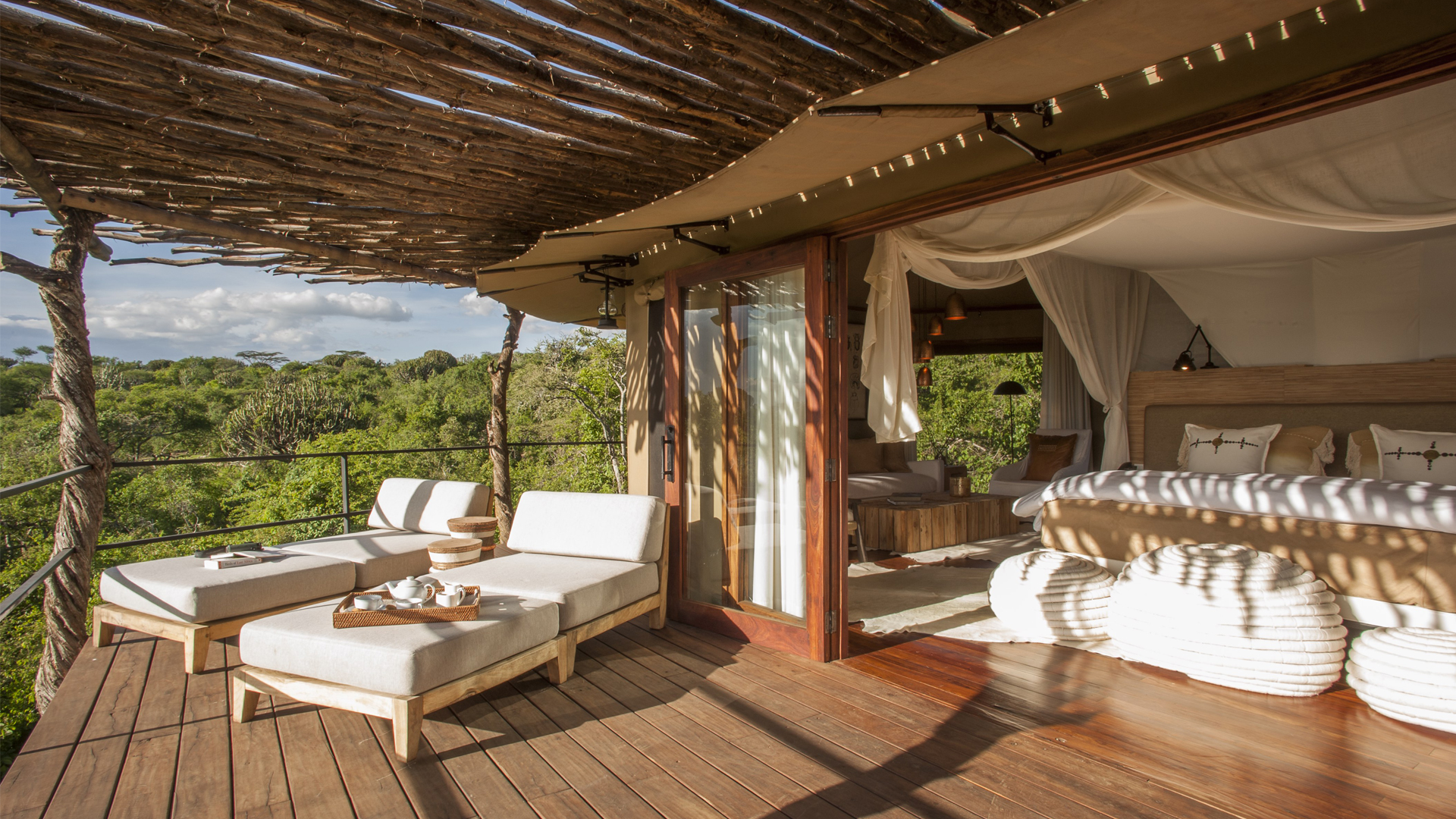
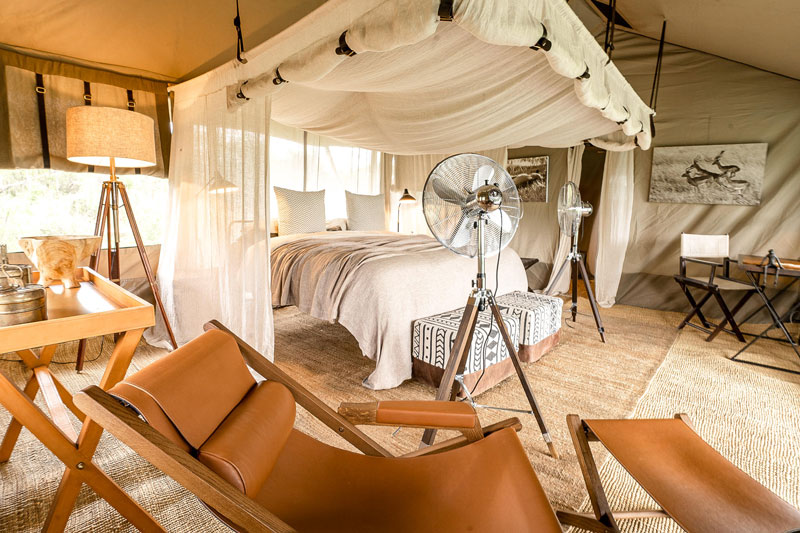
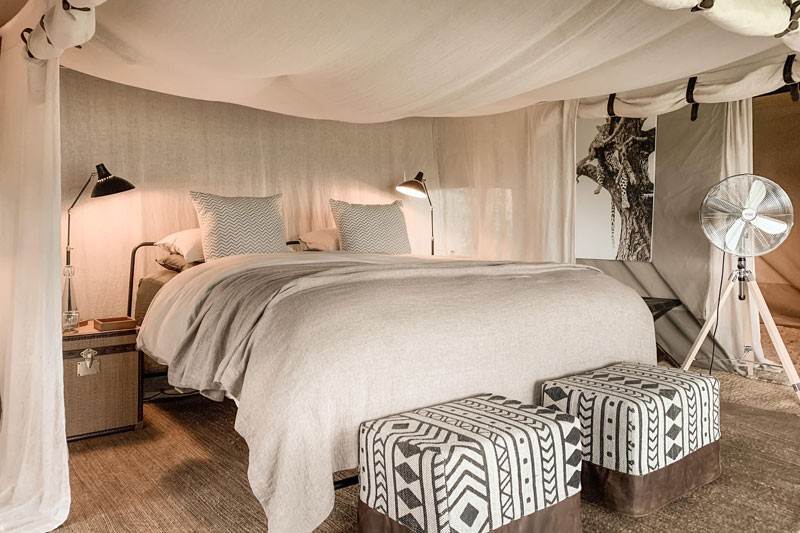
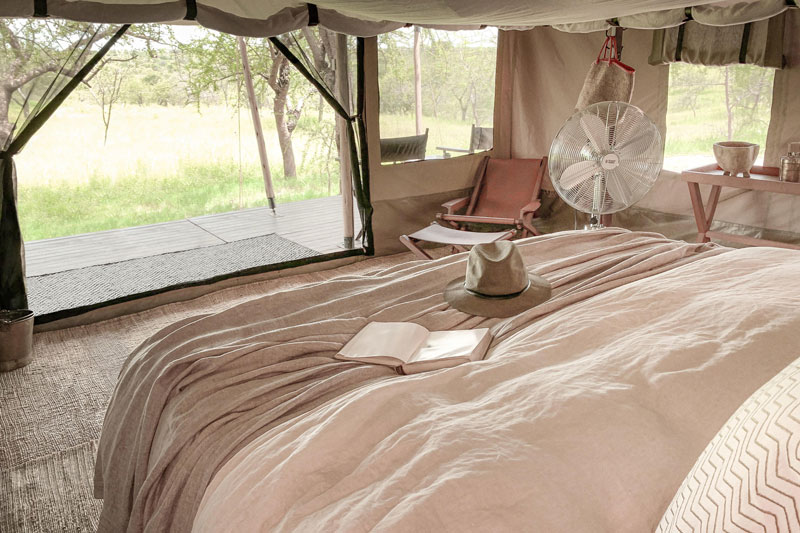
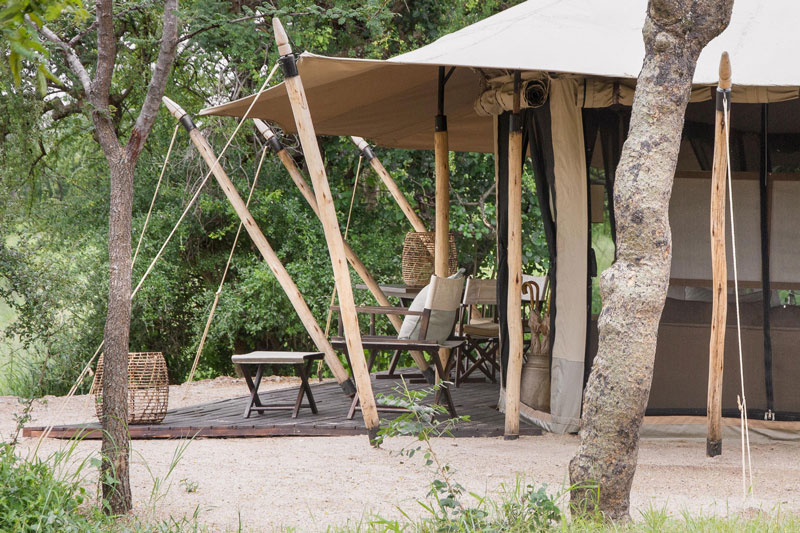
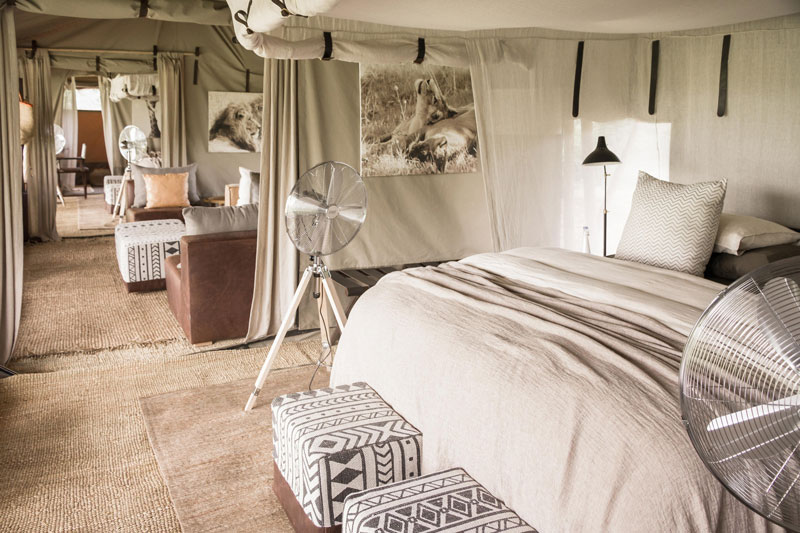
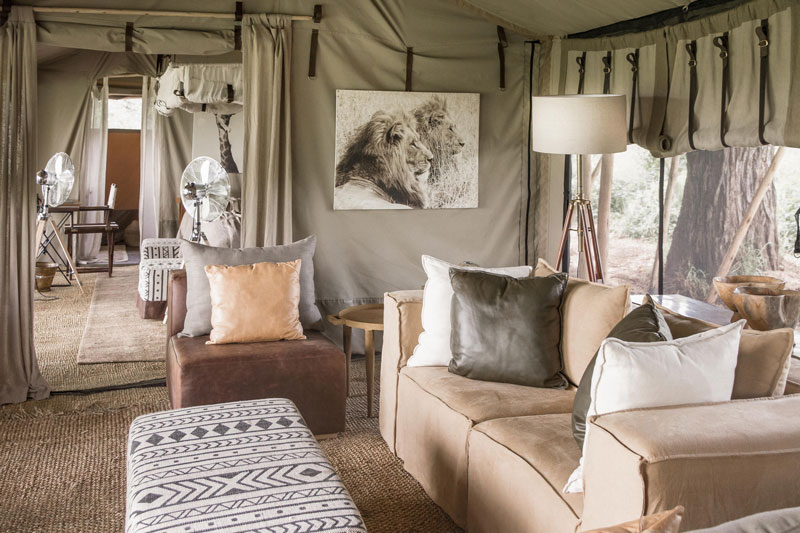
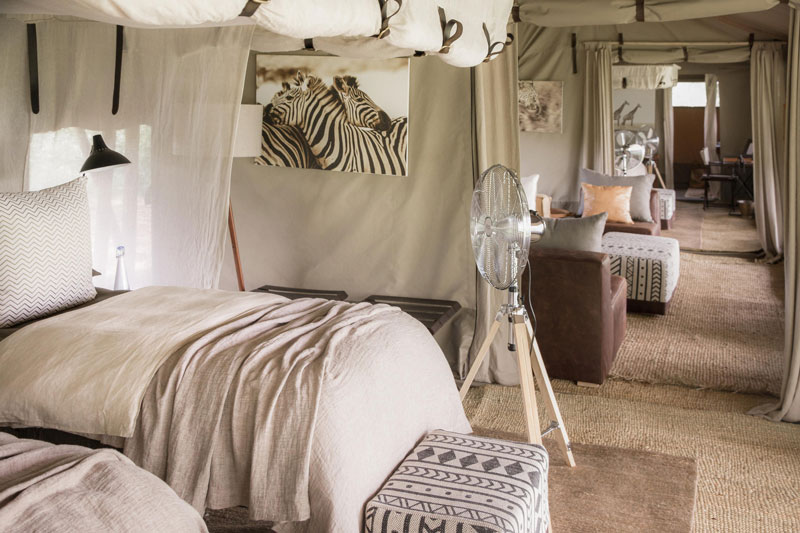
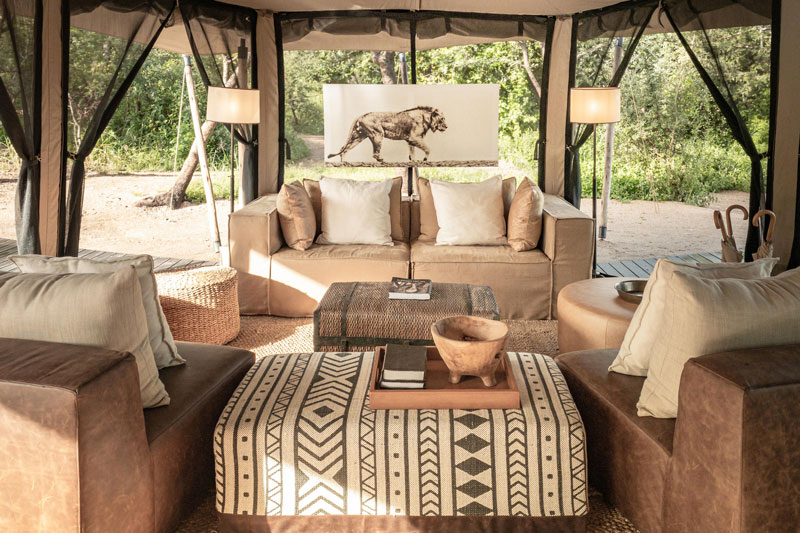
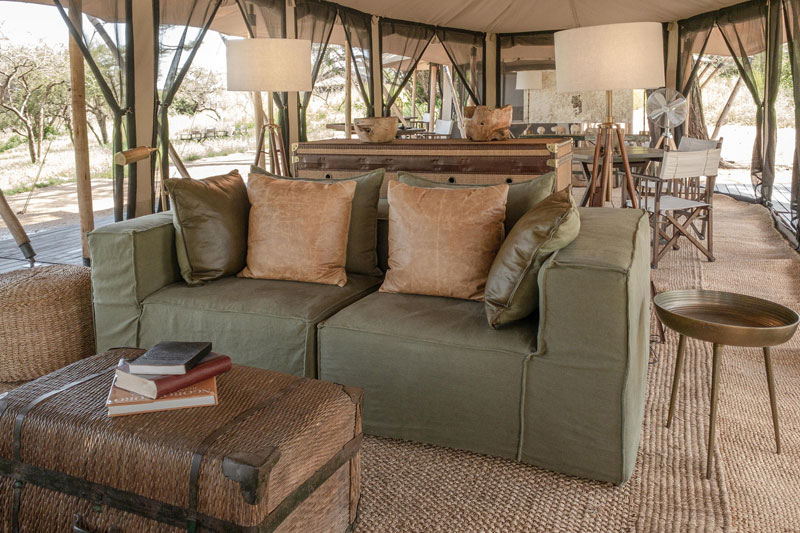
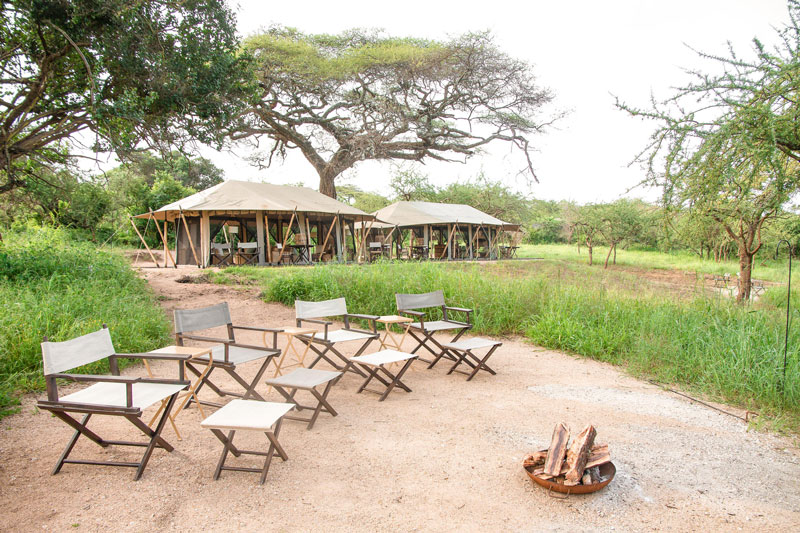
Mila is one of the Auberge Safari’s (formerly Legendary Expeditions) permanent tented camps, and offers a similar experience to sister camps Songa and Nyasi. The tents themselves are very comfortable and luxuriously furnished, whilst maintaining the feel of an authentic tented experience. The central areas offer a similarly simple but elegant set up, with sophisticated lounge and dining tents leading out to camp fire areas with views out over the surrounding plains. The food and service are superb, and their guides are very good too. A key factor to consider with all Legendary Expeditions camps is that they focus very hard on providing an exclusive safari environment for each group of guests. A private guide and vehicle are included as standard, but Mila also provide private dining and private sunset drinks for all drinks. Mila is not the right camp if you are seeking communal dining and a vibrant bar in the evening, but it is perfect for any couple, family or group seeking a very sophisticated and private tented camp experience.


Rooms
The camp caters for around 14 guests in six very comfortably furnished tents, each set on a low wooden platform with en suite plumbed facilities including toilet, double vanity and indoor shower. One of the tents is two bedroomed and designed for families – it comprises two en suite bedrooms connected by a shared internal living area/lounge.
Central Areas
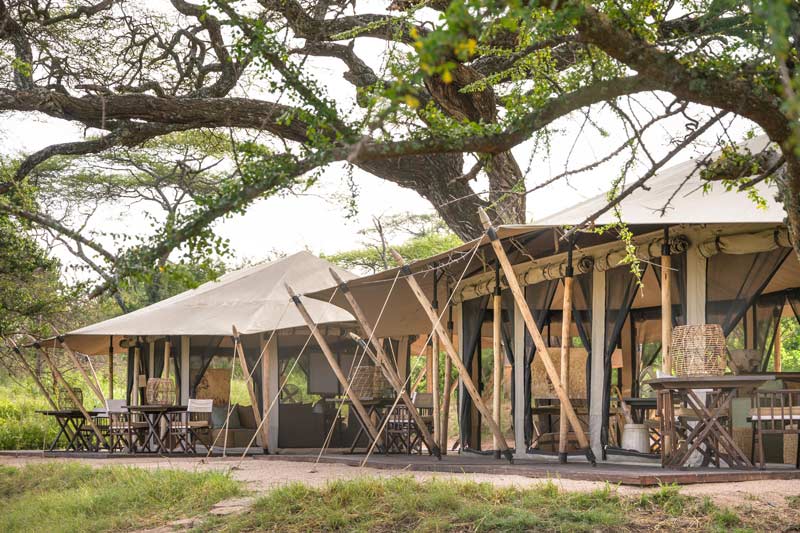
The central areas include a lounge tent and two dining tents (though meals are often taken ‘al fresco’) together with a campfire area.
Facilities
Wi-Fi – Yes
Power for Charging – Yes
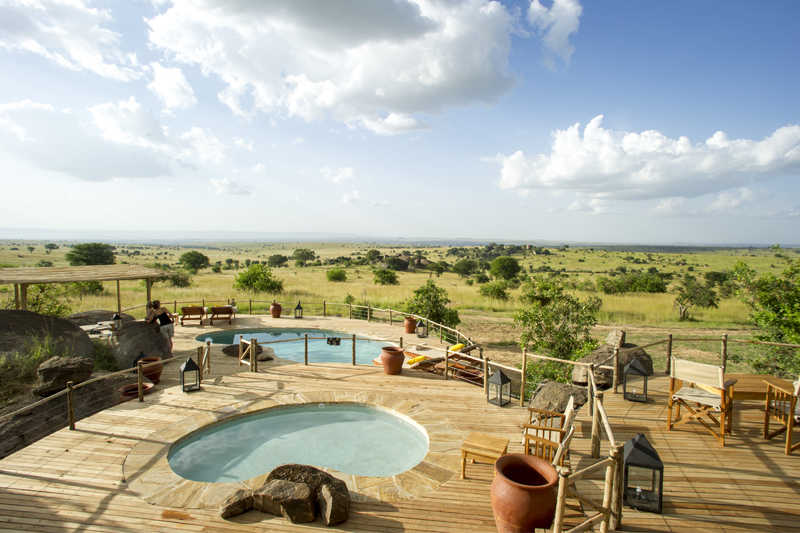
Swimming Pool – No
Habitat & Wildlife
With an area of some 14,000 sq. km, Serengeti is probably the best-known wildlife sanctuary in the world. The ecosystem includes the National Park itself, the Ngorongoro Conservation Area, Maswa Game Reserve and Kenya’s Masai Mara National Reserve, together forming one of the most complex and least disturbed ecosystems on earth. The landscape was originally formed by volcanic activity in the Ngorongoro highlands and it varies from the open short grass plains in the south, to savannah and scattered acacia woodlands in the centre, to extensive woodland and black clay plains in the west, to hilly wooded grassland in the north. Most of the permanent water is found towards the northern and western areas, the lack of permanent water and food in the south being the main reason for the annual migration.
The park is home to approaching 2,000,000 wildebeest, 500,000 Thomson’s gazelle and 250,000 zebra: the largest concentration of plains game in Africa. More than 30 species of herbivores are found here, as well as all the major predators and nearly 500 species of birds.
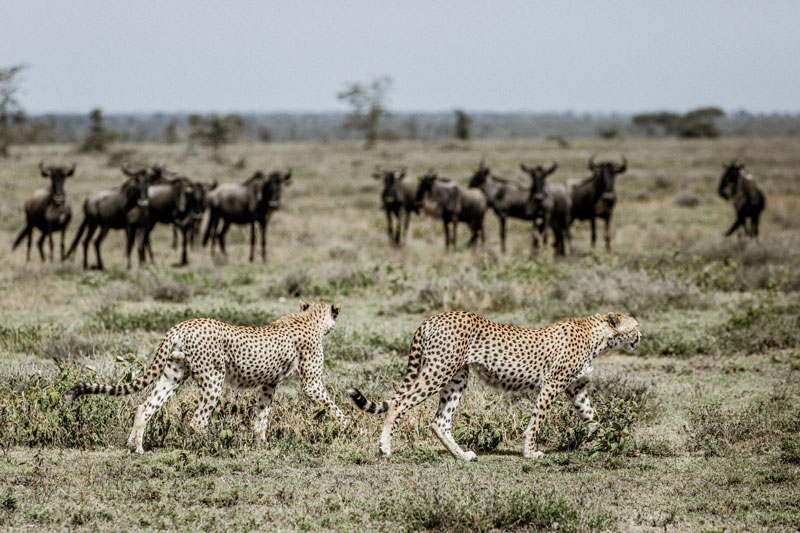
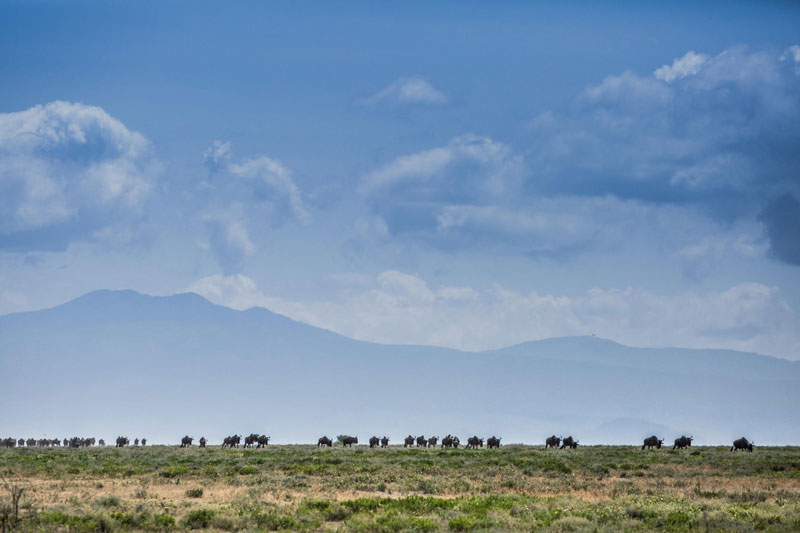
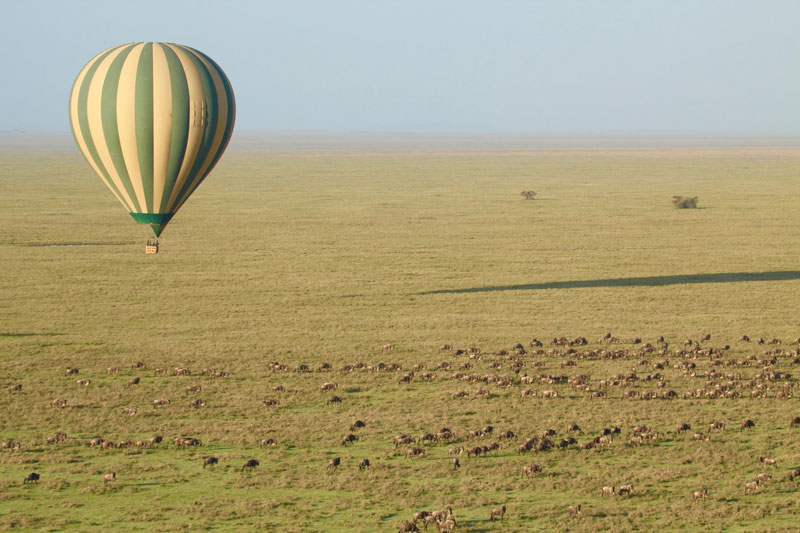
The southern reaches of the park consist of endless ‘short-grass’ open plains. The hundreds of thousands of wildebeest, gazelles and zebra congregate on these plains from December to April, usually calving around the end of January when the nutritious grass is at its best. Depending on grazing conditions and water supply, the start of the Serengeti annual migration begins at the end of this period, and the herds begin to march north/westwards, ‘lowing’ incessantly so that the air hums like a dynamo (zebra first, then the wildebeest and gazelles). Lion, cheetah, hyaena and wild dog follow, ensuring that only the fittest survive, while jackals trail behind and vultures circle overhead.
The central and western sections of the park are fantastic for game viewing all year round, though wild dogs and rhino are not encountered.
Mila is located in the ‘western corridor’ of the Serengeti, an area of the park that can offer year round excellent game viewing. The habitat is varied, changing quickly from vast open plains to thick riverine forest along the Grumeti River. The migration herds can often be seen close to Mila Camp between May and July as they pass through on their way north.
Activities
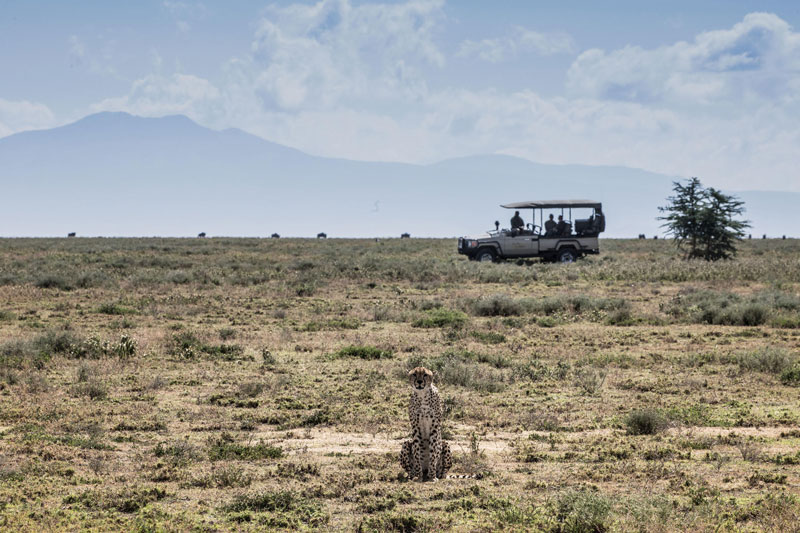
As the camp is located in the Serengeti National Park, activities focus on day time game drives, but each booking includes sole use of vehicle so you can plan your day to suit, whether heading out for a full day, or having a morning and afternoon game drive. Guided walks are also available. Hot air ballooning can be arranged from June to October at extra cost.
Seasons
Mila is open from mid May through to the end of March and while game viewing is good year round, the migration season is between May and July.
Children are welcome from the age of four years. Mila offers a good family tent option and the flexibility of a private guide and vehicle, however with activities limited to game drives, it will naturally suit families travelling with older children looking for an exclusive big game Serengeti experience.
Every stay in an Auberge Safari camp directly supports the protection of Tanzania’s wilderness and the well-being of the people who call it home. Through partnerships with the Friedkin Conservation Fund and the Chem Chem Association, they help restore ecosystems, safeguard wildlife, and create lasting opportunities for local communities.
The Friedkin Conservation Fund (FCF) manages three ecologically significant wilderness areas that together form the Greater Mwiba Protected Wildlife Area — a vital buffer to the Serengeti and Ngorongoro ecosystems, spanning over 2,000 km². This landscape plays a critical role in protecting the Great Migration, particularly during calving season, which unfolds amid the short grass plains. Alongside conservation, FCF invests in education, healthcare, and infrastructure, while creating employment opportunities for surrounding communities. By ensuring that local people benefit directly from conservation, the long-term protection of this ecosystem is secured.