Ol Malo Lodge
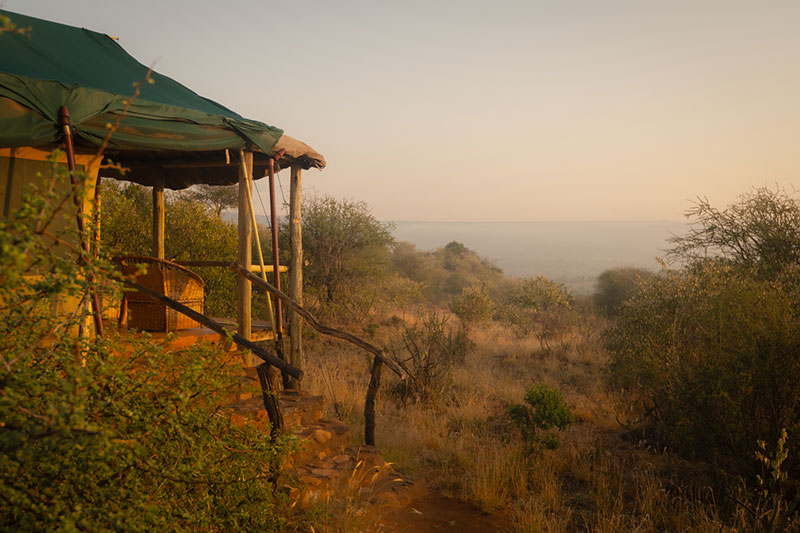
Ol Malo Lodge is located within the Ol Malo Ranch on the edge of the Laikipia Escarpment in central Kenya.
Ol Malo are especially known for their hospitality, with two generations of the Francombe family sharing the hosting and management over their two properties (Ol Malo Lodge and Ol Malo House). Ol Malo Lodge is a very intimate bush homestead offering an old school hosted experience – perfect for people seeking exclusivity and personal hosting. We don’t suggest Ol Malo Ranch for an intensive game experience, but rather for a more general hosted wilderness experience, with an emphasis on relaxing and undertaking varied activities, including visiting local villages. The property is very well run with great attention to detail and friendly service. There is a relaxed feel to the place and the accommodation and food should be viewed as very comfortable and homely rather than luxurious and sophisticated. Ol Malo fits really well in between Kenya’s more intense game destinations as it offers more varied experiences and the chance to take things at a relaxed pace.


Rooms
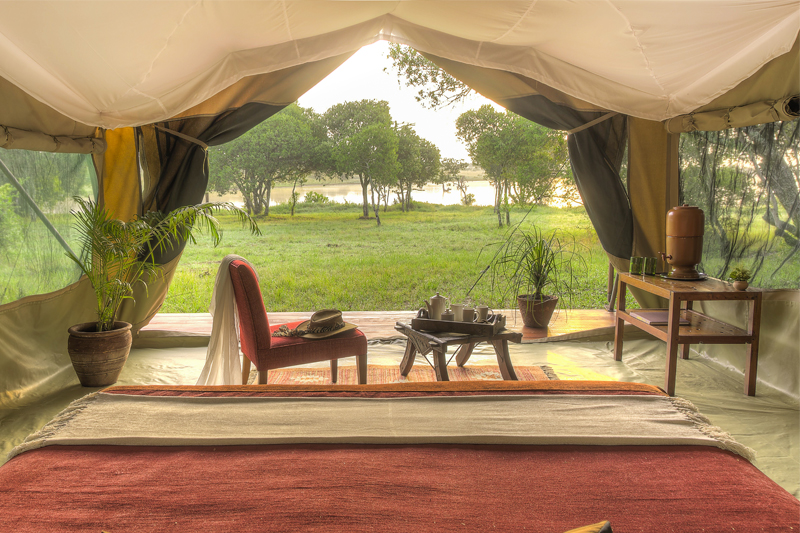
Ol Malo Lodge has four luxurious cottages, including a family cottage, set along the edge of the escarpment. The cottages are built from stone, wood and thatch, with glass windows, olive wood beds and polished floors and have a traditional bush homestead feel. Each cottage has a spacious plumbed en suite bathroom with a sunken bath and a shower (two of the cottages have split level rooms with bathrooms downstairs and one cottage has an outdoor bath). Each cottage also has a private balcony with wonderful views over the surrounding hills and perfect for watching the sunrise.
Central Areas
Meals are taken together or individually in the thatched central dining area or in the pool lounge next to the infinity pool, all with sweeping views.
Facilities
Wi-Fi – Yes
Power for Charging – Yes
Swimming Pool – Yes
Habitat & Wildlife
The Laikipia covers a significant portion of dramatic countryside in northern Kenya, sandwiched between Samburu and Mount Kenya in the east and the Aberdare Mountains and Great Rift Valley in the west. The central section of the area is covered by a lava plateau which creates a series of rocky escarpments offering epic views, whilst a series of rocky outcrops and hills dot the landscape revealing the landscapes much more ancient history (some of these rocks are thought to be around 80 million years old). The region is divided into a number of private ranches, conservancies and community lands with farming (cattle mainly), wildlife conservation and local populations all existing in relative harmony. As the region is increasingly closely managed, and the local communities are made more aware of their role in conserving wildlife and benefitting from this, there has been an increase in properties dedicated solely to wildlife, and in these areas the wildlife populations are growing steadily. Some private ranches have been concentrating on wildlife conservation for many years and offer superb game viewing experiences, though in general the Laikipia region is better known for its wilderness, scenery and the wide variety of activities on offer.
The terrain and habitat is varied with two main rivers dissecting the region – the Ewaso Nyiro and Ewaso Narok. These rivers are fed from Mount Kenya and the Aberdare Mountains respectively, and provide year round water through what can otherwise be described as a dry and harsh environment. Around 250 species of birds have been recorded and the mammal list includes greater kudu, gerenuk, wild dog, elephant, buffalo, cheetah, leopard, lion, Grevy’s zebra, reticulated giraffe, Thompson and Grants gazelle, eland, Beisa oryx, defassa waterbuck, striped hyaena, spotted hyaena, baboon, vervet monkey, jackal, warthog and many smaller species such as caracal, African wild cat, serval, genet, civet, porcupine, aardvark, aardwolf and rock hyrax.
Activities
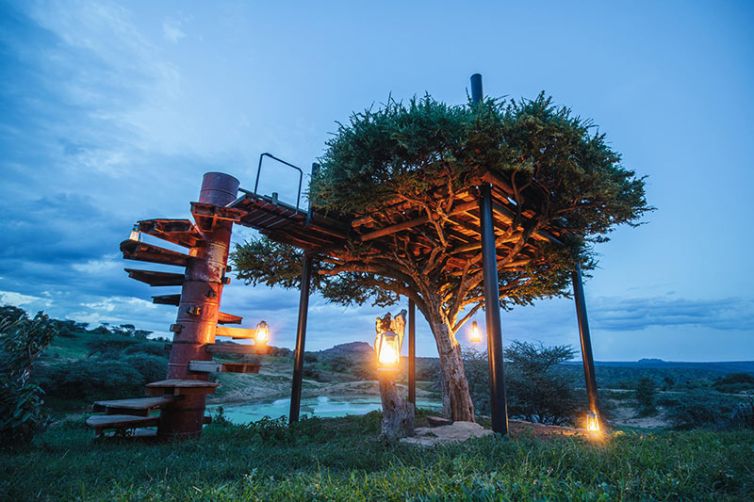
Activities on offer include day and night games drives, horse riding, bush meals, escorted bush walks and hikes and camel treks. For those wanting to get even closer to nature, the opportunity to dine and overnight in the treehouse or leopard hide is included in your stay (we would recommend prebooking), while fly camping can also be arranged at extra cost (must be prebooked). Ol Malo also has a number of helicopters based at the property and a variety of flights can be arranged (at an extra cost and must be prebooked) from short scenic picnics and sundowners, to half and full day excursions and overnight adventures to Lake Turkana.
Seasons
Ol Malo is open from December to March and then again from June through to October.
Ol Malo Lodge accepts children of all ages and the family cottage can sleep up to two adults and three children with an extra children’s room containing bunk beds and an additional single bed (the bathroom is shared). Sister property Ol Malo House is really the ideal solution for families looking for an exclusive escape into the African wilderness. The hosting at both properties is superb and management, guides and staff will engage with kids of all ages, whilst the range of activities is simply fantastic for families. Adventurous families will certainly need plenty of time at Ol Malo, so as to experience everything on offer. Also the emphasis on culture and the ‘African way of life’ will be very different from other parts of Kenya where the wildlife takes centre stage.
Ol Malo partners with the Samburu Trust, which was founded by Julia Francombe in 2000, to protect and secure the future of the Samburu people and their land through education, conservation, healthcare, water supply, women’s opportunities, and tourism.
The Trust provides free education for more than 100 children on Ol Malo’s grounds, having built a school in 2003 and customised an education plan that has grown into a model of learning for pastoralist children in the northern Kenya region.
As the prevalence of droughts has become more extreme in recent years, the Trust has created a network of clean water reservoirs along human and animal migratory routes, offering safe water to people, livestock and wildlife.
The Trust provides a safe workshop space for 90+ women in the local community to produce beadwork which is sold abroad, giving women an independent source of income to live a life of their choosing.
The Trust has also been instrumental in eradicating the blinding eye disease Trachoma from neighbouring Samburu communities through mobile surgery camps, health education and partnerships with medical professionals.
Because of this deep and long-standing relationship, guests of the ranch are invited to visit the neighbouring villages and manyattas (homesteads) for intimate and personal encounters that offer authentic insight into local life and challenges.