Lewa House
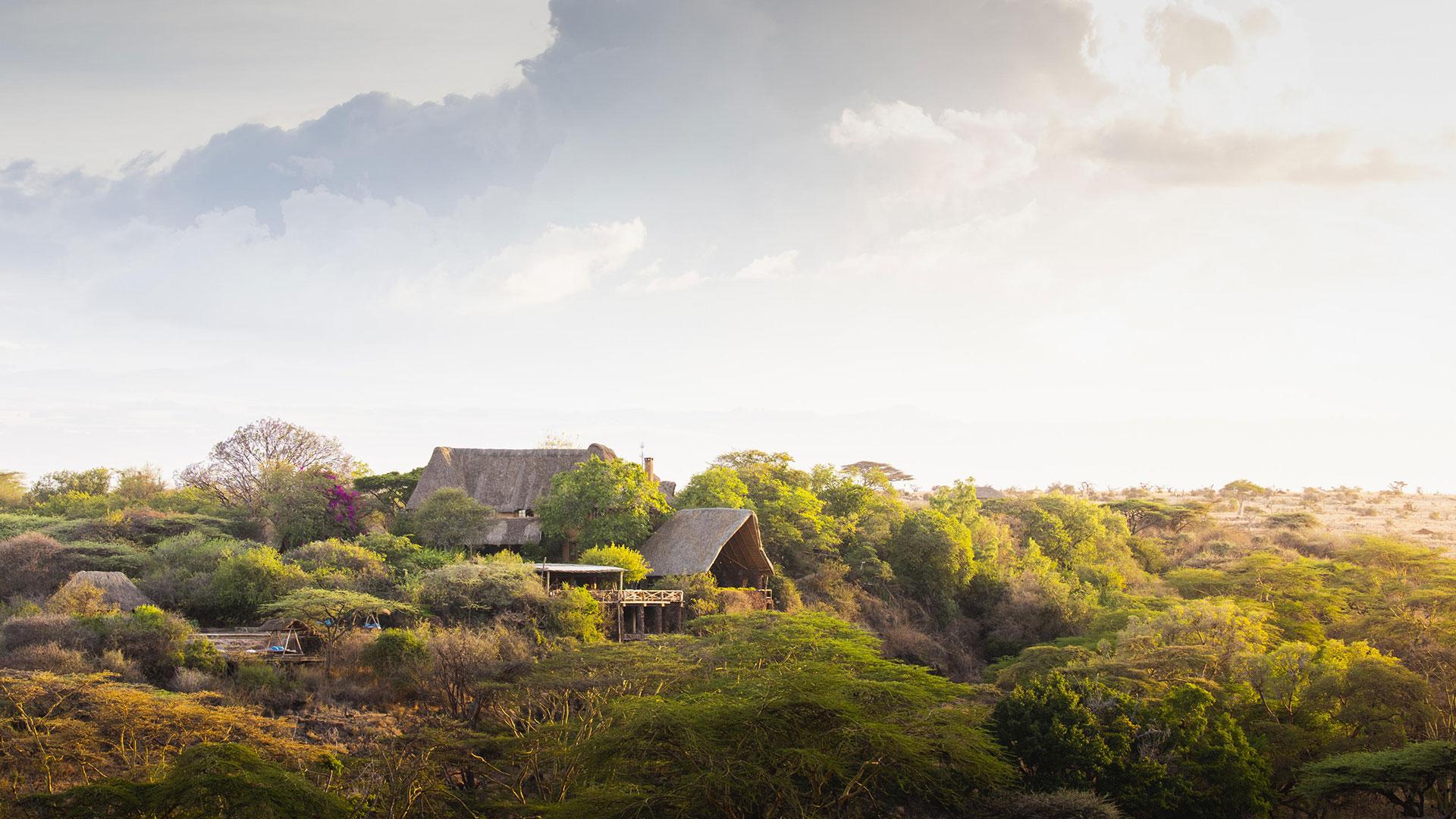
Lewa House is an owner-run bush homestead located in the heart of the fantastic Lewa Conservancy near Mount Kenya in Central Kenya.
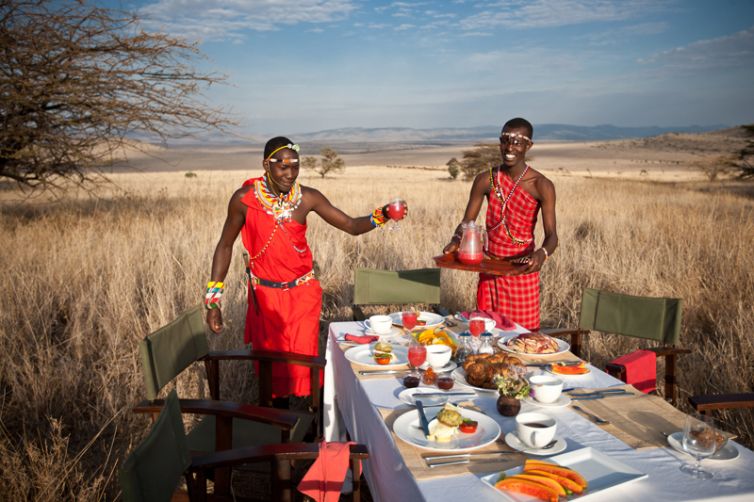
Lewa House is owner-run by Calum and Sophie McFarlane, whose children are the fifth generation of the family to live on Lewa, and offers a very home from home feel with relaxed, yet very efficient service. Accommodation is offered in eco-sensitive ‘Earth Pods’ which are beautifully designed and very comfortable, without being overly luxurious. The property has a warm and authentic safari atmosphere, with communal hosted meals. It is not a ‘busy’ property, and the overall ambience of the property is tranquil and relaxing, even when families are in residence. Easy access to the wonderful wildlife viewing of Lewa make this a favourite property of ours.










Rooms
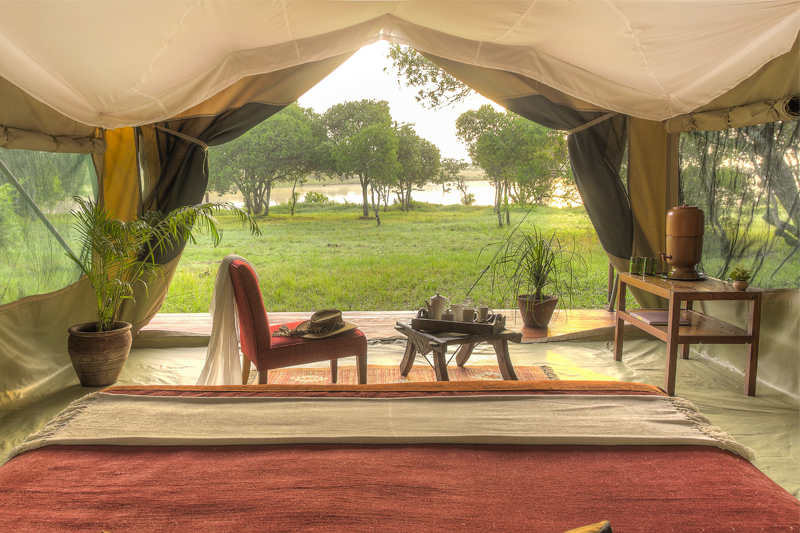
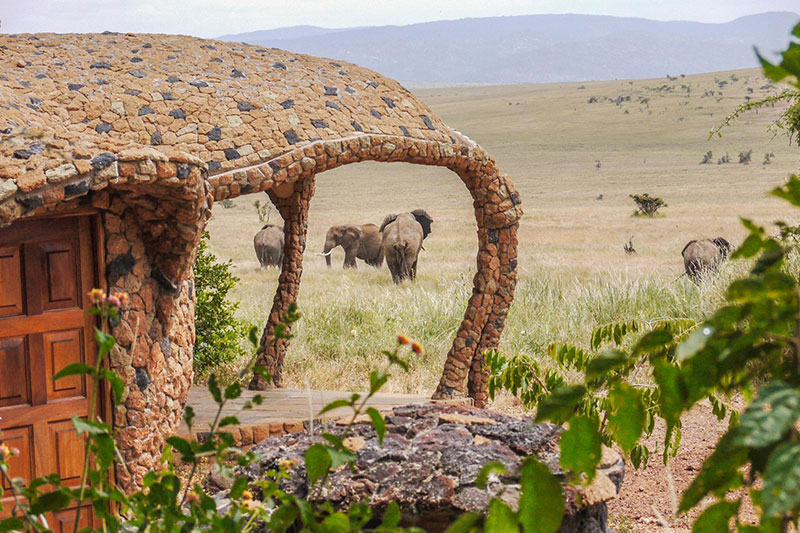
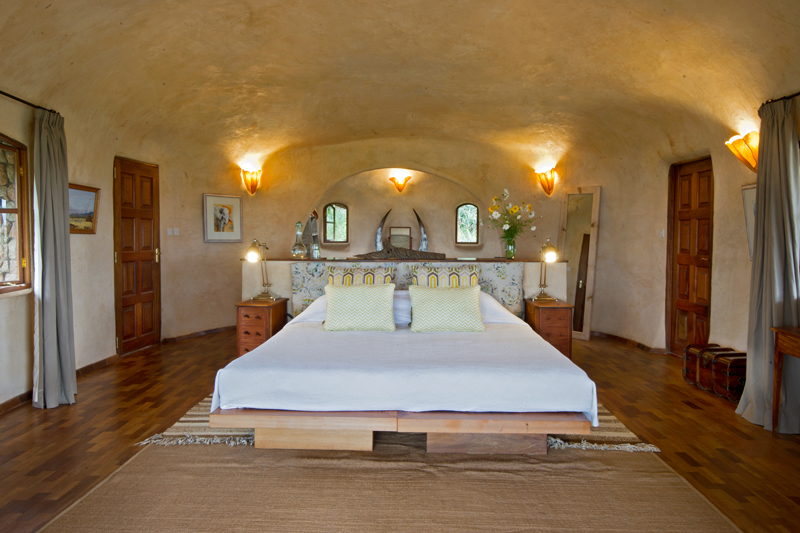
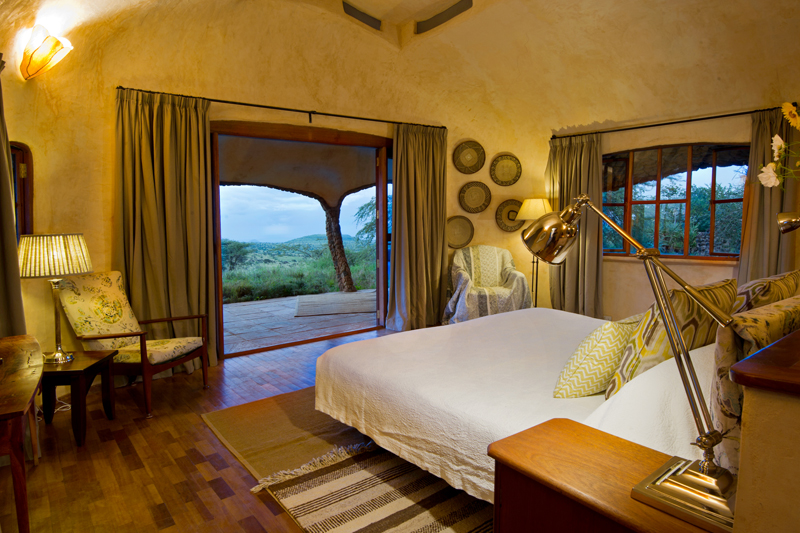
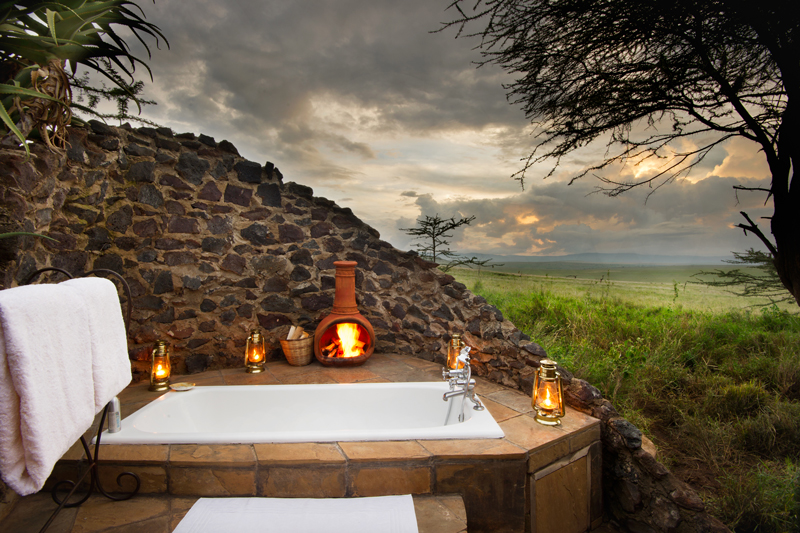
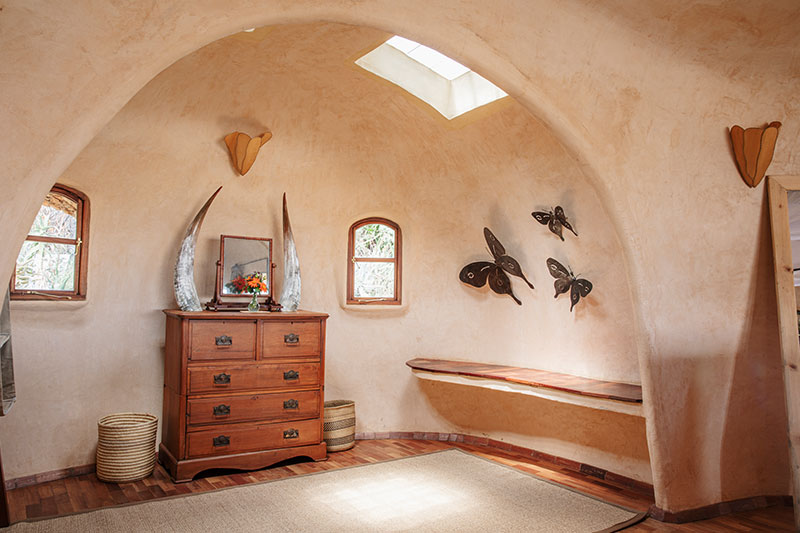
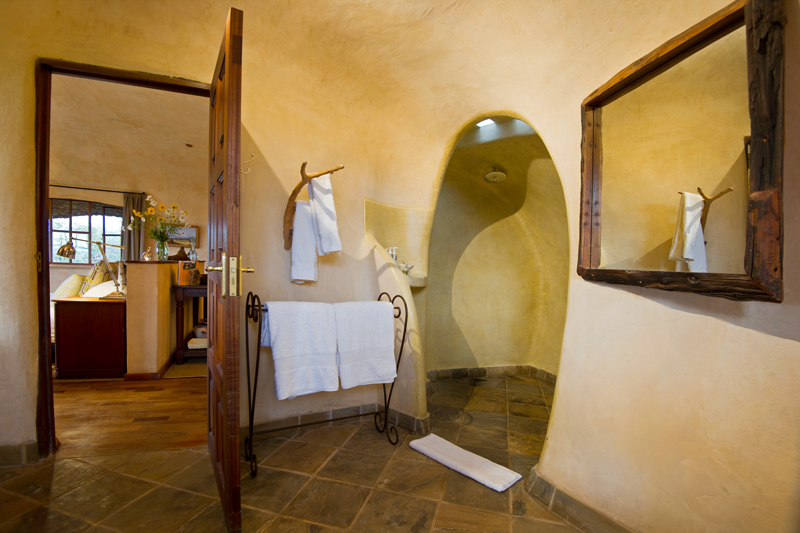
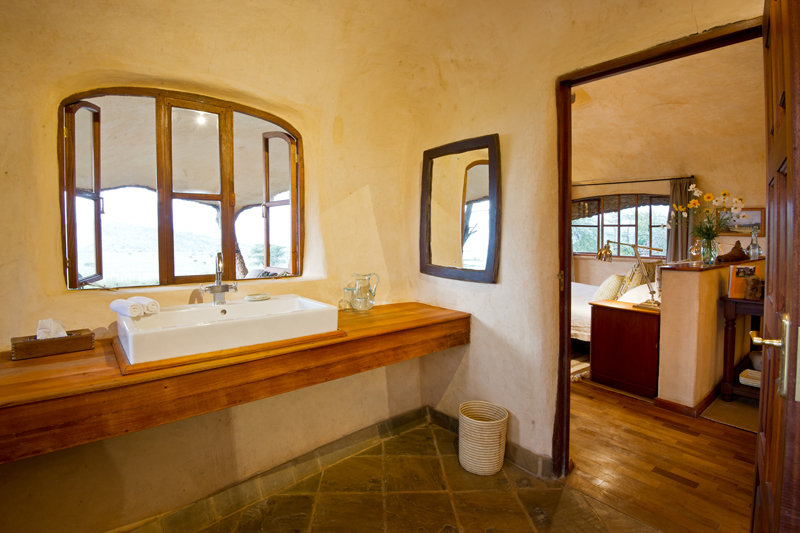
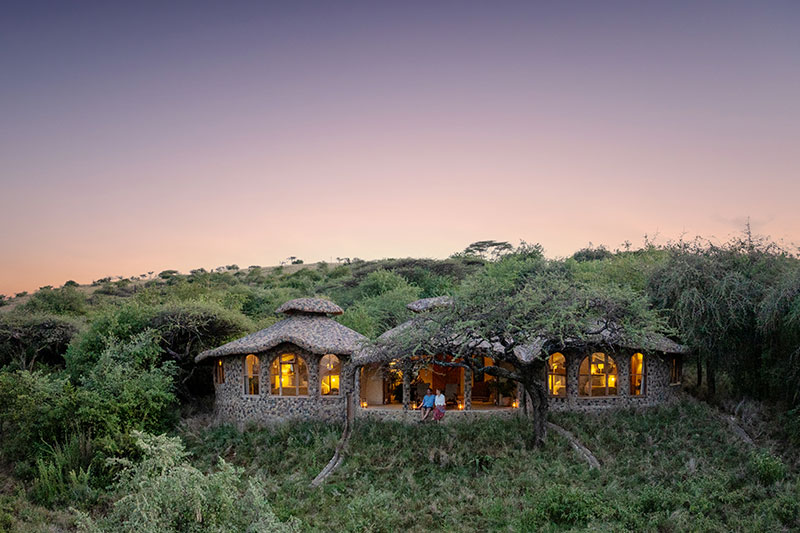
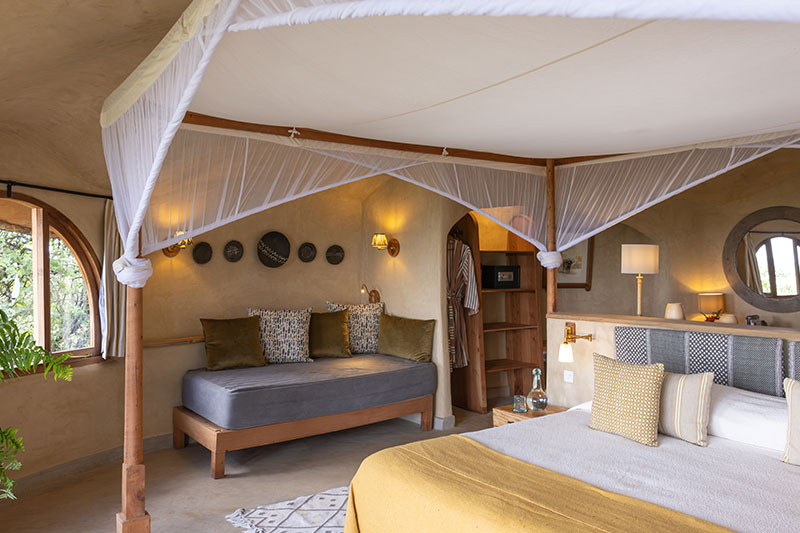
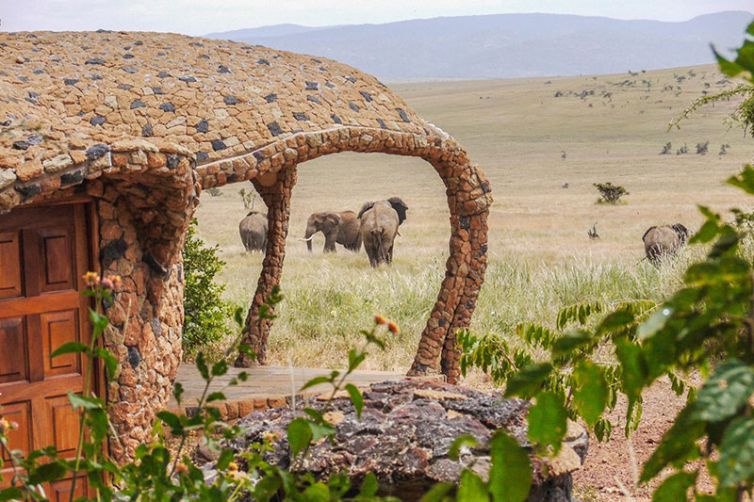
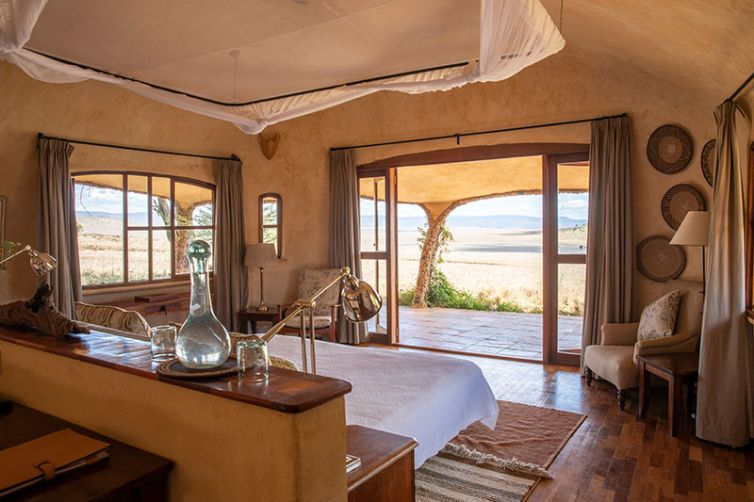
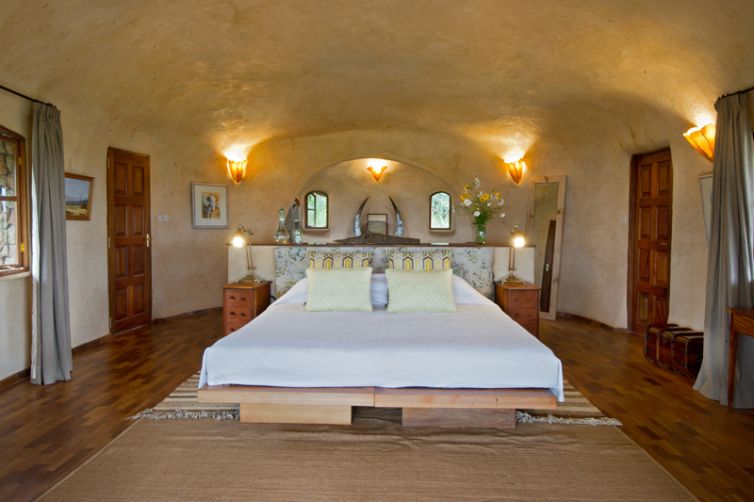
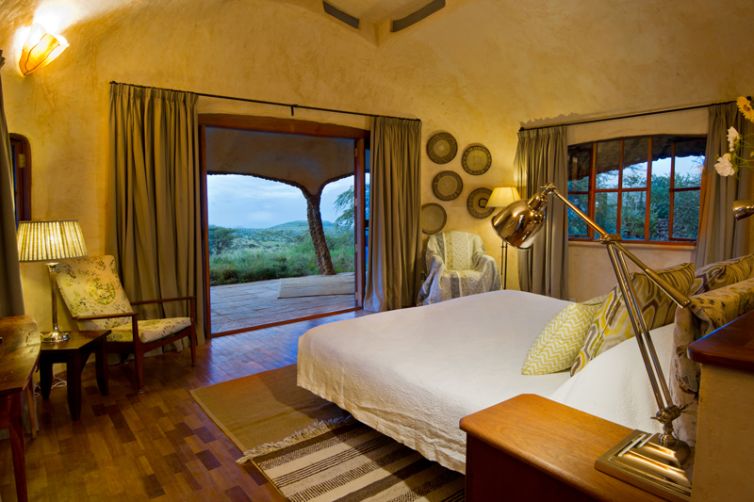
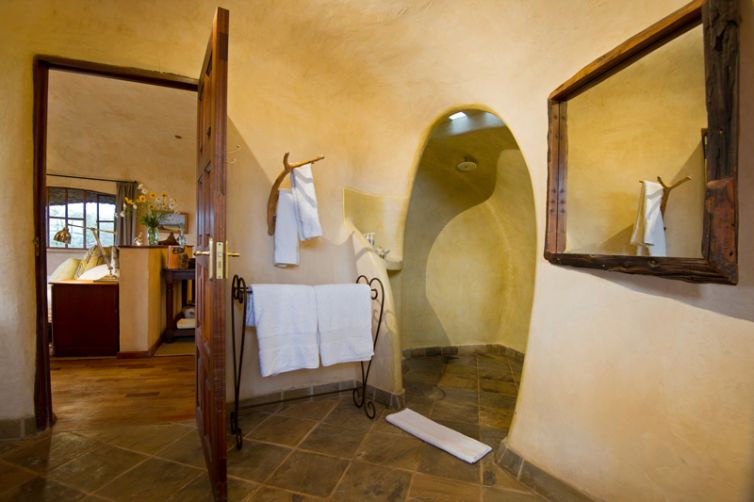
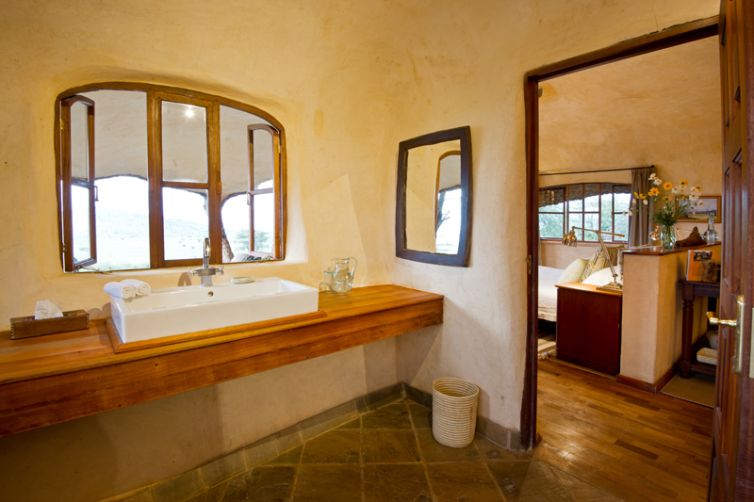
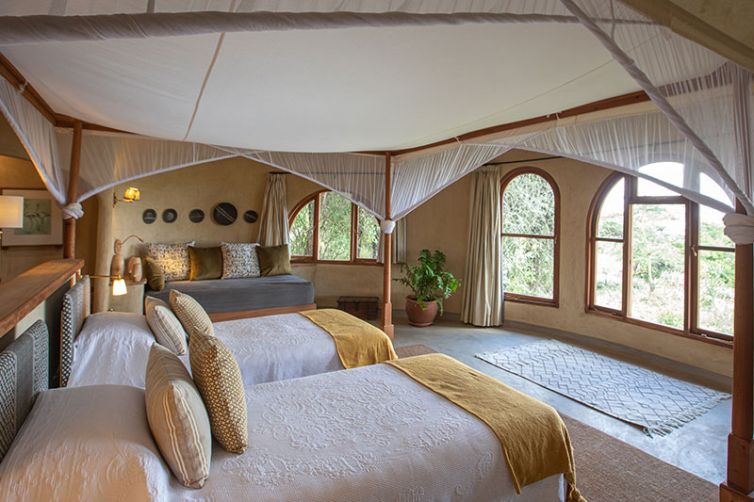
The property accommodates a maximum of 18 guests in seven ‘Earth Pods’. The pods have been designed with curved stone architecture that blends into the surrounding natural environment whilst each unit collects and stores rainwater and maintains an even temperature. There are four one-bedroom pods and three Family Pods. The one-bedroom Earth Pods are located at either end of the camp and the Family Pods are closer to the main area. All rooms are comfortably furnished with en suite facilities including shower, basin, flush loo and outdoor bath (one of the single Earth Pods has an indoor rather than outdoor bath). The Family Pods comprise two en suite bedrooms (one double and one twin) connecting via a lounge.
Central Areas
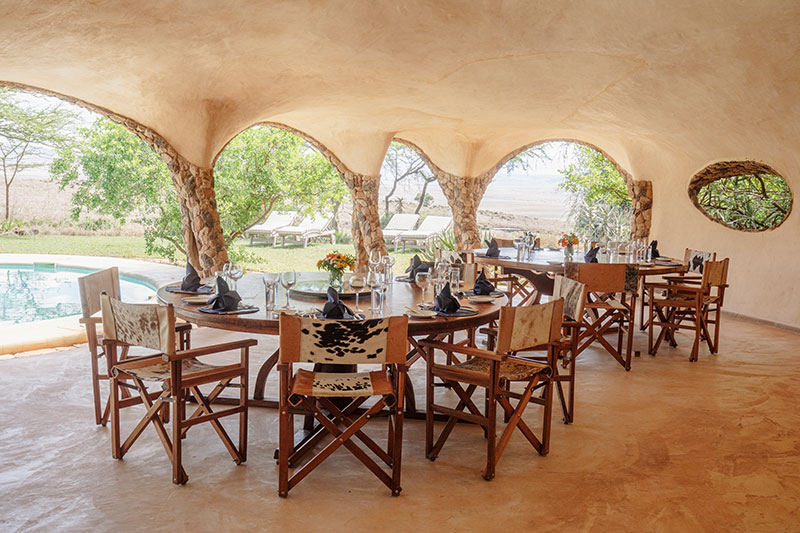
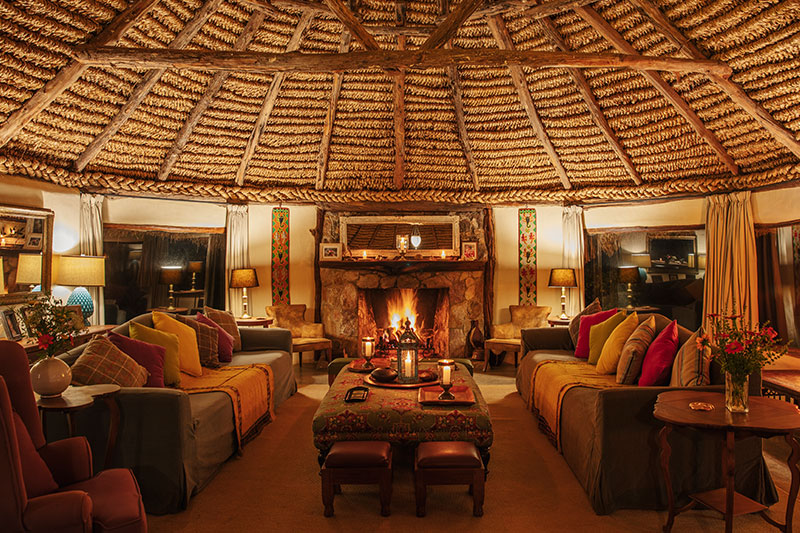
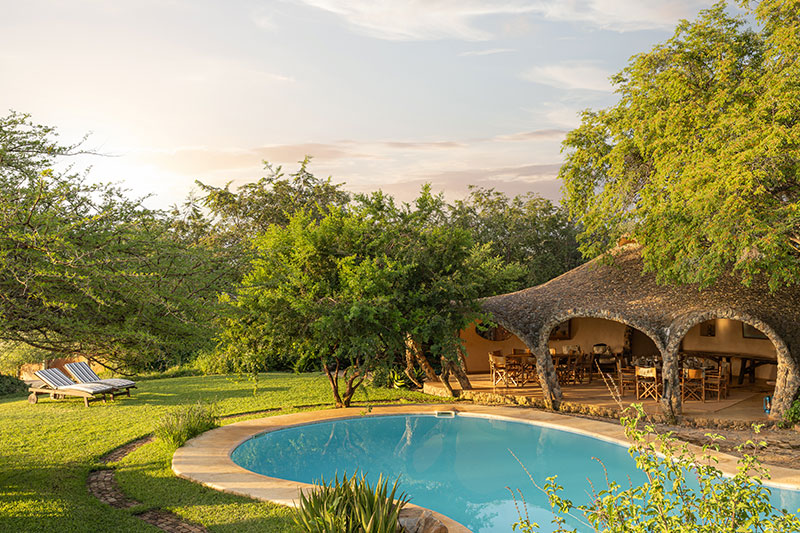
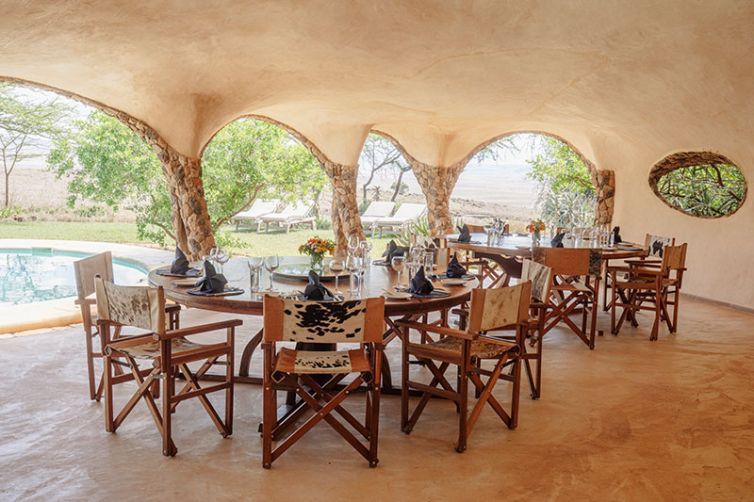
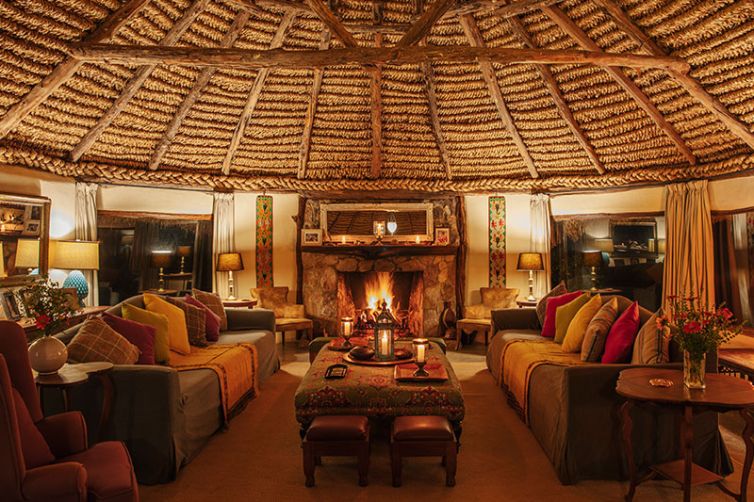
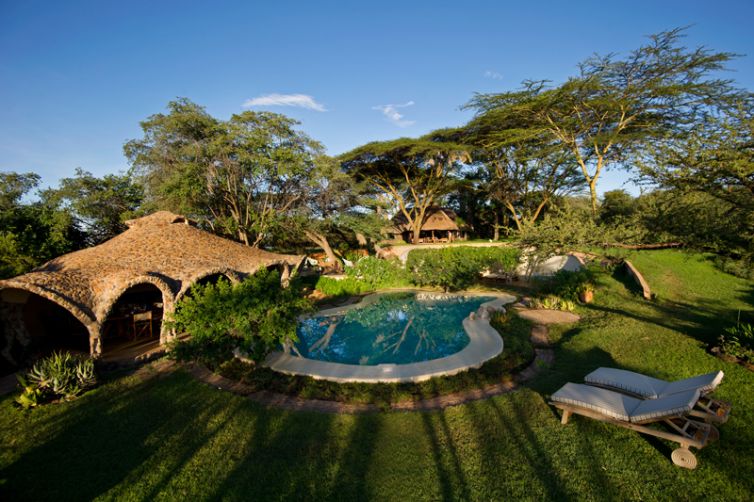
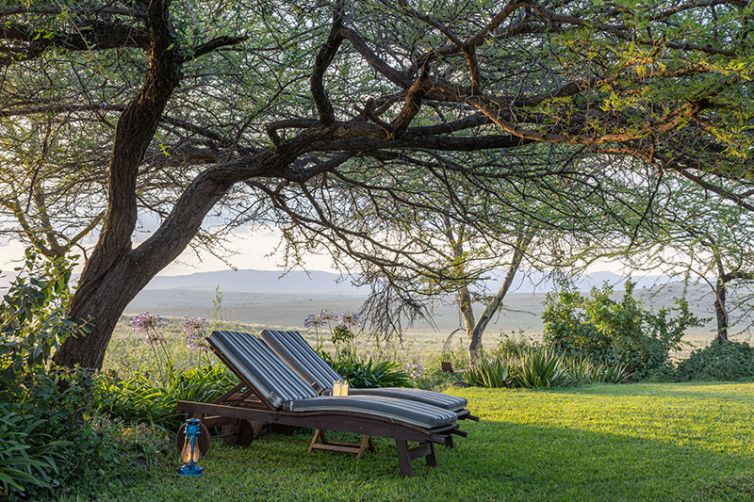
The main area includes a lounge with fireplace, dining area and sitting area all of which is under thatch. There is a lovely swimming pool with a small waterhole in front of it which attracts wildlife. Electricity is solar powered with a back-up generator and there are facilities for charging batteries 24 hours through an inverter system. Hosted dinners are a communal affair and much of the food is home produced with fruit and vegetables coming from the garden and milk and eggs from the farm (guests can help with the milking and egg collecting).
Facilities
Wi-Fi – Yes
Power for Charging – Yes
Swimming Pool – Yes
Habitat & Wildlife
Lewa House is located within the Lewa-Borana Conservancies, a 93,000-acre landscape including Lewa Wildlife Conservancy and neighbouring Borana Conservancy, which together create an important wildlife corridor between Mount Kenya and the northern wilderness.
Lewa House is on the Lewa Wildlife Conservancy which comprises around 48,000 acres of land which is 95% conservancy-owned, and 14,000 acres of national forest. It lies on the transitional zone between the Mount Kenya highlands and the semi-arid savannah to the north at an altitude of between 4,500 and 6,000 feet above sea level. Although most of the conservancy is set aside for wildlife, some horticulture practices are still carried out, furniture making (from local acacia woods) and rug weaving businesses create further employment for the local people. There is a Conservation Centre which is worthwhile visiting.
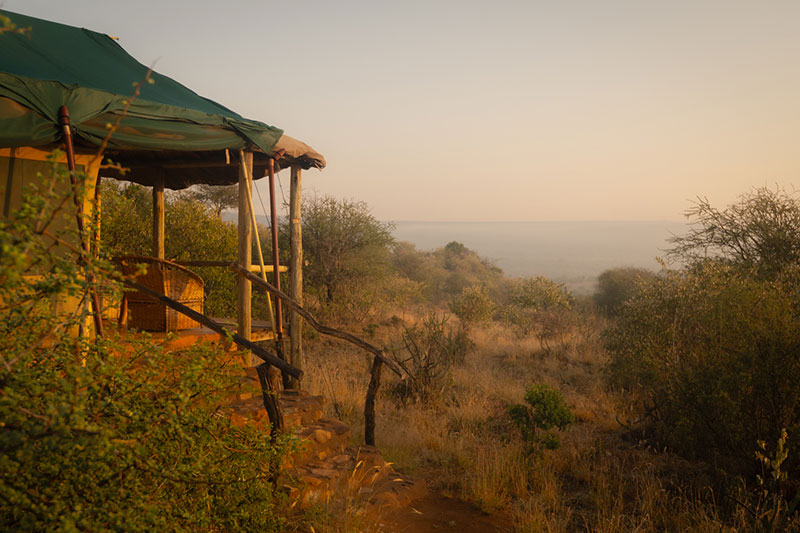
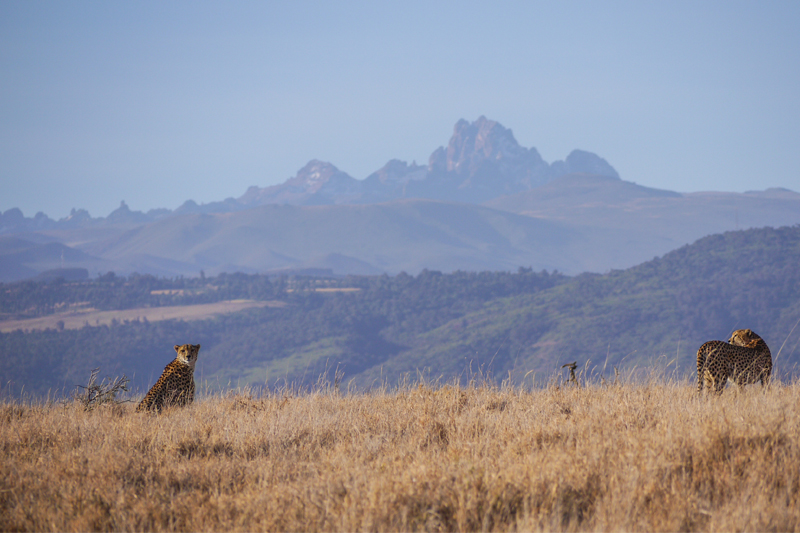
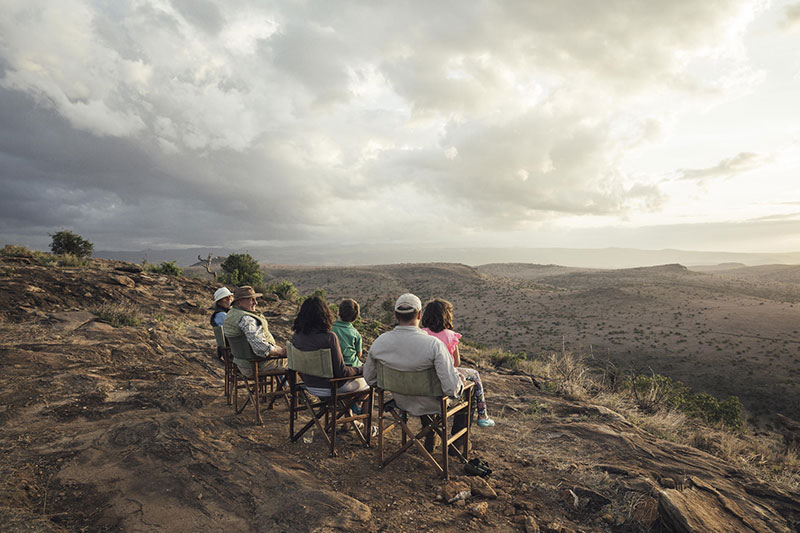
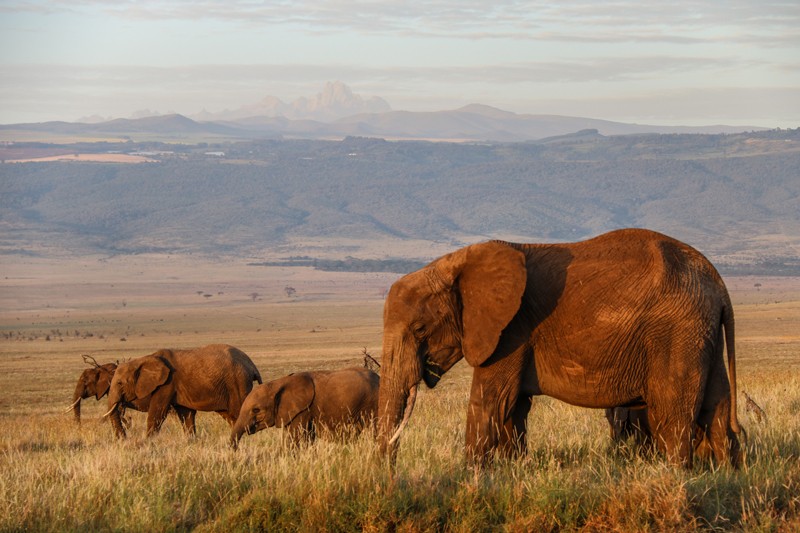
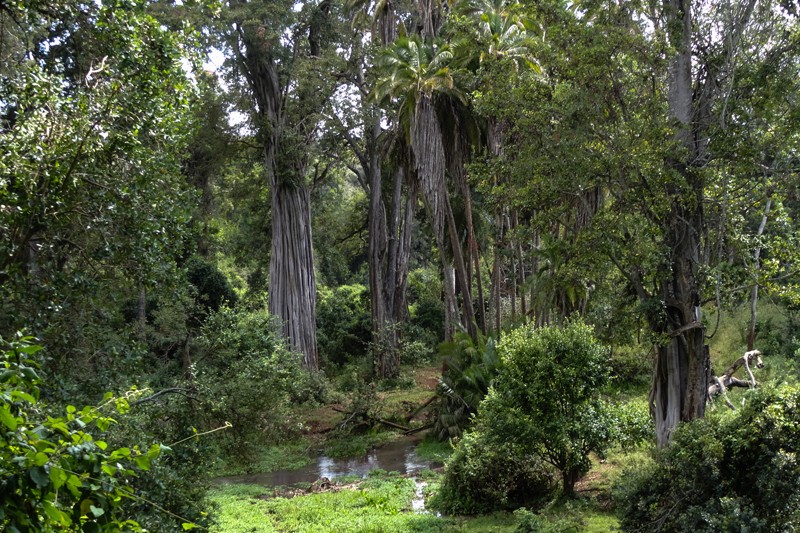
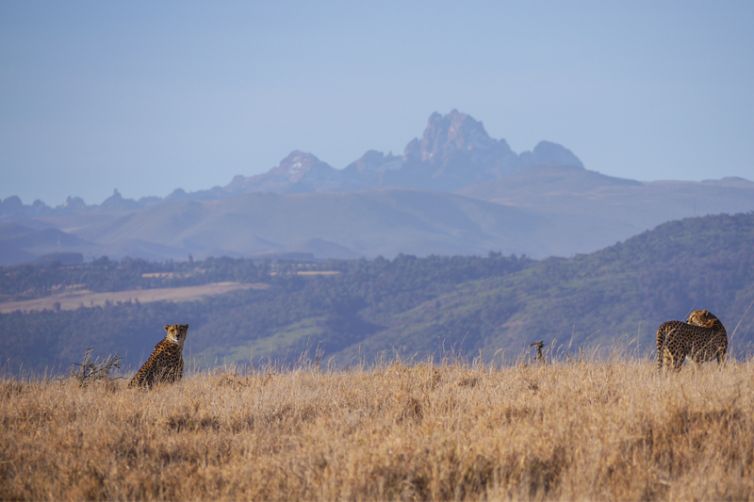
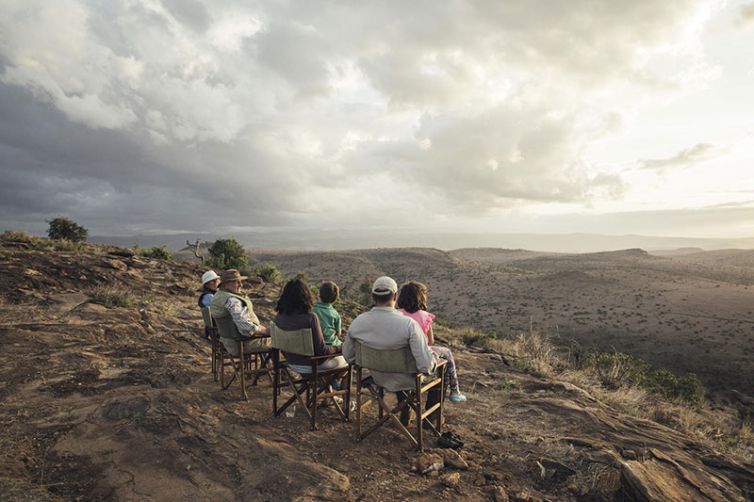
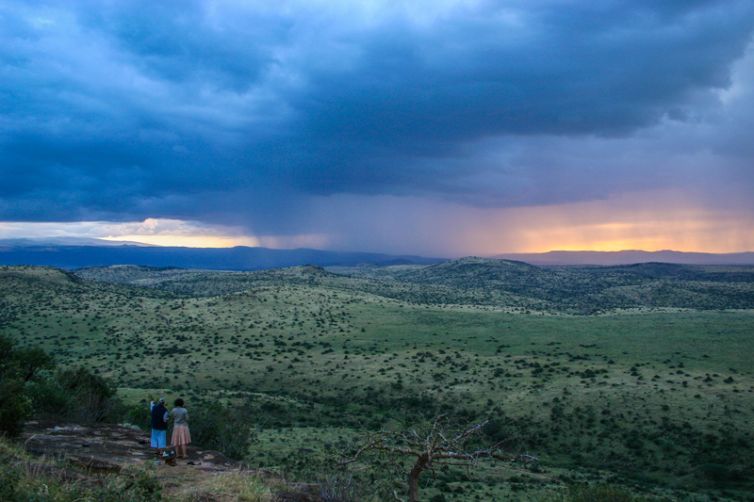
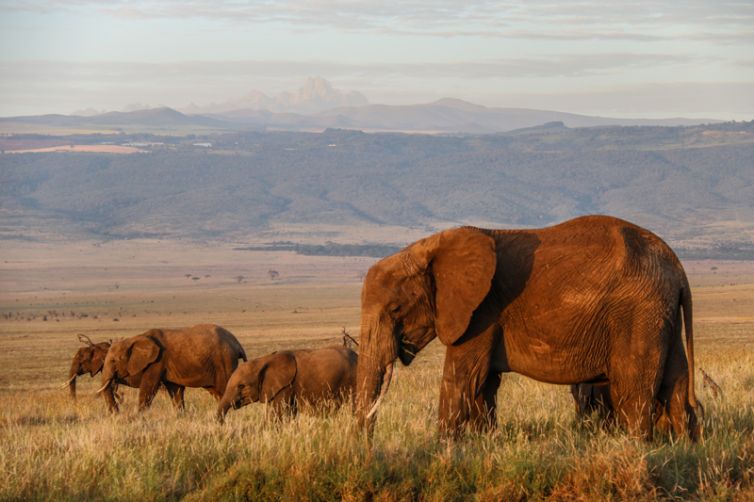
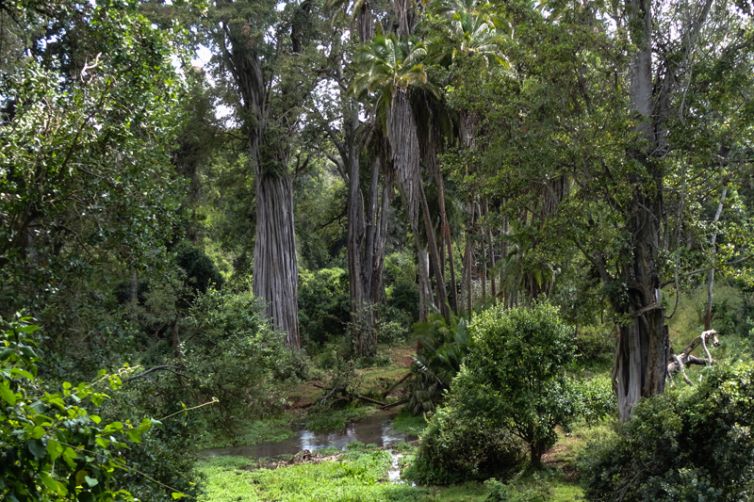
The habitat is extremely diverse with open grassland interspersed with acacia forests, riverine woodland, rocky gorges and ravines, montane forest and the Lewa swampland. Mount Kenya provides a scenic backdrop to the south.
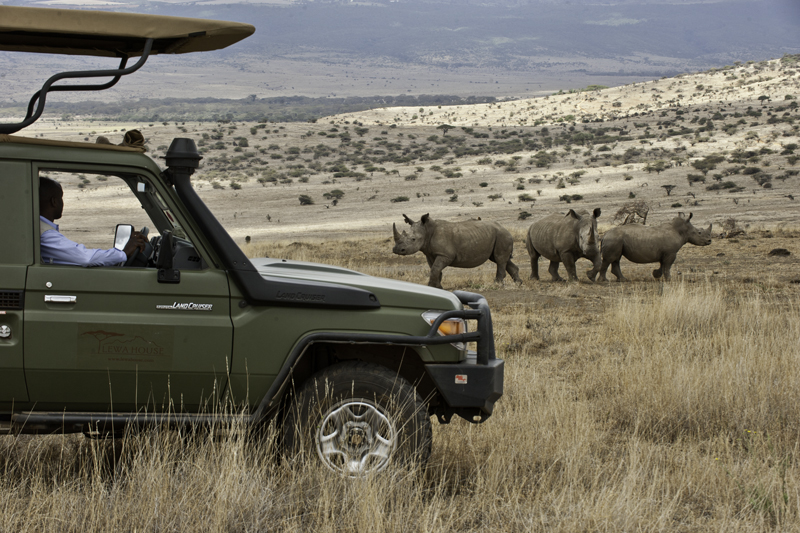
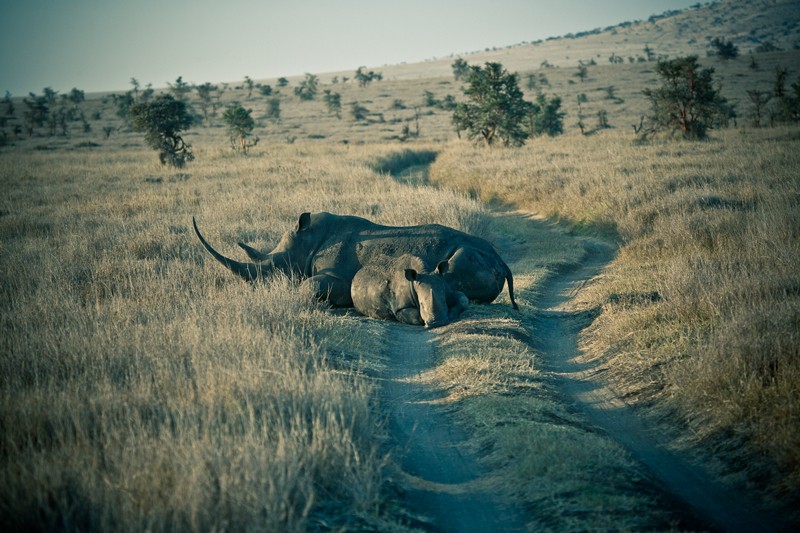
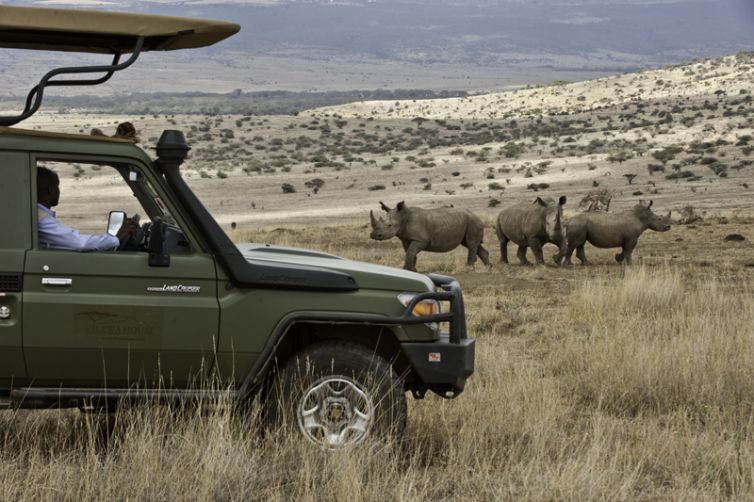
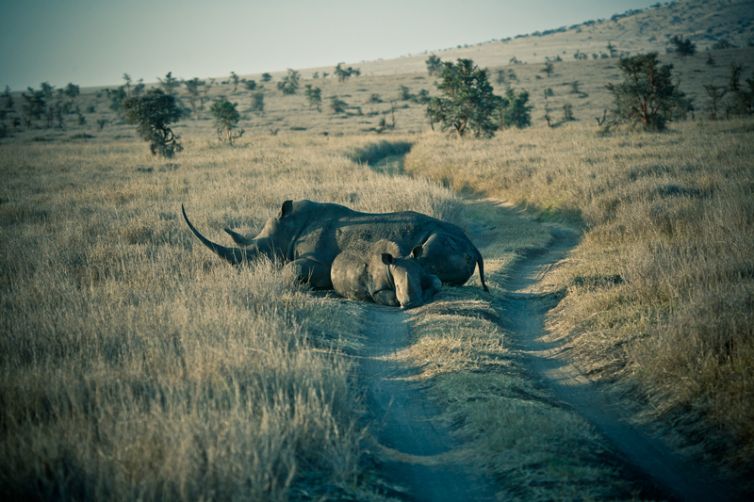
The history of the Lewa-Borana Conservancies starts at Lewa at the height of the rhino and elephant poaching in the mid-1980s when Anna Mertz asked the Craig family to set aside an area for use as a rhino sanctuary. In 2013 a founding population of 21 black rhinos was introduced to the neighbouring Borana Conservancy. Once they were established, the fence between Borana and Lewa was dropped, forming one landscape which today hosts a thriving population of over 240 rhino (both black and white), making this one of East Africa’s largest continuous rhino habitats. In 2013 Lewa also gained UNESCO World Heritage Site status and is one of only 40 wildlife areas worldwide on the IUCN Green List for well managed conservancies with good governance. While Lewa and Borana remain independent entities, and activities for guests will be on the conservancy where their lodge is located, conservation and community efforts are approached jointly and they are increasingly referred to as the ‘Lewa-Borana Landscape’.
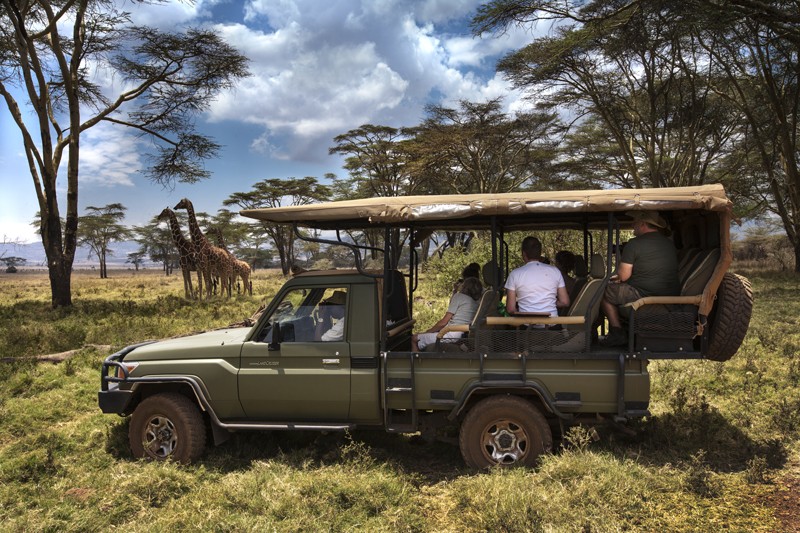
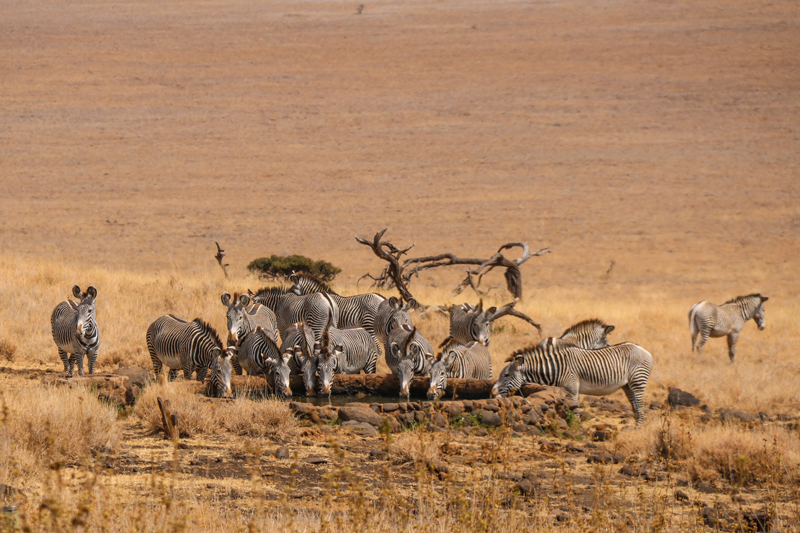
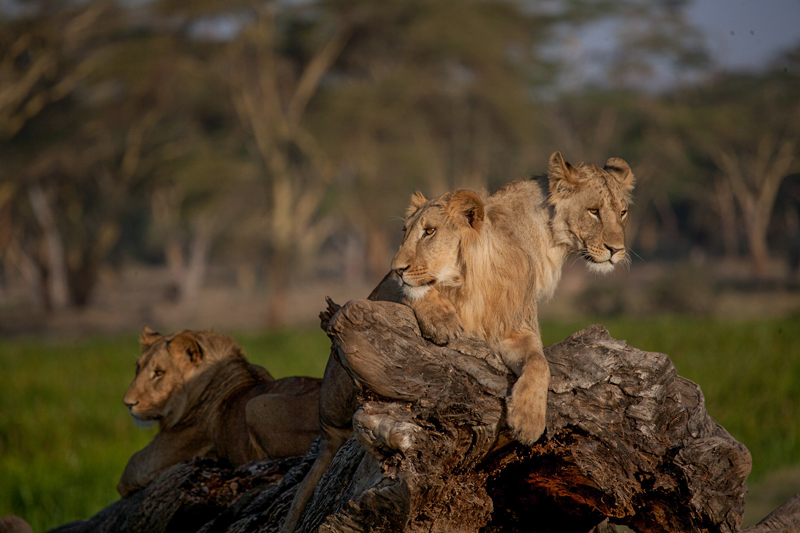
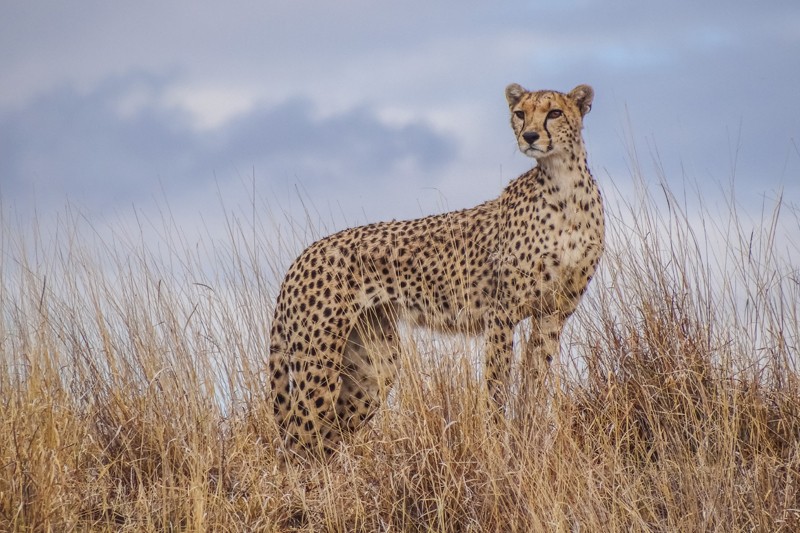
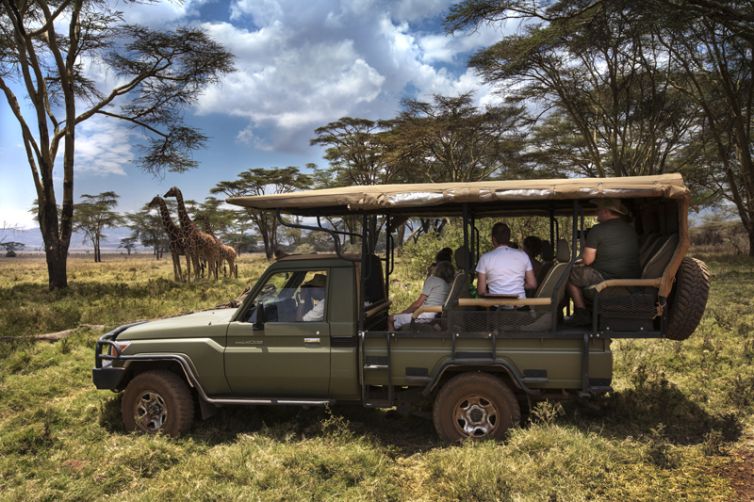
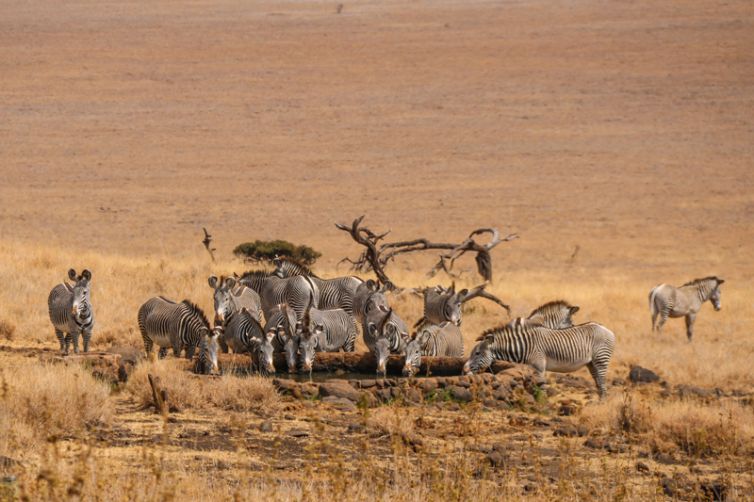
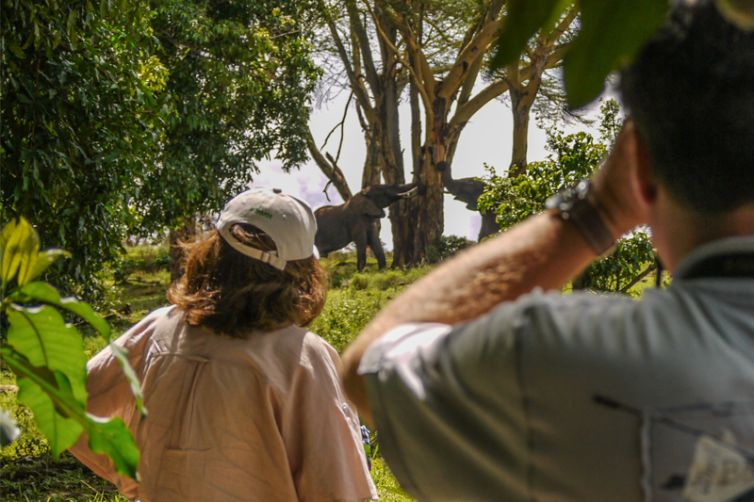
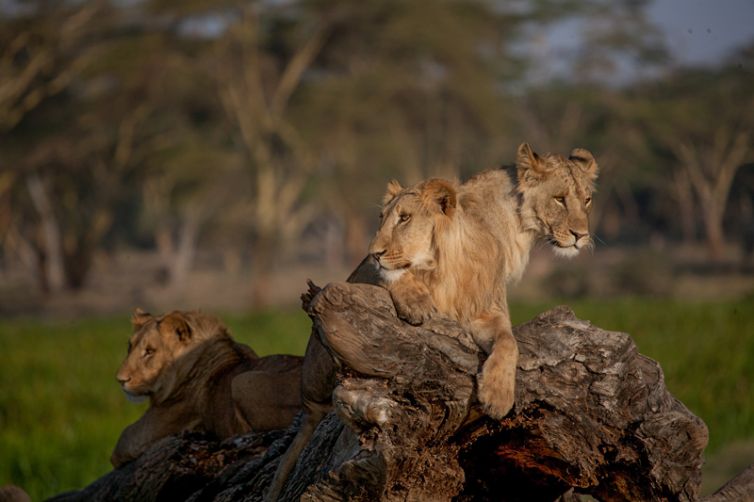
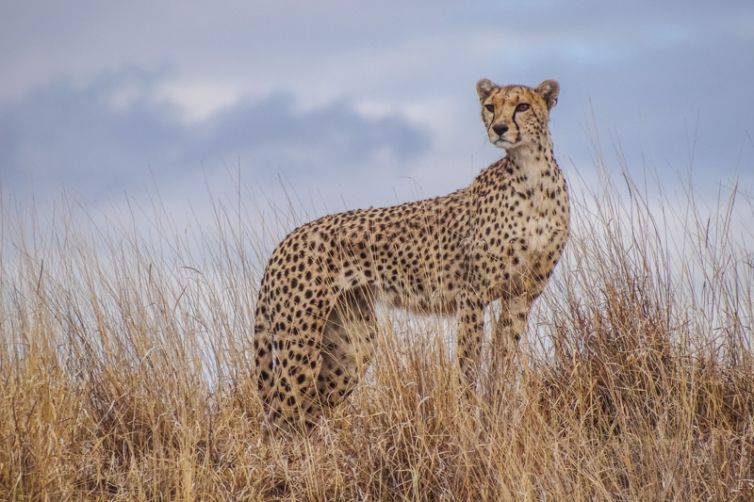
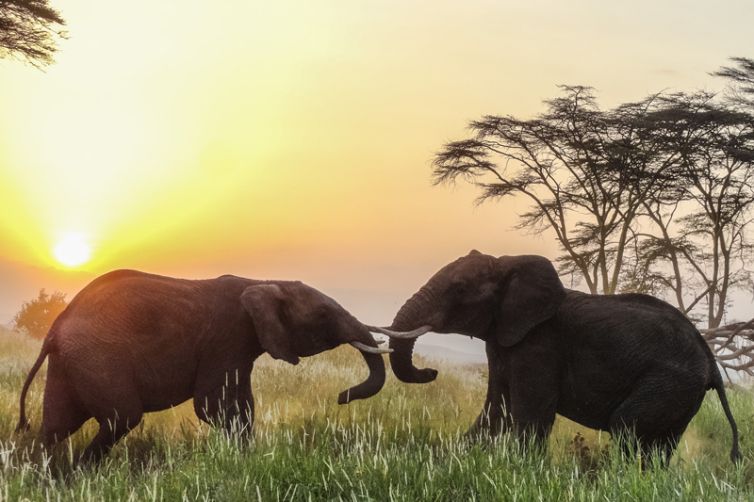
In addition to healthy populations of both black and white rhino, the Lewa-Borana Conservancies are home to around 90% of the world’s population of the rare Grevy’s zebra whilst other animals to be seen include elephant, reticulated giraffe, eland, lion, leopard, cheetah, the Burchell’s zebra, hartebeest, greater kudu, Grant’s gazelle, impala, bushbuck, dik dik, oryx and within the swamp area, the sitatunga. You might also be lucky enough to see the rarer gerenuk. After dark lookout for nocturnally active species such as aardvark, caracal, bat-eared fox, honey badger, porcupine, galago, and white-tailed mongoose. The birdlife is superb with over 440 species recorded – from the ridges, it’s possible to photograph vultures and eagles soaring within a few feet.
Activities
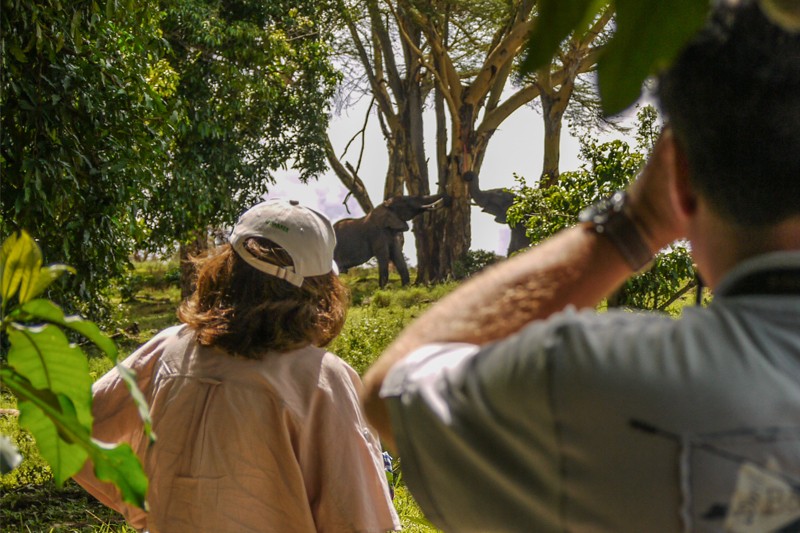
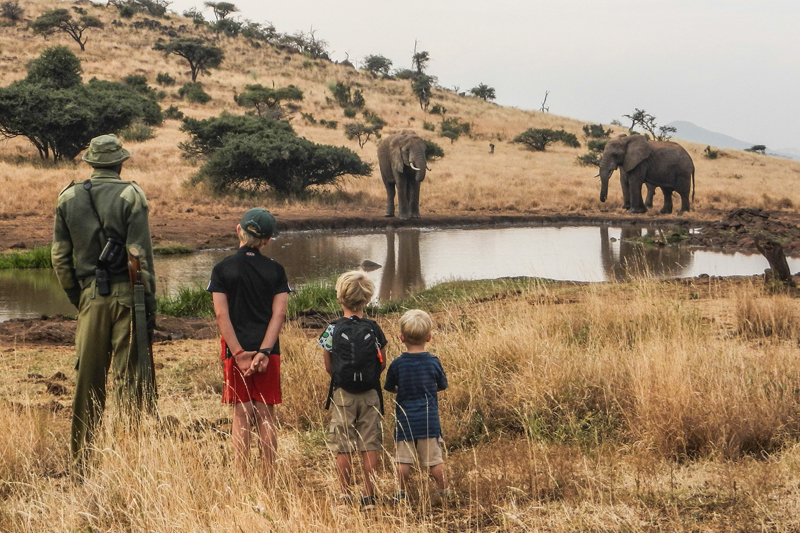
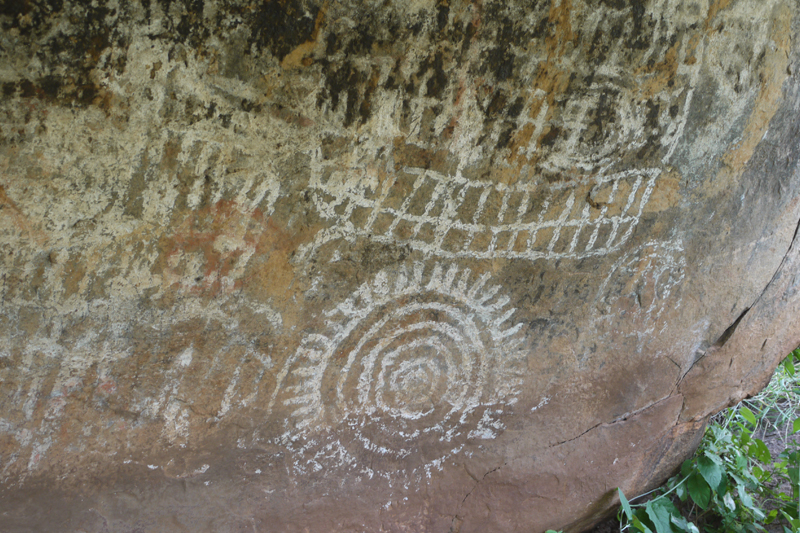
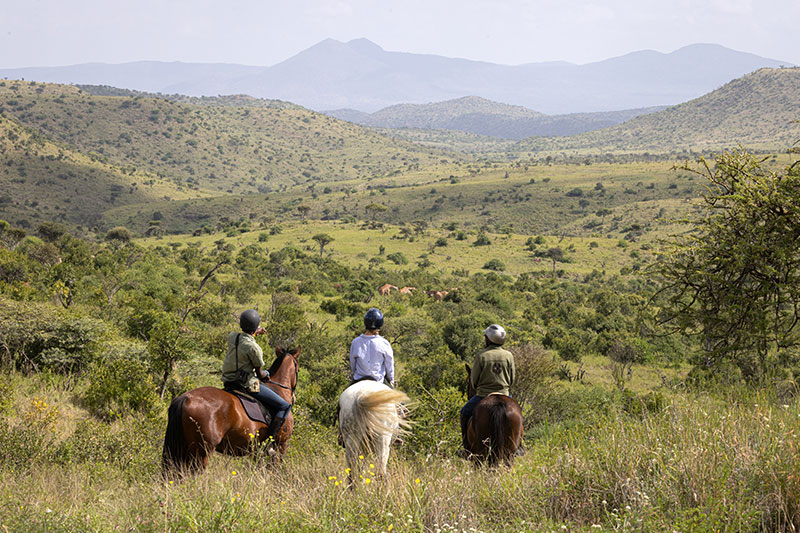
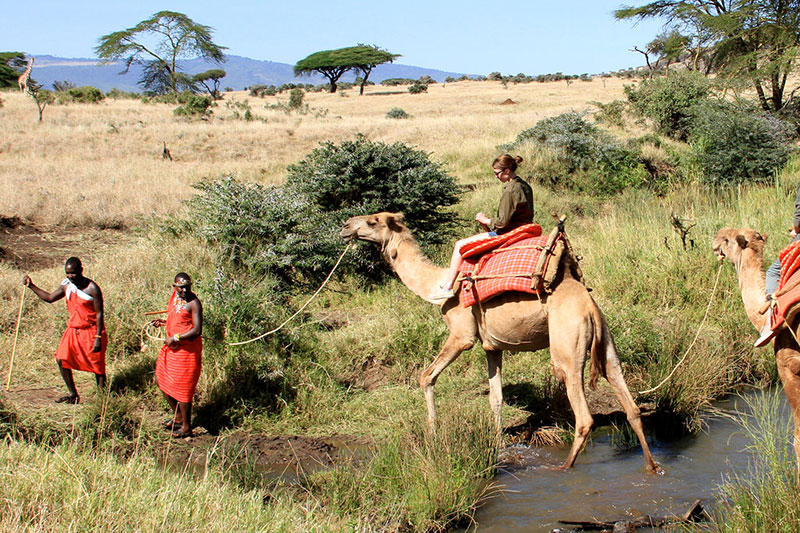
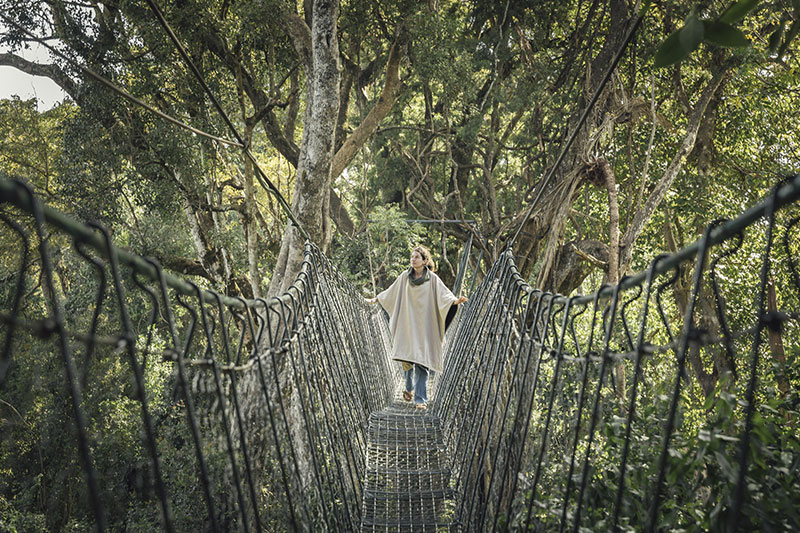
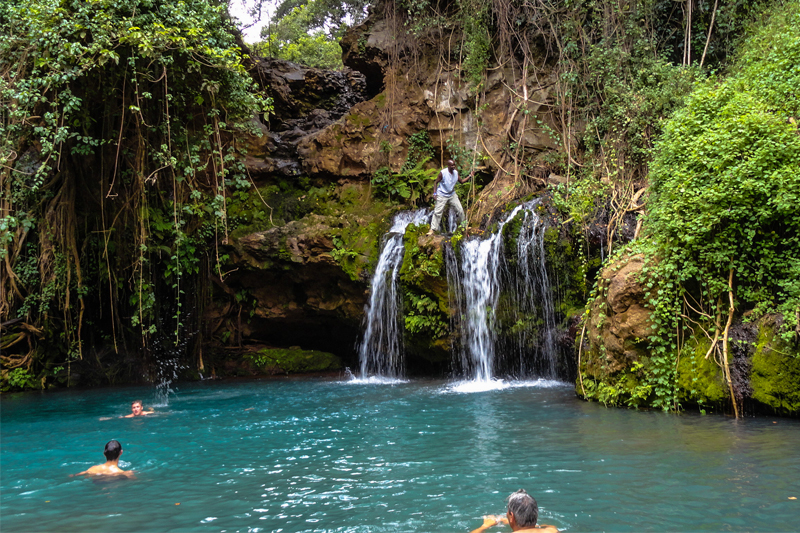
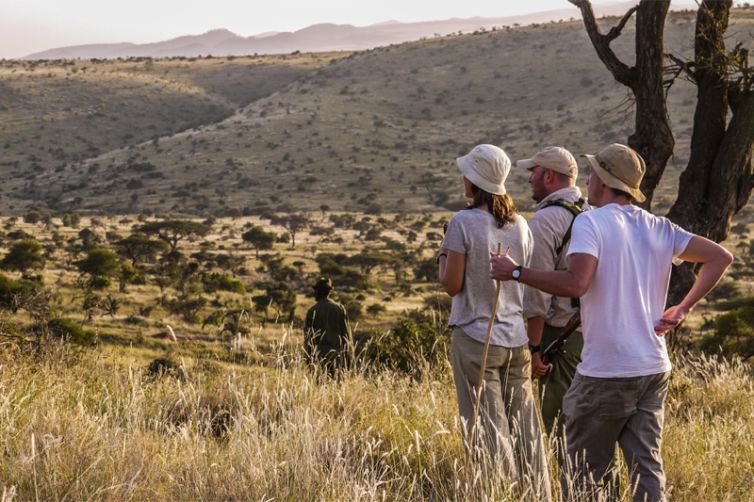
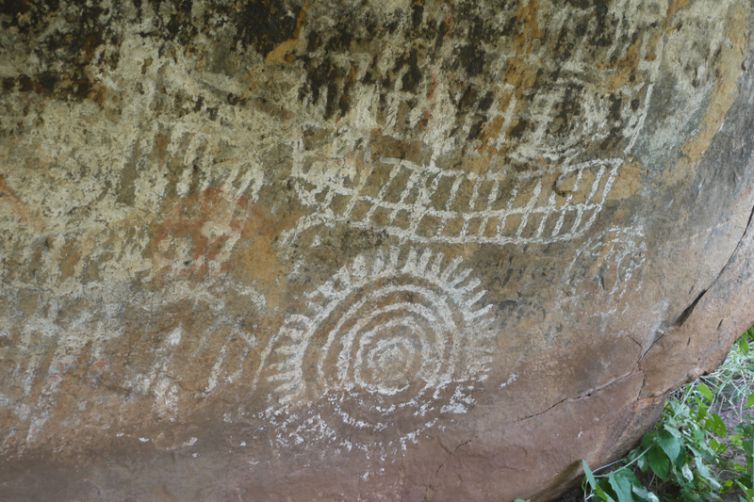
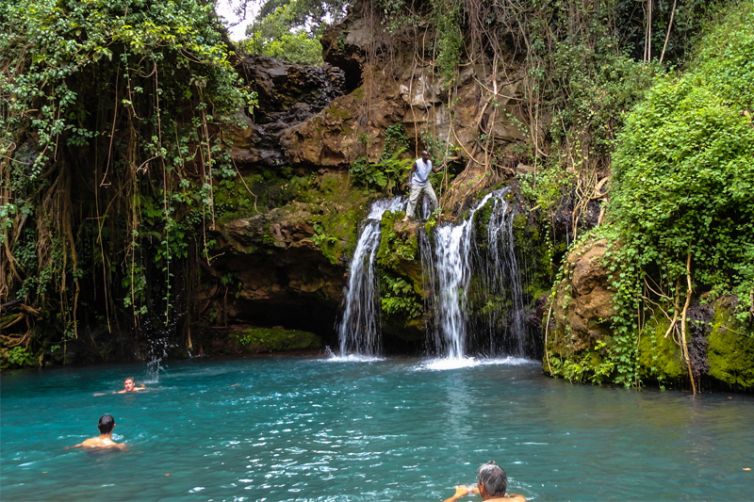
Activities include game drives in 4×4 vehicles (day and night), bush walks, visits to an archaeological site on the ranch, a visit to the Lewa Wildlife Conservancy headquarters and cultural visits. Additionally, guests staying for three or more nights can choose from one of the following which is included as an afternoon activity: a horse ride; or a camel ride (subject to availability); or an excursion to the Ngare Ndare Forest where there is a canopy walkway and platform which offers wonderful birding opportunities and where you can swim in the river and under the waterfalls. Helicopter scenic flights and massages can also be arranged at extra cost (note massages should be booked in advance), as can any additional horse/camel rides and forest visits.
Seasons
Lewa House is closed in November and April each year.
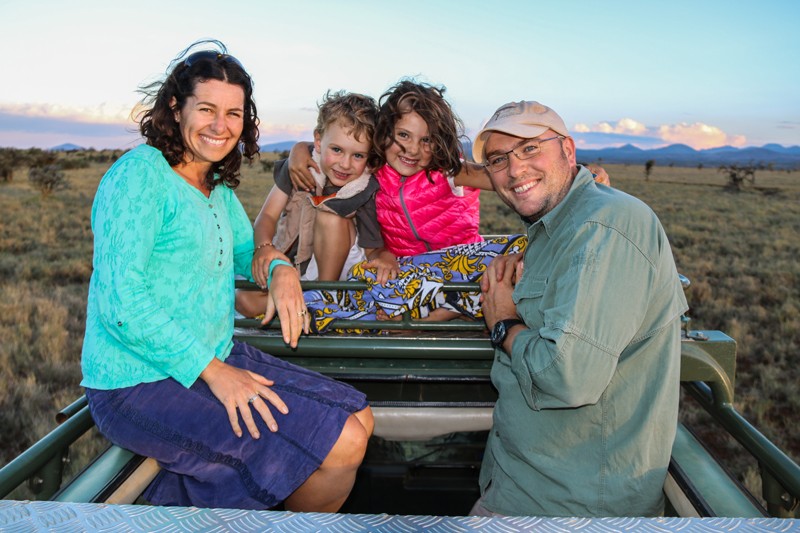
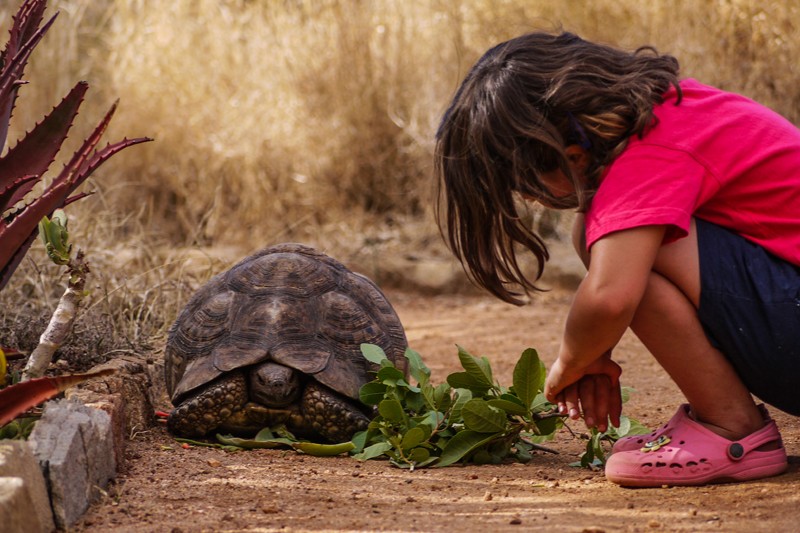
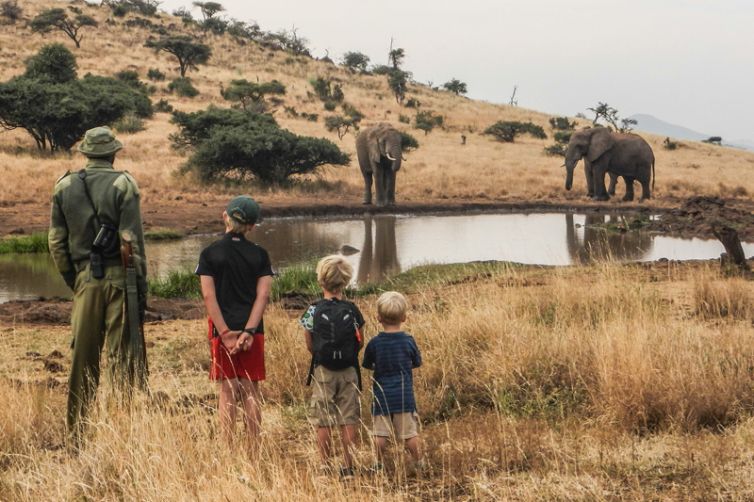
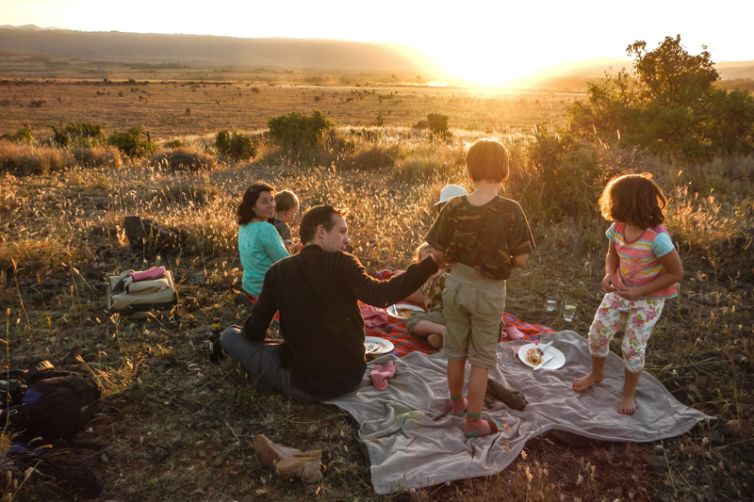
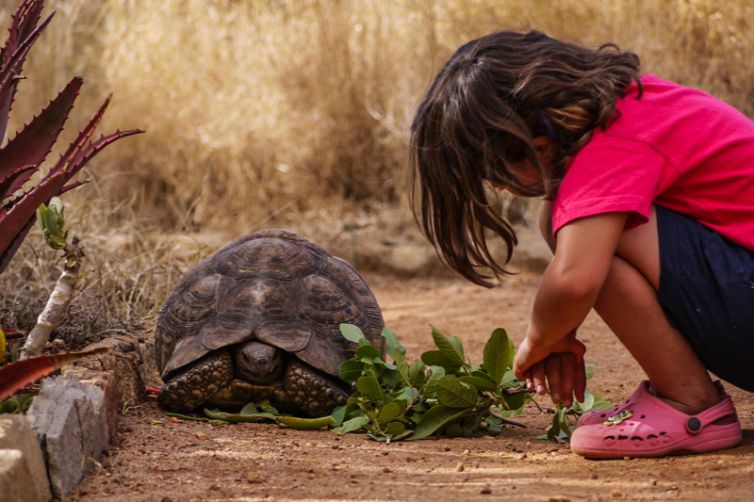
Lewa House accepts children of all ages and is a super family option if you are looking for an exclusive lodge environment where game viewing is superb. The Family Pods are ideal, with two en suite bedrooms linked by a lounge. Lewa House is not the kind of property to offer ‘kids club’ attractions, but there is a swimming pool and the excellent guides and staff will interact with children both on activities and whilst in camp.
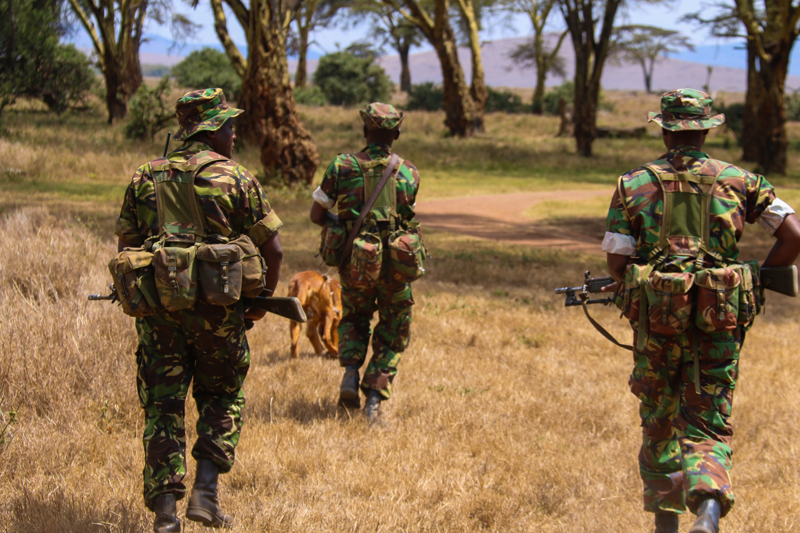
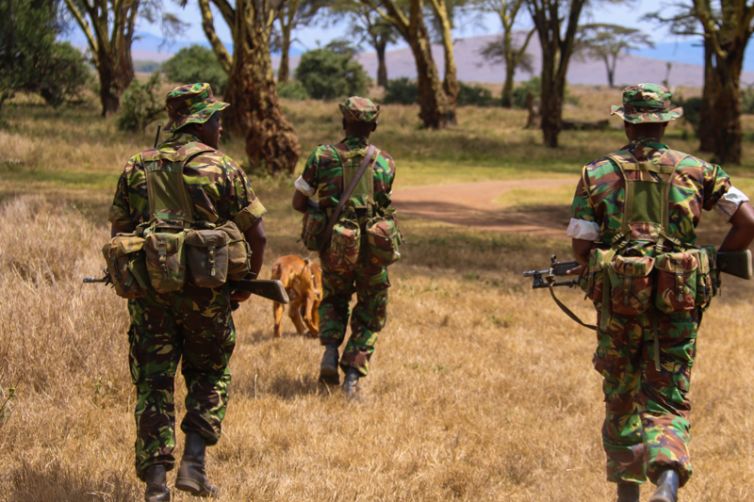
The Lewa Wildlife Conservancy has been enormously successful in the conservation of rhino, together with other species. Guests at Lewa House are able to visit the Conservancy HQ to gain an insight into their conservation work and the challenges of poaching. They may also visit the Lewa anti-poaching bloodhounds unit where they are able to meet the rangers and see demonstrations of tracking.
The Ngare Ndare Forest Trust was established to protect the indigenous forest and to provide support to the local community. The funds from the forest entry fee assists in the protection of the forest and finances a number of community projects.
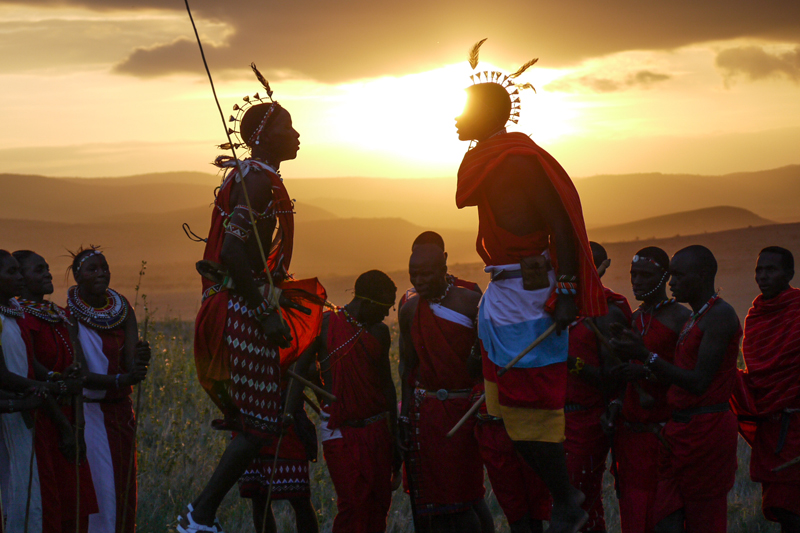
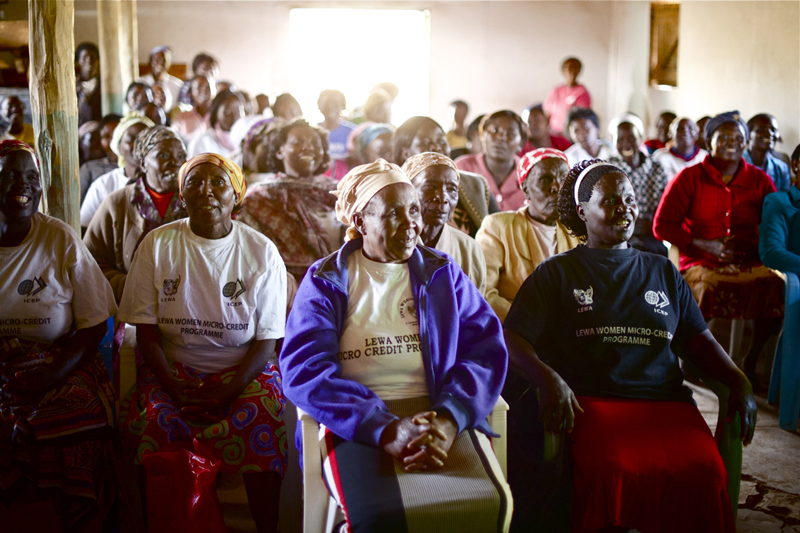
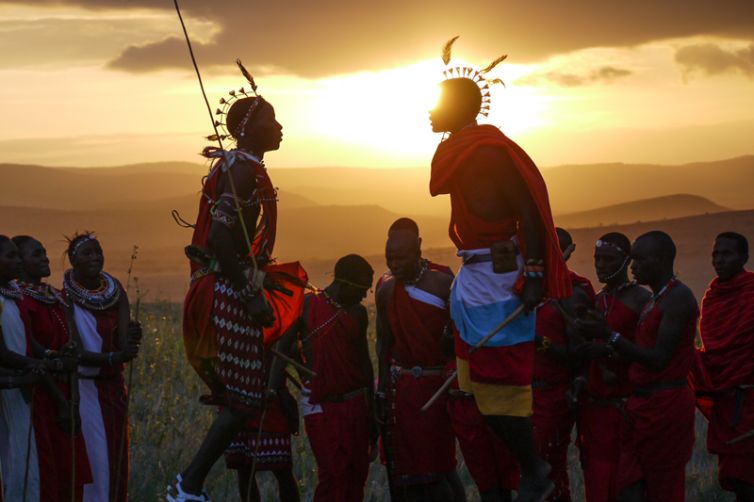
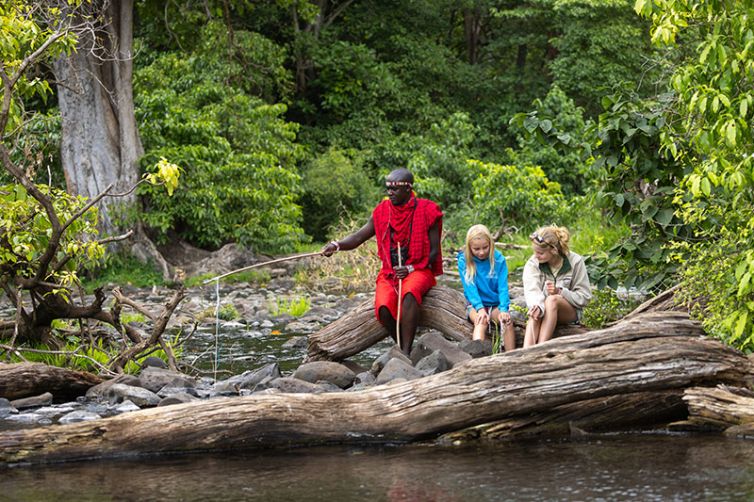
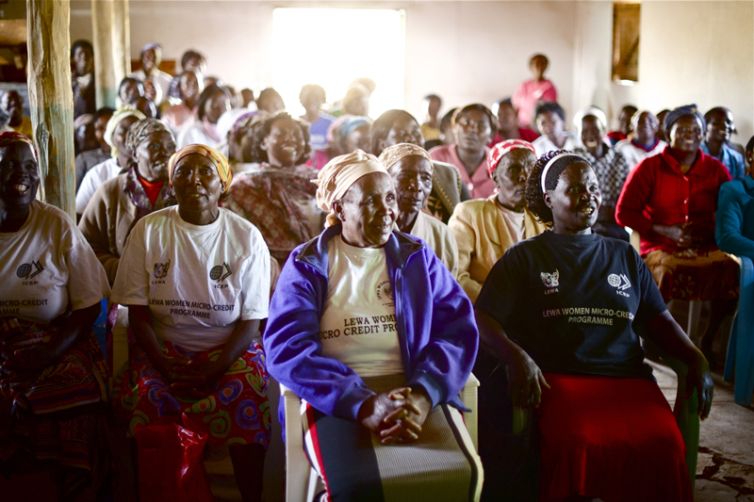
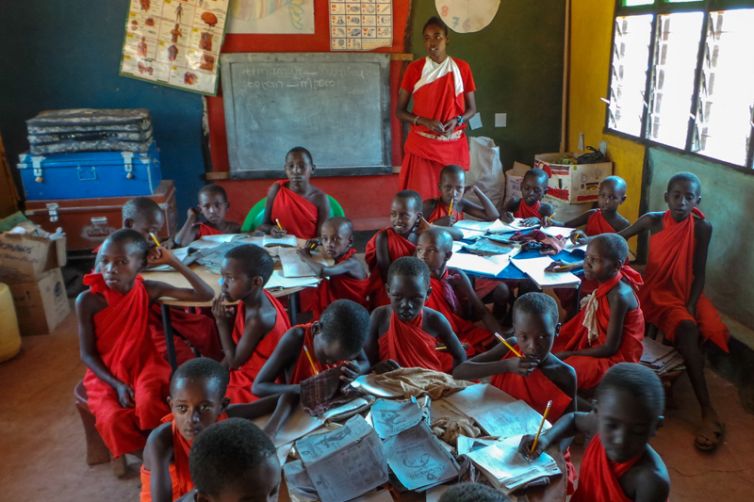
In addition to conservation efforts, a significant amount of the Conservancy’s work involves working with the communities around Lewa to ensure they are benefitting from the wildlife conservation. They support a number of initiatives ranging from micro-credit schemes to children’s education in their communities which their guests have the option to visit. Lewa House also offers cultural trips to a community of hunter gatherers and nomadic pastoralists with visits to the village helping to ensure these traditional skills are kept alive.
At the House, where possible, the kitchen supplies are bought from the communities around Lewa and a lot of the fruit and grains are purchased from Meru weekly market. Food waste is recycled through worms, pigs and chickens whilst glass bottles are taken to a central Lewa recycling project.