Laikipia Wilderness Camp
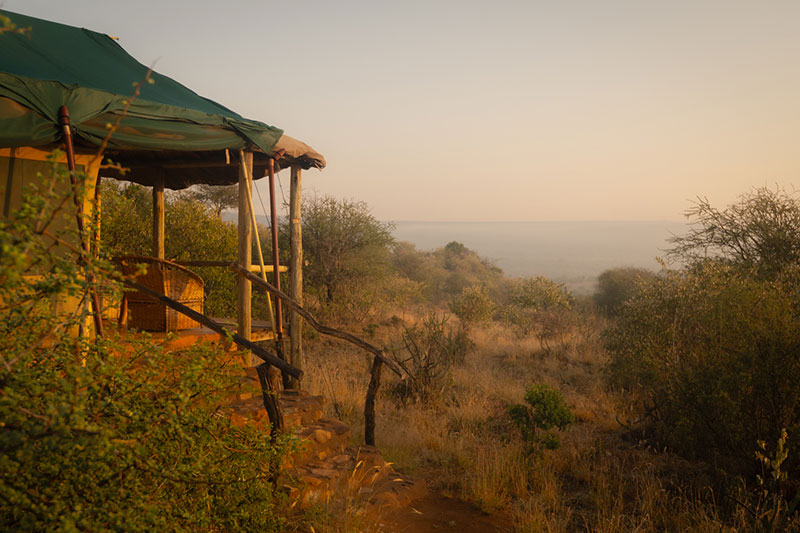
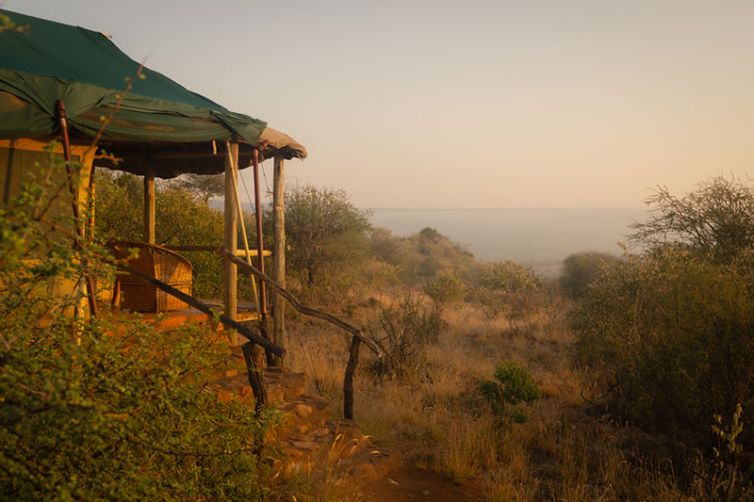
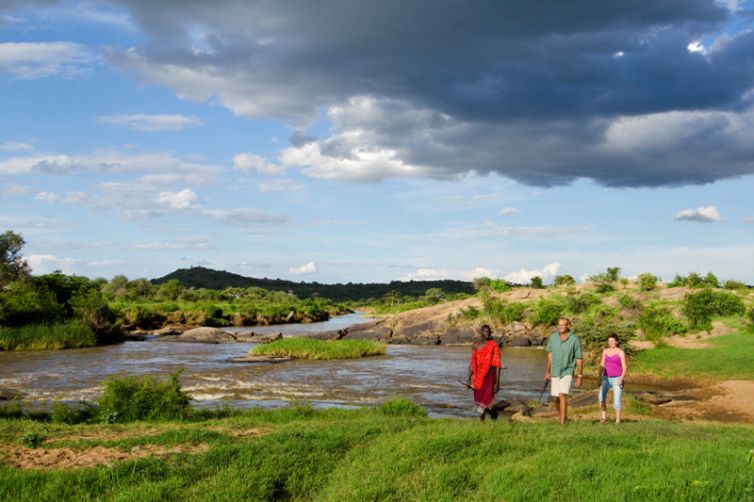
Laikipia Wilderness is an exclusive tented camp set up on a hillside overlooking the Ewaso Narok river on a private ranch in the heart of the Laikipia region of central Kenya.
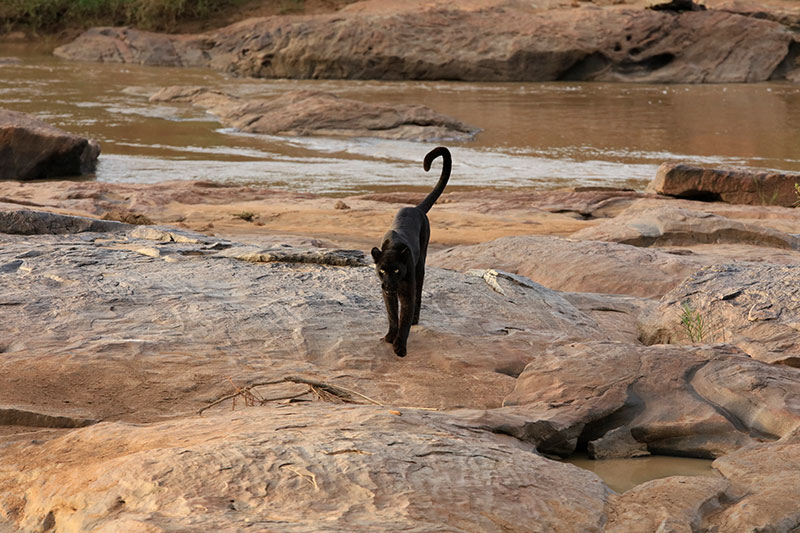
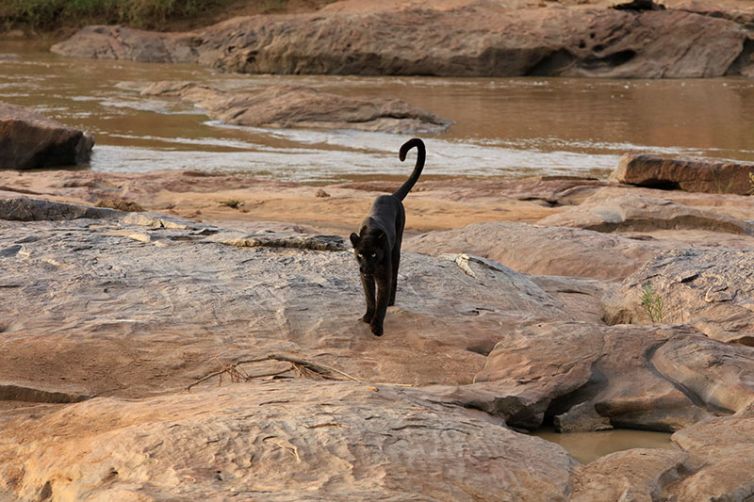
Laikipia Wilderness is a very individual property which will really suit travellers who wish to break away from more mainstream experiences and enjoy a personalised adventure in the bush. Owner and professional guide Steve Carey run things according to his ethos, rather than following an industry manual, and this creates both strengths and weaknesses. The focus is on bush adventure and game viewing experiences, with good guiding and plenty of walking. This ethos creates a safari environment that is most suitable for more independent and experienced guests who enjoy exploring on foot and don’t need too much ‘hand-holding’. The camp is small and intimate, which means that there is often a fun atmosphere at communal meals and bush dinners. The area traversed is scenic and varied with good game concentrations and has become known for rarer sightings including wild dog and black leopard in recent years. Guests should not visit Laikipia Wilderness expecting too much structure or sophistication, but rather for an interesting and exclusive bush escape which can be highly rewarding.
Rooms
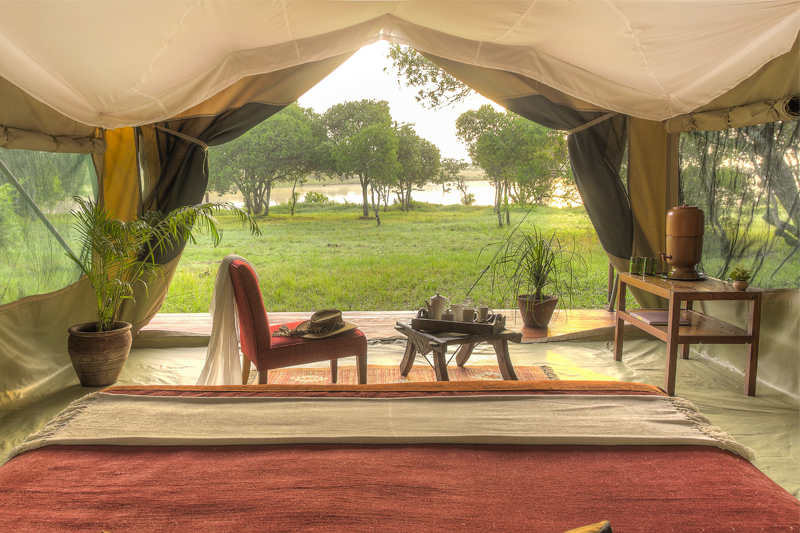
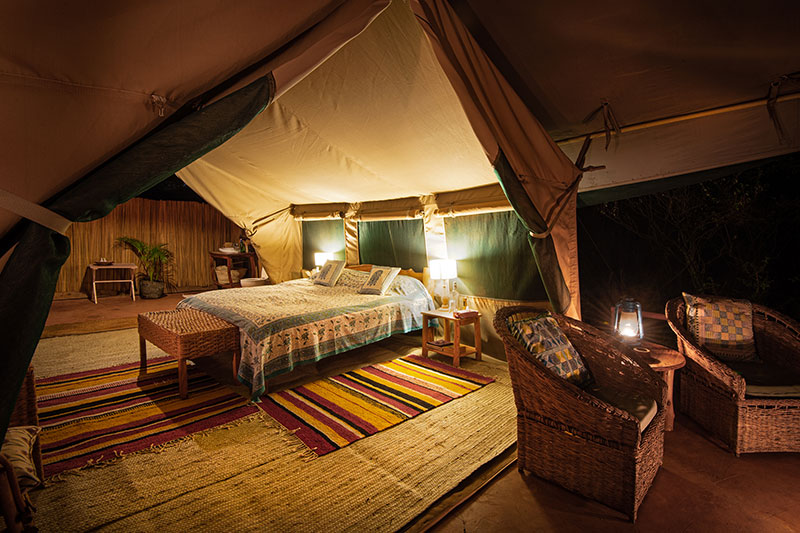
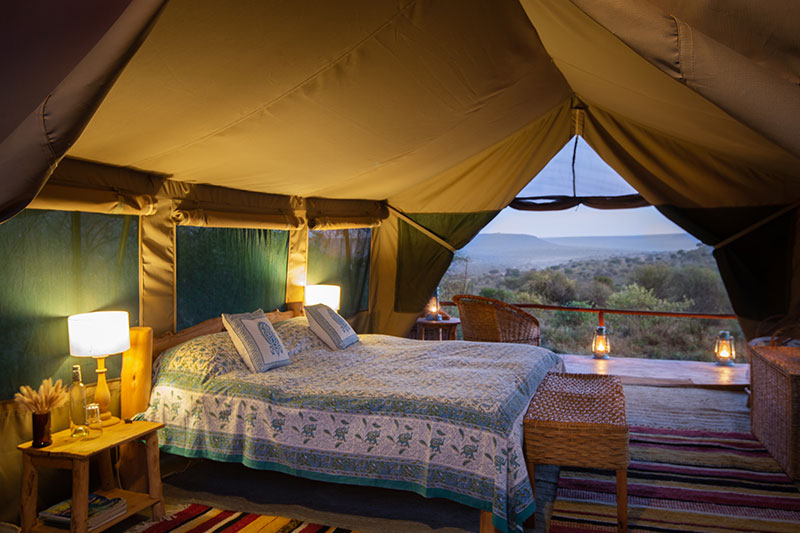
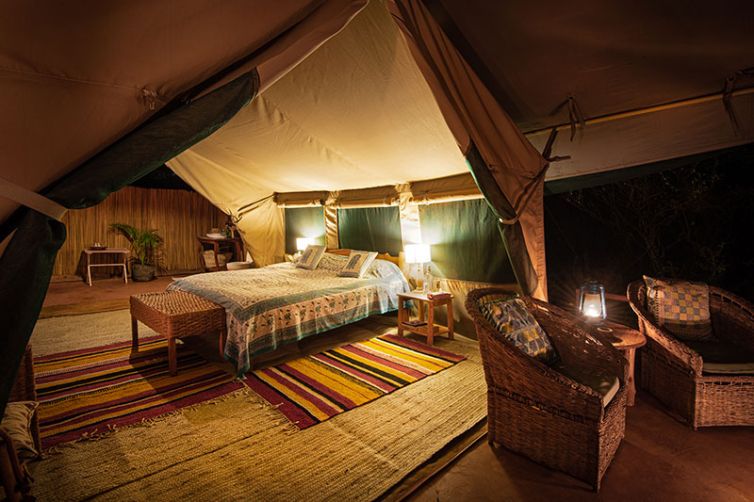
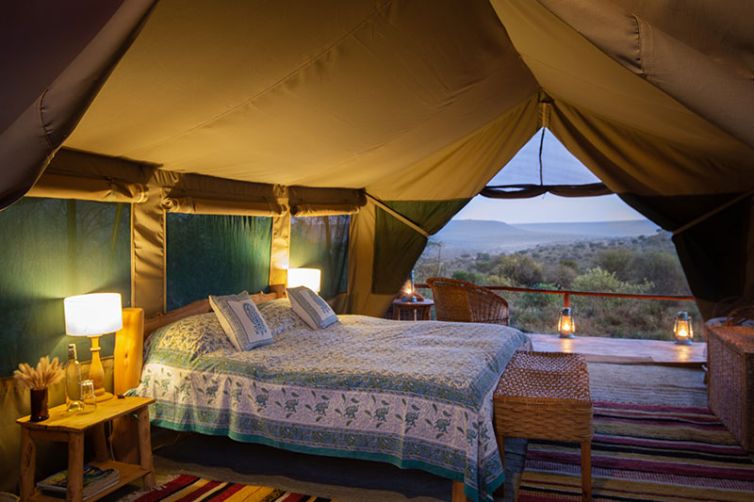
Laikipia Wilderness has six en suite tents set across the hillside with views over the bush. Each of the Meru style tents is set on a solid plinth, or low wooden platform, and has a private verandah to the front and semi-open air bathroom to the rear, enclosed by a reed wall. The sleeping area is comfortably furnished with luggage racks and bedside tables. The plumbed bathroom uses river water for the toilet, shower and sink with bottled water provided for drinking and brushing teeth. Four of the tents have an additional tented bedroom attached to the main bedroom, creating space for families who wish to be together under one roof.
Central Areas
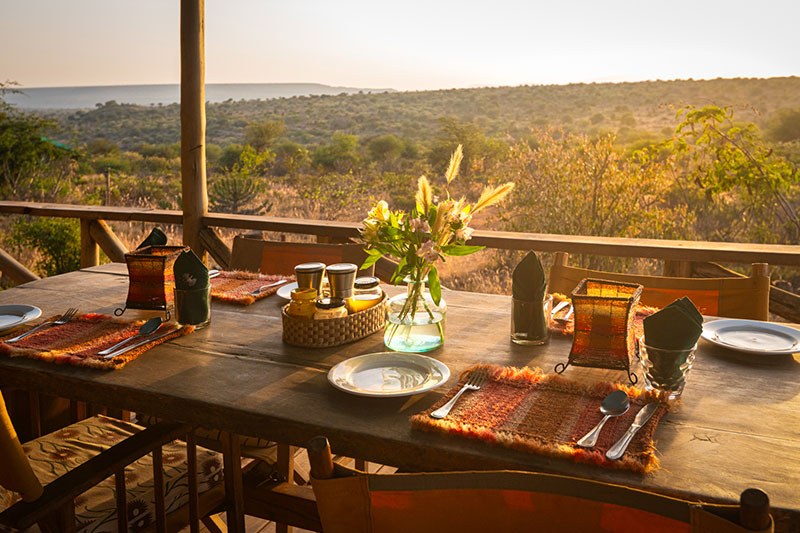
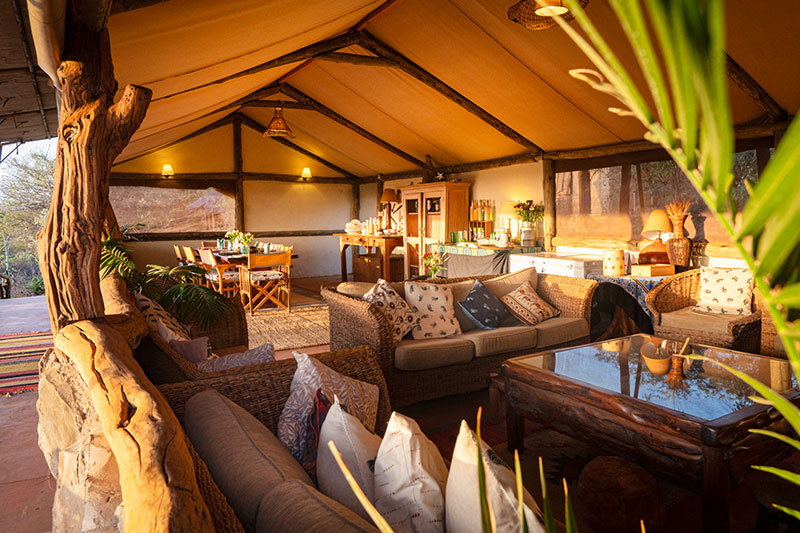
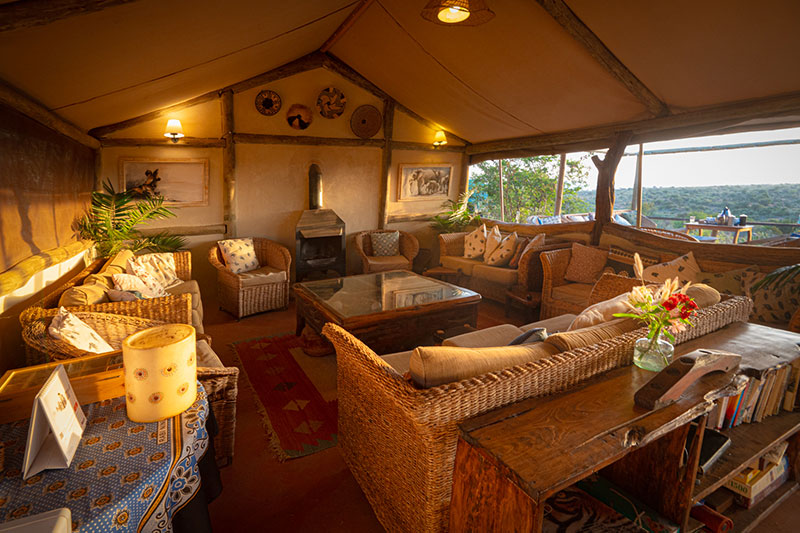
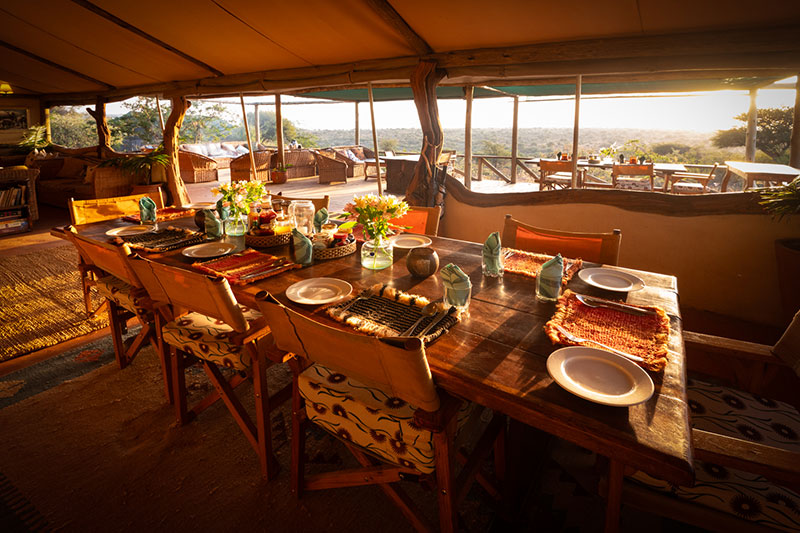
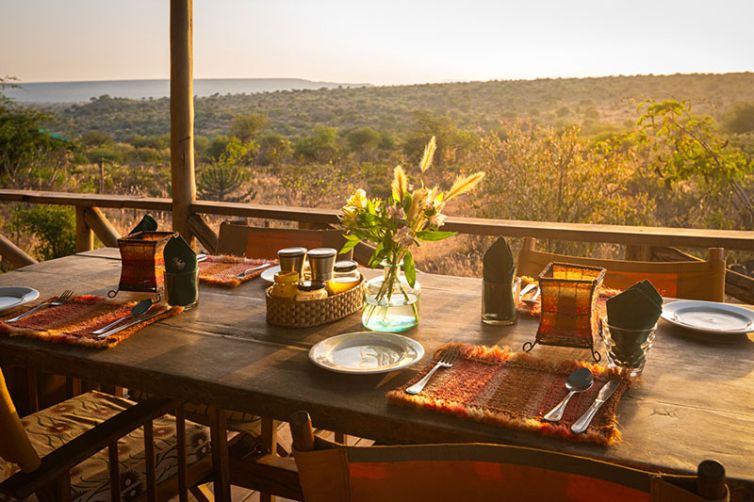
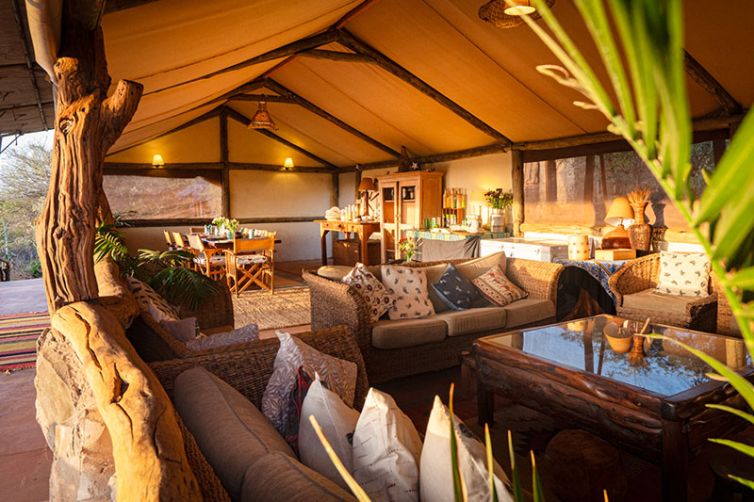
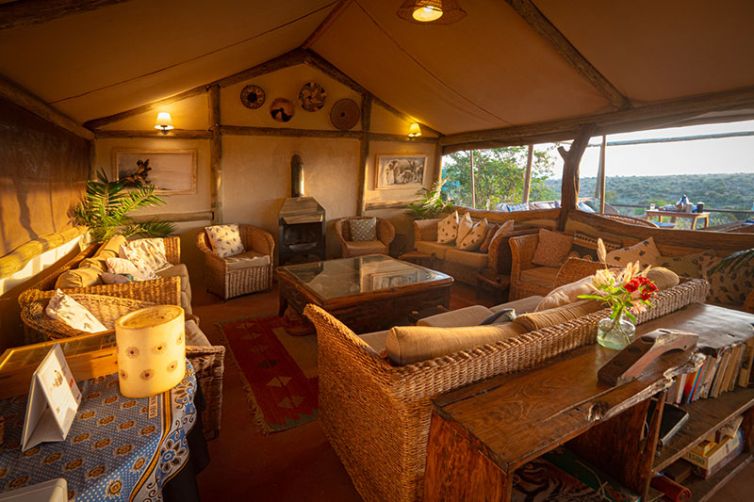
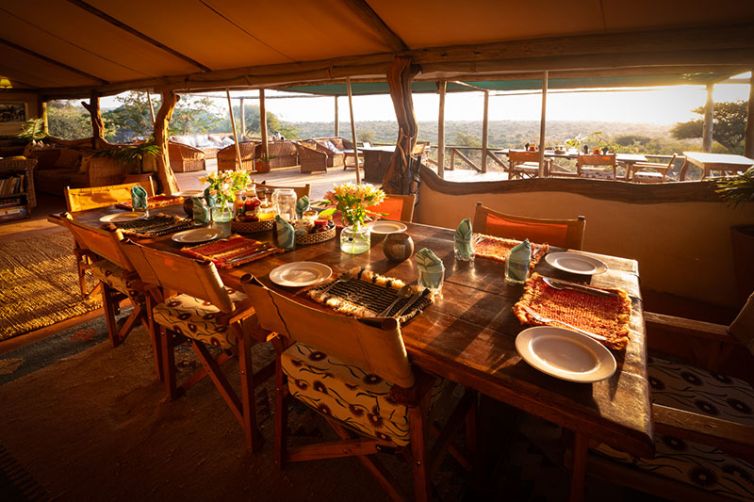
The tented central areas are built onto a wooden deck and include an indoor lounge with fireplace, an indoor dining area, and a deck with comfortable sitting areas and al fresco dining space. To the rear of the camp is a lovely sundowner spot overlooking a wide valley and the Ewaso Narok River, complete with a ‘swing bed’ on top of the hill – the perfect place to unwind for a few hours with a book and your binoculars.
Facilities
Wi-Fi – Yes
Power for Charging – Yes
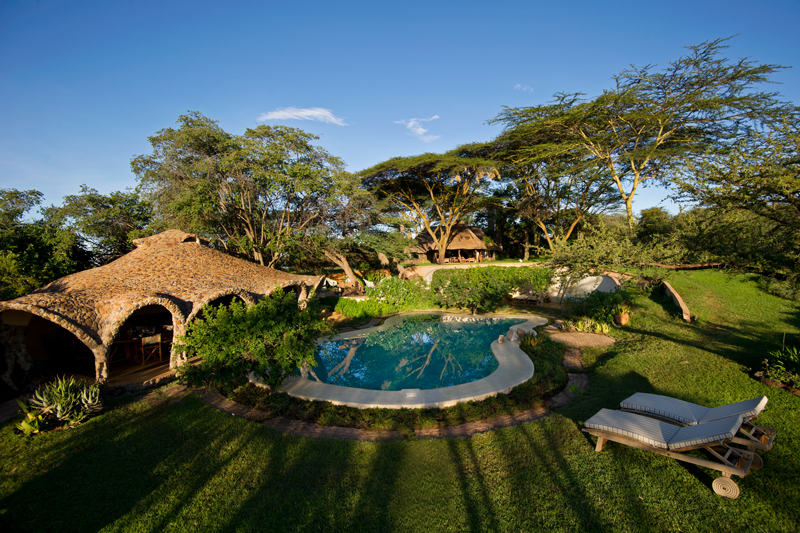
Swimming Pool – No
Habitat & Wildlife
The Laikipia covers a significant portion of dramatic countryside in northern Kenya, sandwiched between Samburu and Mount Kenya in the east and the Aberdare Mountains and Great Rift Valley in the west. The central section of the area is covered by a lava plateau which creates a series of rocky escarpments offering epic views, whilst a series of rocky outcrops and hills dot the landscape revealing the landscapes much more ancient history (some of these rocks are thought to be around 80 million years old). The region is divided into a number of private ranches, conservancies and community lands with farming (cattle mainly), wildlife conservation and local populations all existing in relative harmony. As the region is increasingly closely managed, and the local communities are made more aware of their role in conserving wildlife and benefitting from this, there has been an increase in properties dedicated solely to wildlife, and in these areas the wildlife populations are growing steadily. Some private ranches have been concentrating on wildlife conservation for many years and offer superb game viewing experiences, though in general the Laikipia region is better known for its wilderness, scenery and the wide variety of activities on offer.
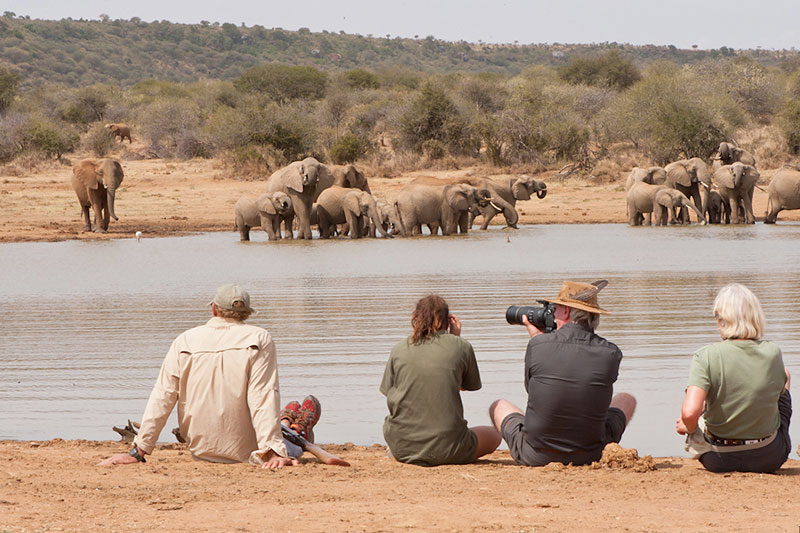
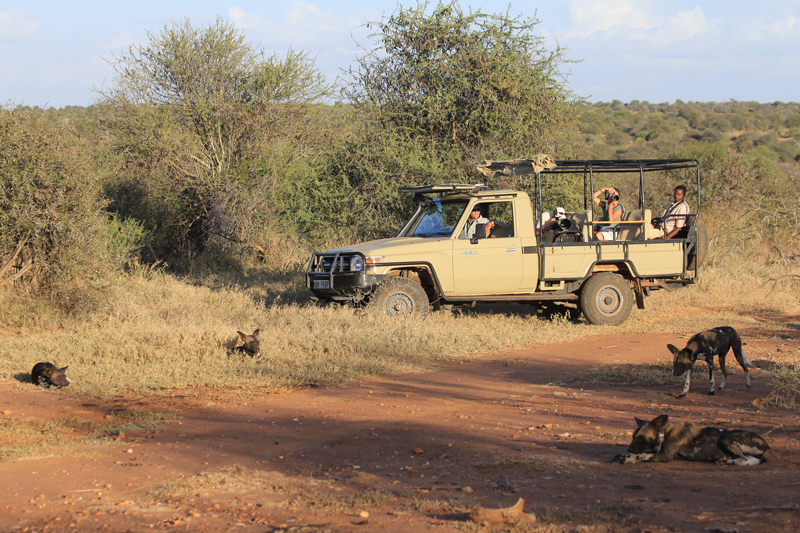
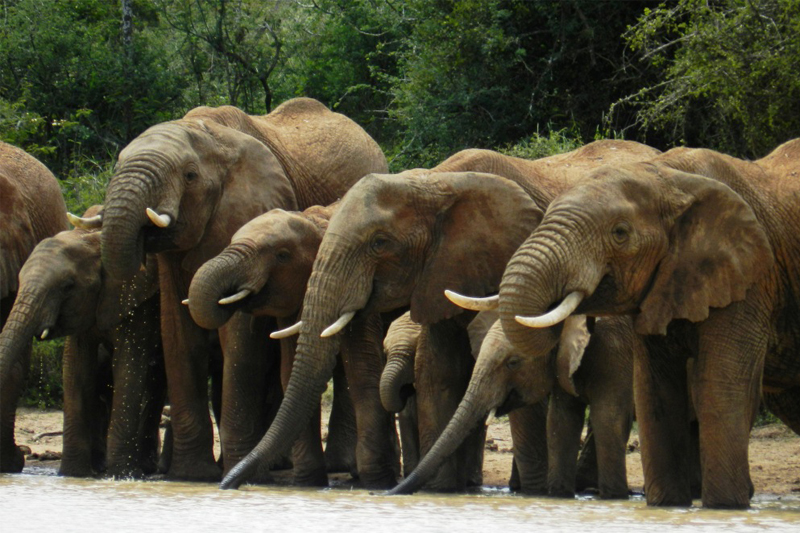
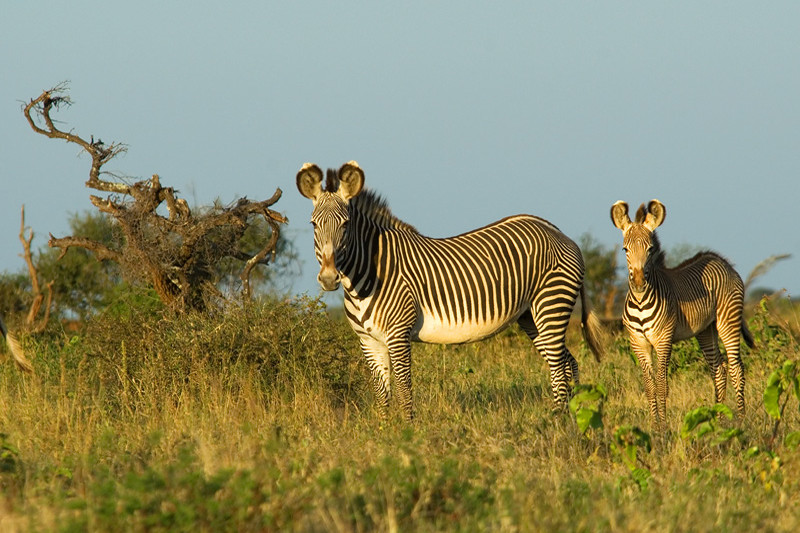
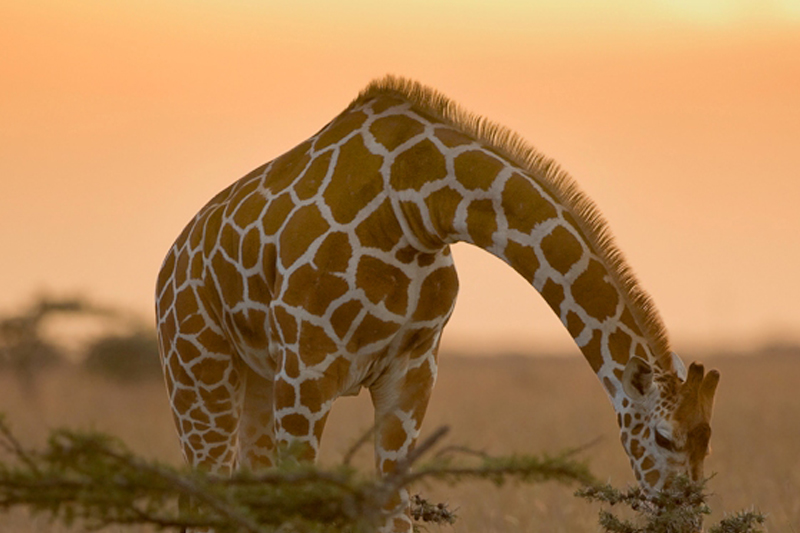
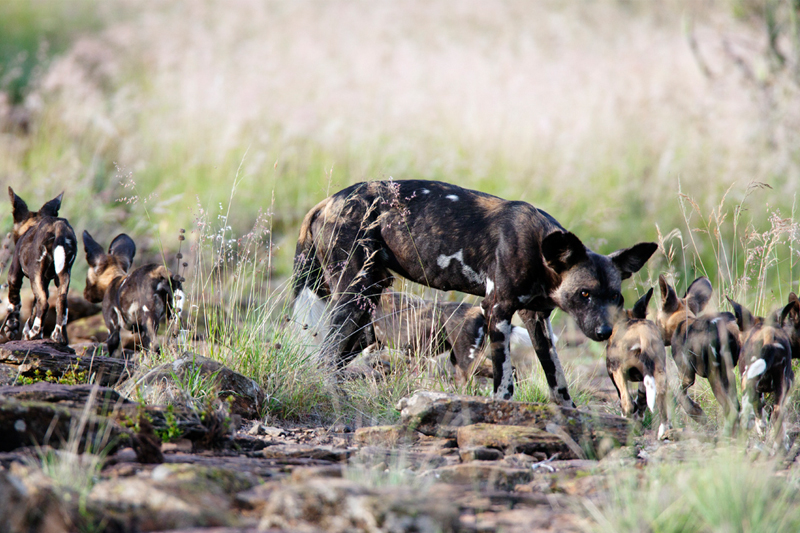
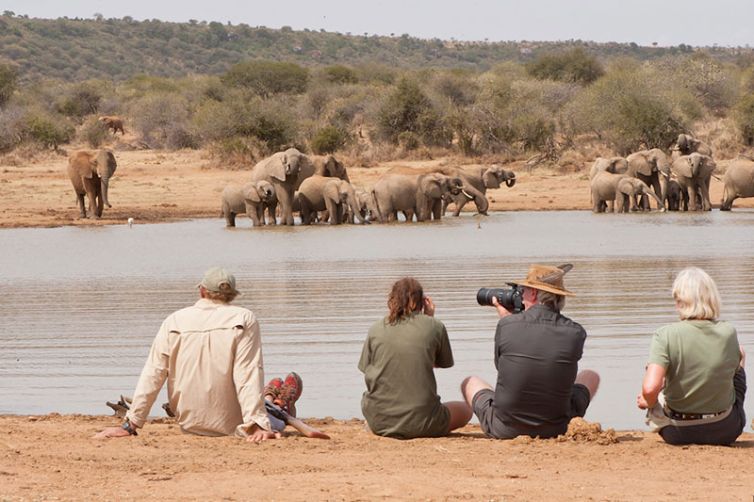
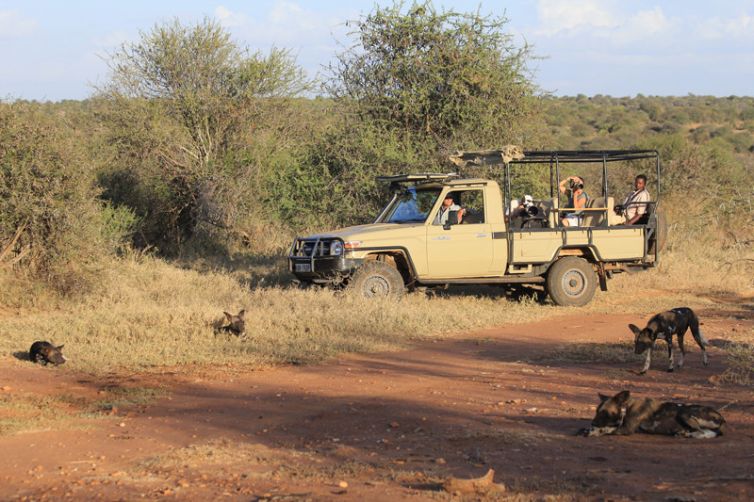
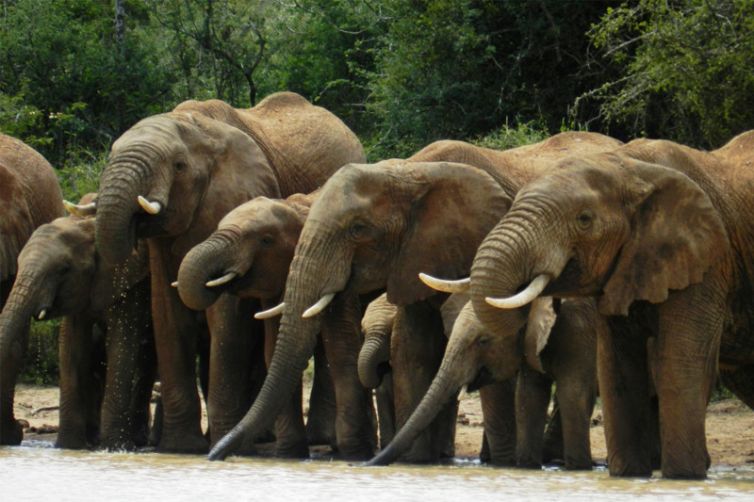
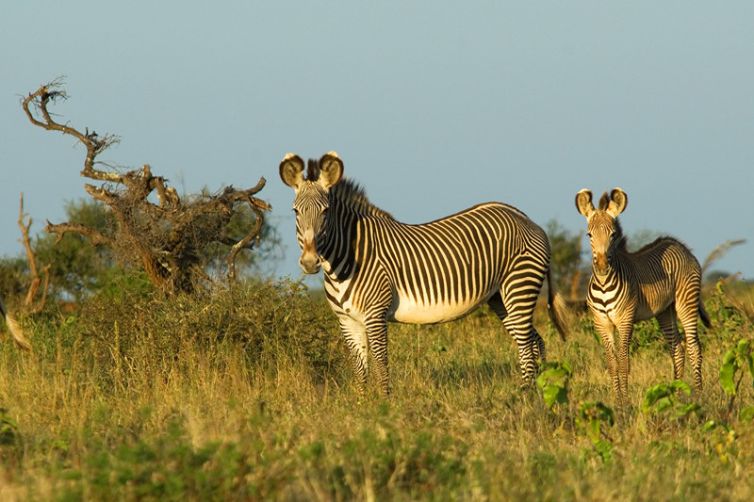
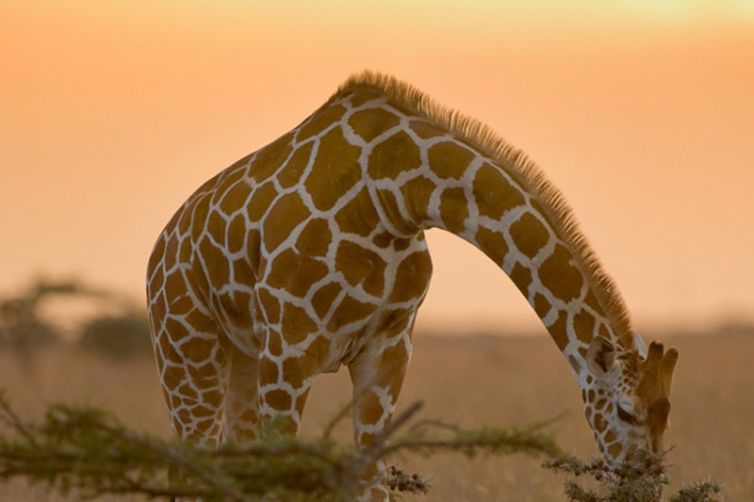
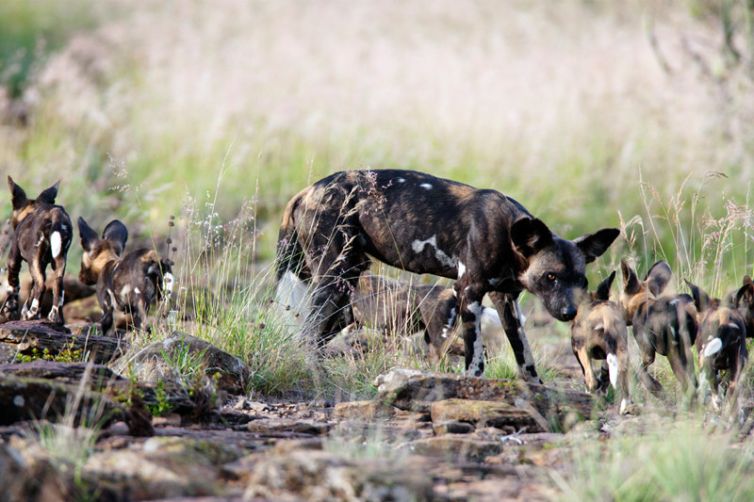
Laikipia Wilderness is located on the Ol Donyo Lemborro ranch. The terrain and habitat is varied with rolling hills of scrub bush and open grassland interspersed with thickets and riverine woodland along the Ewaso Narok river. Around 250 species of birds have been recorded and the mammal list includes greater kudu, gerenuk, wild dog, elephant, buffalo, cheetah, leopard, lion, Grevy’s zebra, reticulated giraffe, Thompson and Grants gazelle, eland, Beisa oryx, defassa waterbuck, striped hyaena, spotted hyaena, baboon, vervet monkey, jackal, warthog and many smaller species such as caracal, African wild cat, serval, genet, civet, porcupine, aardvark, aardwolf and rock hyrax. The Laikipia region has one of the fastest growing populations of wild dogs in Africa and the area has also become known in recent years for its black leopard sightings, drawing photographers from around the world.
Activities
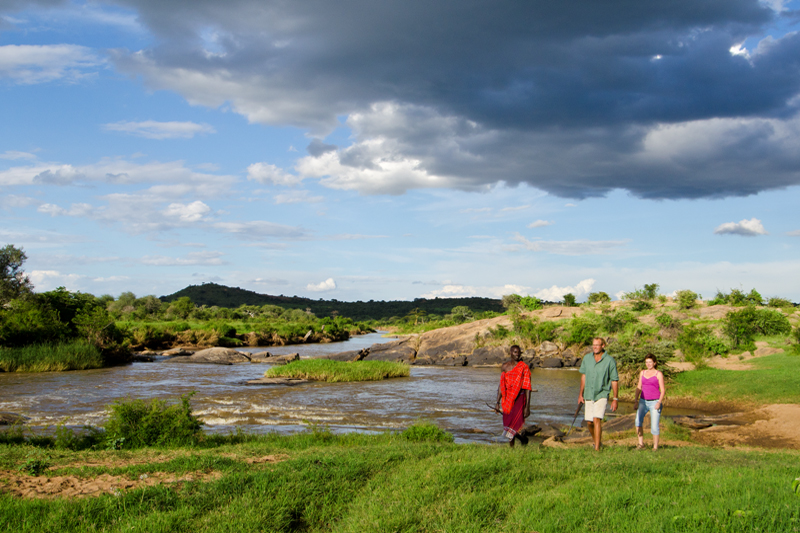
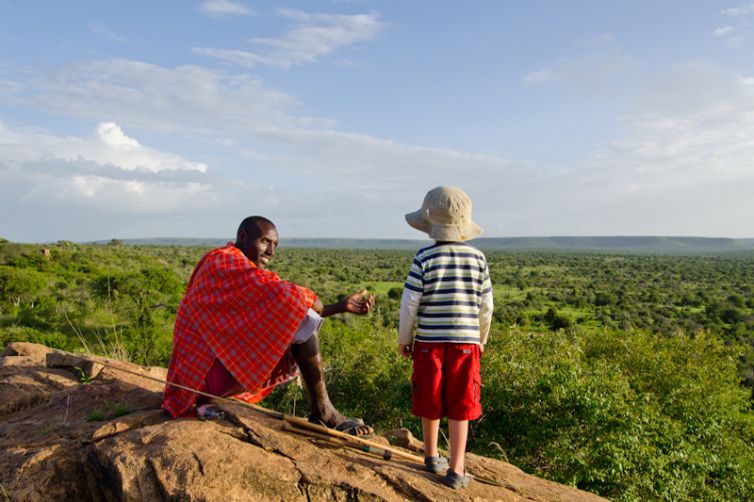
Activities are varied at Laikipia Wilderness and no fixed schedule means every day will be different. Daily day and night game drives take place in open and closed vehicles but the speciality here is walking. Walks are tailored to personal preference and fitness and can last from thirty minutes to several hours. For those interested in trying to see black leopard, sightings are unpredictable but the camp implements sensible measures to ensure responsible wildlife viewing should a black leopard be encountered. There are limits on the number of vehicles permitted at each sighting and the duration of time at each sighting (a private vehicle can be booked at extra time to focus on black leopards in particular).
For the energetic and adventurous rock climbing, river swimming, tubing and rafting can all be arranged as can fishing, bird watching and local village visits.
For those staying long enough, a night’s camp out is a wonderful way to experience the wilderness – this includes bush dinner around a campfire before a night ‘under the stars’ on bed rolls either on a raised platform or under dome tents on the ground (depending on the season). Multi-day walking safaris with overnight fly-camping can also be booked.
The camp’s close ties with the Laikipia Predator Project allows guests to track the collared wild dogs and lions on their land. Meeting the dogs at ground level can be a very special experience but this cannot be guaranteed.
Seasons
Laikipia Wilderness is open for the whole year and wildlife viewing is good all year round.
Laikipia Wilderness is fantastic for adventurous families. The camp will cater for children of all ages (staff are very used to supervising and entertaining!) but we feel active families with slightly older children will benefit most from the wilderness experience and the more adventurous activities on offer. The two bedroomed family tents (with one shared bathroom) can accommodate up to four children and are ideal if your children are too young to take their own tent.
Lentorre is operated in partnership with the Olkiramatian Maasai community and 95% of the lodge’s team comes from the local area. Guests staying in the area pay conservation and community fees which go directly to wildlife and habitat conservation and community support. The conservancy, along with neighbouring Shompole, is an example of highly successful community conservation, illustrated by the Rebuilding the Pride project. The main goal of the program has been to rebuild lion prides (and other carnivore numbers) by proving that the coexistence of pastoral livestock and wildlife is not only possible, but is the best hope of sustaining large viable carnivore populations. Rebuilding the Pride also refers to the pride communities themselves take in conserving wildlife to their economic advantage.