Kicheche Valley Naboisho
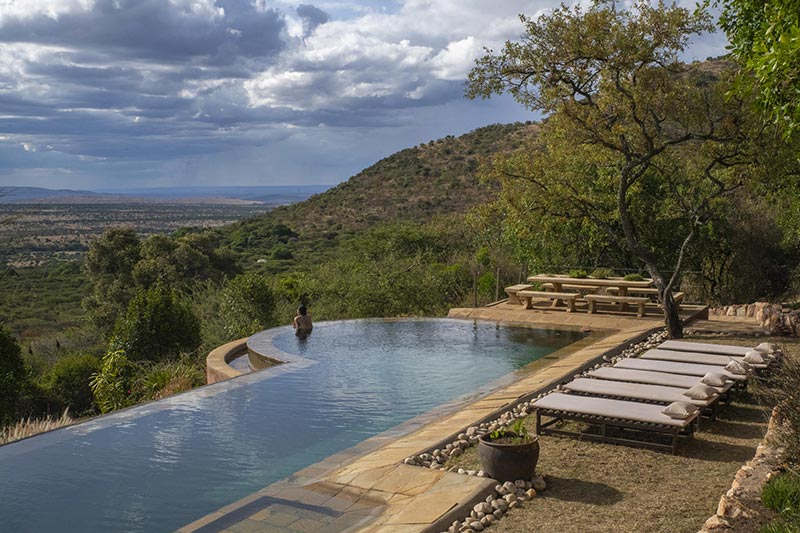
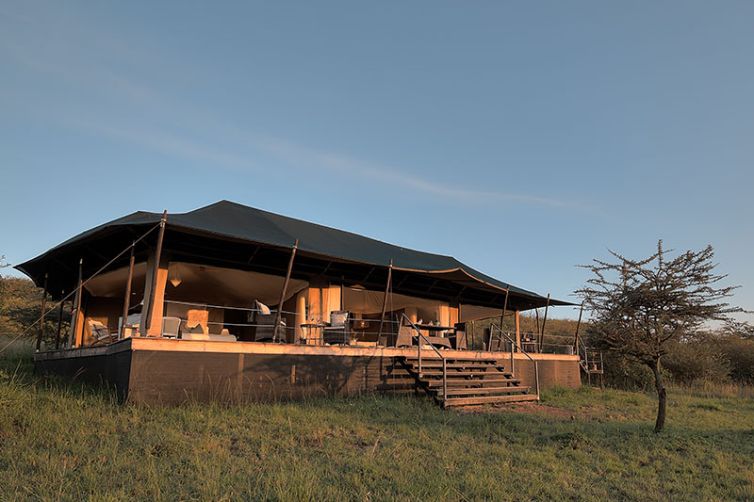
Kicheche Valley Naboisho is an intimate, luxury tented camp located in acacia woodlands in a secluded valley in the heart of the exclusive Naboisho Conservancy bordering the Masai Mara National Reserve.
Kicheche Valley Naboisho is the most comfortable and permanent of all the Kicheche camps, with large tents that are quite contemporary and luxurious in style. However, despite this level of comfort and permanence, the camp retains an intimate bush atmosphere with communal dining, fire-side drinks and personal hosting. The Naboisho Conservancy has improved dramatically in game viewing terms over the last several years and now offers arguably the most exclusive game viewing in the Mara. Offering a wonderful blend of comfort and adventure, with the expected high quality Kicheche guiding, Kicheche Valley Naboisho is a great option for both first timers and old safari hands.




Rooms
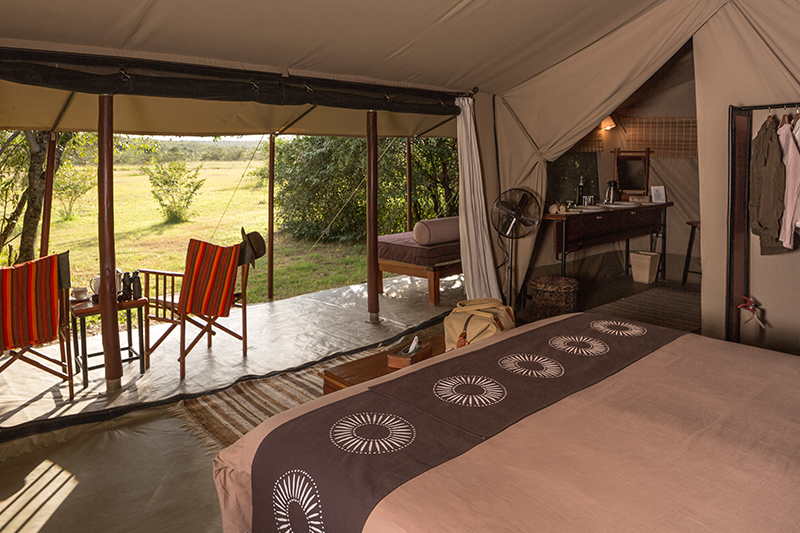
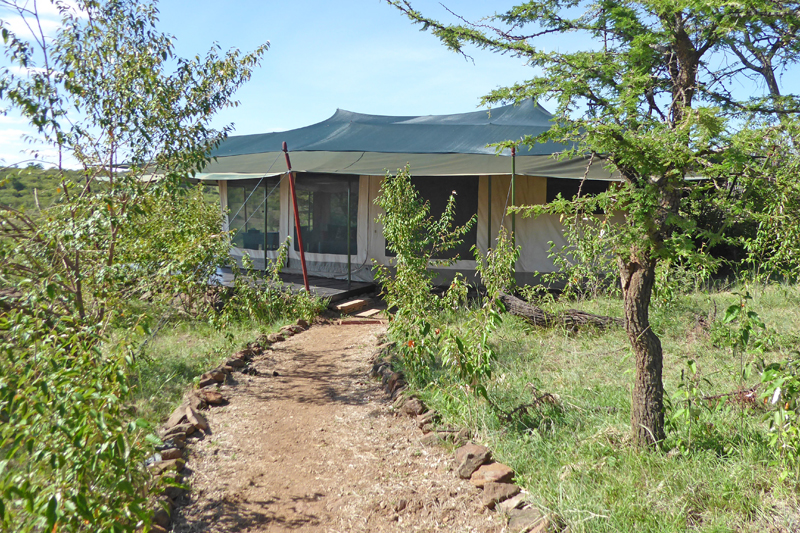
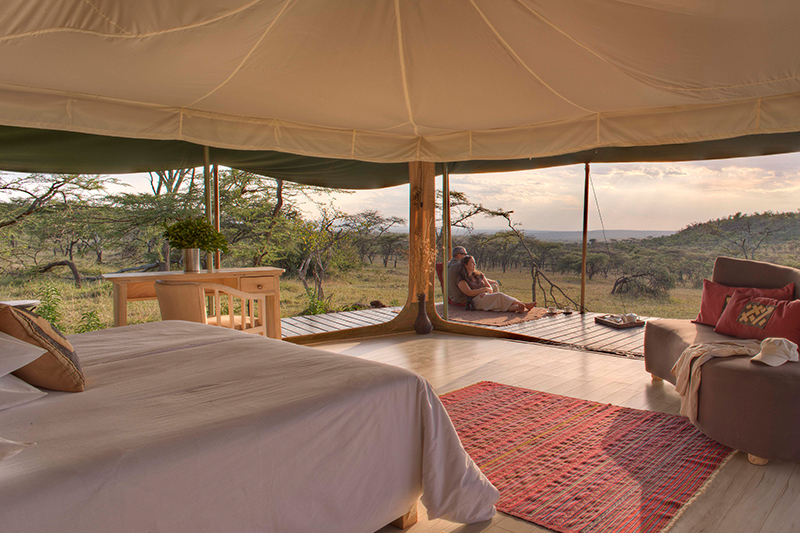
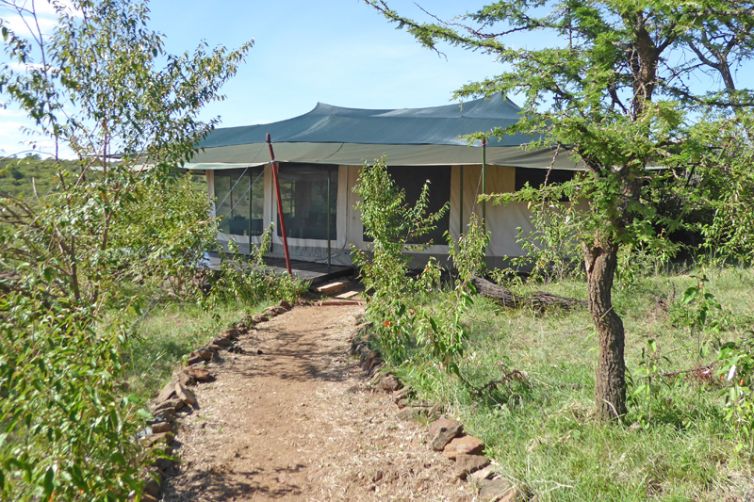
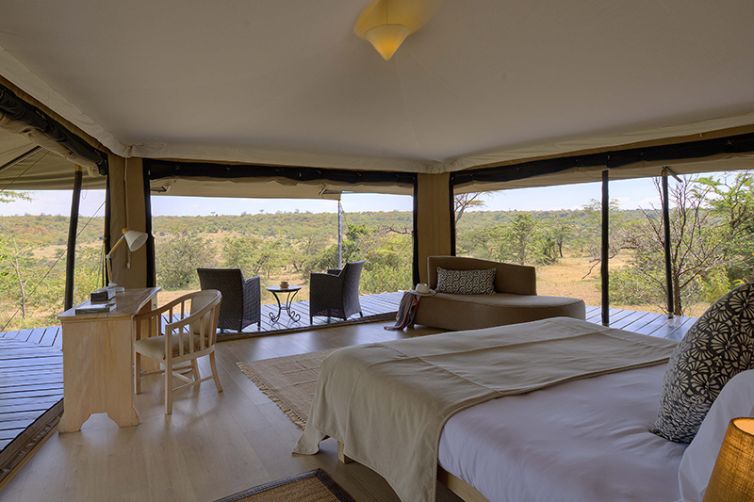
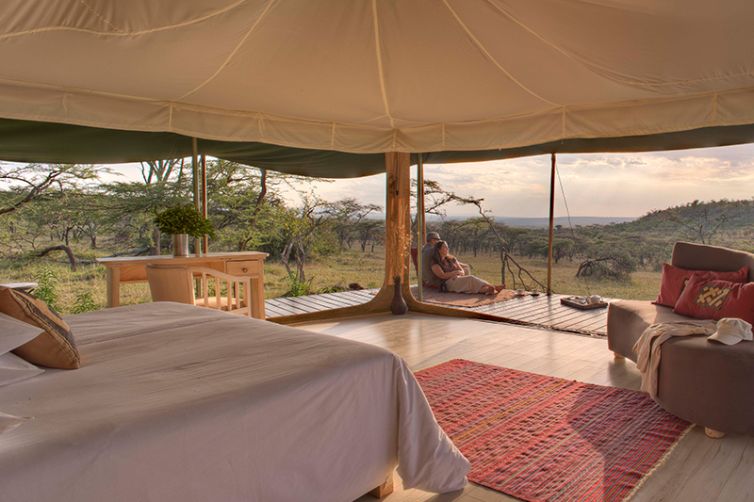
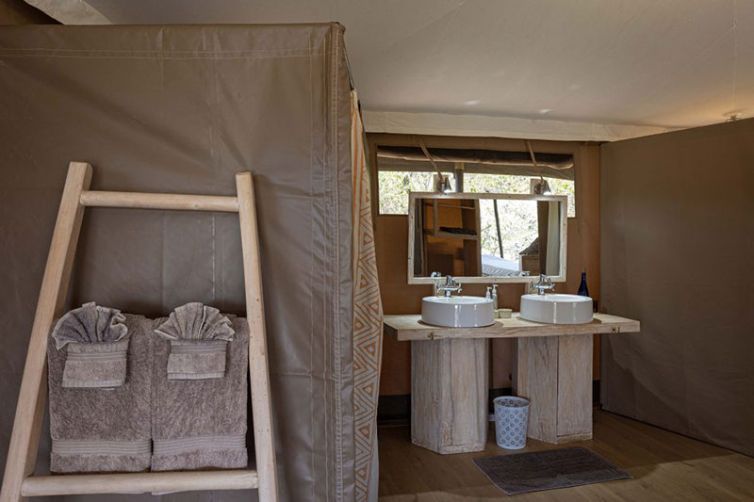
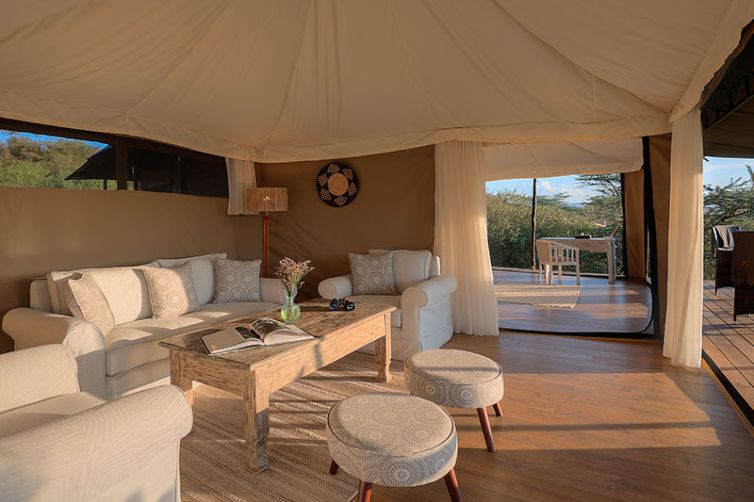
There are six accommodation tents at Kicheche Valley Naboisho, plus one family suite, all set on low wooden decks with views out across the valley in front of camp. The tents are set far enough apart to offer privacy, on either side of the central mess area. Each tent is spacious with a private verandah to the front, sofa, writing desk and indoor bathroom facilities at the rear with a flush toilet and plumbed shower. The tents are large enough to house two extra single beds on request for families, while the family suite comprises two en suite tents connected by a lounge.
Central Areas
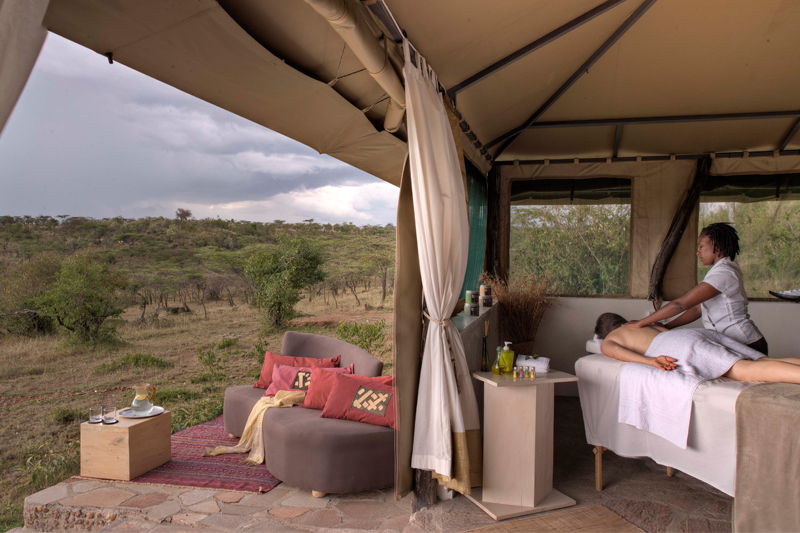
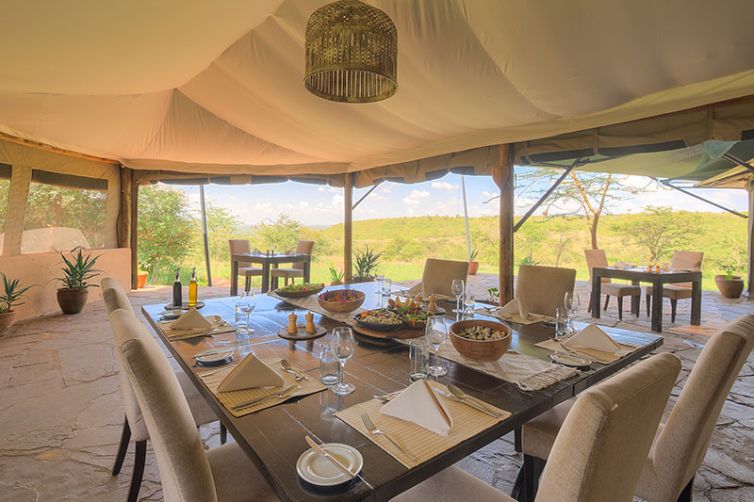
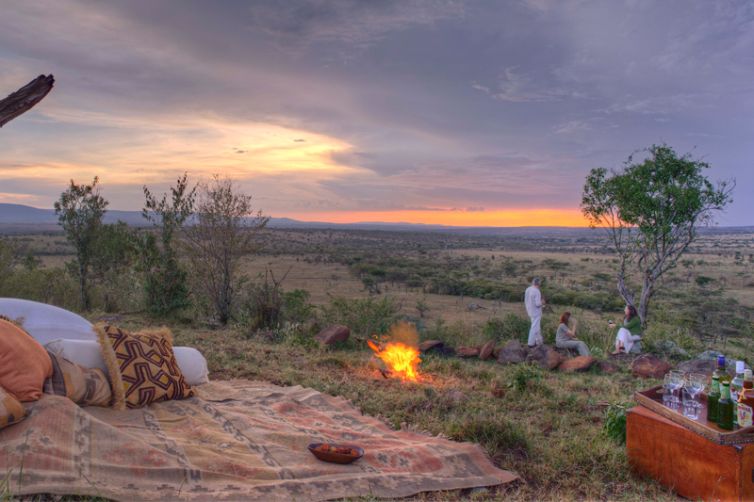
The central areas comprise of a cosy lounge, covered dining area and an open fire place around which pre-dinner drinks are enjoyed. There is also a small bush spa offering a range treatments.
Facilities
Wi-Fi – Yes
Power for Charging – Yes
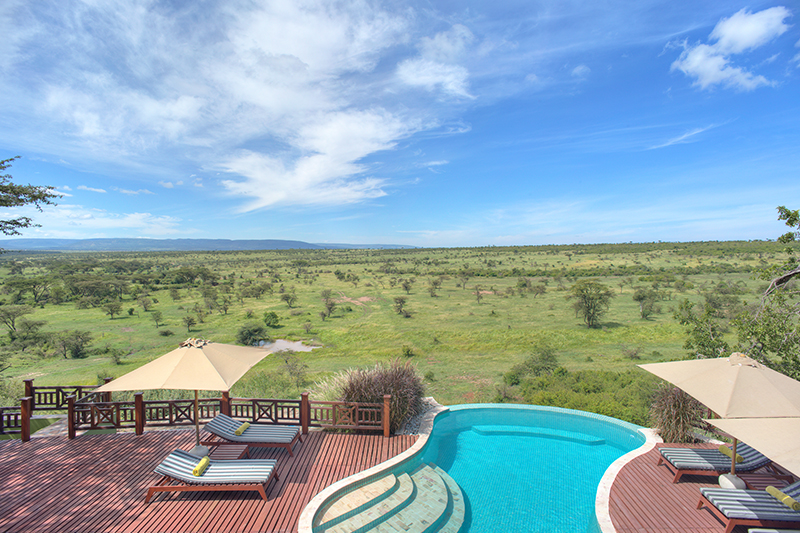
Swimming Pool – No
Habitat & Wildlife
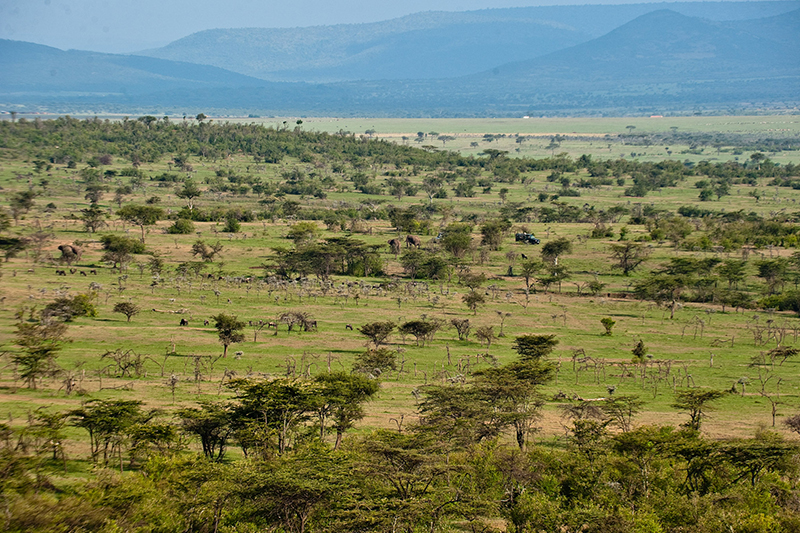
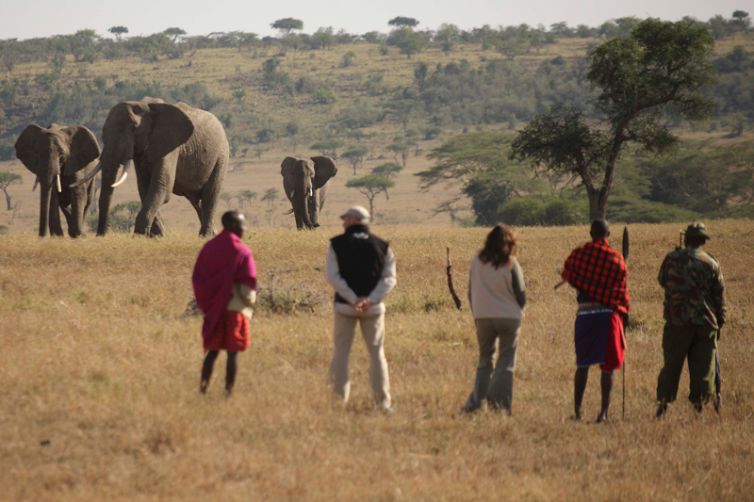
The Masai Mara ecosystem is one of the best game viewing areas in Africa and is especially good for viewing the big cats. Elephants, buffalo, hippo, crocodiles, giraffe, zebra, lion, leopard, cheetah, spotted hyaena, impala, gazelles, eland, waterbuck, topi, jackal and serval are all common and seen regularly. Rhino are found in certain areas, and wild dogs are more transient visitors. The famous wildebeest and zebra migration is usually in residence from mid-July through to mid-October, though the movement of the animals is always somewhat unpredictable. The scenery of the Masai Mara is stunning with open grassland plains intersected by rivers, rocky ridges and pockets of riverine forest. Birdlife is varied and especially good around the riverine woodland areas.
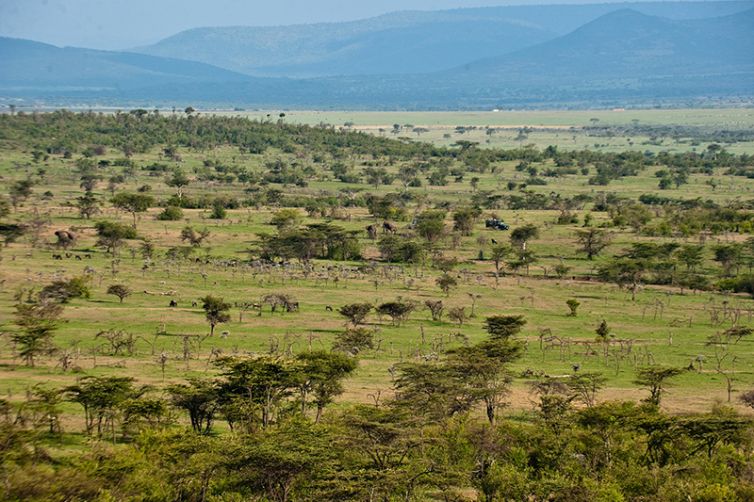
Whilst the official Masai Mara National Reserve can be busy with tourist vehicles in places, especially at river crossings in migration season, the Naboisho Conservancy offers relative exclusivity away from the crowds. You do sometimes still see other vehicles, but most of the time you will be able to explore away from other vehicles. The Conservancy offers a good mix of open plains, rocky hills and acacia woodland, and is superb for game viewing.
The conservancy is funded by a limited number of ‘tourism partners’ in cooperation with local Maasai land-owners, and this model has been shown to benefit not only the local land-owners who receive greater income and better pasture for their livestock, and the tourism partners, but also the wildlife and in particular, the predators.
Activities
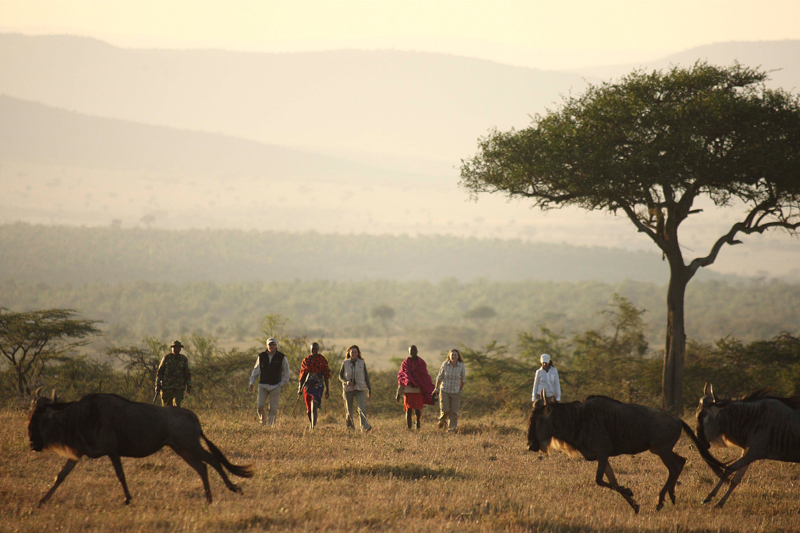
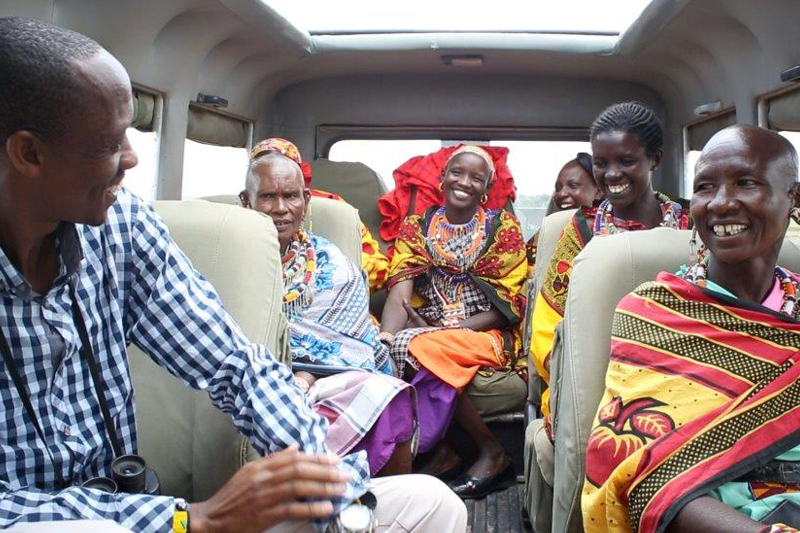
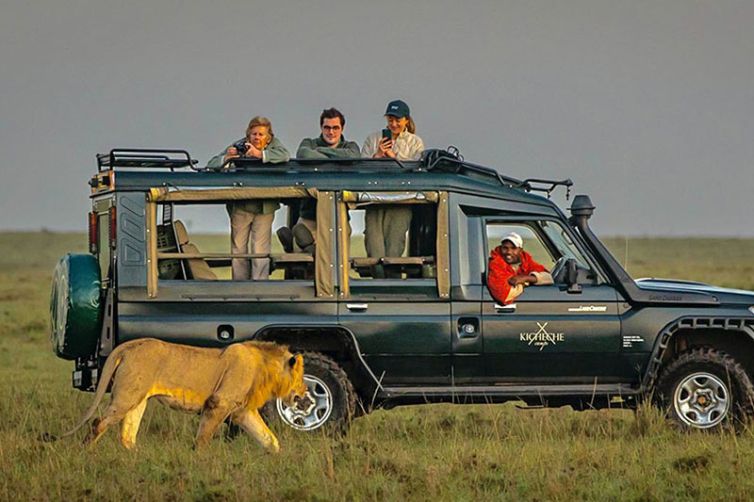
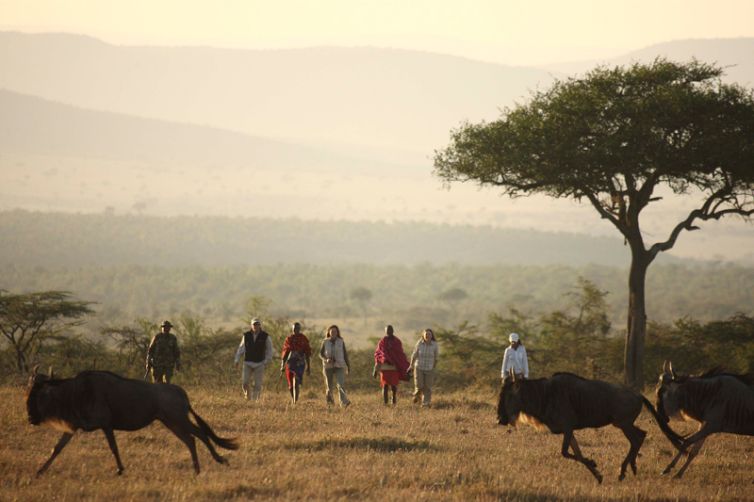
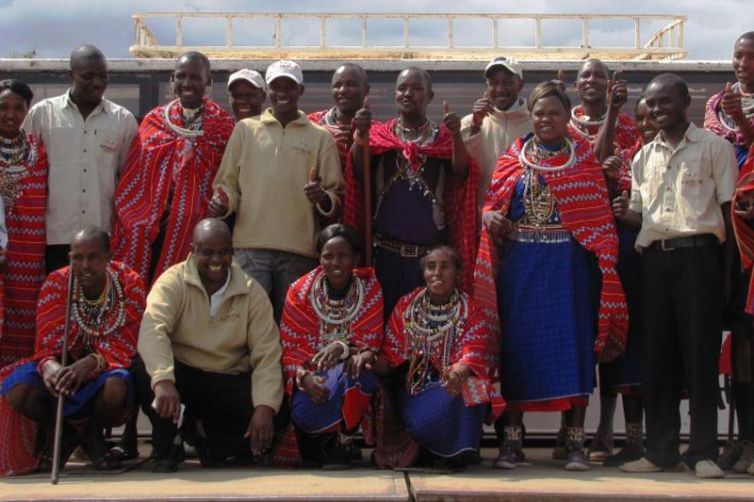
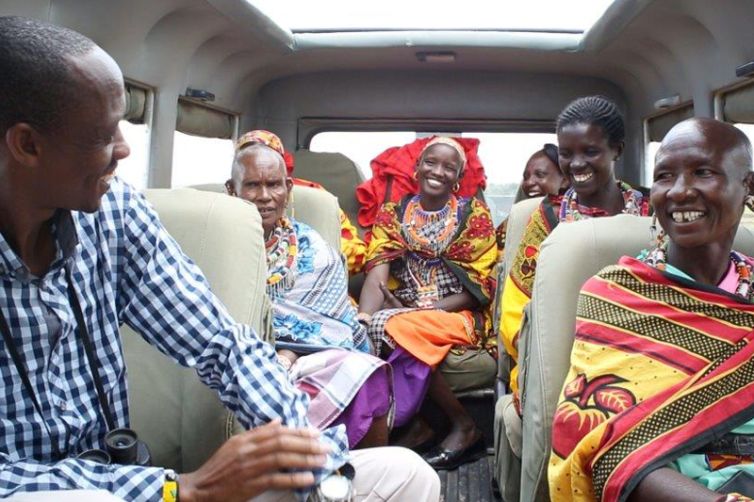
The main activity at Kicheche Valley Naboisho is game drives through the Naboisho Conservancy. Unlike the other Kicheche Camps in the Mara region, night drives are available in the Naboisho Conservancy and so can be offered from Kicheche Valley. Nature walks are also offered, with all wildlife activities hosted by excellent local guides. Beading lessons with Maasai ladies are offered as part of your stay and make for a relaxed way to learn more about the local Maasai culture.
A night’s fly-camping in the bush is a great option for anyone wanting to venture more into the wilderness, usually combined with a walking safari from and back to camp (this should be pre-booked and extra costs apply). Cultural excursions to local Maasai villages can be arrange (at extra cost) to see firsthand their way of life – a village guide or your Kicheche guide will give you an interpretive talk during your visit.
Seasons
Kicheche Valley Naboisho is open all year round except for April and May and it usually also closes for a few weeks between mid-November and early December. Game viewing is excellent throughout the year, with the migration usually in residence from mid-July to mid-October.
Kicheche Valley Naboisho accepts children from seven years and provides flexible family accommodation options in either the two bedroom family suite (which offers private dining on request and comes with a private guide and vehicle) or by adding extra beds into the spacious standard tents to create a triple or quadruple tent. The staff and guides are very proactive with children and can teach and entertain them between game activities as required. However, there is no swimming pool or ‘kids club’ so the camp will best suite families looking for an in depth wildlife experience.
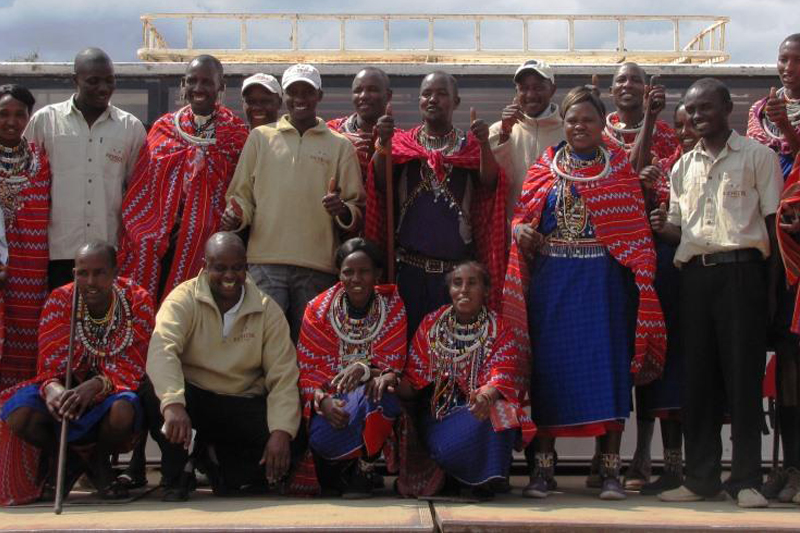
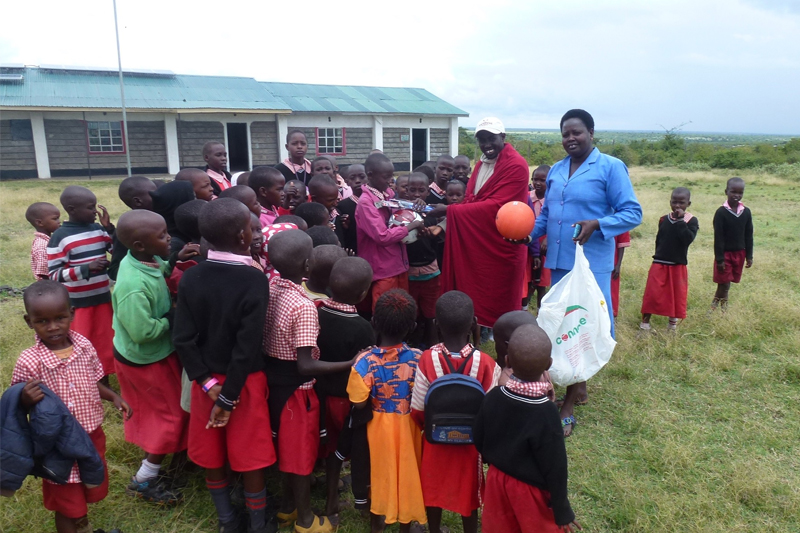
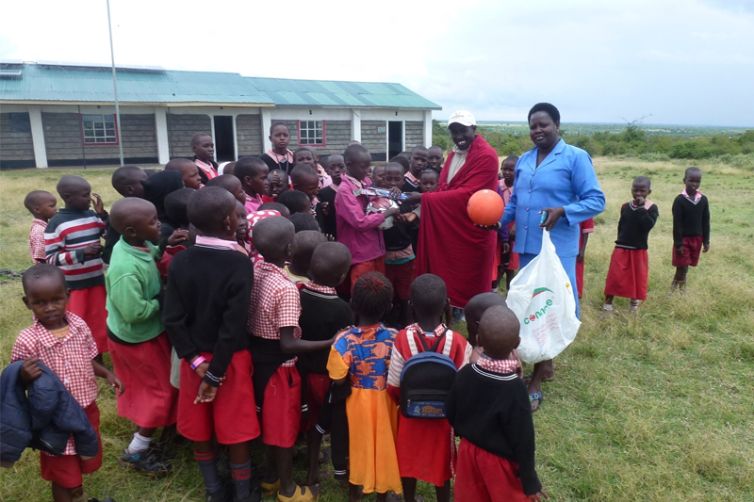
The Kicheche Community Trust is involved in education, health, environment and empowerment within the communities in which they operate. The Trust supports the local Masaai families through conservancy land leases. They assist the local health clinic in the Mara through donations of medicines, books, a dental ward, water tanks and they have assisted in the upgrading of a solar plant. The Trust supports six schools having built classrooms and funded the further education of a teacher, supported 18 scholarships, contributed towards a school bus and donated thousands of books and stationary. They sponsor students from the Koiyaki Guiding School and employ some of the Maasai graduates as trainee and qualified guides. There is also a contribution of $5 per bed night which goes to the Trust.
Kicheche supports S.A.F.E’s Female Genital Cutting (FGC) abandonment programme within the Maasai culture which has successfully led to the acceptance of girls transitioning to womanhood without being cut.
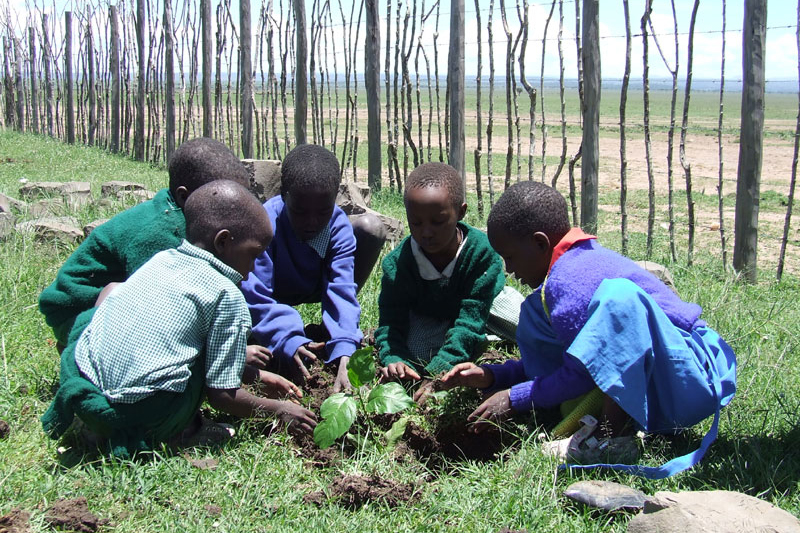
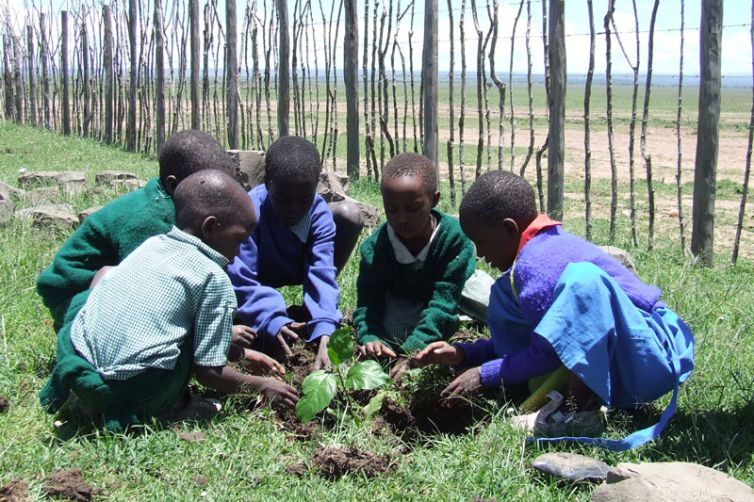
They organise environmental projects such as Clean Up campaigns in towns along the edge of the conservancies, raising money for cattle bomas (grazing areas) to reduce deforestation, assisting with tree planting and the running of a bee hive program.