Cottar’s 1920s Camp
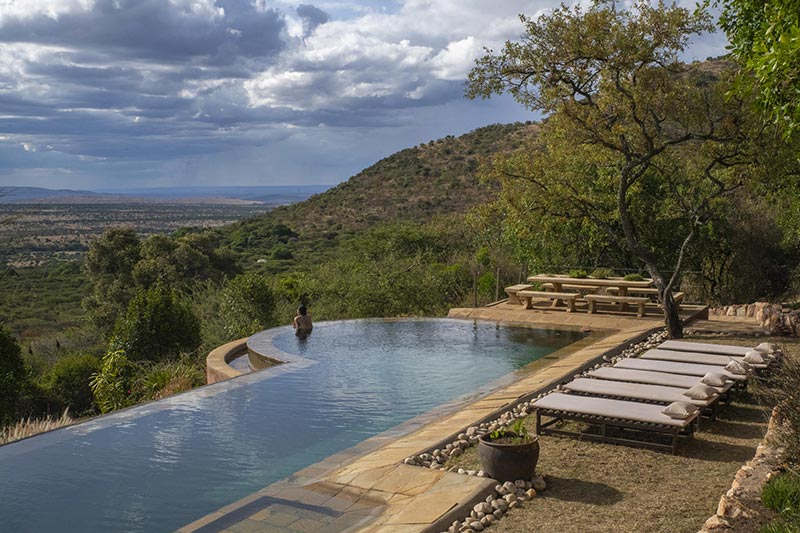
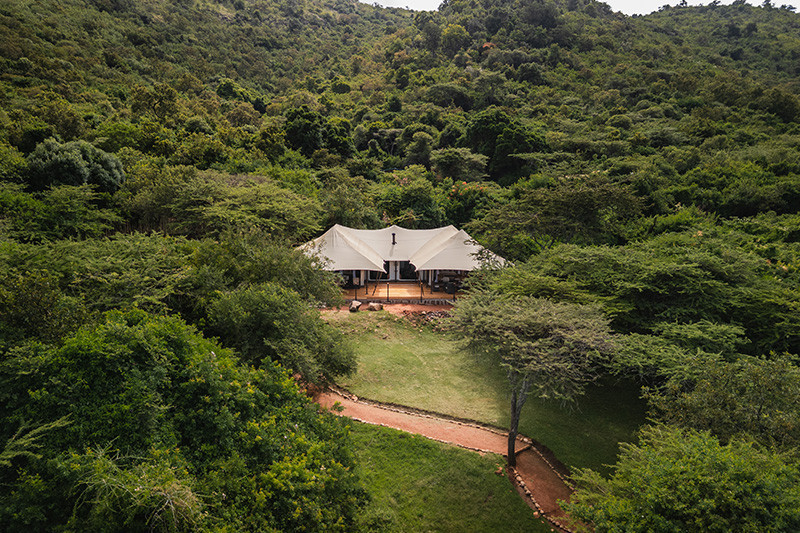
Cottar’s 1920s Camp is situated on a hillside within a small private concession bordering the south-eastern corner of the famous Masai Mara Reserve.
Cottar’s 1920s is one of the Mara’s most exclusive and upmarket camps, featuring a classic safari style, as the name suggests. The camp is run by Calvin and Louise Cottar whose family have hosted safaris in Kenya for five generations. Attention to detail and personal service are complemented by expert guiding and fine dining. The accommodation is very comfortable, retaining an authentic tented feel and having quite luxurious furnishings, but guests should be aware that they are staying in genuine tents, not luxury suites. The camp offers communal or private dining experiences, depending on circumstance, and is suited to guests looking for quiet sophistication as well as those looking for a more social environment. The flexibility and exclusivity of activities on their private concession is a bonus and, though wildlife concentrations do vary and most extended game drives take place within the official Mara Reserve, which is great for game viewing but can at times be less exclusive than the private conservancies. The family tents and large swimming pool are really brilliant for families looking for an upmarket Mara experience!













Rooms
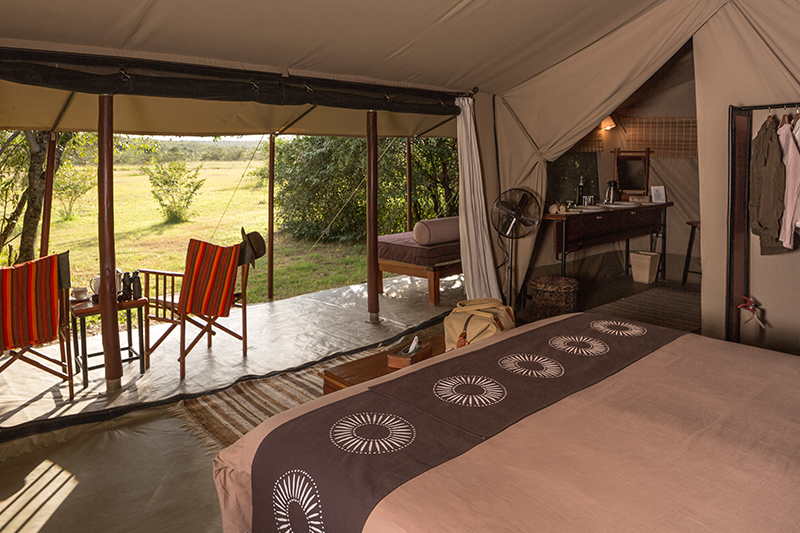
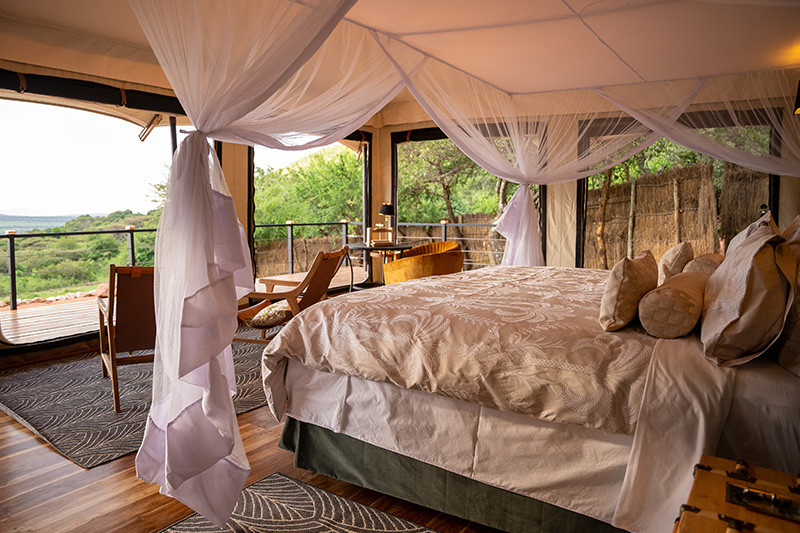
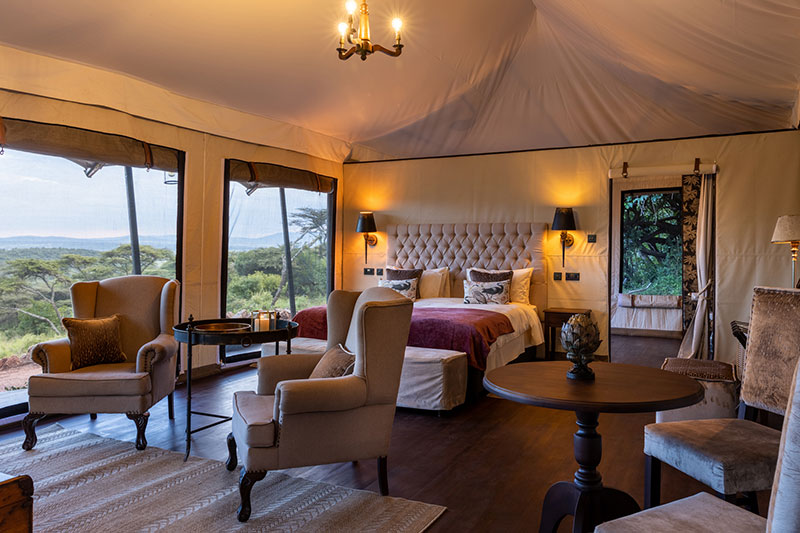
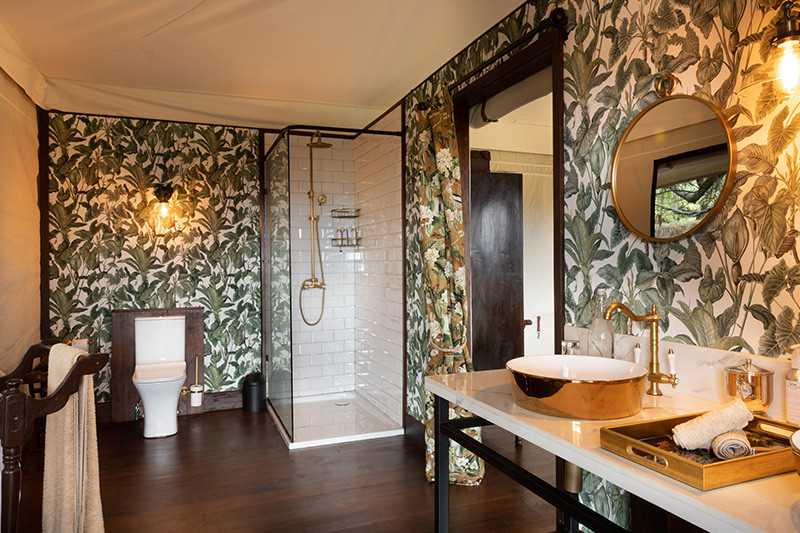
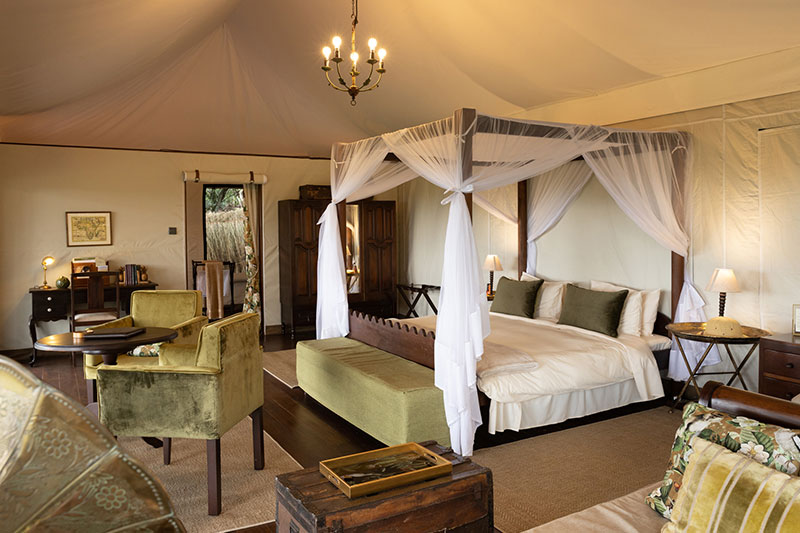
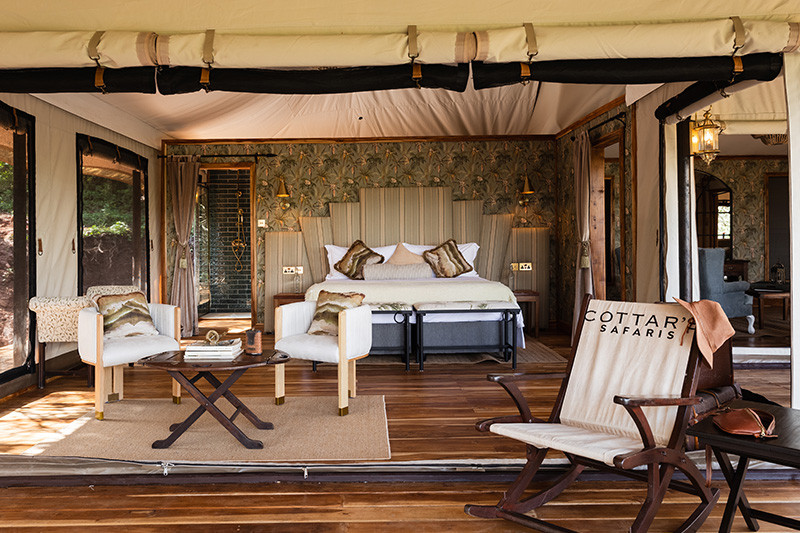
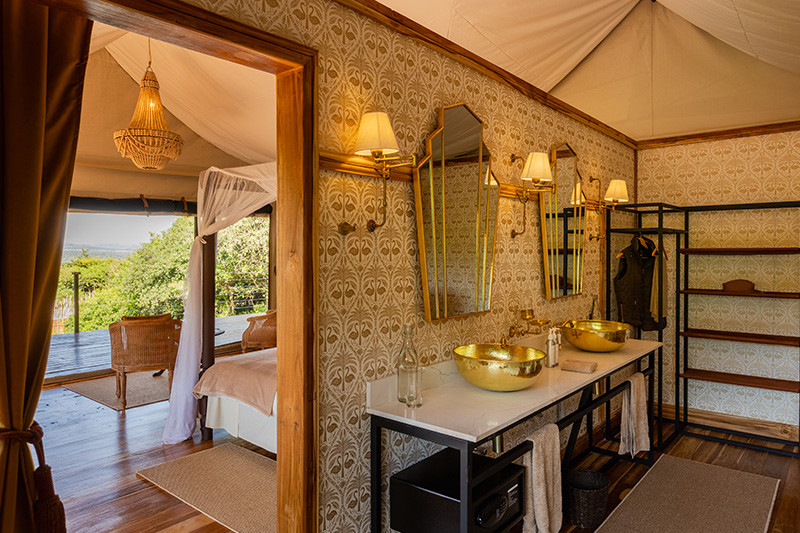
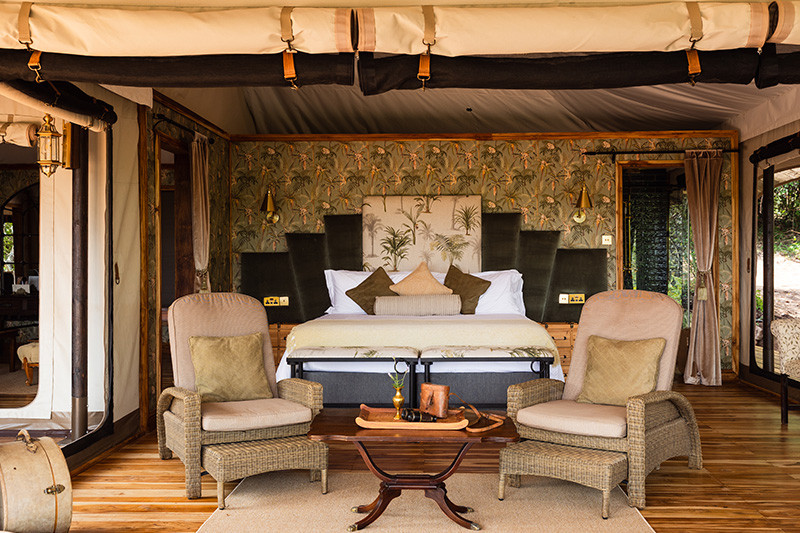
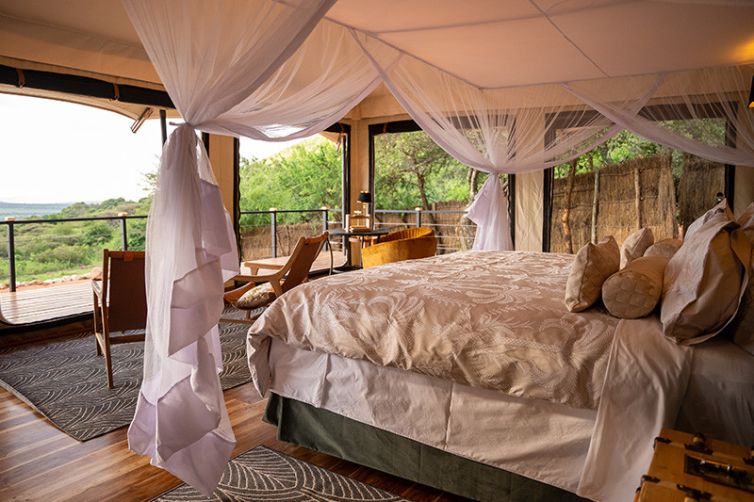
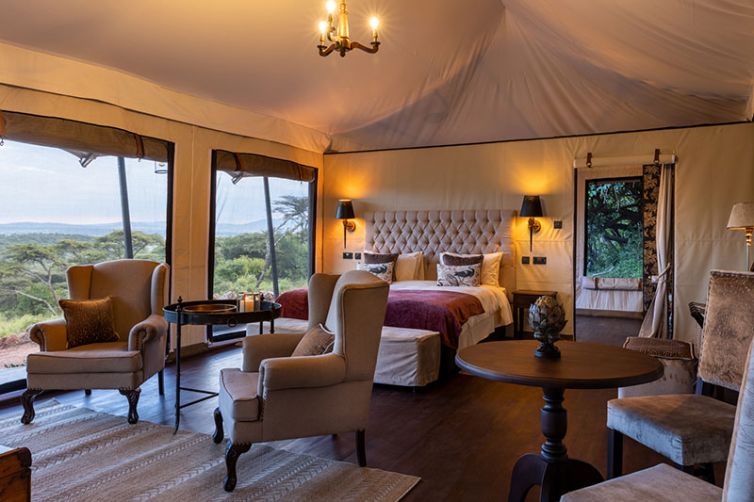
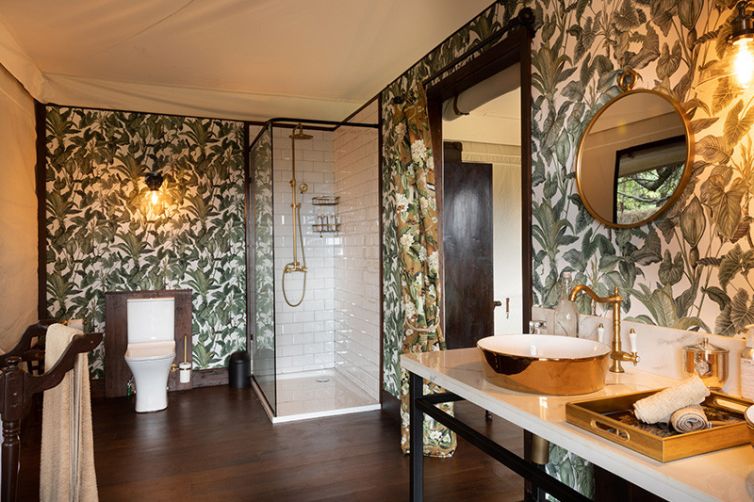
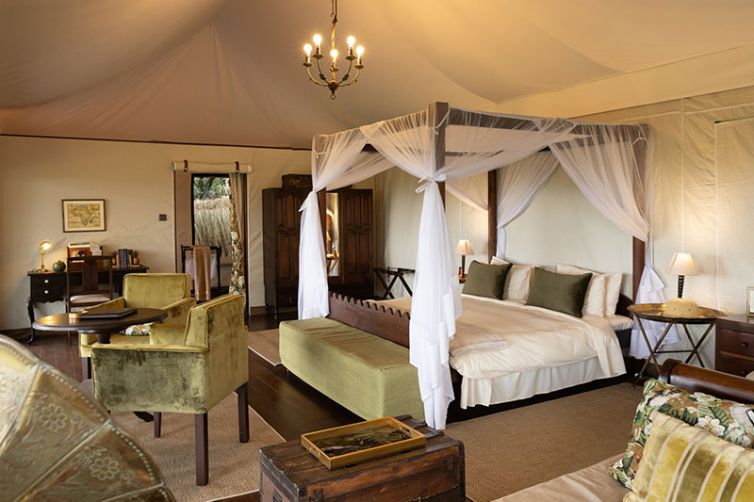
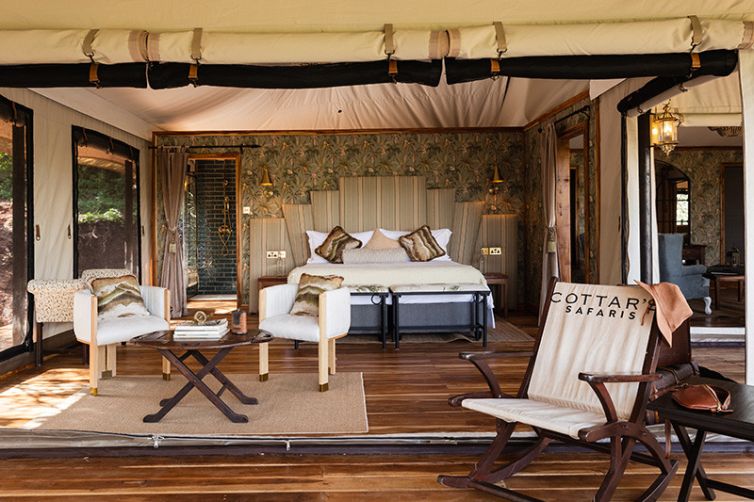
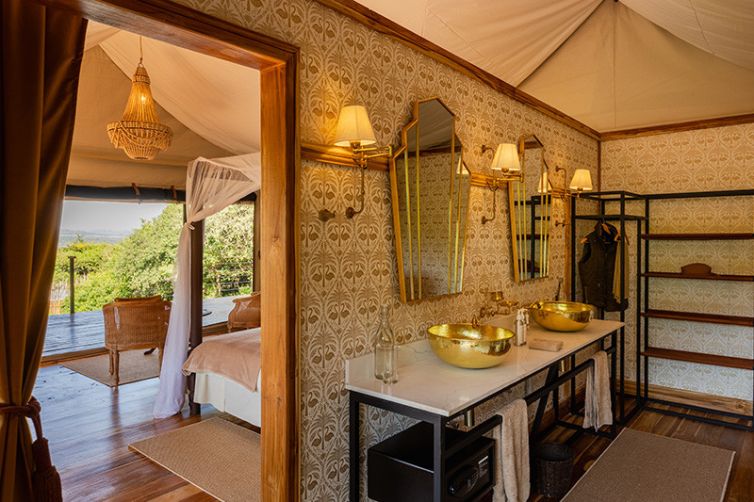
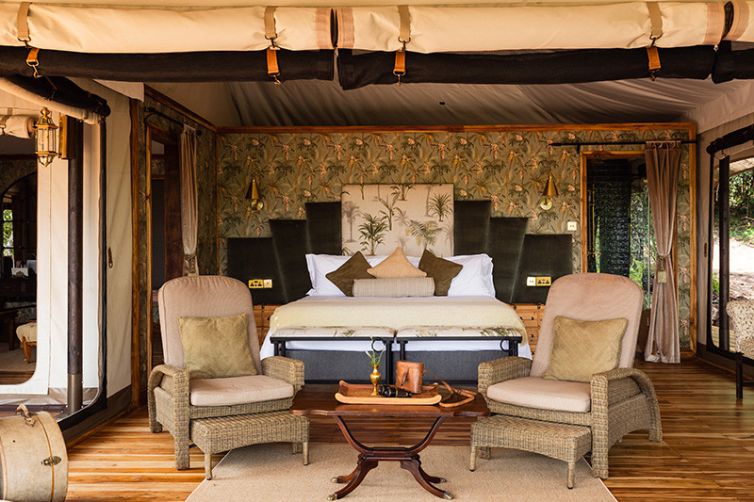
Accommodation consists of 11 luxury tents (five double/twin, four family and two honeymoon luxury tents) which are positioned either side of the central mess tent along the hillside. Each is surrounded by a grass wall for privacy and contains a spacious sleeping tent attached to a brick-built plumbed bathroom with flush toilet, shower and double vanity (hot water is available from 5am to 10pm). Each tent is furnished with comfortable chairs, a day bed (which can be converted into a bed for flexible rooming options), and a writing desk in addition to a verandah which overlooks the valley below. Charging facilities and 24 hour lighting are provided in each tent, and Wi-Fi is available in the guests tents only (limited service). The two luxury Honeymoon tents are situated at either end of the camp and are very spacious with a sofa and have extra wide verandahs.
The four Family Tents are built on to raised wooden decks and each comprise two en suite bedrooms, connecting on to a living area, and there is an outdoor deck with space for outdoor private dining should guests prefer that option.
Run as a separate entity but located close to camp is the highly exclusive five bedroomed Cottar’s Bush Villa.
Central Areas
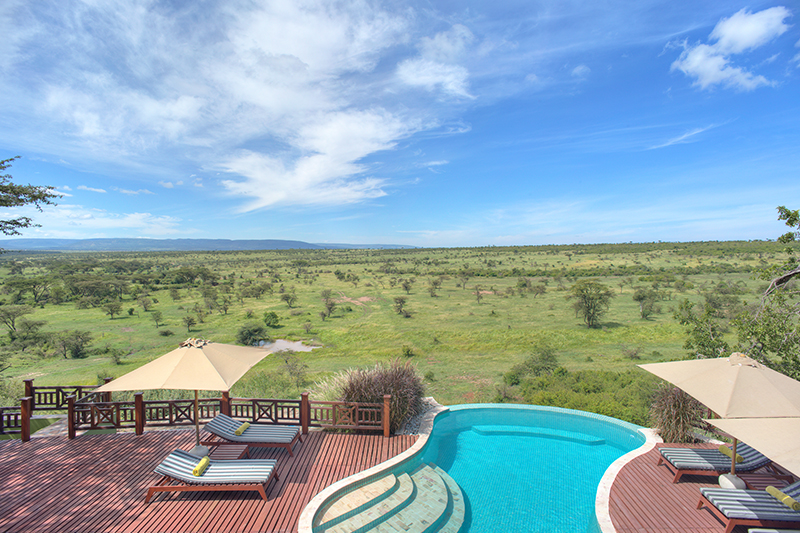
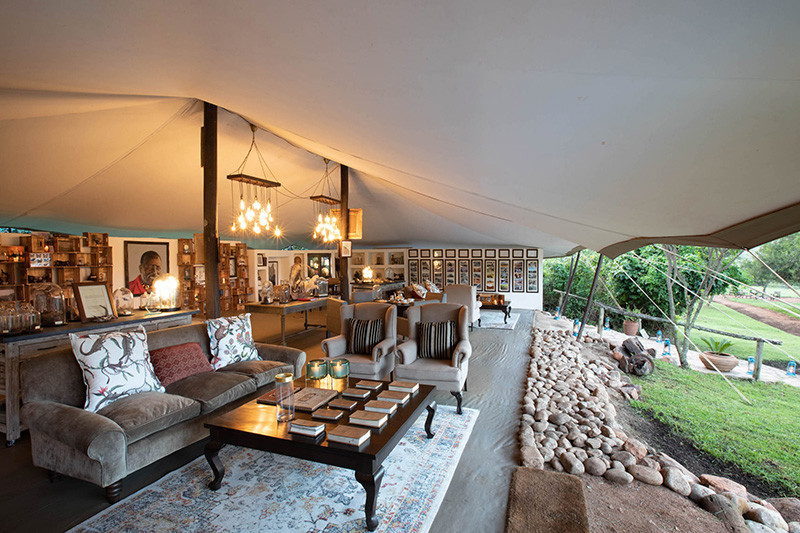
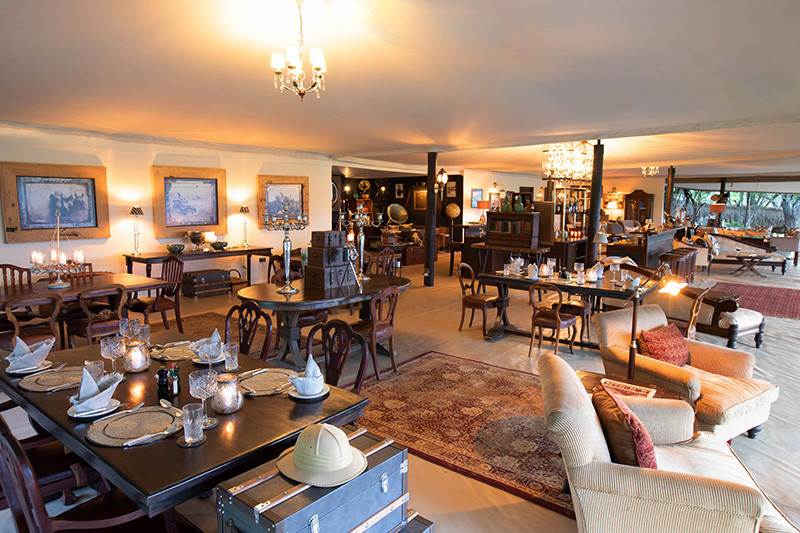
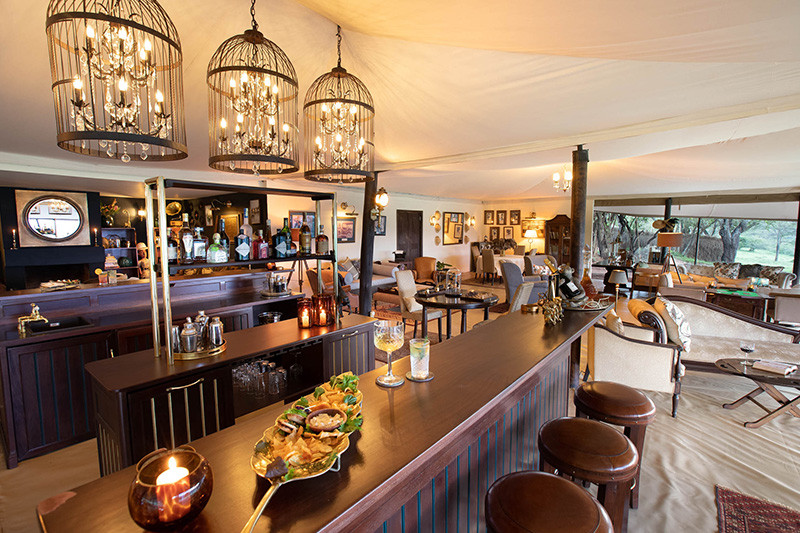
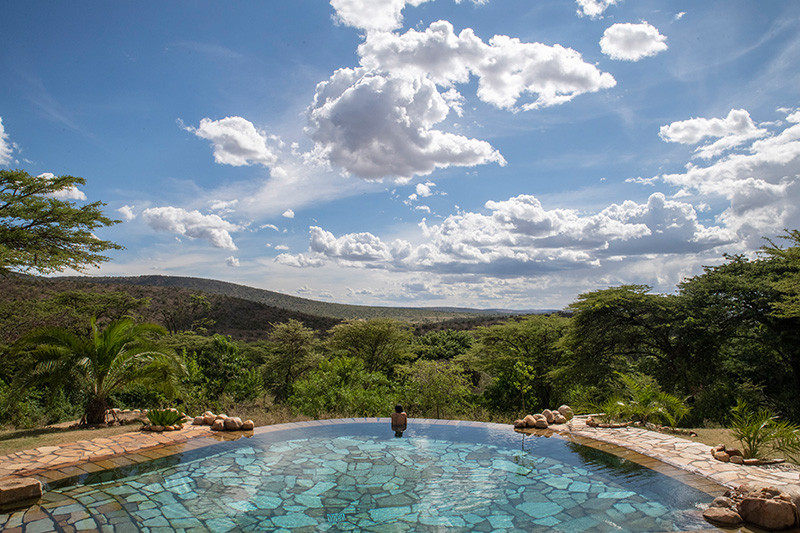
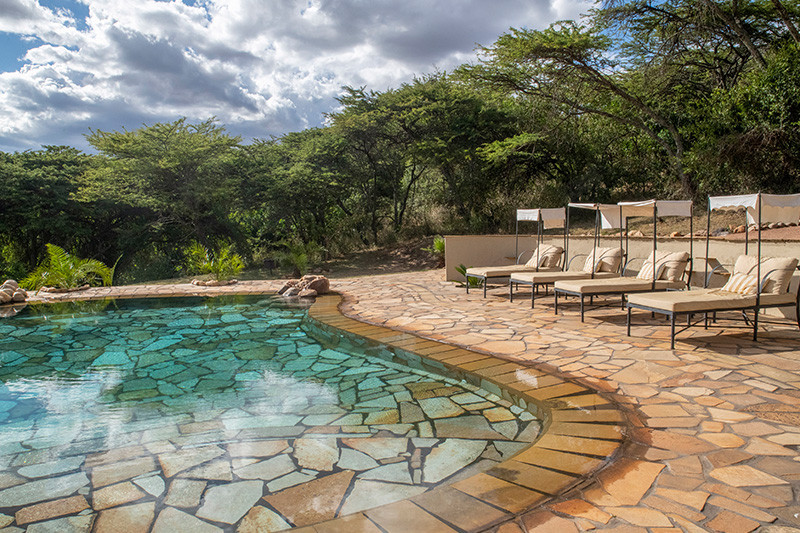
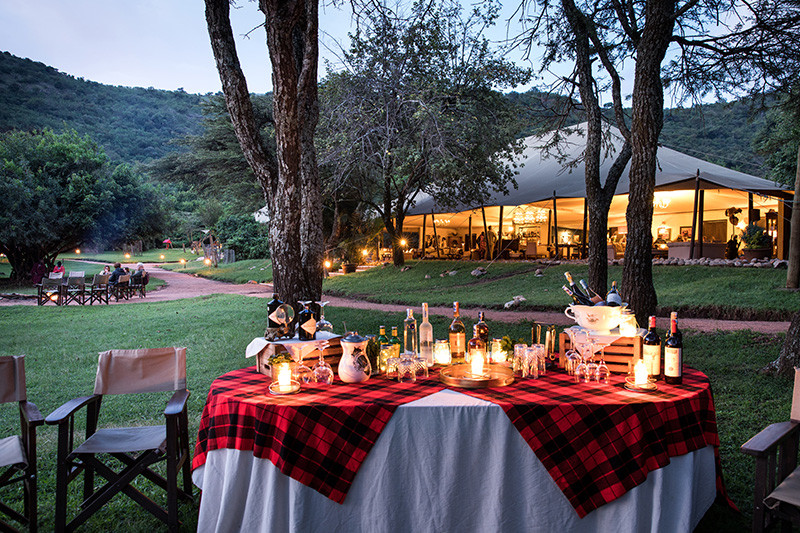
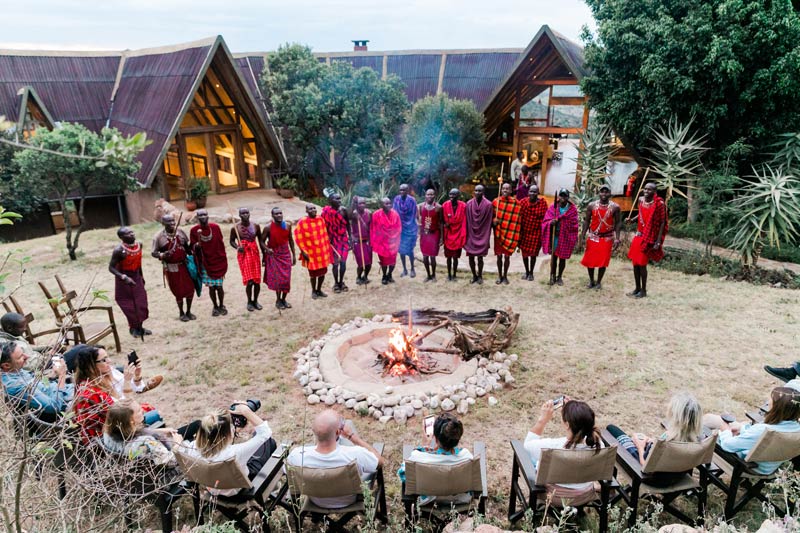
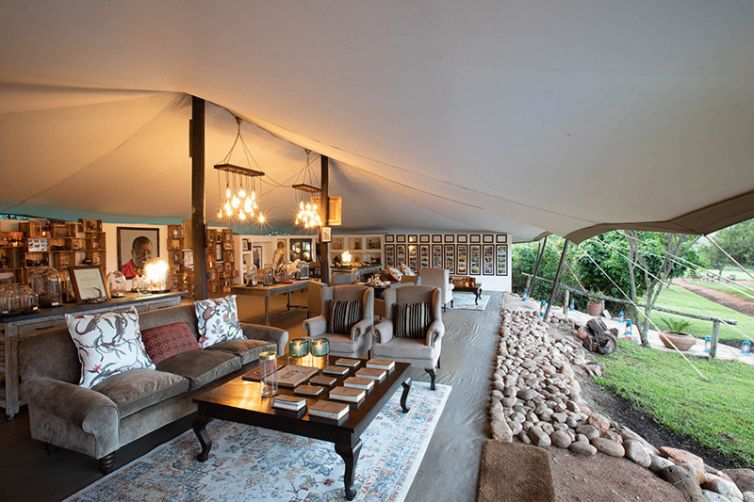
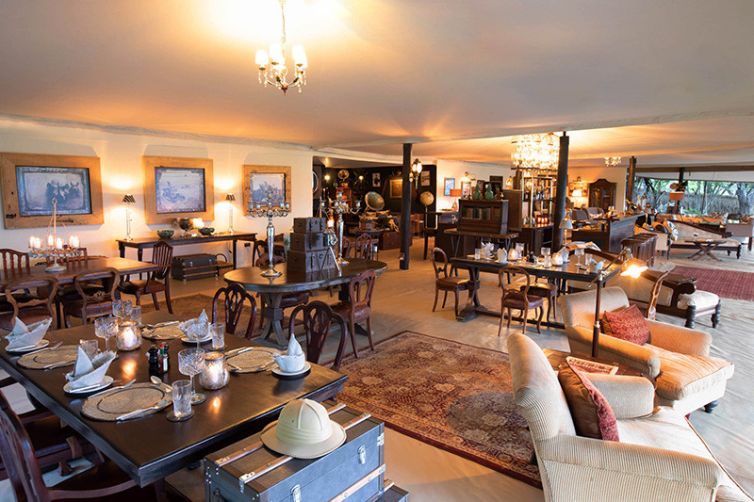
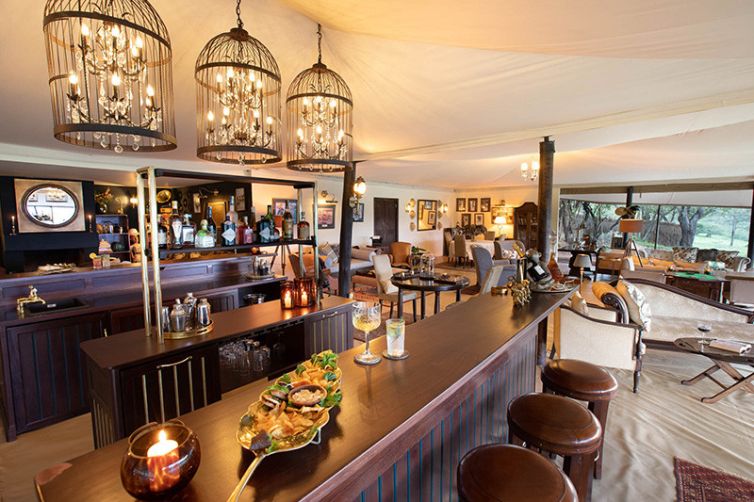
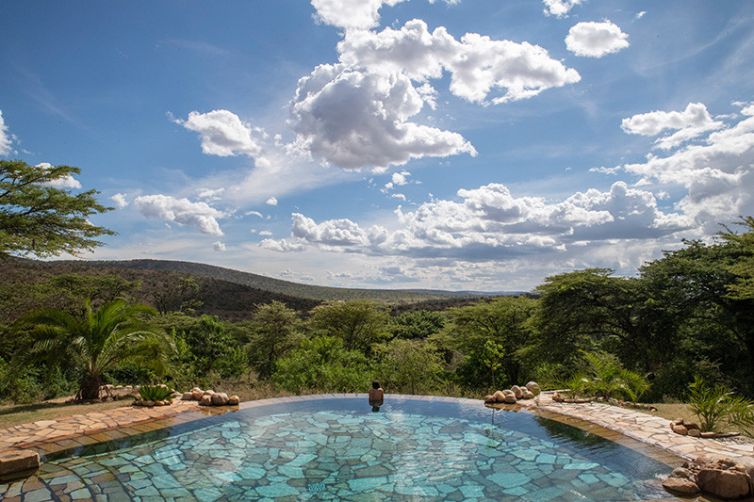
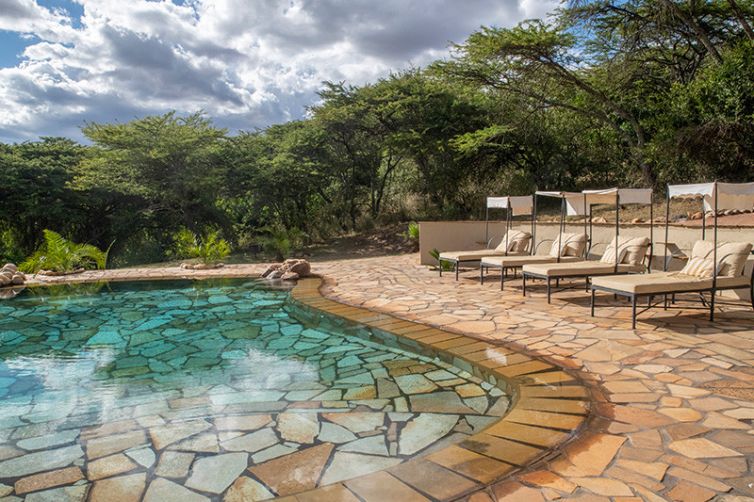
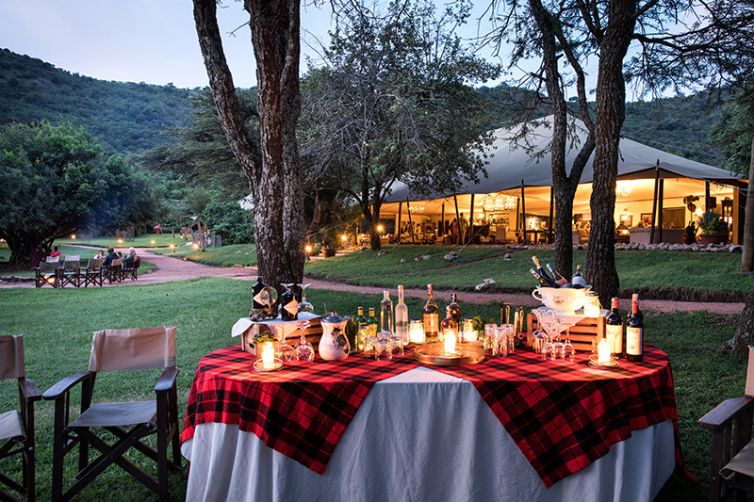
The huge central cream-coloured main mess tent is set on a raised bank, offering fine views out across the Mara. This mess tent contains a dining section, lounge area and bar and is furnished in classic style. Meals can also be taken outside on the verandah or lawn if desired. There is a lovely swimming pool with terrace and sun loungers and there is also a spa tent (treatments at extra cost). The camp also includes an “Explorer’s Tent” which showcases conservation, cultural and community initiatives (see more below) that are relevant to your stay – some time walking around this tent with your guide is always enriching.
Facilities
Wi-Fi – Yes
Power for Charging – Yes
Swimming Pool – Yes
Habitat & Wildlife
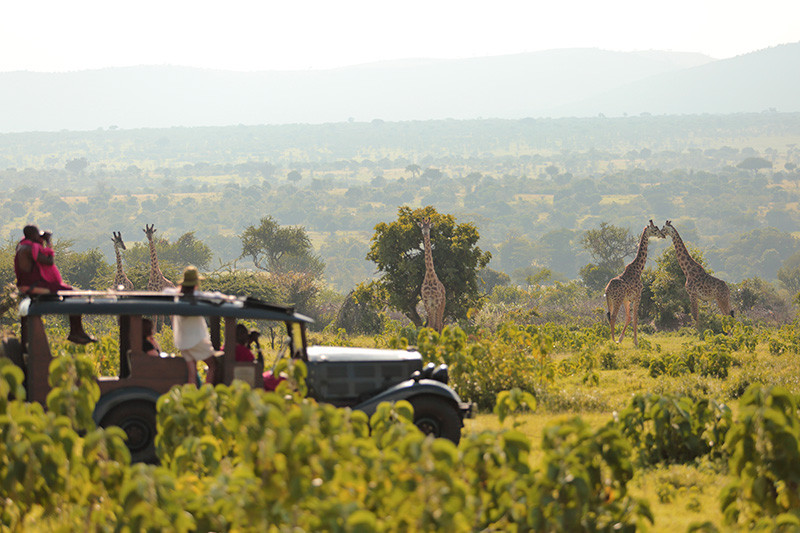
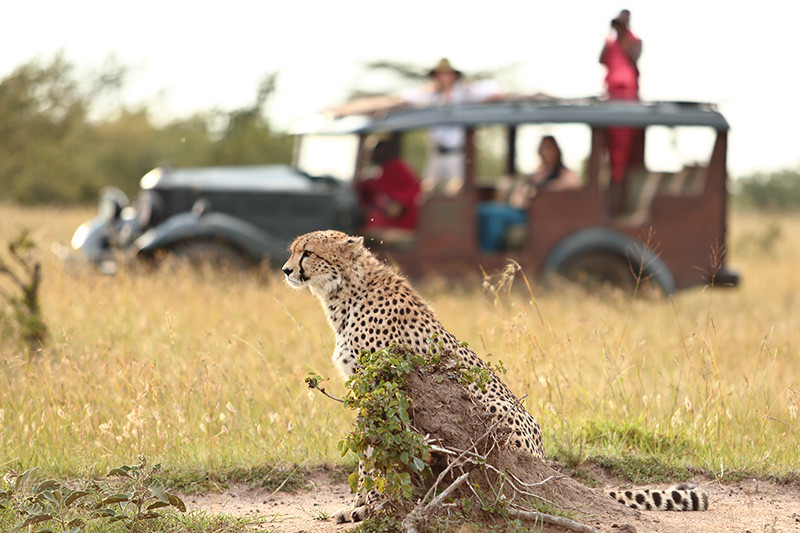
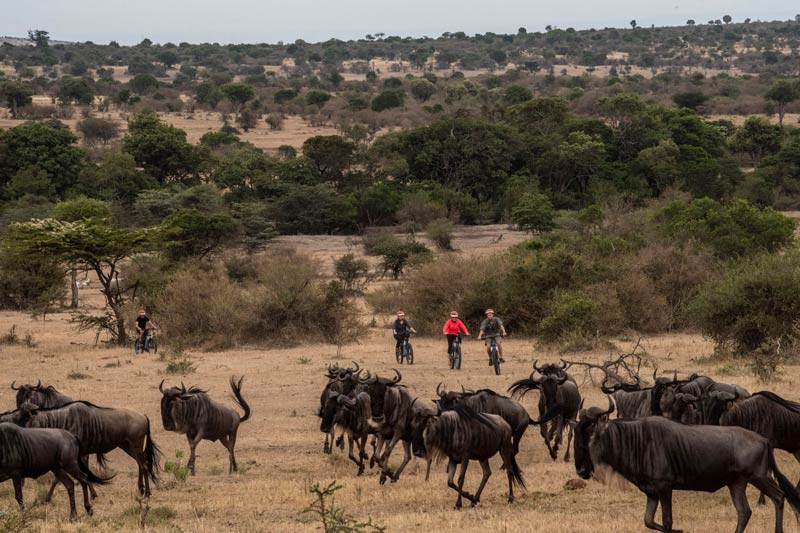
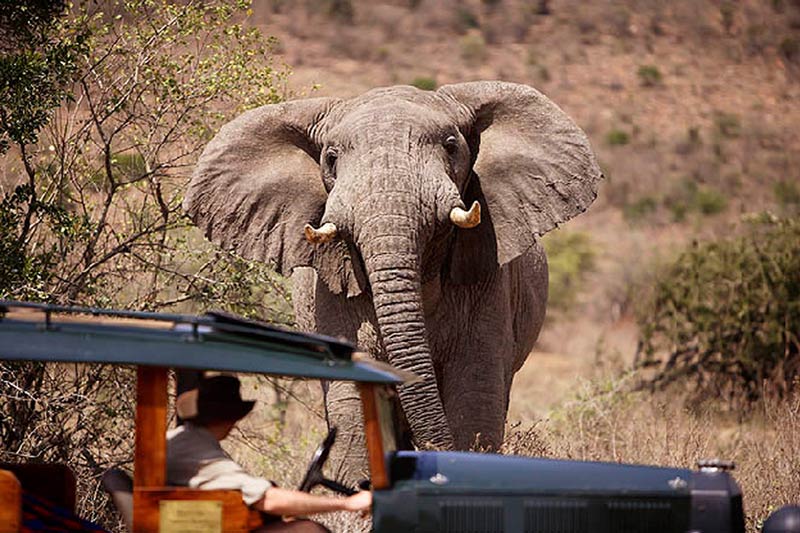
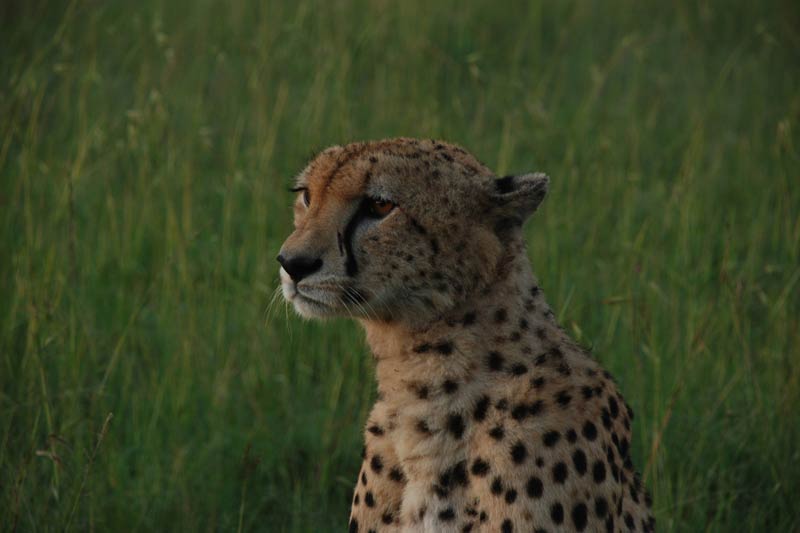
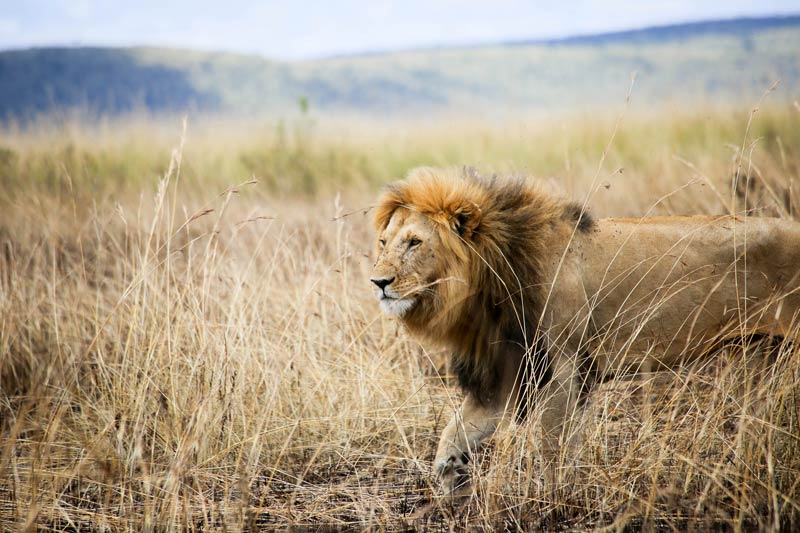
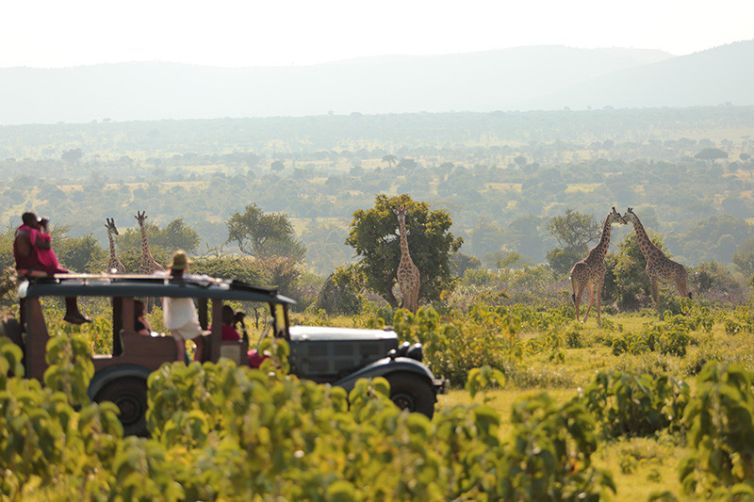
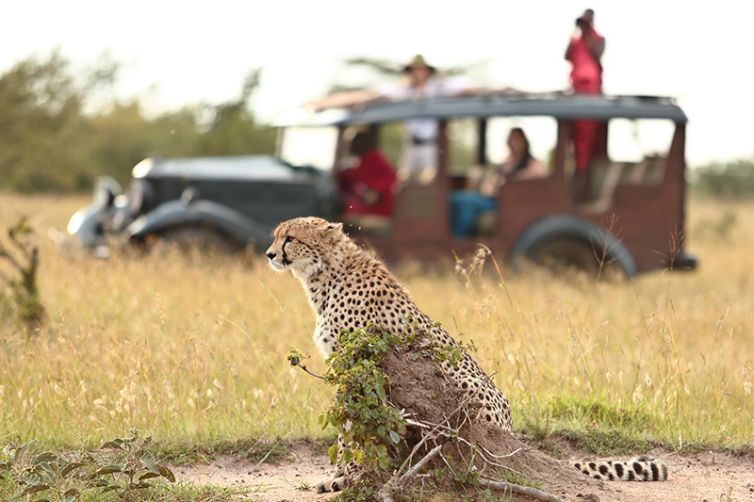
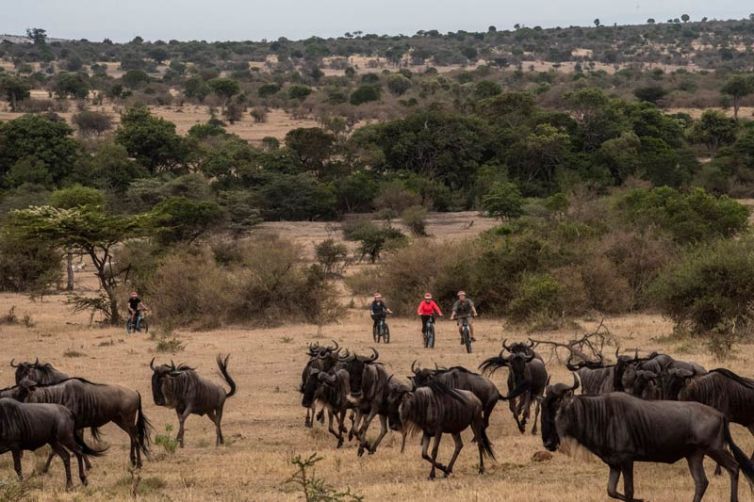
The Masai Mara ecosystem is one of the best game viewing areas in Africa and is especially good for viewing the big cats. Elephants, buffalo, hippo, crocodiles, giraffe, zebra, lion, leopard, cheetah, spotted hyaena, impala, gazelles, eland, waterbuck, topi, jackal and serval are all common and seen regularly. Rhino are found in certain areas, and wild dogs are more transient visitors. The famous wildebeest and zebra migration is usually in residence from mid-July through to mid-October, though the movement of the animals is always somewhat unpredictable. The scenery of the Masai Mara is stunning with open grassland plains intersected by rivers, rocky ridges and pockets of riverine forest. Birdlife is varied and especially good around the riverine woodland areas.
Whilst the official Masai Mara National Reserve can be busy with tourist vehicles in places, especially at river crossings, the private Olderkesi Conservancy (which Cottar’s is on) is an exclusive enclave offering greater flexibility on activities as well as more exclusive game viewing.
Activities
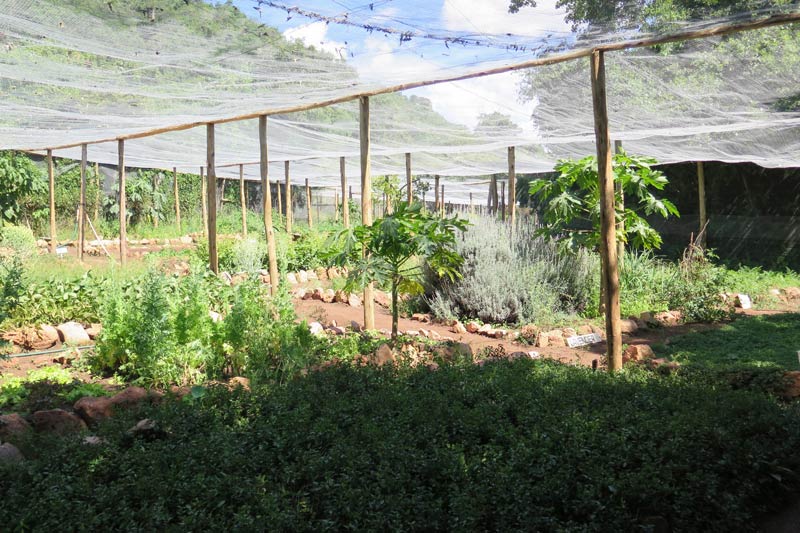
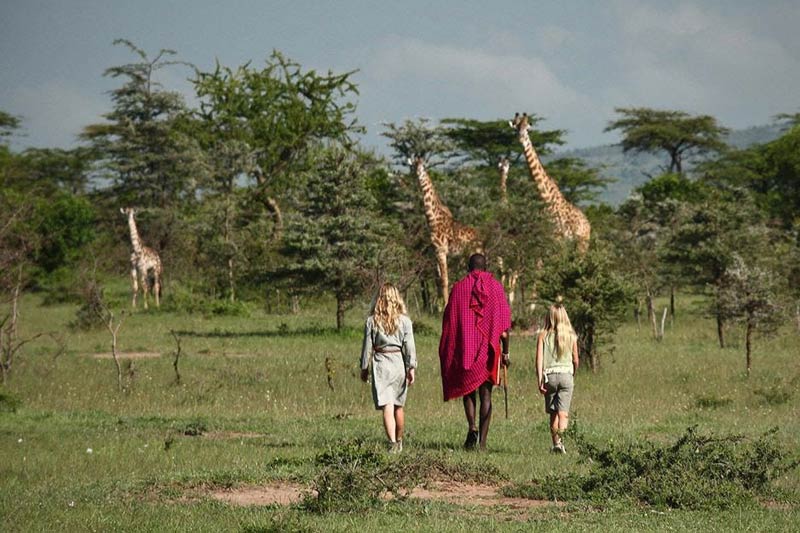
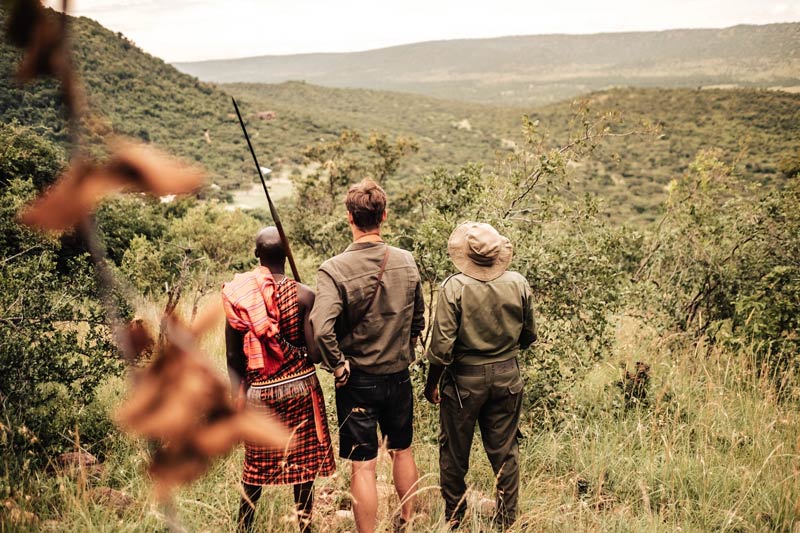
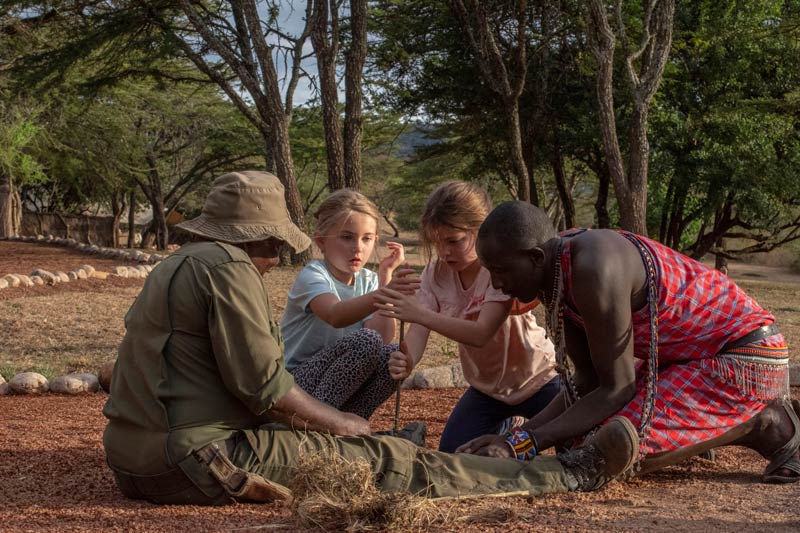
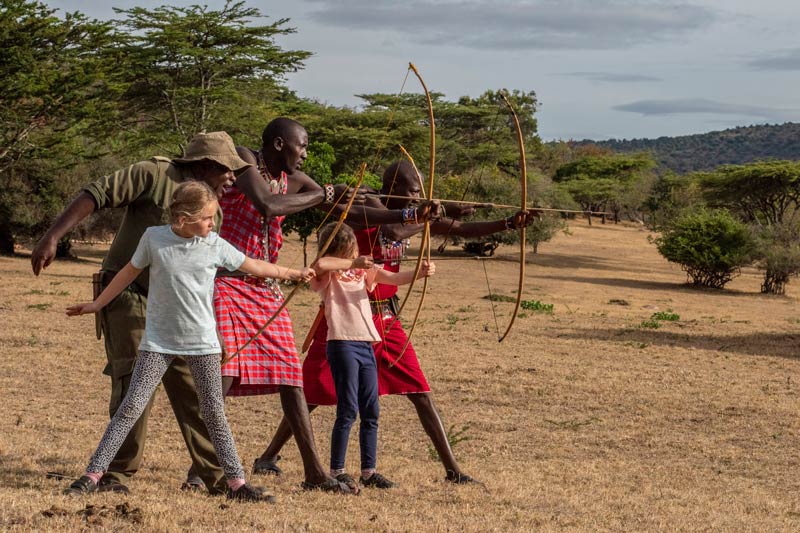
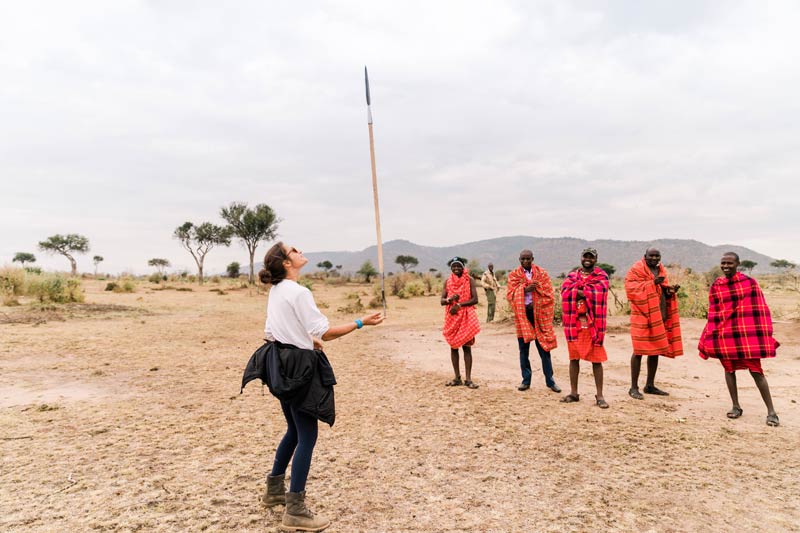
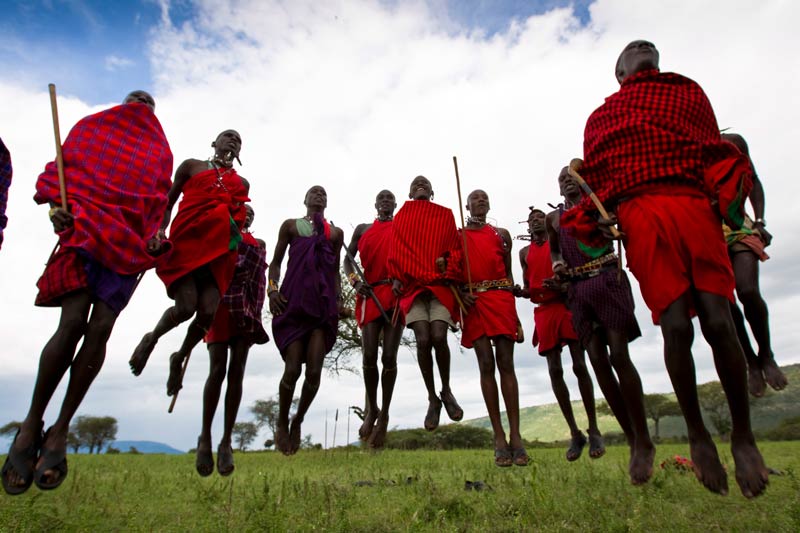
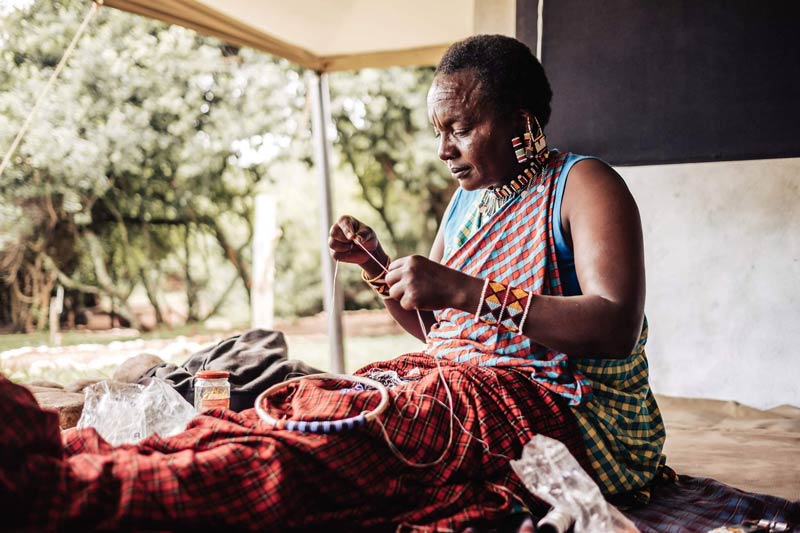
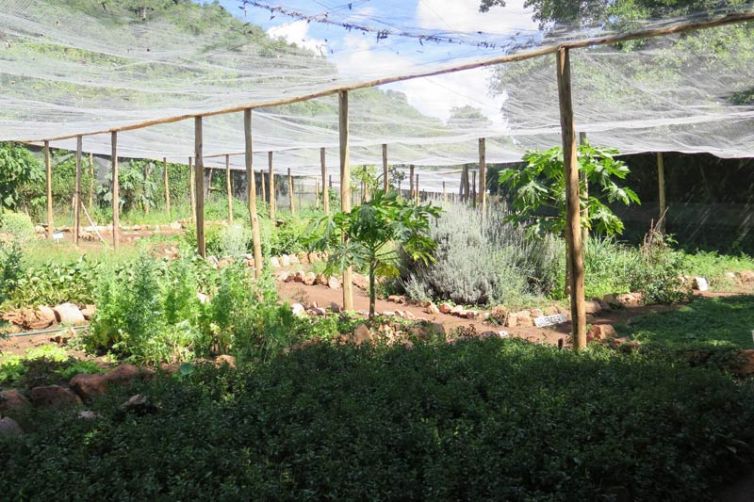
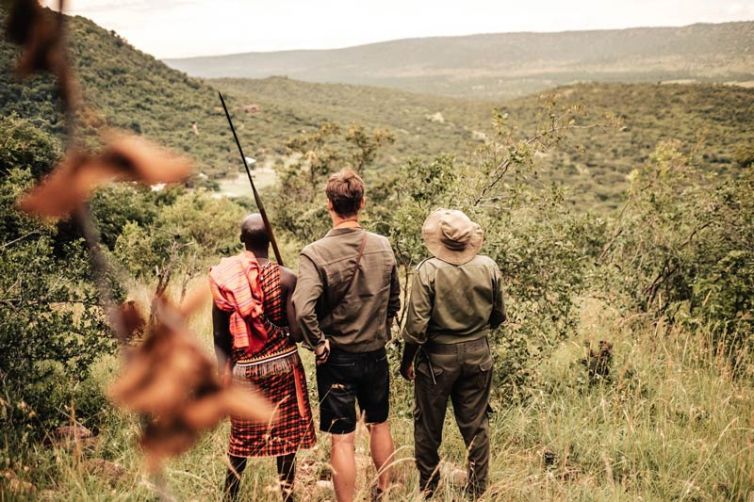
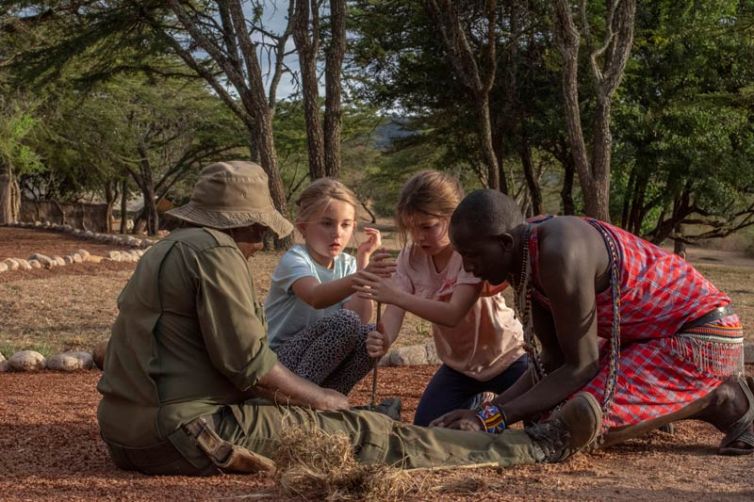
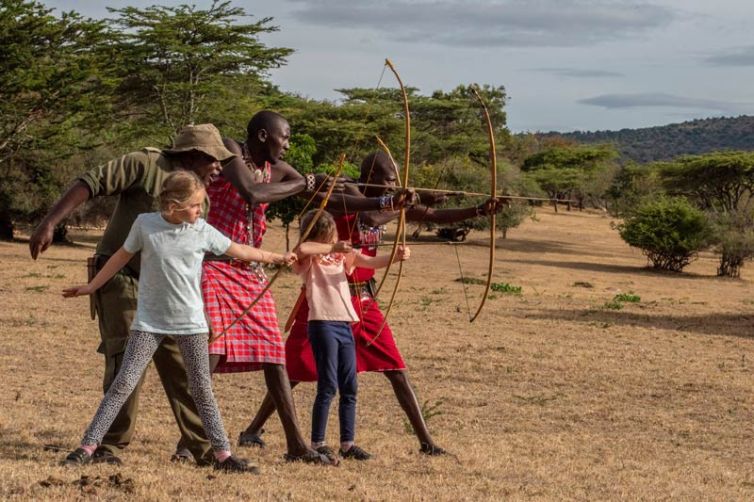
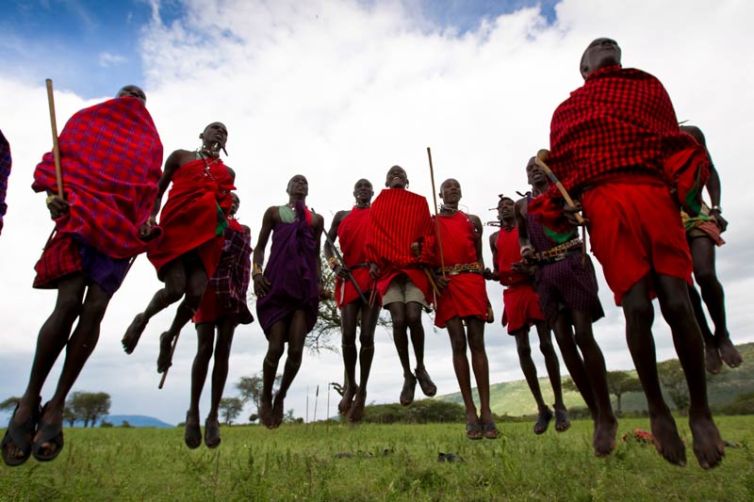
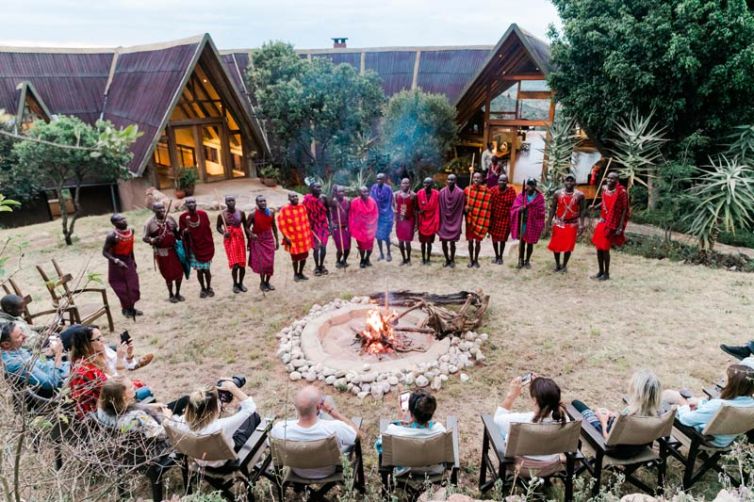
Activities include daytime game drives into the Masai Mara Reserve (half or full day drives with picnic lunch), and walks and night drives on the private Olderkesi Conservancy on which Cottar’s is situated. There is also a waterfall and rock pool on the Sand River where swimming is safe and you can organise a run with a Maasai Warrior or a guided foraging and medicinal walk. For coffee lovers, a camp waiter can brew a coffee tasting session for you. Visits to a local Maasai village, a bead-making session with local Maasai Mamma Naishuru and hot air ballooning can also be arranged at extra cost.
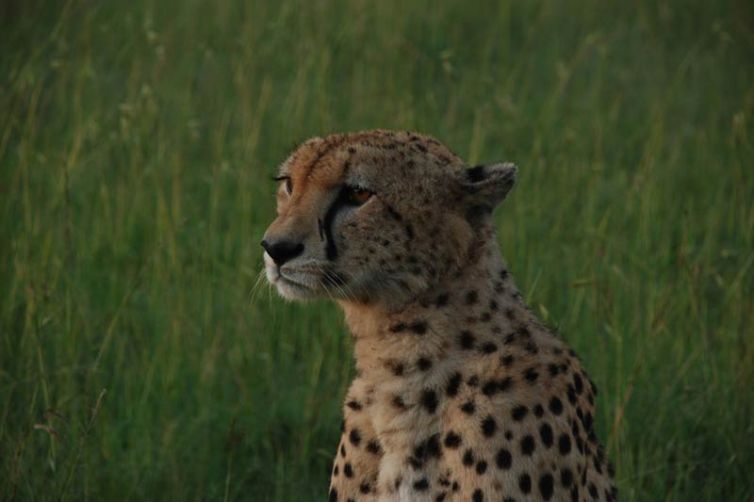
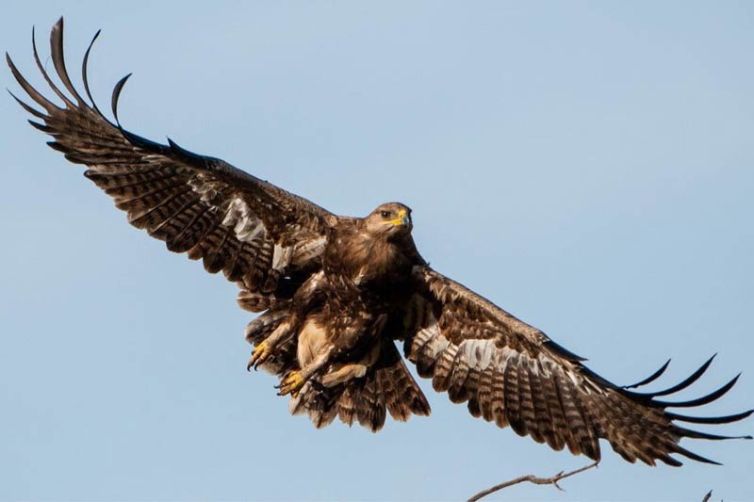
There are also a range of activities that give guests the opportunity to engage with and have an impact on local community and conservation projects, many of which are supported and operated by the Cottar’s Wildlife Conservation Trust. These include spending time learning with the only all-female conservation unit in the Maasai Mara, learning about vulture rehabilitation, taking a foraging walk to learn about medicinal properties of the local flora, participating in a reforestation seed disbursal bushwalk experience, a half-day experience including helicopter flight with the Mara Elephant Project, a tour of the community-owned conservancy to learn about its importance, and a cheetah educational experience. Some of these activities involve extra costs and need to be pre-booked.
Seasons
Cottar’s 1920s Camp is open all year but it is ideally best to avoid the rainy seasons in April, May and November. The wildebeest migration is usually in residence in the Mara between mid-July and mid-October.
Cottar’s 1920s main camp luxury family tents offer some of the best family accommodation in the Masai Mara. These two bedroomed suites allow families with young children to stay ‘under one roof’ but are also large enough to accommodate families with teenage children. The swimming pool is located close to the family suites which is ideal. Guiding is very good and the range of activities, including conservation and culture-led activities, is an added bonus, creating a varied experience for families. For exclusive groups looking for the ultimate private escape, there is also the five bedroomed Cottar’s Bush Villa nearby which can cater for private groups of up to 15 guests (depending on the ages of the children). Fundamentally, the Masai Mara is an amazing game viewing venue for families, whilst also offering cultural insights.
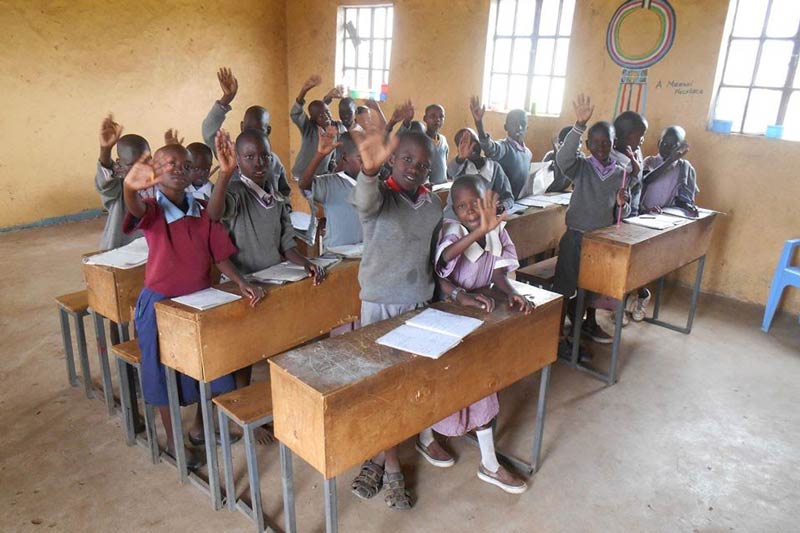
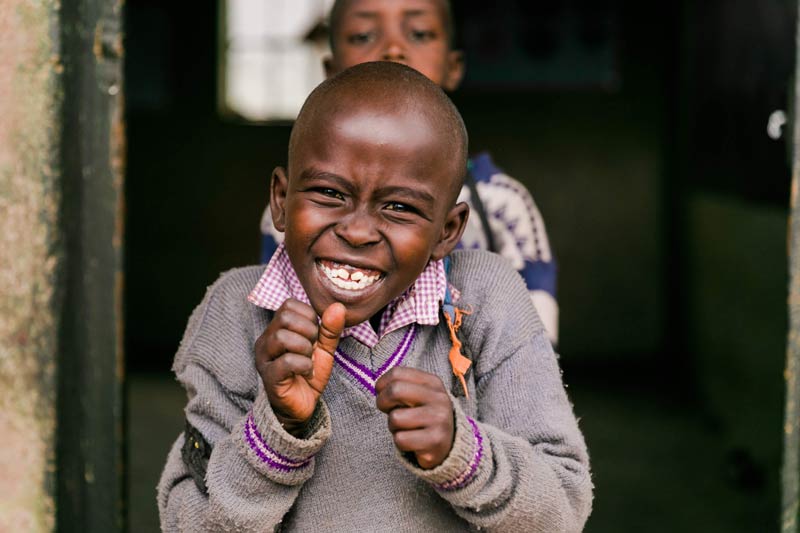
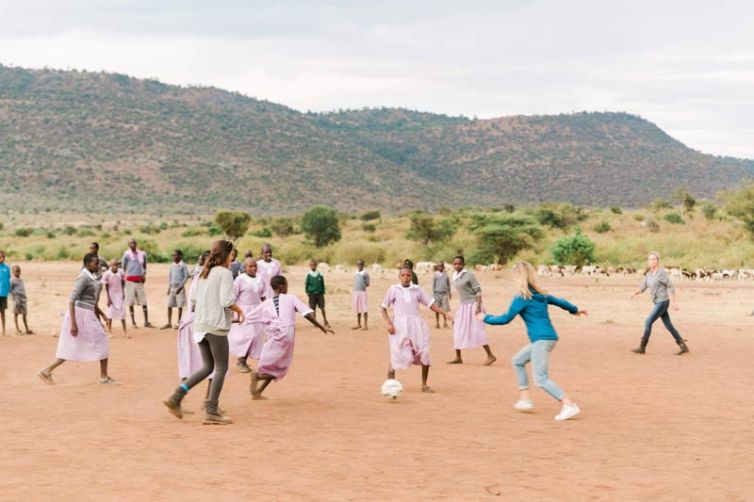
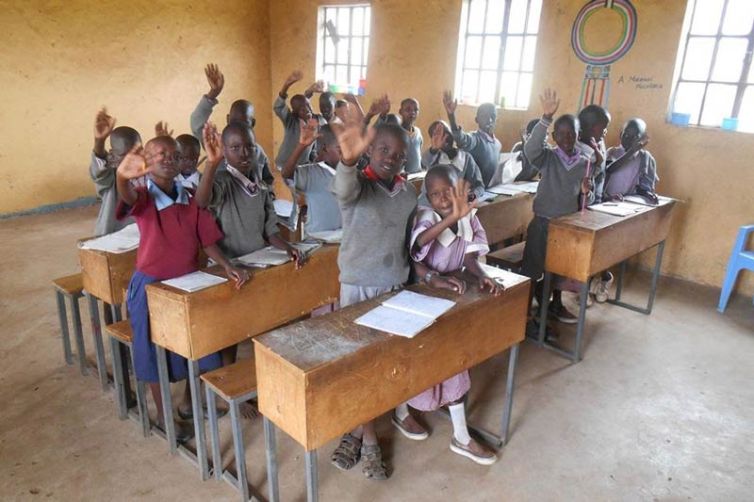
Cottar’s Wildlife Conservation Trust (CWCT) was set up to support conservation, community, culture and commerce on the Maasai owned Olderkesi Conservancy. CWCT has provided medical services, installed radio communication networks, built water troughs for cattle and assisted in the protection of local cedar forests. They helped to open a local school by building one classroom for 40 children and now some 400 children between five and twelve years attend the school, with CWCT providing salaries for the teachers, a school feeding programme and water supply.
CWCT leases the Olderseki Conservancy land from the 6000 Maasai landowners who in return do not farm or settle on the land, aiming to reduce the community and wildlife conflict and allowing the area to become a safe passage for wildlife.
The ‘Dapper Flapper Shop’ at Cottar’s sells many of products which are 100% Kenyan and they work with their local Maasai communities to create hand crafted beaded pieces. They also support various fair trade projects from throughout Africa.
Cottar’s reduce the wastage of plastic bottles by using a reverse osmosis water filtration system and provide guests with refillable bottles.
Cottar’s 1920s Camp has been awarded Global Ecosphere Retreat status by The Long Run, achieving the organisation’s most advanced sustainability standard, showing tangible dedication to positive impact nature-based tourism, a commitment to sustainability best practices and significant contribution to the well-being of both people and planet.