

WHY ZAMBIA’S LOWER ZAMBEZI IS SO SPECIAL
Lower Zambezi National Park is one of my favourite places in Africa. Located in eastern Zambia, on the northern banks of the mighty Zambezi River, there are several reasons why it offers such a special experience.
Firstly, the landscape is visually stunning. The Zambezi River is naturally a major influence on the park, and the many islands, channels and sandbanks create an intriguing and beautiful backdrop to a range of activities. The channels that snake inland through majestic woodlands offer an almost ethereal beauty which seems pleasantly out of place during southern Africa’s harsh dry season.
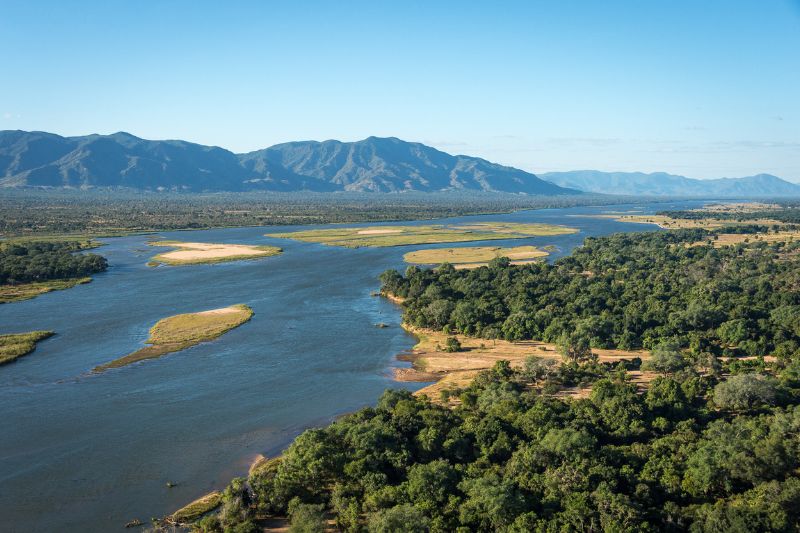
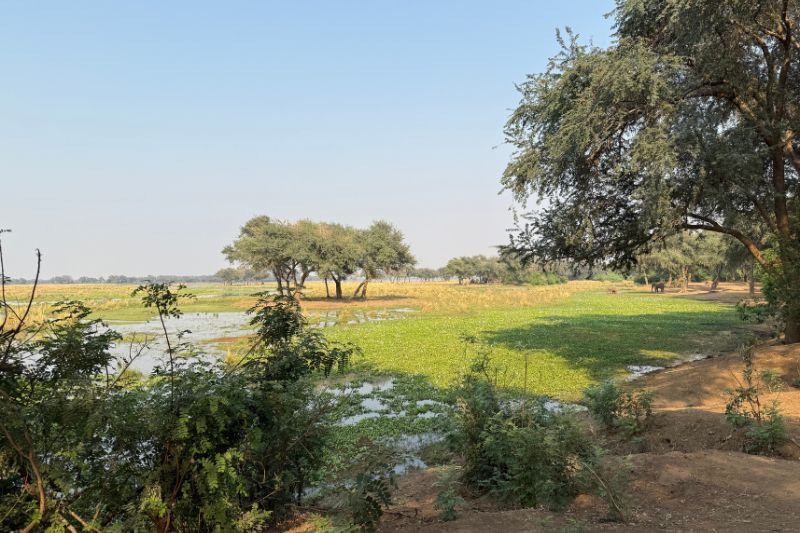
The habitat of the park varies from seasonal flood plain and riverine thickets to mature woodland which stretches away from the river. Whilst slightly less attractive mopane and miombo woodland is found in patches towards the impressive Zambezi escarpment which towers over the park to the north, the park is known for its incredible winter thorn forest which covers a wide area in the central section of the park. These picturesque winter thorn woodlands create a unique wildlife setting and are a popular destination for wildlife photographers.
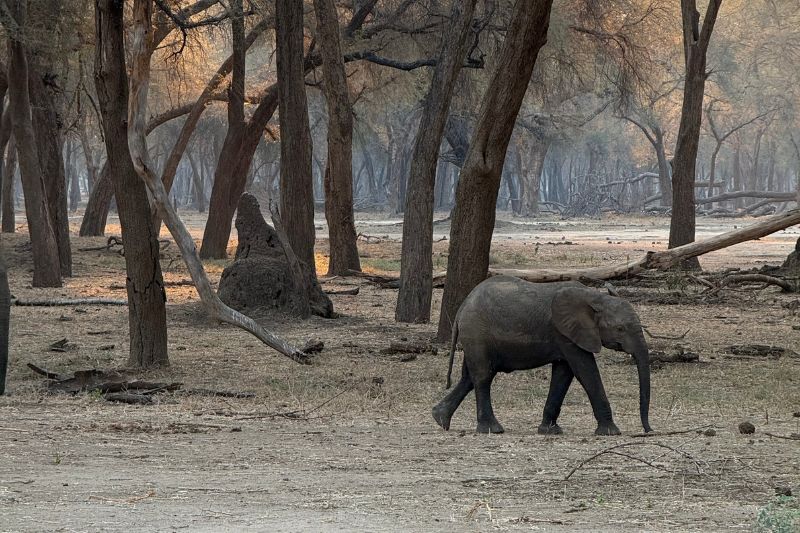
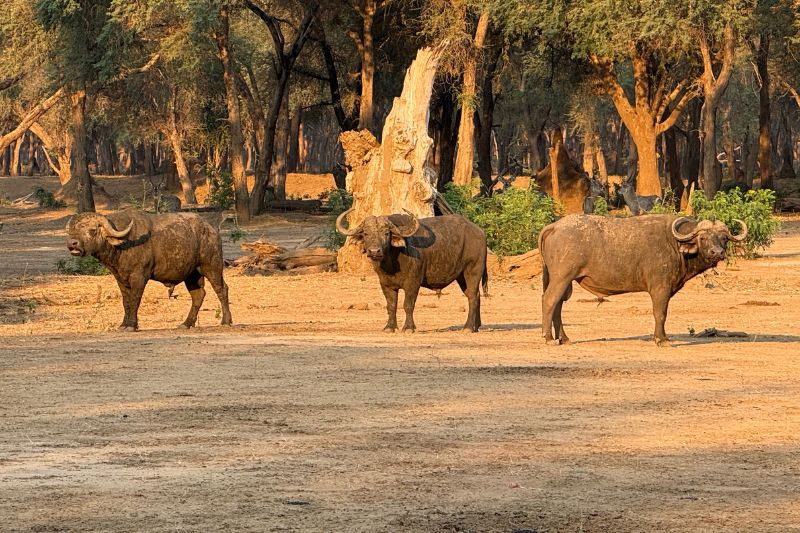
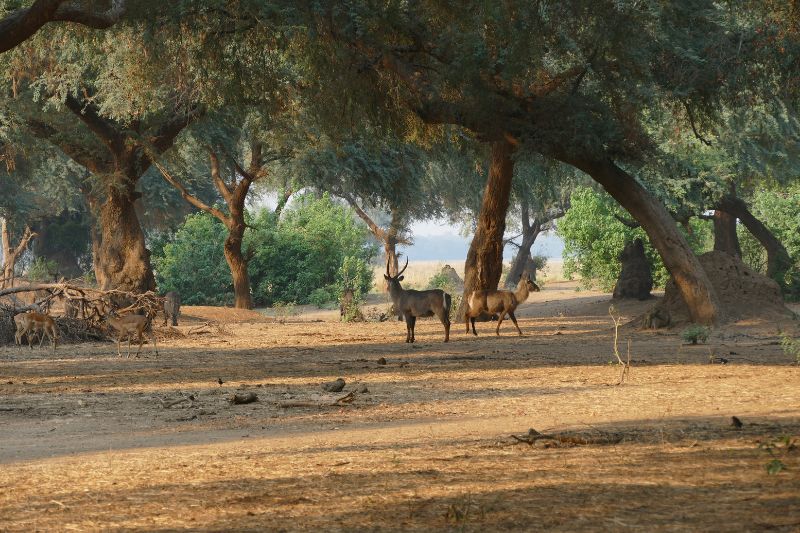
Lower Zambezi is not, however, just a wonderfully scenic and gorgeous place to explore. The wildlife viewing is incredible and there is a wide range of activities to enjoy. I particularly enjoy the combination of water activities, walking and night drives. Although you will inevitably see a few other vehicles in the core areas, the park also offers a very exclusive safari experience. Lower Zambezi has a very relaxed, authentic feel, slightly ‘lost in time’, which is attractive. There is still an element of ‘adventure’ to be had, and it is common for animals to wander through camps, which I love.
Staying Chula Island Camp recently, I arrived for afternoon tea to be shown a leopard walking across the flood plain in front of camp that had just sauntered 20 metres in front of another guest tent while the guests sat and watched from their verandah. Magical! Lower Zambezi is somewhere you go to ‘be’ in the bush, not just to ‘see’ some animals. Our YouTube film The Lower Zambezi – Africa’s Secret Paradise includes more footage of my recent trip.
GAME VIEWING IN LOWER ZAMBEZI NATIONAL PARK
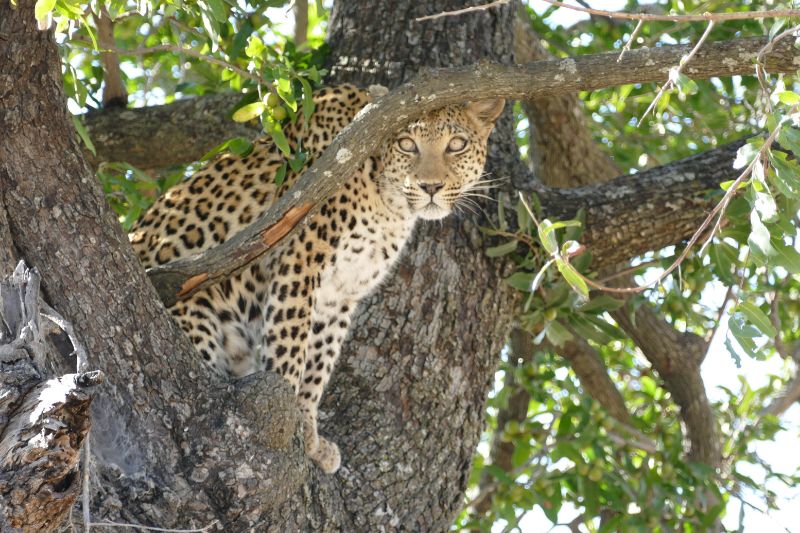
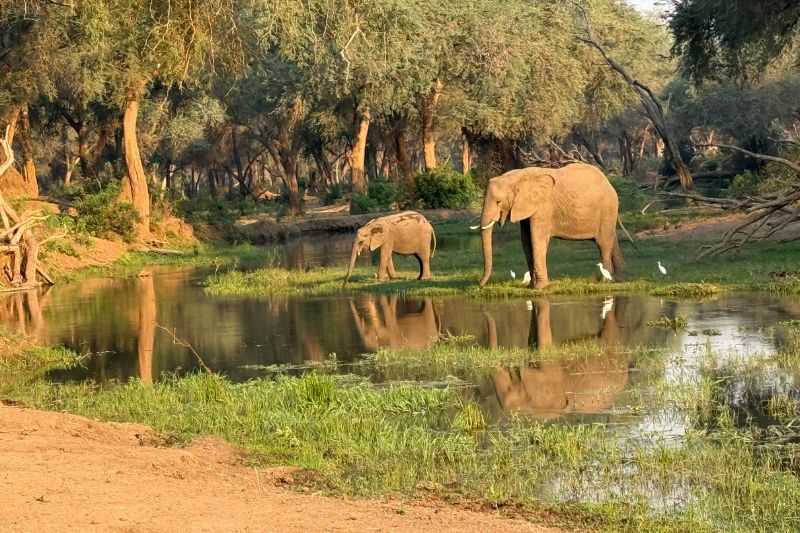
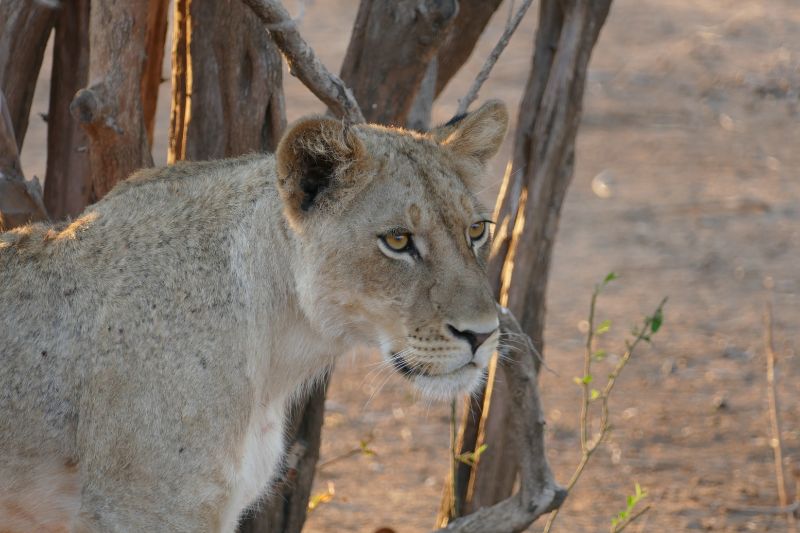
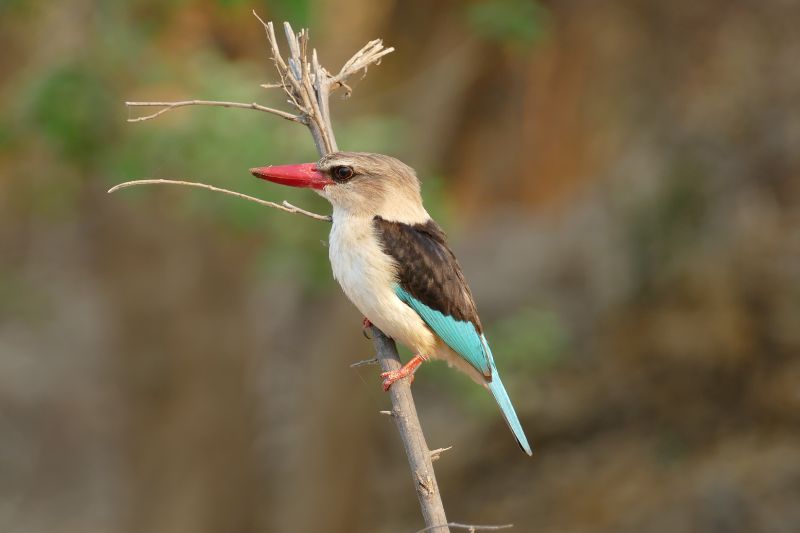
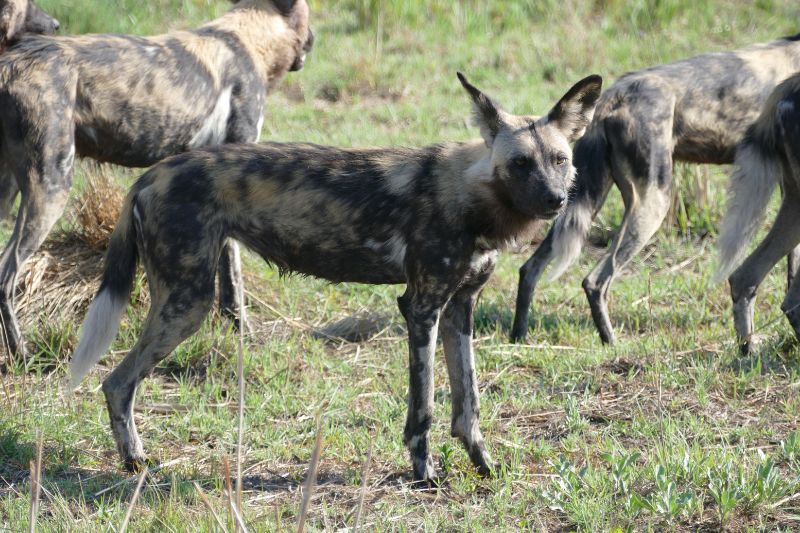
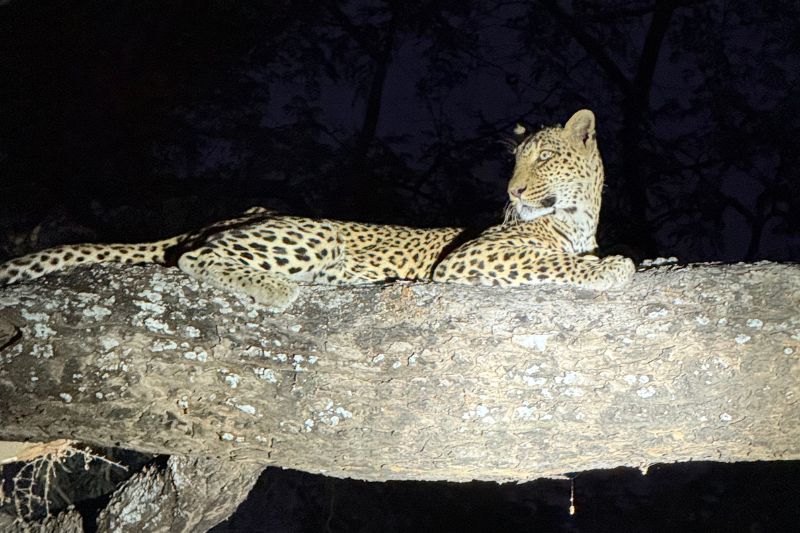
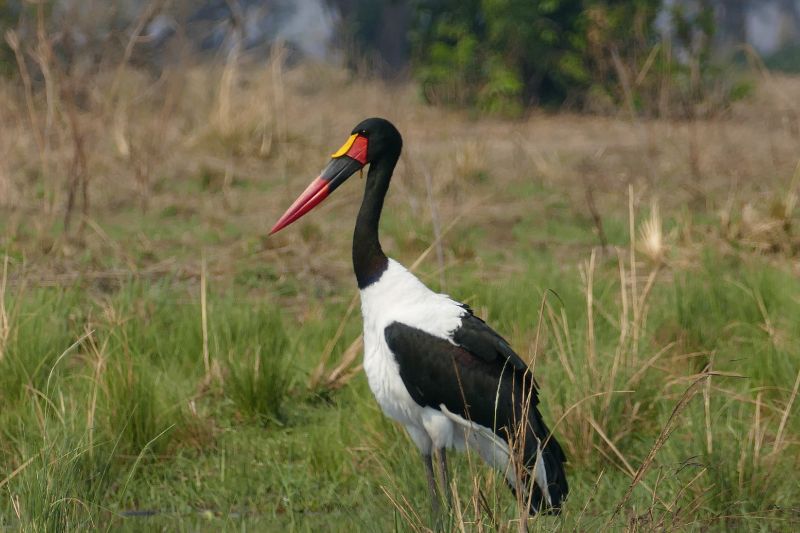
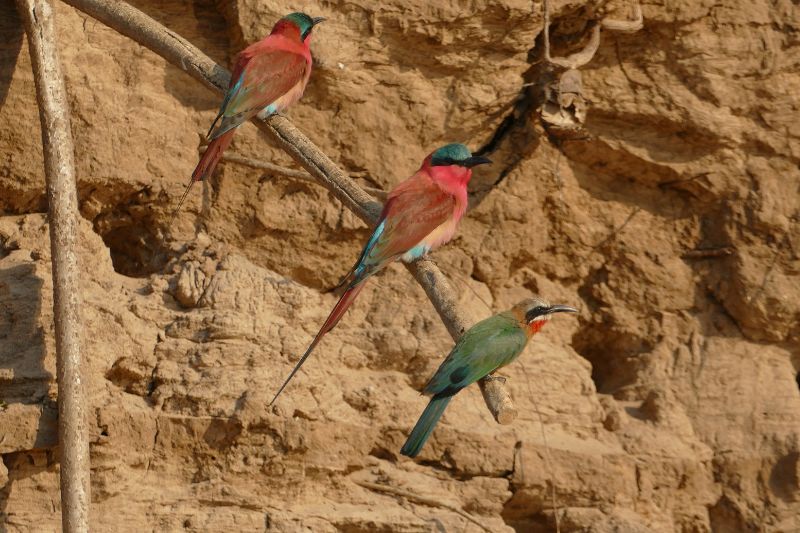
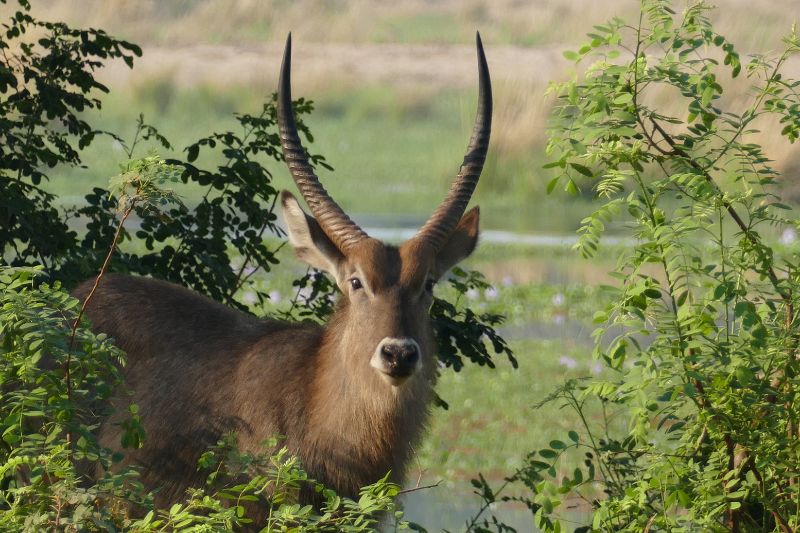
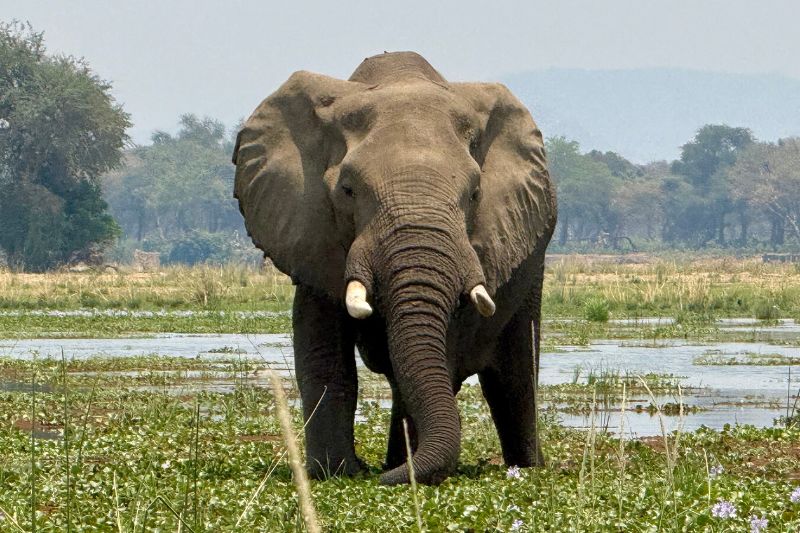
The Zambezi River is a major focus for wildlife viewing and during the dry season months you can’t move far along the riverine drives without encountering elephant, hippo, buffalo, crocodile and various other species such as baboon, waterbuck, kudu and impala. The birdlife is excellent, with water and woodland species abundant, and towards the end of the dry season (late August to October) it is possible to witness white-fronted and carmine bee-eaters nesting in the sandy river banks. There are good lion populations, and wild dog sightings have been superb over the past 10 years. However, it is the leopards that often steal the show, whether lounging in a sausage tree, stalking prey on the flood plain or prowling through camp at night. There are also some key species which are not present in Lower Zambezi National Park – notably rhino, cheetah and giraffe.
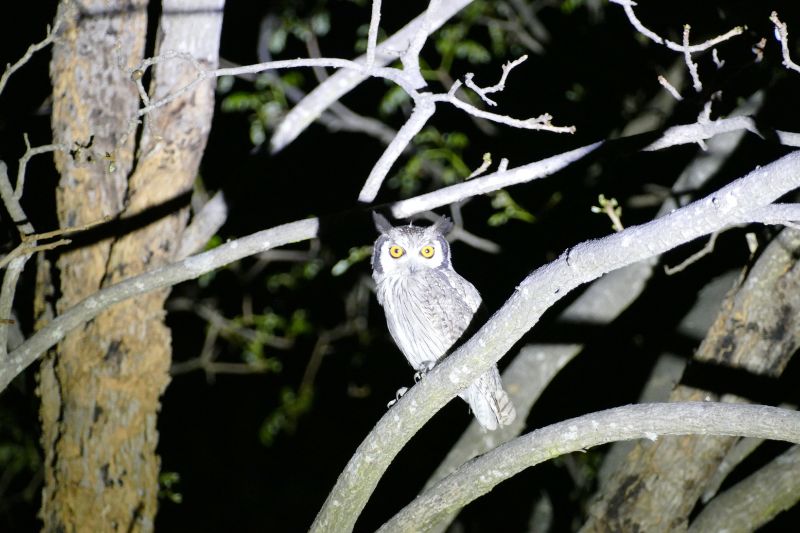
Night drives are especially productive in the Lower Zambezi. In addition to lion and leopard sightings, a range of nocturnal species can be encountered, including genet, white-tailed mongoose, civet, honey badger, porcupine, spotted hyena and aardvark. In recent years the winter thorn woodlands have become one of the best places in Africa to view aardvark. If you are exceptionally lucky, you might also encounter a serval, African wild cat or the highly elusive pangolin.
BOAT SAFARIS AND FISHING ON THE ZAMBEZI RIVER
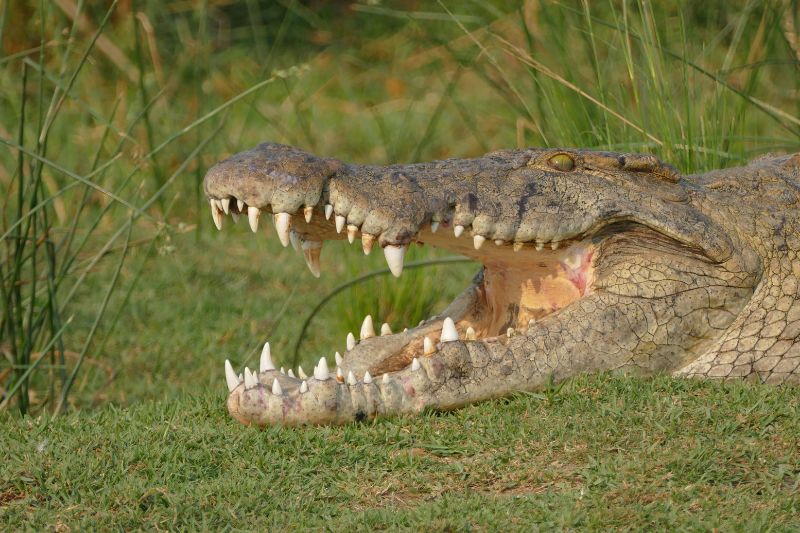
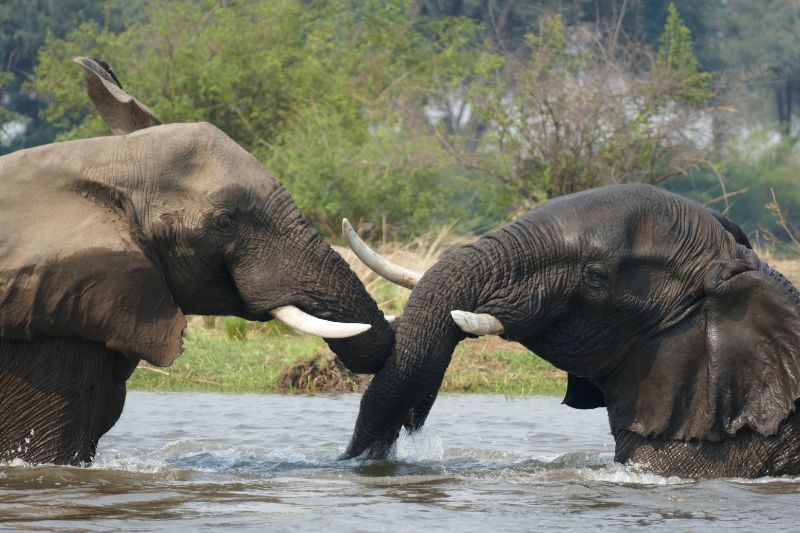
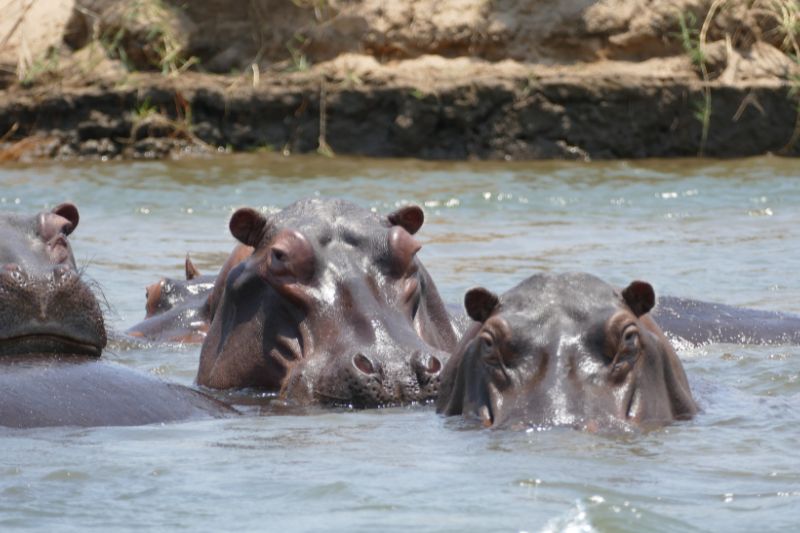
There is no doubt that the Zambezi River is a huge part of the Lower Zambezi experience. Boating safaris offer a different wildlife viewing perspective – arguably more relaxing than vehicle safaris and excellent for getting close to wildlife that is most drawn to the river. The Zambezi River is full of hippo and crocs (including impressively sized individuals); during the dry season elephants are numerous on the flood plains and islands and can often be seen wading or swimming to reach fresh pastures; and the birdlife is amazing.
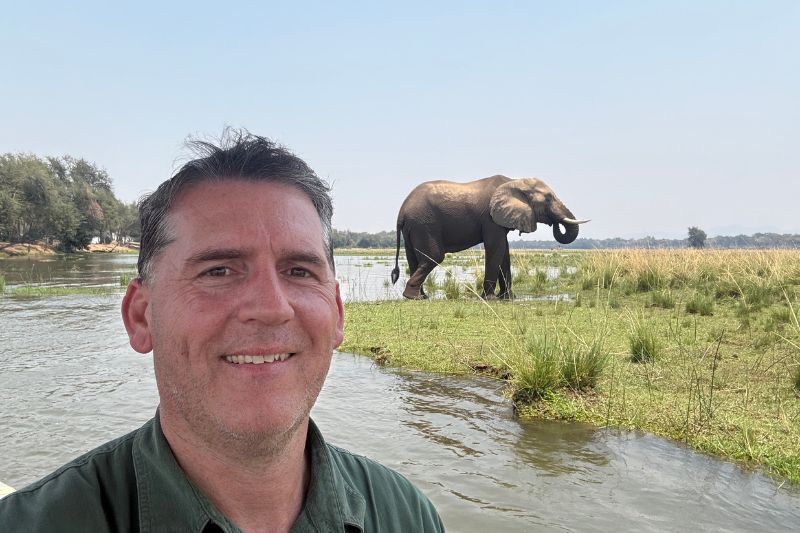
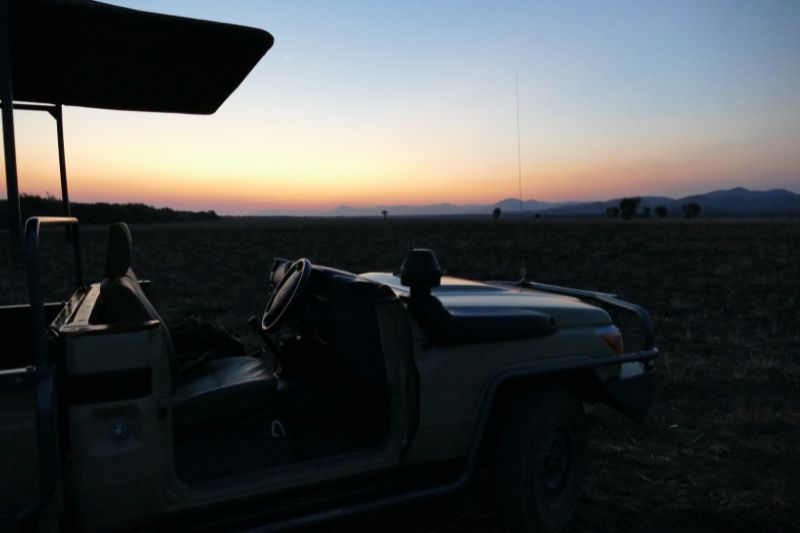
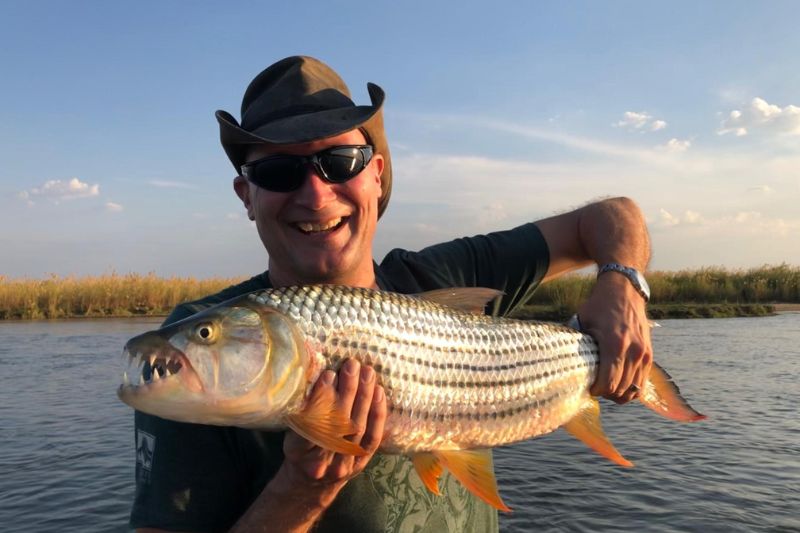
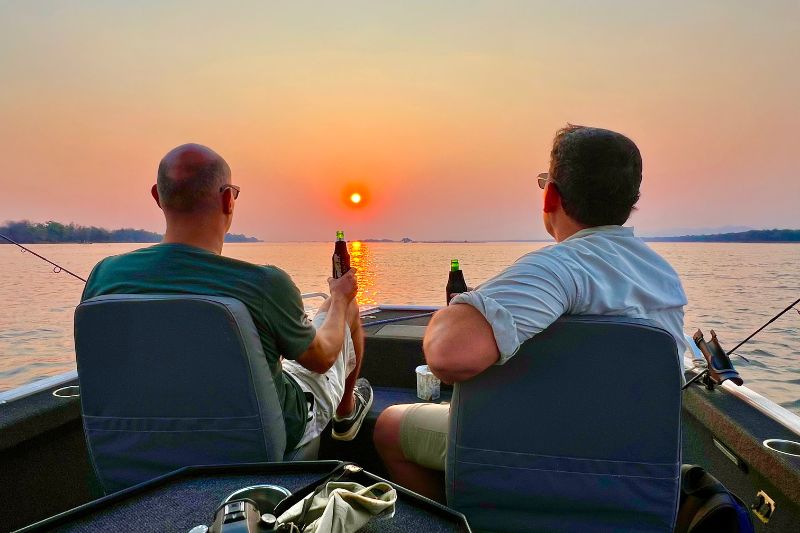
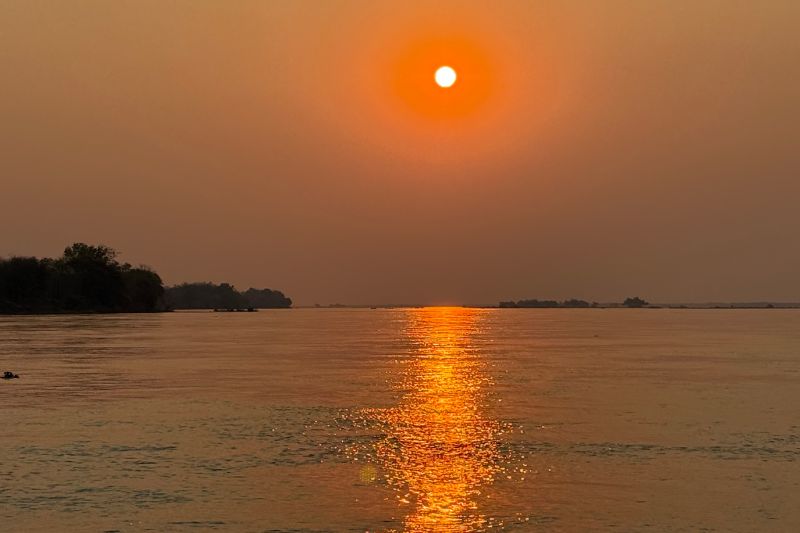
Fishing is also widely available, though best from September onwards, when the beautiful but fierce tiger fish is the main target. Sunrise and sunset on the river are stunning; with the river flowing west to east, and the Zimbabwean side of the river to the south being occupied by Mana Pools National Park and the Sapi Reserve, you have 360 degrees of prime African wilderness around you. This is where I would end my ‘perfect day in Africa’, sitting on a boat on the Zambezi, with a fishing rod in one hand and a cold drink in the other, watching the sun set behind silhouetted elephants while hippos squabble and flocks of birds fly overhead to roost. Happy place.
CANOEING THE DISCOVERY CHANNEL
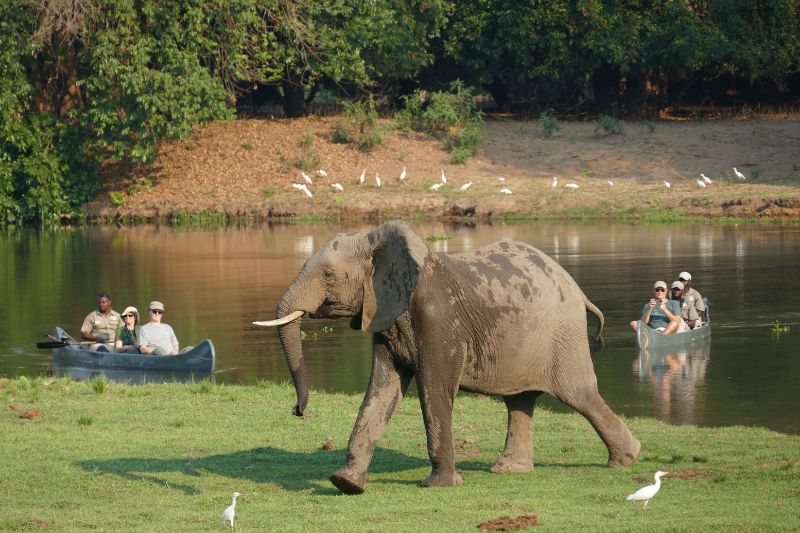
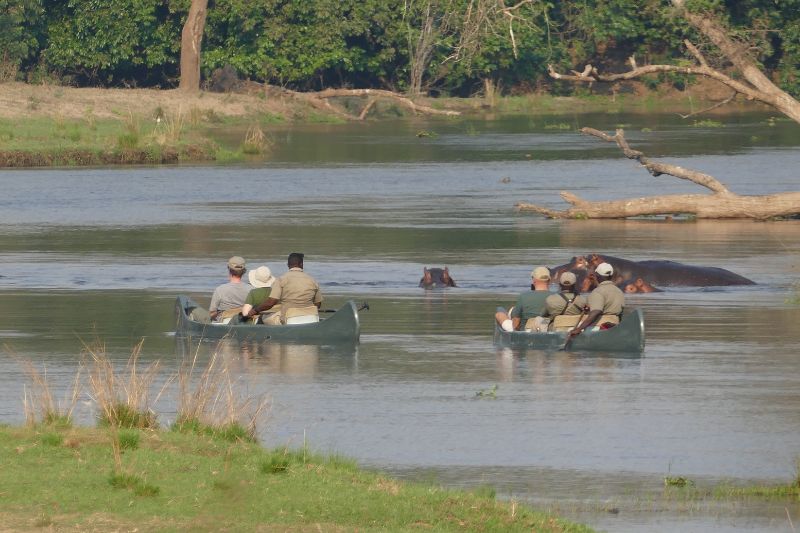
If you are up for a bit of an adventure, Lower Zambezi offers arguably the best canoeing safaris in Africa. You can canoe on the main river, and there are several different channels that can be canoed, but potentially the best of all is the Discovery Channel in the heart of the park. Here you can canoe past pods of hippo, elephants drinking and antelope grazing, while colourful birdlife is always present. The channel is incredibly beautiful and, if you’re lucky, it is also possible to encounter lion or leopard along the banks.
WALKING SAFARIS IN LOWER ZAMBEZI NATIONAL PARK
Zambia has always had a reputation for offering some of the best walking safaris in Africa and the Lower Zambezi National Park has a fantastic habitat for exploring on foot. It is not necessary to walk, but most visitors to Lower Zambezi will include a walk as it offers a totally different experience to being on a vehicle or a boat. Your guide will teach you about the details of the environment, and you get to use your senses – hearing, smell, touch. As wildlife concentrations are high in the park, walks are always accompanied by an armed ranger, and it is usual to see plenty of animals.
WHEN TO VISIT LOWER ZAMBEZI NATIONAL PARK
The Lower Zambezi National Park is accessible from April through to early November, which is the dry season across southern Africa. The early season offers exclusivity and incredible beauty as the vegetation is lush and green after the rainy season. By June the bush is drying out and changing colour, and visitor numbers increase. Temperatures are cool at night as the southern Africa winter sets in. Peak season is July to October, when wildlife viewing is at its best. It gets very hot in late September/October, as the summer rainy season approaches, and dramatic storms are usual in late October and early November, as the rains break.
WHERE TO STAY IN LOWER ZAMBEZI NATIONAL PARK
Thankfully the tourism industry in Zambia has remained relatively unspoilt and retains a genuine and authentic safari atmosphere. Luxury has arrived, and can be enjoyed, but it should not be why anyone visits Lower Zambezi. There are several great places to stay in Lower Zambezi, and I can’t mention them all, but here are a few options, based on our personal experience.
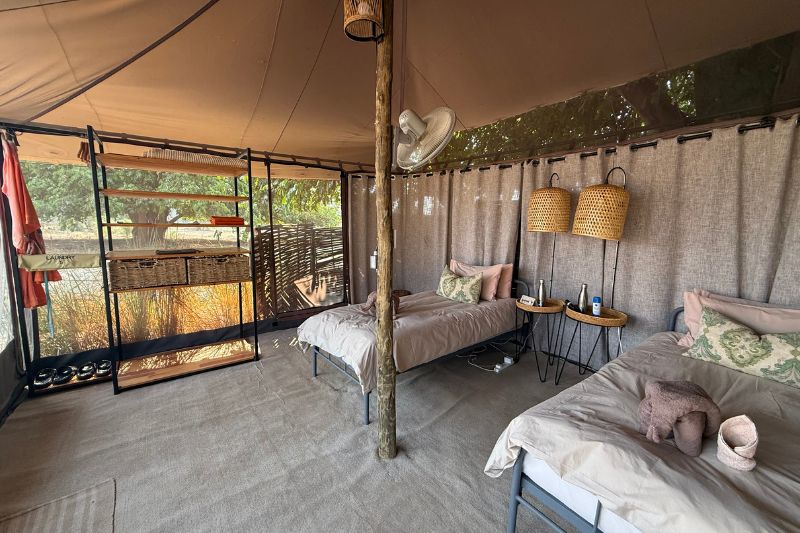
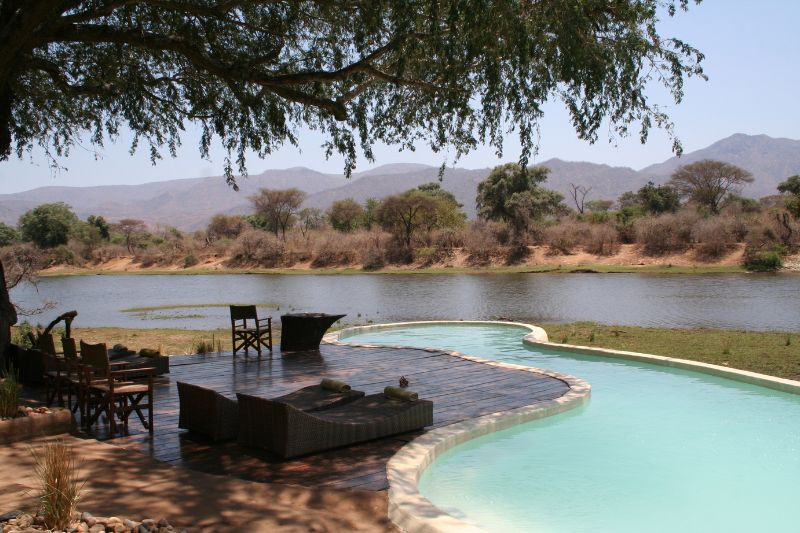
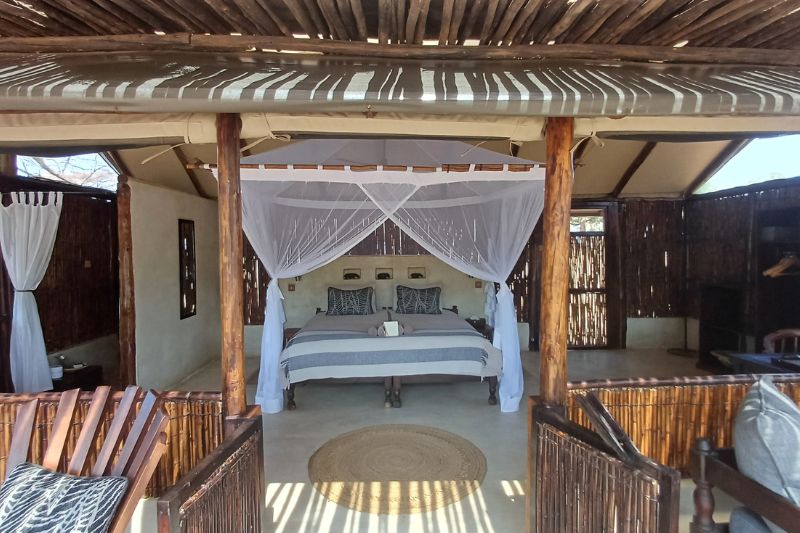
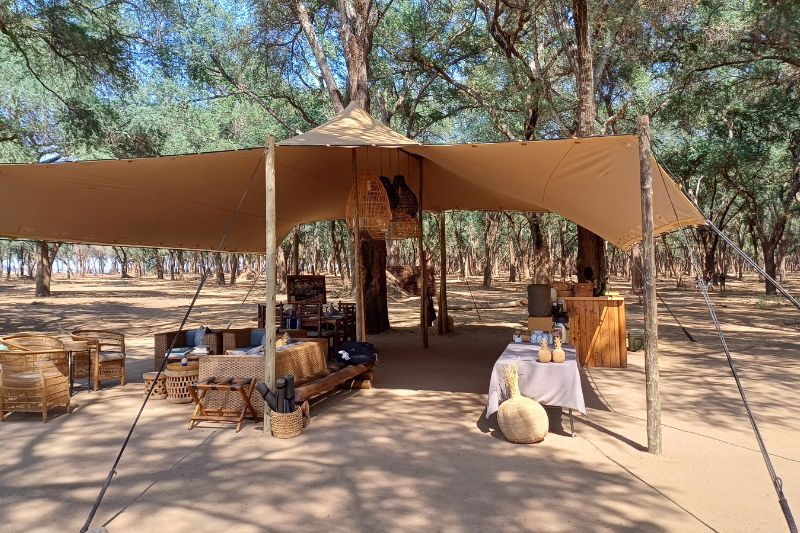
For a more adventurous, close to nature experience, and good value for money, you can’t beat Classic Zambia’s two bush camps – Chula Island Camp and Kutali Camp. They offer beautiful simplicity with wildlife all around camp, enthusiastic guides and a friendly, relaxed camp atmosphere. For a similar outdoor experience but with extra comfort and a more refined service, then look no further than the exceptional Old Mondoro which has a superb pedigree. For something a little larger and more luxurious, with a swimming pool, you could try Chiawa Camp or Dulini Anabezi, with the latter being a little more hotel-like in style. Both are exceptionally well managed and offer sophisticated hospitality. Lastly, for a very personal private house experience, you could try Time + Tide Chongwe House which is set in a stunning location on the Chongwe River.
WHY VISIT LOWER ZAMBEZI?
If you have never been to Lower Zambezi, it should probably be on your bucket list. A stay in Lower Zambezi can easily be combined with some time in Zambia’s other big wildlife regions – South Luangwa and Kafue National Parks, or with a few days visiting Victoria Falls. However, I know plenty of travellers happy to dedicate their entire safari to this sole magical destination.
Inspired to plan your trip to ZAMBIA?
If you’ve been inspired to plan your next safari to Zambia, we’d be delighted to help you put together your perfect tailor made itinerary. Contact our expert travel team on +44 (0) 1787 888590 or reach out via our Contact Us page.
