

Why visit Ruaha National Park in Southern Tanzania? What makes Ruaha National Park so unique?
Ruaha National Park in Southern Tanzania is truly one of Africa’s hidden gems and the second largest park in the country. It is vast, wild, and teeming with wildlife, yet blissfully free of crowds, offering visitors a glimpse of Africa at its most untouched and authentic.
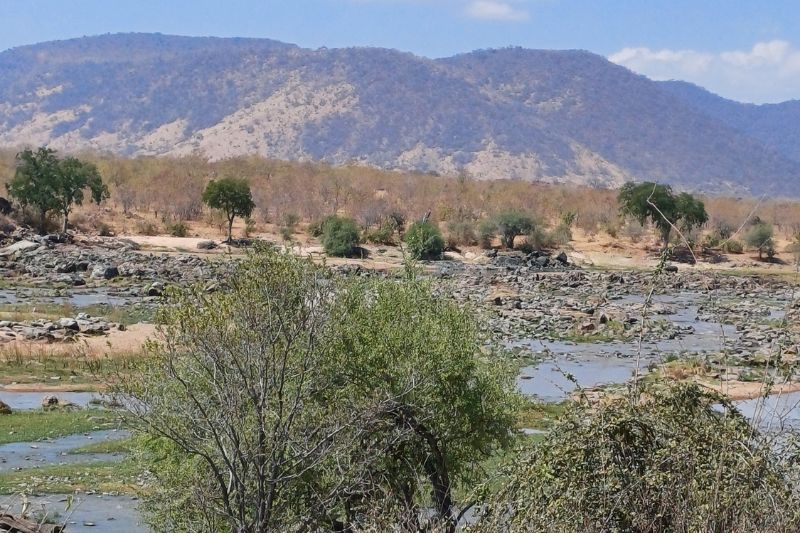
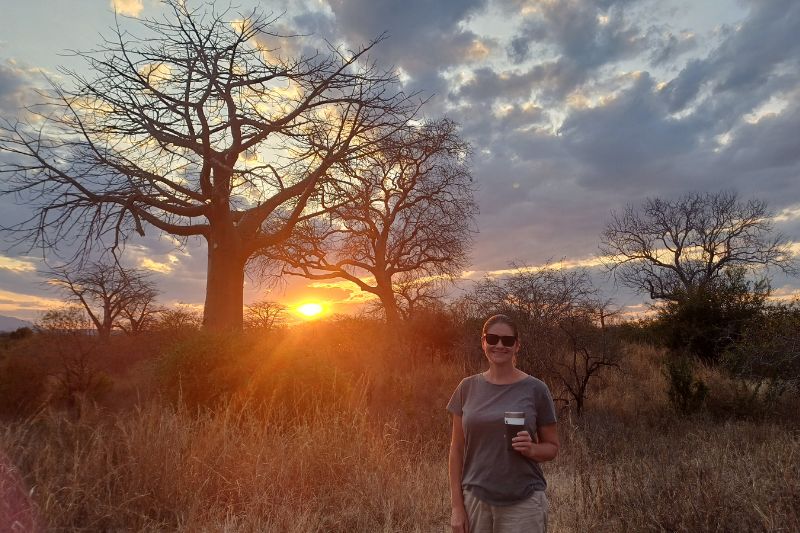
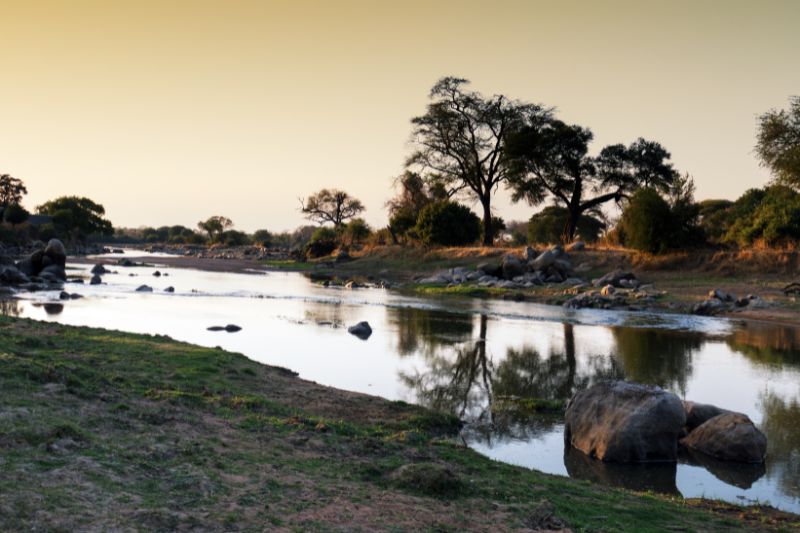
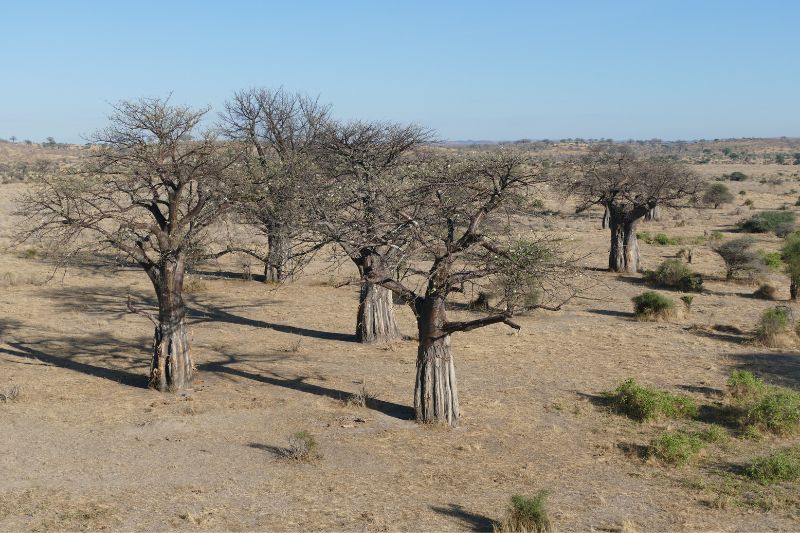
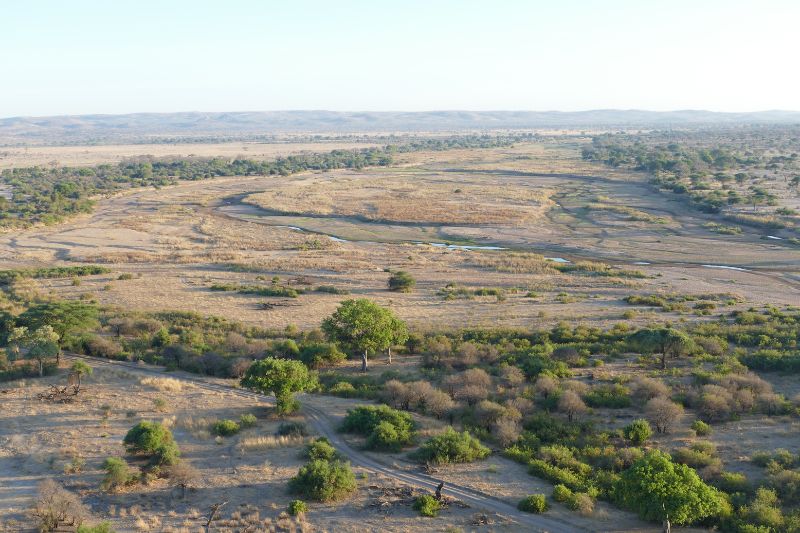
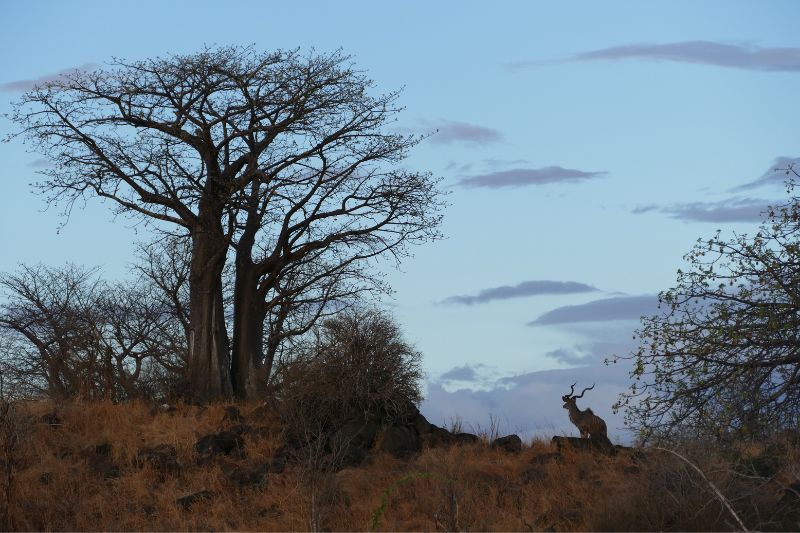
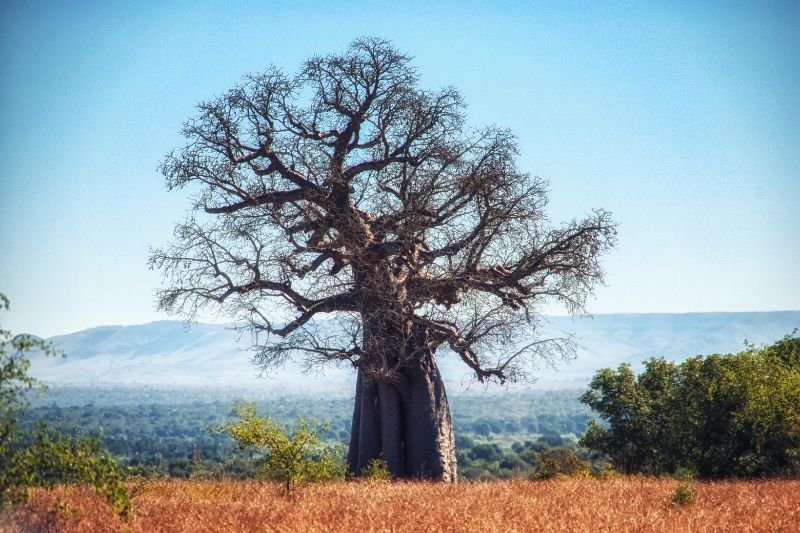
One thing that makes Ruaha so unique is that is marks a point where the southern and eastern African ecosystems converge creating a remarkably unique habitat. Open plains, rolling hills, ancient baobab forests, and the life-giving Great Ruaha River create a diverse and dramatic landscape that is just breathtaking.
When is the best time of year to see wildlife in Ruaha National Park?
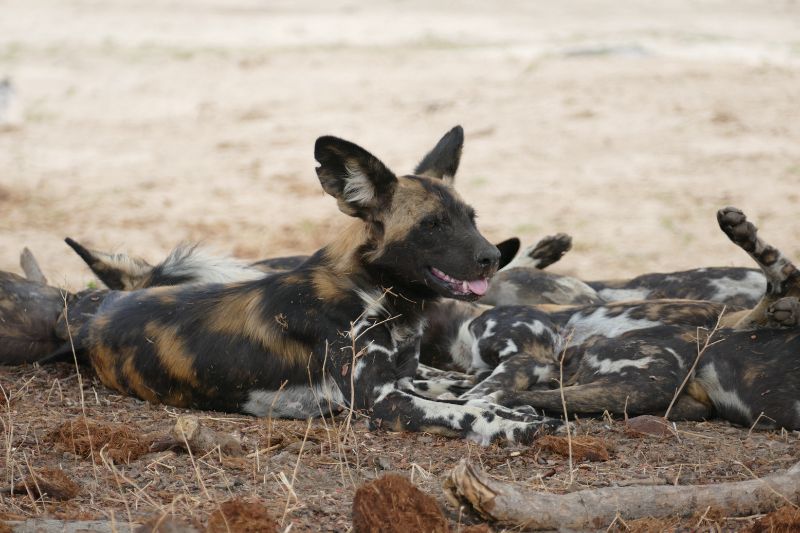
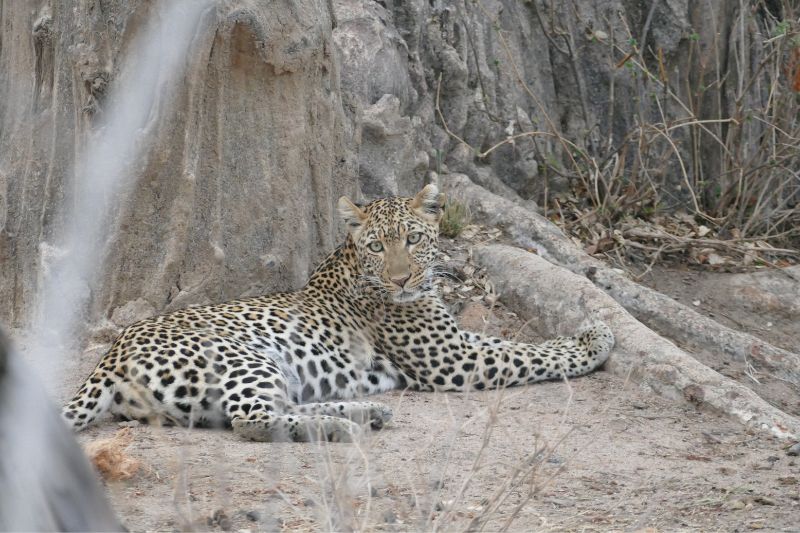
The best time for game viewing in Ruaha National Park is in the dry season between June and October. During these months the bush thins out and water becomes scarcer so animals congregate around the Ruaha River and other remaining water sources. This makes it much easier to spot elephants, lions, leopards, giraffe and other large game. Also, with prey animals concentrated near the water sources, predator sightings (lions, cheetahs, leopards, and wild dogs) are more frequent. Additionally at this time of year the weather is more settled, with clear skies, warm days, and cooler nights making for a comfortable safari experience.
What kind of wildlife experiences does Ruaha offer?
Ruaha has superb wildlife, and while it may not have as high a concentration of wildlife as somewhere like the Serengeti, there is still plenty see. A major benefit of Ruaha is the absence of crowds and the commercial feel found in parts of the Serengeti and other busier parks, meaning that the game viewing experience is far more private and exclusive.
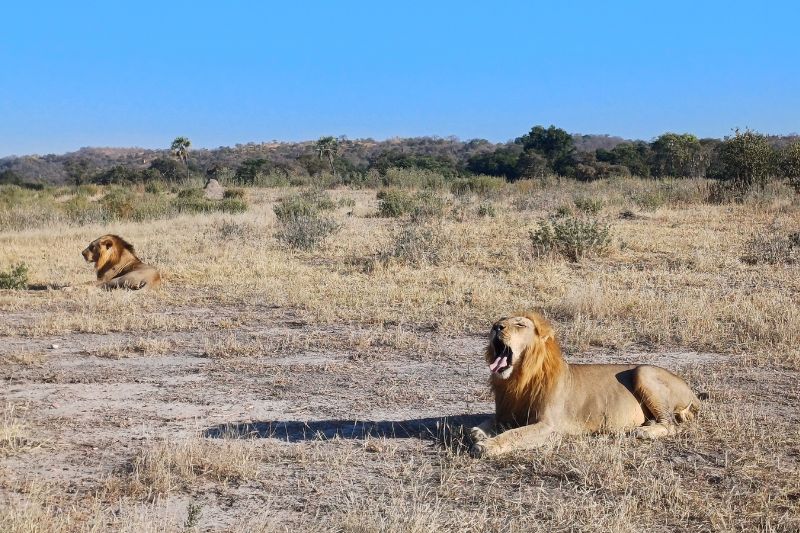
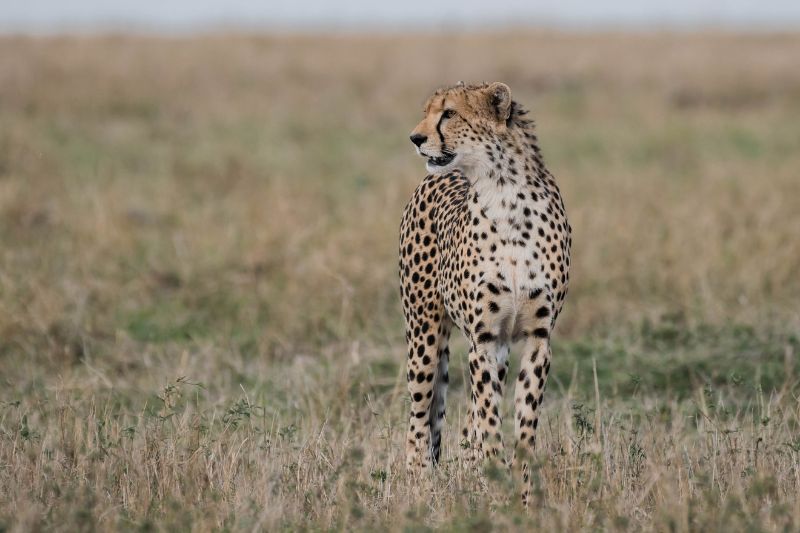
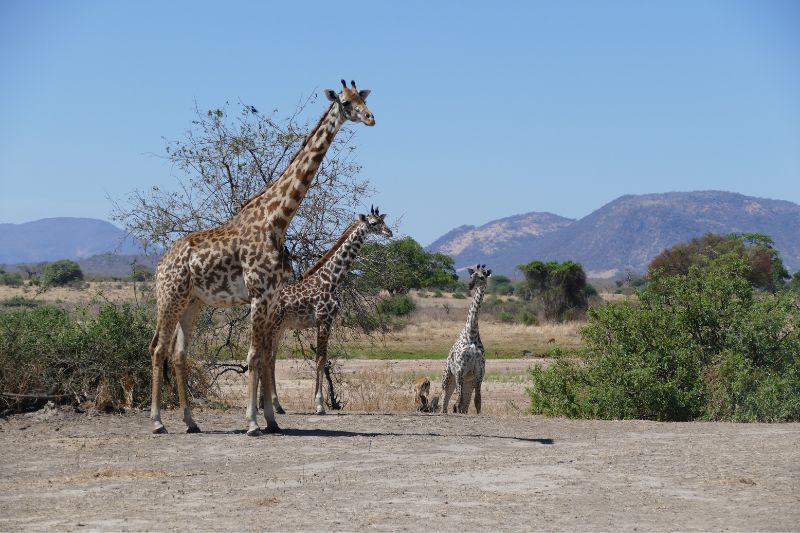
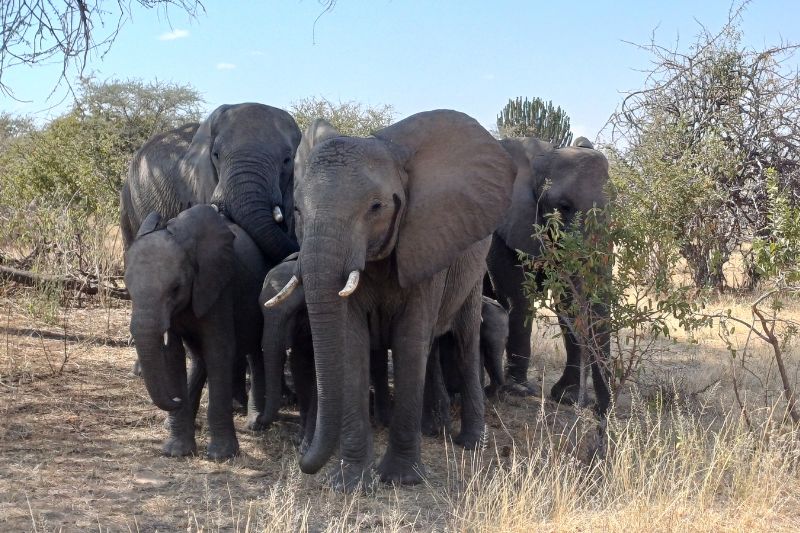
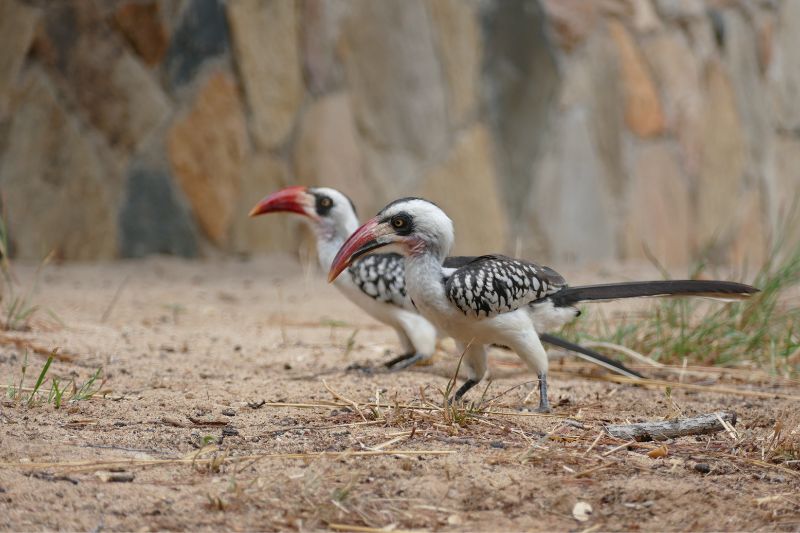
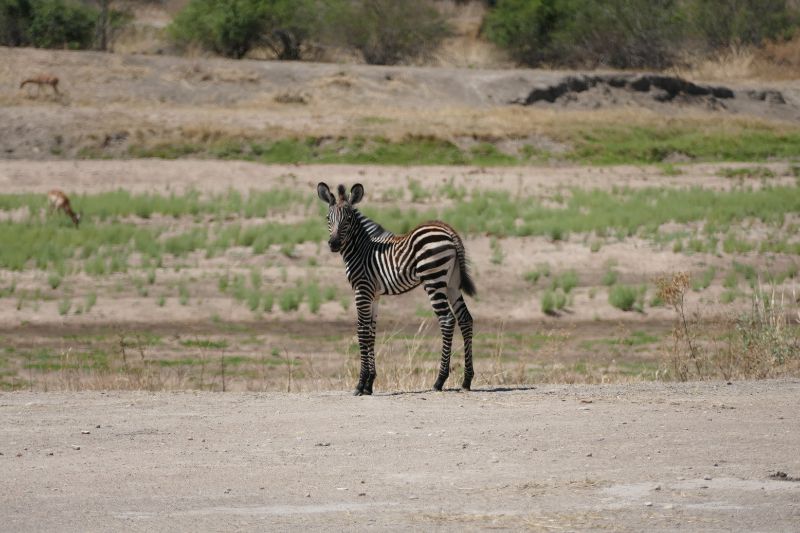
In terms of wildlife, the park is particularly famous for its large herds of elephant, with the Ruaha ecosystem holding one of the largest population of elephants in East Africa. It’s not unusual to see dozens moving together, crossing riverbeds or feeding amongst the iconic baobabs. The lion population is thriving here too, and with some luck visitors can be treated to some fantastic leopard and wild dog sightings, as well as cheetah. You sadly won’t find rhinos in Ruaha, but you will find giraffes, zebras, buffalo, kudus, impalas, and many more species in abundance.
How do you get to Ruaha and is it worth the journey? Should you include Ruaha in a longer Tanzania itinerary?
The easiest way to access Ruaha is to fly with light aircraft into one of the park’s bush airstrips (most commonly Msembe). There are daily scheduled flights from Dar es Salaam, a journey which takes approximately 2 hours 30 minutes (potentially with some stops along the way). It also connects very well with nearby Nyerere National Park and Zanzibar, meaning it can be factored into a longer safari or a safari and beach combination. For those who would like an adventure through Tanzania, it is also possible to combine Ruaha with the safari regions in the north and west of the country.
Ruaha offers a phenomenal wildlife viewing experience, as well as a sense of peace and solitude that is quite unique, making the journey to get there very worthwhile and rewarding.
Where to stay in Ruaha – my top camp choices
During my most recent visit to Ruaha, I was fortunate enough to visit quite a number of camps, all of which were fantastic in their own way… making it very hard to pick my favourites! However, here are my top three:
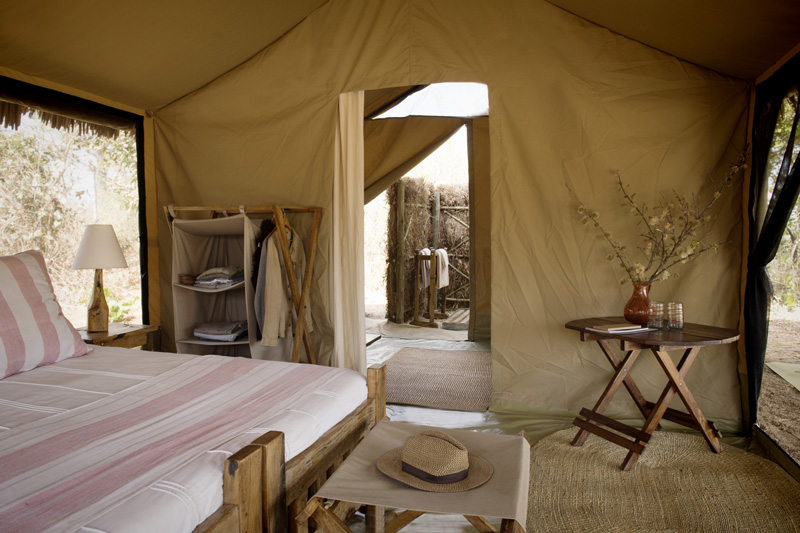
- Kigelia Ruaha – this camp is managed by Nomad Tanzania who (in my opinion) are one of the best operators in the country. Each booking automatically gets a private guide and vehicle for the duration of their stay. The guiding levels here are exceptional and having your own vehicle gives you so much flexibility over your schedule, it’s a huge bonus! The camp itself is expertly managed and incredibly well designed. It is a traditional bush camp at heart, tented in style with authentic ‘bucket’ showers. However, it is one of the best examples of a bush camp that I’ve ever stayed at, combining high levels of comfort with a down to earth and authentic feel.
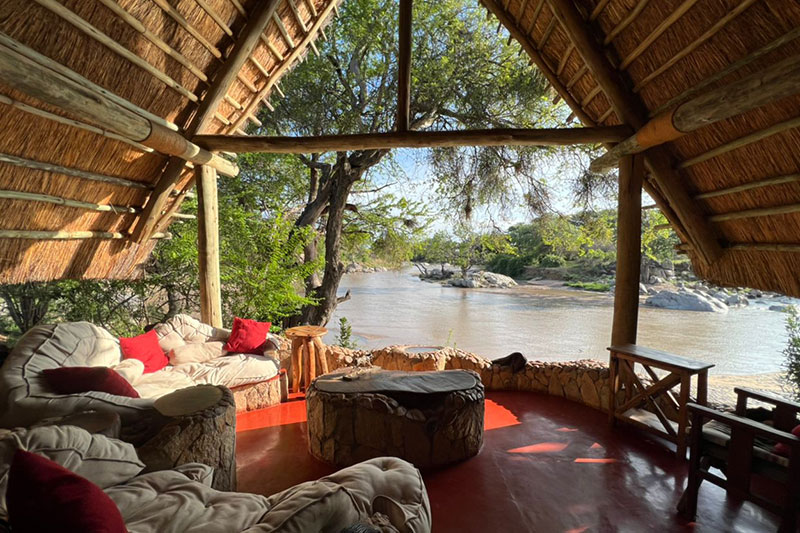
- Mwagusi Safari Camp – this is a long-established property run by Chris Fox, part of the Fox family who were the main pioneers of tourism development in Ruaha. The camp has a fantastic location on the banks of the seasonal Mwagusi River and is full of character with a wonderful, homely feel.
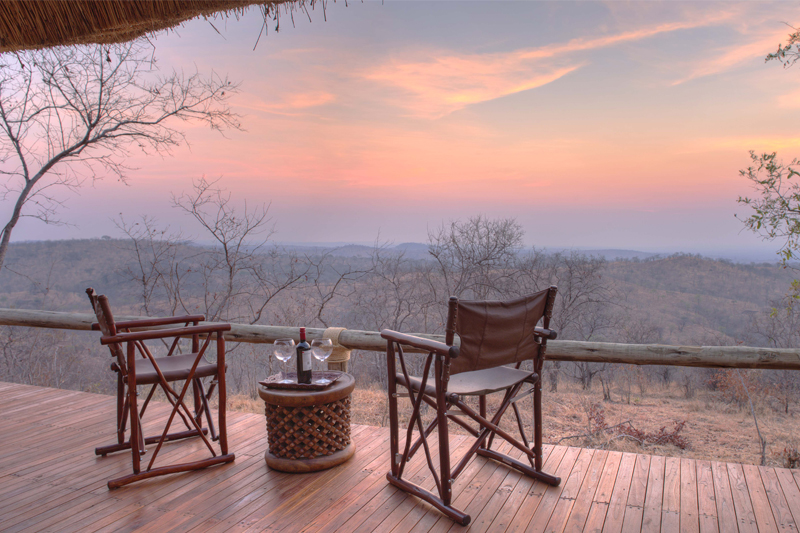
- Ikuka Safari Camp – this is a very beautiful, luxury tented camp perched high on the Mwagusi escarpment. It’s owner-run, with warm, friendly service and very knowledgeable guiding. Due to its elevated location, guests are treated to phenomenal panoramic views over the valley below. Although the camp will hold wide appeal, I think the romantic feel of the camp makes it particularly great for honeymooners.
Who is Ruaha National Park best suited for?
Ruaha National Park is best suited to those who would like a more adventurous and off-the-beaten-track experience, away from the crowds that are found in the northern Tanzanian parks. It offers a truly wild and authentic safari, with excellent wildlife viewing, high levels of comfort and high quality guiding. It is just as well suited to experienced safari goers as it is to first timers.
What makes Ruaha feel like a true wilderness?
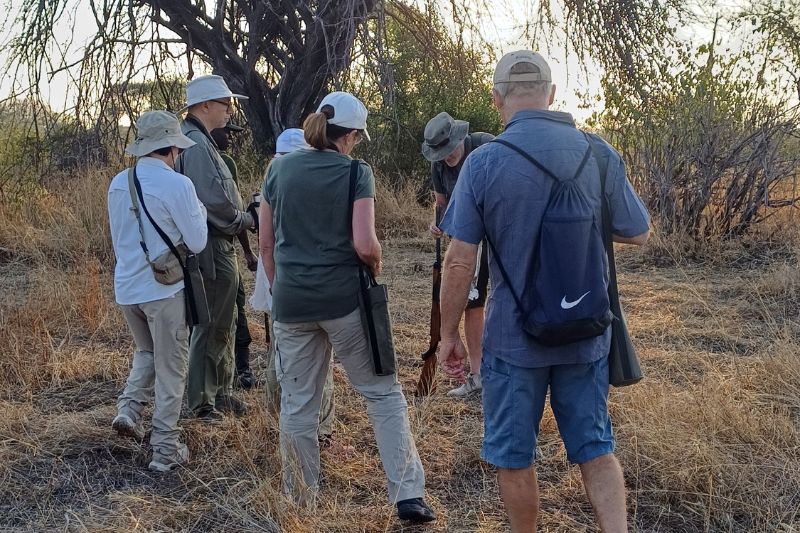
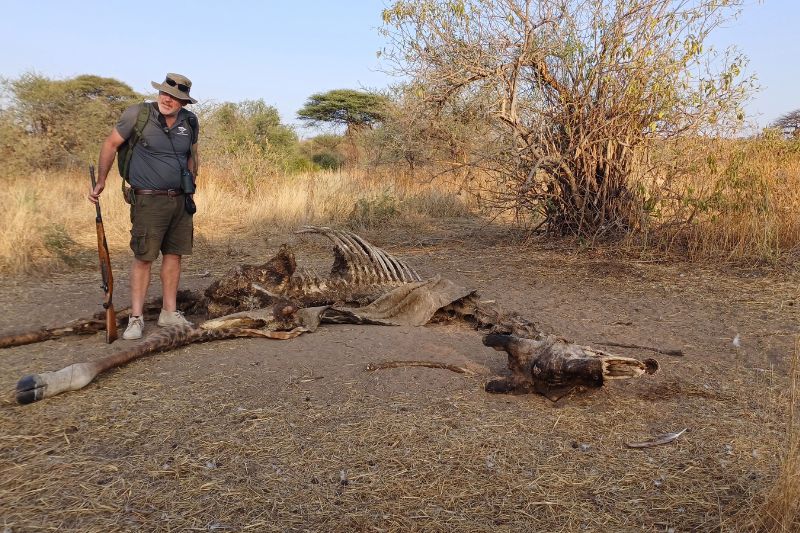
The sheer scale and diversity of Ruaha truly sets it apart from some of Tanzania’s more famous parks. Quite often you can drive for hours without seeing another vehicle—just you, your guide, and the wildlife. Ruaha definitely has a special way of making you feel like you’ve stepped back in time, into a wilderness that hasn’t changed for centuries. For me personally, the ancient baobab trees (some of which are thousands of years old) that are scattered far and wide across the park lend the landscape an ethereal and timeless quality that I have not experienced anywhere else. Add to this the huge herds of elephant quietly moving amongst the baobabs and you have a scene that could quite literally move you to tears.
Inspired to plan your trip to Tanzania?
If you’re inspired to start planning a safari to Tanzania, our friendly and highly knowledgeable team of safari consultants would love to hear from you.
Contact our expert travel team on +44 (0) 1787 888590 or reach out via our Contact Us page. We’ll help you design the perfect safari itinerary!
Kelly stayed at: Kigelia Ruaha, Jabali Ridge, Ikuka Safari Camp, Mwagusi Safari Camp and Kichaka Expeditions
Kelly visited: Asanja Ruaha, Kokoko Camp and Mdonya River Camp
