Tswalu Tarkuni
Tswalu Tarkuni Is A Private Safari House On The Exclusive Tswalu Kalahari Reserve
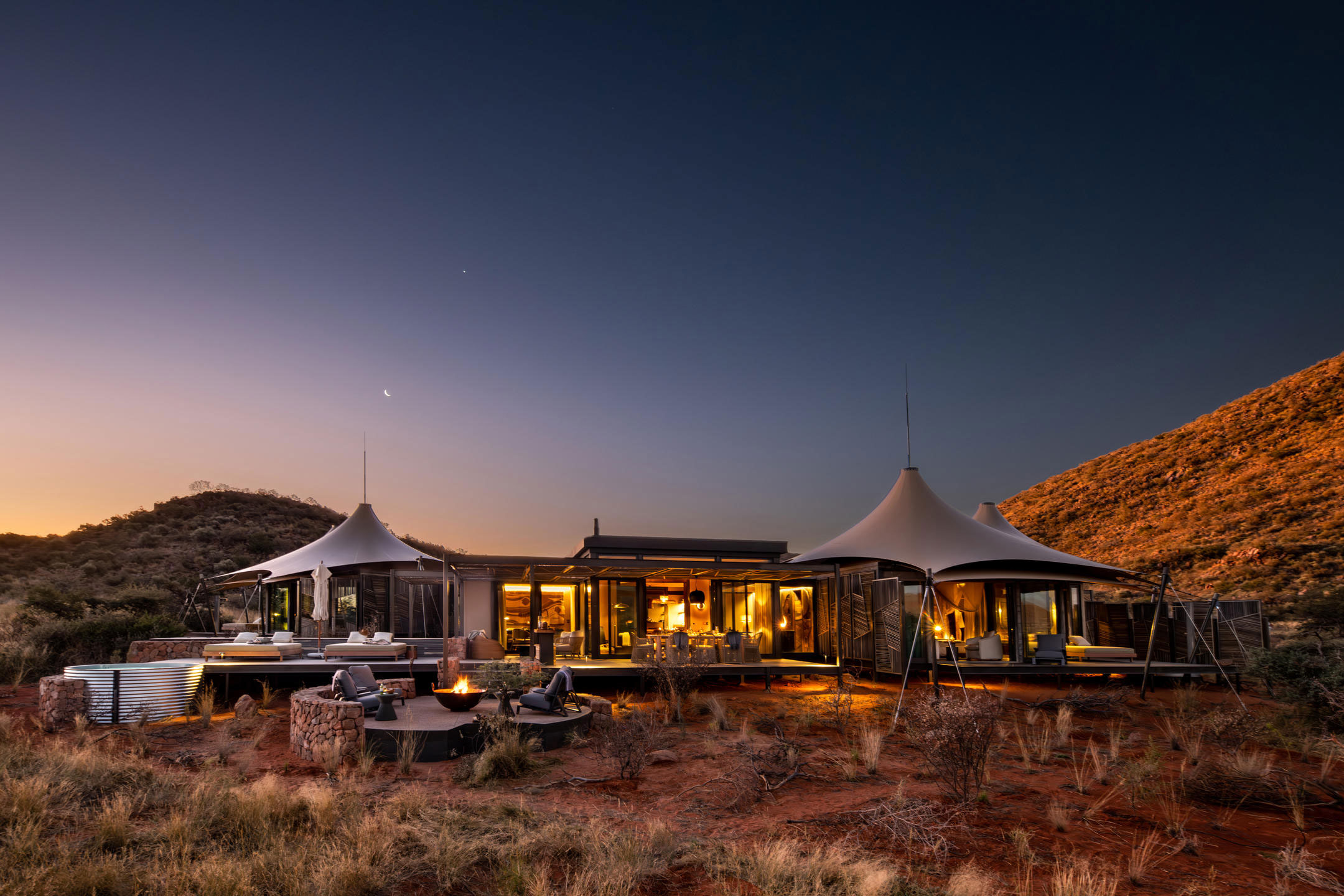
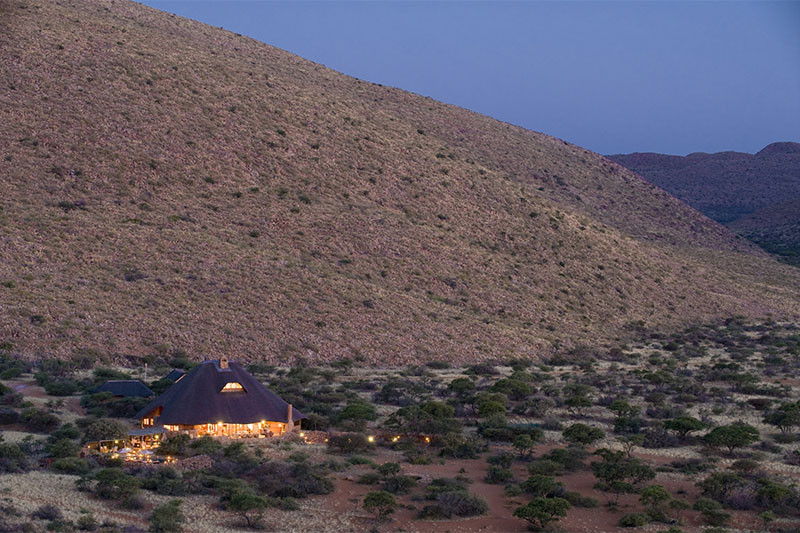
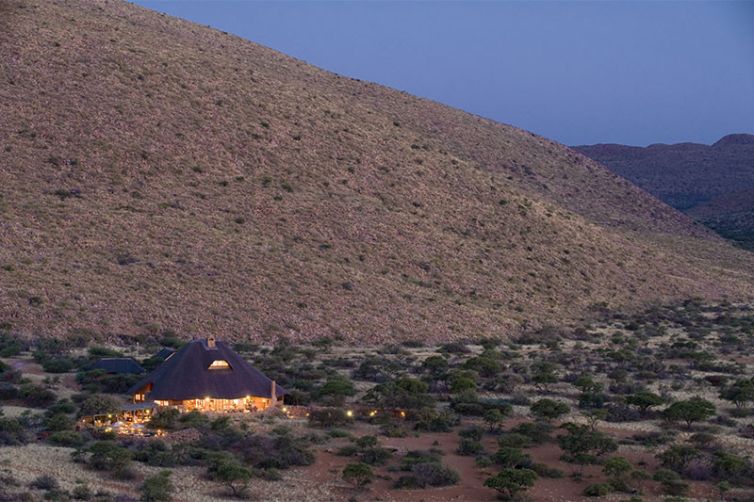
Tswalu Kalahari Reserve is an extremely exclusive safari experience offering a very different ‘Kalahari Desert’ landscape to other South African safari regions. Tswalu Tarkuni is a private safari house experience catering for upto 10 guests, so is perfect for larger family groups. The rooms are all part of the main house, with internal access, which is good for younger kids staying in their own rooms. The house is nestled at the head of a valley reaching into the hills, so feels very private and hidden away, but with lovely views back down the valley to the open desert beyond. The house is extremely comfortable without offering contemporary luxury – it has more of a traditional feel. The real selling point is the privacy and flexibility of a totally private enclave in this awesome wilderness reserve.
The Homestead
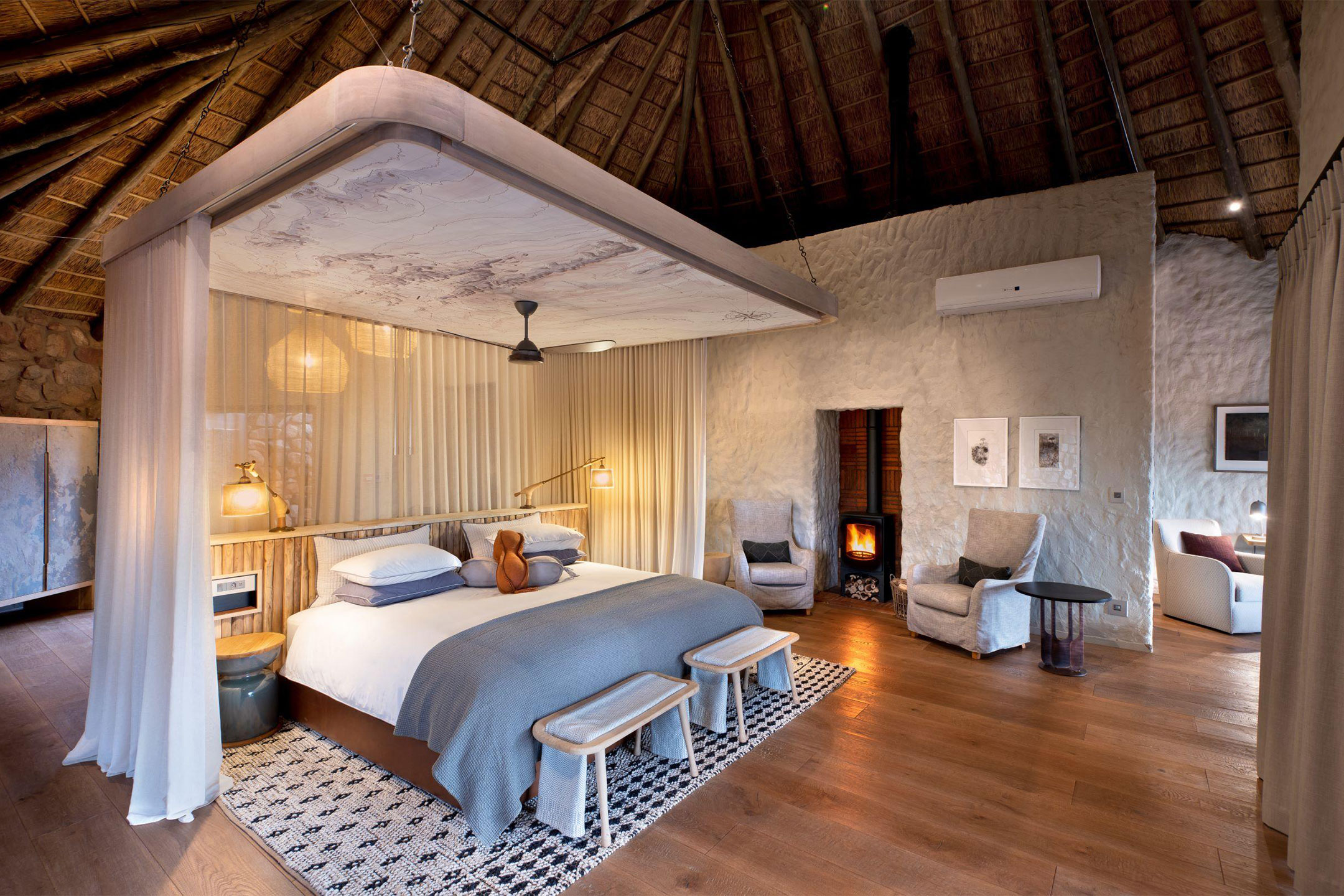
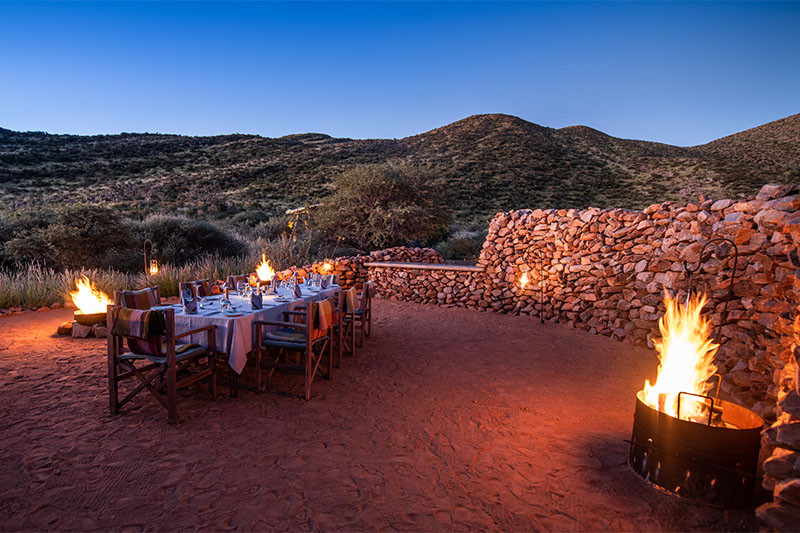
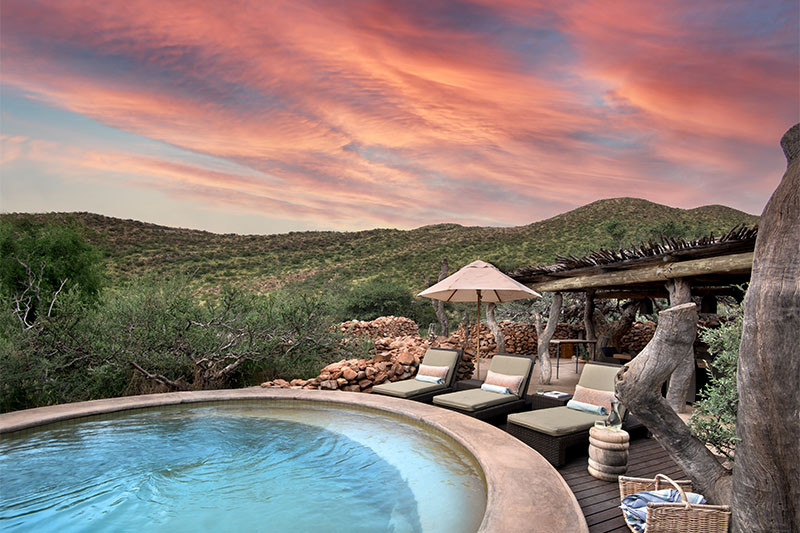
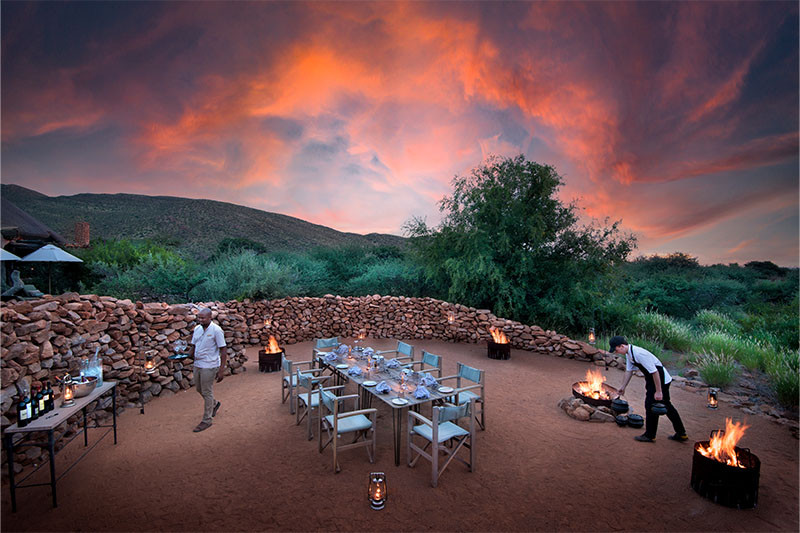
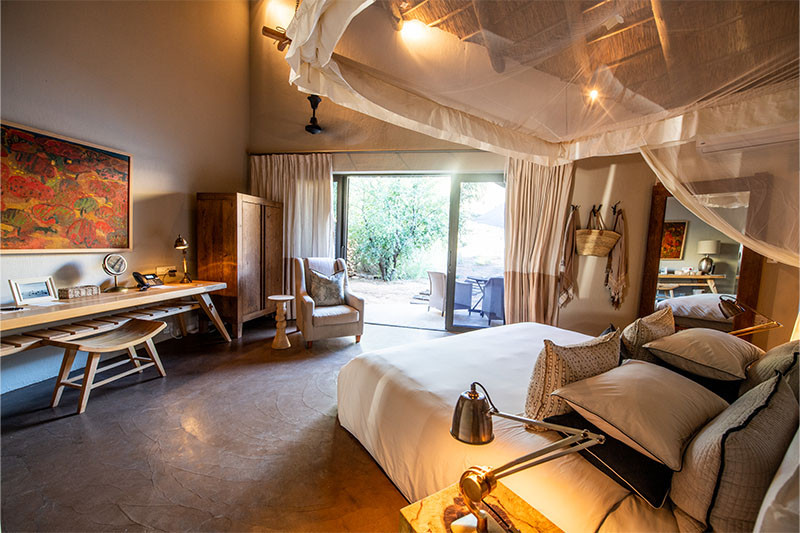
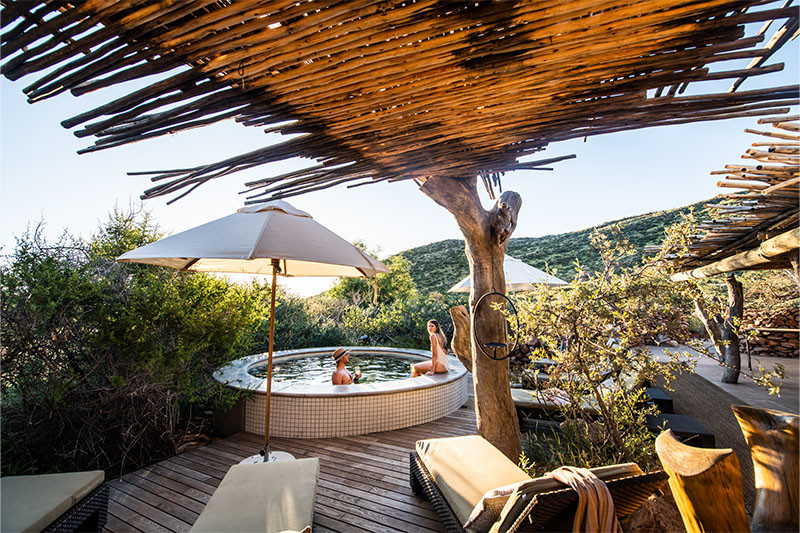
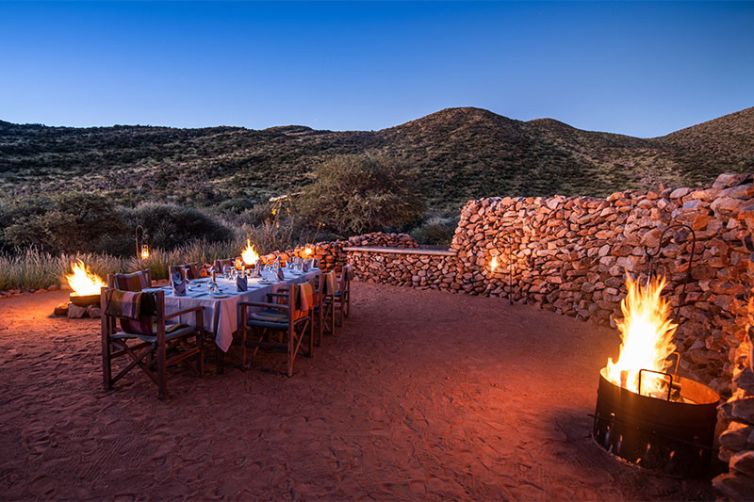
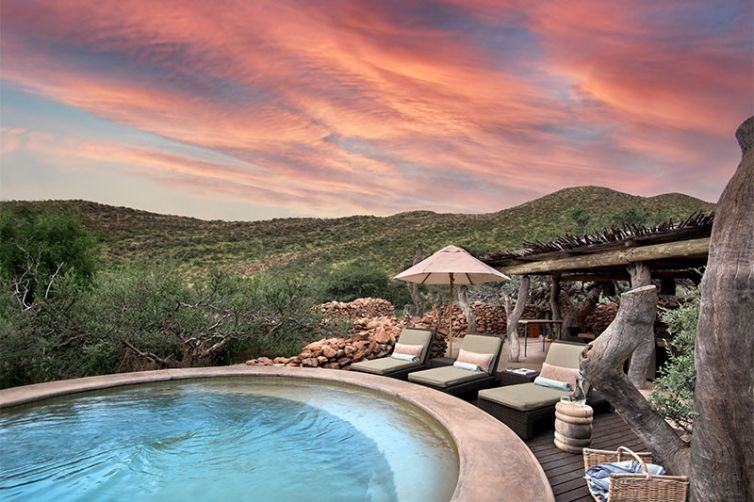
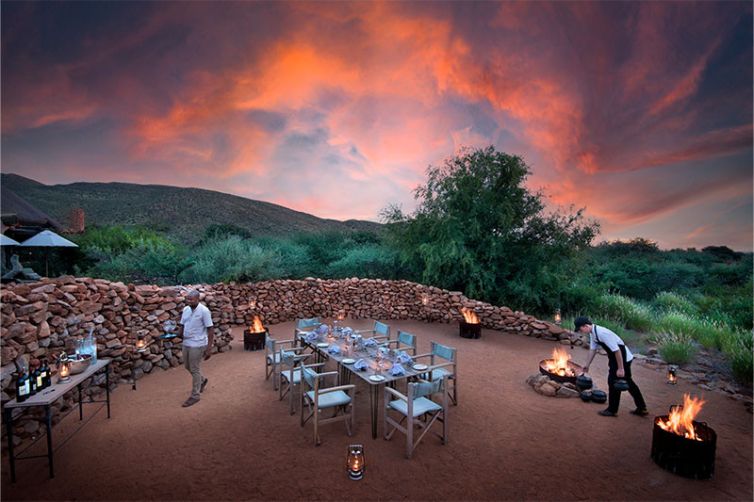
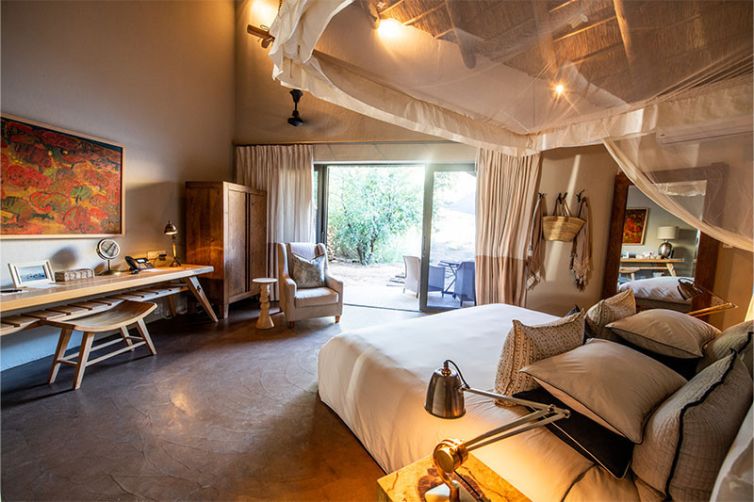
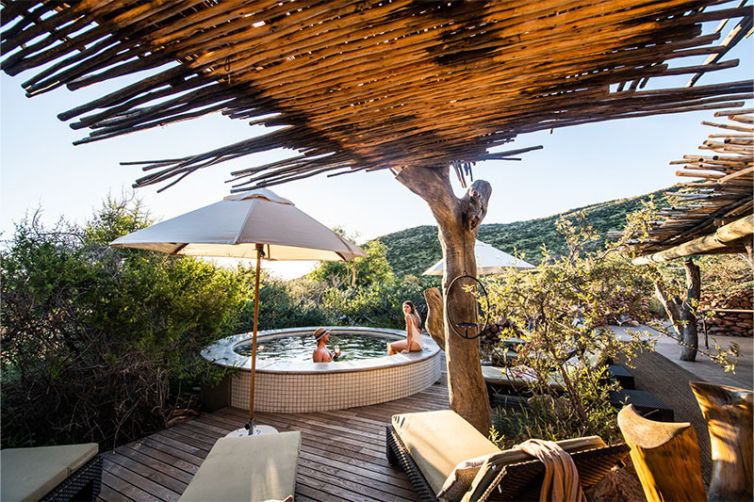
Tarkuni accommodates a maximum of 10 guests in five suites. All suites are contained within the thatched lodge building and include spacious en suite bathrooms with freestanding bath and indoor shower, and private decks with sun loungers. The main areas of the lodge comprise an indoor dining room and lounge with fireplace, leading to a covered verandah and plunge pool and a fire pit area. There is also an outdoor boma for dinners al fresco and a gazebo for massage treatments. There is also a spa treatment suite. The homestead comes with a dedicated team including host, private chef and private safari guide and vehicle. Guests also have access to the gym, photographic studio and boutique at The Motse. In addition to dining in the homestead, guests are invited to experience the Boscia Pop-up House restaurant during their stay – featuring a seven course tasting menu with hyper-seasonal dishes (there are plans for a more permanent additional dining venue in mid 2026).
Facilities
Wi-Fi – Yes
Power for Charging – Yes
Swimming – Yes
Habitat & Wildlife
Tswalu Kalahari Reserve was born in the early 1990s when a British entrepreneur purchased the vast tracts of arid farmland within the Northern Cape to live out a dream. Following his untimely death, the Oppenheimer family bought Tswalu in 1999 to create the largest privately owned reserve in South Africa, covering an enormous 100,000 hectares of dry Kalahari savannah. The reserve includes three distinct zones – the rocky Korranaberg Mountains in the east, the Kalahari plains and dune-ridge system in the central part of the reserve and the wild calcrete pans and thorn scrub habitat of the western part of the reserve. The reserve is split by a remote gravel road (public) running north to south, with 20,000 hectares of reserve found to the east of the road. To the west of the road, where the lodges are located, there are 80,000 hectares of wilderness. The reintroduction of many of the species of wildlife formerly indigenous to the region has allowed the reserve to develop as a fine wildlife destination. Today over 40 species of animals can be seen, with the key absentee being elephants. The reserve offers spectacular meerkat viewing, with three habituated meerkat families. There are also over 200 species of birds recorded.
Activities
Activities include private game viewing drives in open four wheel drive vehicles (mostly by day, but by night is also available), guided bush walks and horse riding (intermediate to advanced riders only). There are several archaeological sites and some ancient rock engravings, whilst the clear night skies allow for wonderful star-gazing with excellent views of the Milky Way and the solar system. On the Tswalu Reserve itself, several families of meerkats have been habituated to human presence, giving guests the chance to view and photograph these incredible creatures at close quarters. There are also two options for sleep outs: the first, “Naledi”, is included in your stay and comprises a simple sleep out deck under the stars; the second, “Malori” is set on a sand dune facing the rising sun, and has a spacious deck with open air bathroom and sitting/dining area, while the bedroom is under canvas (extra costs apply for Malori). Guests can also be introduced to the conservation and research work of the Tswalu Foundation (see below) and visit the health clinic and preschool established by Tswalu for their staff and neighbouring communities.
Seasons
Tarkuni is open year round.
Tarkuni accepts children of all ages and would make a wonderful base for a multi-generation safari holiday, or for family groups wanting space and exclusivity. With exclusive use of the homestead, you have complete flexibility to plan activities and meals to suit. Tswalu offers a Junior Ranger programme which includes archery, spoor identification and casting, and learning how to track animals. Tswalu offers a superbly enriching and exclusive safari adventure for families with children of any age.
Tswalu Kalahari Reserve is first and foremost an ambitious conservation project that strives to restore the natural environment, reestablish and protect biodiversity, and maintain the Kalahari ecosystem. For every guest that stays at Tswalu, 30% of each bednight is invested directly into conservation and local project funding.
The Tswalu Foundation was established to support ecological research on the reserve and attracts research teams from across the globe, stationed at the Dedeben Research Centre on the reserve.
Tswalu also provides a number of health and education services to the local community including staff and extended families and those in need in the remote, rural communities surrounding the property. A fully equipped and staffed health care centre provides services to staff and anyone in need within a 100km radius of the reserve; while Tshameka Preschool offers early education for staff children and their extended families.
Tswalu has been awarded Global Ecosphere Retreat status by The Long Run, achieving the organisation’s most advanced sustainability standard, showing tangible dedication to positive impact nature-based tourism, a commitment to sustainability best practices and significant contribution to the well-being of both people and planet.