Notten’s Bush Camp
Notten’s Bush Camp Is A Very Established And Homely Safari Lodge In The Sabi Sand Nature Reserve
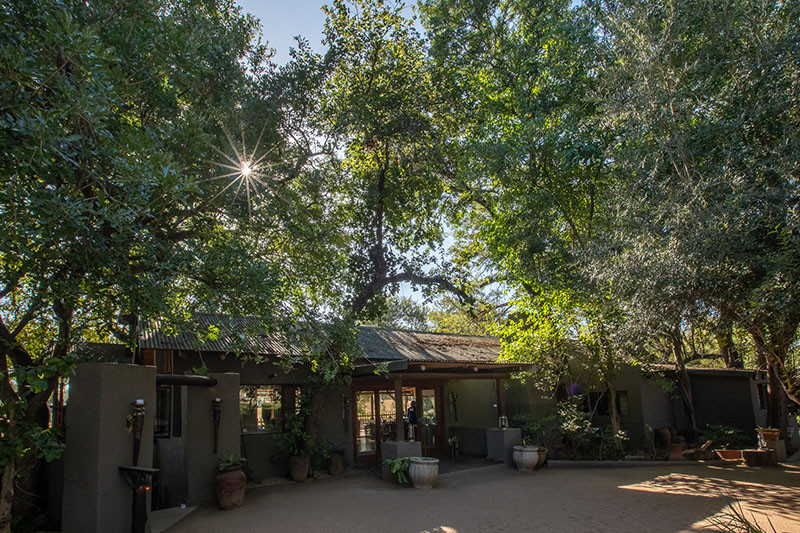
Notten’s Bush Camp is not just an ‘old favourite’ of ours, but also of many repeat visitors to the lodge, making it one of the hardest properties in Africa to get space at! You need to book very early, or get very lucky! Family-run and offering good value for money compared to many of their neighbours, Notten’s has a great following of guests who enjoy the serenity of the Sabi Sand without needing high levels of luxury. The lodge has developed over the years and now offers very comfortable accommodation, great food and warm hospitality. But crucially the lodge retains a feeling of authenticity and a relaxed atmosphere, something that is greatly valued by their ‘regulars’.
Rooms
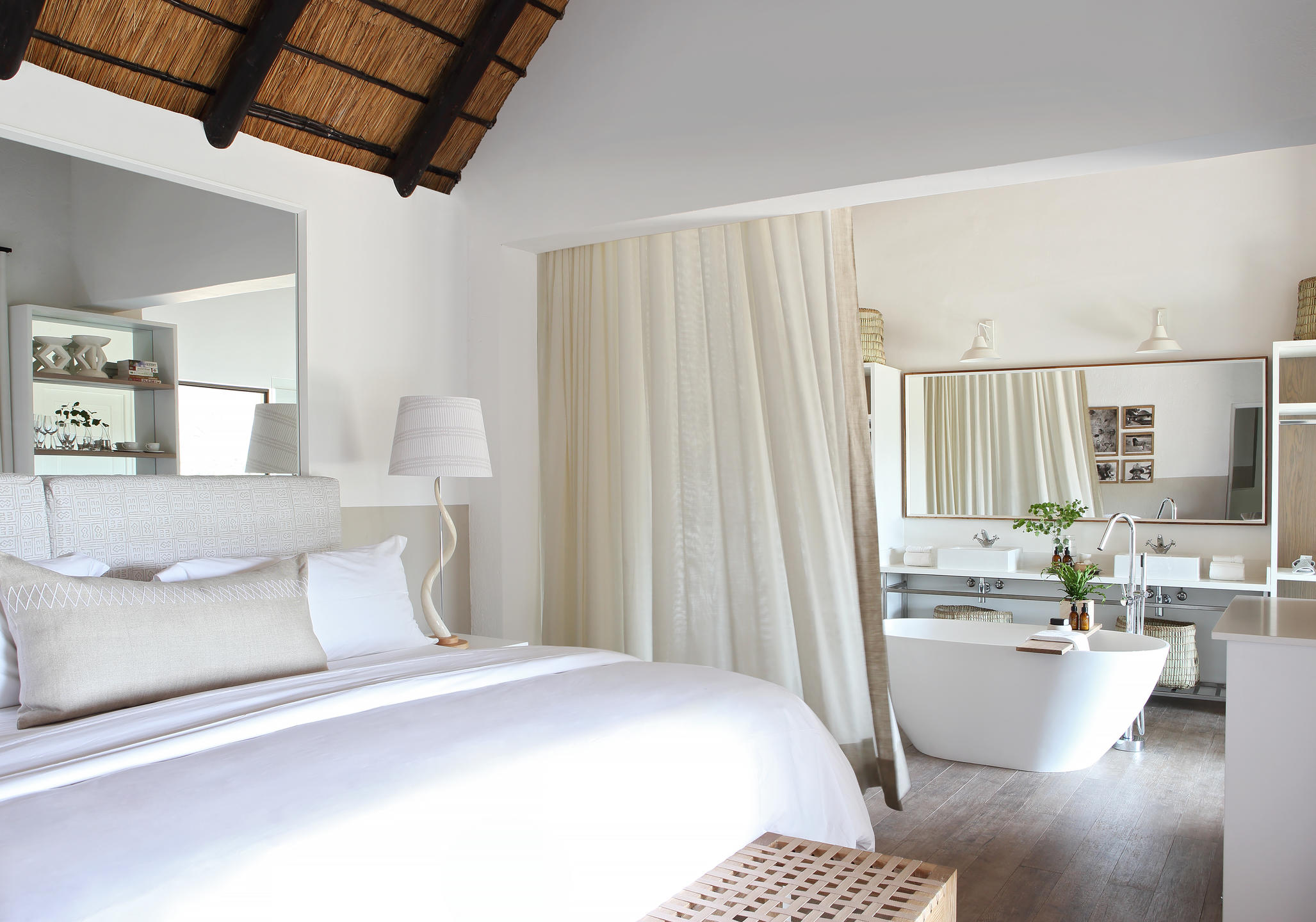
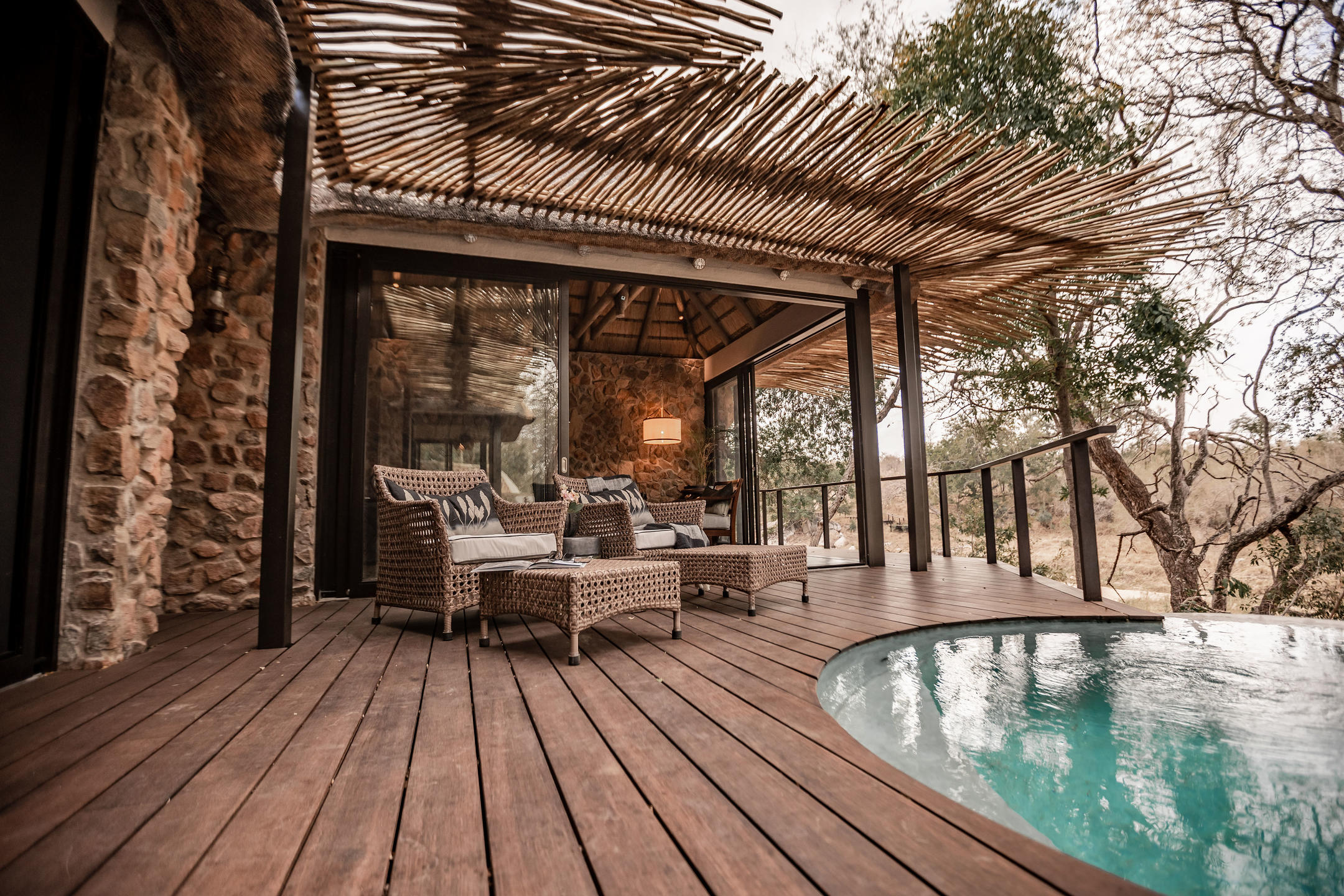
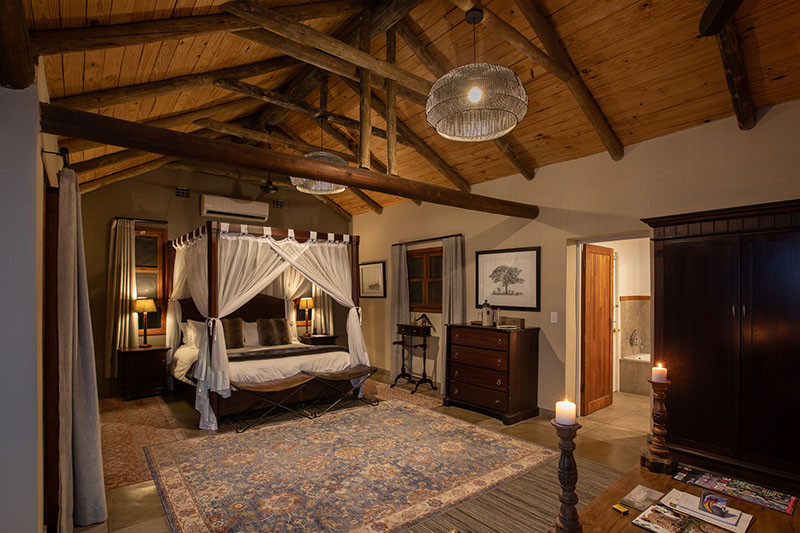
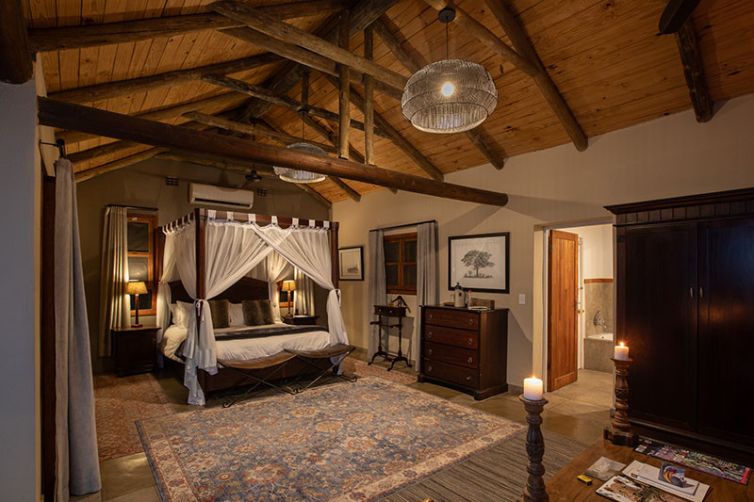
The lodge accommodates a maximum of 22 guests in nine private suites. Two of the suites are family suites, with two en suite bedrooms. All suites have a private deck, air-conditioning, ceiling fans and plumbed bathroom facilities which include a flush toilet, double vanity, bath and both inside and outside showers. Although the suites have air conditioning and charging facilities, lighting is limited to candlelight and paraffin lamps to maintain the feel of an authentic bush camp.
Central Areas
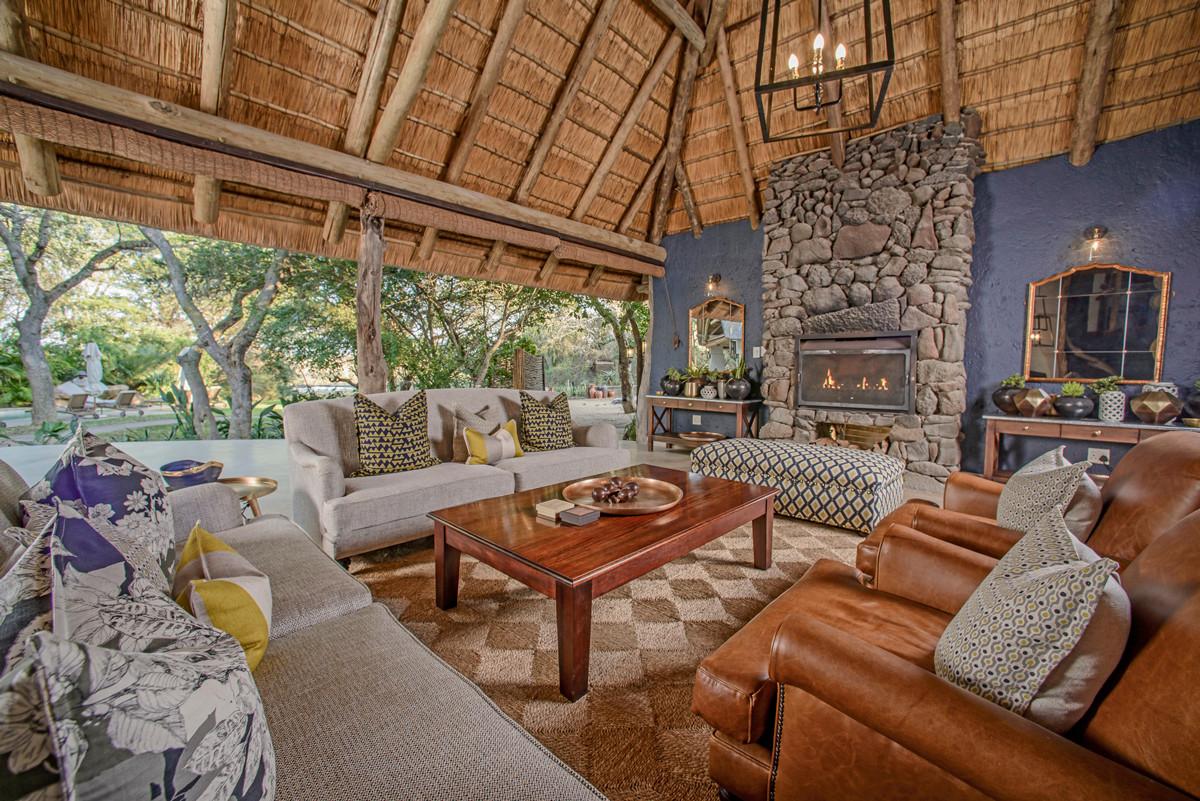
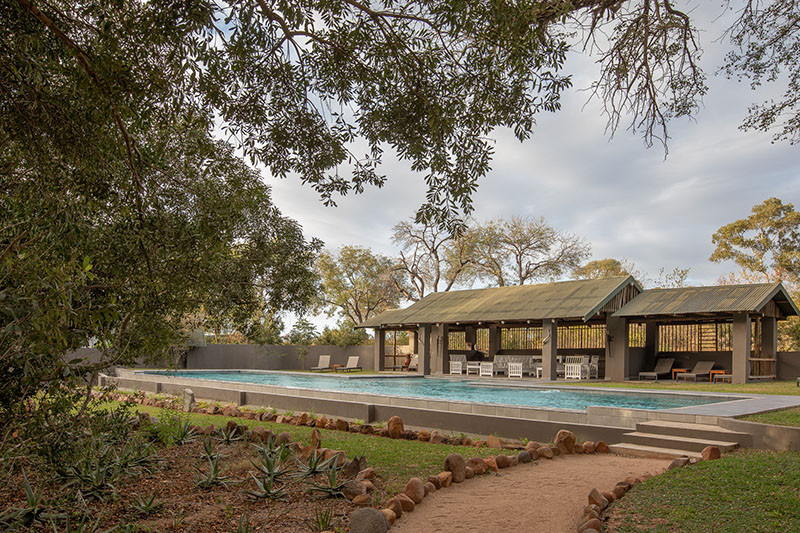
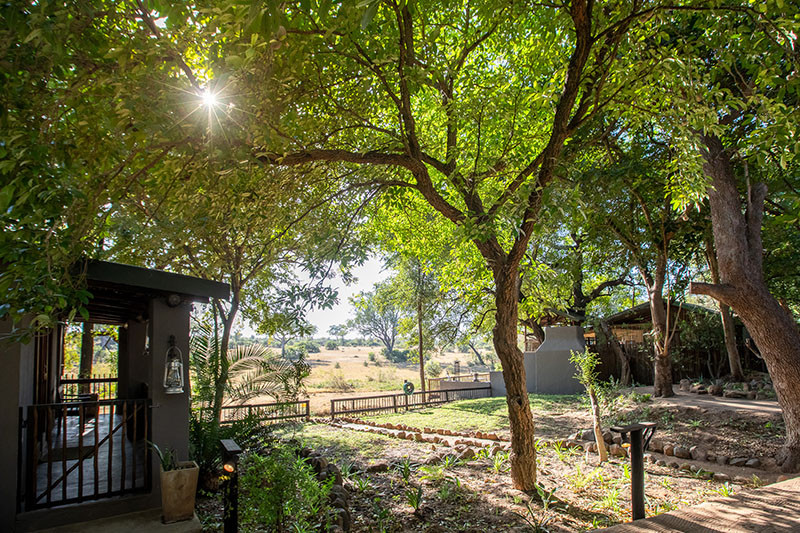
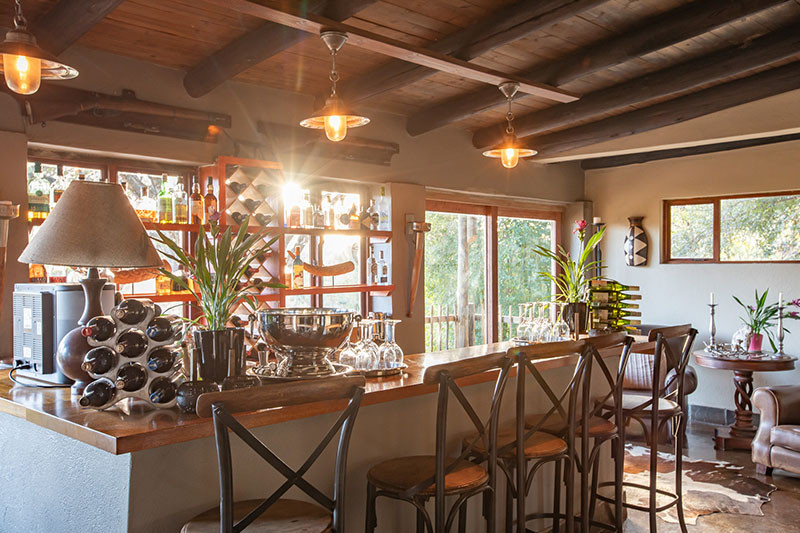
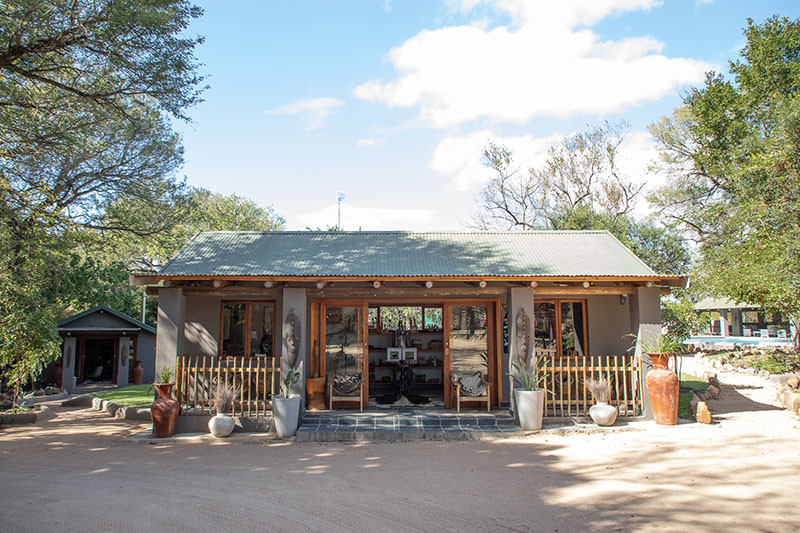
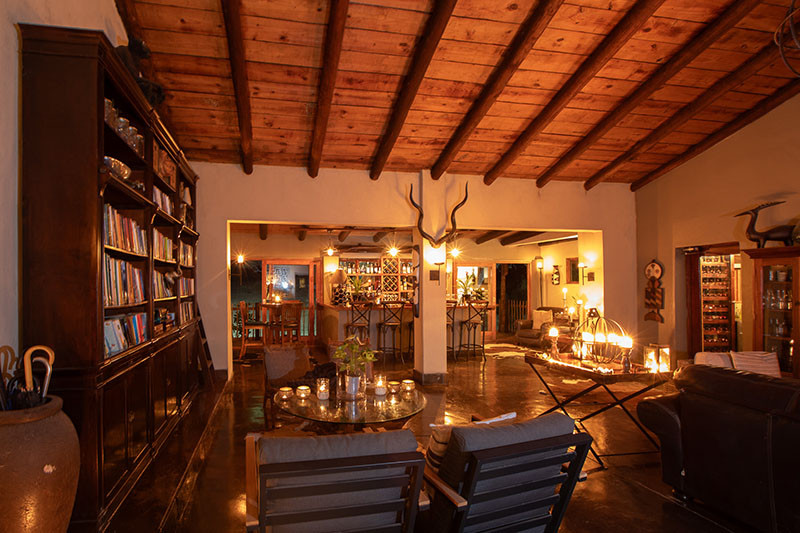
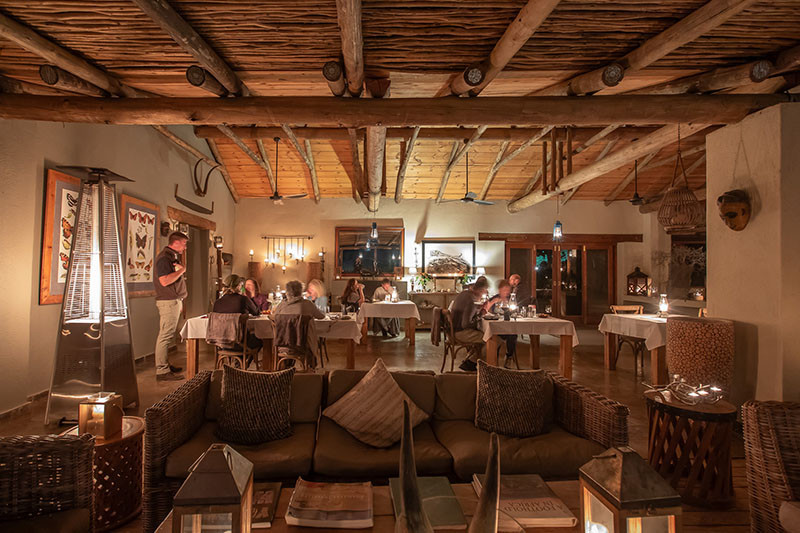
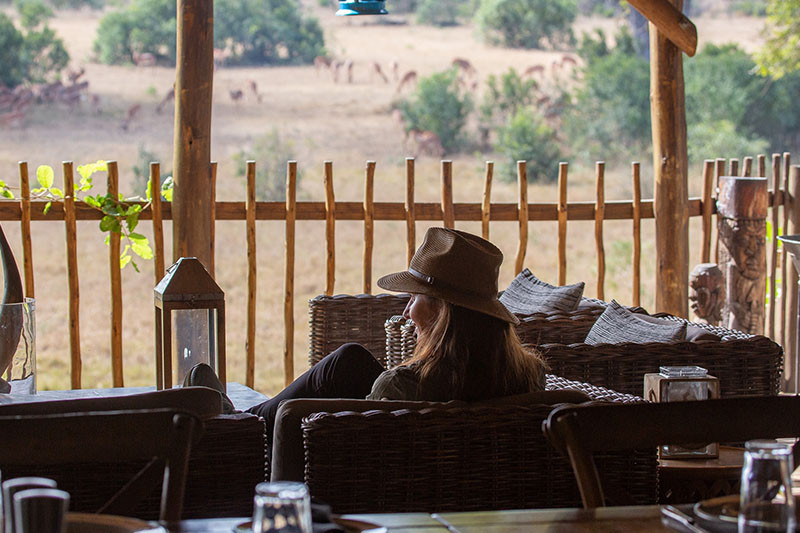
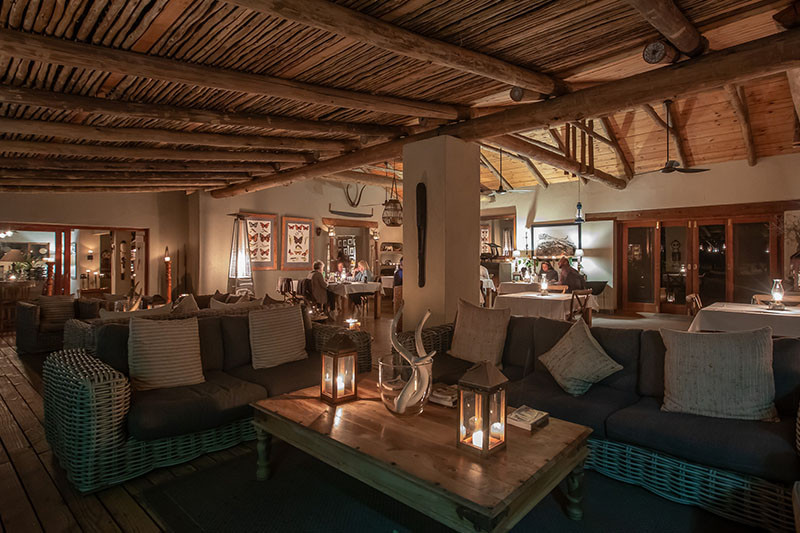
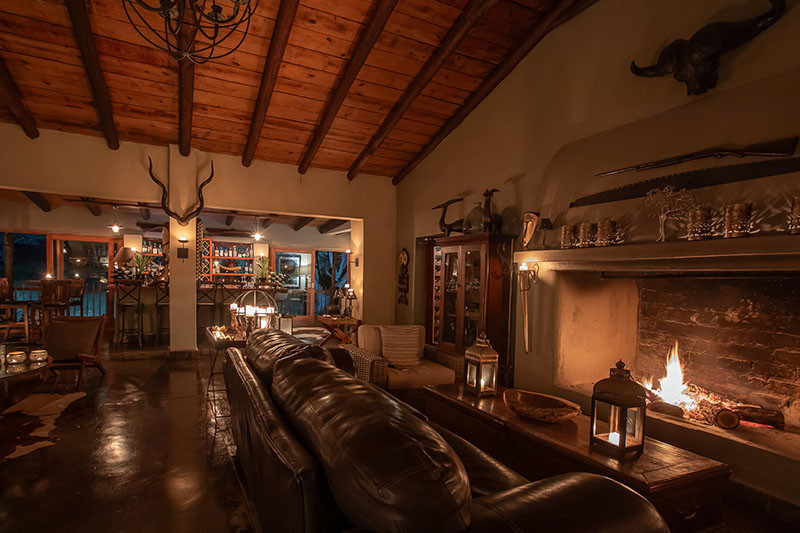
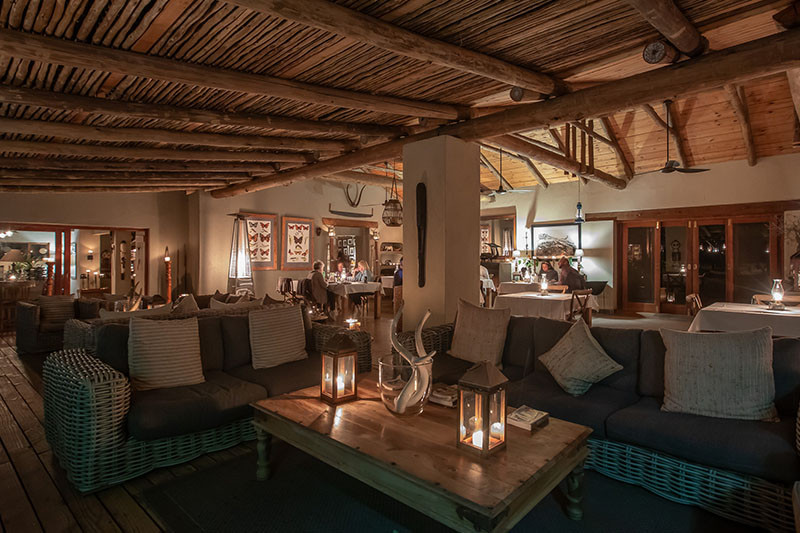
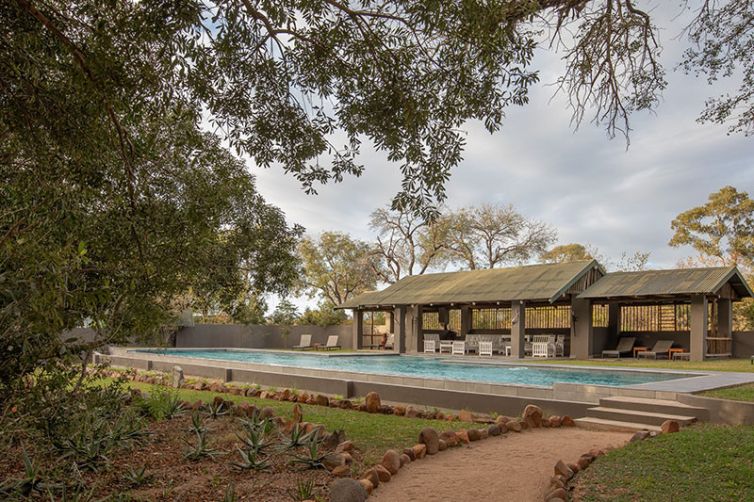
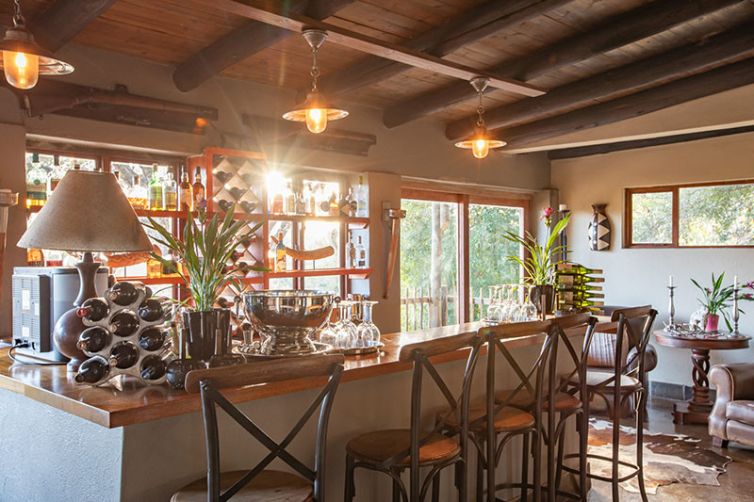
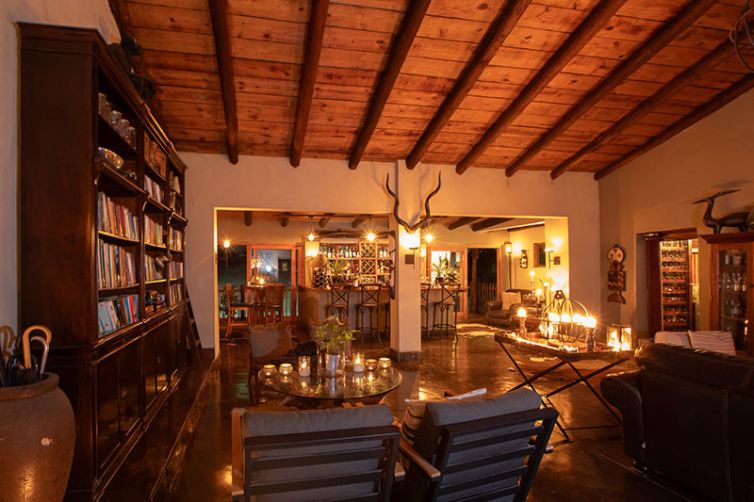
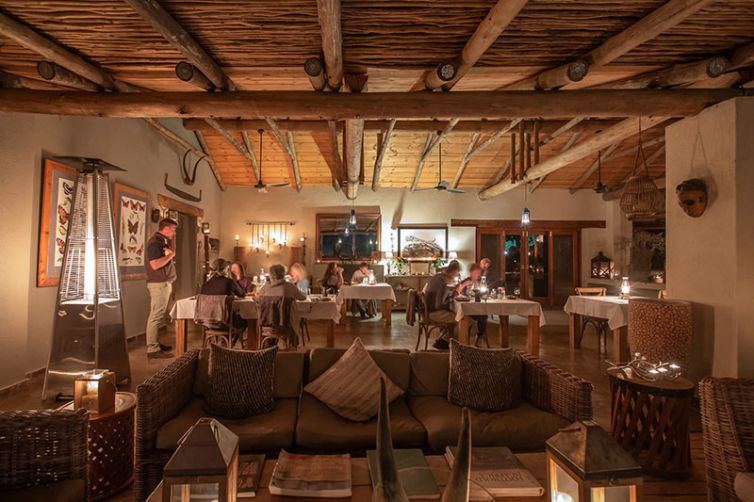
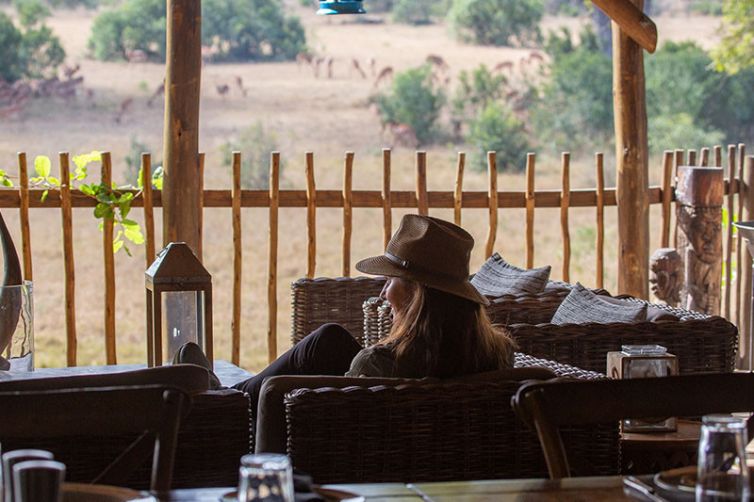
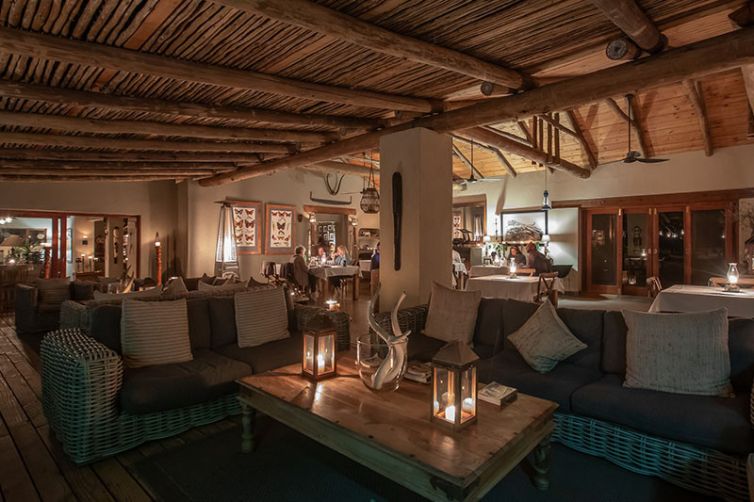
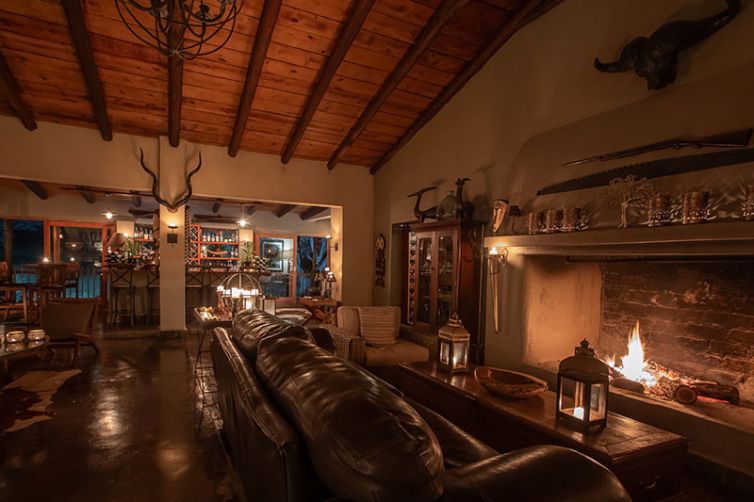
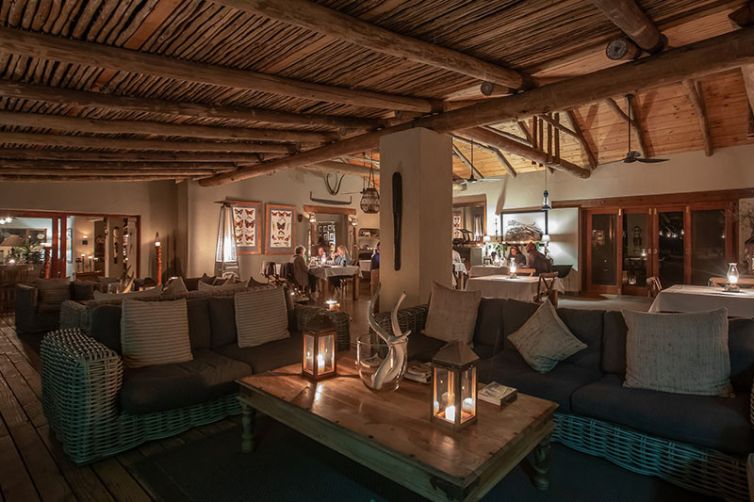
The central areas of the lodge contain a bar and lounge, as well as an open plan sitting area come diner which leads onto a deck overlooking a grassy glade. There is a boma in which evening meals are taken (weather permitting). The lodge has a large swimming pool, gym and spa with two treatment rooms and a plunge pool.
Facilities
Wi-Fi – Yes
Power for Charging – Yes
Swimming Pool – Yes
Habitat & Wildlife
The Sabi Sand Nature Reserve lies on the western edge of the famous Kruger National Park with which it shares an unfenced boundary. The reserve is made up of a consortium of old farms, which over the last 40 years, have reverted back to nature and created the wildlife haven it is today. Many of these old properties are individually owned and host some of the best known safari lodges in Africa.
The Sand River flows through the reserve and provides a welcome source of water year round. The habitat of the region is predominantly mixed woodland (from dense riverine forest to acacia-combretum bushveld), with open grassland plains and rocky outcrops. Animal species likely to be seen include elephant, lion, leopard, cheetah, rhino, buffalo, impala, duiker, giraffe, kudu, waterbuck, bushbuck, zebra, hippo, warthog and wild dog. Sable antelope are also returning to the region.
During your stay at any of the safari camps, you’ll no doubt have the opportunity to experience the bush after dark. Using a spotlight on the vehicle, you may have the luck to see some of the many nocturnally active species of wildlife – honey badger, leopard, civet, serval, genet, aardvark, pangolin, bat-eared fox, black-backed jackal, and hyaena. The birdlife of South Africa is exceptional, and Sabi Sands is no exception. Birds likely to be seen include the beautiful rollers (Lilac Breasted and European), various kingfisher species including the woodland, as well as a variety of species usually associated with the bush – shrikes, widowbirds, babblers, starlings, vultures and raptors.
Activities
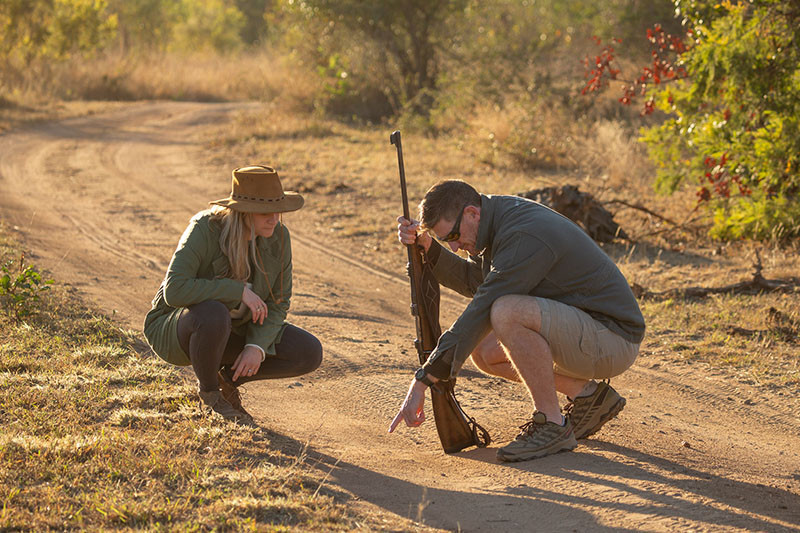
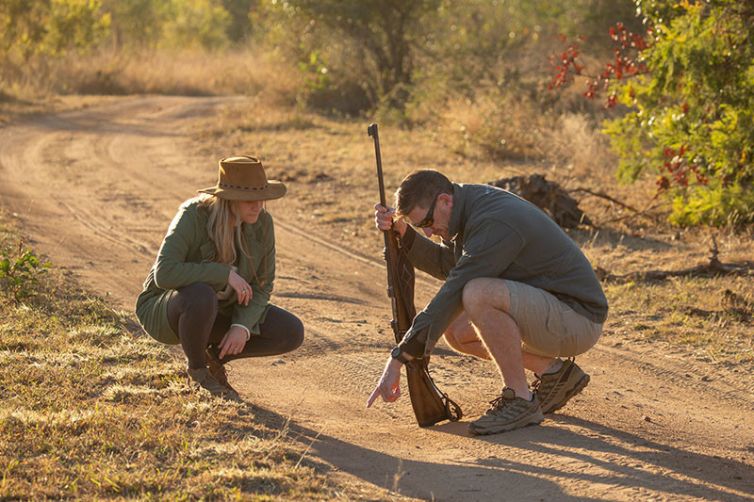
Game viewing activities include game drives (by day and night) in open four-wheel drive vehicles, and guided bush walks. Notten’s Bush Camp has traversing rights with other lodges in the area.
Seasons
Notten’s Bush Camp is open all year. Game-viewing is superb all year round, though you could experience rainfall from late October through to early April.
The camp accepts children 6 years and older, and has two family suites comprising of two en-suite bedrooms, which are ideal for families. There is a large swimming pool and the warm, friendly atmosphere is well suited to families.
Guests visiting the Sabi Sand Nature Reserve contribute directly to critical conservation efforts through the Sabi Sand Guest Conservation Contribution (GCC). This initiative supports the ongoing sustainability of the Reserve and neighbouring communities, ensuring that both the wildlife and wilderness continue to thrive for generations to come. The GCC helps fund vital programs aimed at habitat preservation, anti-poaching initiatives, and community partnerships that align with the Reserve’s holistic approach to conservation.
The Reserve divides the management of conservation and community work between two focused charitable trusts. The Sabi Sand Nature Conservation Trust focuses on tackling environmental challenges, while the Sabi Sand Pfunanani Trust concentrates on community development projects in the 12 communities surrounding the Sabi Sand Nature Reserve.
Sabi Sand Nature Conservation Trust activities include alien plant control, combatting erosion, monitoring of wildlife and habitat densities, operating or supporting anti-poaching units and the control of runaway fires, alongside specific research and monitoring programmes.
The Sabi Sand Pfunanani Trust undertakes community development projects focused on the three key pillars of environment, education and enterprise, with local challenges including lack of access to formal education, access to drinking water in homes and unemployment. Projects include upskilling initiatives and training and mentoring local young people.