Dulini Moya
Dulini Moya Is An Exclusive, Intimate Luxury Lodge In Ther Heart Of Sabi Sand Nature Reserve
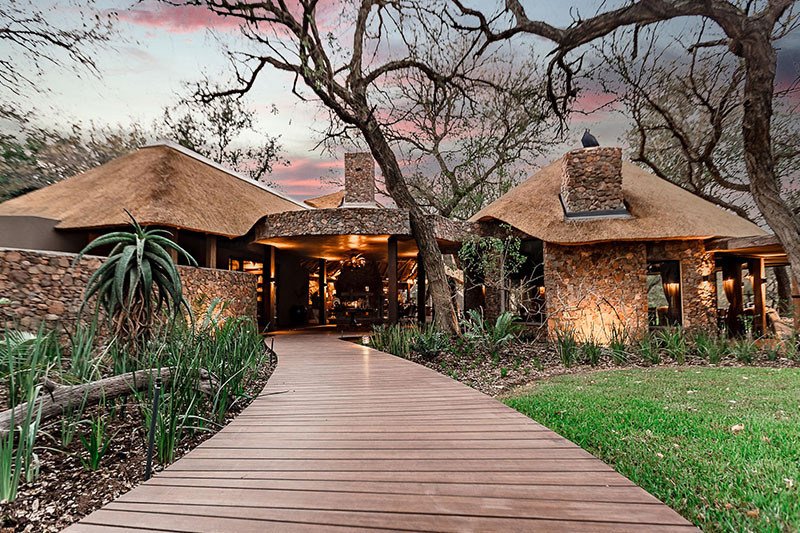
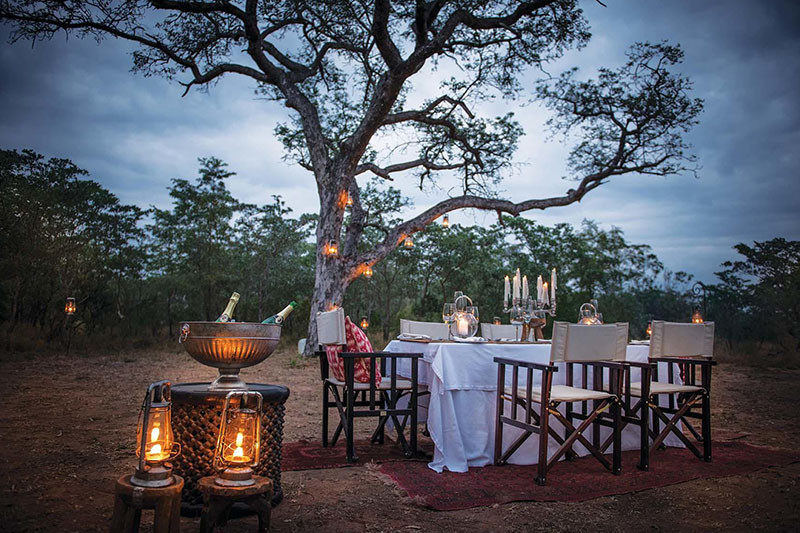
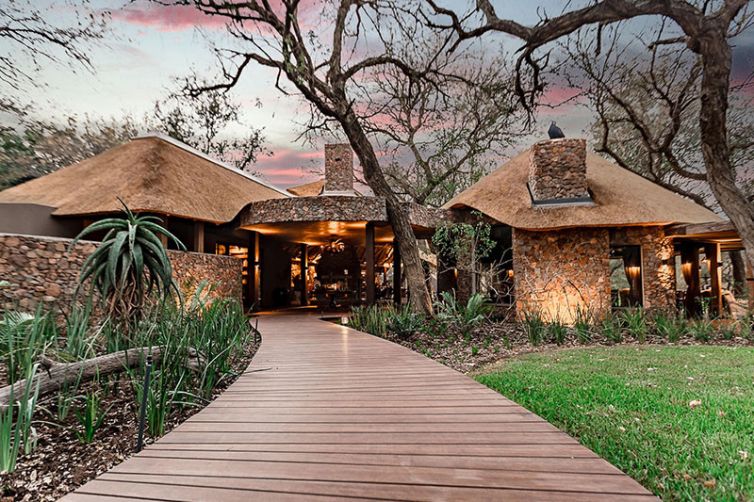
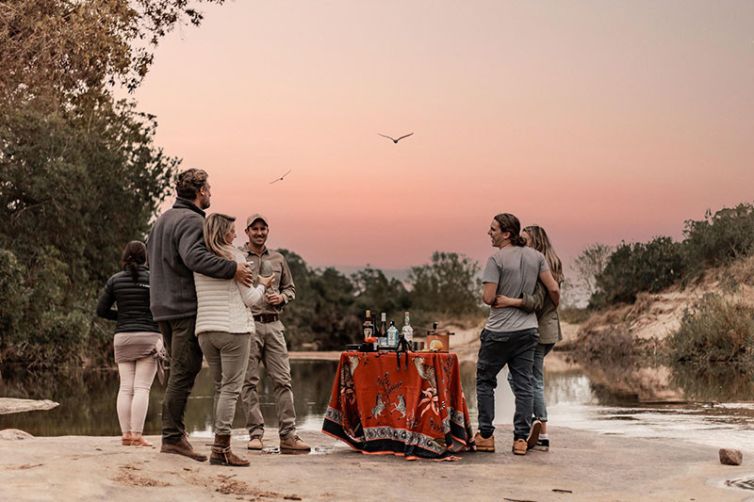
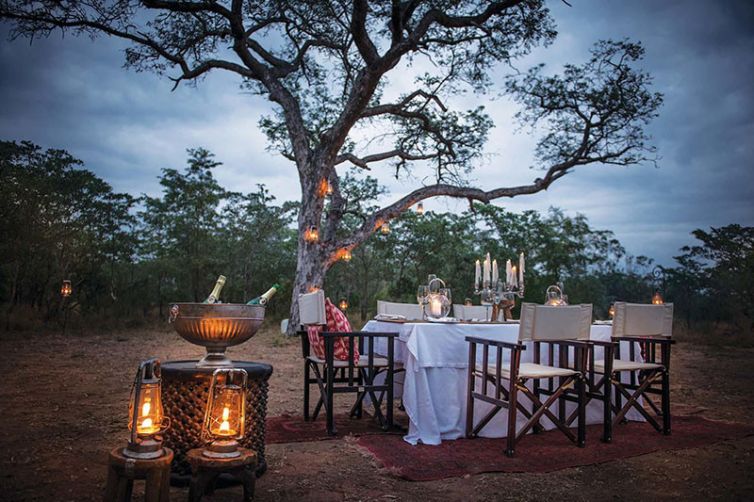
Dulini Moya is small and intimate and suited to those seeking a luxurious but personal and tranquil Sabi Sand experience. The lodge has a fairly traditional feel and does not try and compete with the many more modern and contemporary lodges in the area. Hospitality is sophisticated but friendly, and the game viewing is superb of course. Dulini Moya sits just below the very top end lodges in Sabi Sand, and is priced accordingly.

Rooms
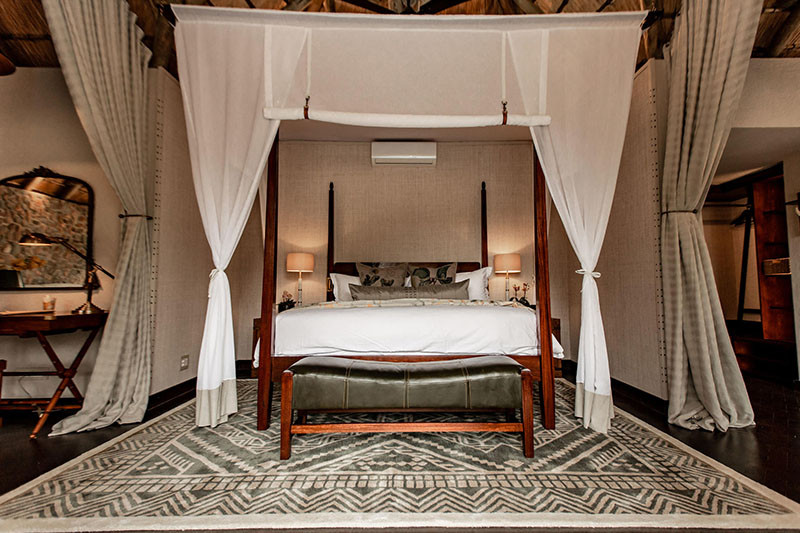
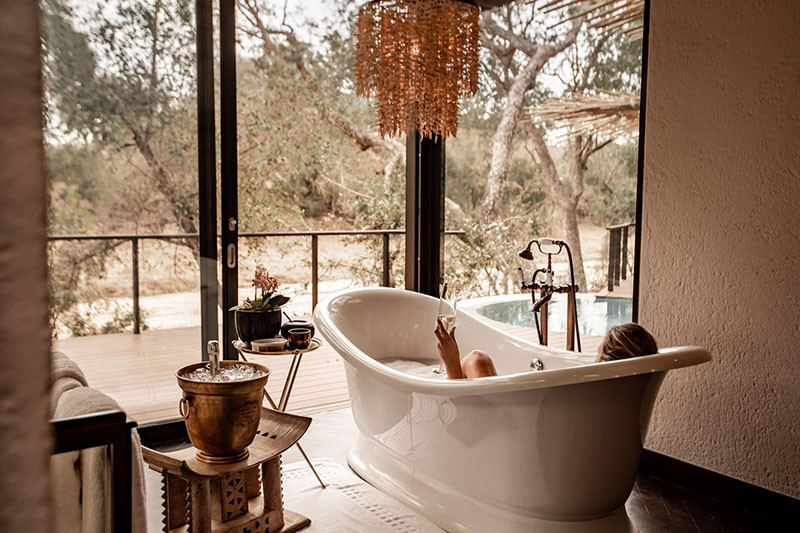
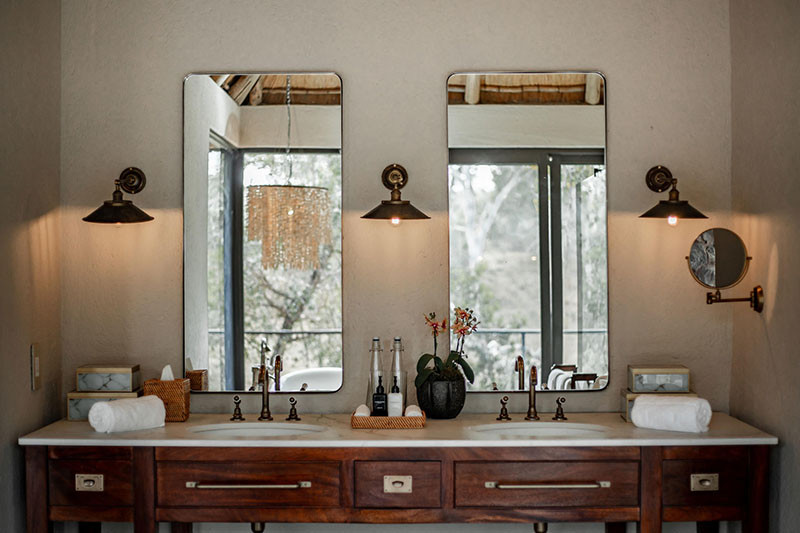
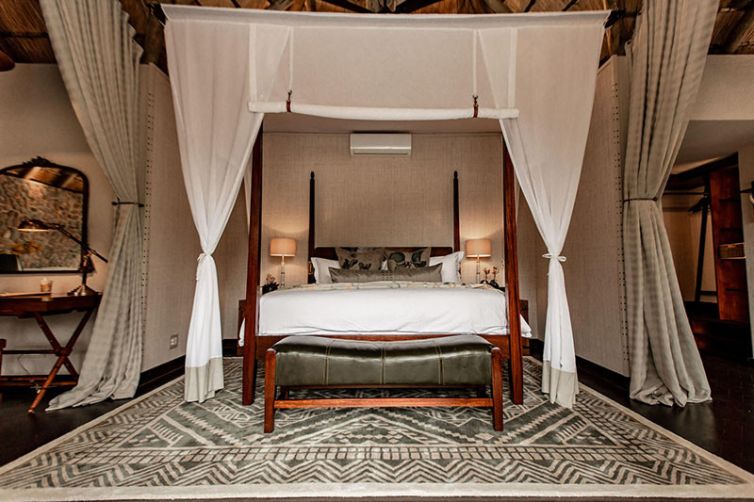
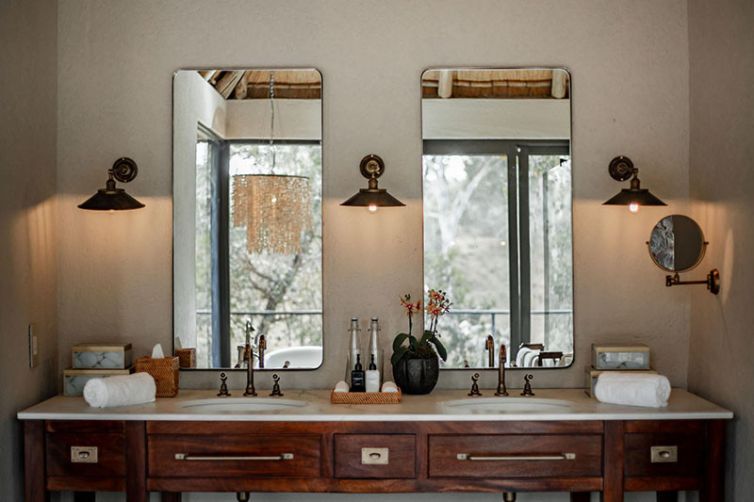
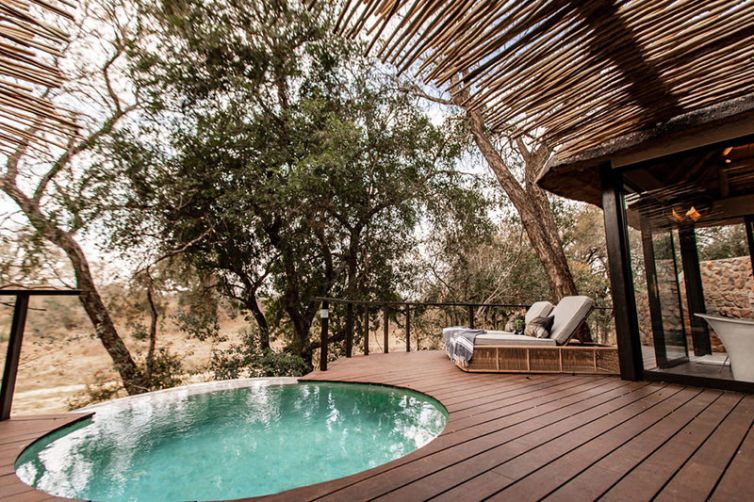
The lodge accommodates around 12 guests in six spacious stone suites along the banks of the Mabrak River. Each air-conditioned suite consists of a sitting room leading to a bedroom with en suite facilities containing double vanity, bath, indoor and outdoor showers, and a separate toilet. To the fore is a verandah and a small, heated plunge pool.
Central Areas
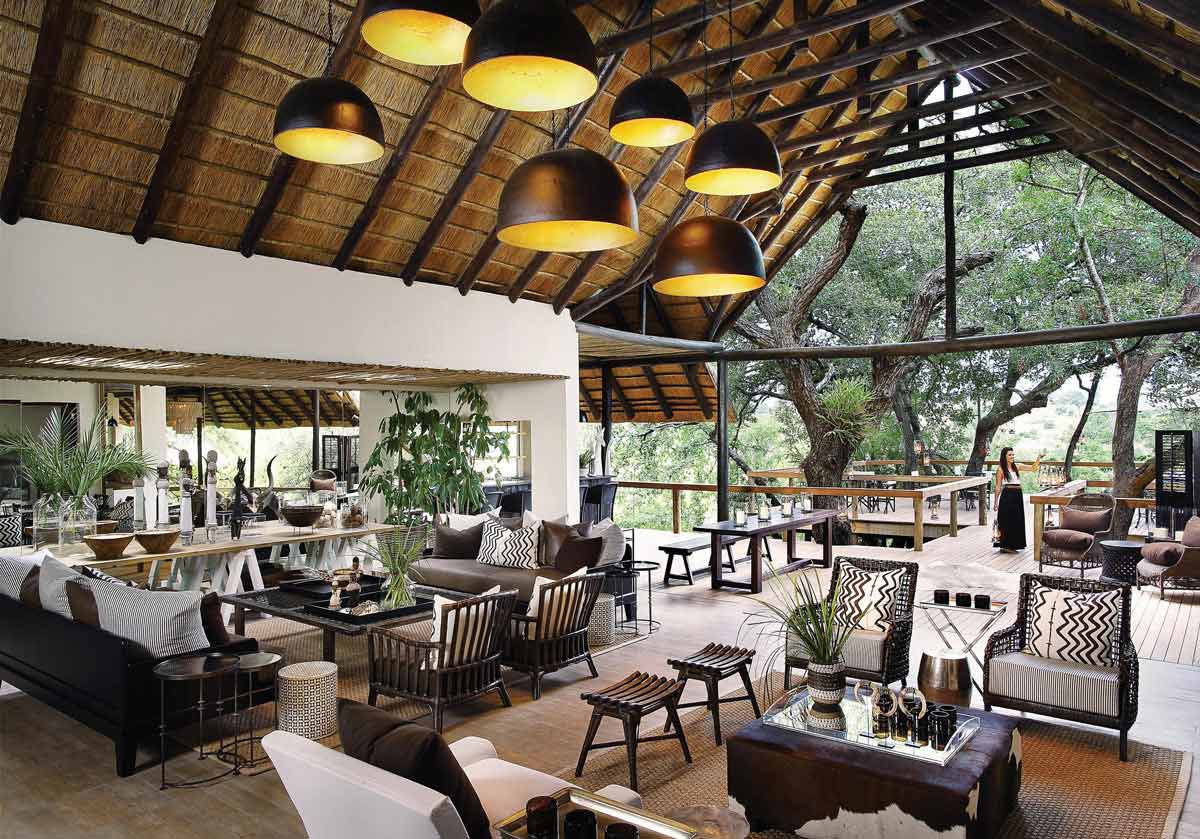
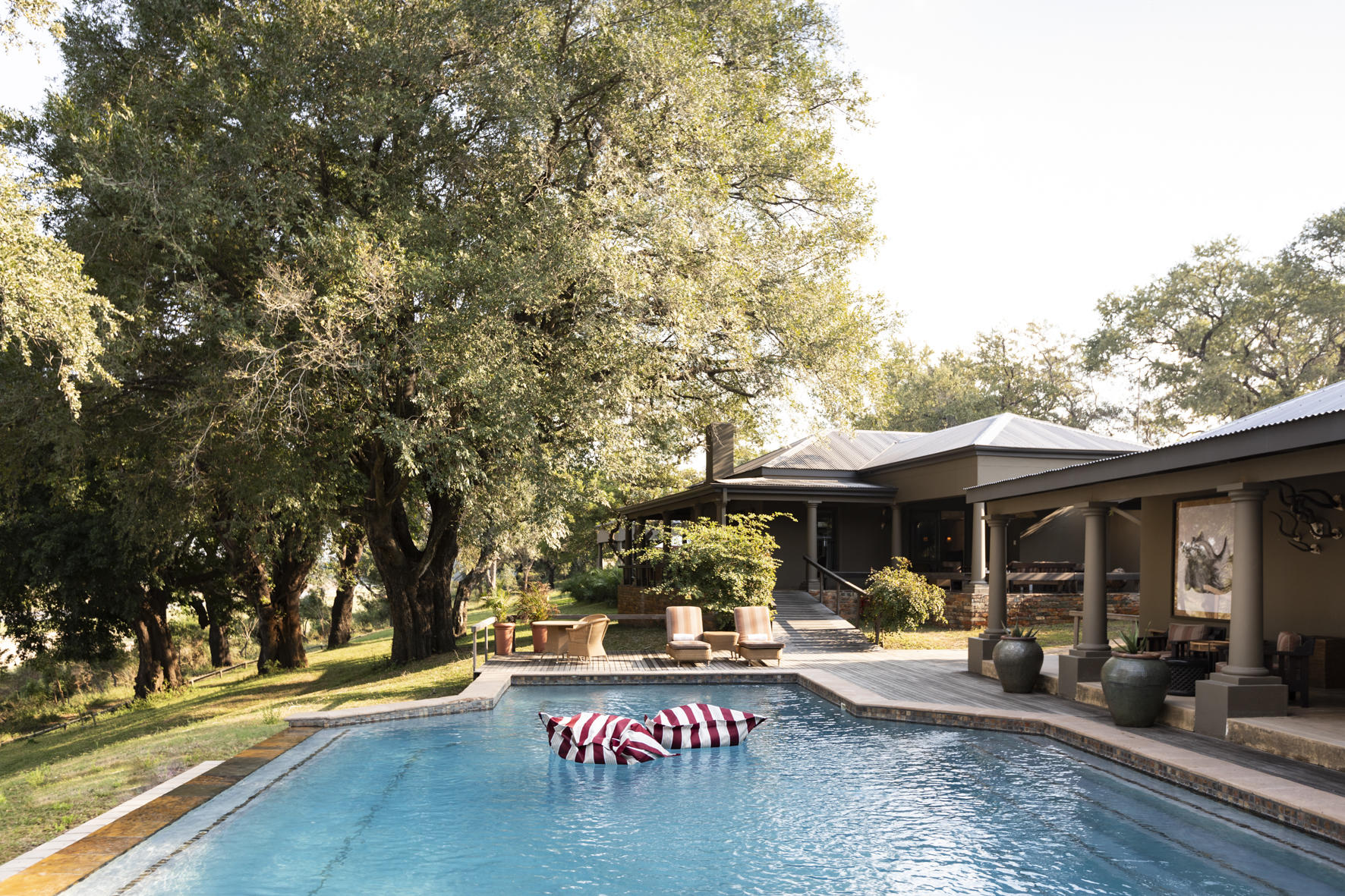
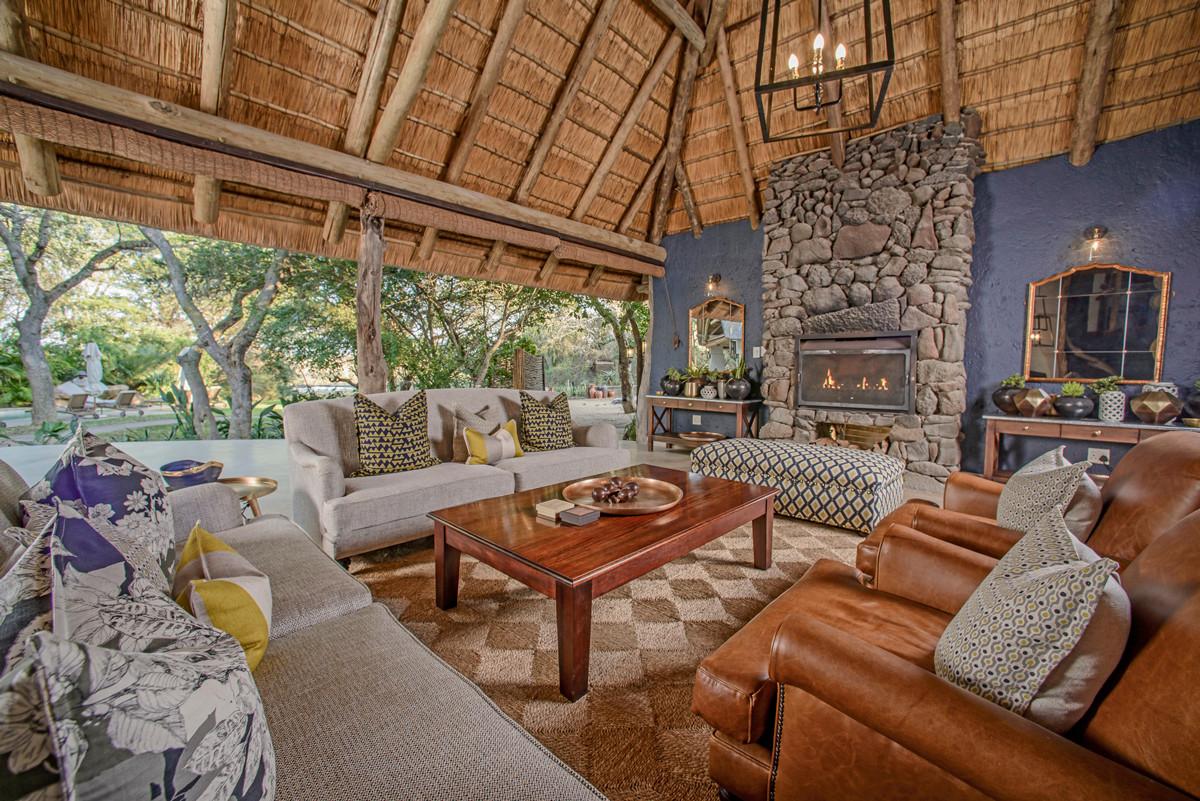
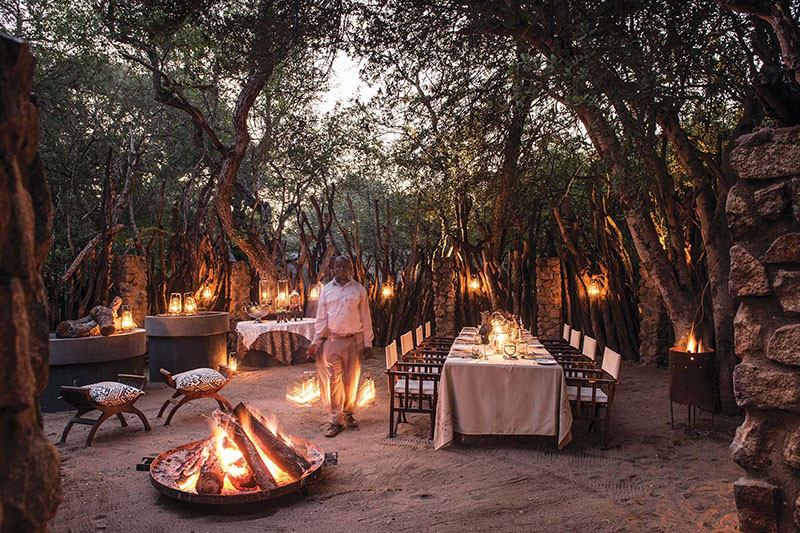
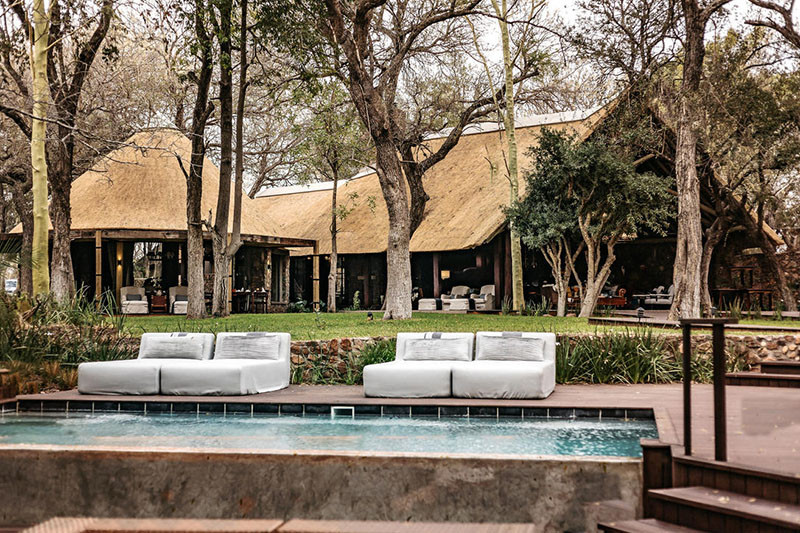
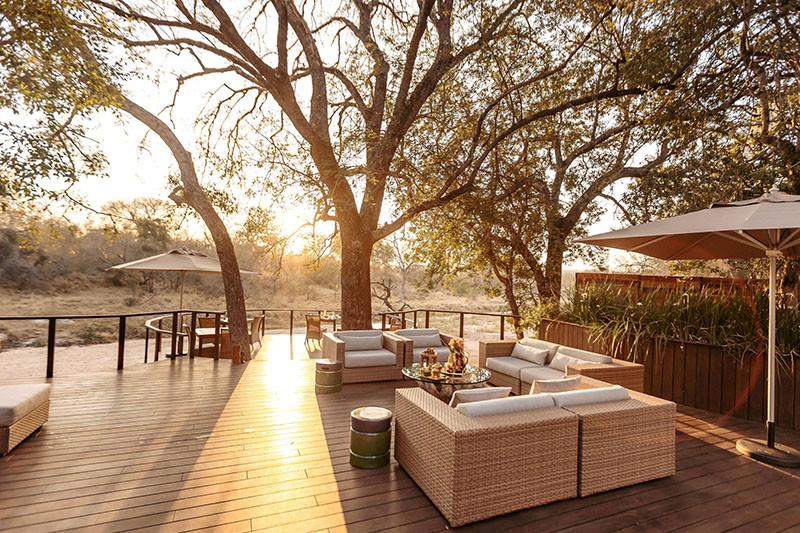
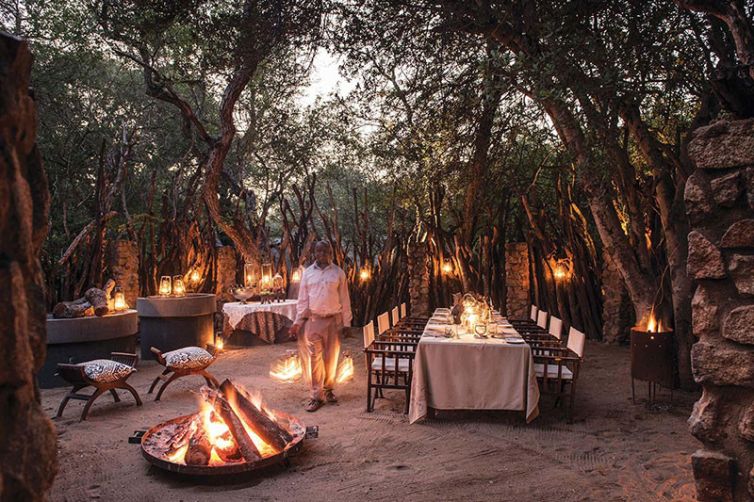
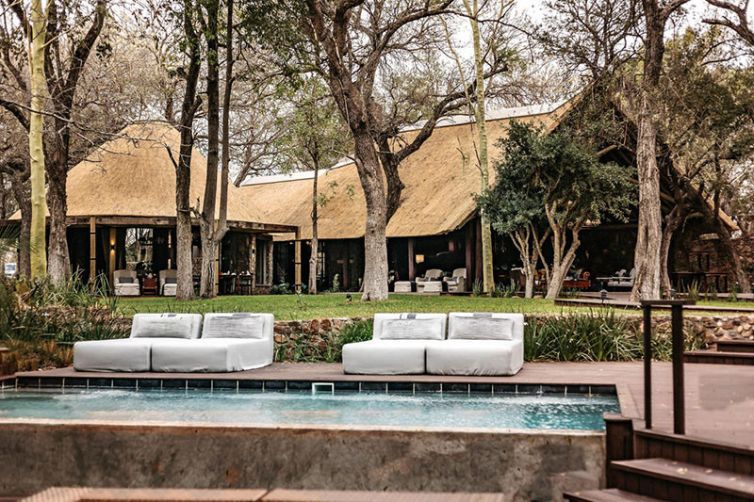
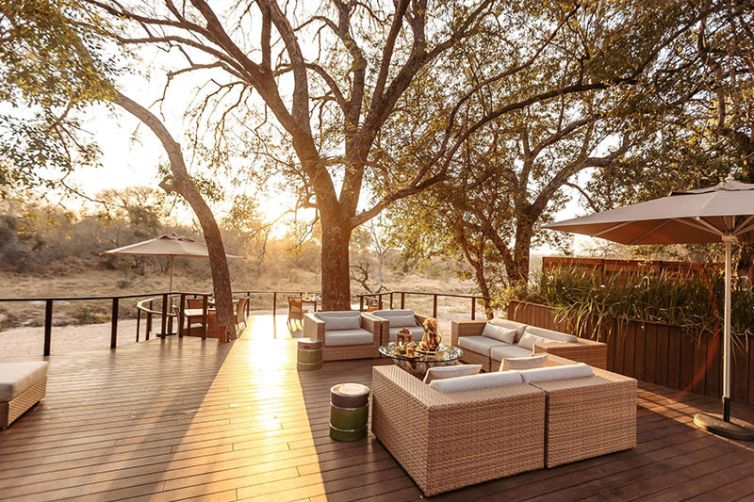
The main reception areas include an open plan lounge and dining area, which are set back from the river under the extensive grove of ebony trees, and a large spacious deck, set on various levels overlooking the river which also houses the main swimming pool. Massages are available in-room and there is also a gym, well-stocked wine cellar and safari shop at the lodge.
Facilities
Wi-Fi – Yes
Power for Charging – Yes
Swimming Pool – Yes
Habitat & Wildlife
The Sabi Sand Nature Reserve lies on the western edge of the famous Kruger National Park with which it shares an unfenced boundary. The reserve is made up of a consortium of old farms, which over the last 40 years, have reverted back to nature and created the wildlife haven it is today. Many of these old properties are individually owned and host some of the best known safari lodges in Africa.
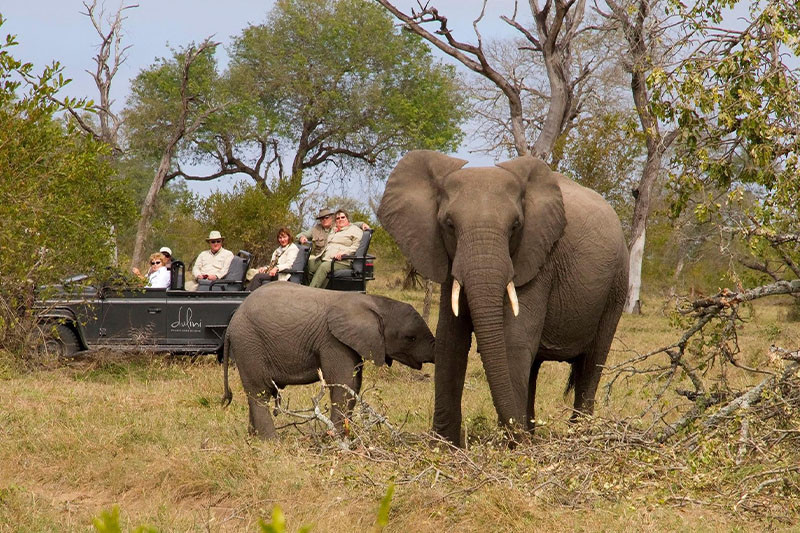
The Sand River flows through the reserve and provides a welcome source of water year round. The habitat of the region is predominantly mixed woodland (from dense riverine forest to acacia-combretum bushveld), with open grassland plains and rocky outcrops. Animal species likely to be seen include elephant, lion, leopard, cheetah, rhino, buffalo, impala, duiker, giraffe, kudu, waterbuck, bushbuck, zebra, hippo, warthog and wild dog. Sable antelope are also returning to the region.
During your stay at any of the safari camps, you’ll no doubt have the opportunity to experience the bush after dark. Using a spotlight on the vehicle, you may have the luck to see some of the many nocturnally active species of wildlife – honey badger, leopard, civet, serval, genet, aardvark, pangolin, bat-eared fox, black-backed jackal, and hyaena. The birdlife of South Africa is exceptional, and Sabi Sands is no exception. Birds likely to be seen include the beautiful rollers (Lilac Breasted and European), various kingfisher species including the woodland, as well as a variety of species usually associated with the bush – shrikes, widowbirds, babblers, starlings, vultures and raptors.
Activities
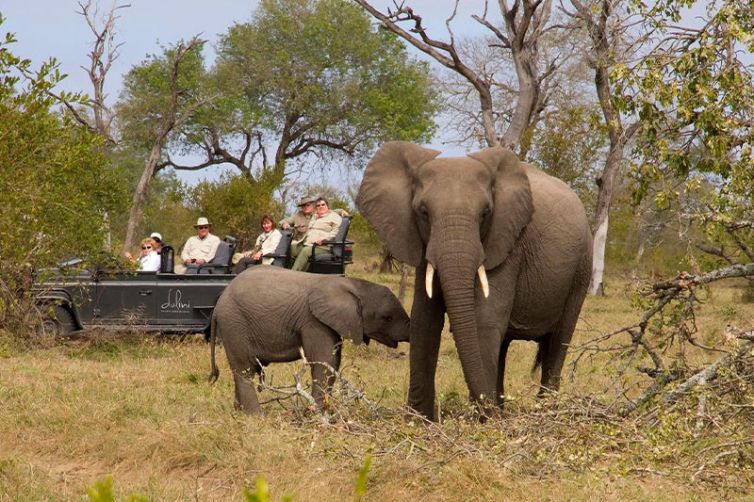
Game viewing activities include game drives (by day and night) in open four-wheel drive vehicles, and guided bush walks. Dulini has traversing rights with other lodges in the area.
Seasons
Dulini Moya is open all year. Game viewing is superb all year round, though you could experience rainfall from late October through to early April.
Children must be aged 8 years and over to stay at Dulini Moya. There are no specific family accommodation units and the nature of the lodge really only makes it suitable for older teenagers who can share their own room away from their parents and do not require the lodge to have child-friendly mindset.
Through the Sustainability Levy, paid by each guest staying at any of the Dulini Collection properties, Dulini helps to fund conservation as well as support local community upliftment projects in the surrounding area. The levy goes directly to four different areas:
The Sabi Sand Nature Reserve Guest Contribution Levy plays a pivotal role in the security and protection of wildlife, as well as in facilitating ecological management within the Greater Kruger Area. The fee is crucial for the operational functioning of the reserve, helping to fund essential activities such as fence-line maintenance, antipoaching efforts, and overall security measures.
Land Management Levy goes towards Dulini’s responsibility for various conservation efforts. These include fire management, water management, protection of large red-listed trees, erosion management, control of alien plant species, and active involvement in Greater Kruger research projects, such as Ground Hornbill research, Vulture research, Elephant research, and Leopard research. The land management fee contributes to the costs associated with these conservation interventions on the land under Dulini’s direct management.
The esiDulini Trust supports three local community projects: Project Dignity (empowering young school girls from impoverished backgrounds), the Dumphries Digital learning Campus (aiming to improve access to higher education for young adults in rural communities), and the Hlayisekani Nursing Home (for vulnerable elderly people in the local communities).
The fourth area is the Bushbuckridge Community Levy which goes towards a local community bordering the reserves of the Greater Kruger. The region faces challenges in raising funds for municipal operations, given its sparse population and lack of affluent households. Dulini is committed to providing monthly statutory levies to assist the municipal authorities in funding their operations, directly benefiting the locaI communities.