

It’s been wonderful once again to have received so much positive feedback from clients who have travelled out to Africa this year, singing the praises of exceptional camp teams and magical wildlife encounters. But equally rewarding has been hearing all the heart-warming community and conservation success stories from our suppliers and those projects we support in safari Africa.
In a world that is increasingly subject to climate change, our wild spaces are an ever more vital part of the solution; and yet never have they faced such pressures from human population growth and habitat loss. Alongside this is a rapidly growing safari tourism industry, elements of which are not always managed with respect and sensitivity to wildlife and habitat.
News from safari Africa, therefore, that demonstrates responsible safari tourism making a huge difference to the lives of the communities that live amongst and alongside wildlife, and to the conservation of wildlife species, is immensely uplifting. The knowledge that our clients and their travels are part of the success story gives a real purpose to what we do.
It’s also been lovely to connect with clients post travel who have been inspired by encounters with wildlife, or with stories from guides and camp staff, and who want to do more to give back. We’re always delighted to recommend ways in which clients can offer a deeper level of support to conservation and community initiatives either during a safari, or after returning home.
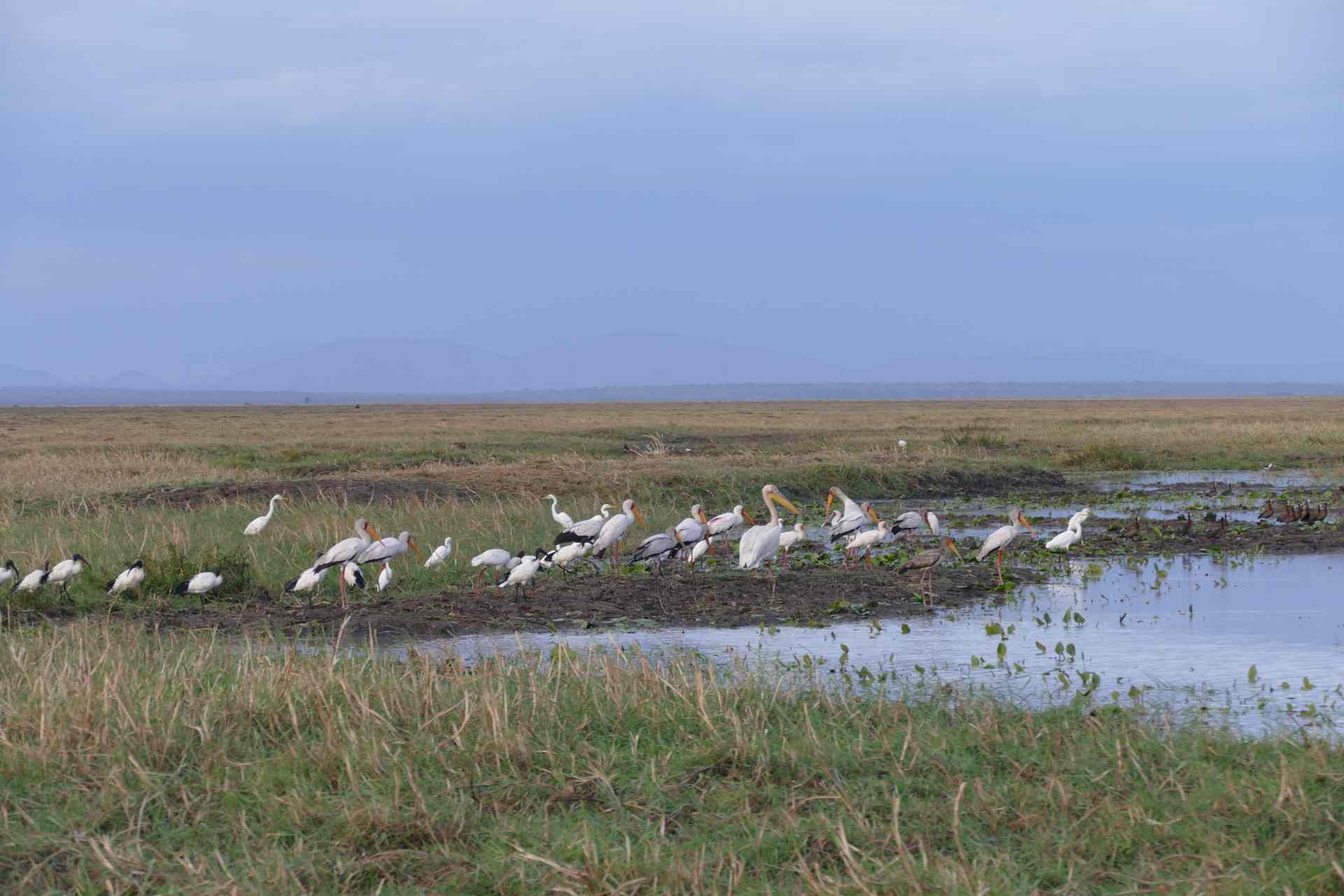
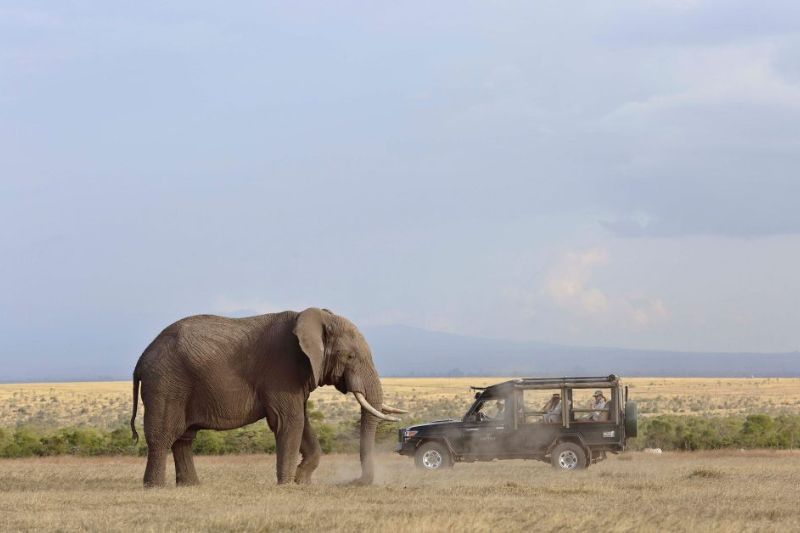
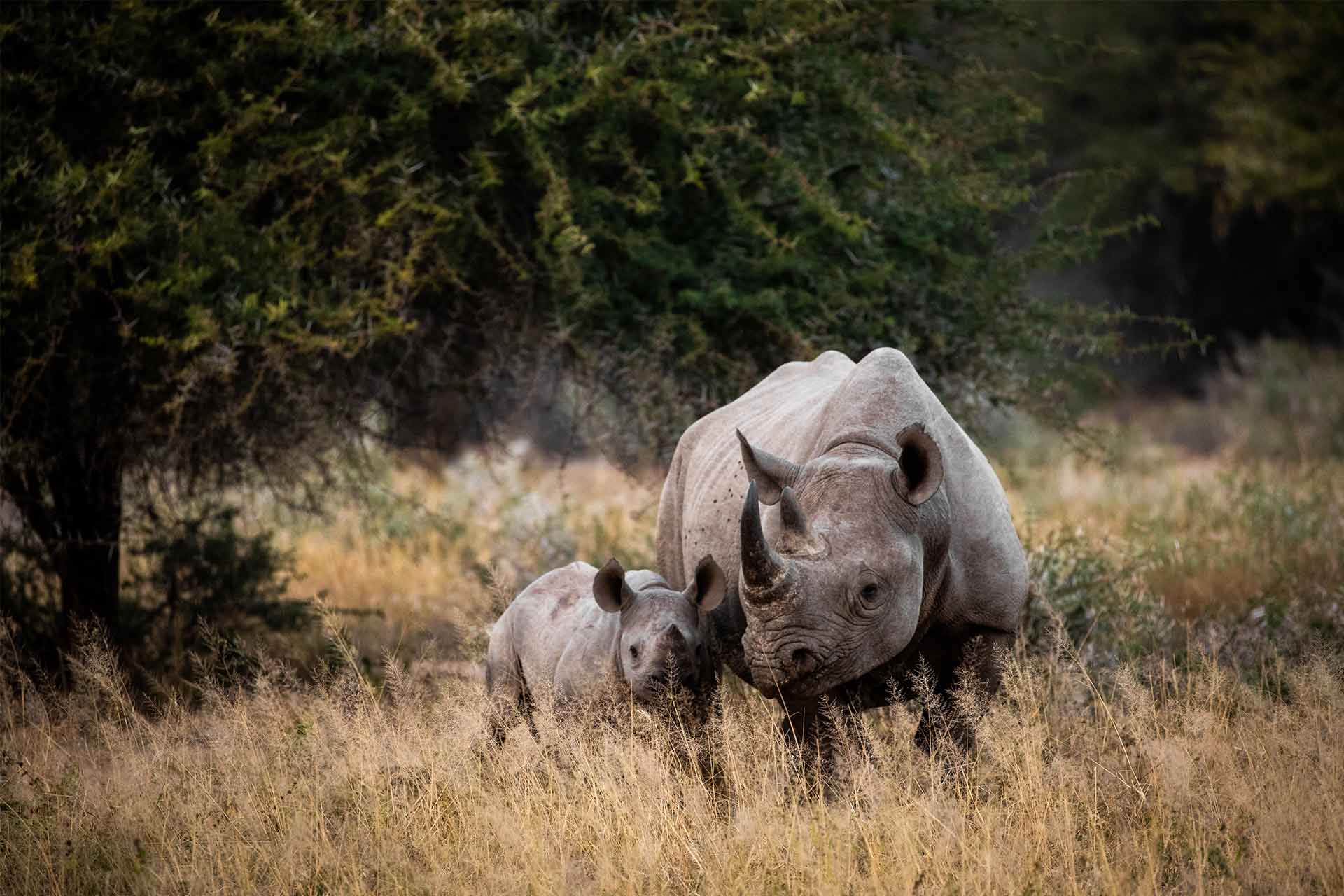
Here are just some of the highlights of 2025 in conservation – both from the projects we support and beyond.
CLAWS
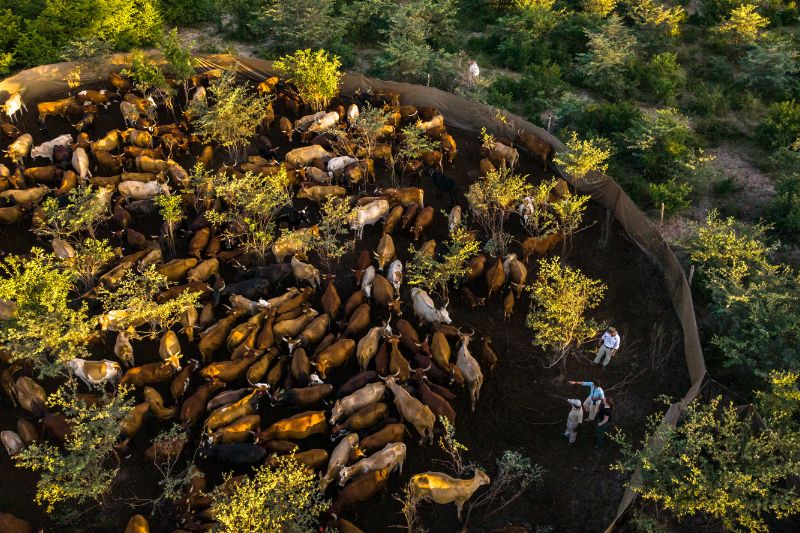
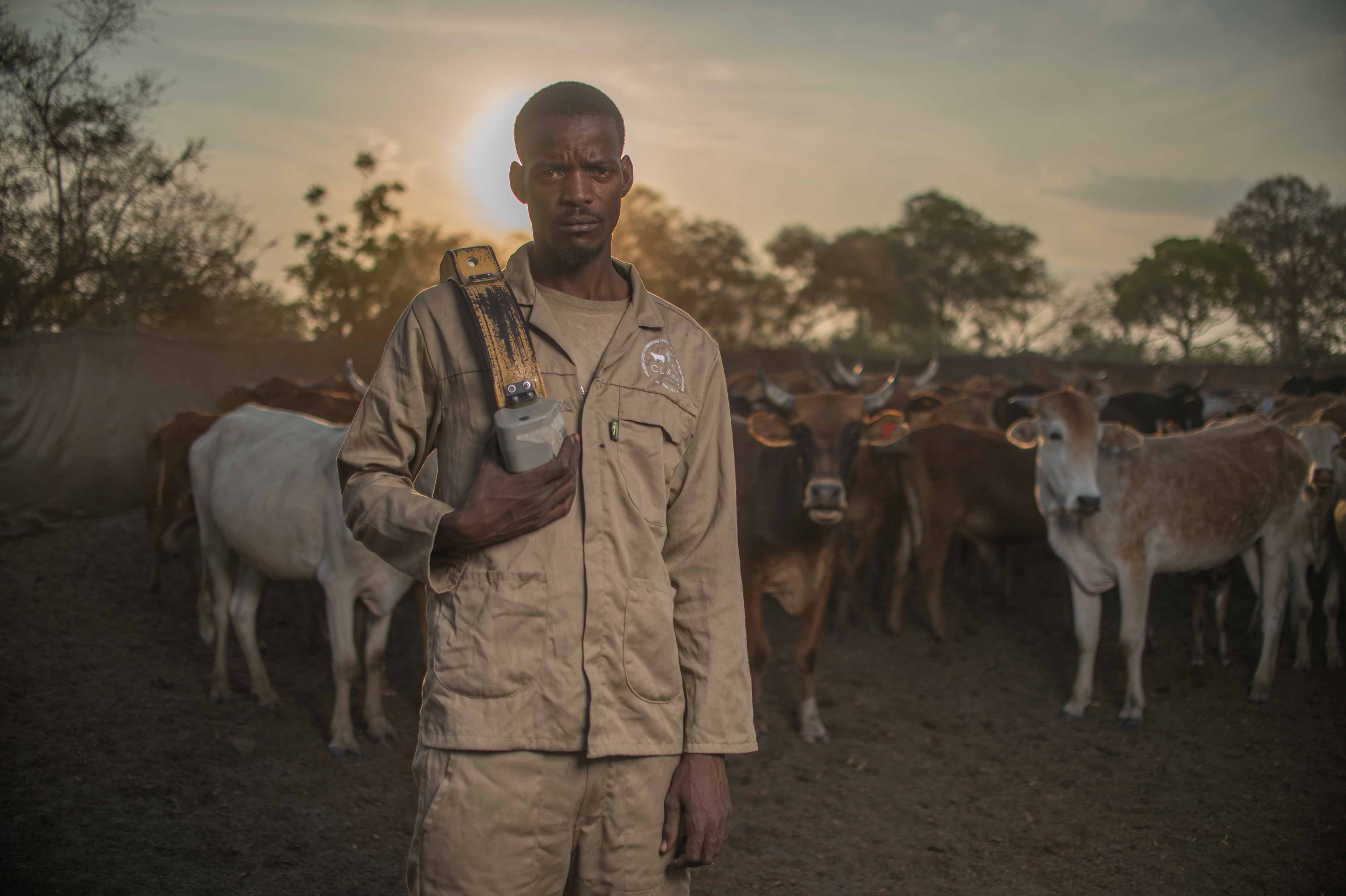
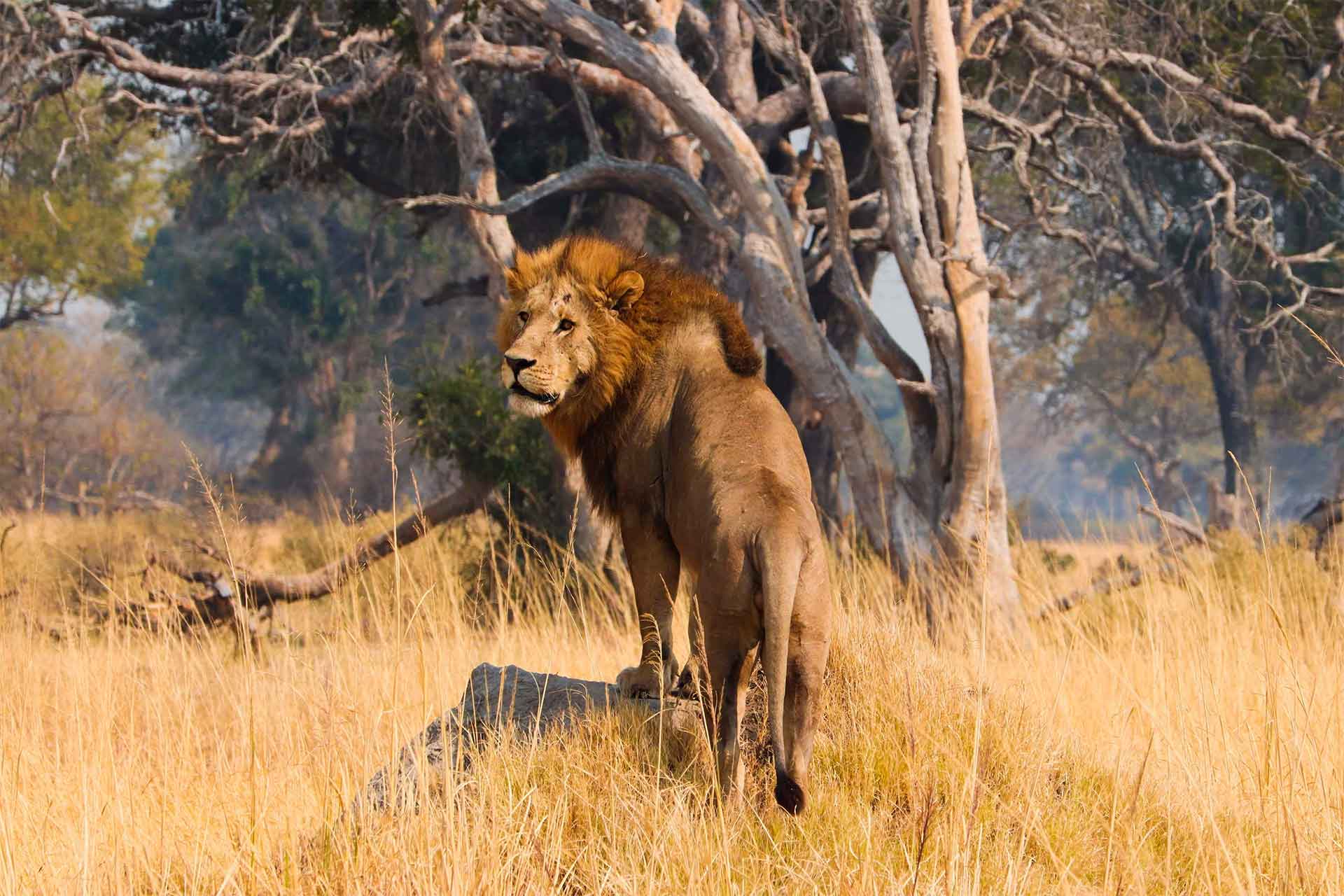
Our blog earlier this year explored how the pioneering CLAWS initiative, alongside safari tourism, is helping communities co-exist with lions on the northern edge of Botswana’s Okavango Delta. Since the blog was published, CLAWS has been part of a successful collaboration to broker the first sale of Certified Wildlife Friendly® beef in Africa.
Part of the CLAWS approach is to educate and support local farmers to adopt lion- and ecosystem-friendly livestock herding practices. This has meant that the beef farmed by these methods has met the rigorous requirements of the Certified Wildlife Friendly® standards. The purchaser is Wilderness Safaris who has committed to buying Certified Wildlife Friendly® beef for use in its Vumbura Plains and Little Vumbura camps. This marks a significant step forward in demonstrating real, tangible benefits for communities who are coexisting with wildlife and rearing livestock in ways that protect lions and support ecosystem health.
Another milestone this year has been gaining an additional community who is adopting the Herding-4-Health livestock farming model. This particular community has been at the epicentre of recent lion losses and therefore at the forefront of CLAWS’s focus so this is a particularly important achievement.
A final celebratory bit of news from CLAWS is that this year they have seen lion cub survivorship reaching 75% in the areas they operate, with increased pride stability compared to just 33% a few years ago.
GREAT PLAINS FOUNDATION
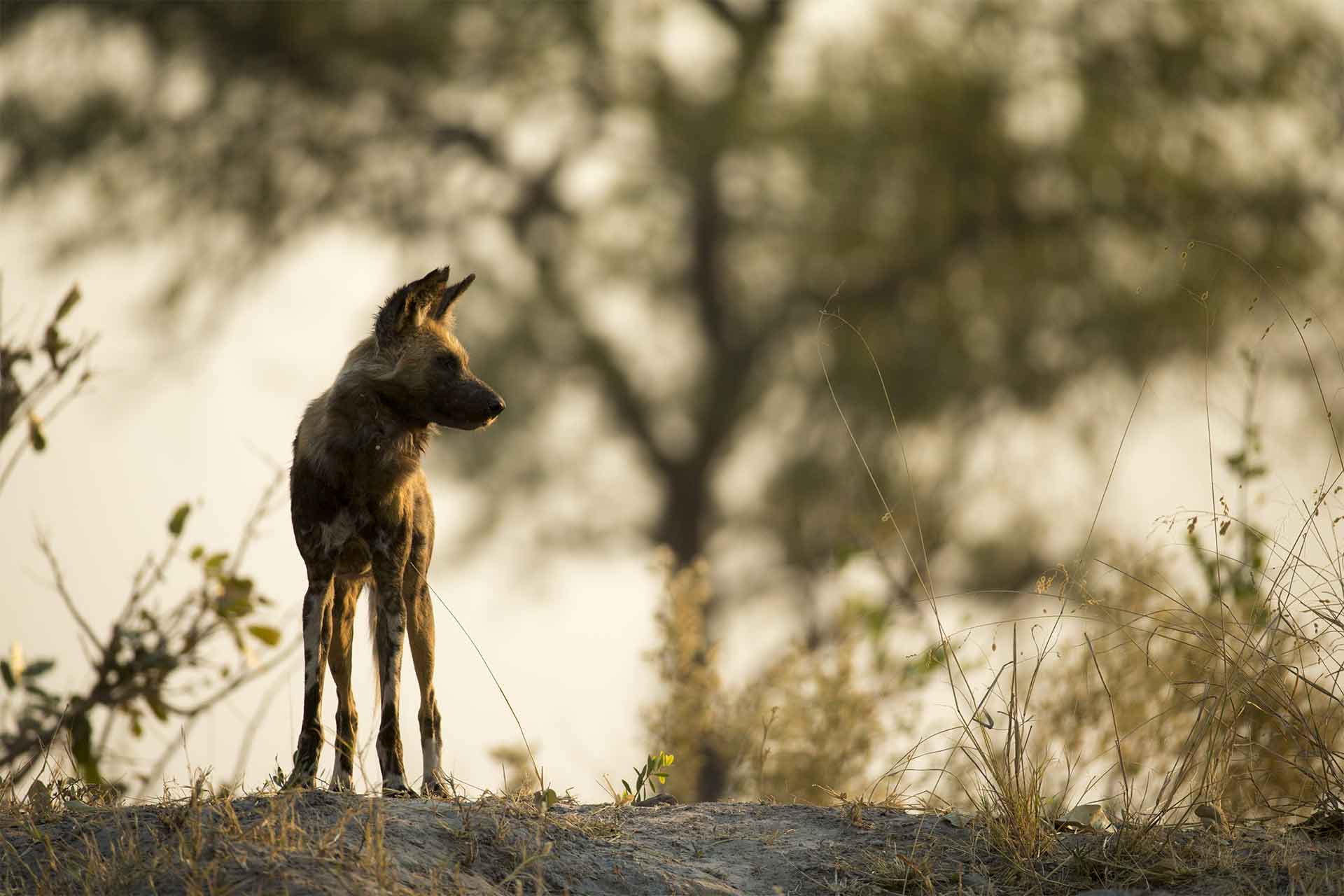
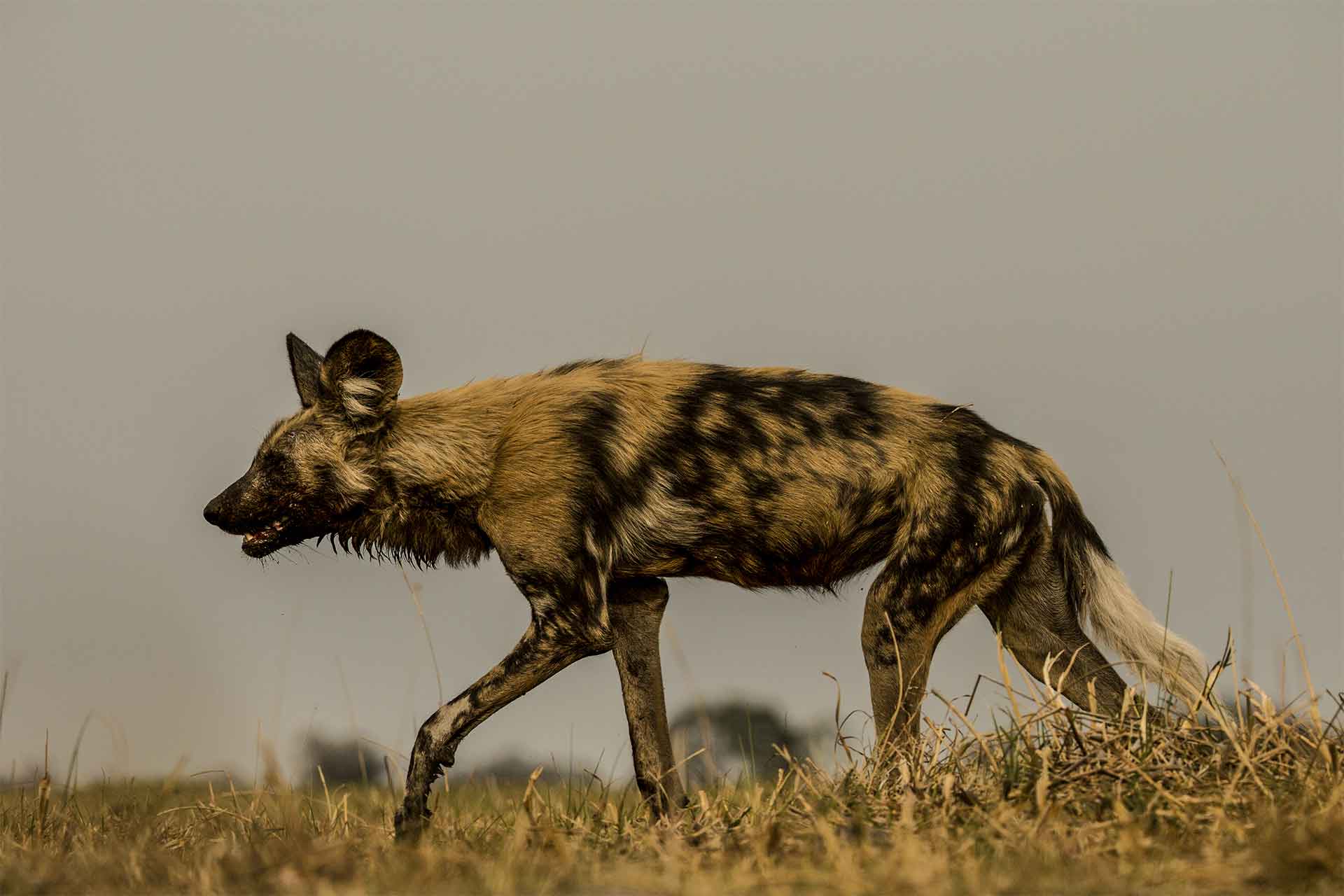
One of the most impressive and moving conservation stories this year was an African wild dog relocation undertaken by Great Plains Foundation’s Project Rewild. An area in southern Zimbabwe was dealing with human-wildlife conflict involving a specific pack of wild dogs which had started hunting in and around a livestock area. Great Plains Foundation, already known for pioneering wildlife relocations, stepped in at the critical moment.
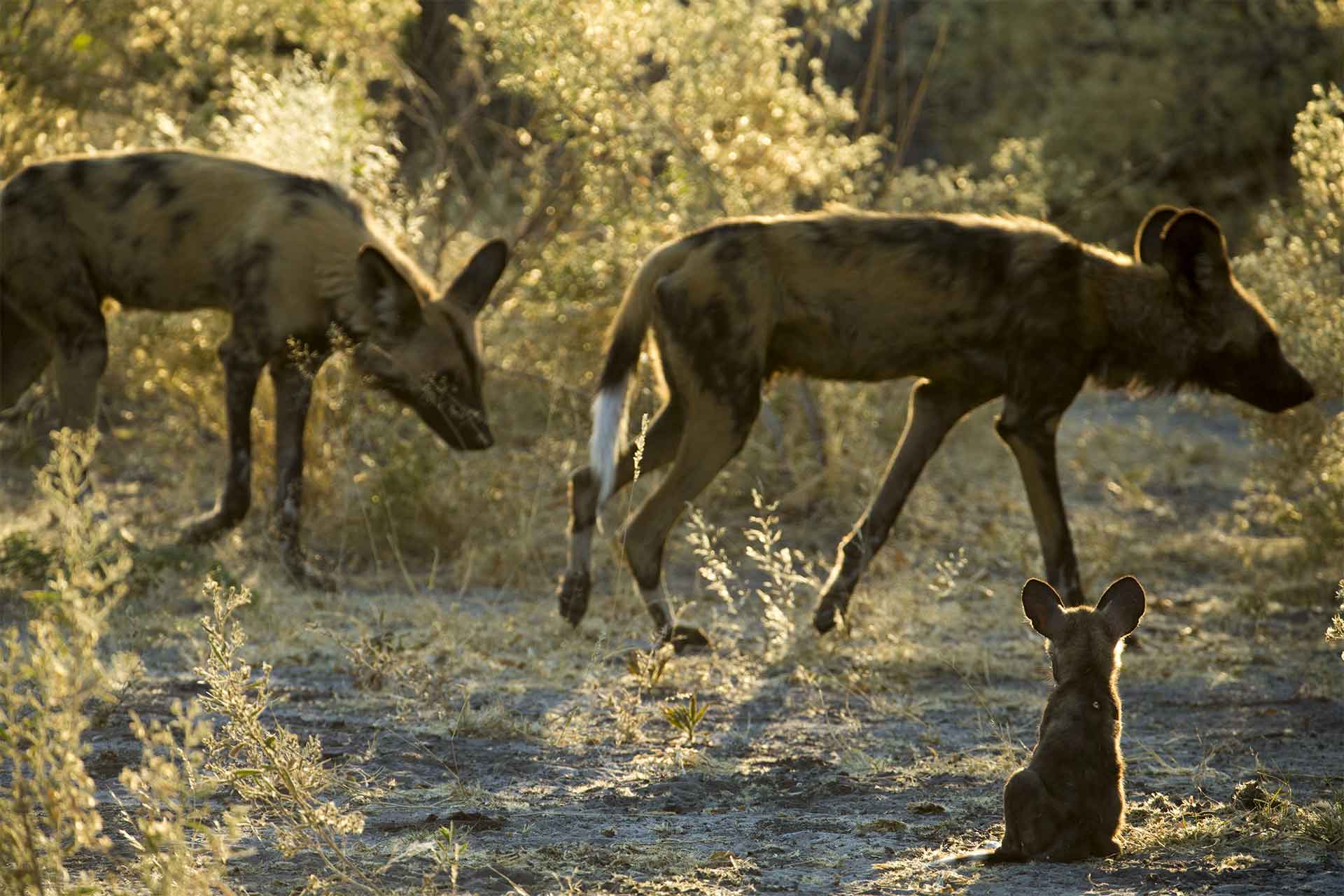
The outline plan involved capturing, containing (words that don’t sit easily alongside African wild dogs!) and then airlifting the wild dog pack to Great Plains’ 280,000-acre private Sapi Reserve next to the Mana Pools National Park (which at the same time was suffering a decline in wild dog population, likely down to inbreeding). A last minute challenge presented itself when one of the female dogs gave birth as the vets arrived. Rather than abandon the pups, Great Plains adjusted their plan and air-lifted the whole pack, including puppies, in carefully climate-controlled conditions. Co-founder of Great Plains Foundation Dereck Joubert describes how the relocation was anything but plain sailing: “This wasn’t a simple relocation. It was a mission filled with unexpected turns… and countless moments of determination and care from a dedicated team of conservationists.”
This absolute dedication to wildlife conservation, we’re delighted to say, has resulted in triumph with not only a successful relocation and birth of further pups, but the successful release of 17 wild dogs (eight adults and nine pups). The ultimate hope is that this relocation will lead to the stabilisation of the wild dog population in the greater Mana Pools region. Watch the drama of the relocation unfold in the Great Plains Foundation video here.
All the while, essential foundation work has continued. Great Plains Foundation’s most recently published quarterly impact report shows a snapshot of what they accomplish in just three months. Highlights include: Great Plains Wildlife Rangers carrying out 4,375 hours of patrol in Zimbabwe and Botswana; 5,600 trees being planted in the Masai Mara region; and 14,362 children being supplied with a daily nutritious meal at school.
SARARA FOUNDATION
The Sarara Foundation continues to grow from strength to strength with 2025 marking many firsts and new developments in the beautiful and remote Mathews Range, northern Kenya.
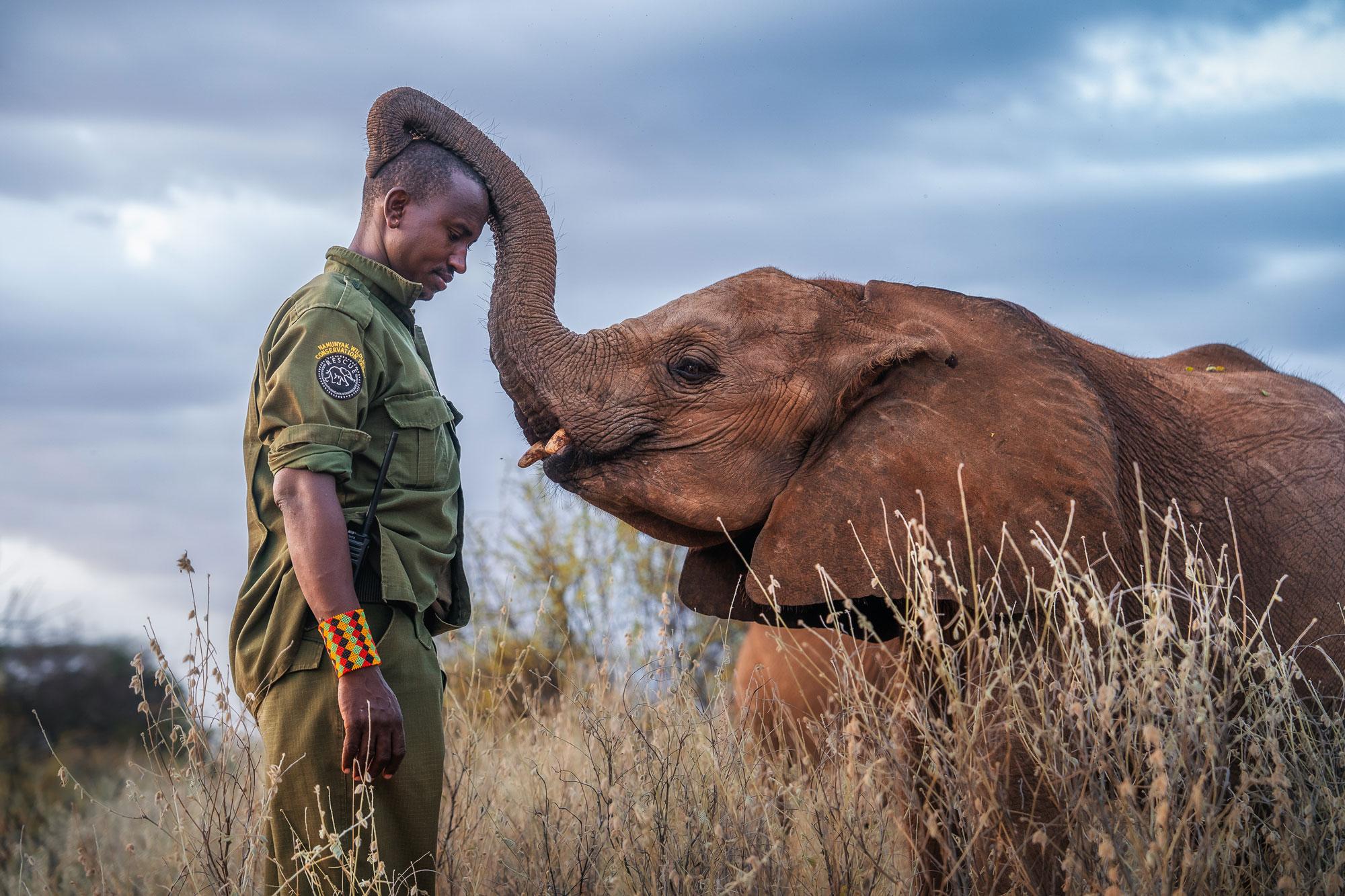
2024 was a milestone year for the Reteti Elephant Sanctuary with 13 elephants released into the wild in the Namunyak Conservancy. It was therefore heartwarming to see Reteti celebrating the release herd’s first 500 days in the wild in November of this year. Once the elephants were rewilded, their care became even more advanced, including GPS collars tracking their movements and behaviour, aerial monitoring and community-based Elephant Guardians in the field. And meanwhile back at the sanctuary, their work continues with 10 orphan elephants being rescued this year.
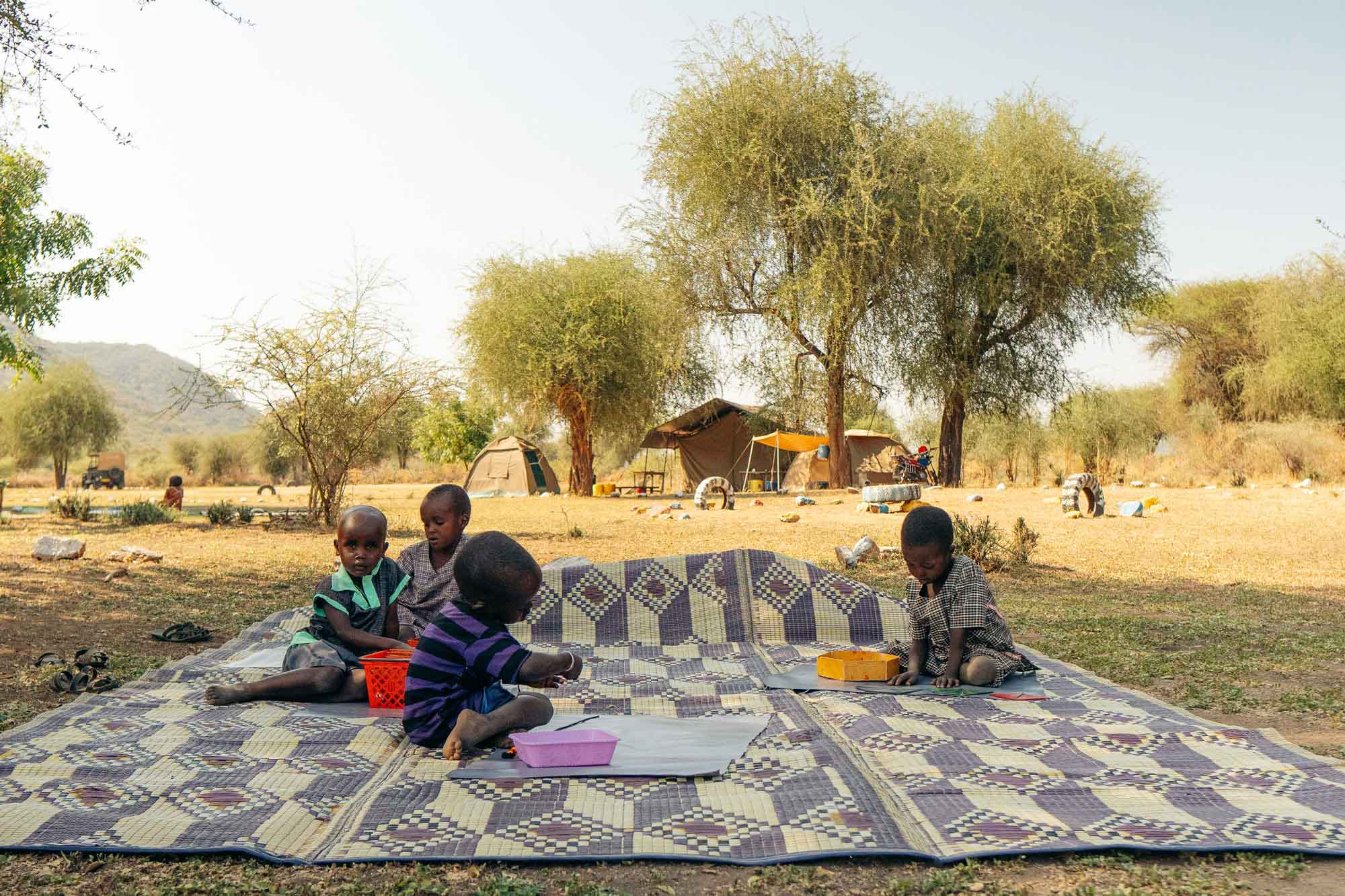
Sarara’s four Nomadic Montessori Schools have proved a highly successful way to deliver early childhood education to this remote region. The schools deliver lessons in mobile classrooms designed for their nomadic, pastoralist lifestyle and with a structure that respects the Samburu’s culture. They now serve 198 three to six year olds, and a new school is on the horizon. Sarara is aiming to raise US$ 45,000 to build their fifth mobile Montessori school. This amount will cover teacher salaries, transport, training, startup materials, daily porridge for children, and security, as well as clothing support, toys, and games for young learners.
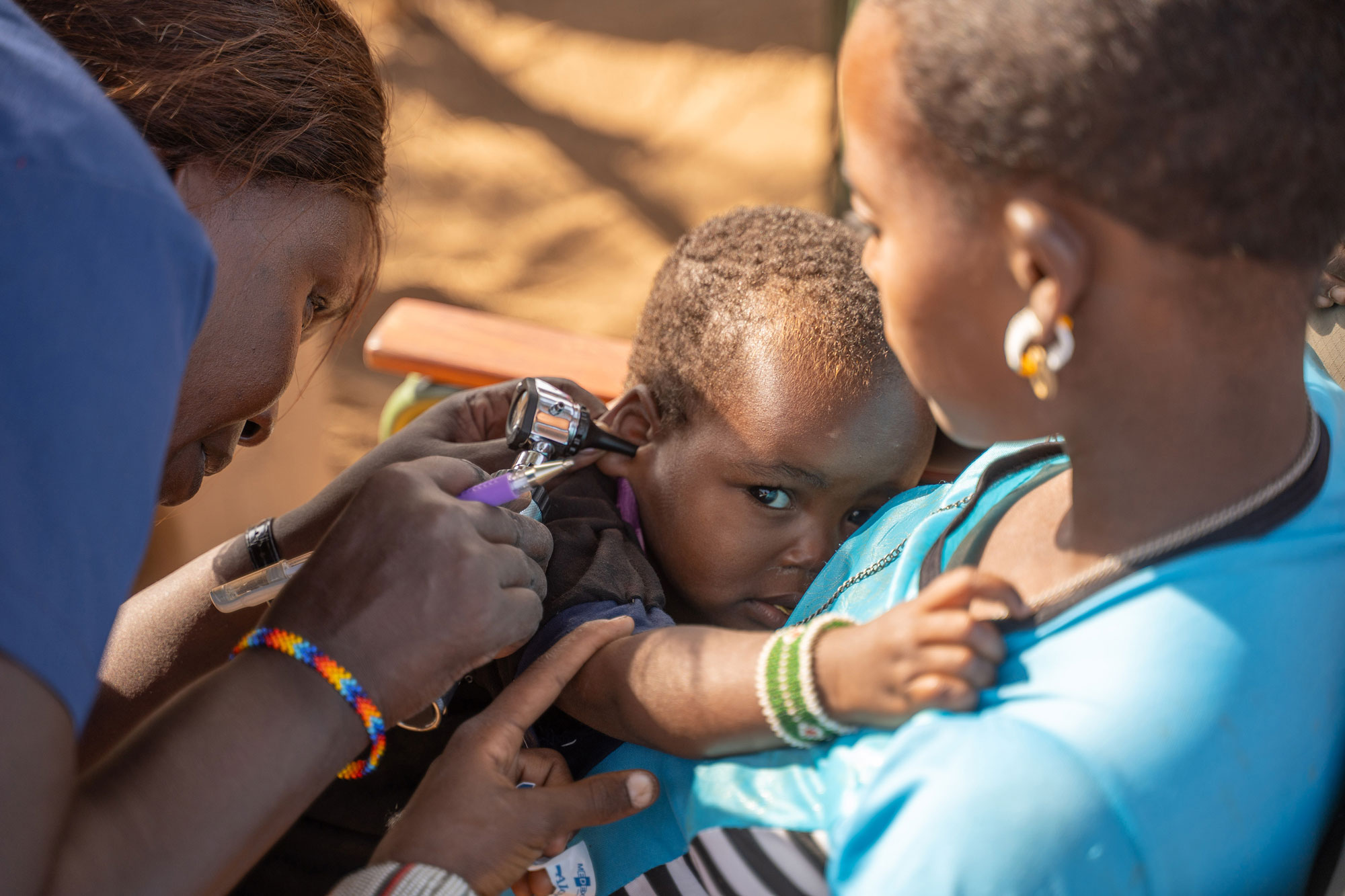
2025 also saw the Nomadic Healthcare Program’s most impactful medical camp to date – reaching 1,650 people across four remote sites in Namunyak Conservancy. Most of those treated were women and children.
THE MAA TRUST
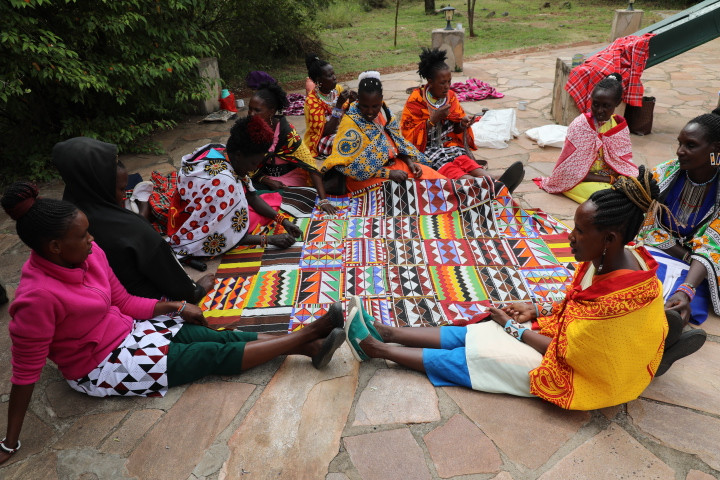
If you’ve stayed in a safari camp in Kenya’s Masai Mara region, the chances are you may have heard of the MAA Trust; and if you’ve stayed at camps in the Naboisho or Olare Motorogi conservancies, you may have even visited their headquarters and beading workshop. The trust was created alongside the conservancies to increase the benefits that go back to the local communities, in particular to women, youth and children. The beading workshop is the social enterprise and ‘front of house’ of the trust, but their Impact Report published earlier this year demonstrates the wide-reaching impact which is not visible to tourists.
Just a few of their successes highlighted in the Impact Report (detailing achievements of the previous 12 months in 2024) include the opening of the Talek Maternal, Newborn and Child Health facility at Talek Health Centre, a truly transformative addition to healthcare in the Masai Mara. The facility had already delivered 425 babies at the time the report was published.
The trust also completed the construction of the Kirok Community Rainwater Harvesting System, providing clean and safe drinking water to 197 families.
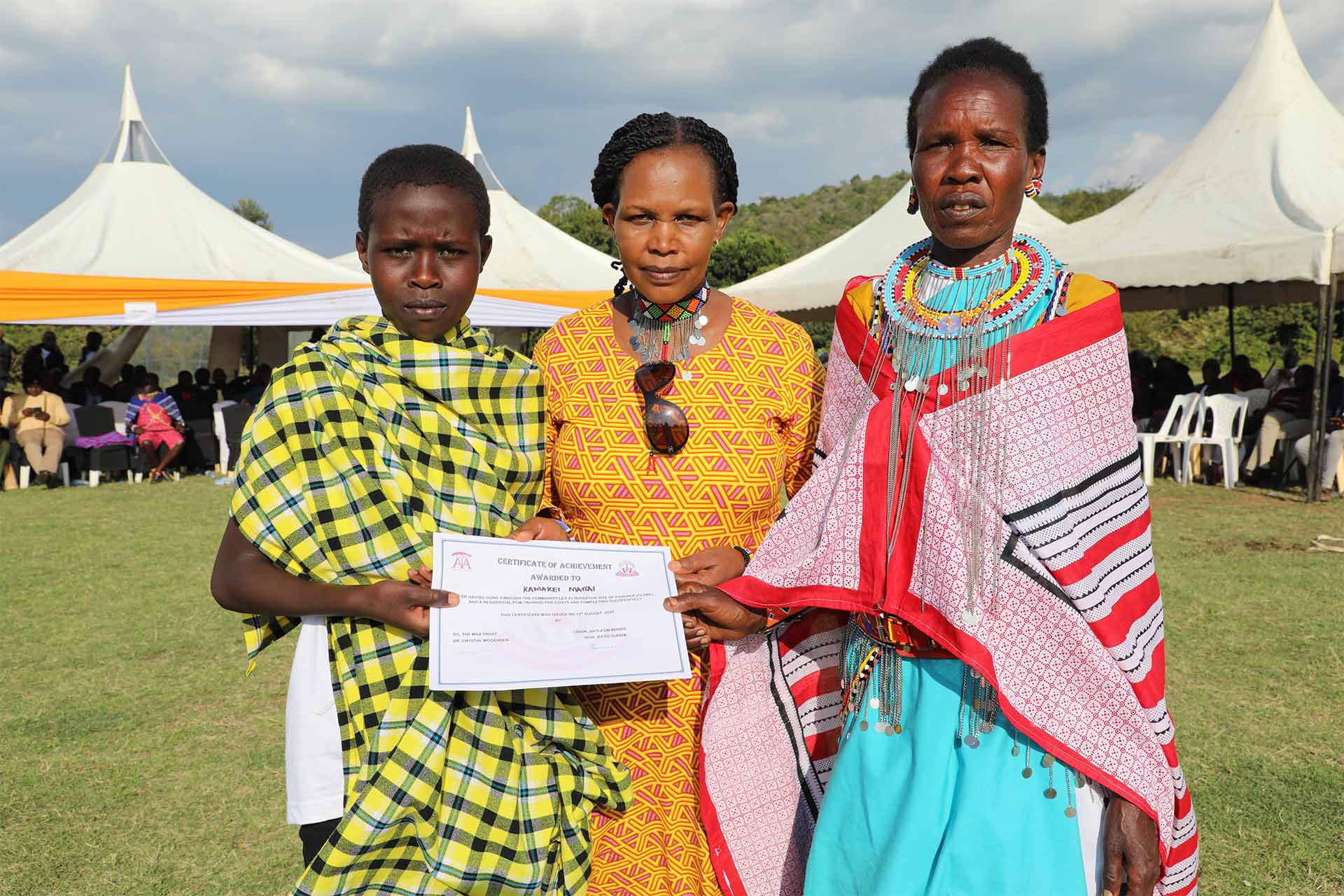
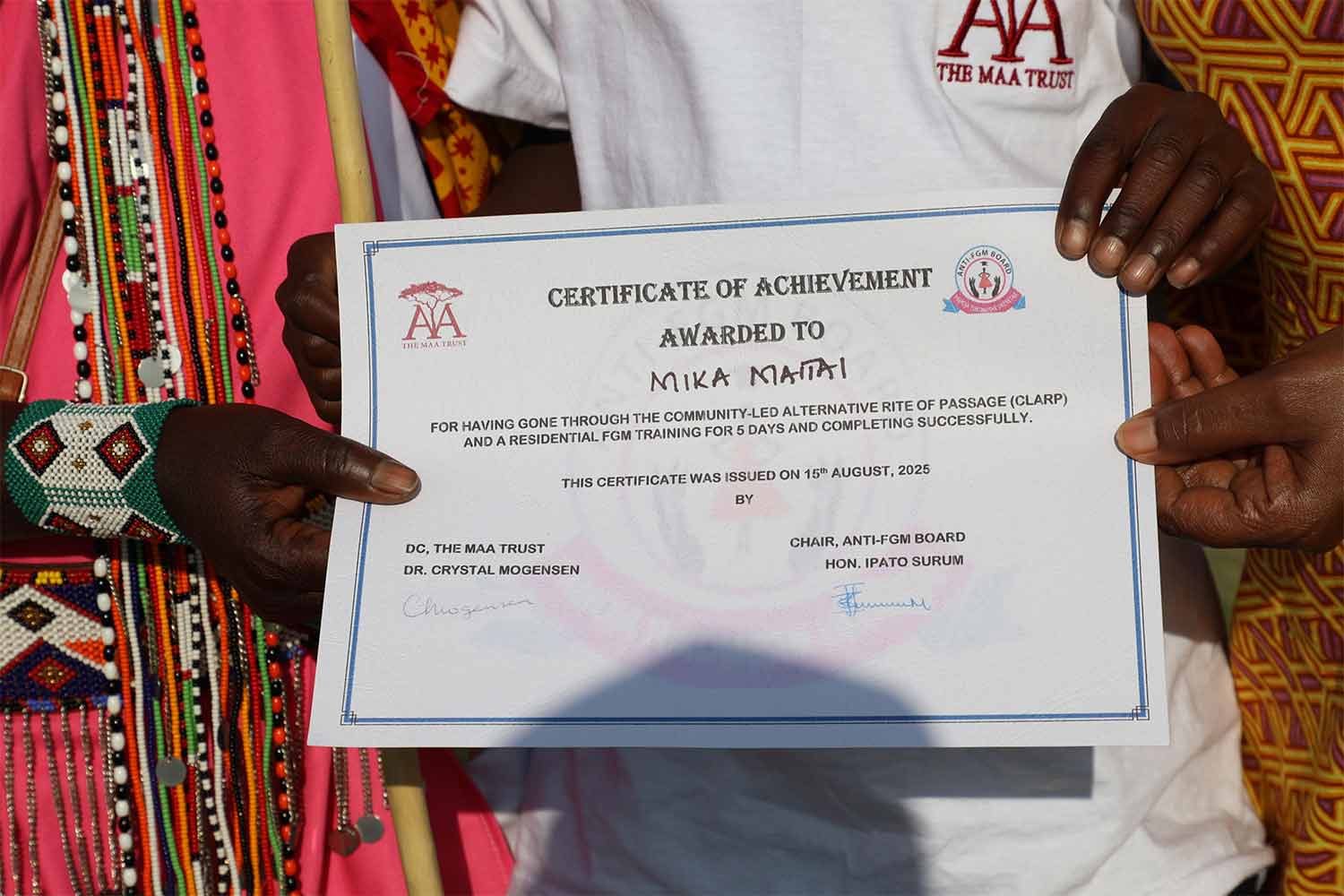
Meanwhile the Community-Led Alternative Rites of Passage programme doubled its reach from the previous year to 262 girls. The graduation celebration was a joyful and powerfully moving sight to behold and marked the end of nine months working with elders, religious leaders, cultural leaders, grandparents, families, and children to preserve the culturally important rites of passage celebration, but without the practice of FGM.
While much of the Trust’s work goes on far behind the safari tourism scenes, the work is possible because of tourism and key safari camp partners such as Great Plains Foundation, Asilia Africa, Cottar’s Safaris, Hemingways and Saruni Basecamp Foundation. The Trust Chairman, Terry Davidson, in his 2024 Impact Report opening message remarked: “It is encouraging to see tourism operators as passionate about the wellbeing of communities living around this precious ecosystem as we are”.
SPECS FOR AFRICA
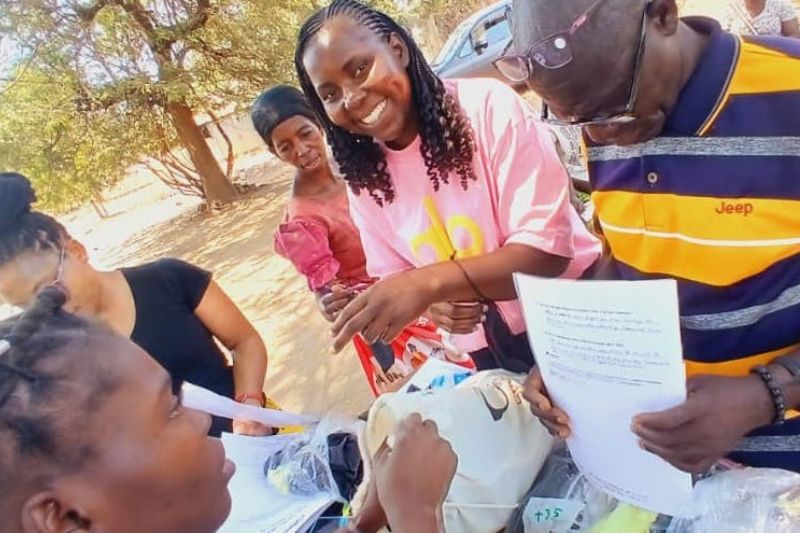
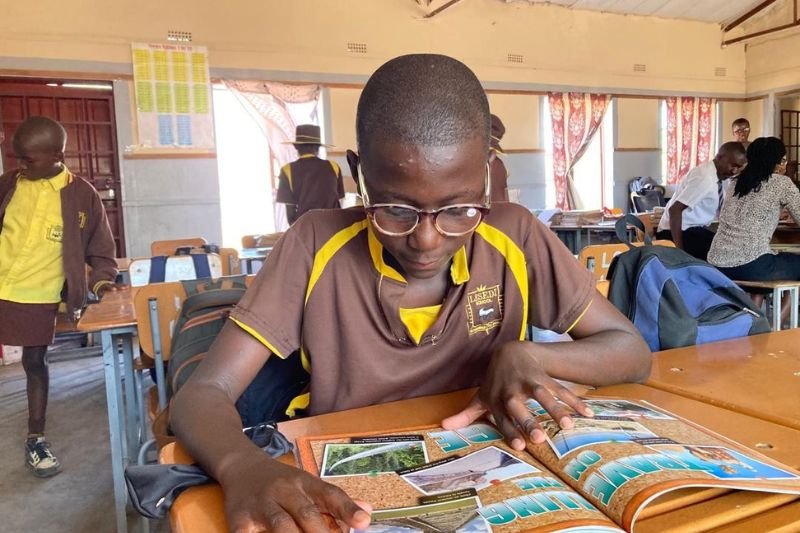
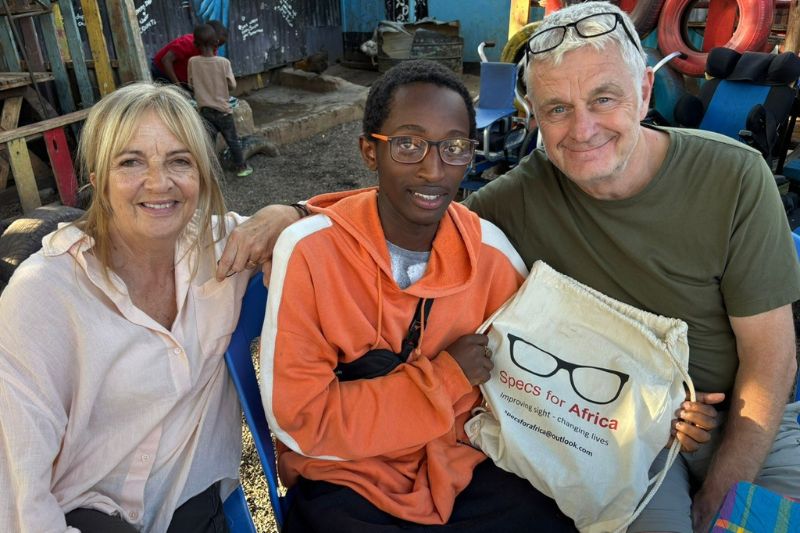
Specs for Africa is a project we’ve supported since its inception in 2022 and we’re delighted to report their impact in Africa has reached a milestone this year. They have now sent 15,000 pairs of reading and sunglasses to projects in Africa since they started (and completely exceeded their target to reach 10,000 this year!) – that’s 15,000 school children, teachers and older adults who can now read clearly. Specs for Africa collects pre-loved reading spectacles and sunglasses which are delivered to 33 community projects across Kenya, Zimbabwe, Zambia, Tanzania and Malawi. Most of their glasses are delivered by friends and contacts dedicating space in their luggage when they visit safari Africa – if you would like to help deliver a life-changing package, please contact us to find out more.
ZAMBIAN CARNIVORE PROGRAMME
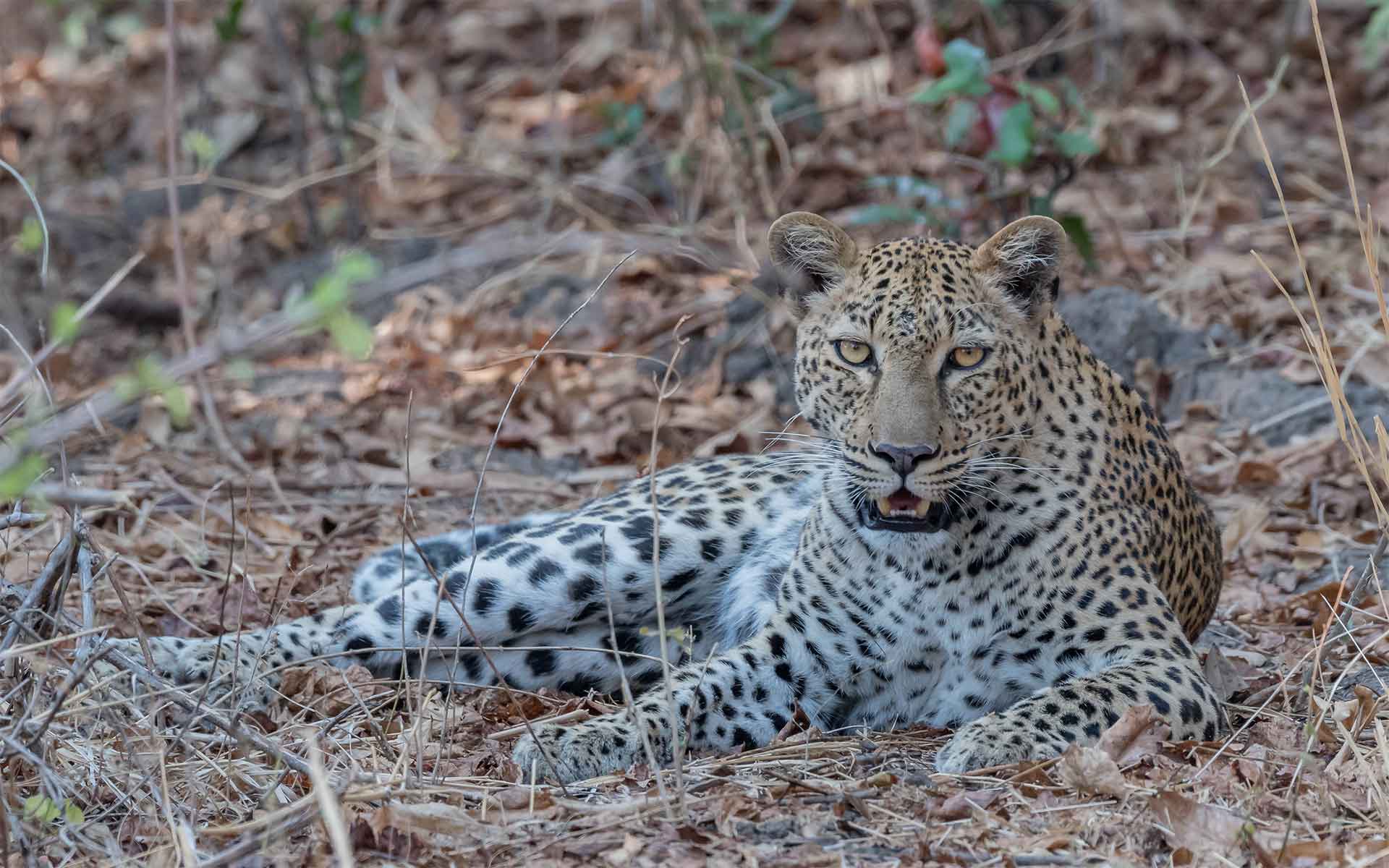
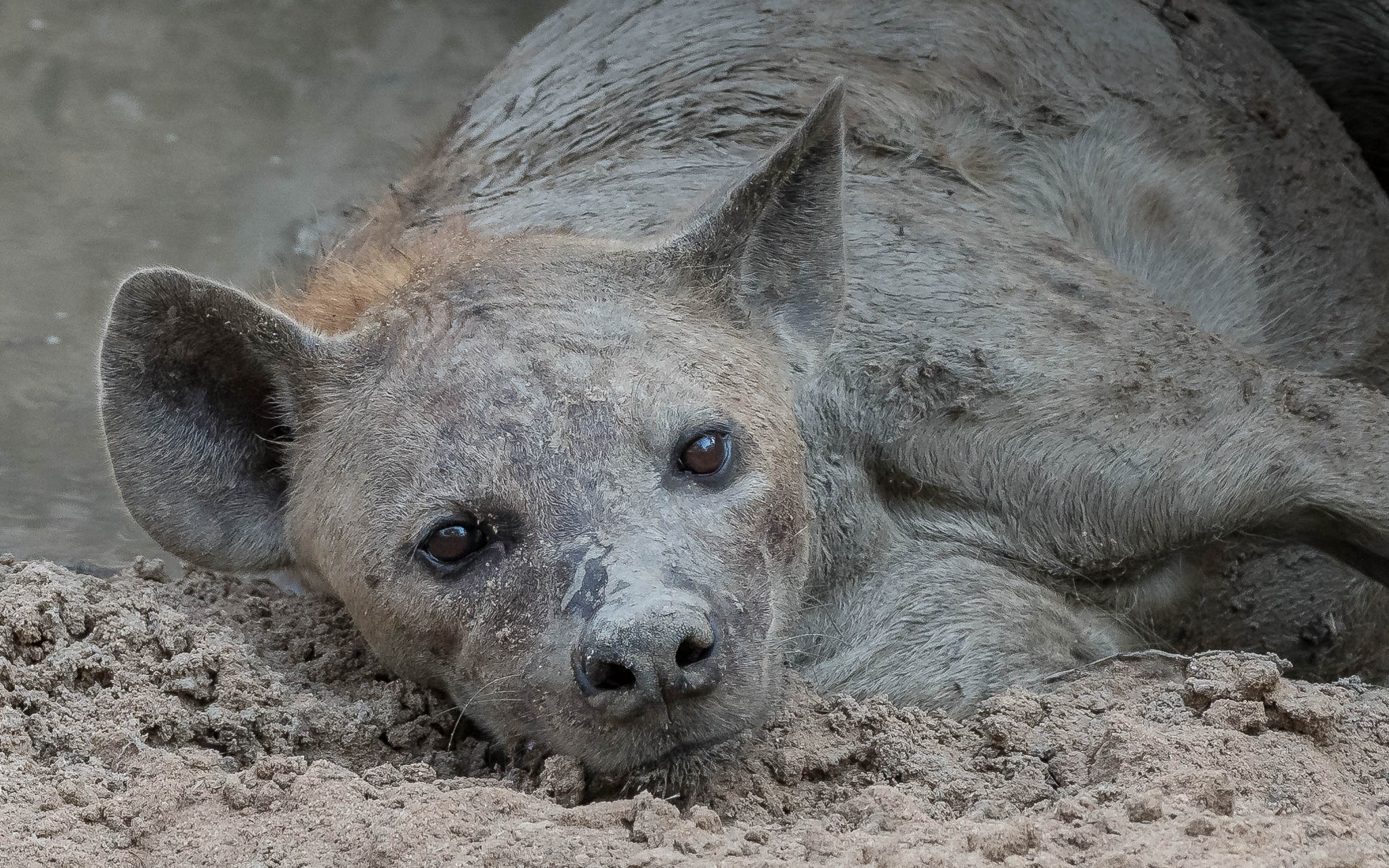
The Zambian Carnivore Programme (ZCP) works tirelessly to conserve Zambia’s large carnivores and their work includes science-based research spanning over two decades. Their research is generally used to inform conservation strategy, policy makers and to educate the local communities. This year, however, saw the culmination of a more creative collaboration when the much-anticipated BBC wildlife series Kingdom, narrated by Sir David Attenborough, hit our screens in November. The series follows four predator families – lion, leopard, hyena and wild dog, all competing for this remarkable corner of Africa.
The series was filmed over five years in the Nsefu Sector of the South Luangwa National Park – a BBC landmark wildlife documentary has never before followed a group of characters so intensely over such a long period. And what helped the BBC Natural History Unit create such a compelling narrative was the scientific research available to them from the ZCP.
The final episode of the series was dedicated to science and the conservationists working to protect the South Luangwa ecosystem and its large carnivores. In David Attenborough’s words: “Making the series would have been impossible without the help of the Zambian Carnivore Programme who have studied and safeguarded the wildlife here for decades”. As part of their research, the ZCP use GPS tracking collars – a collar is attached to one member of each family (two members in the case of wild dog families) which allows scientists to keep track of a family throughout the lifespan of the collared individual. The tracking data collected shows information about where they hunt, what they eat, how they interact with other animal families and where they den. Information that is essential for conservation has proved critical for the BBC camera crew in locating the characters, but also to build a picture of how each family lives, to create a documentary with authentic drama.
Aside from contributing to wildlife films, a typical year in the life of the ZCP includes 12,233 snare checks with 16 large carnivores being de-snared, seven scientific papers published, 2,991 domestic dogs vaccinated against rabies (a prime threat to wild dog survival), 280 awareness-raising events held about human-wildlife conflict mitigation, 33 Zambian women trainees undertaking the ZCP’s wildlife conservation, biologist and vet training programmes and the intensive monitoring of 1,262 carnivores.
As well as supporting the ZCP ourselves, many of our partners in Zambia support the ZCP and if you’ve booked a safari to Zambia with us, the chances are you’ve also supported the ZCP through the payment of conservation and community levies which are part of the accommodation costs and which go towards conservation organisations. The Bushcamp Company, Classic Zambia, Chiawa Safaris and Robin Pope Safaris are just some of the safari operators who work closely with ZCP.
SAVING CHEETAH IN THE MASAI MARA
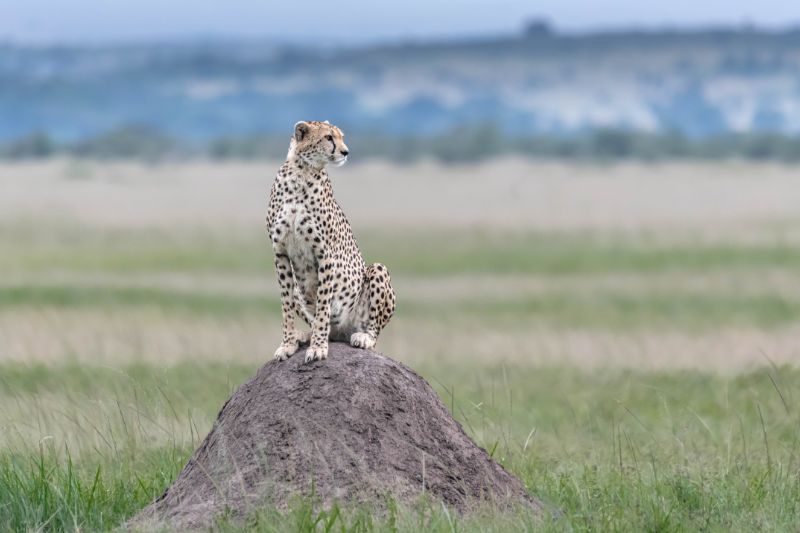
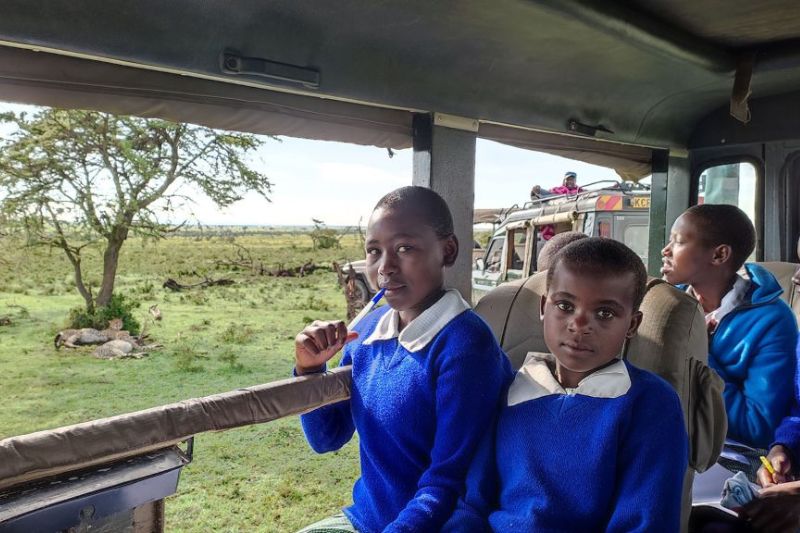
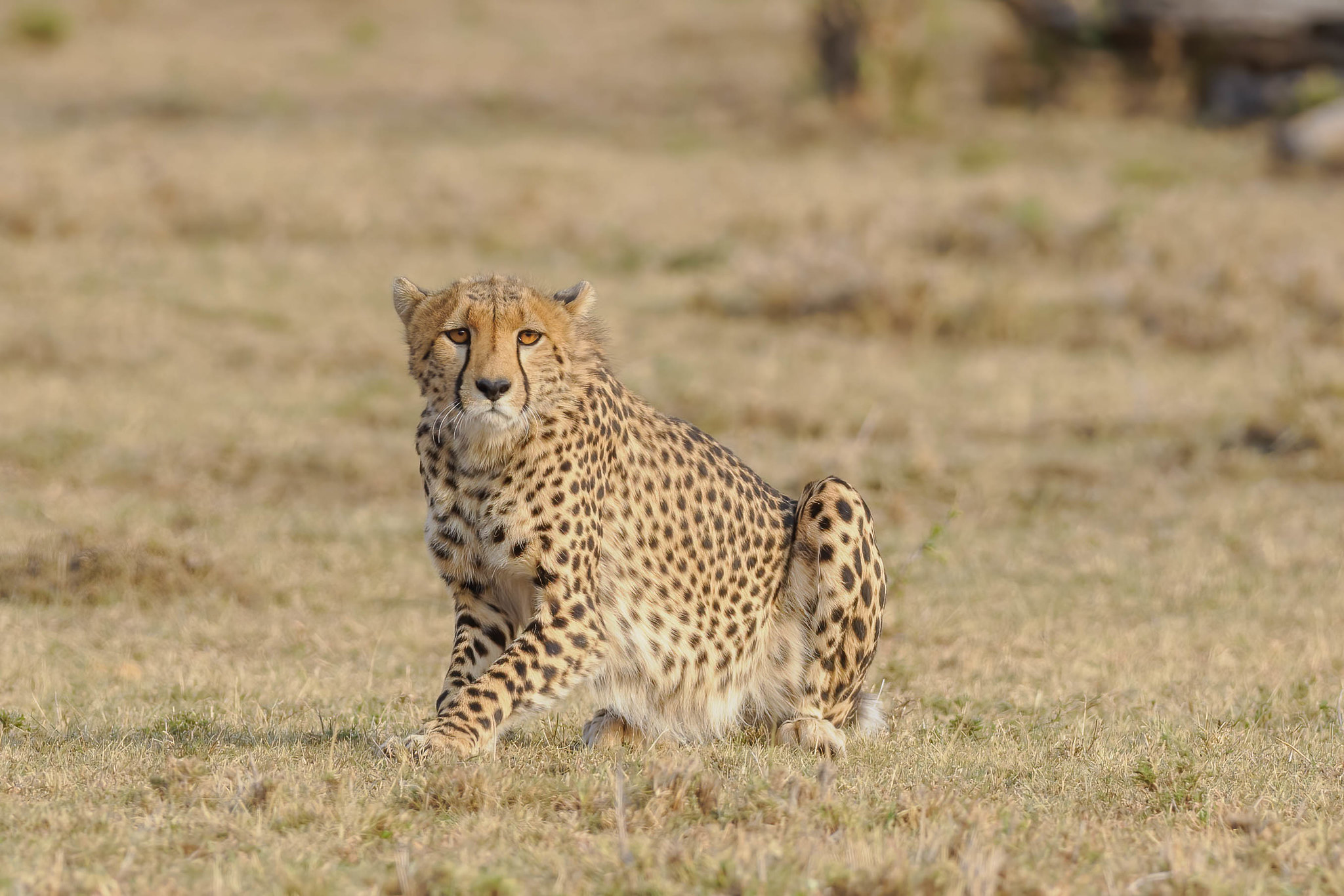
An urgent call to action for Masai Mara’s cheetah was a key message delivered at Kicheche Camps’ 25th anniversary celebration in October. Sobering figures gave a stark illustration of how cheetah are vanishing from this iconic Kenyan landscape at an alarming rate. However, the Mara Predator Conservation Programme (MPCP), based in the Masai Mara conservancies, has recently established a three-year initiative aimed at cheetah population recovery. Kicheche Camps has rallied to the cause and launched a Cheetah Protection Patrol Initiative. Funds raised through Kicheche Camps will be donated to the MPCP and used to purchase a cheetah patrol vehicle. The vehicle will be used to help the plight of young cheetah families particularly. The target fundraise is US$65,000 and at the time of publishing US$36,000 has already been raised. Our blog published in November gave detailed insight into the plight of the Masai Mara’s cheetah, the new initiative and how you can help.
GIRAFFE IN THE SPOTLIGHT
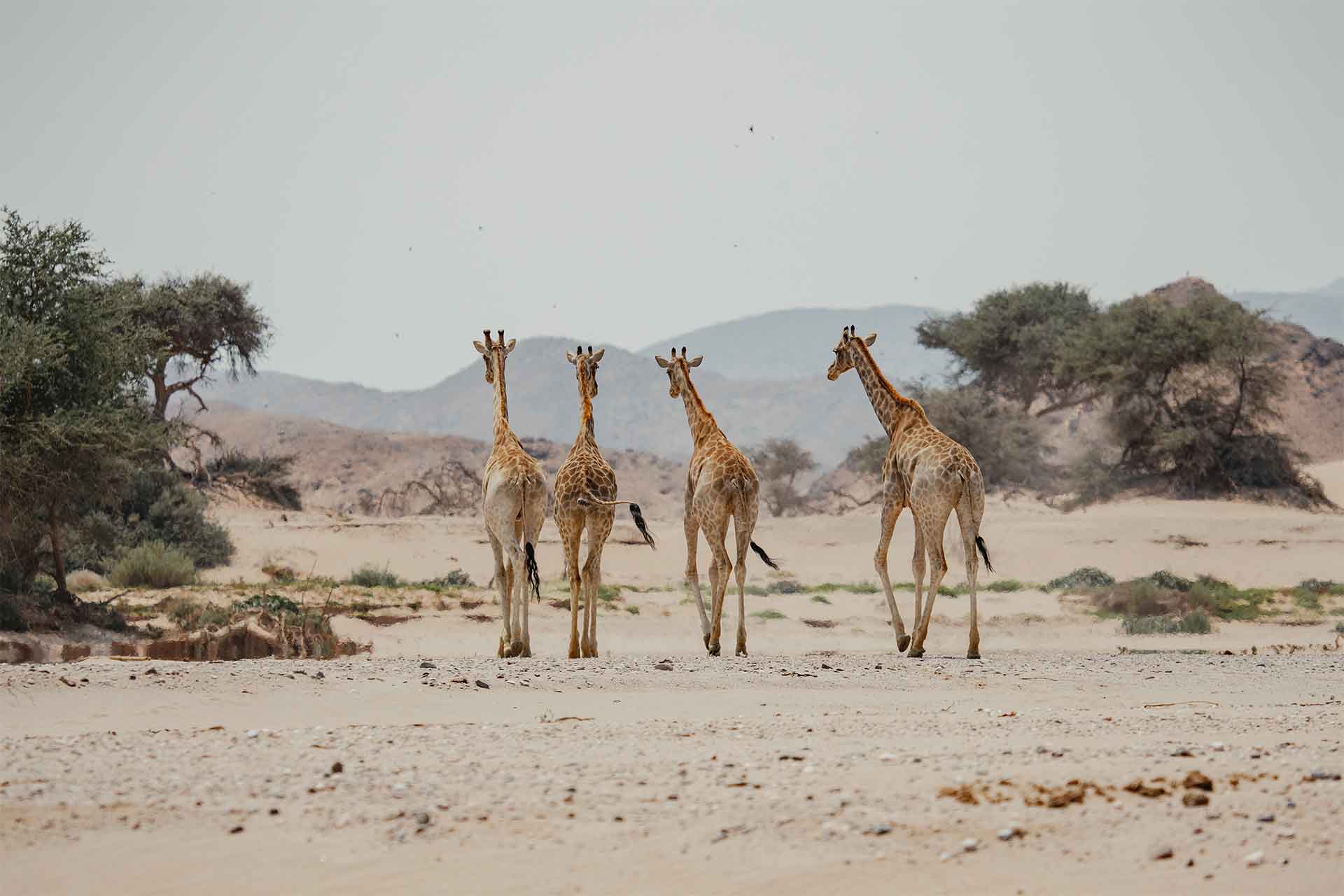
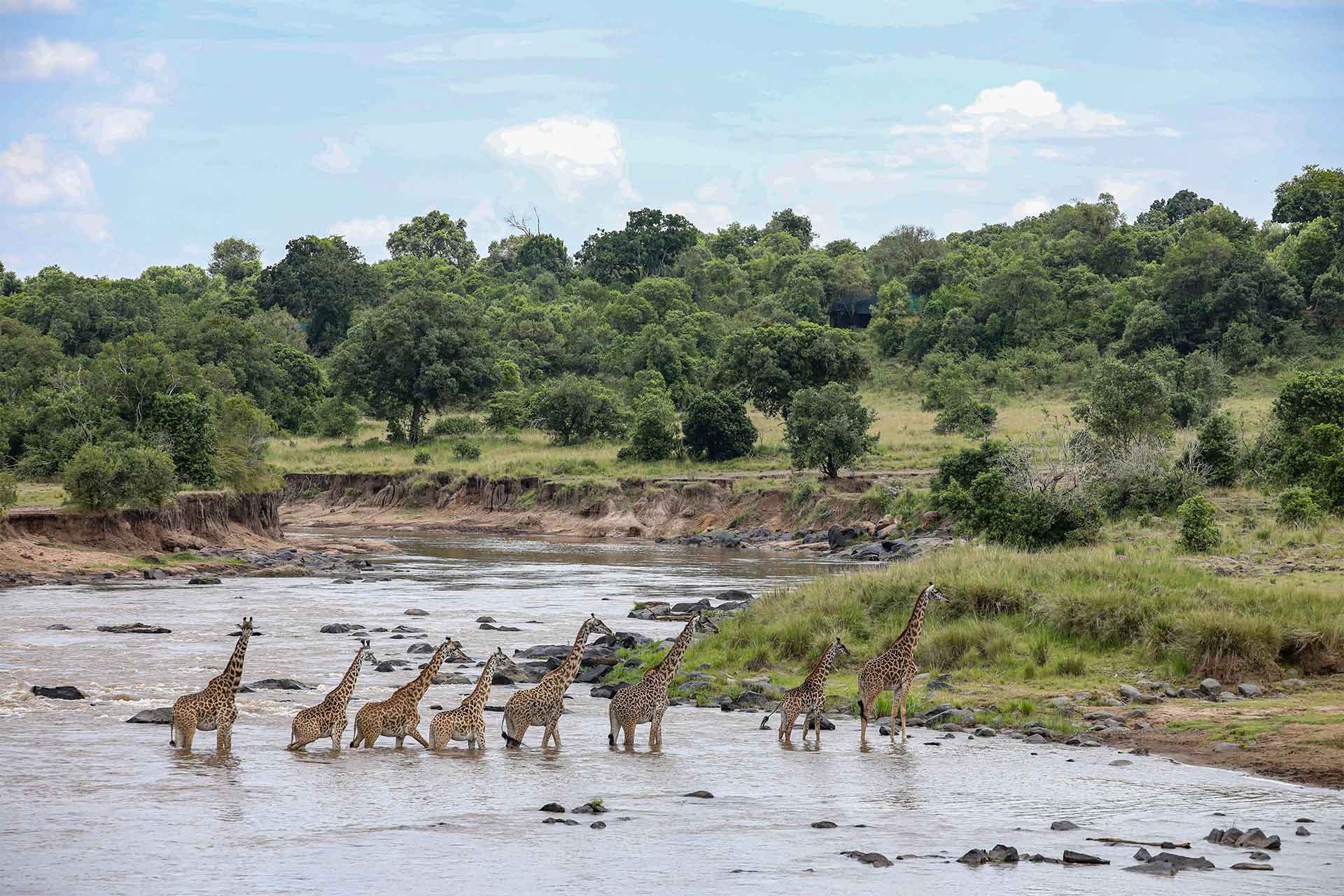
August 2025 saw a groundbreaking assessment by the International Union for Conservation of Nature (IUCN) which now recognises four distinct giraffe species. Historically giraffe have been classified as a single species, with nine sub-species. But with some species being under more threat than others, the review will allow for more targeted conservation action worldwide. The four reclassified species are Northern giraffe (which includes the subspecies Nubian, West African and Kordofan), Reticulated giraffe, Masai giraffe (which includes the subspecies Masai Giraffe and Luangwa/Thornicroft’s giraffe) and Southern giraffe (which includes the subspecies South African giraffe and Angola giraffe).
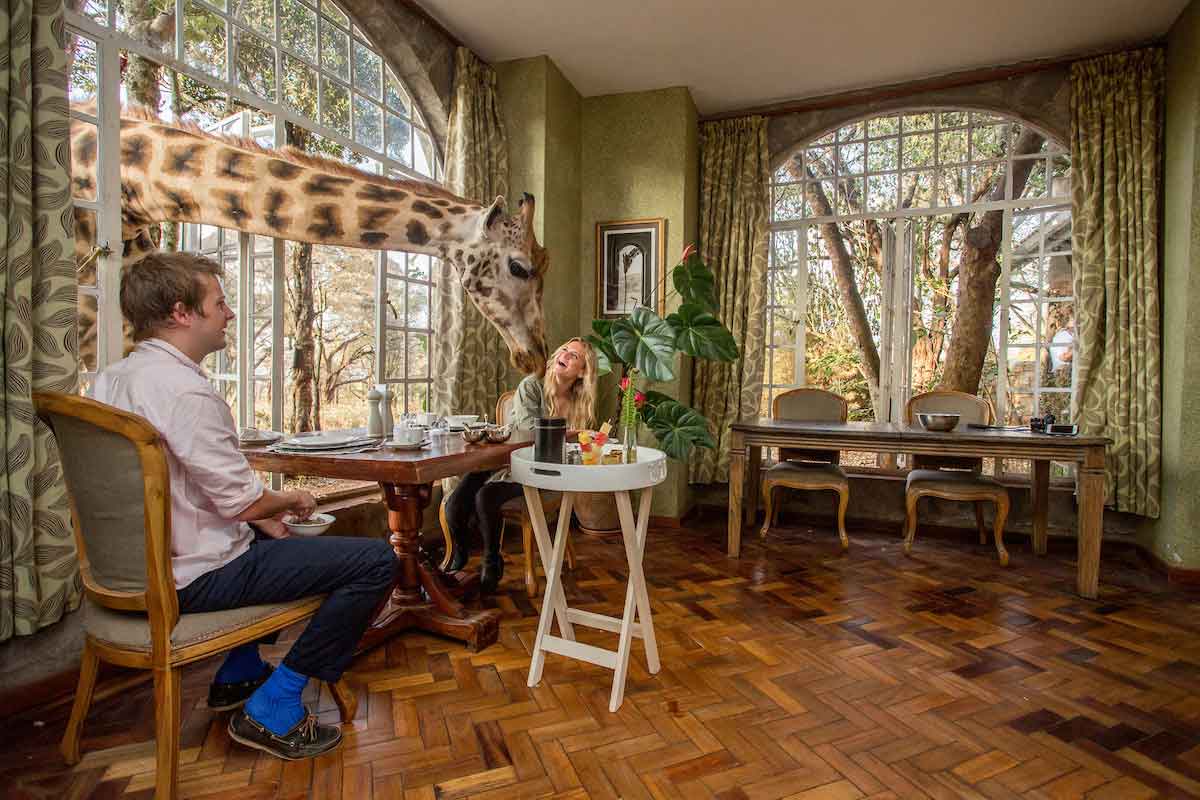
August also brought news of a joyful kind to Giraffe Manor in Nairobi where two of their giraffe each welcomed a healthy calf. Giraffe Manor is well-known for their small herd of resident giraffe (Rothschild, which has now been reclassified and merged with the subspecies Nubian) who visit the dining room at breakfast time, poking their long necks through the tall windows! Behind the obvious guest appeal, Giraffe Manor works alongside the African Fund for Endangered Wildlife who monitor the herd closely as part of their breeding programme. A total of 69 giraffes have been born at Giraffe Manor since it was established in the 1970s, with many being released into safe wild spaces across Kenya.
The Giraffe Conservation Foundation (the only conservation organisation globally to focus purely on giraffe conservation) continues the good news for giraffe in their State of Giraffe 2025 report which shows an increase in populations in three of the four giraffe species thanks to increased awareness and conservation efforts. This includes a 20% increase in Northern giraffe populations, which remain one of the world’s most threatened large mammal species.
In partnership with the Giraffe Conservation Foundation, Natural Selection held its inaugural Giraffe Conservation Safari in Namibia. The safari gave participants the opportunity for hands on conservation alongside researchers, while contributing directly to the costs of giraffe tagging operations and data analysis, in addition to regional conservation and community outreach initiatives. Their second giraffe conservation safari has just been launched and will take place in September 2026 – if you’d like further information, please don’t hesitate to contact us.
THE SAFARI CONSULTANTS IMPACT
Whilst we support a number of projects in Africa, as well as investing in two REDD+ programs which protect vital forested areas in Africa, our clients are really the heroes of our conservation impact. Each stay in a safari camp or lodge that is responsibly operated makes a positive impact to the conservation of Africa’s wild spaces and wildlife, and to its people. The daily payment of park and conservancy fees enables the management of protected areas, including anti-poaching patrols. An increasing number of camps and lodges also charge guests a conservation and community levy which goes towards initiatives supported by the camps themselves – specific community projects, environmental education and focused wildlife conservation.
To illustrate how impactful responsible safari travel can be, in the past 12 months our clients travelling to just Kenya, Tanzania and Zambia have contributed a collective US$630,000 in park and conservancy fees and conservation and community levies. We don’t currently have the resources to work out total client contribution across all destinations, but we hope this shows just how important safari tourism is to the conservation economy.
We thank all our clients for being part of the conservation story in Africa this year.
With thanks for images to CLAWS (Andy Maano and Alexandra Carvache and Helicopter Horizons), Great Plains Foundation (Beverly Joubert Wildlife Films), Sarara Foundation, MAA Trust, Specs for Africa, Natural Selection, Giraffe Manor, Tony Enticknapp and Kicheche Camps.
