

Think of safari travel and you’re likely to immediately think of incredible wildlife encounters, awe-inspiring landscapes, and the luxury of having ice cubes tinkling in your gin and tonic at the end of a magical day in the wilderness. What might be less obvious is the impact that safari travel can have on the wilderness, wildlife and communities in the area you visit.
Here we focus on just one of the hundreds of non-profit organisations that carry out vital conservation work in Africa thanks to fundamental support from safari tourism.
Lion Conservation in the Okavango Delta
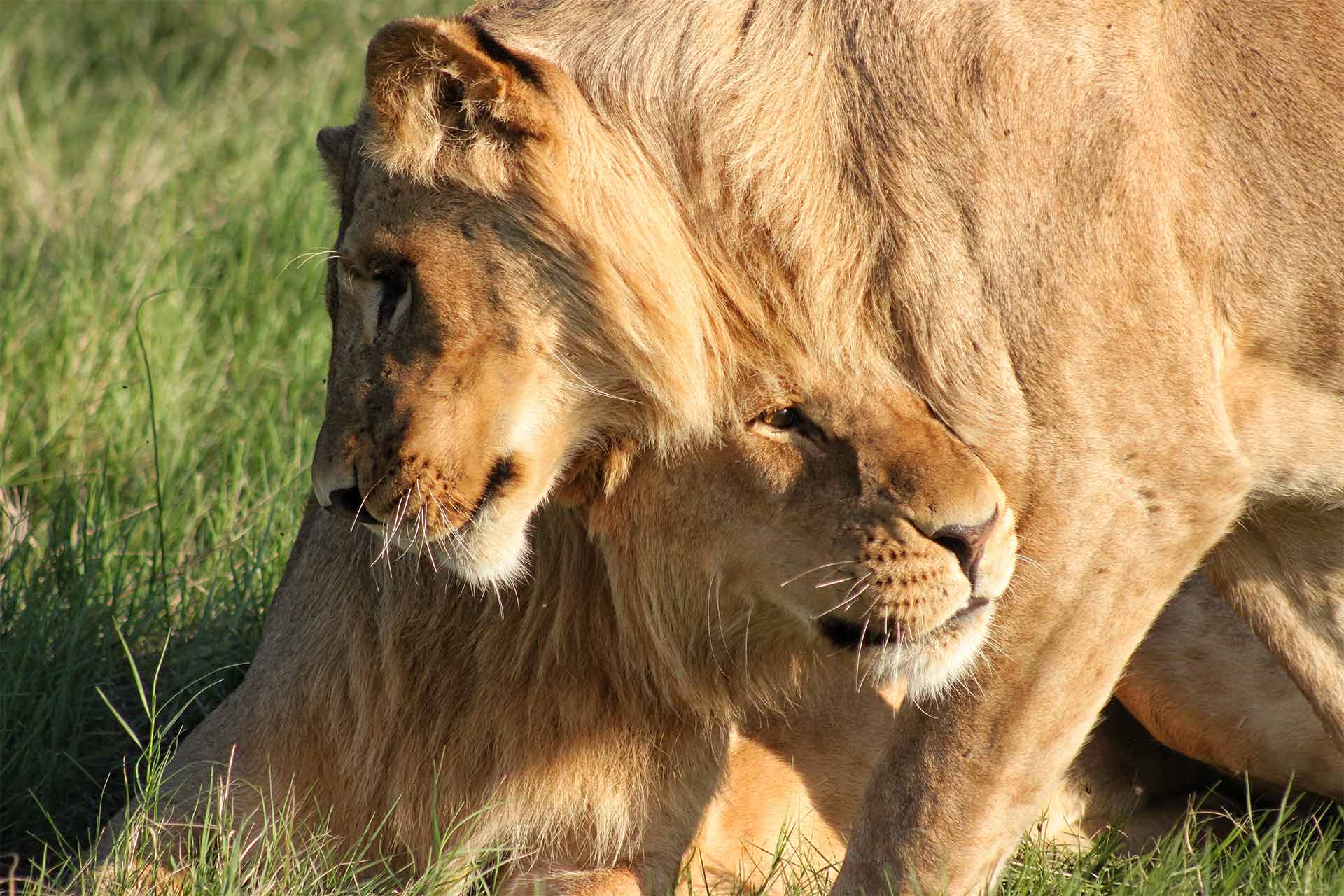
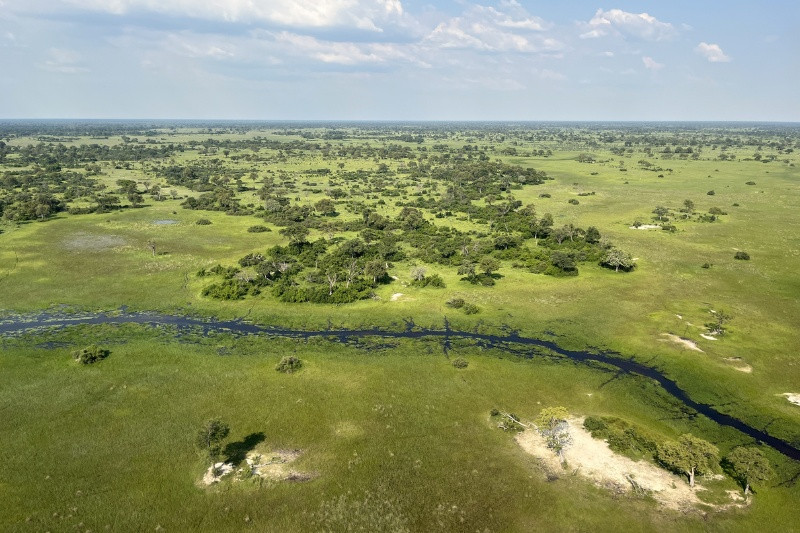
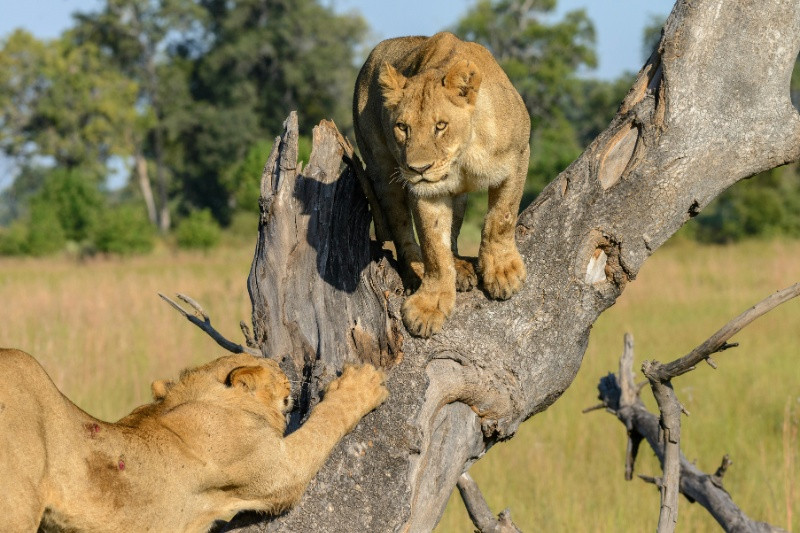
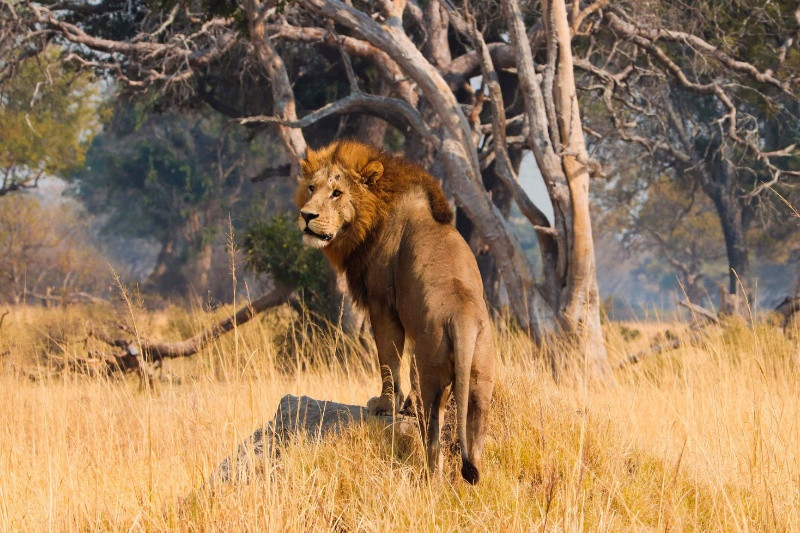
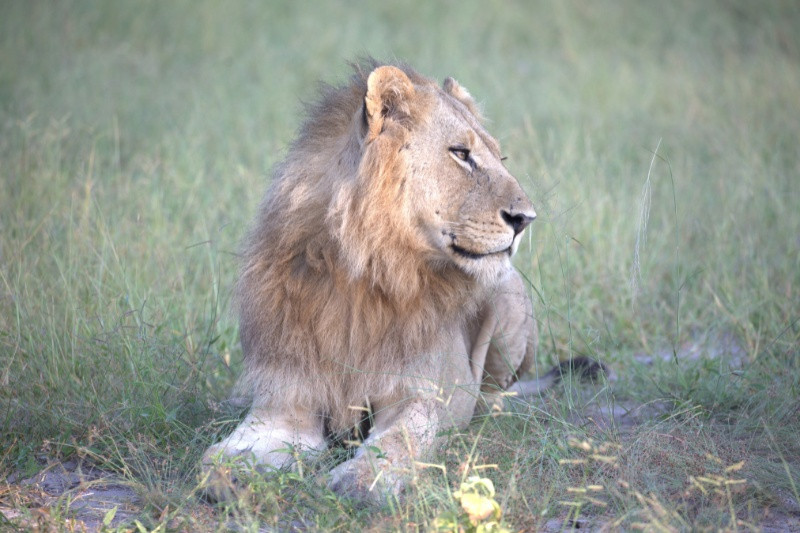
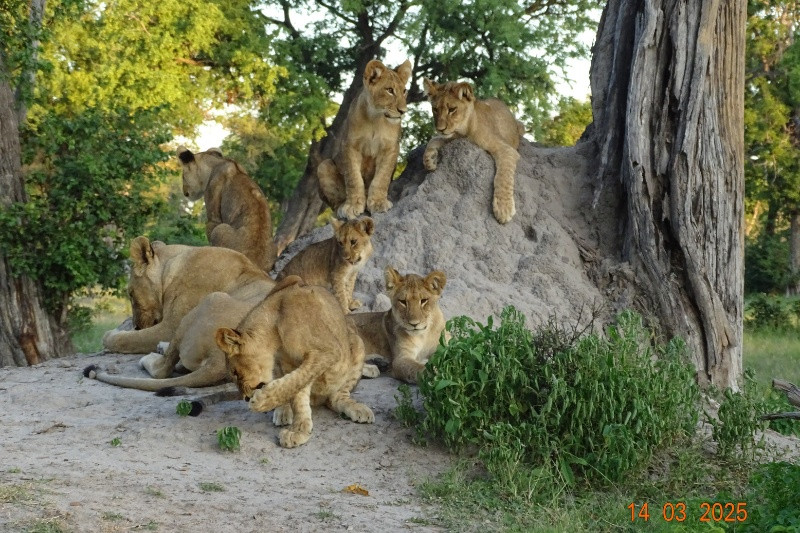
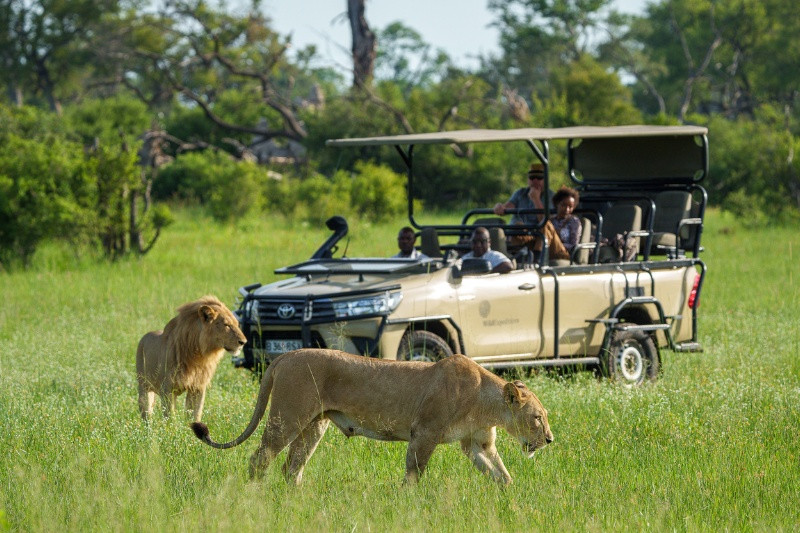
On African landscapes, lion populations have decreased by a startling 50% over the last 25 years, owing to conflict with humans and habitat loss. In southern Africa there is still one large, continuous population of lions which roams across the Kavango-Zambezi Transfrontier Conservation Area (KAZA TFCA). Northern Botswana lies at the heart of KAZA and this is where CLAWS is based. CLAWS is an NGO that we support, and one which involves a number of camp operators we work with, and they are on a mission to reduce human-wildlife conflict in the north-east Okavango Delta. CLAWS stands for Communities Living Amongst Wildlife Sustainably and they work in an area where human conflict with wildlife has serious consequences; communities here rely on herding for survival and so loss of livestock from lion predation is devastating, leading to ‘retaliation’ killing of wildlife.
In 2013 half the regional lion population was decimated by poisoning and this was the catalyst for CLAWS starting a community engagement program. CLAWS understood that communities were at the heart of successful wildlife conservation and their work focuses equally on wildlife and community. Their approach is two-pronged, using technology and tradition.
Combining Modern Technology and Ancient Traditions
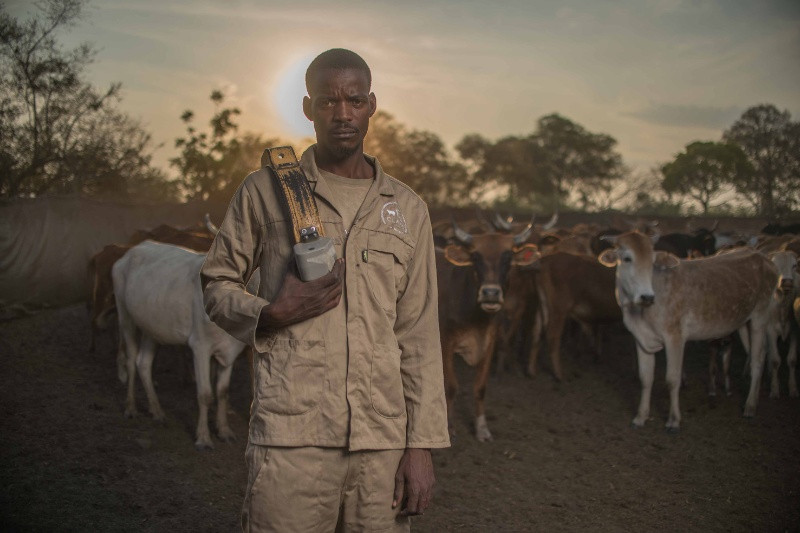
Firstly, employing technology, CLAWS fitted satellite collars to lions to understand how they moved through the landscape. Once collared, villagers were asked to name the individual lion to establish a relationship and thus personalise each animal. Real-time locations for the lions are then fed into an automated alert system that delivers SMS messages to farmers’ cell phones when the lions are in striking distance of their cattle post.
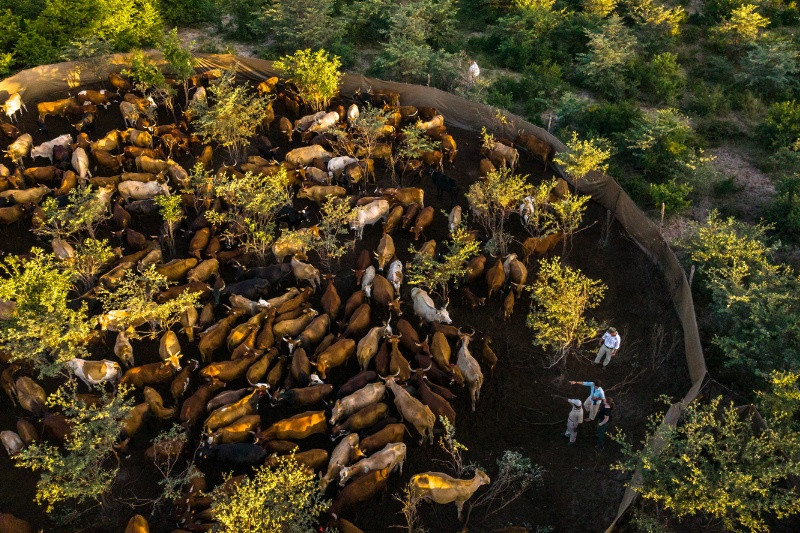
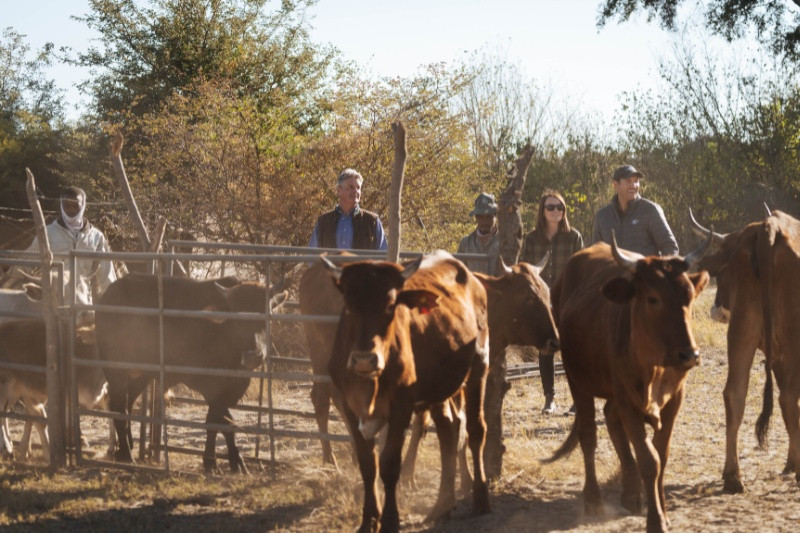
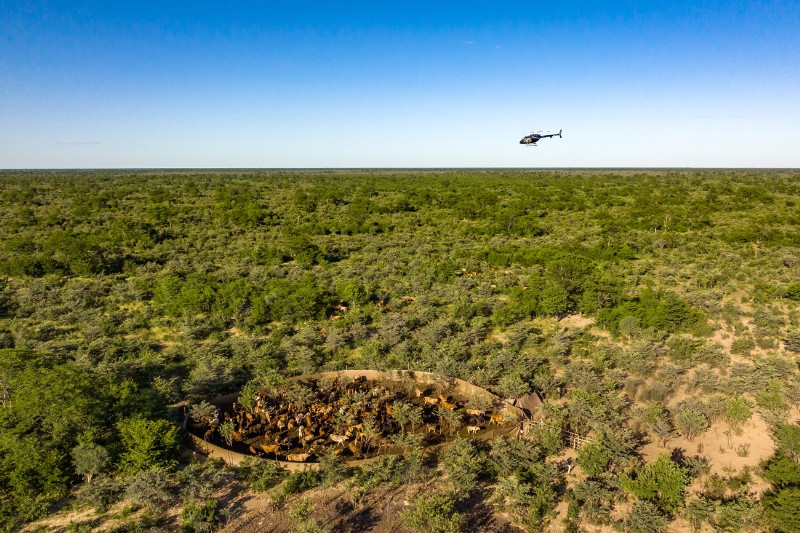
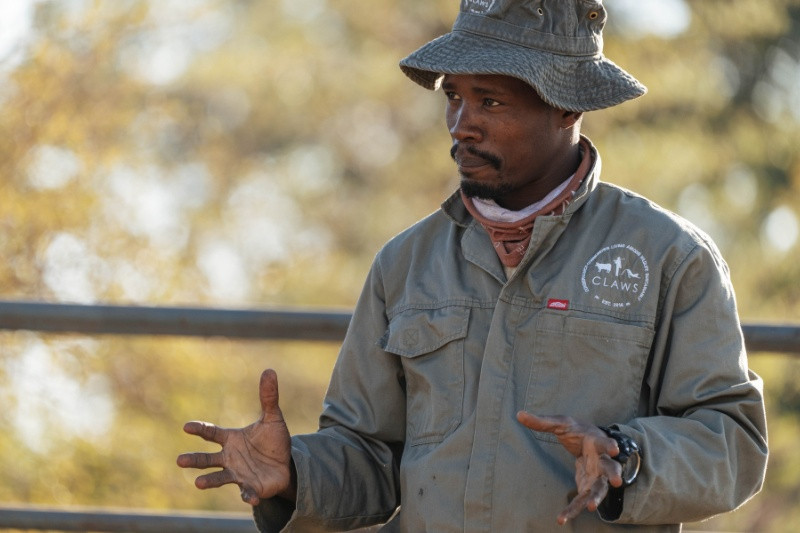
The second approach, tradition, saw CLAWS develop the first communal cattle herd in Botswana, with the support of Herding 4 Health which has implemented similar models in other countries. Cultural shifts in local communities have meant that “herd boys” now attend school rather than cattle, and unattended livestock leads to overgrazing and vulnerability to predators. The Communal Herding Program identifies and trains specialist herders (or “Ecorangers”) from local communities who collectively manage their livestock through planned grazing and mobile, predator-proof “bomas” (livestock enclosures). With improved herd health management, disease prevention, and record-keeping, farmers are able to participate in and access more lucrative livestock markets as an incentive for good farming practices.
The efforts of CLAWS have led to vastly improved lion population stability in the area with no known lion killings since 2019. The Communal Herding Programme has expanded from one communal herd in one village to three herds across two villages and a fourth herd is in the process of being formed. Furthermore, Botswana’s Department of Veterinary Services have expressed that they are considering plans to remove wildlife inhibiting fencing if more cattle from the Northern Okavango are incorporated into communal herding systems, thus helping restore historic migratory patterns for wild herbivores.
How does safari tourism contribute to conservation?
Founder and Executive Director of CLAWS, Andrew Stein, explains the importance of safari tourism in the work they do:
“In many ways, safari tourism is the backbone of conservation. It provides employment for villagers, maintains habitats for wildlife and inspires people from all corners of the world to get involved. When I go on a game drive in the Okavango, I am overwhelmed with appreciation for the fact that these places still exist, relatively intact, and that we still have time to ensure their survival into the future. Safari companies, like Wilderness, Natural Selection, Wild Expeditions, Jumbo Junction, Great Plains and Kadizora, all directly support our conservation work by sharing information about lions, maintaining a presence that dissuades poaching, bringing guests to meet our Ecorangers who protect cattle and lions from conflict and providing donations that keep our programs running.”
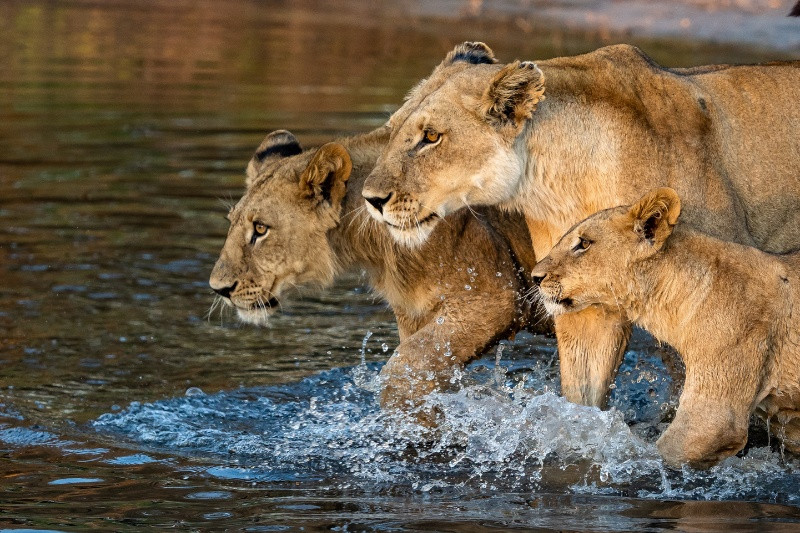
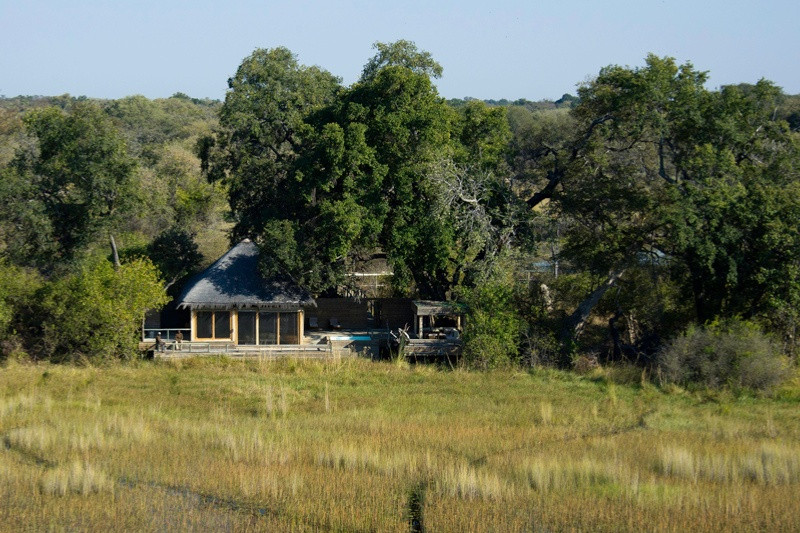
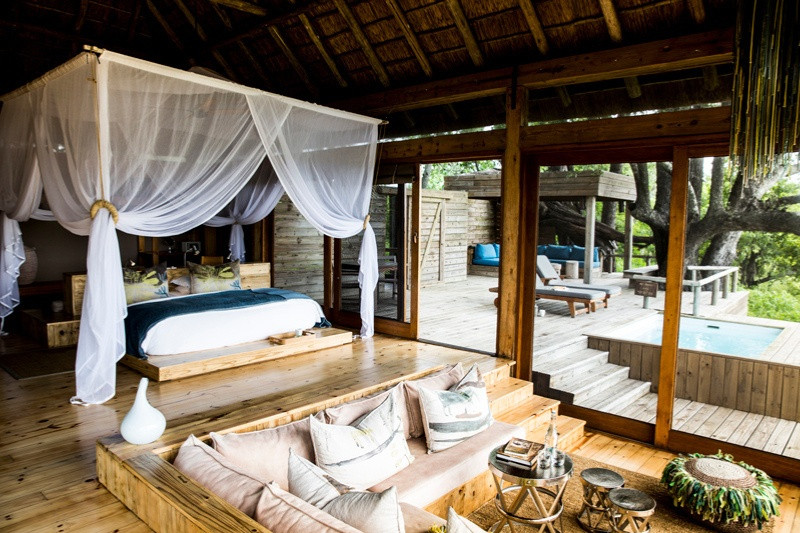
Wilderness Safaris has partnered with CLAWS to help reduce human-wildlife conflict in the areas neighbouring the Wilderness Vumbura Concession (where their Wilderness Vumbura Plains and Wilderness Little Vumbura camps are located) in the Okavango Delta. Their support comes in the form of logistical and physical presence, as well as monitoring and assistance with additional collaring and the expansion of the CLAWS early warning system.
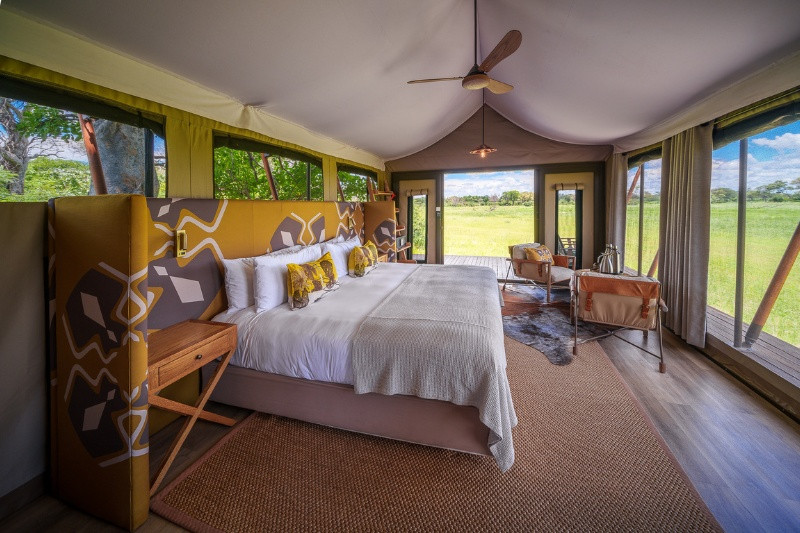
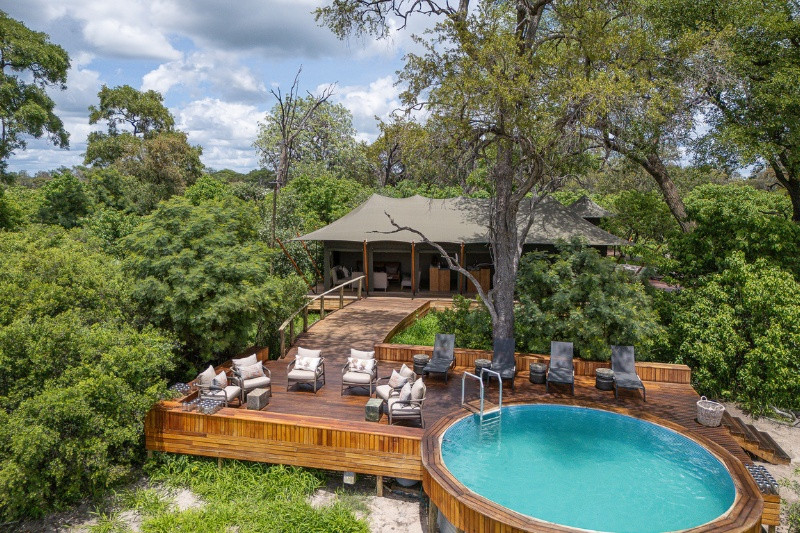
Wild Expeditions operates Karangoma camp in partnership with the local Bukakhwe San community of the nearby village of Gudigwa and are committed to conservation through reducing human wildlife conflict. To this end they support CLAWS and as a result of funding from Karangoma and its guests, CLAWS has been able to expand their lion alert system with satellite tracking collars fitted to a handful of resident lions that roam between the Karangoma concession and the local village of Gudigwa. Villagers in Gudigwa have also expressed interest in establishing a communal herding program with the assistance of CLAWS, and Wild Expeditions will be able to support funding for that.
How can I get involved when staying on safari?
From simply staying with a camp operator that partners with CLAWS, you are contributing to reducing human-wildlife conflict. Conservation and community fees paid by guests go towards vital funding for their work, and ensures there is presence on the ground to help with lion research.
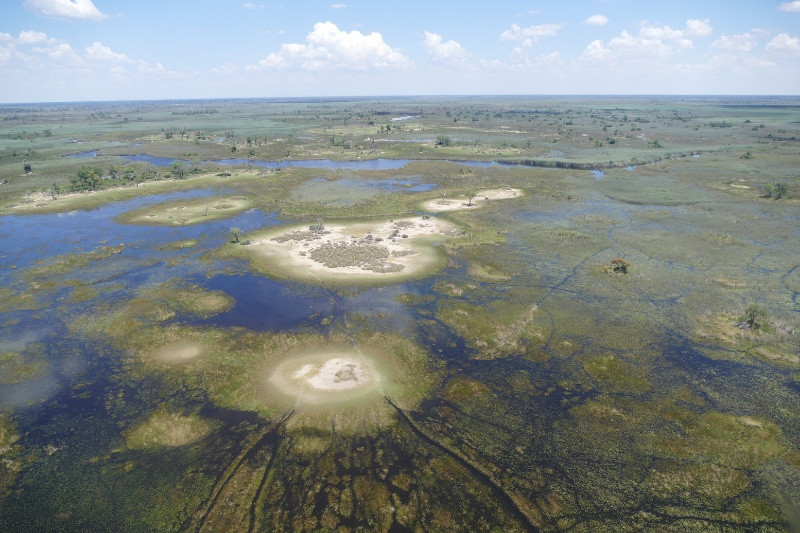
If you’re staying in any accommodation in the Okavango Delta and would like a firsthand look at the work of CLAWS, it’s also possible to arrange a half day Conservation & Co-Existence Cultural Experience through Helicopter Horizons. Remote communities can be accessed by helicopter and the experience combines a visit to two coexistence projects; the first part includes an hour on the ground with CLAWS where you’ll meet an Ecoranger and be able to see one of the bomas used for confining and protecting cattle. You’ll then fly on to a village to learn about a second project, Life With Elephants, which focuses on the challenges and solutions for communities coexisting with elephants. The experience can be a standalone trip, or combined with a scenic helicopter transfer between camps – and either way you’ll get to enjoy panoramic views of the delta and part of the cost of the experience goes to each cause.
A Win-Win-Win for Tourism, Communities and Wildlife
Whether you’re staying in camps that directly support the work of CLAWS, or visiting the project in person by a helicopter tour, your contribution makes a difference and is a prime example of safari tourism contributing to both conservation and community challenges. Not only do you get to take home incredible memories that will last a lifetime, but you also have the knowledge that you’ve contributed to safeguarding wildlife for generations to come.
If you would like further information on planning a safari to Botswana, or any other African destination, and details about how your safari makes an impact on the communities and wildlife in the area you are visiting, please call our knowledgeable and friendly team on +44 (0) 1787 888590 (UK working hours) or email us via our Contact Us page.
Image credits, with thanks to: CLAWS (Andy Maano and Alexandra Carvache), Helicopter Horizons, Wild Expeditions (Chris Roche and Dana Allen) and Wilderness Safaris.
