

I have just returned from a trip to the Seychelles, and having also recently visited Mauritius and Zanzibar, it seems a good opportunity to offer some comparison and differences between the three island destinations.
After a busy safari, spending time on a tropical Indian Ocean island is an ideal way to relax and unwind before heading home to reality. Off the east coast of Africa, there are a number of fantastic destinations to consider, the most notable of which are the Seychelles, Mauritius, and the Tanzanian archipelago of Zanzibar.
All three of these destinations offer incredible beaches, crystal clear waters and a wonderful variety of accommodation options with ranging levels of luxury. The differences between the three destinations, however, are a little more subtle and it’s interesting to give further insight into the type of experiences they offer, how they can be accessed (and therefore which safari destinations they combine best with) and the best time of year to visit.

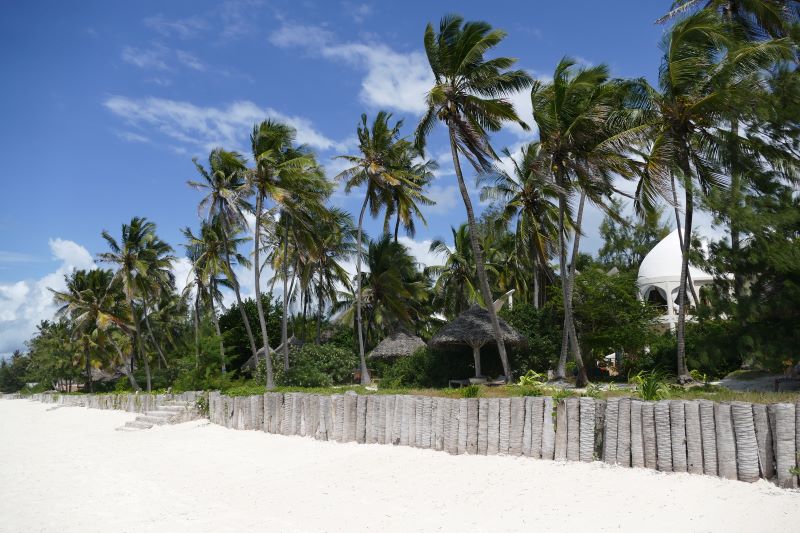
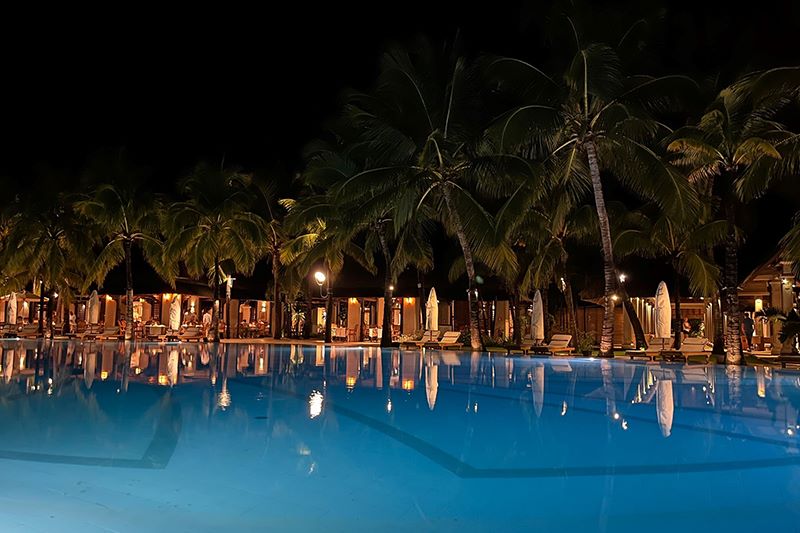
THE INDIAN OCEAN PARADISE BEACH HOLIDAY EXPERIENCES
Fundamentally, all three destinations work excellently to relax and enjoy the Indian Ocean.
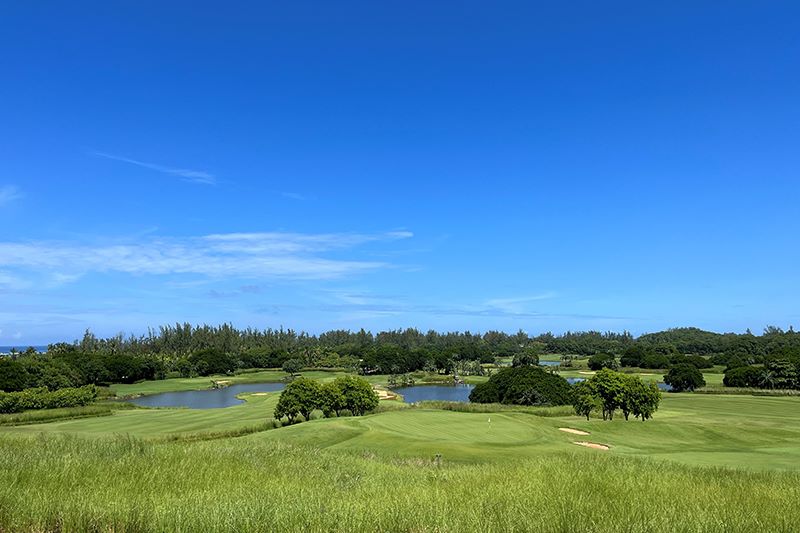
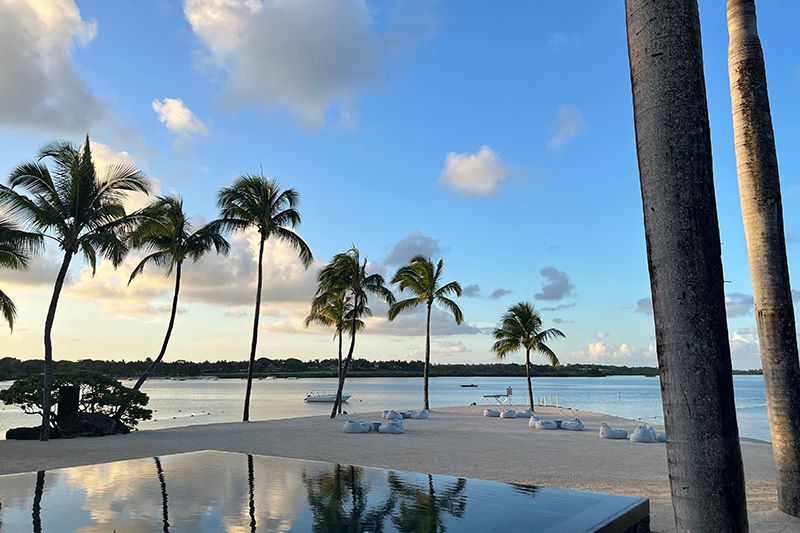
Mauritius is a volcanic island and is considered to be a ‘classic’ beach destination – home to fantastic beaches and a vast array of resorts and hotels. It is an ideal beach destination for those seeking comfort, superb service levels, excellent hotel facilities and water sports. Outside of the resorts, exploring the island’s central mountainous region, cultural tours of the larger towns and testing your skills on a number of championship golf courses are all highlights.
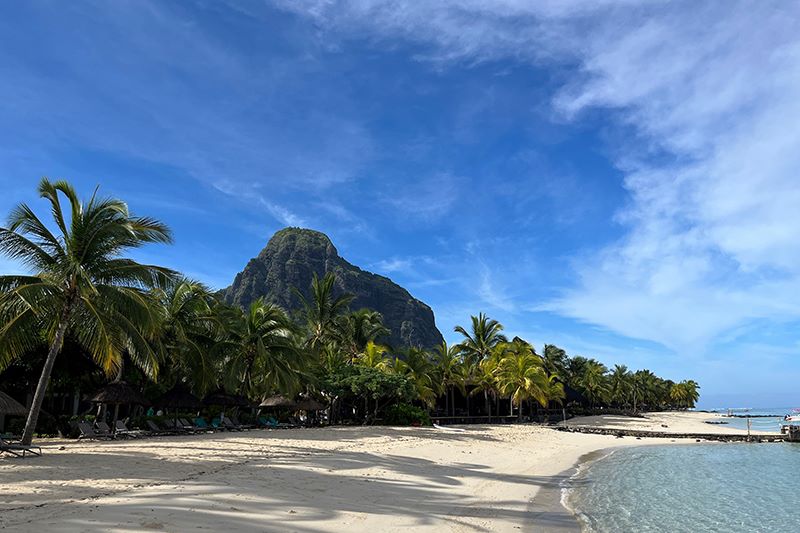
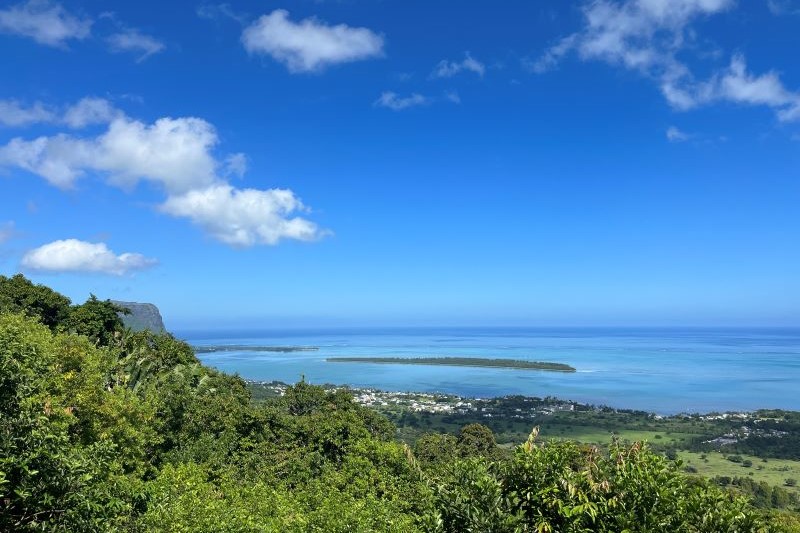
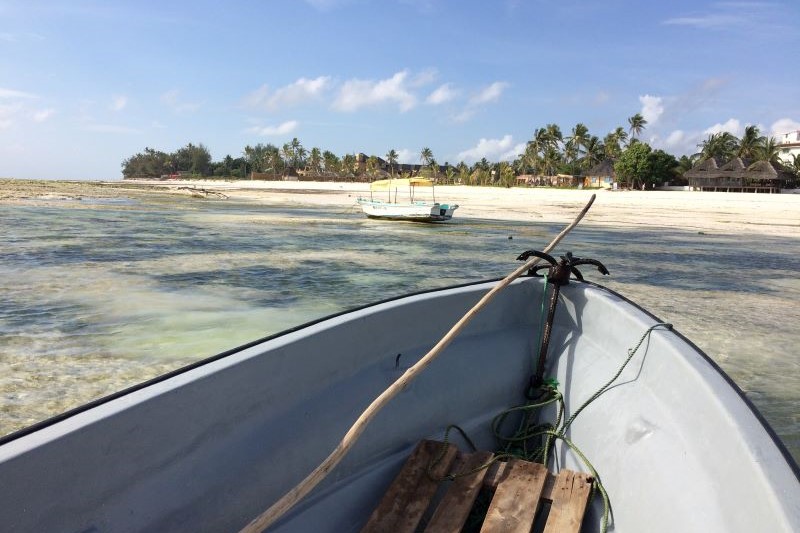
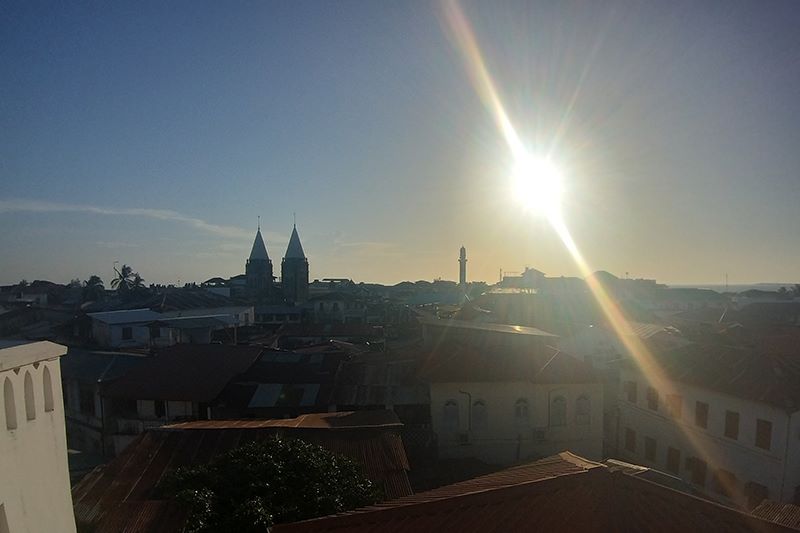
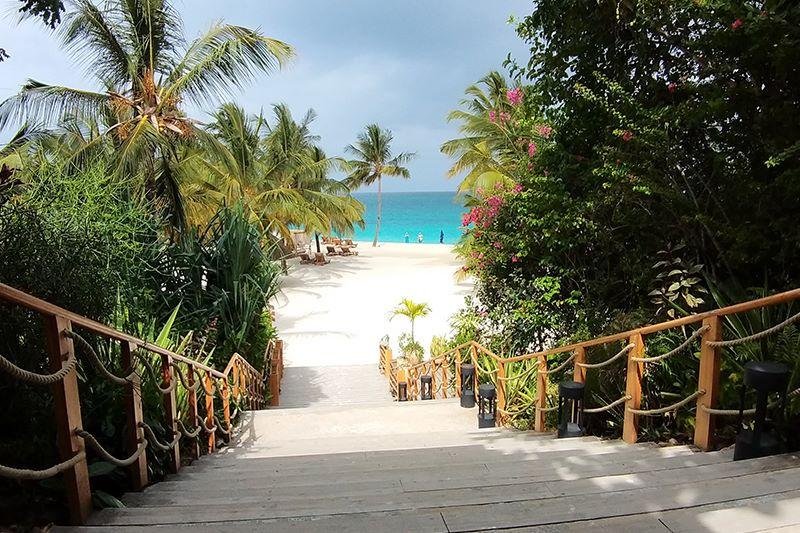
Zanzibar offers a perfect all round beach experience, as it combines good accommodation, stunning beaches and varied activities. In addition, it can offer excellent value for money. The fascinating history of the island can be seen in the main habitation of Stone Town, with spice markets, the thriving port and centuries old architecture. The island is quite densely populated so there are opportunities to see everyday African life, most of it very rural, when driving around. You often need to slow down for goats and cows in the road, all of which adds to the charm. The levels of service and dining experiences on Zanzibar tend to reflect this authentic and charming character, rather than matching the more polished and sophisticated experiences of Mauritius and the Seychelles. The beaches are stunning on Zanzibar, but it is worth noting that the ocean is very tidal along this stretch of East Africa so swimming/snorkelling from the beach is generally not possible at low tide (except from a select few locations).
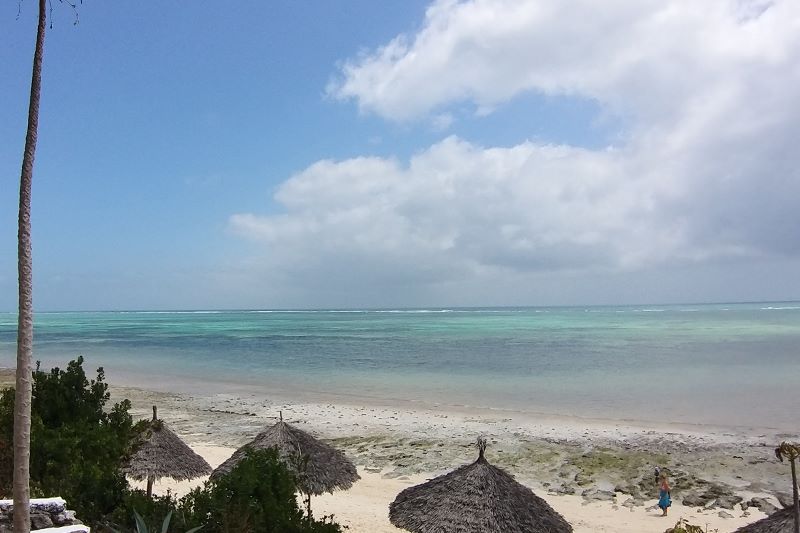
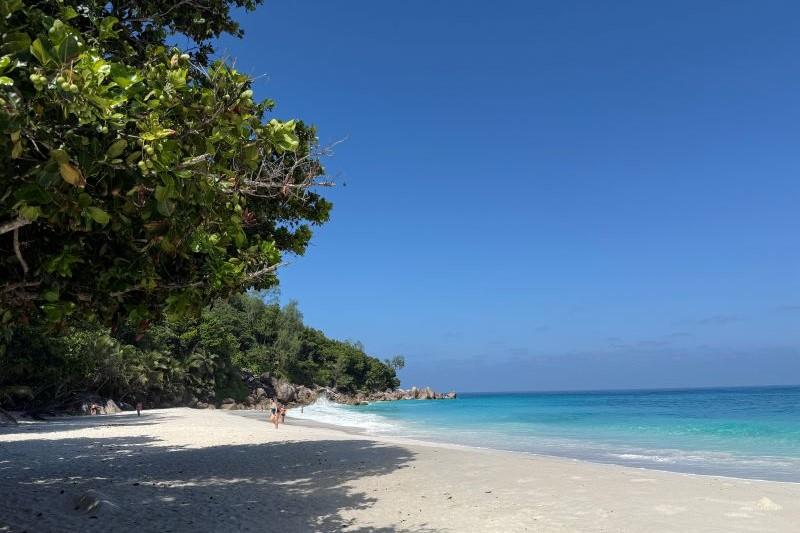
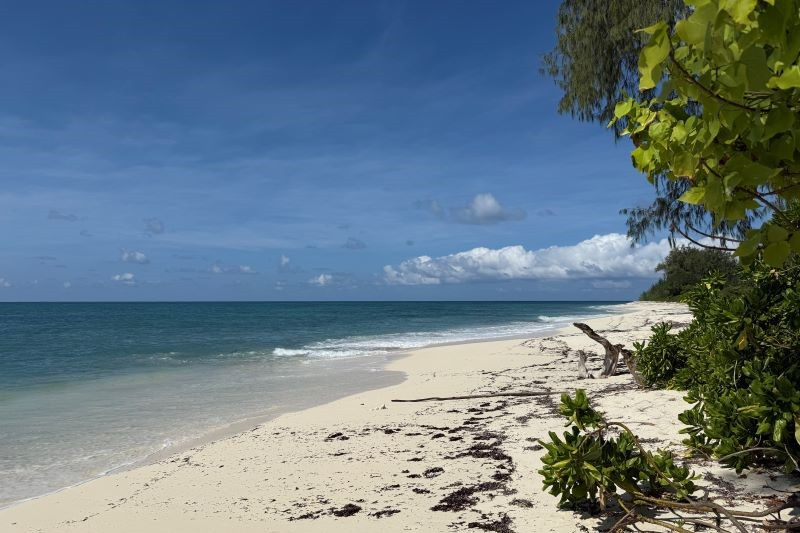
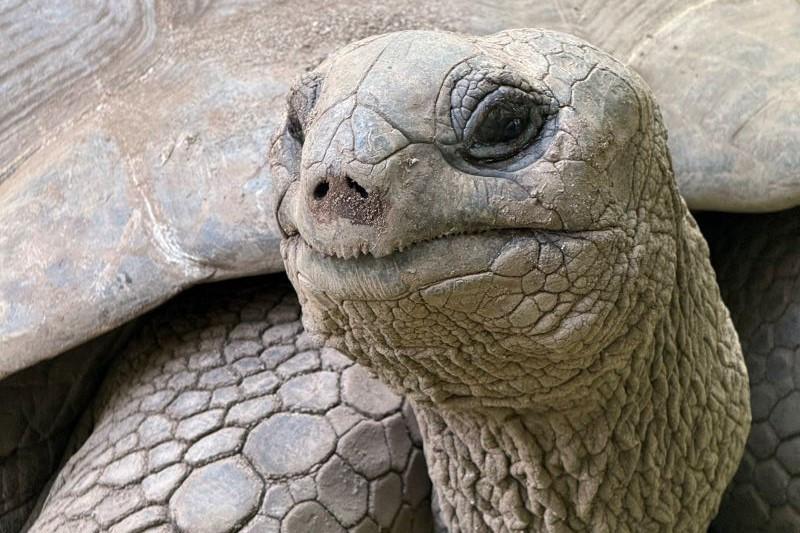
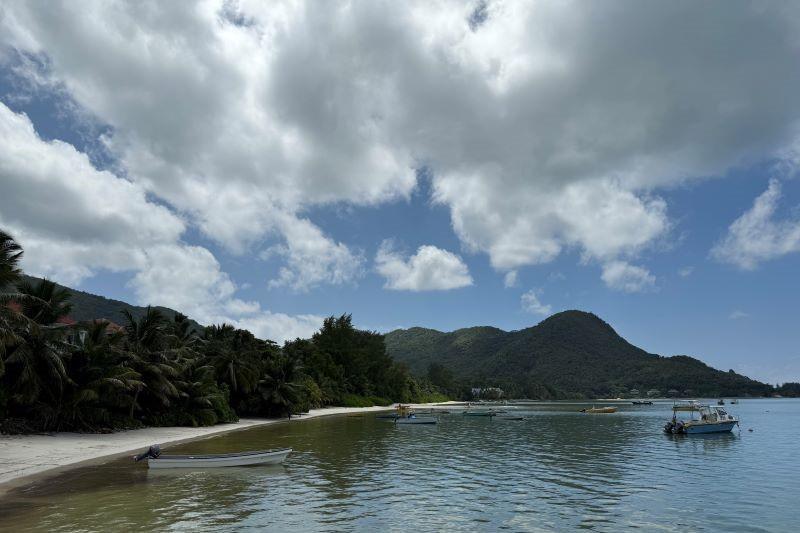
The Seychelles comprise 115 islands – the larger granitic islands of Mahé, Praslin and La Digue are the most popular, whilst the coralline outer islands offer a more off the beaten track/Robinson Crusoe experience. The best island(s) to visit will depending on your preferences and interests.
The largest island of Mahé could be considered relatively similar to Mauritius in its offering, with a wide range of hotels from three to five star plus, so perfect for those who simply wish to ‘fly and flop’ in a ‘wow’ destination.
The outer islands are perfect for those looking for exclusivity and the level of luxury is increasing year on year with a lot of top end hoteliers dipping their toes into the Seychelles. The likes of Four Seasons Resort Seychelles at Desroches Island, North Island, Six Senses Zil Payson and Waldorf Astoria Seychelles Platt Island are a taste of some of the luxury brands offering extremely exclusive experiences.
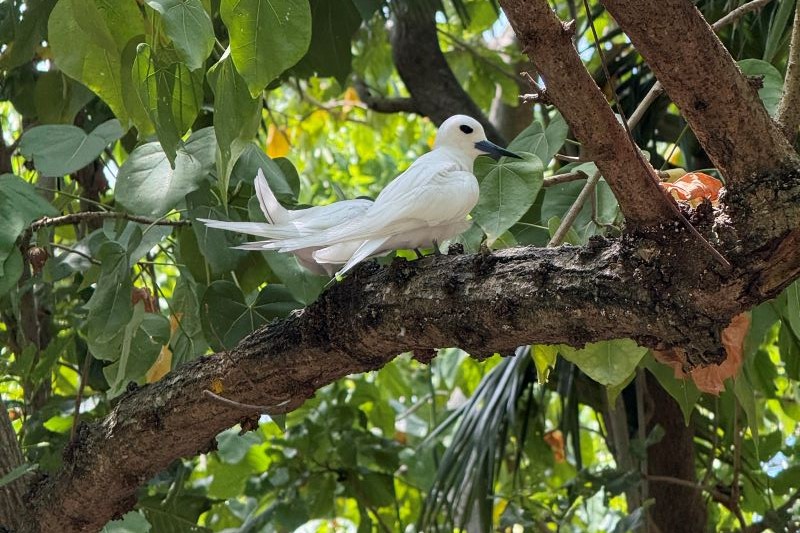
Away from the premier luxury options, some islands offer more varied experiences. Denis Private Island is a stunning paradise with strong conservation ethos and which strives to be self-sustaining producing as much of its food as possible from its own farm. On Denis, there is no mobile signal or in-room internet, so it’s also ideal for anyone looking for a digital detox! Bird Island is a more rustic option suitable, as the name suggests, for ornithologists and nature enthusiasts.
As you can see, the islands of the Seychelles could combine perfectly to create a more comprehensive holiday, offering plenty of variety and contrast.
When is the best time to visit Mauritius, Zanzibar and the Seychelles?
When to visit Mauritius, Zanzibar and the Seychelles is key, as they all have slightly different seasons – if you have to travel at a certain time of year, this could therefore dictate which island destination you choose.
Firstly, Mauritius can be visited most of the year. The cyclone season generally starts around mid December and runs through until late March/early April and we suggest avoiding the peak cyclone months of January and February. April and May are generally warm, and while June, July and August are very pleasant, temperatures are a little cooler (low to mid 20s Celsius) which may be considered too cool for beach weather by some (or perfect if you prefer it not too hot!). From September onwards the island warms up and October and November are perfect for those who are looking for tropical heat.
Being equatorial, Zanzibar’s temperatures are quite consistent all year round, although a little cooler in June and July with slightly choppier ocean, due to the southeast trade winds. You can get rainfall all year round, but most falls in April and May.
The Seychelles is located roughly 1,000 miles (1,600 kilometres) off the coast of mainland Africa and therefore can be susceptible to unpredictable weather patterns. There are two main seasons in the Seychelles – the northwest monsoon and the southeast trade winds. The northwest monsoon occurs from October through to March with a wind direction from the northwest. The weather is hottest during this period, with calmer seas on the southern sides of the islands. You can however get more rain during this time, with the wettest months being January into February. From April to September the southeast trade winds bring rougher seas and windier conditions to the southern sides of the islands and slightly cooler temperatures with them.
How to get to Mauritius, Zanzibar and the Seychelles?
The final point to address is access – how to get to Mauritius, Zanzibar and the Seychelles and which safari destinations they combine best with. All three destinations can be reached via the ‘hubs’ of Nairobi and Johannesburg, so as a safari add-on, all three can work brilliantly.
Due to flight timings, the Seychelles and Mauritius will nearly always require a night in Nairobi or Johannesburg. Combining an East African safari (Kenya or Tanzania) with Zanzibar can allow you to connect in one day and is the most logistically ‘straight forward’ combination (the Kenya coast of course also falls into this category).
In terms of international travel, there are direct flights from the UK to Mauritius (with British Airways and Air Mauritius). The Seychelles and Zanzibar, meanwhile, do not have direct international flight connections to the UK. Although British Airways previously operated a direct service between London and the Seychelles, you currently need to fly via the Middle East or Africa to reach the Seychelles (although there is talk that Air France could soon be introducing a flight via Paris). The options are similar for Zanzibar too with flights via the Middle East or Africa, and KLM offers a service several times weekly.
In summary, for an easily accessible destination, with high levels of service and great facilities, Mauritius is superb. For a more rustic and authentic ‘tropical’ island, then Zanzibar is a fantastic option and works seamlessly with an East African safari. The Seychelles is a destination in its own right, so if you are able to spend longer and can stretch the budget, then this would be worth considering for the variety it can offer – however, the extra travel is arguably not worthwhile if a simple ‘fly and flop’ is preferred.
If you’re inspired to explore the white sands and pristine waters of an Indian Ocean island, our friendly team of experts would be delighted to help you plan the perfect journey. Call us on +44 (0) 1787 888590 to discuss your requirements, or email us via our Contact Us page.
