

Africa is a vast continent with incredible physical diversity, from snow-capped mountains and endless deserts to steamy jungles, open savanna plains and palm-fringed islands. The natural fauna of Africa is equally diverse, dictated by the varying habitats, and no two safari regions are ever the same. Even if you’re fortunate enough to have been on safari many times, there is always something new to discover.
In the second of this two-part blog series, we look well beyond the obvious to Africa’s more remote corners and more specialist experiences to answer the question of where to go next for those super-seasoned safari goers!
WITH MANY SAFARIS UNDER OUR BELT, WE ARE LOOKING FOR SOMETHING DIFFERENT – WHERE WOULD YOU RECOMMEND?
Whether it’s adventuring into the remotest wilderness areas, or focusing on more specialist wildlife experiences, here are our top recommendations for destinations that leave the well-trodden path firmly behind.
Mahale Mountains National Park, Tanzania
The best chimpanzee viewing in Africa
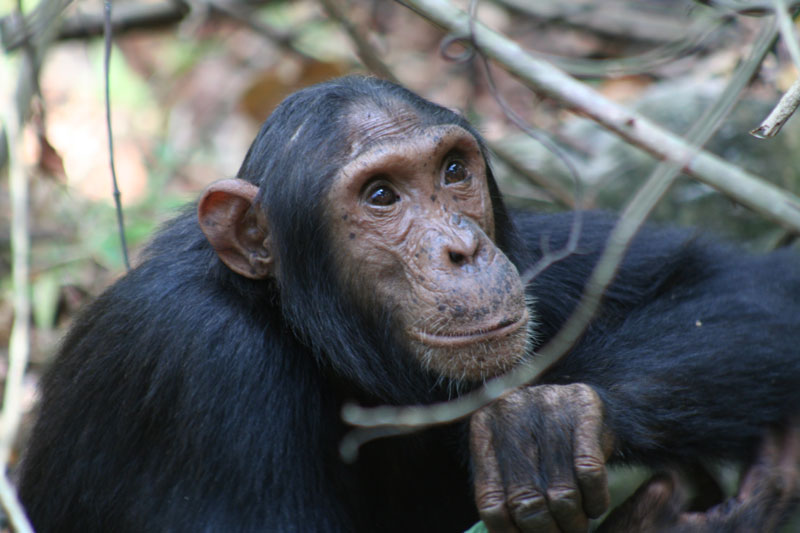
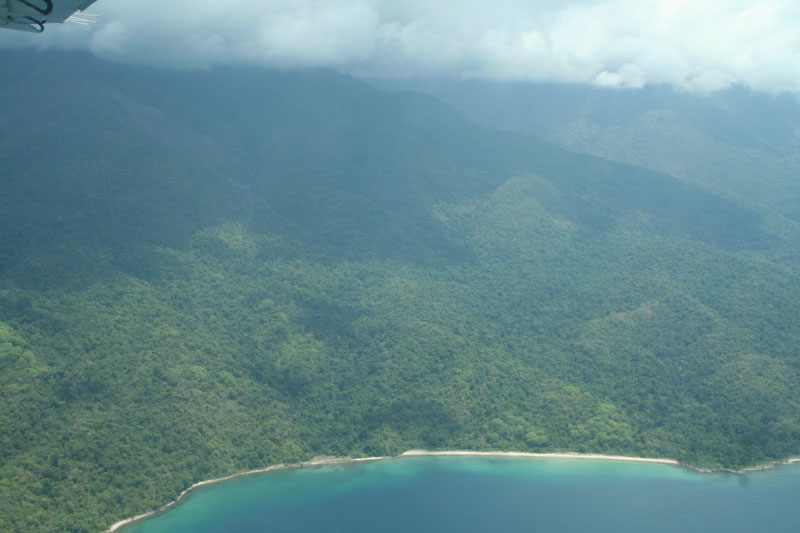
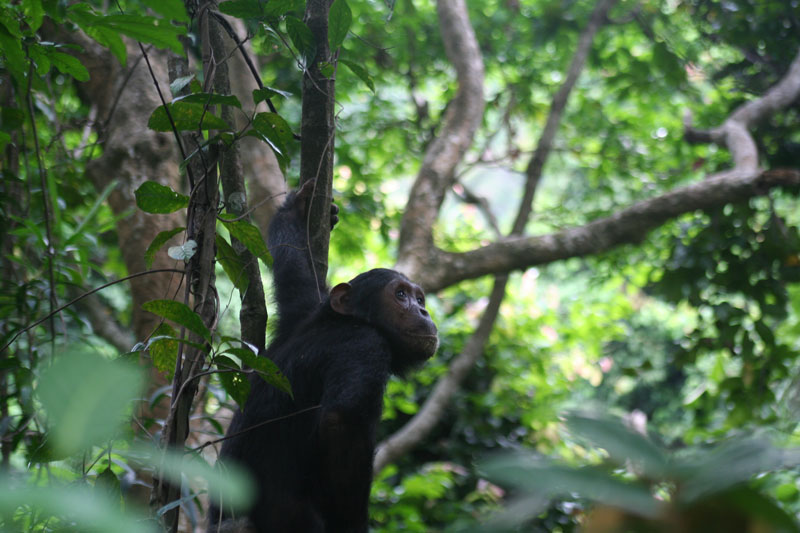
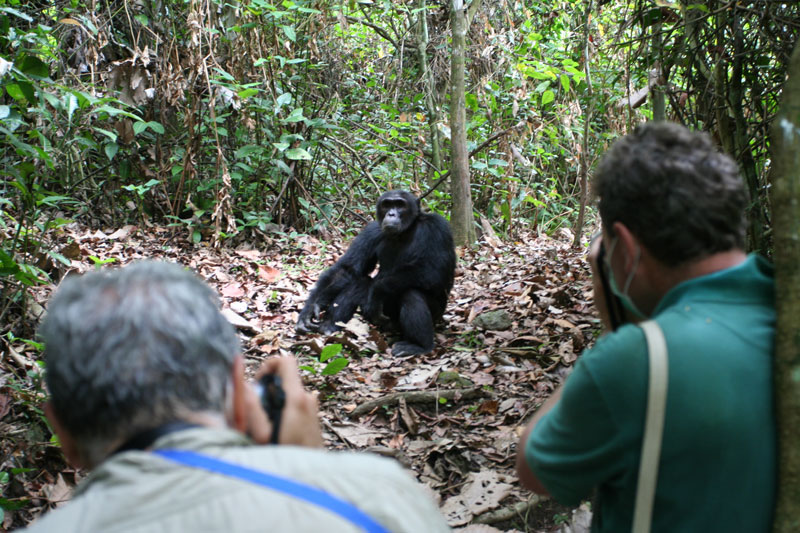
Without doubt, Mahale Mountains National Park, on the edge of Lake Tanganyika, is one of the most spectacular locations in Africa. The combination of towering mountains, dense jungle, white sand beaches and crystal clear waters make for a magical setting, and when you add to the mix arguably the best chimpanzee viewing experience in Africa, there are many reasons to put this at the top of your wish list. However, relatively few visitors make it to Mahale because of the flying distances and prices involved. This therefore means that for those who are able to visit, the experience retains a very exclusive and remote feel. A large chimpanzee family has been habituated and observed for several decades, and climbing through the forest to see these chimps is the main wildlife activity on offer, and a truly wonderful experience. There is other wildlife to see too, from red colobus monkeys in the forest to hippo in the lake and some excellent birding. But ultimately it is the pristine and remote natural location which really satisfies your soul.
Liuwa Plains, Zambia
Endless plains – as remote and exclusive as it gets.
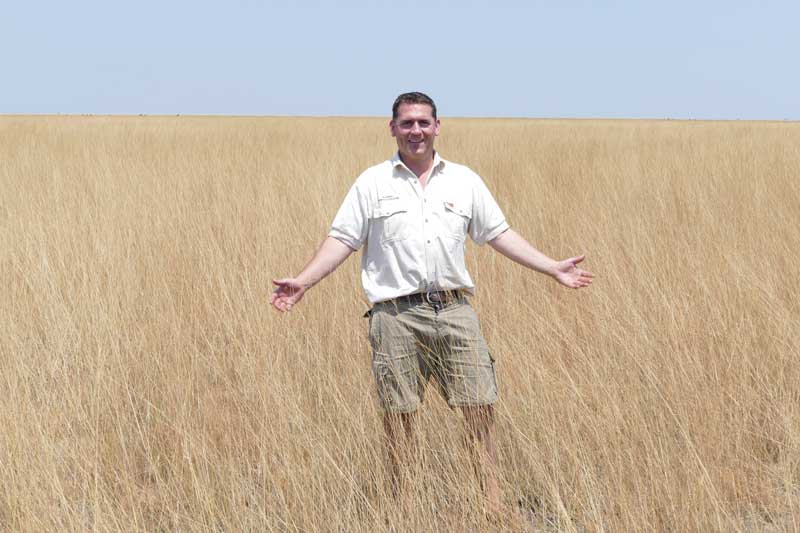
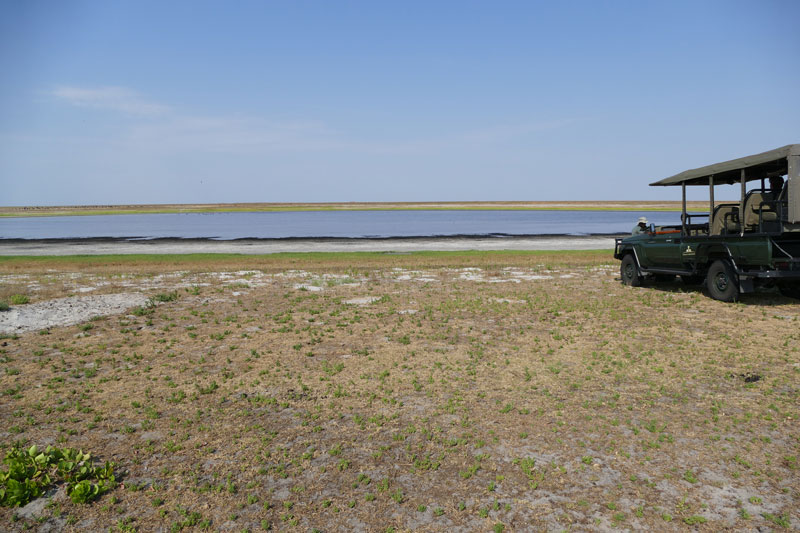
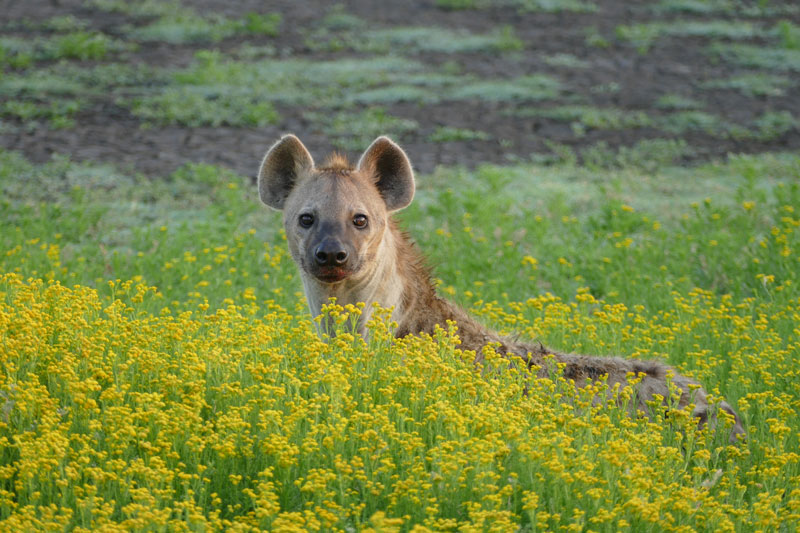
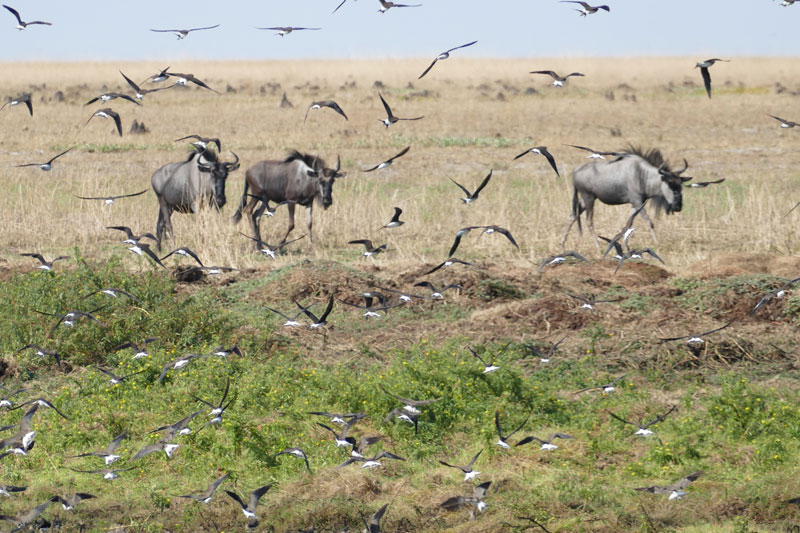
Found in the far western region of Zambia, covering a vast 3,500 square kms (approx.) of the Upper Zambezi floodplain, Liuwa Plains National Park is one of those little visited but fabled places that offers a unique adventure. Historically the hunting grounds of Lozi kings, the park is made up of endless grassland plains, bisected by shallow streams and occasional patches of woodland. From January to May the plains become inundated with water as the Zambezi and its tributaries burst their banks, whilst a series of water holes support the resident wildlife during the harsh dry season when the waters have receded. Lion and cheetah inhabit the park, though spotted hyena are the most dominant predator here, and a wide range of herbivores graze the plains including zebra, tsessebe, eland, red lechwe, buffalo, oribi and wildebeest. The plains are also home to a myriad of birdlife, from storks, cranes and pelicans to dazzling murmurations of red-winged pratincole that dance across the sky. The remoteness of Liuwa is both a blessing and a complexity, but there are twice-weekly access flights from Lusaka. This is an amazing adventure for anyone seeking a remote and exclusive safari experience, where you also look slightly beyond the animals to appreciate the scale and peace of the vast wilderness.
Damaraland, Namibia
Rugged wilderness which is home to desert-adapted elephant and rhino.
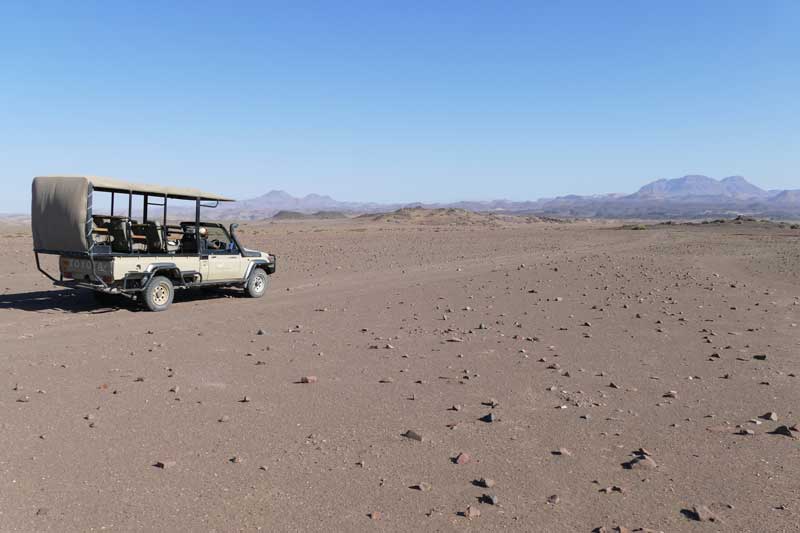
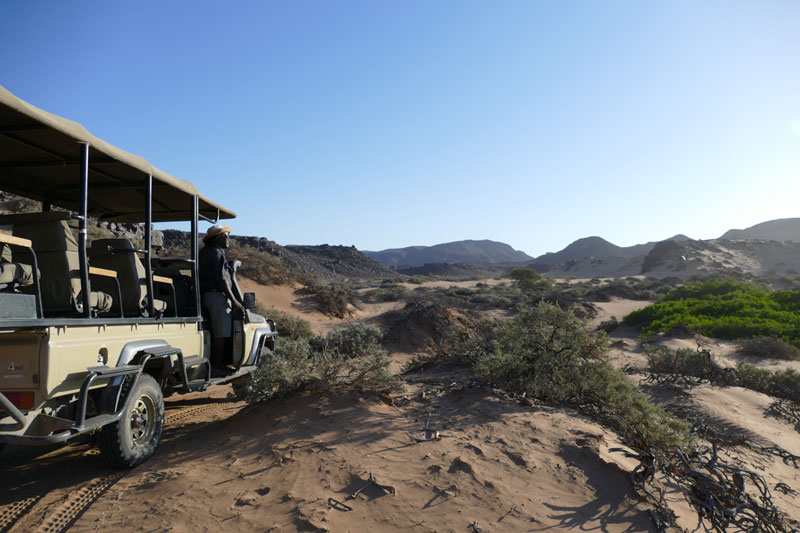
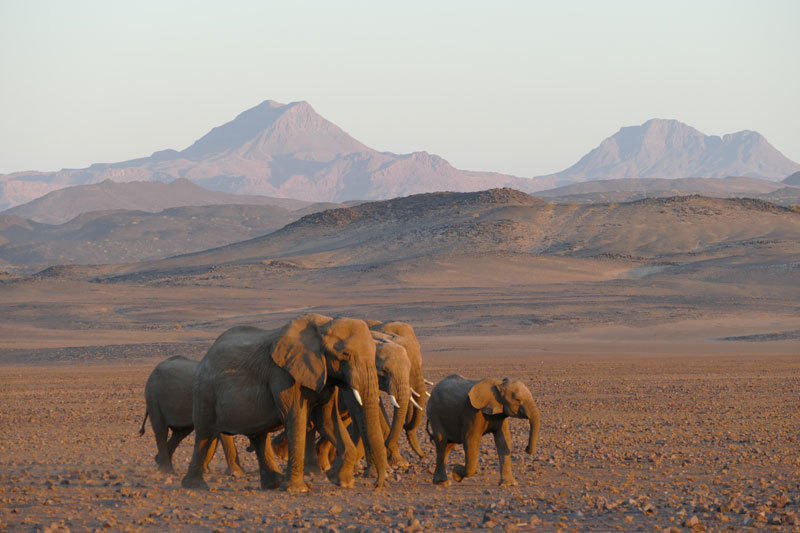
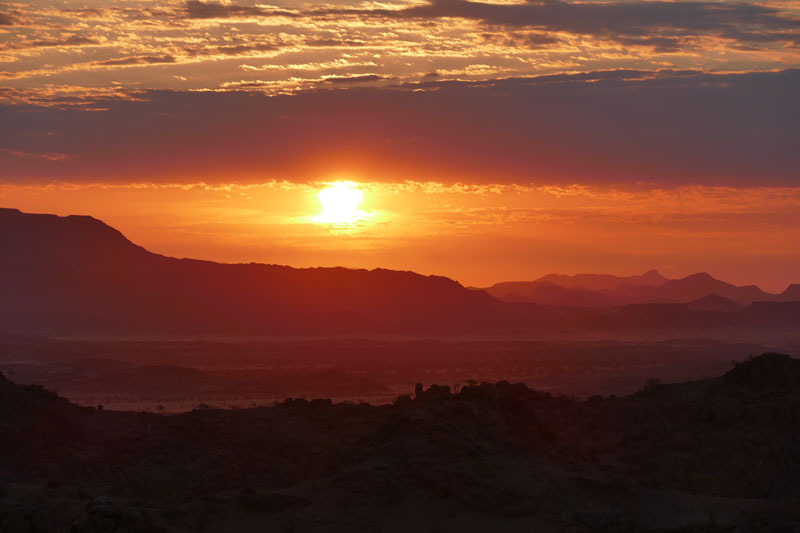
Namibia is known for its incredible desert landscapes and vast wilderness areas, with wildlife viewing generally thought of as more of a bonus rather than an expectation. However, the rugged hills and dynamic river courses of Damaraland, found in north-west Namibia, are home to a surprising amount of wildlife. Typical desert species include Hartmann’s mountain zebra, giraffe, oryx, springbok, klipspringer, bat-eared foxes, brown hyena and ostrich, whilst various predators and smaller species of wildlife are also occasionally seen. Damaraland is especially known as a stronghold for desert-adapted elephant and black rhino, and several remote lodges offer the chance to find these majestic creatures surviving in the harsh desert environment. Tracking and observing these iconic species in such a remote and unique setting is rewarding and offers a different level of safari satisfaction. Damaraland can be visited on a self-drive basis, often in conjunction with other highlights of Namibia, or on a fly-in basis.
Masaola National Park, Madagascar
A remote and beautiful biodiversity hotspot.
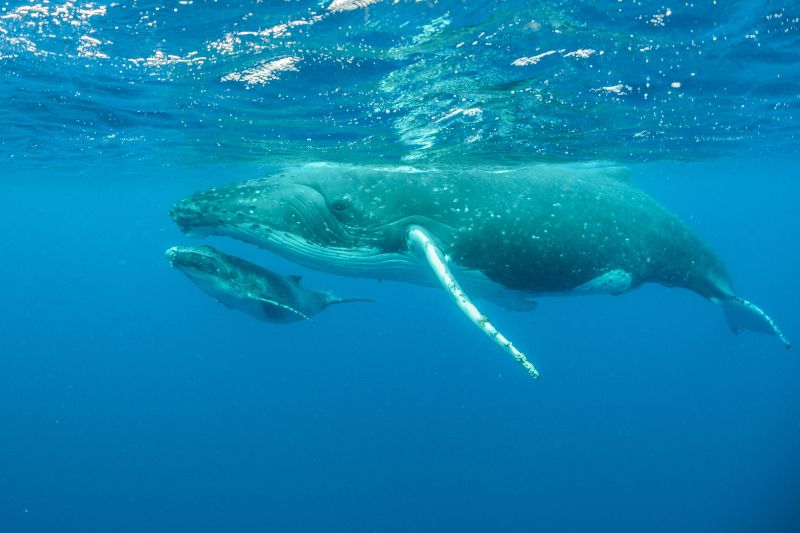
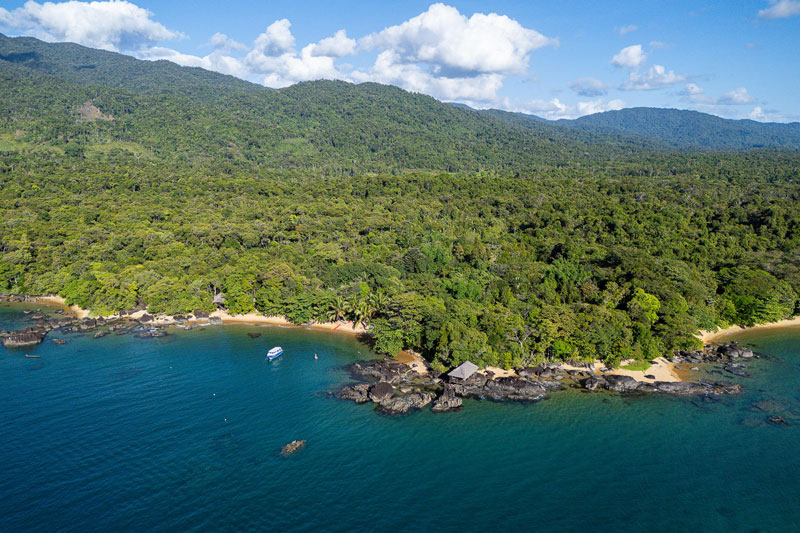
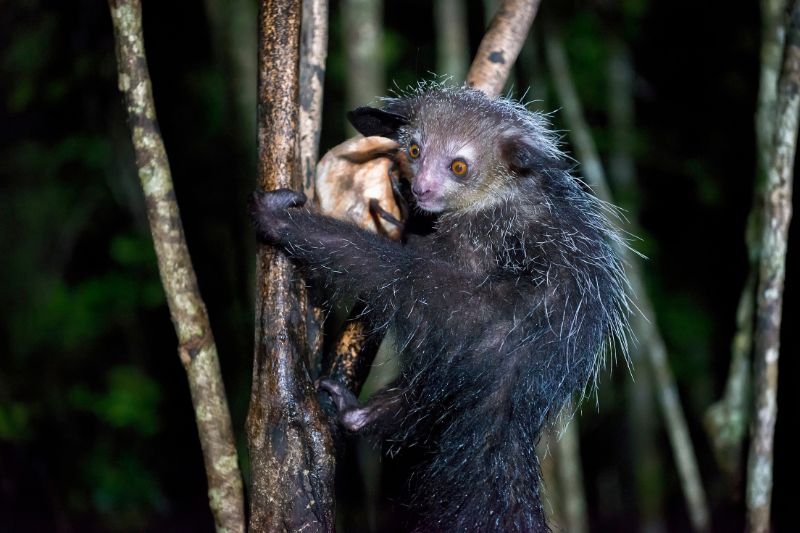
Masaola National Park is a UNESCO World Heritage Site located on a large peninsula overlooking Antongil Bay in north-east Madagascar, and includes approximately 2,300 square kms of pristine tropical rainforest as well as a rugged coastline featuring mangroves, marshes, coral reefs and seagrass beds. Masoala is a biodiversity hotspot and is explored mainly on foot. The rainforests shelter at least 10 species of lemur (including the rare aye-aye), dozens of reptiles and amphibians, and hundreds of bird species such as the elusive Madagascar serpent eagle. The marine areas teem with coral and reef fish, and humpback whales visit Antongil Bay annually between July and September. Masaola does receive high rainfall, however this is a small price to pay for being able to explore one of the most ecologically significant and stunning natural landscapes in Africa.
Gonarezhou National Park, Zimbabwe
A vast and underdeveloped wilderness waiting to be explored.
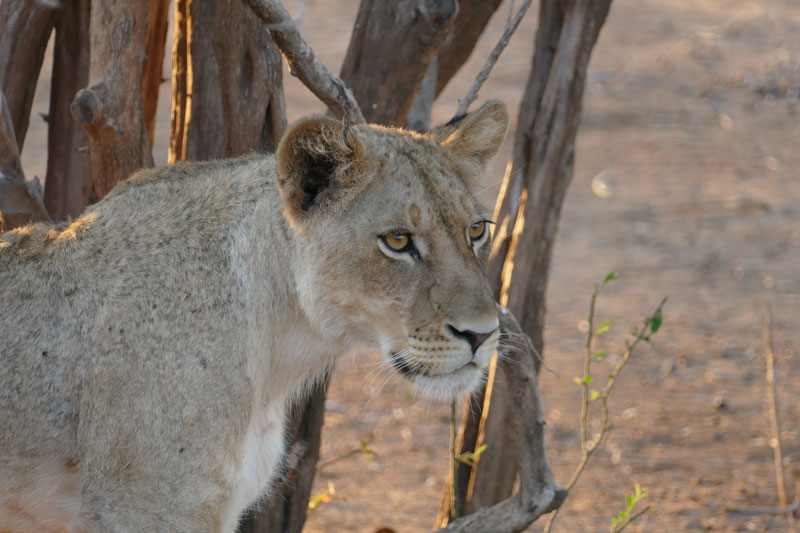
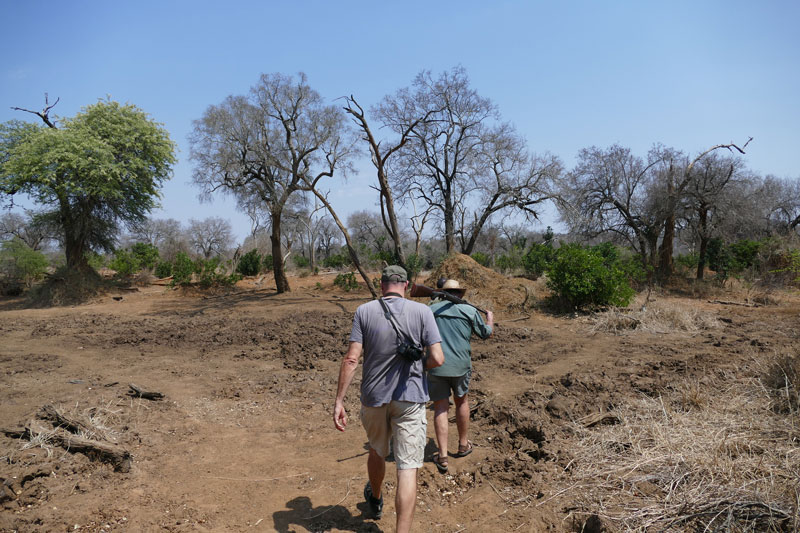
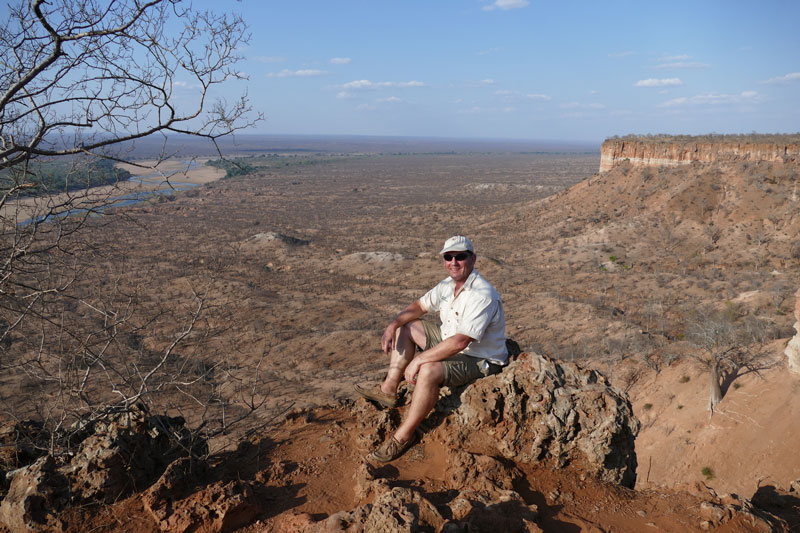
In the south-east corner of Zimbabwe, lies Gonarezhou National Park, a huge wilderness area that is home to a wide range of traditional big game, but which is visited by only a very small number of tourists! This is one of the few places in Africa where you can head out in search of big herds of elephant and buffalo, and all the main predator species, with the possibility of not seeing another tourist vehicle all day. Because of low visitor numbers, the wildlife experience is quite raw and wild – the animals don’t always pose for photographs in the same way they do in heavily visited parks, and this only adds to the feeling of true wilderness. The park is dominated by the wide and sandy Runde River which then joins the Save River after flowing beneath the dramatic Chilojo Cliffs. With just a couple of accommodation options in the park and the chance to undertake private walking and camping safaris, this is authentic, wild Africa at its very best.
Bwindi Impenetrable Forest, Uganda
Come face to face with mountain gorillas.
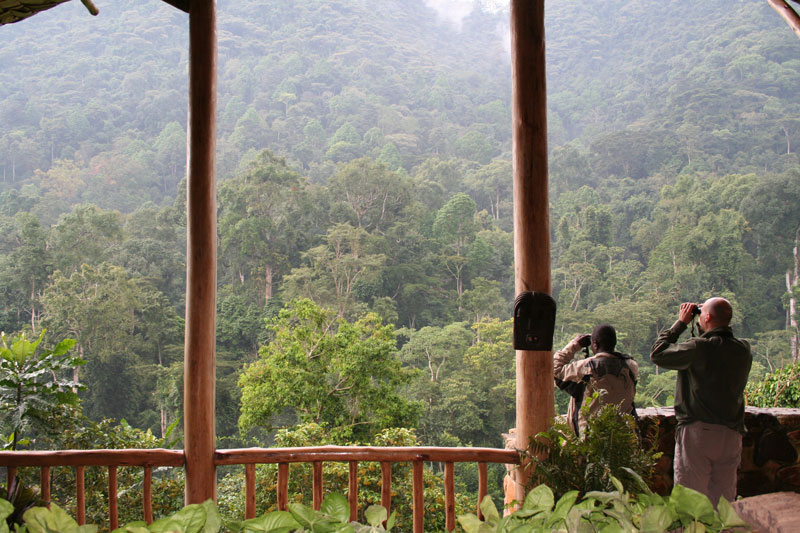
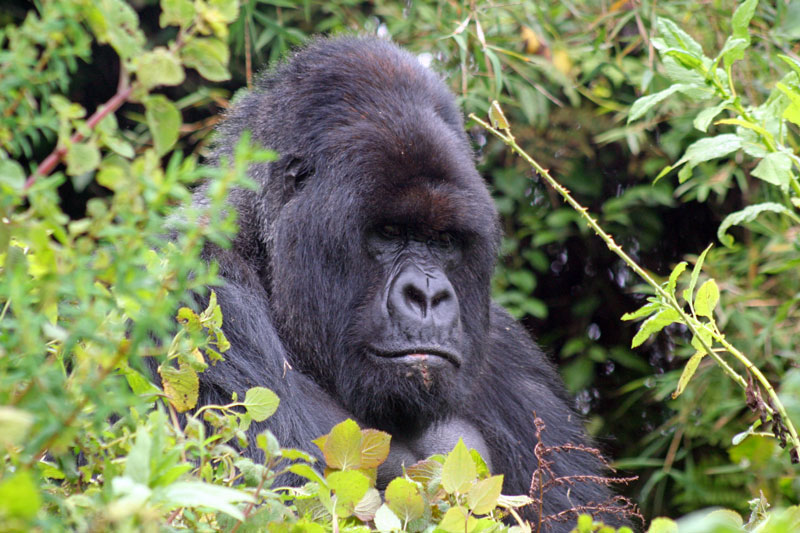
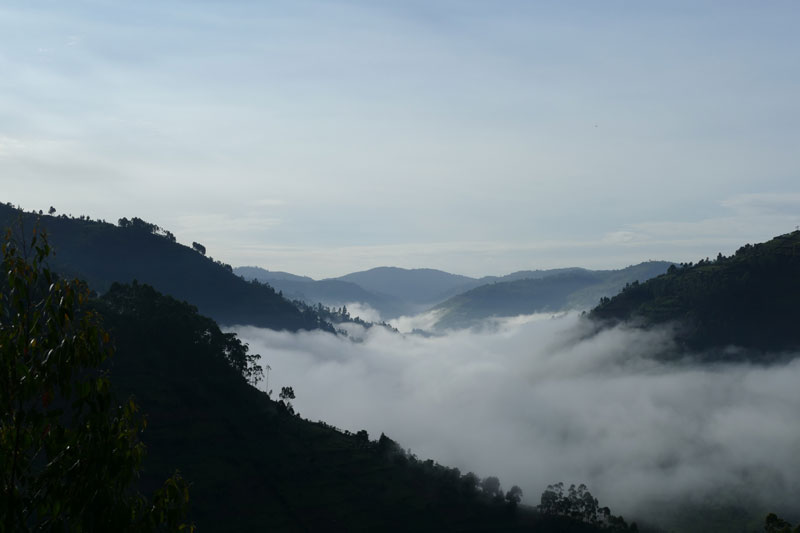
Although not the only place you can go to come face to face with the extraordinary mountain gorillas, Bwindi Impenetrable Forest in south-west Uganda is arguably the most spectacular natural wilderness in which they can be found. The forest is dense and pulsing with life, from smaller mammals and various different primates to colourful birdlife. The rugged and remote nature of the park adds intrigue with unexplored valleys shrouded in mist. On the outskirts of the forest, rural Uganda communities go about life, offering an authentic cultural experience, and it is easy to combine a visit to Bwindi with other highlights of Uganda, such as Queen Elizabeth and Murchison Falls National Parks, and/or chimpanzee tracking in Kibale and Budongo Forests.
Gorongosa National Park, Mozambique
A restoration project to be proud of.
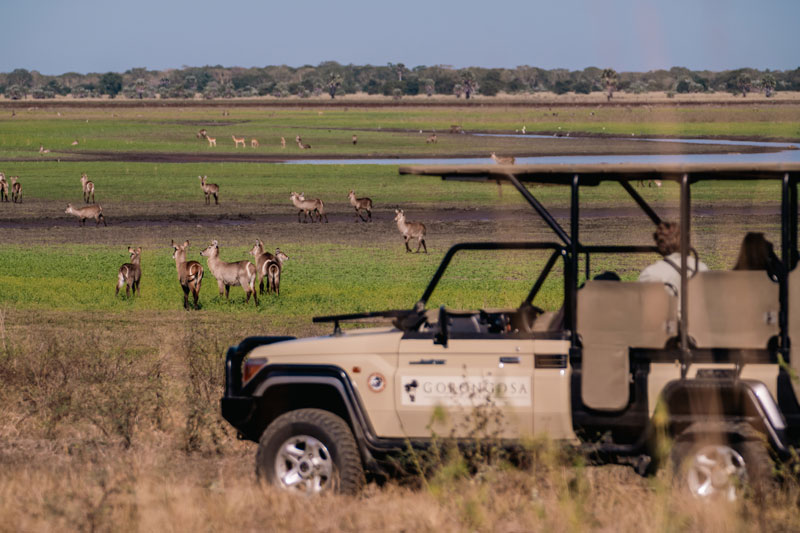
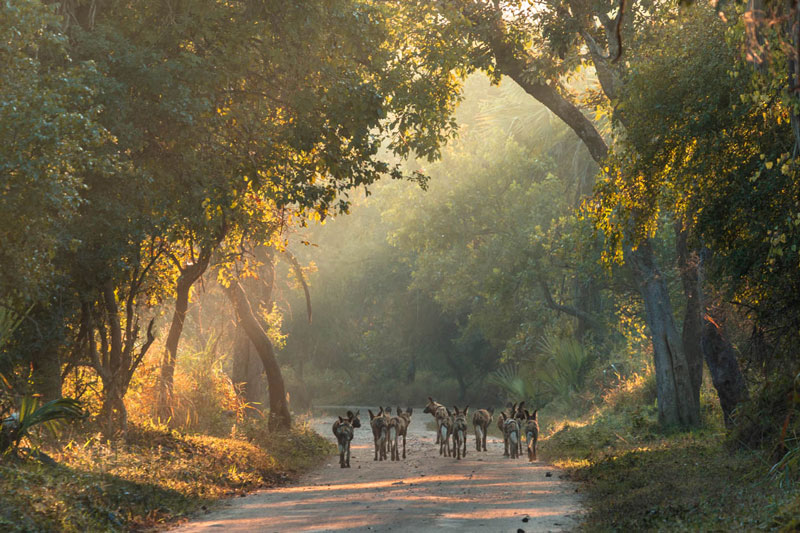
Gorongosa National Park has a long history but in recent years has emerged as a wonderful conservation and community success story and now provides a magical and very rewarding safari adventure in a remote and exclusive setting. Sitting at the southern end of the Great Rift Valley, in the shadow of the imposing Mount Gorongosa, the park is predominantly made up of huge open grass plains surrounded by savanna and miombo woodlands. In the heart of the plains is Lake Urema, which expands seasonally after the rains to inundate much of the plains. In the dry season the plains are covered by grazers and waterfowl flock to the remaining pools. Game viewing is diverse, with good populations of wild dog in particular, but a visit to Gorongosa is about more than just game viewing. It is also about conservation and community, a real-life success story. And with low visitor numbers, it is also about enjoying a rare wilderness.
CONTACT US TO START PLANNING YOUR NEXT SAFARI ADVENTURE
We hope the above has provided some inspiration for where to safari next. If we haven’t covered your specific interests, we’re full of ideas and first-hand experience and would be delighted to discuss what you have in mind.
Contact our expert travel team on +44 (0) 1787 888590 or reach out via our Contact us page.
