

Gorilla Trekking in Africa – Rwanda vs Uganda
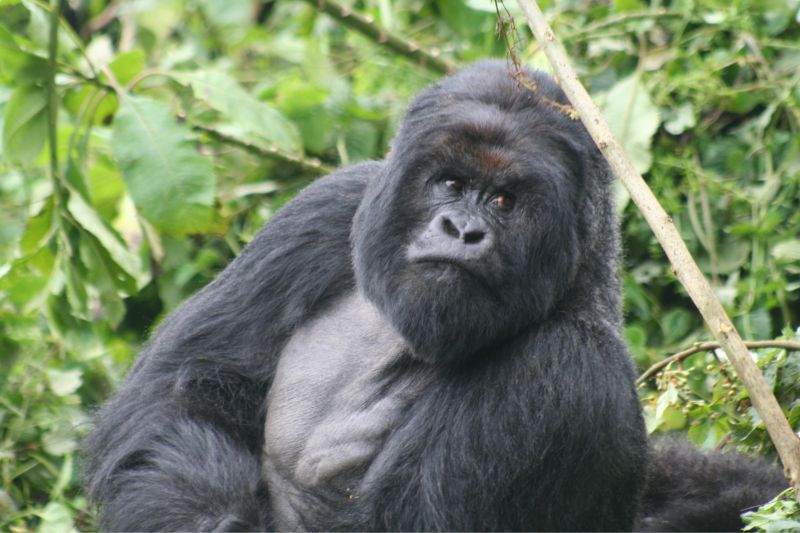
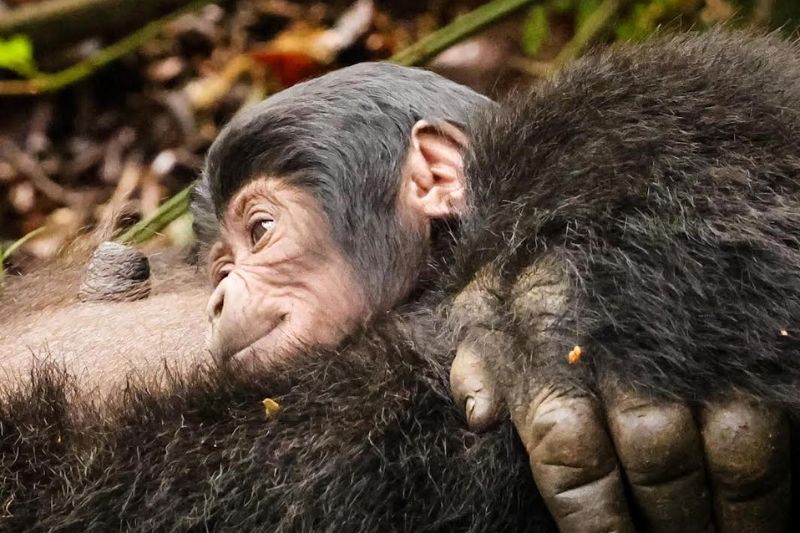
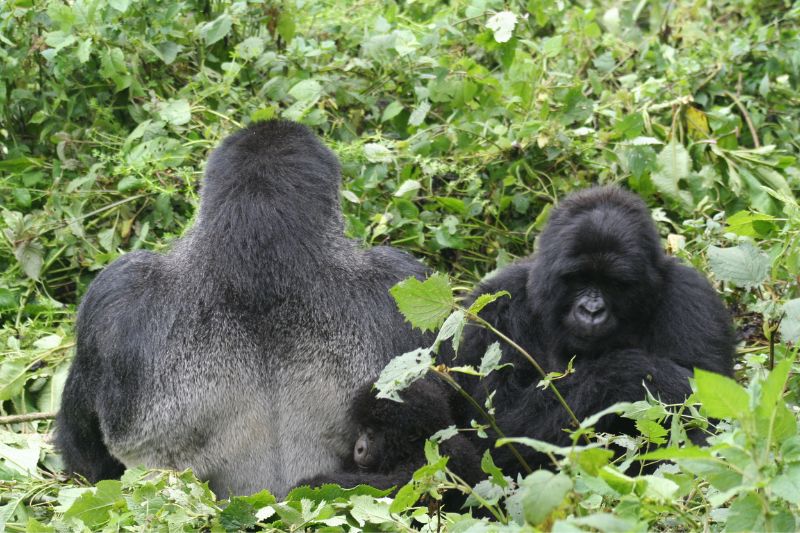
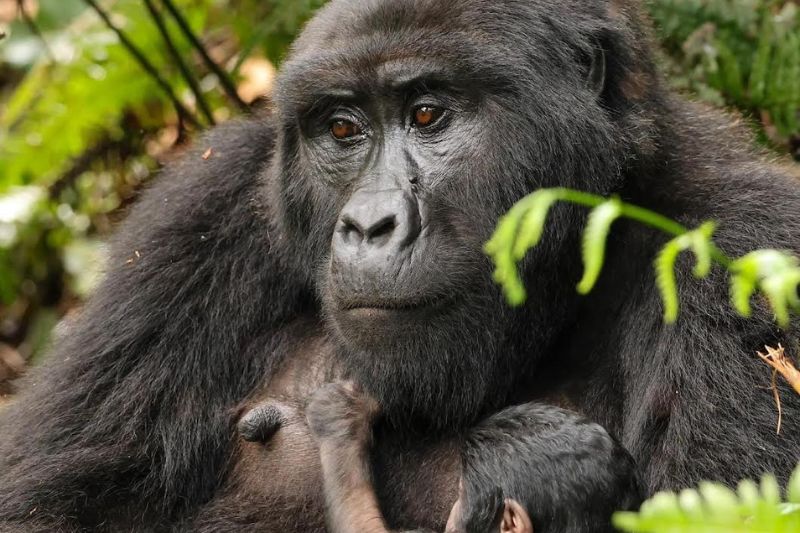
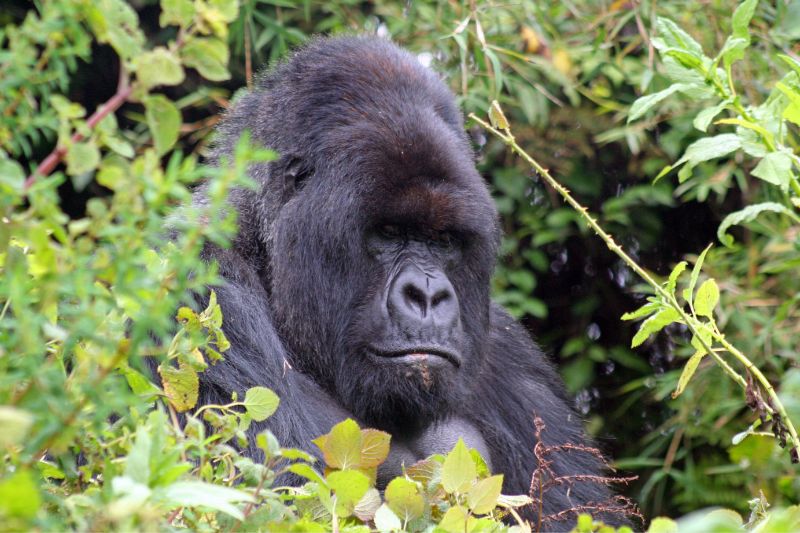
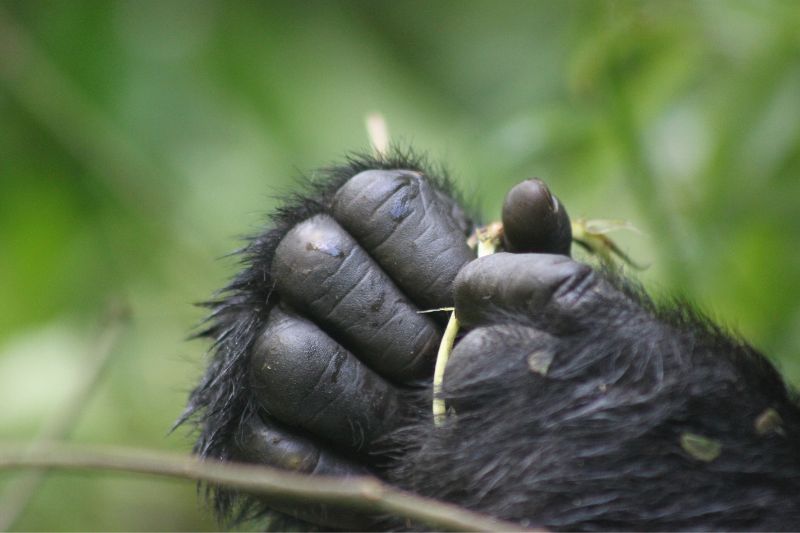
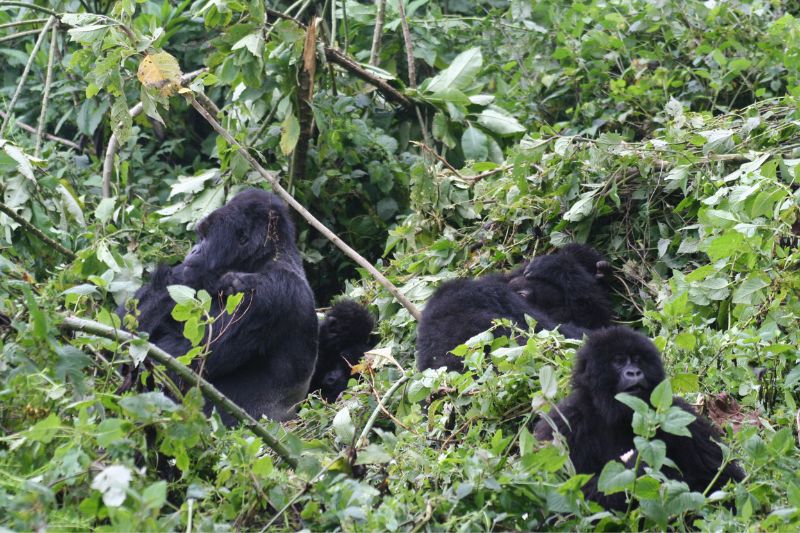
The mountain gorillas of East Africa, found in a small area of south-west Uganda, northern Rwanda and far western Democratic Republic of Congo, are one of Africa’s most iconic headline species and to see them face to face in their natural forest habitat is one of the most amazing wildlife encounters this planet can offer. The power and presence of a dominant silverback demands instant respect, whilst the playful antics of the young will make you smile and laugh. But it is when you look into their eyes that you fully connect with the moment. Their intelligence is strikingly obvious and it is easy to believe they share 98% of their DNA with us.
The main two places to see these majestic creatures are Bwindi Impenetrable Forest in Uganda, and the Volcanoes National Park in Rwanda. One question we often get asked is the difference between these destinations – which is better? The quick answer is that neither are ‘better’, as they both offer superb mountain gorilla encounters. But they are very different, and travellers will be naturally drawn to one more than the other.
Location & Accessibility: Getting to Rwanda and Uganda
Rwanda’s Volcanoes National Park is located just a three-hour drive (or a 40 minute helicopter flight) from Kigali, the capital city of Rwanda, so access is pretty straight forward and not arduous. That being said, it is usual to need at least one night in Kigali to make flight connections work. By comparison, to reach Uganda’s Bwindi Impenetrable Forest you must first take a scheduled flight (of around one hour and 15 minutes) from Entebbe followed by a drive of approximately two hours. This requires a little extra effort and planning, which could be relevant if you only have a very short amount of time. In general though, access to Bwindi is still pretty good and available on a daily basis.
Permits and Costs: How Much Does Gorilla Trekking Cost?
Permits for gorilla trekking must be bought in advance and are non-refundable. There are a limited number available each day, according to the number of habituated gorilla families there are in each area. There is normally a maximum of 10 guests per guided group visiting one gorilla family, and once the gorillas are located, you are permitted to spend one hour with them. As the gorilla groups are spread out through the forests, it is usual to drive for an hour or so to reach the start point of your trek.
One of the key differences between Rwanda and Uganda is the cost of gorilla permits. Gorilla permits cost US$800 per person per day in Uganda, whereas the cost is US$1500 per person per day in Rwanda. It is possible to book a private gorilla trekking experience, but you would usually have to purchase 10 permits. The minimum age to purchase a gorilla permit is 15 years.
The Trekking Experience: What to Expect in Rwanda vs Uganda
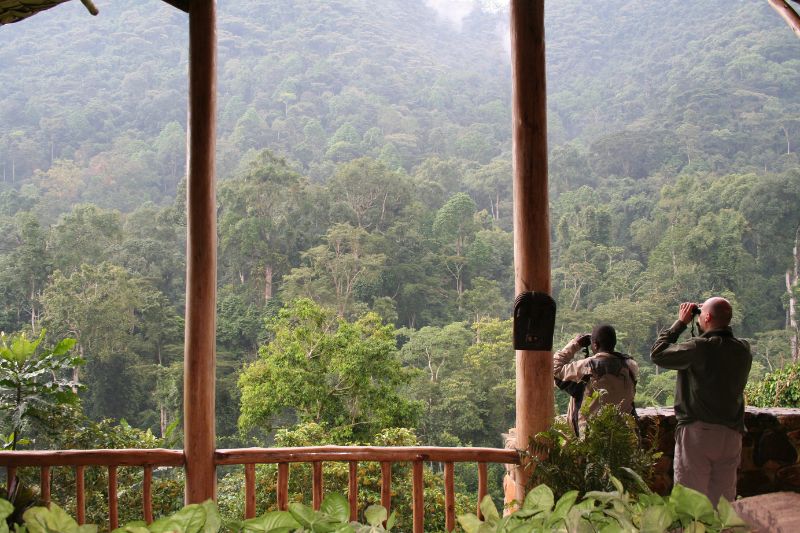
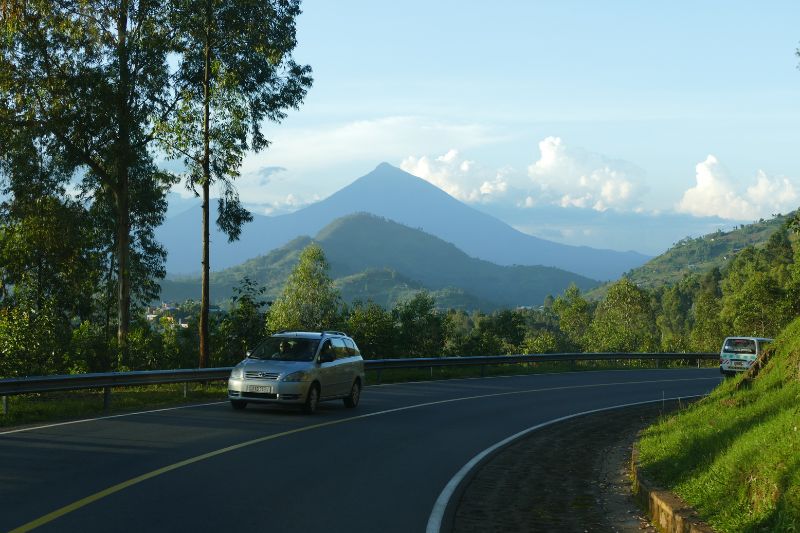
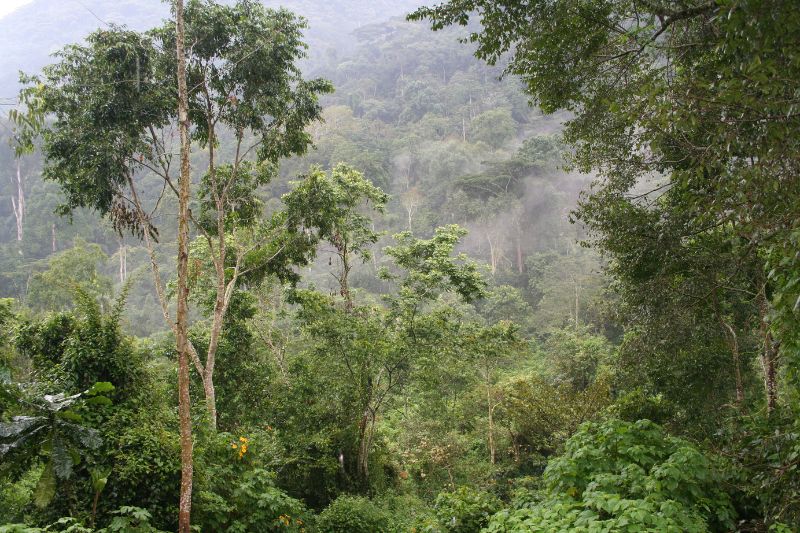
The trekking experience does vary a little between the two regions. The forests of Rwanda’s Virunga Volcanoes (which give their name to Volcanoes National Park) are set at a slightly higher altitude and would be described as montane forest rather than jungle, and as such they tend to be a little ‘damper’ with less variety of wildlife found. By comparison, Bwindi Impenetrable Forest feels more like a steamy jungle, and is home to a greater variety of wildlife.
Whilst trekking to see the gorillas can be physically challenging in both destinations, it is generally considered that the slopes are less steep and the paths a little easier to navigate in Rwanda. Uganda’s Bwindi is known for having more ‘ups and downs’ and treks are more likely to involve extended periods walking through the jungle off the main pathways. So in general, Rwanda is considered the slightly gentler trekking destination.
However, it is important to mention two things. Firstly, wildlife is unpredictable. If a gorilla group is on the move in Rwanda and you are forced to leave the easier pathways, the walking can get very difficult and steep. Conversely, if a gorilla family in Bwindi decides to feed along the edge of the forest, as they sometimes do, you might not even have to enter the jungle to see them. Secondly, even before gorilla movements are taken into account, both countries offer treks of varying difficulty. Virunga Volcanoes have a couple of gorilla families that tend to stay a bit higher on the volcano and take longer to reach, and Bwindi has some quite tough walking in places and some much easier treks near the main park headquarters.
In both Rwanda and Uganda the success rate for seeing the gorillas is very high. But nothing can be 100% guaranteed – and you don’t get a refund if you don’t see them! We often recommend two days of trekking, partly because each day will be different, but also as a precaution in case one day isn’t fully successful due to the gorillas’ movements or the weather.
Gorilla Families & Viewing Opportunities
The activity experience is broadly similar in both countries. You will be taken to the park headquarters by your local driver guide for registration (in Virunga this is a single location, in Bwindi there are a few different offices spread around the outside of the forest). Here you will be introduced to your guide and informed about the gorilla family you will be trekking to see. It is generally not possible to pre-book to trek to see particular gorilla families, though your local guide will take into account any necessary requests (for example if you are hoping to trek to see a more accessible group).
It is then usual to drive for a bit to the start point of your trek. In Rwanda you’ll typically drive for between 30 and 60 minutes, whilst in Uganda sometimes you can walk directly from the headquarters, or at other times there can be a drive of up to 90 minutes to a different location.
In both countries, there’s often a short walk up through rural farm fields before entering the forest, and then the walk to find the gorillas can take anything from 30 minutes up to around five hours. The likely location of the gorillas is broadly known before you head off, and National Park scouts go ahead to locate them and radio in their location. The only issue comes when the gorillas are too mobile as it’s impossible to catch up with them! But they normally rest in the middle of the day, which gives you chance to make up time – hence success rates for seeing gorillas are high, even if it takes longer to reach them.
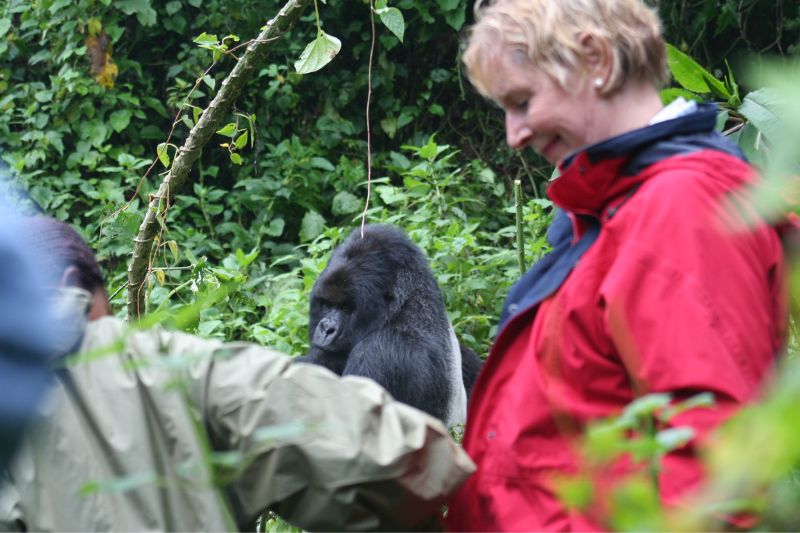
You are allowed to spend one hour only with the gorillas (this is the same in both countries), although if the gorillas move during that hour and you are out of sight of them for a bit, that time doesn’t count as part of your hour. You are not allowed to advance within seven metres of the gorillas, although they are unaware of this rule and will often move closer to you!
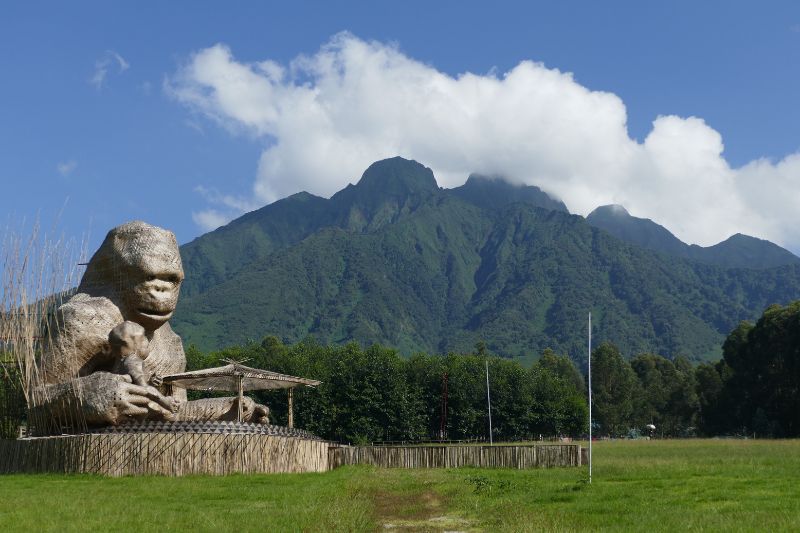
As mentioned above, Rwanda has one park headquarters at the foot of Sabyinyo Volcano, and all habituated gorilla families are accessible from here (with a drive to the various start points). In Uganda, Bwindi’s original park headquarters are at Buhoma Village, on the northern edge of the park and this is still the main hub of operations. Buhoma has access to several gorilla groups, some on foot from the headquarters. However, there are now various other locations around the south of the park where you can trek to see the gorillas, including Ruhija, Nkuringo and Rushaga.
Accommodation and Hospitality: How do Uganda and Rwanda differ?
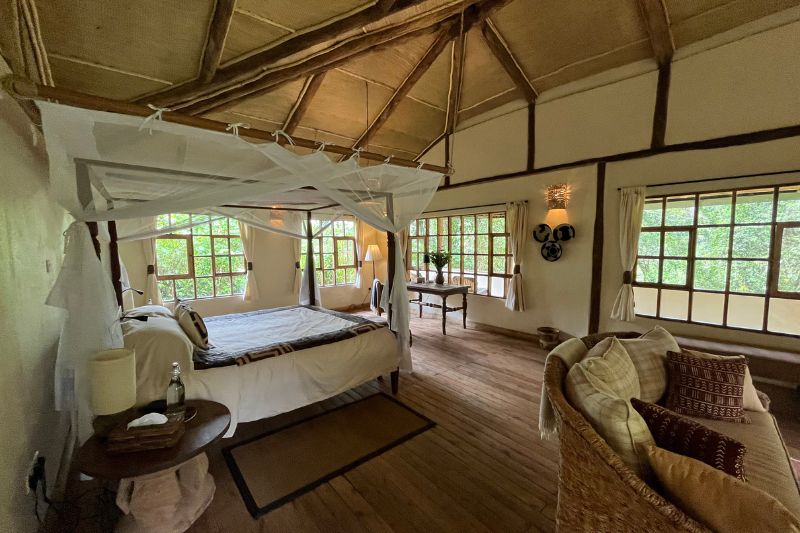
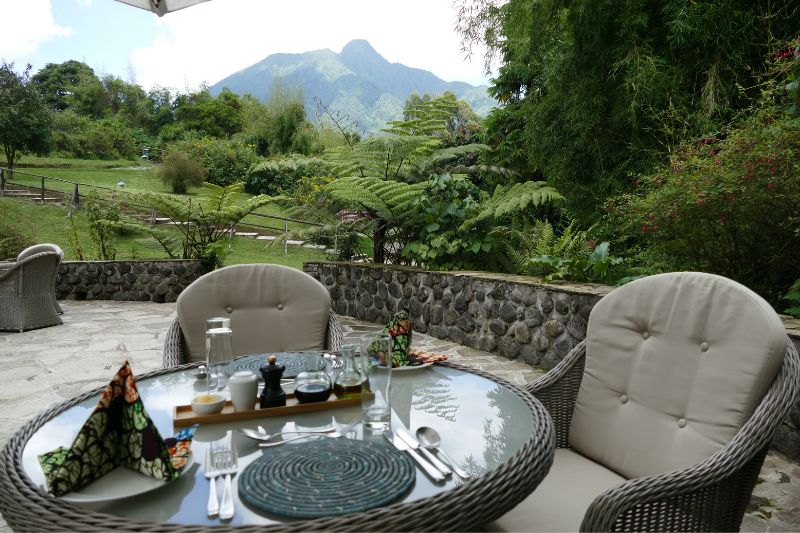
In short, Rwanda is deliberately targeting high end tourism and there are several top five star accommodation options which offer sophisticated food and service to match their extremely high comfort levels. Prices at these top lodges are pretty eye-watering. There are some good four star options too, but they are still relatively expensive.
Uganda is developing fairly quickly around Bwindi Impenetrable Forest but currently lacks really top end five star accommodation options. A few properties are starting to come close with very comfortable stays and a good service, but in general you are more likely to experience four star comfort and hospitality in Uganda.
As a destination Rwanda is also more ‘sanitised’ and less ‘wild’ than Uganda, especially up around Volcanoes National Park where everything feels very well organised and also very ‘clean’ – they famously have public rubbish collecting each month. In contrast, Uganda offers a more authentic, earthy Africa experience.
Best Time to Visit: Rwanda vs Uganda Gorilla Trekking Seasons
There is no obvious difference between the seasons of Rwanda and Uganda.
The best times of year to see the gorillas are generally from December to March and from June to September. These are usually the drier times of year, making for more pleasant trekking and photography conditions. However, it can rain at any time of year so you must always be prepared to experience some rain.
One possible advantage of travelling during the wetter times is that the gorillas tend not to roam so widely, as food availability is more abundant. However, this is a minor consideration in comparison to the potential difficulty of trekking in wet conditions.
Beyond the Gorillas: What Else Can You Do in Rwanda and Uganda?
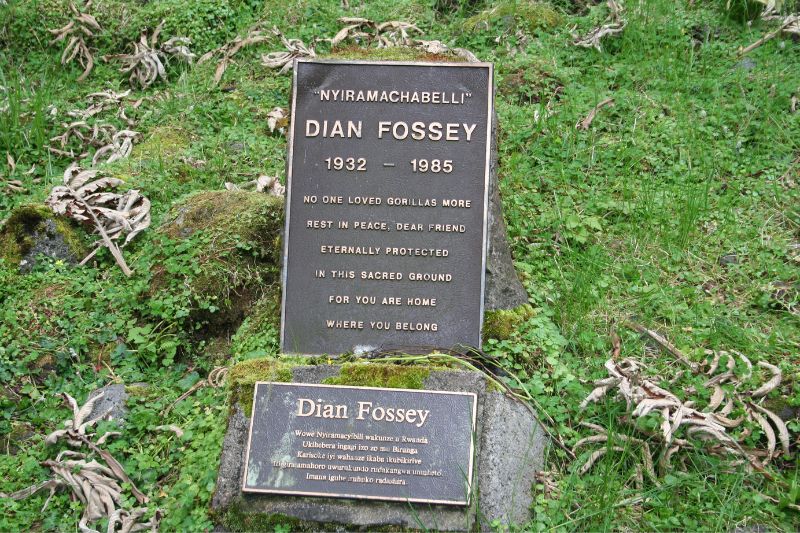
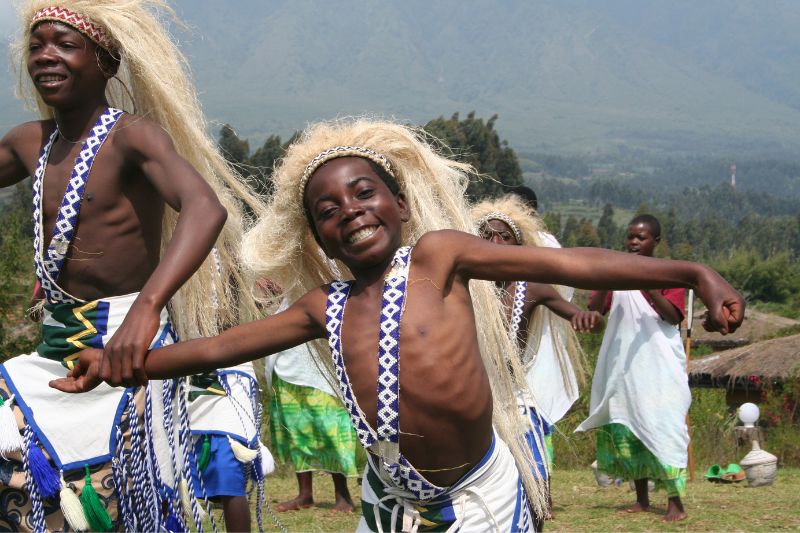
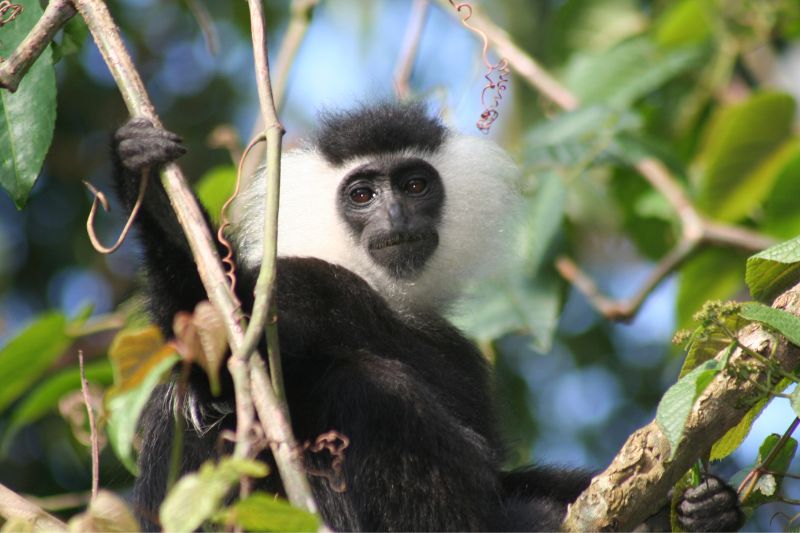
Rwanda is often seen purely as somewhere to view the gorillas, before moving on to other countries like Tanzania or Kenya to undertake a more traditional big game safari, or even visit an iconic beach destination such as Zanzibar. However, it does have two other main attractions in Nyungwe Forest National Park in the far south (chimps, birds and other primates such as black and white colobus) and Akagera National Park in the far east of the country (traditional big game). During a stay up at Volcanoes National Park, it is also possible to see Golden Monkeys in the lower forest or trek to Dian Fossey’s grave and the ruins of her Karisoke Research Centre, made famous by the film ‘Gorillas in the Mist’. Rwanda is a beautiful country to explore, full of interesting culture and scenic villages – you could quite easily spend 10 to 14 days or so touring the whole of Rwanda.
The same is very much true of Uganda. Uganda perhaps feels less like a ‘fly in/ fly out’ destination, but there is still a tendency for this to happen when seeing the gorillas is the primary focus. Uganda is traditionally a country that can be explored over two to three weeks, offering a varied balance of activities. Key experiences can include chimpanzee trekking in Kibale Forest or Budongo Forest, big game viewing and boat safaris in Queen Elizabeth or Murchison Falls National Parks, as well as taking a boat cruise to the foot of Murchison Falls on the White Nile River. There are several further parks, reserves and places of interest that could be included in a longer exploration of Uganda. Several other species of primates can be seen, including red tailed monkeys and black and white colobus. Uganda is also known for its superb birding opportunities and plentiful cultural experiences.
Which is Best for You? Rwanda or Uganda for Gorilla Trekking?
In summary, trekking can vary in both destinations. As a general rule, Rwanda is best suited to travellers who are less confident in their fitness and hoping for easier gorilla trekking and who are happy to pay extra to enjoy the higher accommodation levels available here. If you specifically want a genuine five star experience, then it is simple – focus on Rwanda.
However. if value for money is important, and you naturally enjoy slightly more authentic, adventurous experiences, then Uganda will suit much better.
While both countries can offer safari extensions beyond the gorilla experience, Uganda is the better option if you are keen to combine gorilla and chimp trekking in the same itinerary, or if you are a keen birder.
Both countries can offer excellent broader wildlife experiences in combination with gorilla trekking, though for the best traditional big game safaris it is usual to include some time in Kenya or Tanzania. Rwanda tends to combine well with Tanzania’s Serengeti National Park, whilst Uganda is more often combined with Kenya’s Masai Mara.
Ultimately, your initial reaction to the difference in permit prices usually dictates which country will be best for you. If you don’t mind paying the extra for a Rwanda permit, that indicates that Rwanda will likely suit you well. However, if the lower priced permit is immediately more attractive, then Uganda will probably be the perfect fit.
At Safari Consultants we specialise in designing holidays to suit personal interests and individual requirements. We have not only visited both Uganda and Rwanda many times, but we have undertaken gorilla trekking in both destinations (see a report from our latest visit to Uganda and Rwanda here) several times and visited the different hotels and lodges. We will only ever suggest what we feel is right for you and your party, once we have an understanding from you on what you are looking for.
