

Whale Watching, WINE & WONDER OF South Africa’s Cape
Nestled at the southern tip of Africa, Cape Town is a city like no other, where towering mountains meet the wild Atlantic Ocean. Often called the “Mother City” of South Africa, Cape Town is a place of natural beauty, vibrant culture, and rich history that attracts travellers from around the world. There is something to charm and excite everyone here.
I was lucky enough to be based in Cape Town for around five years, before returning to the UK in 2015, and have visited often since. So I was extremely excited when I had the chance to return this spring. I spent my time in and around the city and also visited the gorgeous coastal town of Hermanus, as well as the ever-beautiful Cape Winelands (a personal favourite!).
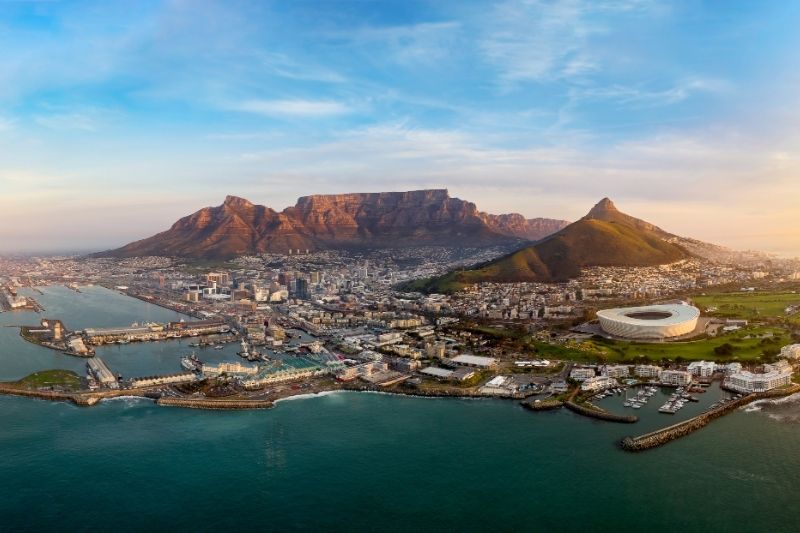
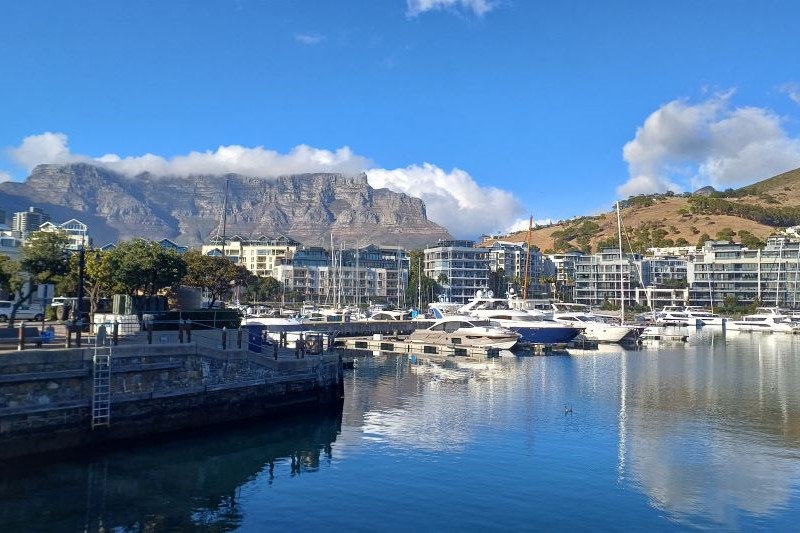
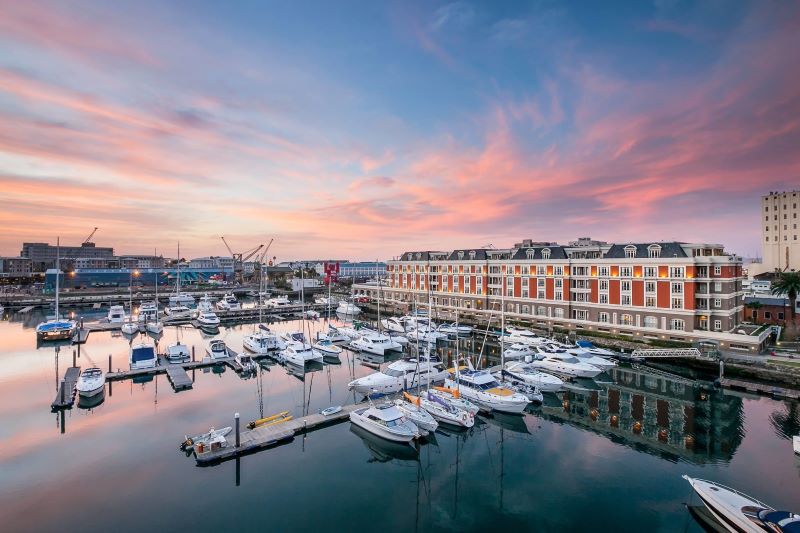
Cape Town can easily be explored under your own steam; or, if you like more guidance and information, or prefer not to do any driving, there’s the option to book a private guide/driver. Many people choose a combination of both, and this is what I did. For my first night in Cape Town, I stayed at the very elegant Cape Grace Hotel which sits on its own private quay and features beautiful views over the Waterfront and Table Mountain. If you’re looking for a smaller, more boutique style property, I would highly recommend either the Winchester Boutique Hotel or Four Rosmead Guest House, both of which are very comfortable and impeccably run.
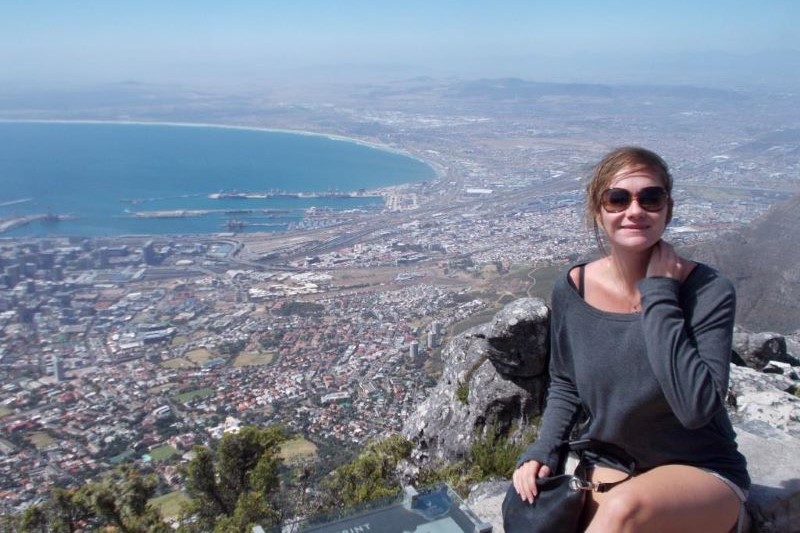
There is definitely no shortage of things to do in Cape Town, but no visit to the city is complete without a trip to Table Mountain. Rising majestically over the city, the mountain offers panoramic views that stretch across the Cape Peninsula. Whether you opt take the cable car or hike one of its many trails, the reward is the same: breathtaking views stretching out over the city, to the ocean and beyond. If you are travelling in winter, it’s important to check the weather as cloud cover and incremental weather can close the mountain. If travelling in the summer, then I’d recommend visiting early to avoid the crowds and the rising heat of the day (especially if you intend to hike).
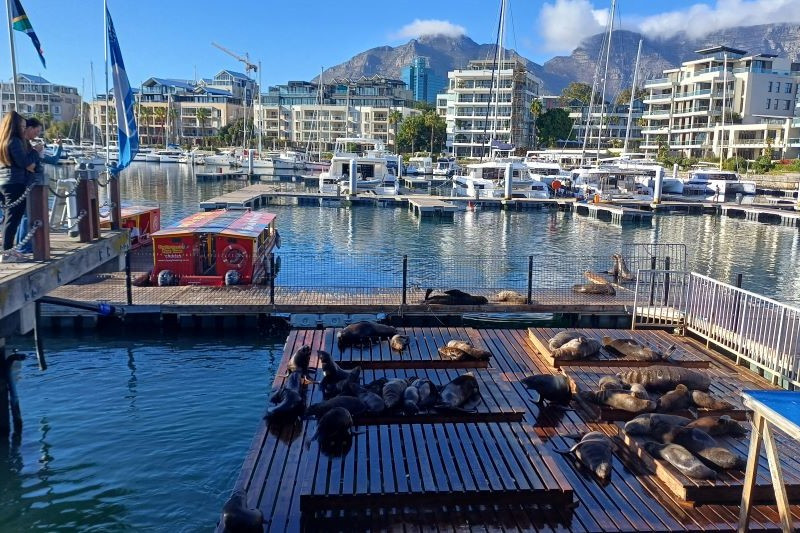
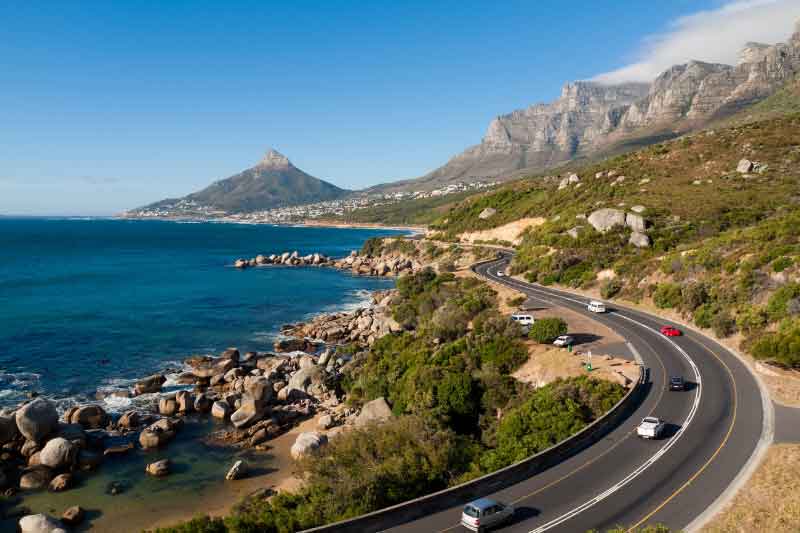
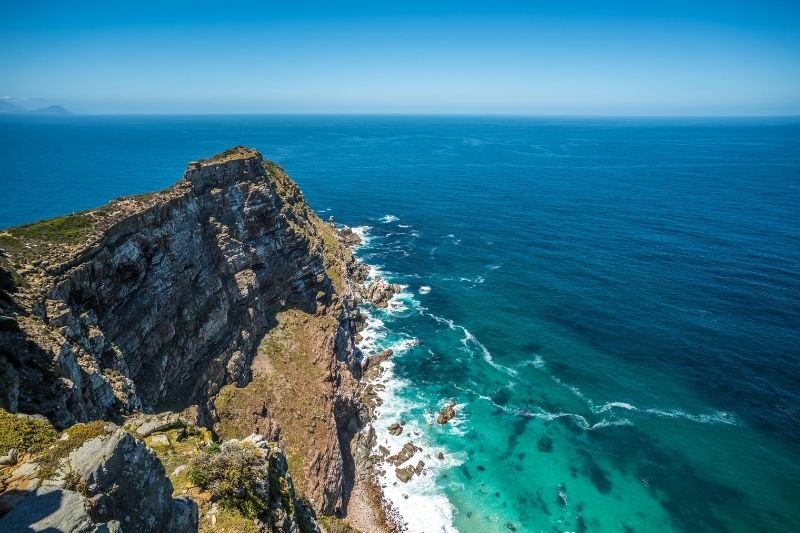
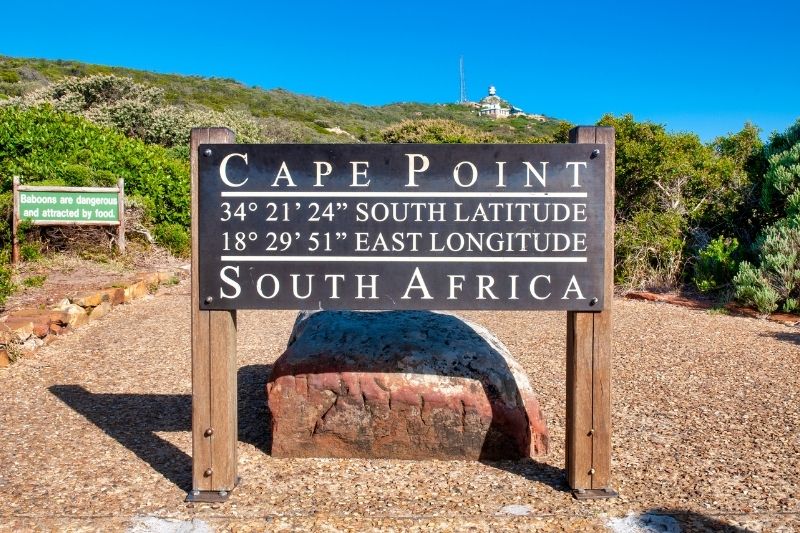
One activity that I would always recommend including is taking a privately guided Cape Point and Peninsula Tour. Having the benefit of a knowledgeable local guide really helps you make the most of this stunning area. Cape Point lies at the tip of the Cape Peninsula and forms a magnificent nature reserve comprising indigenous plants, spectacular views and cape wildlife, including chacma baboons (top tip: always close and lock your car doors, or you may get an unwanted passenger of the simian kind). There are also several antelope species found in the area, as well as ostriches and cape mountain zebra.
As you travel along the coastline in or out of Cape Point, it’s definitely worth popping into some of the quaint fishing villages like Kalk Bay and Simon’s Town (both offer options for a wonderful seafood lunch). Visiting Boulders Beach in Simon’s Town is also a ‘must do’ as this is home to a very relaxed colony of African penguins, who won’t be in the least bit bothered by your presence! Another lovely place to visit en route, closer to the city, is Kirstenbosch National Botanical Garden. Kirstenbosch is not your typical garden. Situated within the Cape Floral Kingdom, the smallest yet richest of the world’s six floral kingdoms, it showcases over 7,000 species of indigenous plants, many of which are found nowhere else on Earth.
Moving back to the city, and to the V & A Waterfront, for art lovers I’d recommend taking time to visit the Zeitz MOCAA (Museum of Contemporary Art Africa). It is located inside a former grain silo which was built on Cape Town’s waterfront in the 1920s and was once the city’s tallest building. The architect behind the museum has carved huge sections out of the building’s tubular interior to create a complex network of about 80 gallery spaces, which showcase both permanent and visiting exhibitions.
The Waterfront area is also where the ferry to Robben Island departs, which is another activity I would recommend. Robben Island has served many purposes throughout history, but it was most famously the prison where Nelson Mandela spent 18 of his 27 years of incarceration. Although it can be a little disorganised at times, the tour is fascinating and with former political prisoners as your guides, it’s very moving. Be sure to book tickets for the island in advance as it can book up very quicky, particularly in peak season.
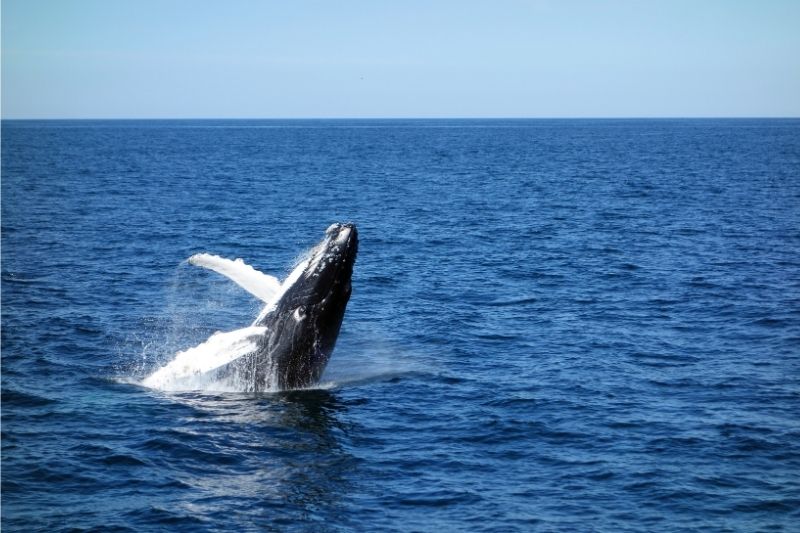
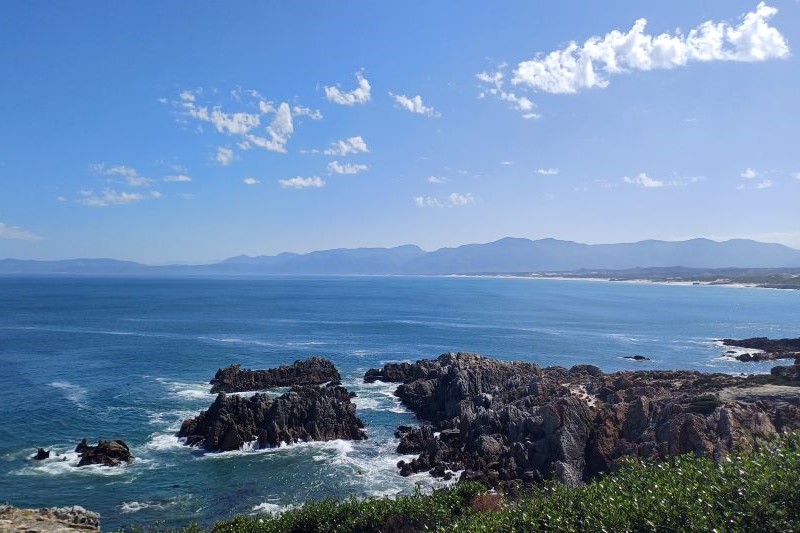
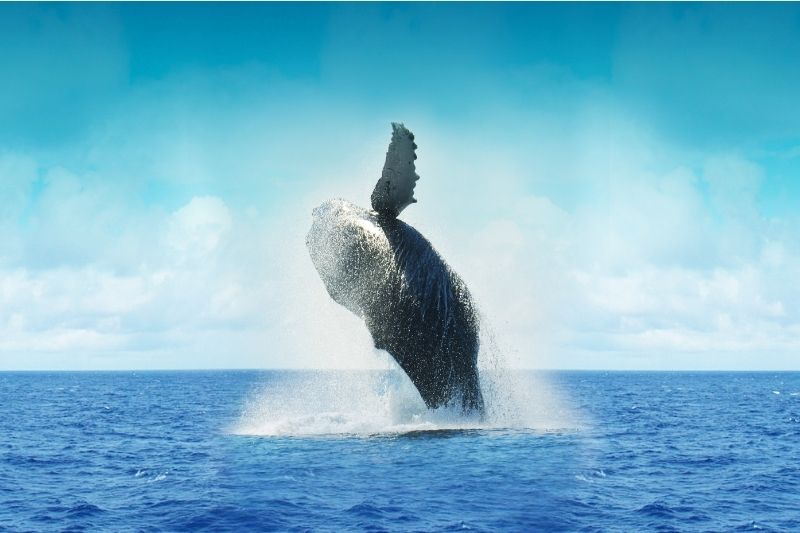
From Cape Town I headed to the pretty coastal town of Hermanus, which is approximately two hours’ drive south-east (two and a half if you take the scenic route, which I’d highly recommend).
Hermanus is famous for its whale watching and during the months of June to October it offers some of the finest land-based whale watching you can experience. It’s during this time that the whales (specifically southern right whales) are present all along this part of the coast, with over 3,000 individuals migrating from Antarctica to enter the warmer waters of Walker Bay to mate and calve.
If you are travelling outside of the whale season there’s still plenty to make Hermanus a worthwhile stop, as the natural beauty of the area is breathtaking. For nature lovers, nearby Gansbaai offers superb ‘marine big five’ spotting (dolphins, seals, sharks, whales and the African penguin) and, for those with an adventurous streak, shark diving trips. If you prefer to stay firmly on land, then hiking the Cliff Path is a great way to spend a morning. It stretches just over 12 kilometres from the New Harbour to Grotto Beach and offers unparalleled coastal views and diverse fynbos vegetation. The town of Hermanus itself is also lovely, with a great range of restaurants and cafes, as well as local art galleries and curio shops.
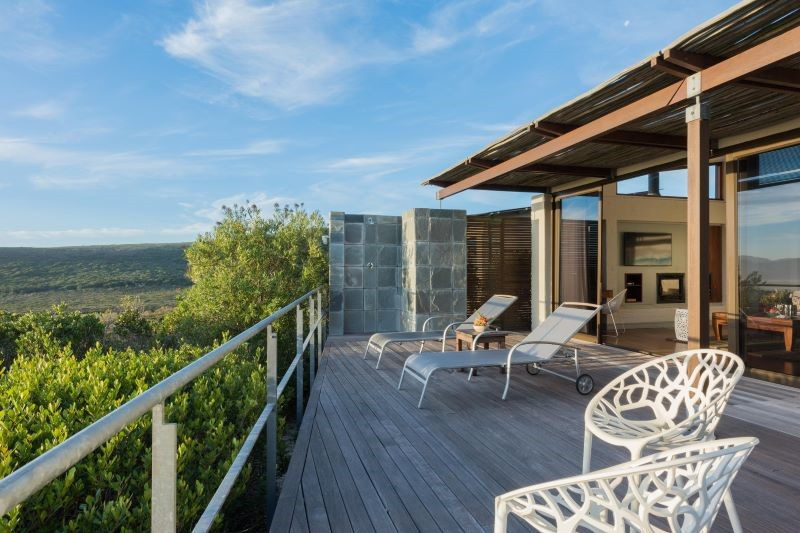
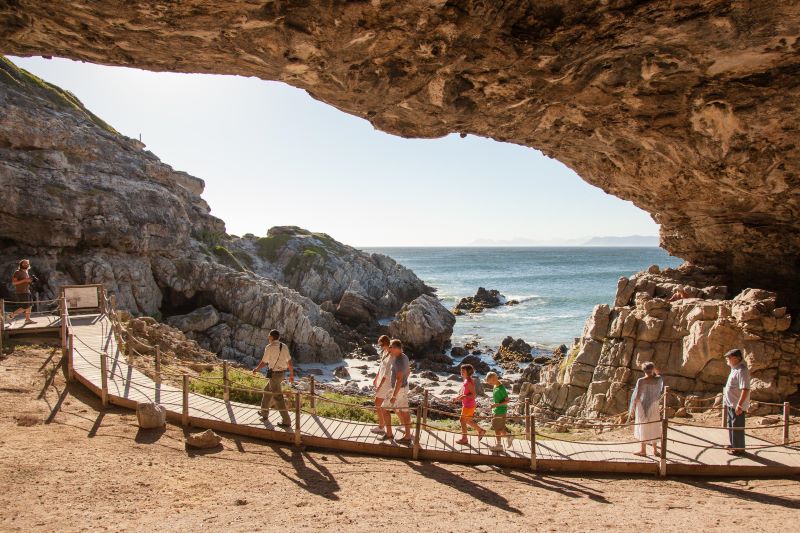
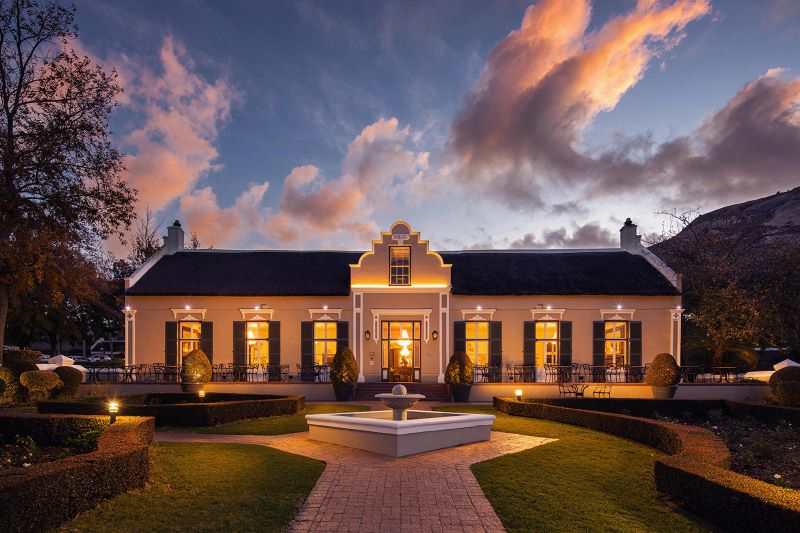
Hermanus offers a fantastic array of accommodation. I stayed at Abalone Guest Lodge, which is a smart and welcoming boutique property with direct access to the costal path. For those looking for the ultimate luxury then I would definitely consider staying at Grootbos Nature Reserve just outside of the main town. This is a truly stunning property located on its own private nature reserve and offers innovative conservation-led, luxury tourism. The levels of service and dining are outstanding here and the flower safaris offered on the reserve are an absolute highlight.


After a few nights exploring Hermanus I headed north to the village of Franschhoek in the picturesque Cape Winelands. This is a stunning drive, particularly towards the end as you climb up the Franschhoek Pass and descend into the valley below. Franschhoek, means “French Corner” in Afrikaans, and traces its roots back to the late 1600s when French Huguenots fled religious persecution in Europe and settled in the Cape.
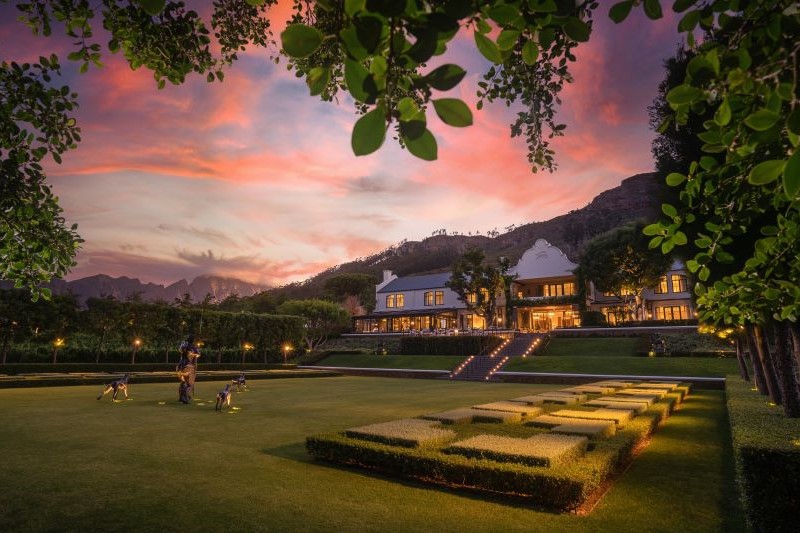
There is a huge range of accommodation options in the Cape Winelands, from intimate owner-run boutique guesthouses, to opulent wine estates. In Franschhoek itself there are many excellent boutique properties on or near the main street through the village and these are ideal for anyone who likes to be strolling distance from restaurants, cafes and shops. I stayed at Leeu House which was simply fabulous; while another favourite I’d recommend is the charming Avondrood Guest House, where absolutely nothing is too much trouble. If you would prefer to relax on a wine estate, Leeu Estates is an excellent choice; or you can sample a bit of the good life at Babylonstoren which offers a plethora of activities from farm tours to mountain biking. Both offer flagship dining venues, wine tasting and spa treatments.
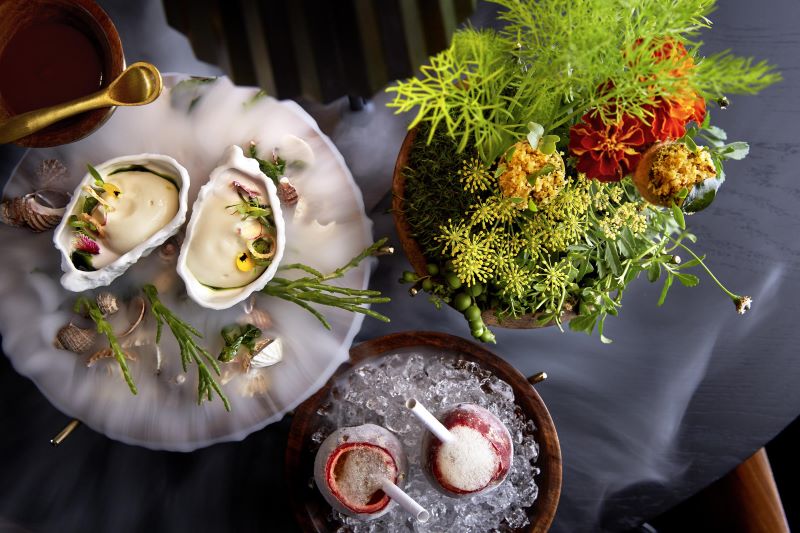
Franschhoek is widely regarded as the culinary capital of South Africa, with the village and its valley boasting a remarkable concentration of award-winning restaurants, many of which are set on historic wine estates. Dining here tends to focus on using fresh, locally sourced ingredients to create delicious dishes across a range of cuisines. There are some phenomenal fine dining restaurants here, as well as plenty of more low-key bistro style options; the value for money on offer (compared to Europe or the US) is also incredible. Due to the quality of dining in this area it is hugely popular with locals and visitors alike. With this in mind, I would strongly recommend making dinner reservations well in advance of travel to avoid disappointment.
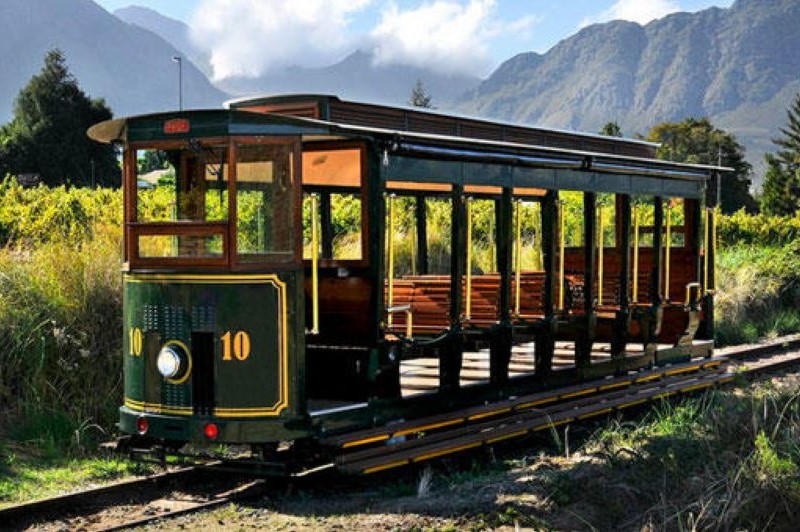
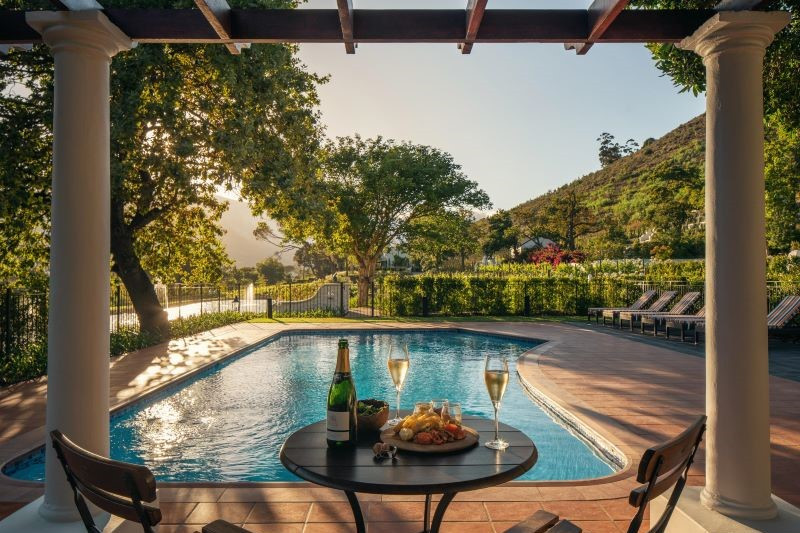
Fabulous food aside… wine is of course at the heart of Franschhoek’s identity. The region is home to some of the oldest and most prestigious wine estates in the country, including Haute Cabrière, La Motte, and Boschendal, as well as many more (see our blog for detailed recommendations of The Cape’s best wineries). One of the best ways to explore them is via the Franschhoek Wine Tram, a hop-on, hop-off tram service that meanders through the vineyards and offers a relaxed way to sample multiple estates in a day. I also think it is well worth booking a half or full day private wine tour, as this will offer you a much more tailored experience. By using a knowledgeable local guide, you’ll benefit from a wealth of information on the history of the region and enjoy more personalised tastings, often accompanied by cheese, olives, or chocolate pairings! You can also opt to enhance your experience with additional activities like cellar tours, picnics, or visits to local museums. There are so many wonderful experiences on offer in this region, it is a ‘must do’ on any itinerary to the Cape – even non wine lovers will enjoy spending a few days in the Winelands.
If you’re inspired to explore this sensational area as post safari relaxation or an adventure in its own right in South Africa, our friendly team of experts would be delighted to help you plan your perfect journey. Call us on +44 (0) 1787 888590 to discuss your requirements, or email us via our Contact Us page.
Kelly stayed at The Cape Grace, Sea Five Boutique Hotel, Glen Avon Lodge, Noah House, Abalone Guest Lodge, Hermanus Boutique Guest House, The Last Word Franschhoek, Franschhoek Country House and Leeu House.
Kelly visited Victoria & Alfred Hotel, Dock House Boutique, The Manor House, Queen Victoria Hotel, The One & Only, Lawhill Luxury Apartments, Waterfront Village Apartments, The Dorp, Labotessa Luxury Boutique Hotel, The Trevoyan Guesthouse, iGadi House, The Cape Cadogan, The 12 Apostles, The Pod Camps Bay, O on Kloof, Pineapple House, The Winchester Boutique Hotel, The Alphen, Cellars Hohenort, Future Found Sanctuary, The Steenberg, Camissa House, Atzaro Cape Town, Four Rosmead Boutique Guesthouse, The Cape Milner, Cliff Lodge, Grootbos Private Nature Reserve, Coot Club, Mosaic Private Sanctuary, The Thatch House Boutique Hotel, Mosselberg on Grotto Beach, Birkenhead House, The Marine, Harbour House Hotel, Harbour Square, La Petite Ferme, Akademie Street Boutique Hotel, La Fontaine Boutique Hotel, La Clé Lodge, Avondrood Guest House, Neighbourhood Gables, La Residence, Delaire Graff Estate, Babylonstoren, Maison Chablis, Le Quartier Français and Leeu Estates.
