

The Reality Behind the Social Media Footage in the masai mara national reserve
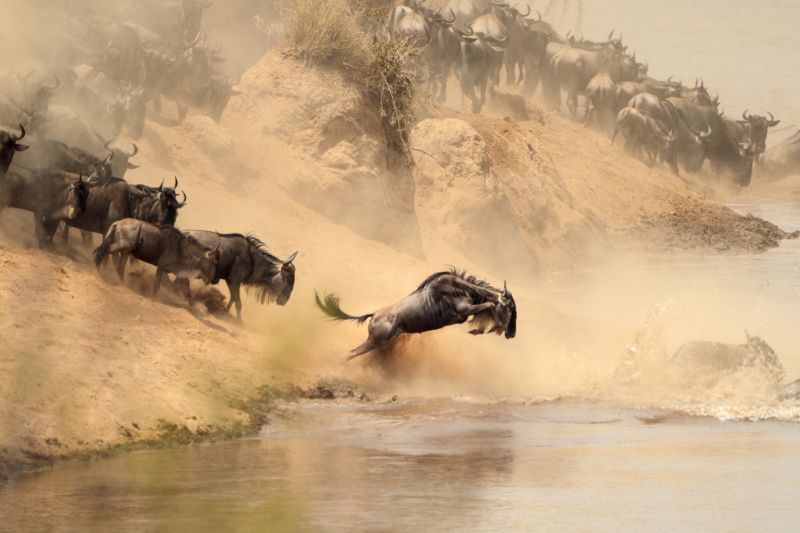
There’s been a lot of conversation this year about overtourism in both the Masai Mara National Reserve and the Serengeti National Park – particularly with a focus on the Great Migration river crossings on social media. Many have highlighted scenes of vehicle congestion and poor guiding etiquette, which unfortunately impact both the wildlife and the visitor experience.
Despite the increase in Masai Mara Reserve fees, the number of vehicles entering the park hasn’t dropped. During the height of the Great Migration, it’s not uncommon for over 100 vehicles to gather around a single river crossing – creating a chaotic spectacle that shows no respect for wildlife behaviour and which is far from the wilderness experience most travellers imagine.
Seeing It for Ourselves: Visiting at the End of High Season
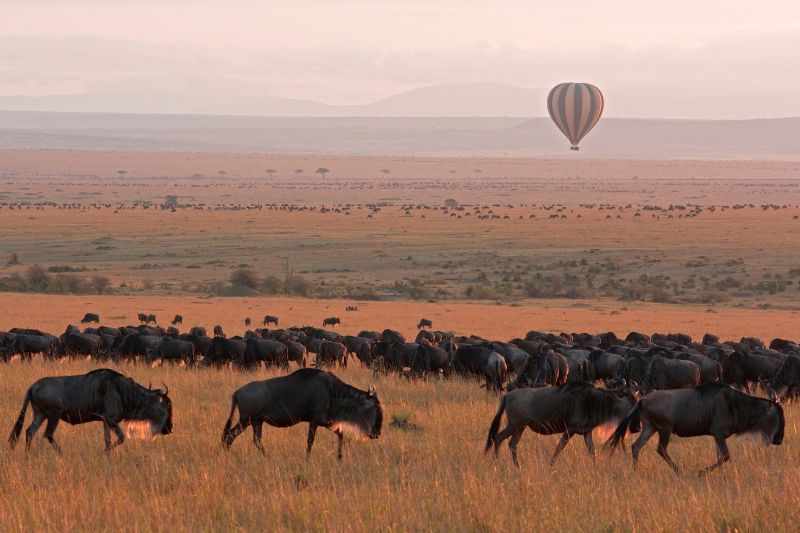
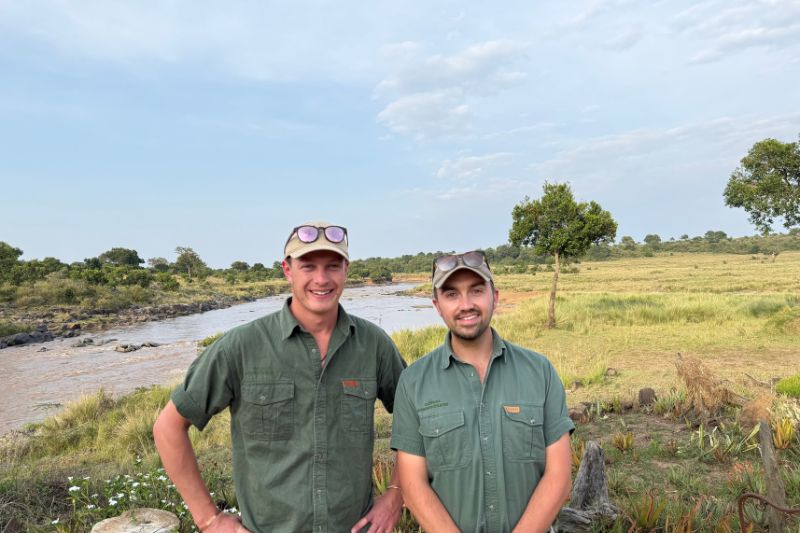
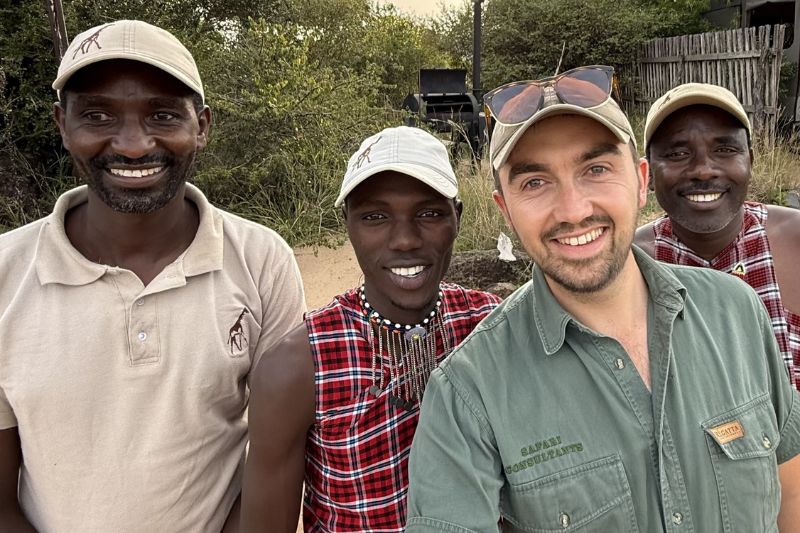
Alongside my colleague Josh, I travelled to the Masai Mara at the end of high season (late September to early October) to see how things really were beyond the dramatic online clips. By that point, most of the large wildebeest herds had already started moving back south into the Serengeti.
We spent three nights inside the reserve, staying at a selection of excellent camps – Serian’s Nkorombo, Rekero Camp and Seringet Mara Camp and visiting several others. To the guides’ surprise, we specifically asked to visit the busier areas to get a balanced perspective.
How Busy Is the Masai Mara National Reserve Really?
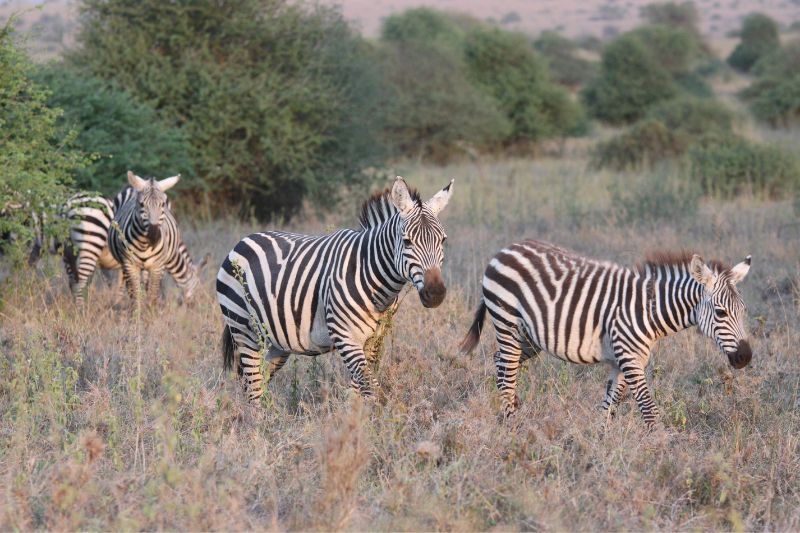
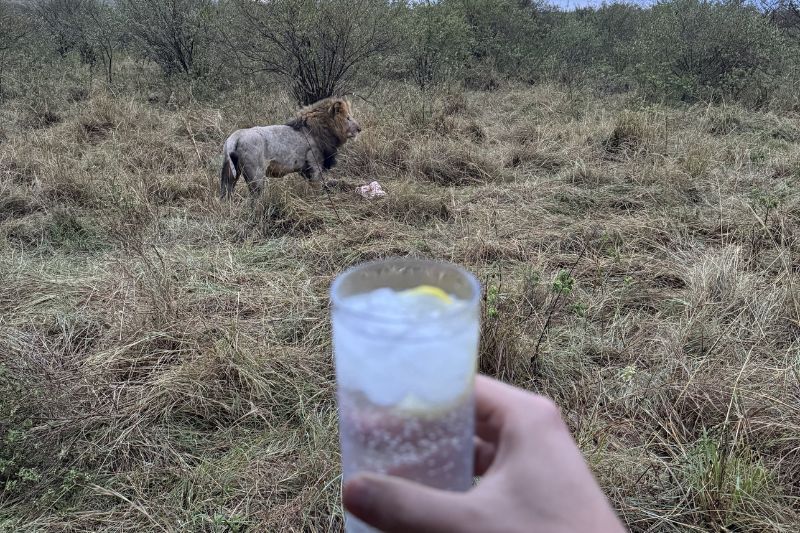
Even in popular areas, such as the Talek region, we found that crowding was variable. Aside from one cheetah sighting that attracted around 20 vehicles, most of our game drives felt relatively calm and open.
One of the great advantages of the Mara is its vast size – if you want to avoid the crowds, you often can. However, during the peak migration months of July and August, it’s almost impossible to escape the rush. The river crossings in particular are a magnet for vehicles and the lack of enforced regulation can lead to poor behaviour – such as people leaving vehicles and disturbing the herds’ natural paths.
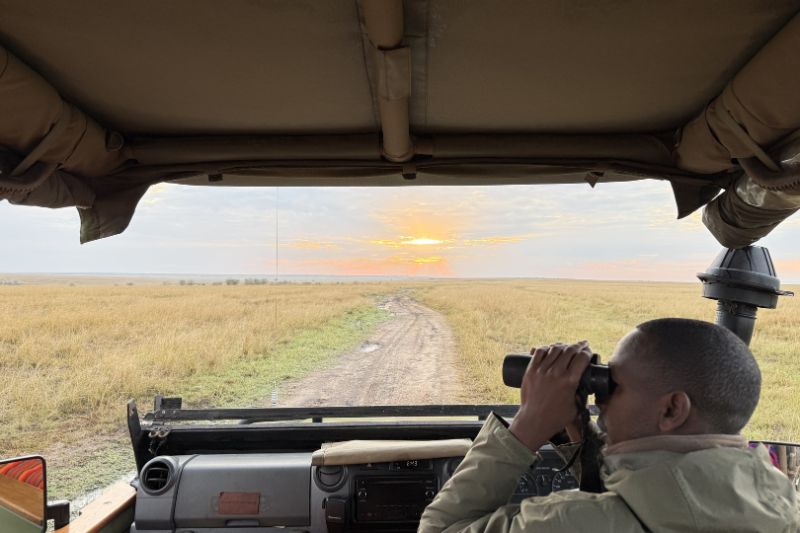
Where should I stay in the Masai Mara National Reserve?
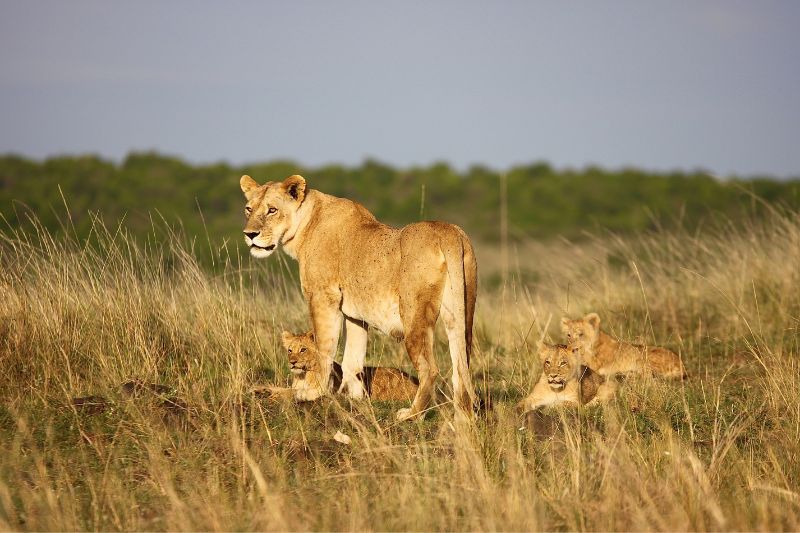
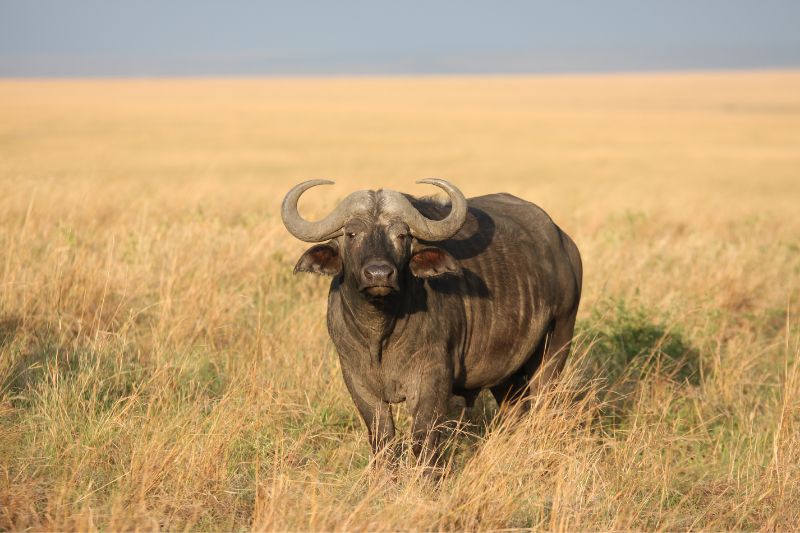
We work with a select number of camps in the National Reserve based on the level of the guides and their ethos. The likes of Roca River Camp, Serian’s Nkorombo and Rekero Camp are such examples. The quality of their guides in particular means rather than simply following other vehicles to popular/busy sightings, you go in search of your own wildlife and keep the experience as exclusive as possible, and consequently put far less pressure on the wildlife. Additionally Roca River Camp and Serian’s Nkorombo include a private guide and vehicle with each booking, which means you can control your schedule and plan the focus for each game drive.
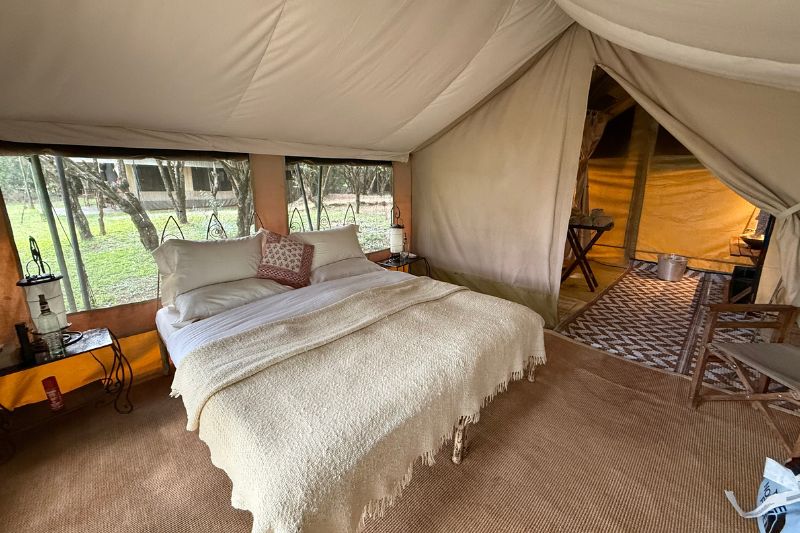
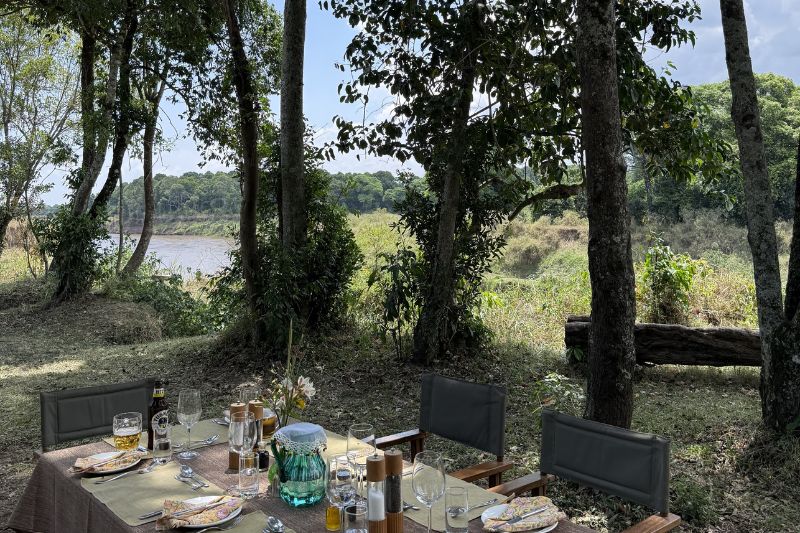
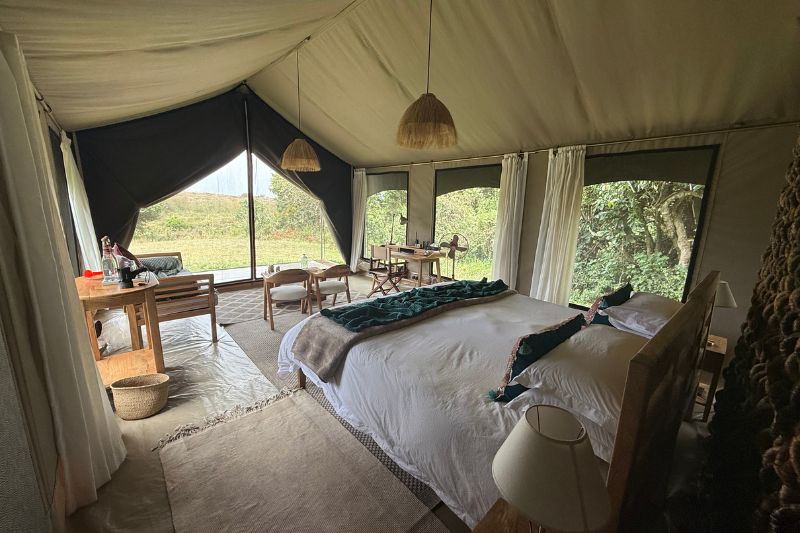
The Benefits of Staying in the Mara Conservancies
While the National Reserve offers incredible wildlife sightings and the chance to see the iconic river crossings, it can also feel crowded and overrun during peak times. That’s why we strongly recommend staying in the Mara Conservancies, which border the reserve to the north.
These conservancies were established through partnerships between local Maasai landowners and tourism operators, creating a sustainable model that benefits both people and wildlife. Only member camps are permitted to operate in these areas, which automatically keeps vehicle numbers low.
The Mara Conservancies offer a safari experience that’s more exclusive, ethical and environmentally responsible.
Here’s why they stand out:
- Limited vehicles – Sightings are capped at five vehicles, ensuring a peaceful experience and one that is more sensitive to wildlife.
- Off-road driving – Is permitted where needed for better wildlife viewing.
- Night drives and walking safaris – These experiences are not permitted in the National Reserve.
- Community empowerment – A portion of every nightly accommodation fee goes directly to local Maasai families, providing income and incentives to protect the land and its wildlife.
This model encourages the Maasai to see wildlife as a valuable resource, promoting coexistence and conservation rather than conflict, and ensures they see the benefits of tourism on their land.
Final Thoughts: Choose the Conservancies for a Better Experience
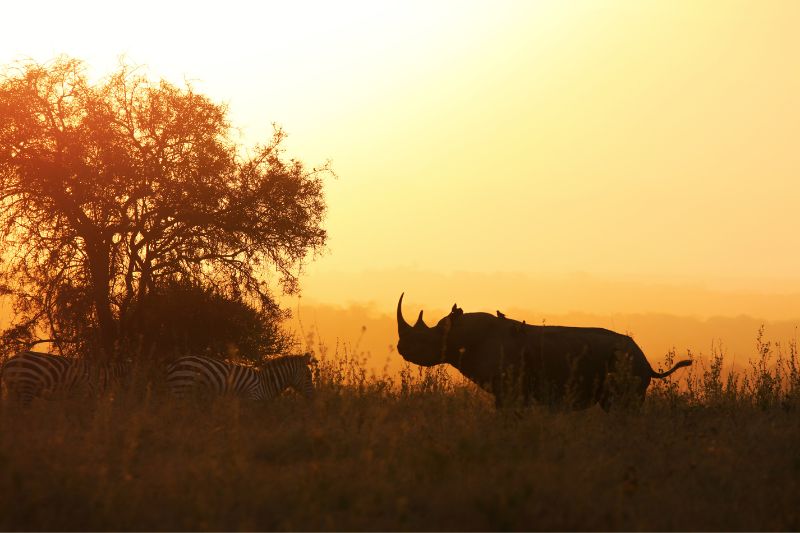
Our trip confirmed that whilst the Masai Mara National Reserve remains an iconic safari destination and is breathtakingly beautiful, the experience varies greatly depending on where you stay. For a more peaceful, responsible and authentic safari – with direct benefits to conservation and community – the Mara Conservancies are undoubtedly the best choice. If specific areas or experiences (seeing black rhino or witnessing a river crossing) are your focus, then be selective about where you stay within the National Reserve.
Inspired to plan your trip to Kenya?
Contact our expert travel team on +44 (0) 1787 888590 or reach out via our Contact Us page. We’ll help you design the perfect Kenya safari itinerary!
