

I have recently returned from Tanzania’s wild south where I was blown away by the less commercial, more immersive and multi-dimensional experience that Nyerere National Park offers.
Where is Nyerere National Park located?
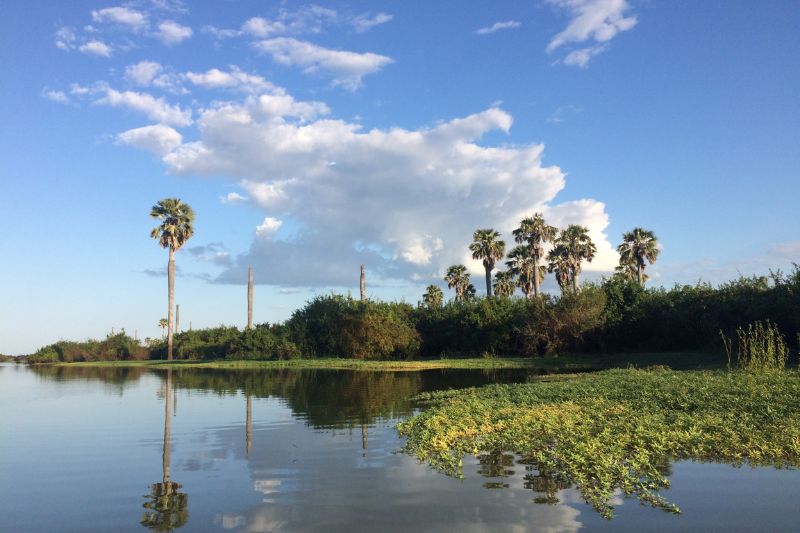
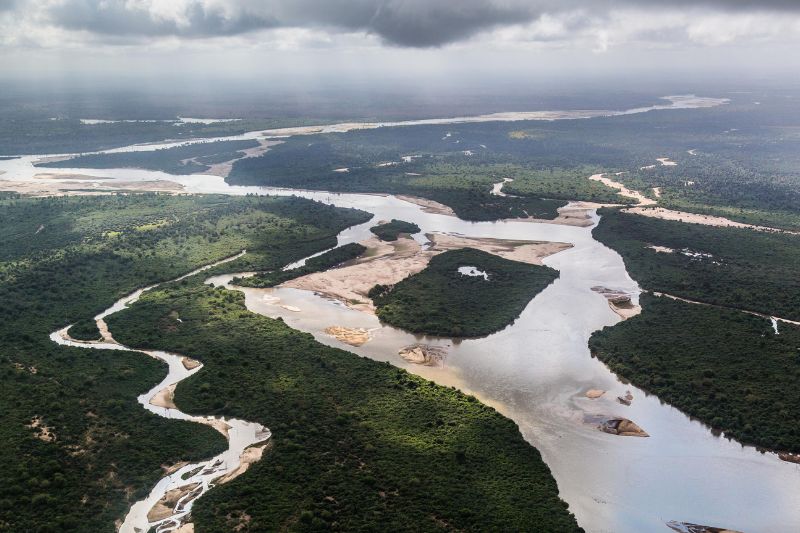
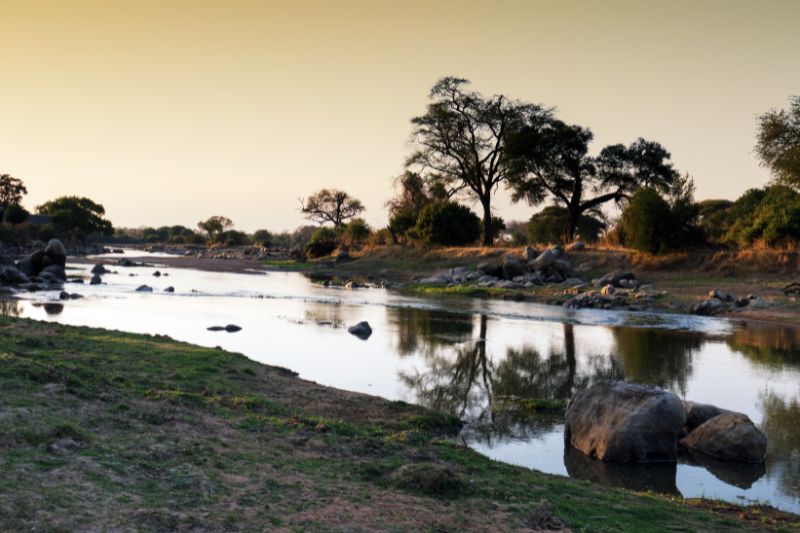
Nyerere National Park is located in southeastern Tanzania and is one of the largest national parks in Africa at an impressive 30,893 square kilometres. For context, this makes Nyerere just slightly larger than Belgium! Until 2019 it was actually part of the Selous Game Reserve, before being designated a national park and named in honour of Julius Nyerere, the founding president of Tanzania. The park lies within the Morogoro Region, and it spans vast areas of savannah, wetlands, and rivers, particularly along the Rufiji River, which is a major feature of the park. Due to this exceptional biodiversity and the undisturbed nature of its habitats, Nyerere has UNESCO World Heritage Site status.
What wildlife can you expect to see in Nyerere National Park?
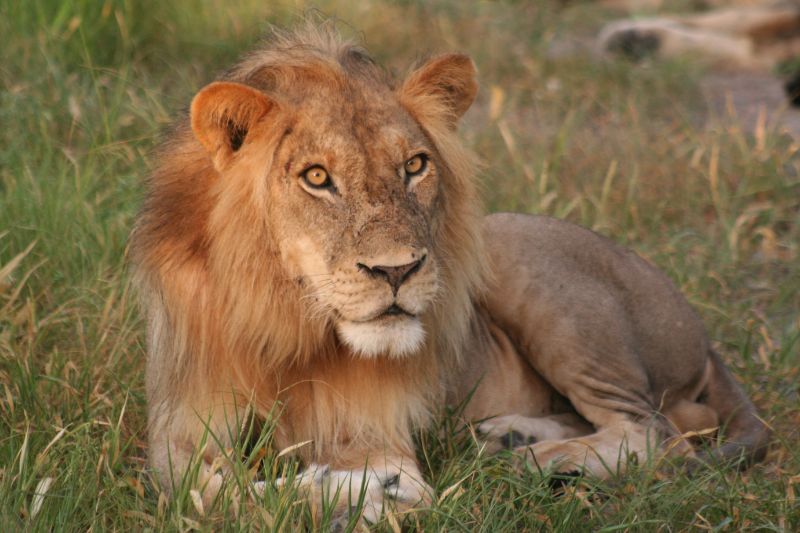
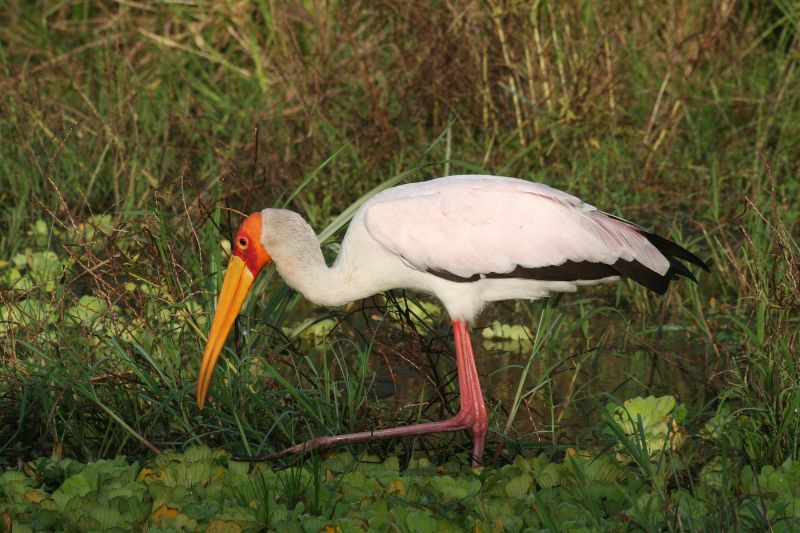
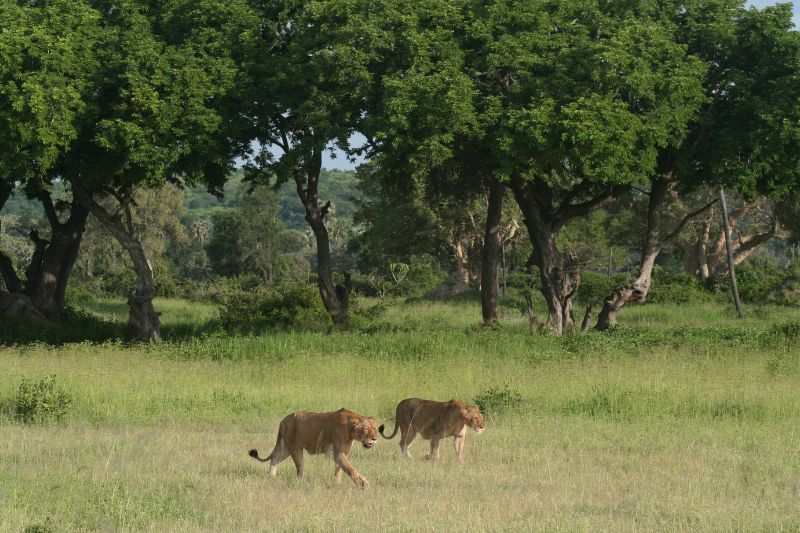
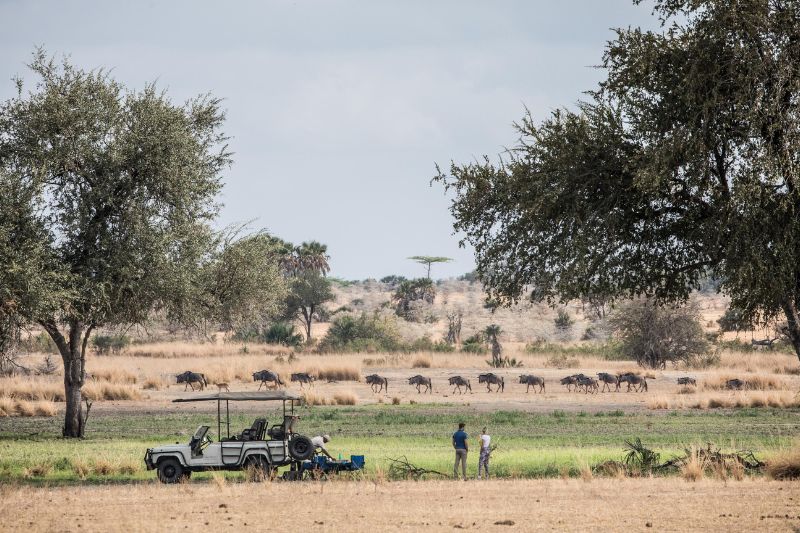
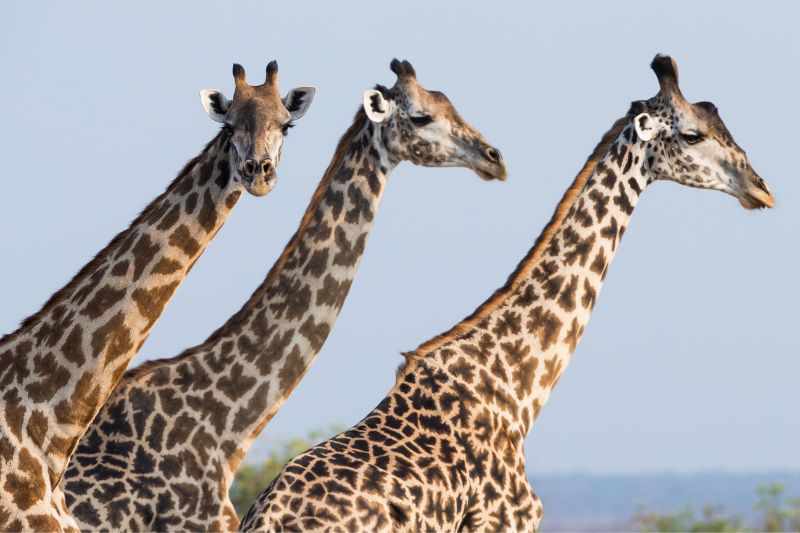
Nyerere National Park is a fantastic wildlife destination, made especially rich thanks to the diversity of habitats found there. There is a wealth of animals to see including lion, leopard, wild dog, elephant, giraffe, buffalo, eland, sable antelope, kudu, wildebeest, impala, waterbuck and many more! In addition to this the mighty Rufiji River (Tanzania’s largest river) cuts through the heart of the park, creating a complex network of channels and interconnected lakes which are teaming with hippos and crocodiles. The birdlife in Nyerere is also superb, with over 350 species having been recorded.
When is the best time to visit Nyerere National Park?
The best time to visit Nyerere National Park is during the dry season, which runs from late June to October. At this time of year water is scarcer meaning that animals need to congregate nearer to the Rufiji River and other permanent water sources. Additionally, due to the lack of rain, the surrounding bush becomes less dense which improves visibility and makes wildlife viewing much easier. There are also fewer mosquitos at this time of year, which is always a bonus! In terms of temperatures in the dry season, the daytime tends to be warm but not extremely so, usually around 28 to 32 Celsius, then cooling at night to between 15 to 20 Celsius and far less humid than the green season which is something to take into consideration if you’re keen on doing some walking.
What sets Nyerere National Park apart from other Tanzanian safari areas?
Traditionally when people think about a safari in Tanzania, the Serengeti or Ngorongoro Crater will often come to mind. While these northern circuit destinations are undeniably iconic, they are very busy and often feel crowded with other travellers. The beauty of Nyerere is that it is the complete opposite. Its sheer scale and remoteness mean you’ll often have the bush to yourself – a rare luxury in today’s safari world. Much of Nyerere is wild, undeveloped terrain with very low tourist density, offering a true sense of isolation and adventure.
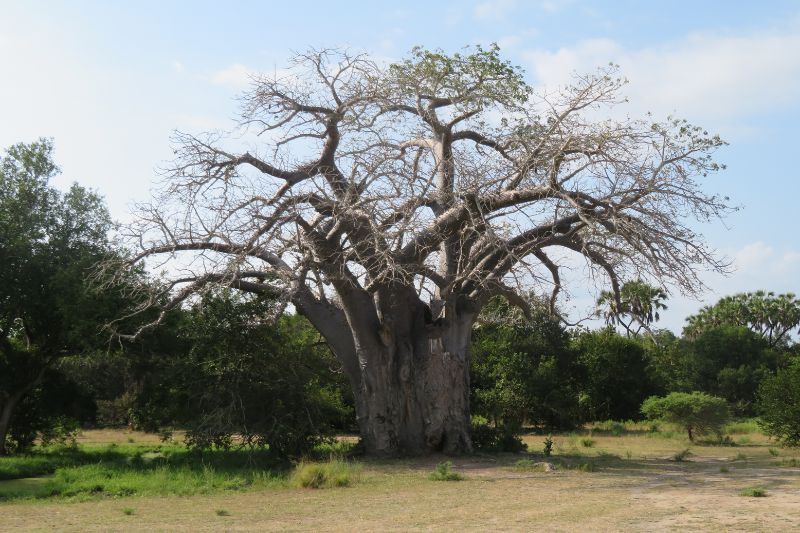
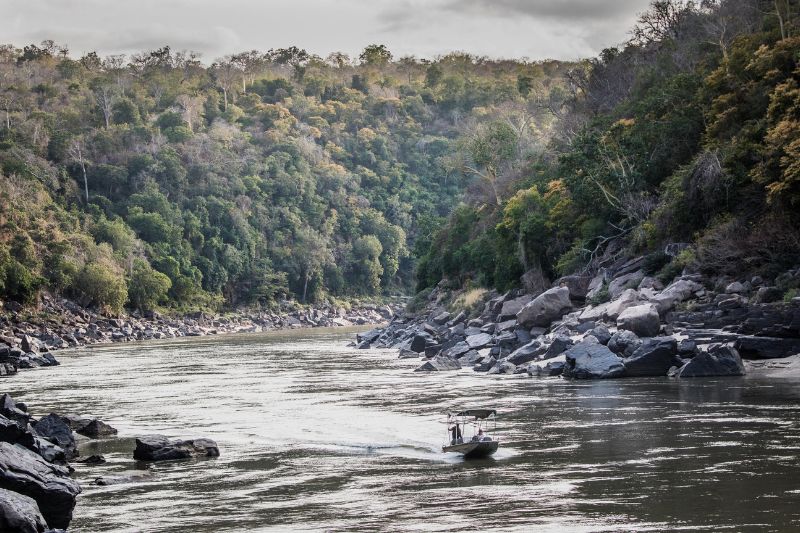
The diversity of habitats in Nyerere is also unique, ranging from miombo woodlands and savannah to hilly outcrops to the floodplains, oxbow lakes and river system of the Rufiji River which is the beating heart of the park. This diversity of habitats, and more flexible park rules, mean that activities here are really varied. The highlight, and completely unique to Nyerere compared to other wildlife areas in Tanzania, are superb boat safaris on a major river teeming with life. Gliding along the Rufiji River, watching elephants drink, crocodiles bask and hippos grumbling just meters away is a phenomenal experience not found anywhere else in the country.
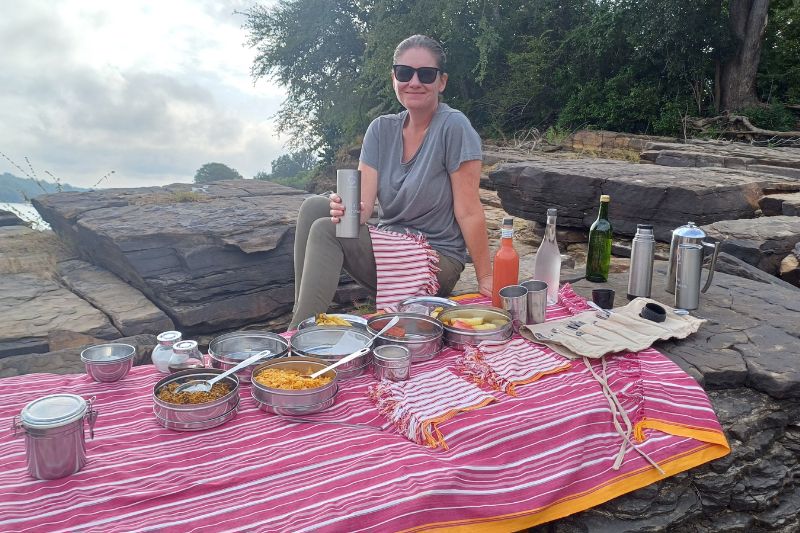
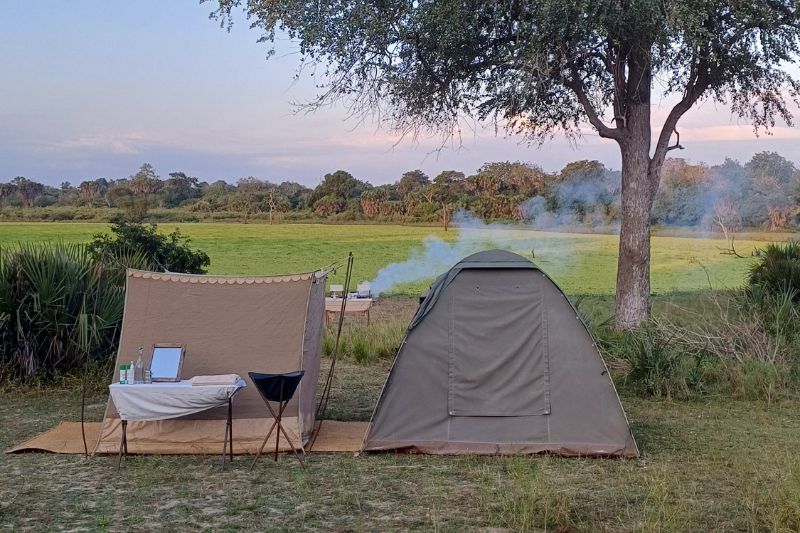
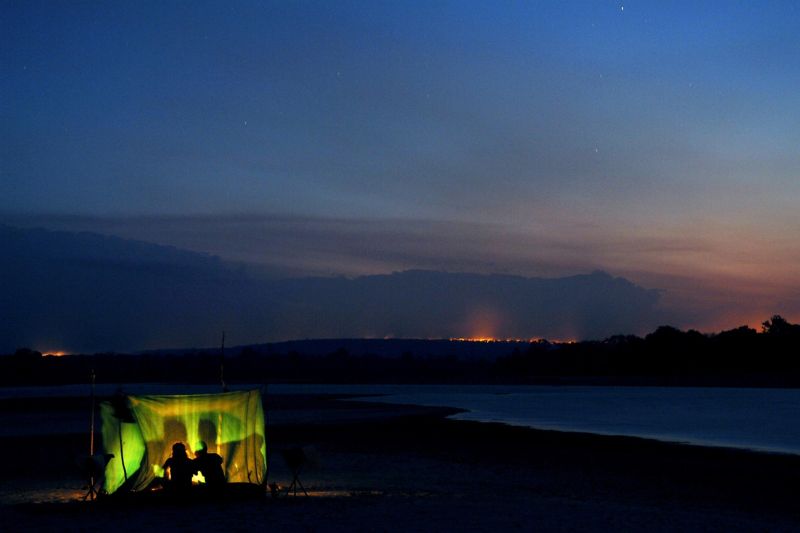
Nyerere is also one of the best parks in East Africa for walking safaris with some very well established operators. These are led by armed rangers and expert guides and allow guests to experience the bush from a completely different perspective. When you are on foot you become aware of a host of sounds and scents that you wouldn’t encounter travelling by vehicle. Walking is essentially a deeper, more intimate way to connect with nature. It also affords you the opportunity to learn about the smaller things, the insects and plants, as well as look for animal tracks. A few camps also offer fly camping which is highly recommended for anyone wanting a wilderness immersion and this can be combined with a walk in and/or out of the fly camp. Traditional game drives are also offered and these give the chance to traverse a greater area and explore the different habitats,
How do you get to Nyerere National Park?
Nyerere National Park is easily accessible by light aircraft transfers, whilst driving there is not recommended due to the distances involved. Most international flights will arrive into Julius Nyerere International Airport in Dar es Salaam and spending the night in Dar allows you time to recuperate after the flight. The short flight from Dar to Nyerere takes about 30 to 45 minutes and is a great way to start your safari as you get to see the park from the air! There are a number of very good light aircraft operators to choose from, with most flights landing at the Mtemere airstrip, though there are a few others in the park closer to certain properties.
Where to stay in Nyerere National Park?
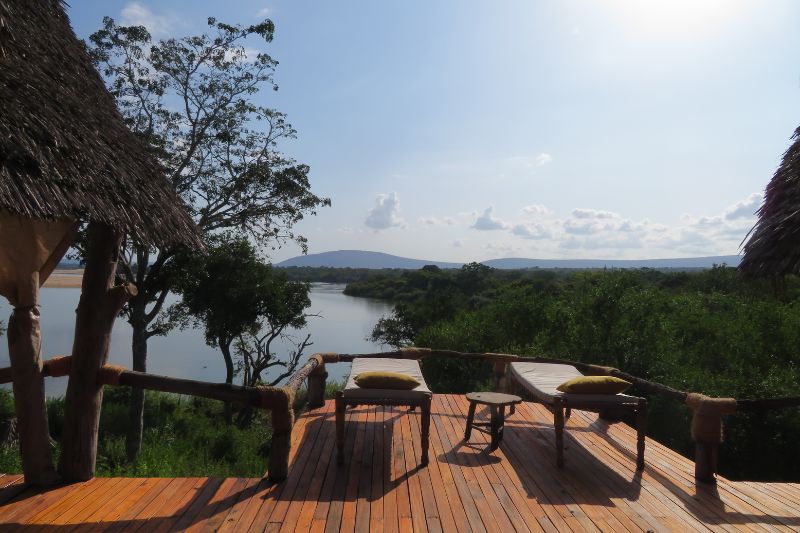
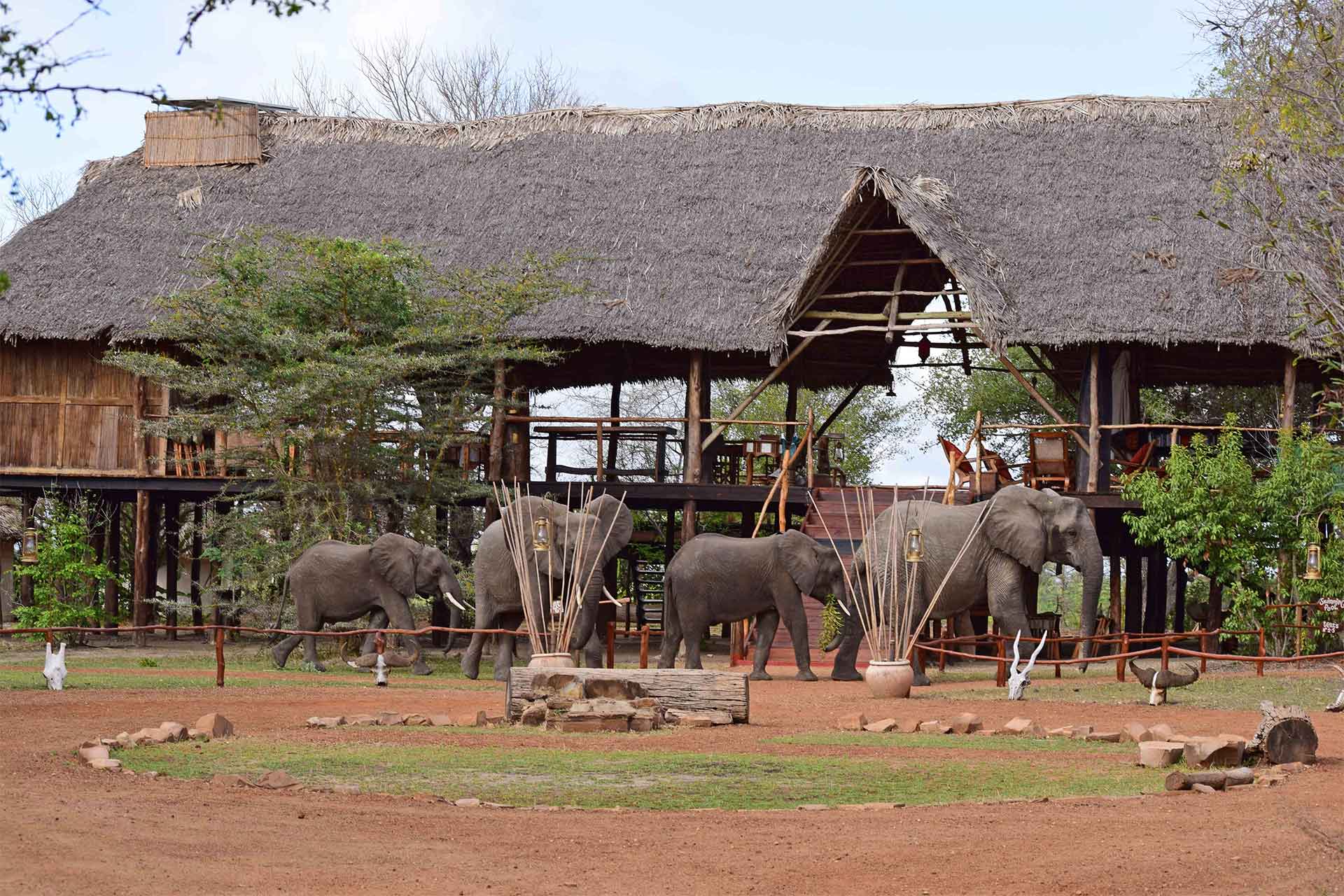
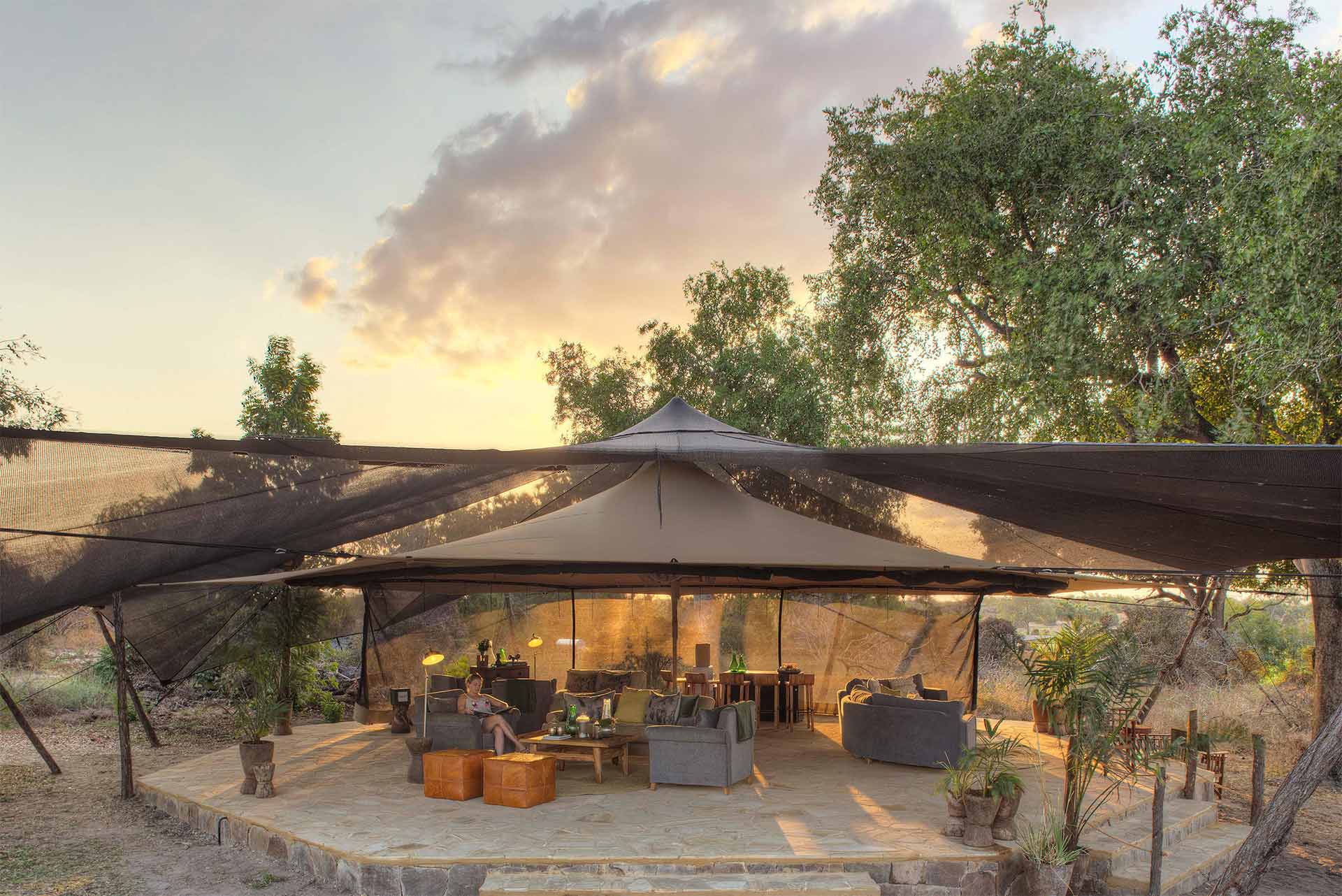
Despite its vast size, there are not a huge number of properties in Nyerere, which is why it feels relatively untouched. There is, however, still a great choice of accommodation across different levels of luxury to suit preferences and budget. Selous Impala Camp for example is a lovely, tented camp on the banks of the Rufiji River with a classic safari style and good levels of service, guiding and dining. Each tent is built on a raised deck with great views of the river. It also has a swimming pool to cool off in during the heat of the day! Selous Impala offers a great balance of comfort and value for money.
Another good option is Asilia’s Roho Ya Selous (meaning ‘Heart of the Selous’) which is a step up in luxury from Selous Impala. It has only eight tents and is built up on a small hill with views over the Rufiji River. The tents are very spacious and luxurious, but they still retain a lovely authentic bush feel. When I stayed here earlier this year, I loved the open feeling of the tented rooms. Two sides of the room are ‘open sided’ but are screened with a very fine mesh, which means that you get a completely private and unobstructed view of the surrounding bush…but no chance of any unwanted visitors in your room!
My personal favourite in the park has to be Nomad Tanzania’s Sand Rivers, it’s just stunning! This well-established property is built on a wide bend in the Rufiji River, high up on the bank. The rooms, suites and communal areas all feature breathtaking views out over the river and across the park. The levels of service, dining and guiding are all exceptional here. For those who’d like a little extra adventure then I would highly recommend spending a night fly camping from Sand Rivers, I absolutely loved this experience.
Is Nyerere National Park suitable for a family safari?
Nyerere makes a fantastic family safari destination for older families due to the variety of activities on offer. It is especially good for families seeking an adventurous, off the beaten track experience away from the crowds. Moreover, there are a number of very good properties that offer family accommodation. Due to the wild nature of the destination, we wouldn’t recommend for younger children and camps generally don’t accept very children; and to enjoy walking and fly camping activities, there is an age restriction of 12 years and older.
Does a safari in Nyerere National Park work well with a beach destination?
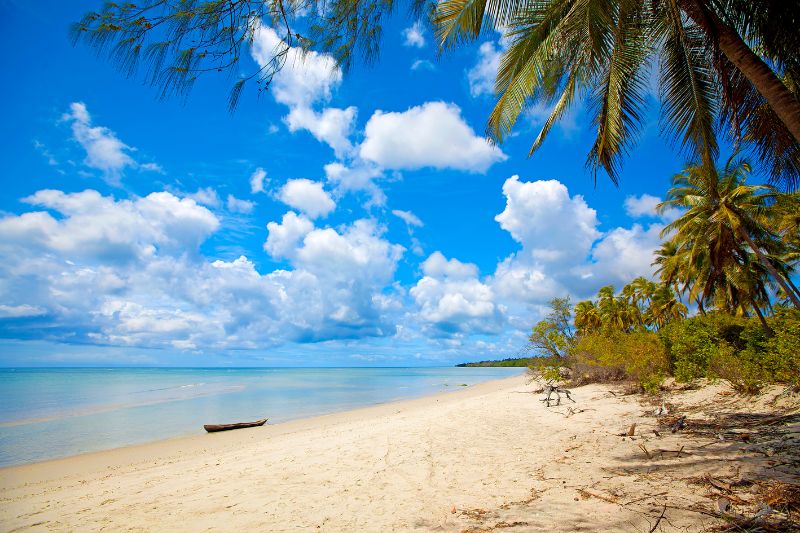
Absolutely! Nyerere combines very easily with Zanzibar or the outer islands such as Mafia and Fanjove. This ‘bush and beach’ combination is very popular and will offer the perfect balance of both adventure and relaxation. A few days in the untamed bush tracking lions and elephants…followed by the white sandy beaches and warm Indian Ocean waters of Zanzibar makes for a perfect holiday! For those who want to completely avoid the crowds then heading to Mafia Island or Fanjove Island would be a great choice. Smaller, quieter, and less developed than Zanzibar, they are hidden gems especially suited to keen snorkellers and divers.
Can you combine Nyerere National Park with another safari destination in Tanzania?
If you’re looking to maintain that feeling of escaping into the wilderness, then Nyerere National Park combines naturally as part of a southern Tanzania circuit with Ruaha National Park. I visited both areas in the same trip this year and they complement each other really well.
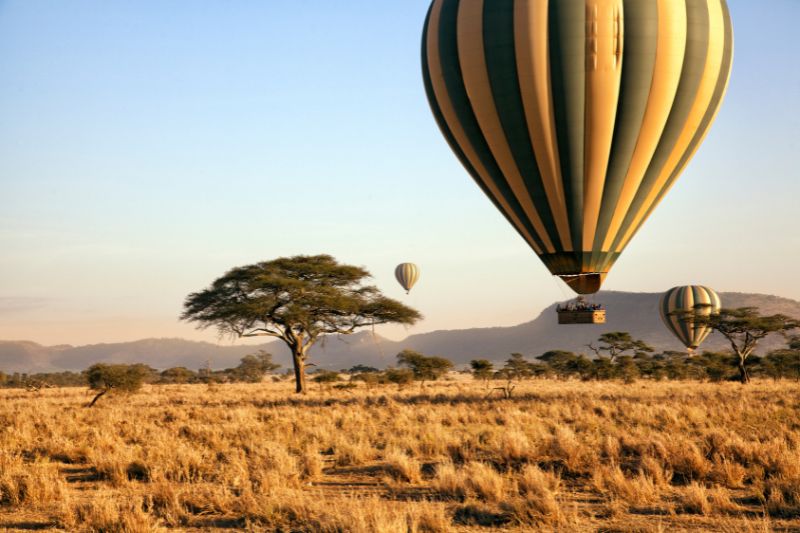
Nyerere National Park can also be combined with Tanzania’s northern circuit, so if you can’t visit Tanzania without experiencing the epic plains of the Serengeti, it is possible to do both. It does take a bit more travelling and the quickest light aircraft transfers only operate on certain days, so it takes more logistical planning. However, the contrast between northern Tanzania and Nyerere makes for a fantastic combination.
Inspired to plan your trip to Tanzania?
If you’re looking to safari off the beaten track in Tanzania’s wilderness, enjoy a variety of beautiful landscapes and fantastic activities, Nyerere National Park is hard to beat. With some fantastic accommodation options and combining easily with a safari extension or some blissful beach time, it really is one of Tanzania’s best kept secrets (just don’t tell everyone!).
Contact our expert travel team on +44 (0) 1787 888590 or reach out via our Contact Us page. We’ll help you design the perfect Tanzania safari itinerary.
Kelly stayed at: Selous Impala Camp, Roho Ya Selous, Sand Rivers. Kelly visited: Rufiji River Camp, Lake Manze Camp, Siwandu and Kiba Point.
Image Credits: Asilia Africa (Roho Ya Selous), Nomad Tanzania (Sand Rivers), Selous Impala Camp
