

Having recently travelled through the core game viewing areas of Zimbabwe, I was reminded of what an amazing, and all too often overlooked, destination the country is. Vast landscapes, diverse wildlife often in huge numbers, a superb level of guiding which is held as a benchmark throughout Africa, comparatively good value next to its southern Africa neighbours, and some of the warmest and most engaging people you could want to meet, all combine to make it a fantastic destination for a safari.
But what’s the best area to visit? Hwange National Park is a definite must for any Zimbabwe safari itinerary with straightforward access, a wide variety of accommodation styles and price points and excellent wildlife viewing.
What is Hwange National Park and where is it located?
Located in the northwest of the country, Hwange National Park is by far the largest of all Zimbabwe’s game viewing areas. Depending on where you live, at over 14,500 km sq, the park equates to the size of Wales, the state of Connecticut or half the size of Belgium!
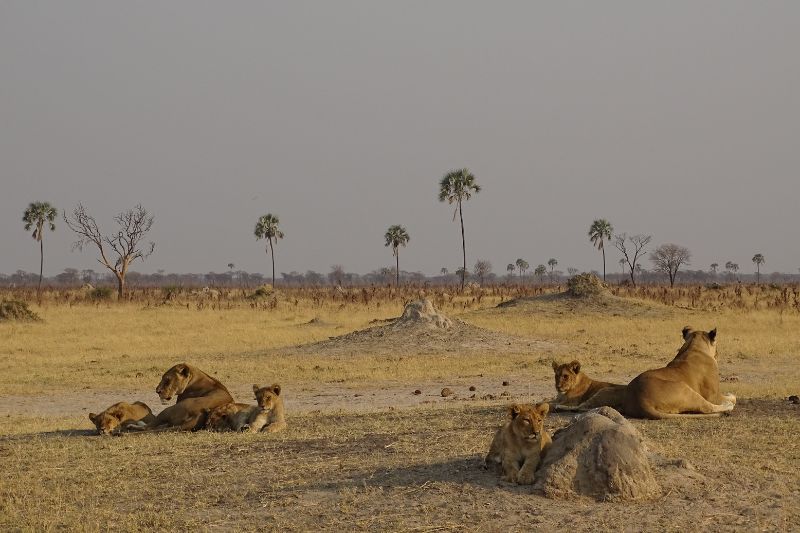
It is not just the sheer size of the park that impresses, but the varied habitats also. Kalahari sandveld, expansive open grasslands, dense teak forests, and mopane woodlands, all interspersed by a network of watering holes, both man-made and natural, play home to as many as 100 species of mammals and close to 500 bird species.
Unsurprisingly, Hwange is often considered to be one of Africa’s top safari destinations.
Whether on your first safari or 10th, it is hard not to fall under its spell. There’s something quite magical about watching large herds of animals crossing vast plains or gathering to drink at waterholes as they have done for thousands of years.
How do you get to Hwange National Park?
Access to Hwange National Park is easy. Situated approximately 120 kilometres to the south of the gateway town of Victoria Falls, it is possible to be transferred by road in two to three hours if you’re staying in the north of the park. The road, however, is not in the best condition and for a relatively small uptick in cost we would suggest a quick and comfortable light aircraft flight into the heart of the park where you will be met by your guide and immediately embark on your safari.
The park’s location also makes it ideal for combining with other areas, not only Victoria Falls, but also for longer safari itineraries either within Zimbabwe (where Matusadona and Mana Pools can be considered) or in neighbouring Botswana.
What wildlife can you see in Hwange National Park?
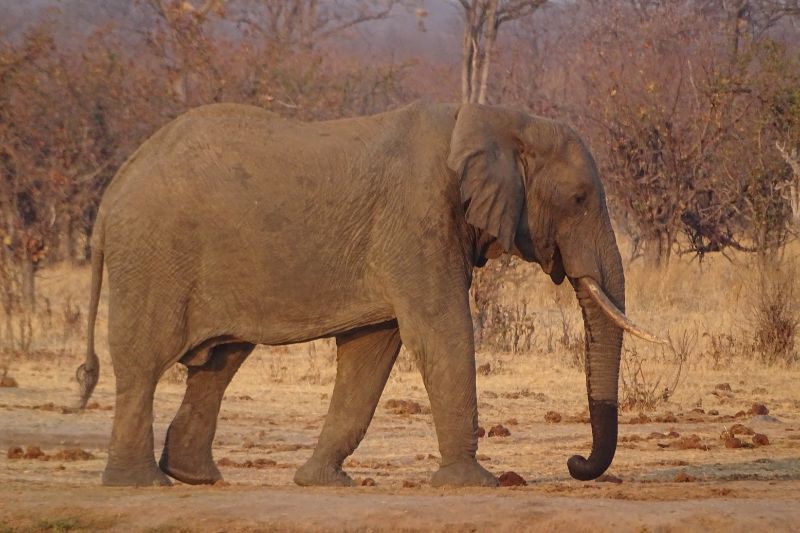
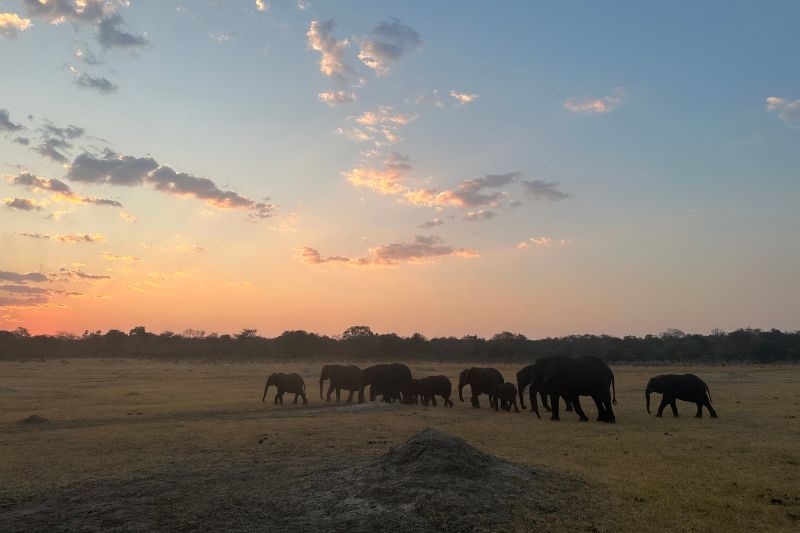
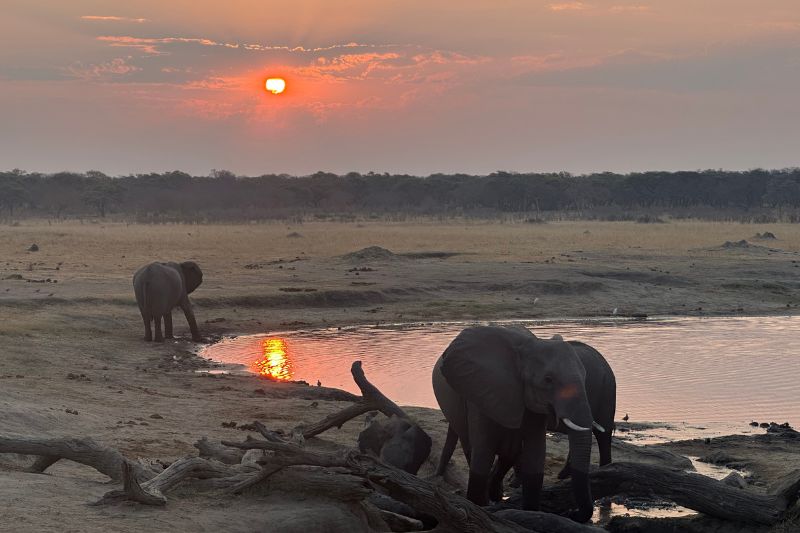
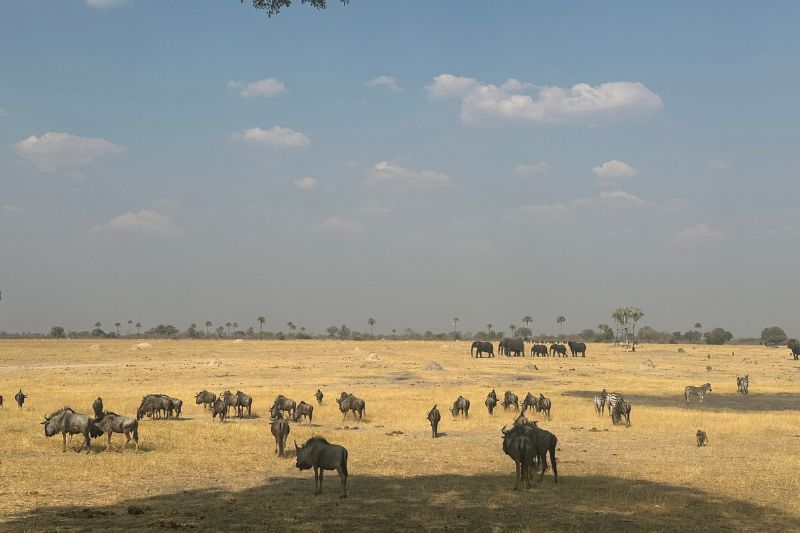
There is an impressive variety of wildlife in the park, but the animal most associated with Hwange is the magnificent elephant with recorded numbers now around 45,000. Some of the herds will migrate between Zimbabwe and Botswana, but the varied habitat within Hwange means that huge numbers remain year-round.
With no permanent water sources within the park, the network of water holes, which are pumped and maintained by the lodges, provide a crucial lifeline to not just the elephants but all the wildlife. Spectacular sightings of multiple elephant families gathering at waterholes in a maelstrom of excited trumpeting and dust are common during the dry season.
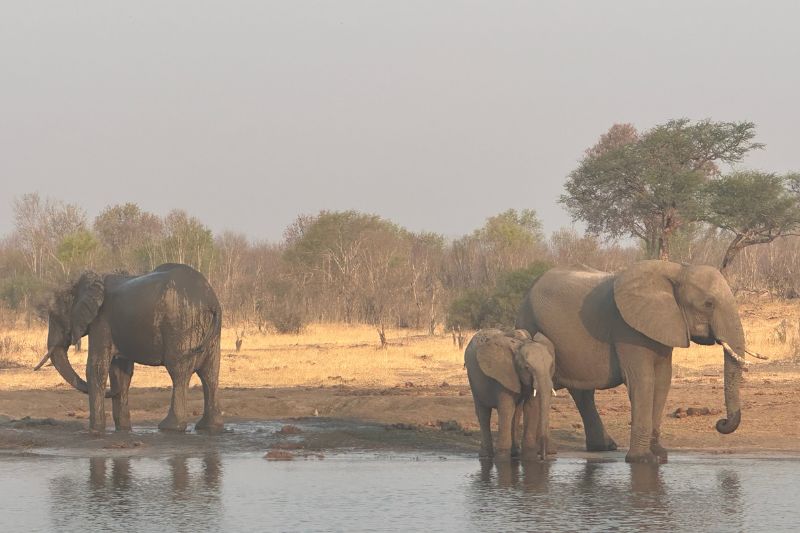
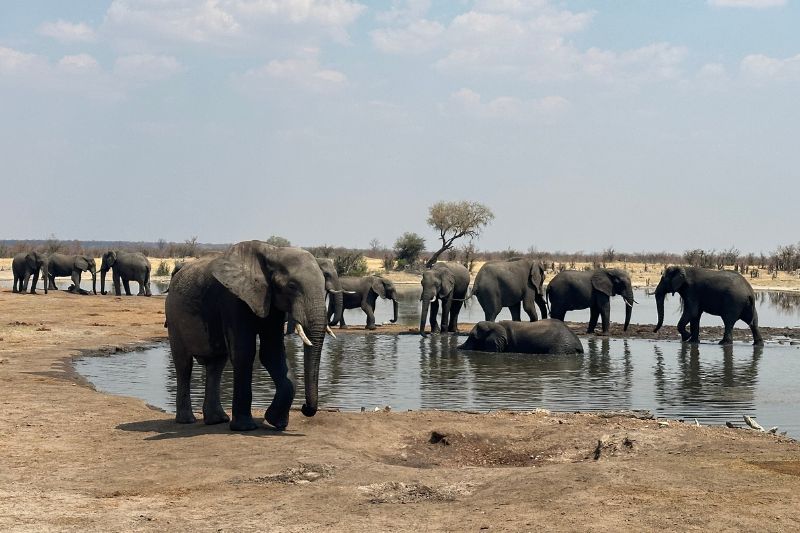
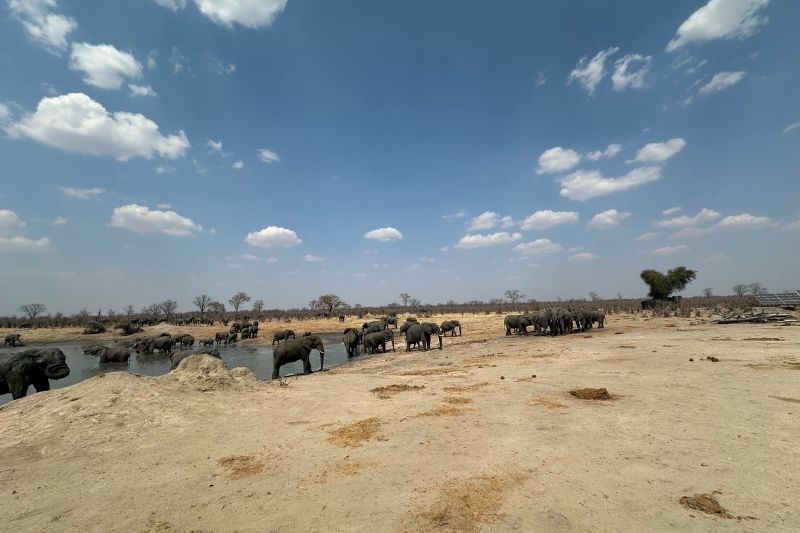
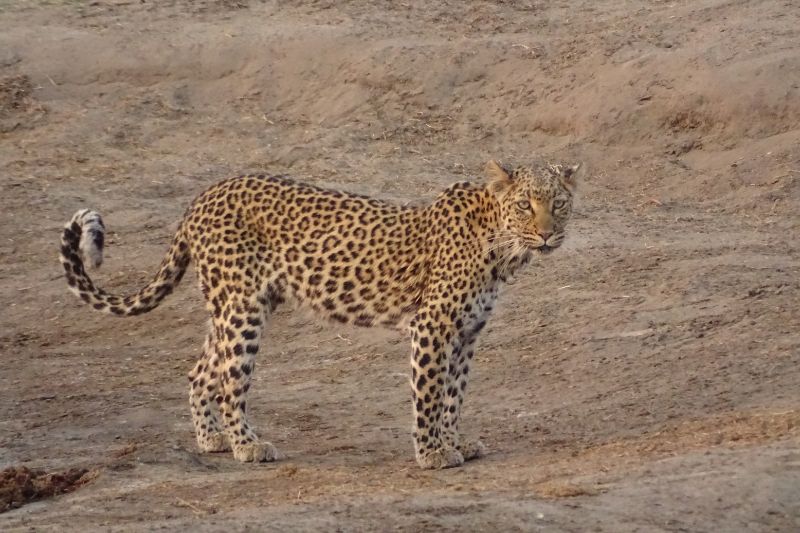
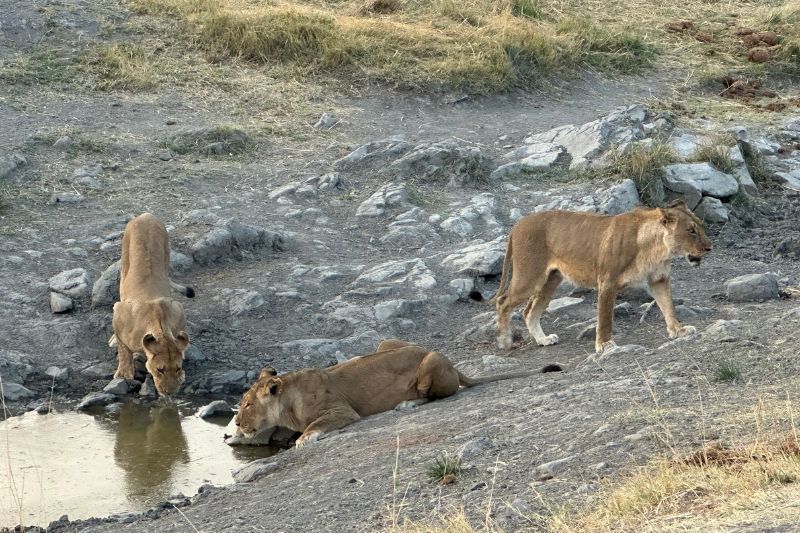
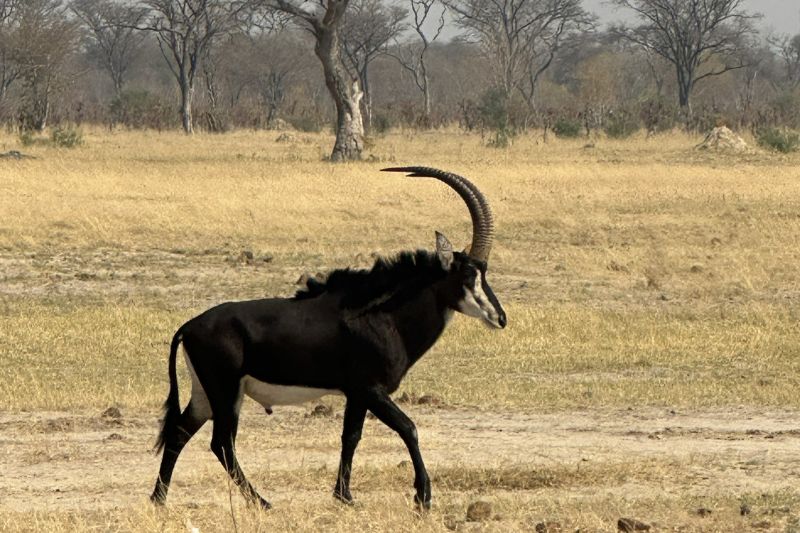
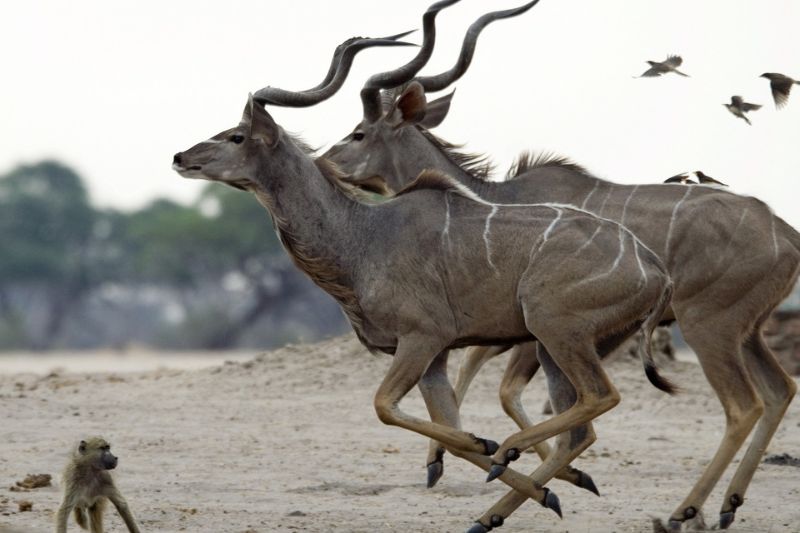
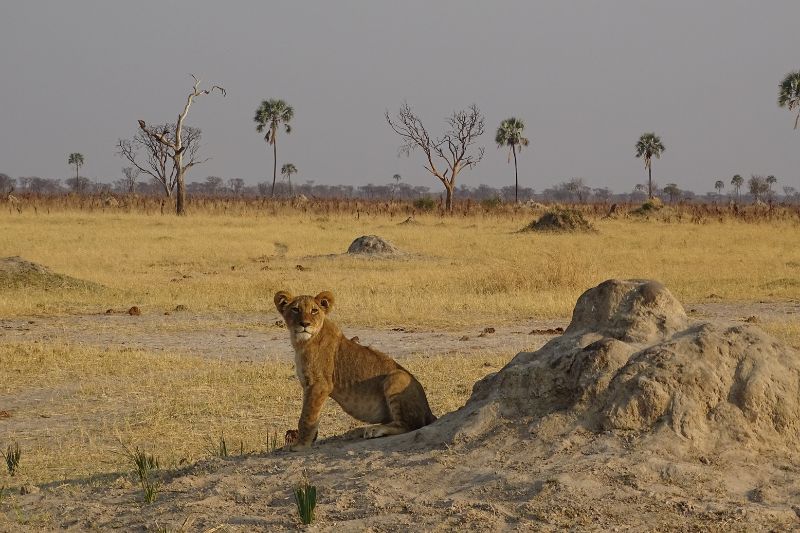
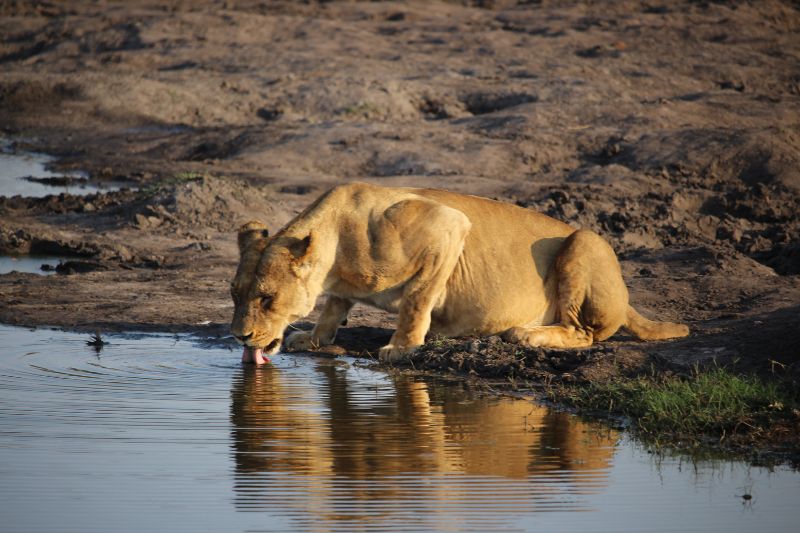
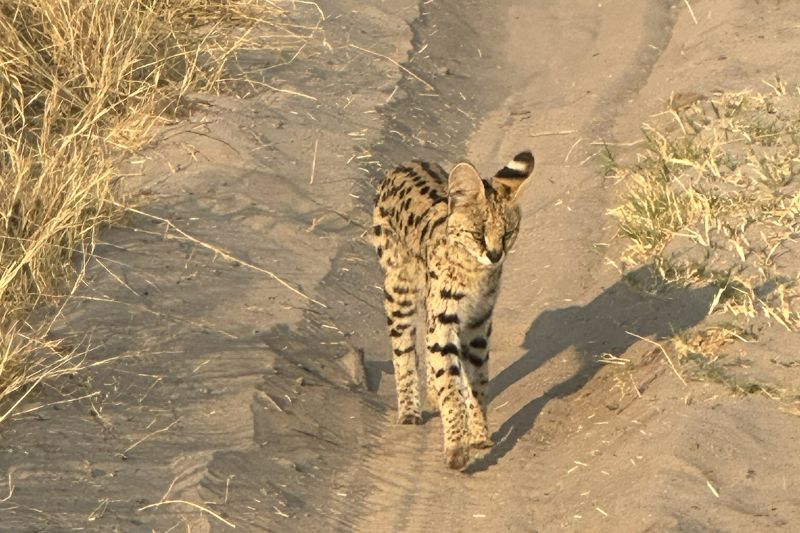
The game viewing is not just about elephants, however. The apex predator is undoubtedly the lion, but leopard, cheetah, wild dogs, and hyena are all found in the park along with smaller species such as serval and honey badgers. Hwange is a great place in which to see a wide range of antelopes and a particular attraction is the rare opportunity to see sable and roan and to see them in good numbers.
Birding too is excellent with bush species, water birds, over 50 recorded species of raptors and the annual influx of European migrants which coincides with the onset of the rainy season.
When is the best time to visit Hwange National Park?
The ease of access into Hwange makes it a year-round option, but there are big differences to take into consideration.
The dry season from late June through until late October is viewed as the best time to visit. As the bush begins to wither under the harsh sun and any remaining ground water from the rains dries up, the animals are more visible and more mobile as they make their way to the water holes, resulting in superb sightings. The quality of the game viewing, plus clear, sunny days, little rain, and comfortable daytime temperatures (until September when temperatures start to rise) make this a very attractive time of year to visit. In addition, the Victoria Falls can be seen in their full splendour at this time of year so it’s a great time to combine the falls with a safari.
The downside of the Zimbabwean winter months are higher airfares and accommodation costs, bitterly cold mornings (pack your jackets, gloves, and hat!) and the park is busier with visitors.
Green season also has its merits – the first rains transform the arid bush into a lush landscape alive with birdsong from the arriving migrant birds and the open grasslands become a carpet of wildflowers. Days might be interrupted by rainstorms, but the dramatic skies are a photographer’s delight.
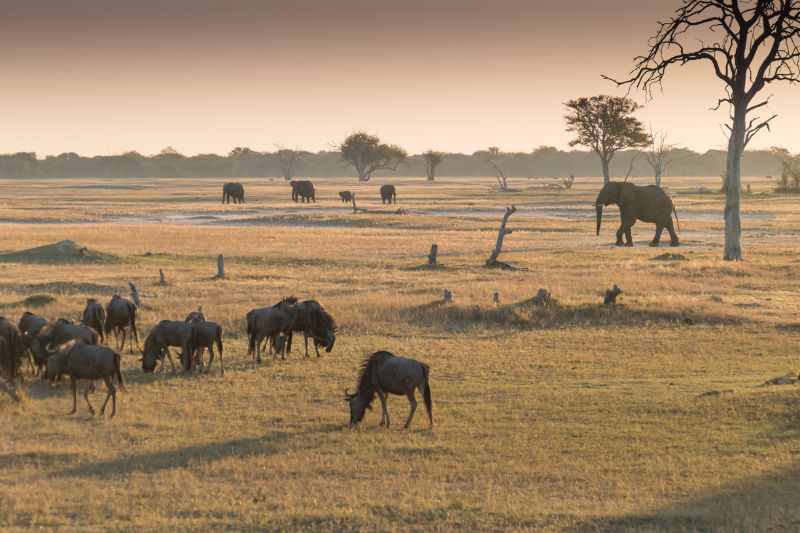
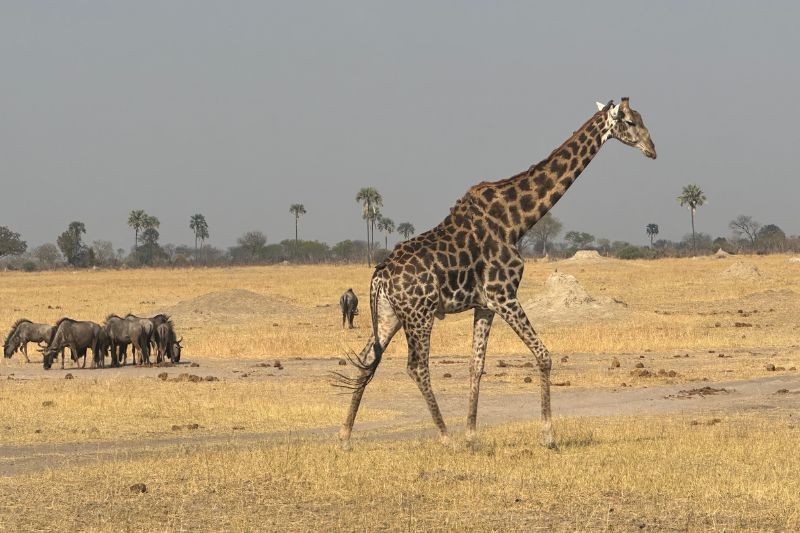
Game viewing may not be as easy as in the dry season but some areas, such as the expansive Ngamo Plains which play host to large numbers of wildebeest and zebra during the rainy season, remain a hotspot for sightings in the green season.
Lower prices and fewer visitors further enhance the reasons for a green season safari, but it should be remembered that temperatures can be high, there will be rainfall and some of the road network may become more challenging.
Where can you stay in Hwange National Park?
There are plenty of safari accommodation options in the Hwange region, from high-end luxury to more comfortable mid-range offerings. A good number of camps and lodges are situated on their own private concessions, ranging in size, and located both within and outside the national park boundaries, which is something we feel enhances a stay.
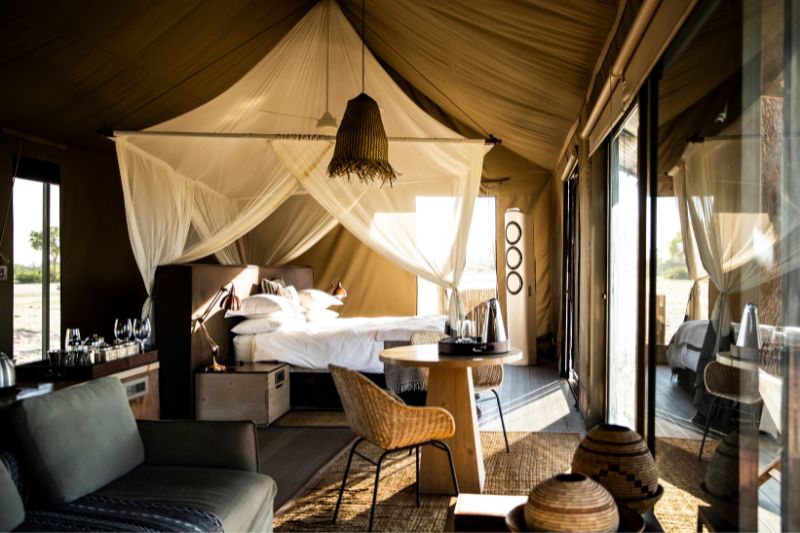
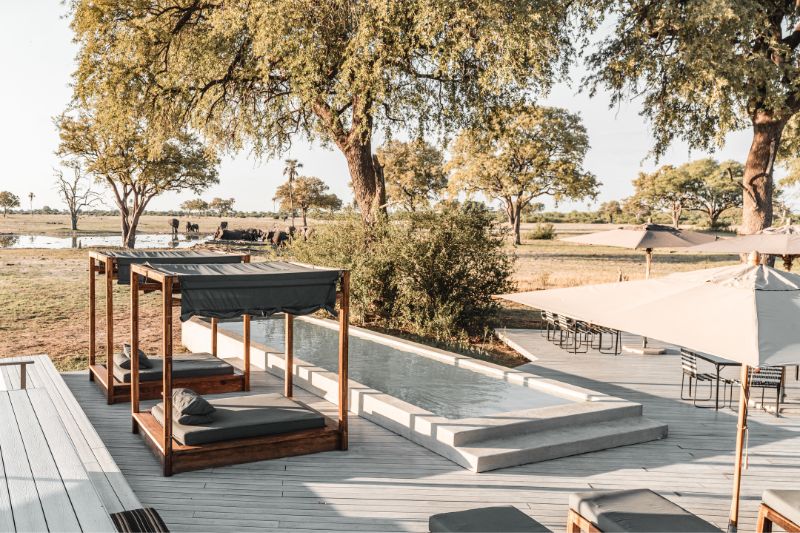
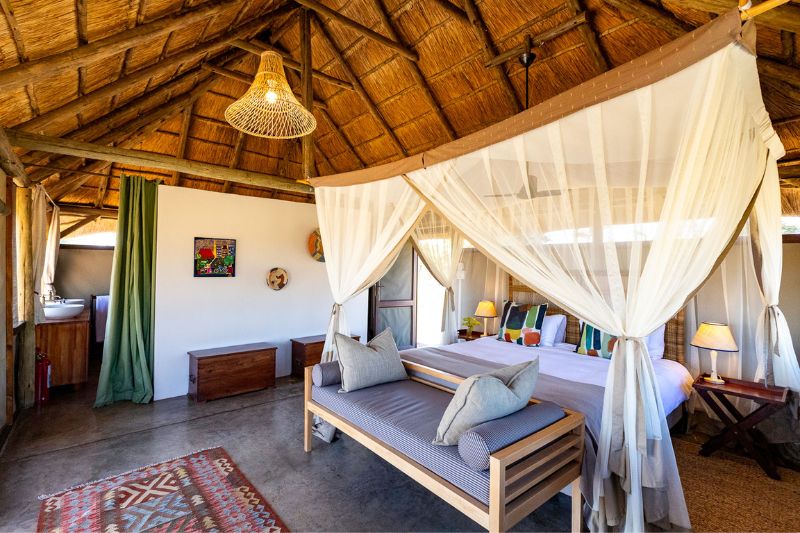
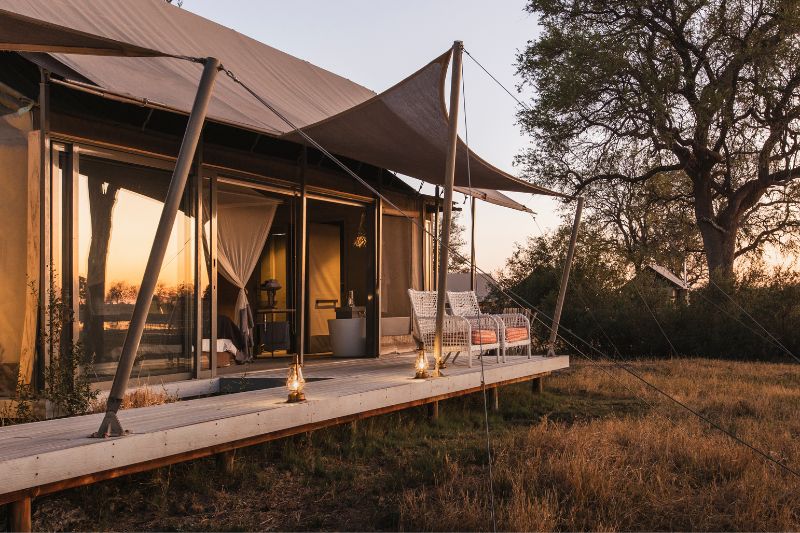
At the top end of the scale, with stylish, modern, air-conditioned tented suites, is Wilderness Linkwasha. This tented lodge is situated on the beautiful Linkwasha-Makalolo Private Wilderness Area which is tucked away in the southeast corner of the park, and comprises stunning plains, woodlands and abundant wildlife.
Not quite at the same level of comfort, but still high end, is Somalisa Camp where elephants will often congregate to drink from what used to be the guests’ swimming pool!
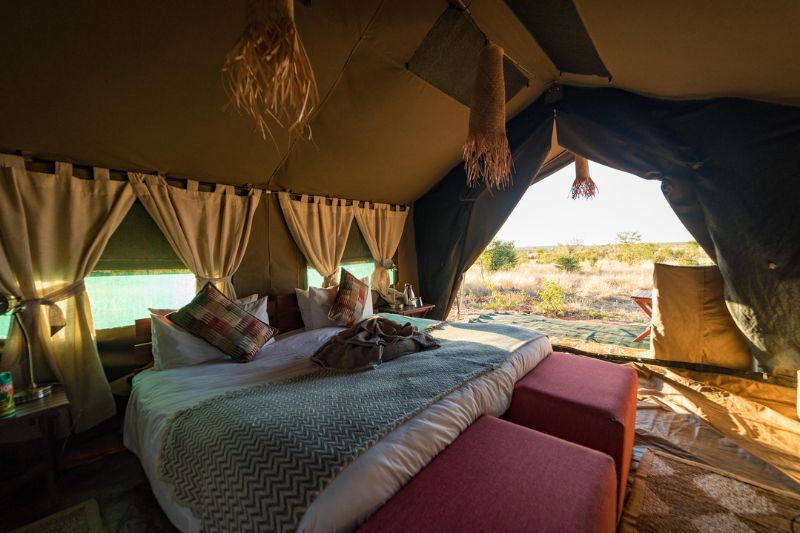
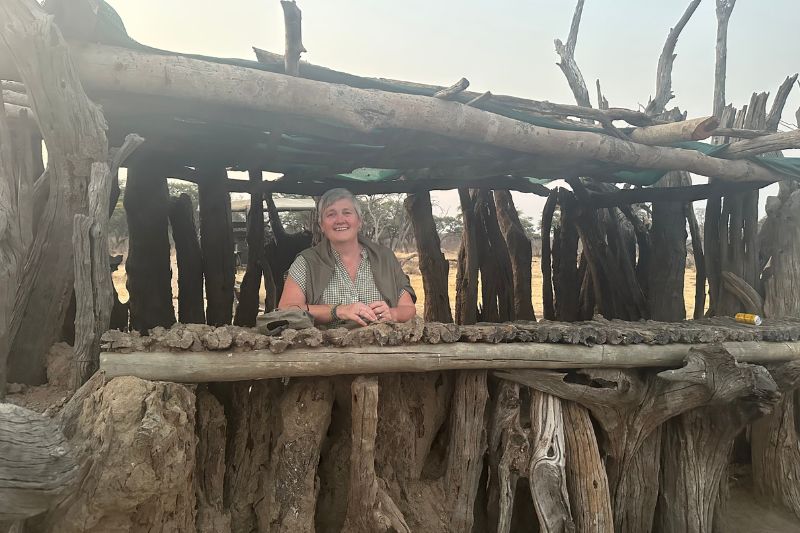
Camp Hwange, situated on its own concession close to Shumba Pan in the middle of the park, combines a friendly and sociable atmosphere with comfortable tented accommodation. A swimming pool for hot summer days and a fabulous outlook towards a waterhole where they have their own log pile hide are added bonuses.
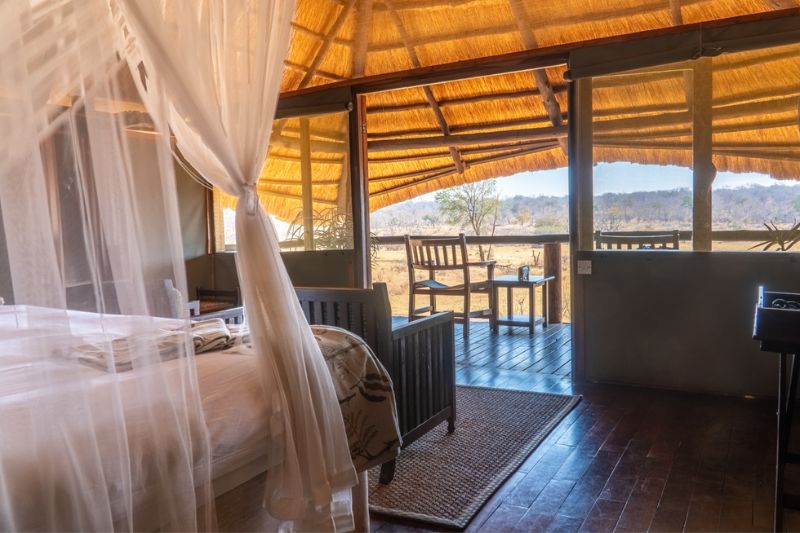
For authenticity matched with excellent hosting, you cannot go wrong with a stay at Hwange Bush Camp, located in the wild northwest of the park and home to some of the best guides working in Hwange.
Finally, for a more modest and price sensitive option, Amalinda Ivory Lodge is small and welcoming, situated on one the largest concessions just outside the park. Afternoon activities and sleep outs take place on their own land but from here extended morning game drives are conducted in the National Park.
What safari experiences are available in Hwange?
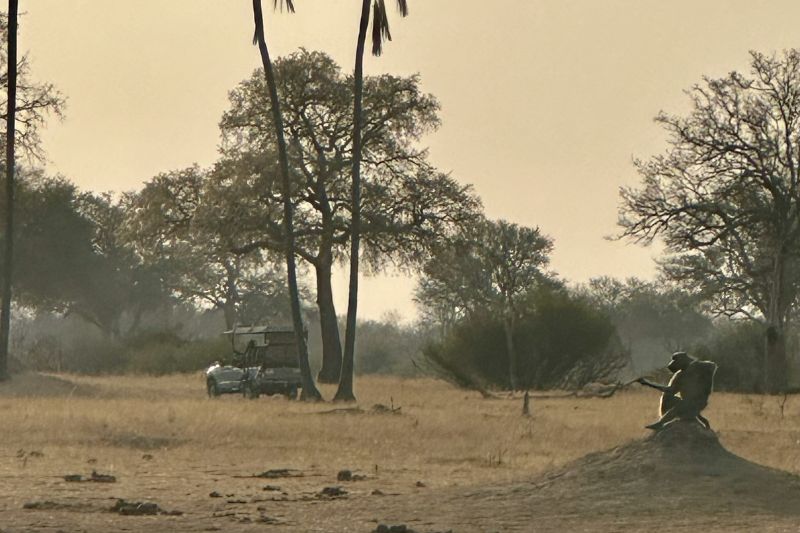
Where you stay in Hwange will dictate the included activities but common to all camps and lodges will be daytime game drives, departing in the early mornings and late afternoons when the animals are most active and the light is just right for photography. These game drives may well involve spending time at one of the many pans within the park, many of which have hides or viewing platforms.
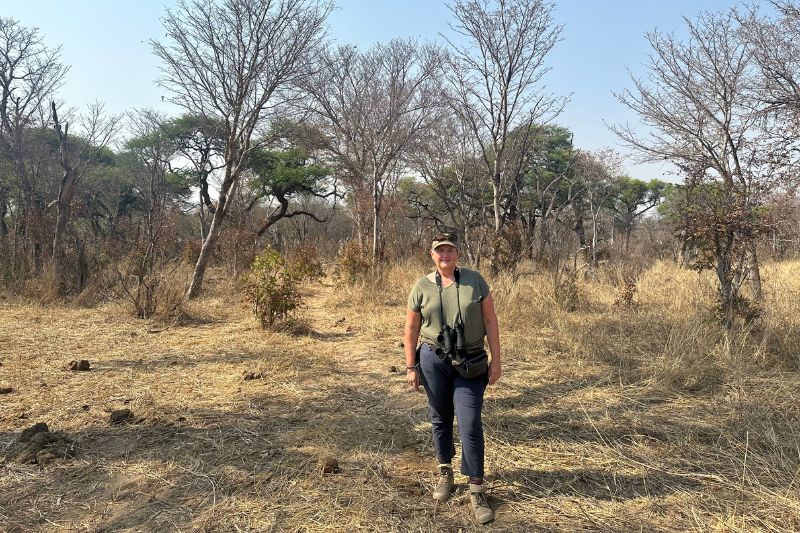
The properties which are located on their own concessions have more flexibility with their activities. The focus here can be split between game drives and getting out on foot with your expert Professional Guide, often following animal tracks, thus gaining a completely new perspective on the land and the wildlife.
Some camps such as Camp Hwange or Hwange Bush Camp may put more emphasis on the walking, but it is not a pre-requisite.
Staying on a private concession can also mean the inclusion of night drives which bring rewarding sightings of nocturnal species such as genets, serval, or honey badgers.
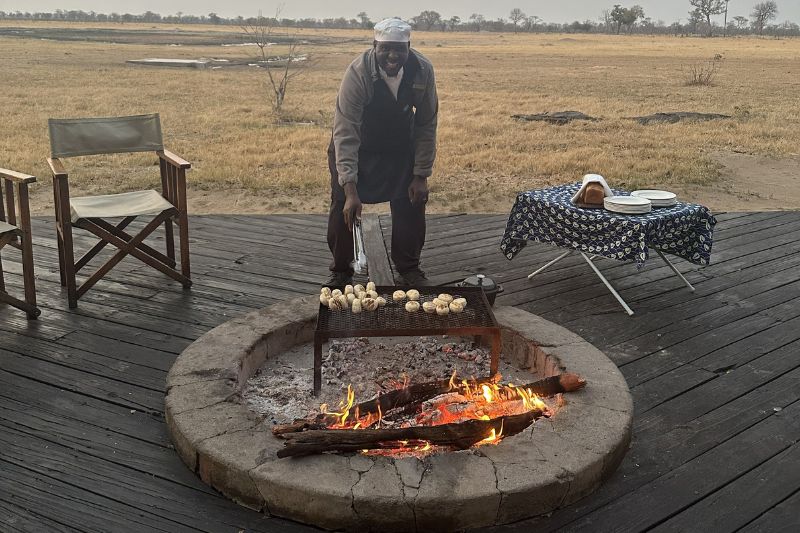
Many of the camps also have their own wildlife hides, often overlooking water holes, which can produce superb up-close encounters, particularly in the dry season.
How many days do you need in Hwange National Park?
How long one stays is Hwange is an entirely personal choice and may well be dictated by time and budget. Having said that we would always encourage a minimum of three nights in any one safari camp, giving you sufficient time to see everything you want to see, but also to enjoy the environment you are in. There is nothing better than having the time to enjoy a glass of something cold whilst you keep watch over the water hole in front of camp and see who comes to visit.
With a park as vast as Hwange, there is a strong argument to combine camps in different parts of the park where the focus of your stay may be different. For example, spend three nights focusing on the big game experience in the southeast of the park and then head northwest to a camp where walking may be the primary focus.

How does tourism support Hwange’s wildlife and communities?
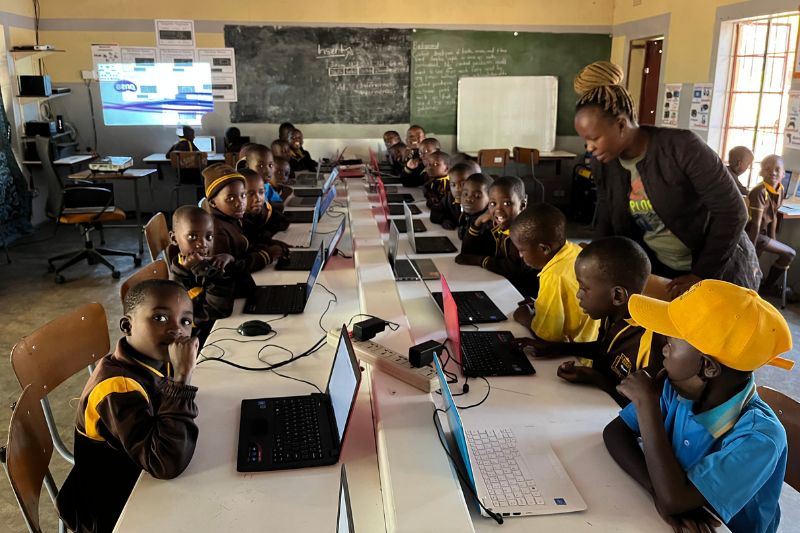
Tourism can be an incredible power for good and the camps within the Hwange area play a crucial role in this. On a base level, providing employment for the local community has a huge impact and the mere presence of camps is an excellent anti-poaching deterrent.
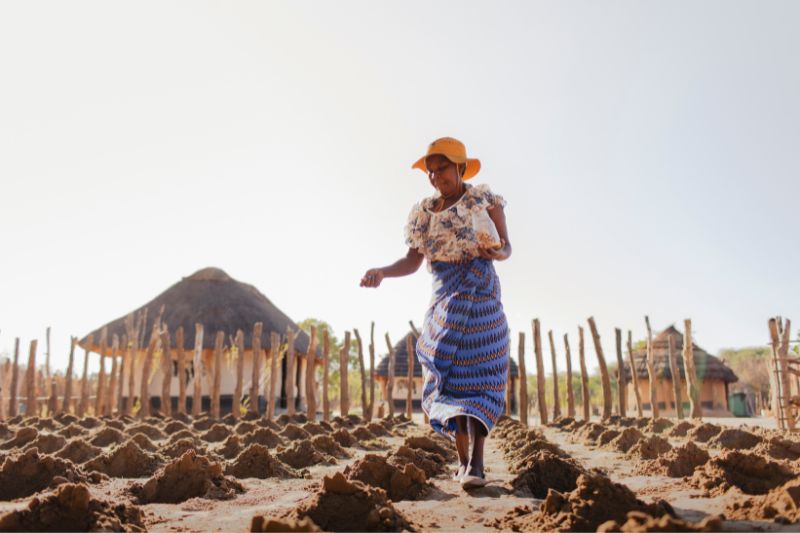
The impact goes further however, and I heard of many projects empowering local communities and supporting schools, orphanages, old age homes, and clinics. Ongoing projects established by some of the camps I stayed in include The Mother Africa Trust (founded by the owner of Amalinda Safaris) which builds lion proof bomas for the communities bordering the park, thus protecting their livestock. Another example is the launch, by Wilderness Safaris, of an agricultural training centre serving communities outside Hwange National Park.
On a conservation level, the camps all assist with crucial anti-poaching projects as well as supporting research programmes and various animal monitoring projects including for the endangered black rhinos. Every guest that stays at a camp pays park entry fees and often a further conservation and community fee which all go towards conservation and community uplift initiatives.
Inspired to plan your trip to ZIMBABWE?
If you’re inspired to start planning a safari to Zimbabwe, our friendly and highly knowledgeable team of safari consultants would love to hear from you. Contact our expert travel team on +44 (0) 1787 888590 or reach out via our Contact Us page. We’ll help you design the perfect Zimbabwe safari itinerary!
