

Climate change, biodiversity loss, and environmental degradation continue to challenge ecosystems worldwide and in a time of economic uncertainty, conflict and shifting political priorities, the solution to these challenges can appear overwhelmingly out of reach. But Earth Day this year reminds us that global environmental challenges require local solutions with their theme of “Our Power. Our Planet”. This is an empowering message that shines a spotlight on the importance of community-led conservation efforts across the world that prove that small, consistent actions can lead to transformative change.
SMALL ACTIONS, BIG IMPACT IN SAFARI AFRICA
This message aligns strongly with the many inspiring conservation efforts in safari Africa, where pioneering community-led conservation models set the gold standard in protecting natural resources. Conservation can often be imagined as requiring large-scale interventions – vast protected areas, global agreements, or major funding initiatives. But the most successful conservation models in areas of Africa are those that have learnt that the protection of beautiful landscapes and rich wildlife must be aligned with the needs, knowledge, and rights of the people who actually live and depend on the land. And it is the accumulation of small, everyday actions that creates enduring change.
We are lucky to work with so many amazing safari operators in Africa who either support grassroot conservation efforts, or who have established their own initiatives. Here we highlight just a few of the many projects that prove that incremental, community-focused efforts are essential to achieving effective and sustainable protection of our earth’s biodiversity.
INSPIRING FUTURE STEWARDS
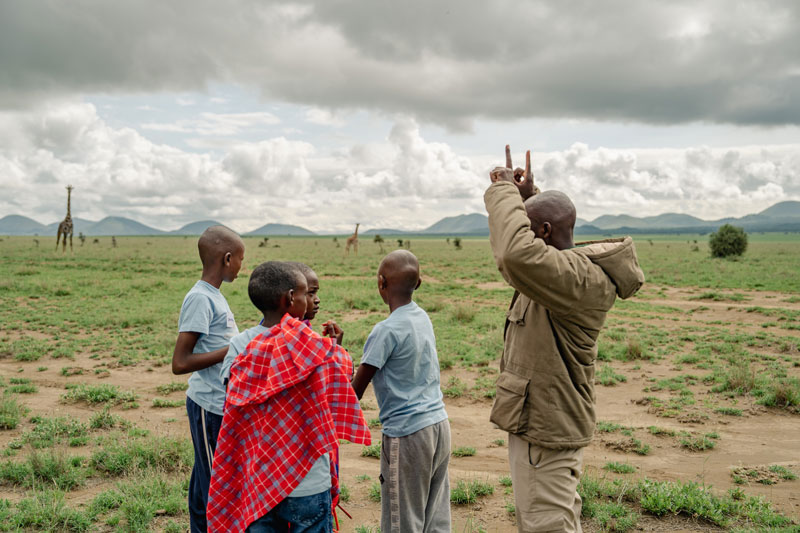
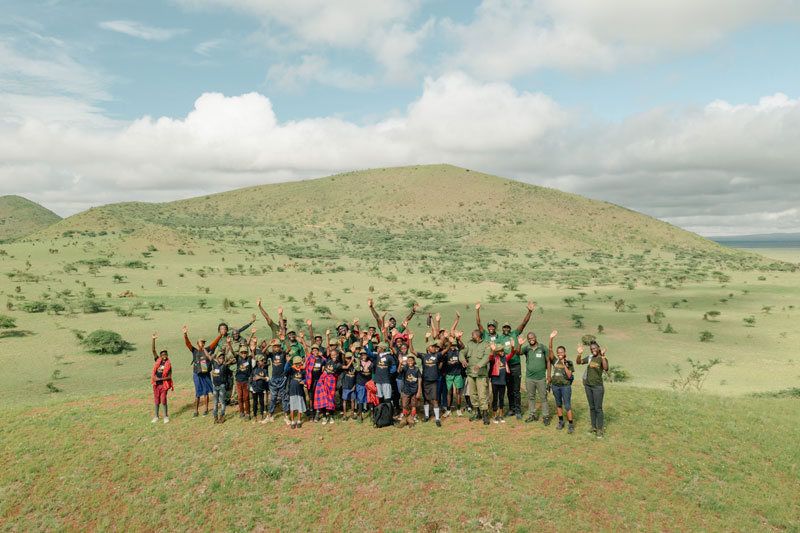
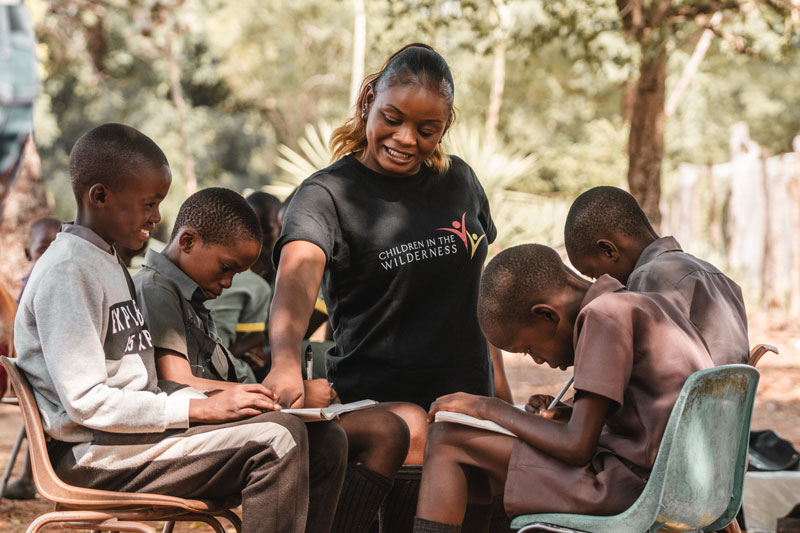
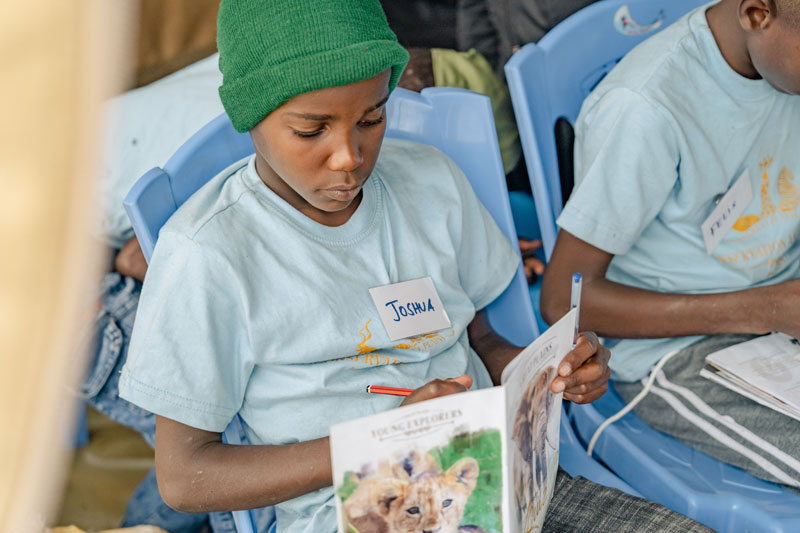
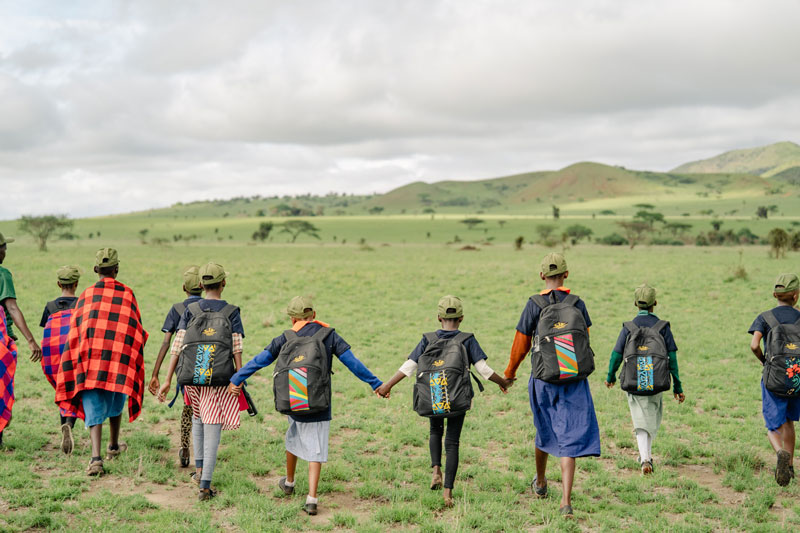
Conservation is all about the long game – making small investments that reap big rewards for the future. The Great Plains Foundation’s Conservation Education Camps and Wilderness Safaris’ Children in the Wilderness are brilliant examples of how sustained educational efforts can shape long-term conservation outcomes.
Through its Conservation Education Camps, young people are invited to the Great Plains camps in Kenya, Botswana, and Zimbabwe. The aim is to educate local children on wildlife protection, ecosystems, and human-wildlife coexistence through hands-on learning and mentorship. The last quarter of 2025 saw 295 school children hosted for conservation education in Great Plains camps.
Children in the Wilderness similarly teaches children living in rural areas of Africa to understand the importance of conservation and its relevance in their lives. This is achieved in several ways – from facilitating Eco-Club programmes at local schools, to running annual camps at Wilderness Safaris camps and partner camps for children in the communities that live surrounding the areas in which Wilderness Safaris operates. Children in the Wilderness Camps have hosted 8,650 children since 2001 while 12,400 children have been reached through weekly Eco-Clubs.
These camps and clubs may only last a few days or hours, but their influence extends far beyond. Students return to their communities with new knowledge, a sense of responsibility and a passion for their natural environment, sharing what they’ve learned with peers and family members. Over time, this sort of mentorship shapes how future generations understand and interact with the natural world and creates future conservation leaders and advocates.
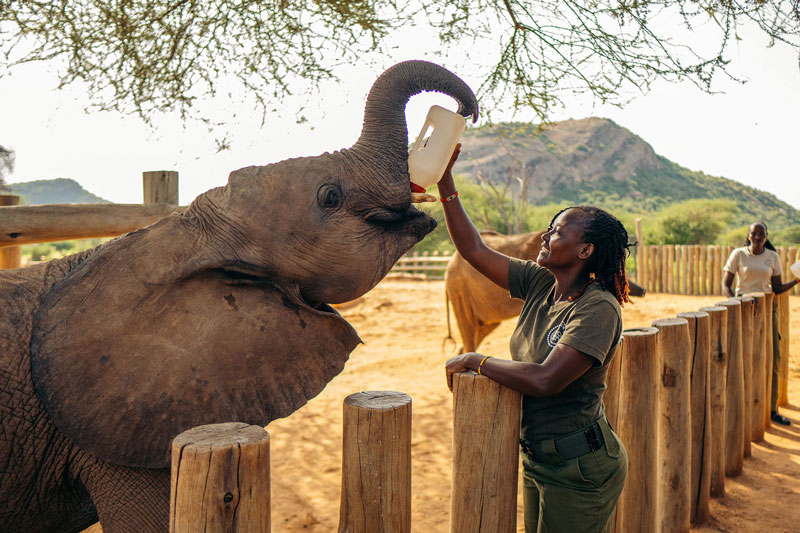
INDIGENOUS STEWARDSHIP IN ACTION: SARARA FOUNDATION
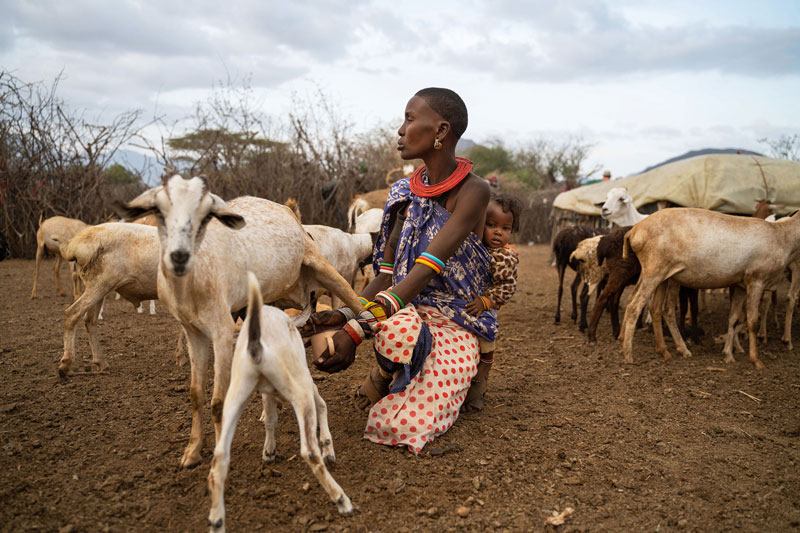
The Sarara Foundation offers a shining example of how incremental, community-led action can restore entire ecosystems. Working in partnership with northern Kenya’s Namunyak Conservancy, the foundation supports indigenous Samburu communities in managing land, wildlife, and livelihoods.
The Namunyak Conservancy was established in 1995 and is an incredibly uplifting story of how incremental changes and several different programmes, all delivered at community level, have had a remarkable cumulative effect. Ecosystems are recovering, wildlife populations have returned and communities are gaining sustainable income through eco-tourism and initiatives like the highly successful Milk to Market Programme.
The Sarara Foundation programmes support areas including education, healthcare, rangeland restoration and the Reteti Elephant Sanctuary – each programme is a story of small steps and gradual achievements, which together add up to transformative change across the conservancy.
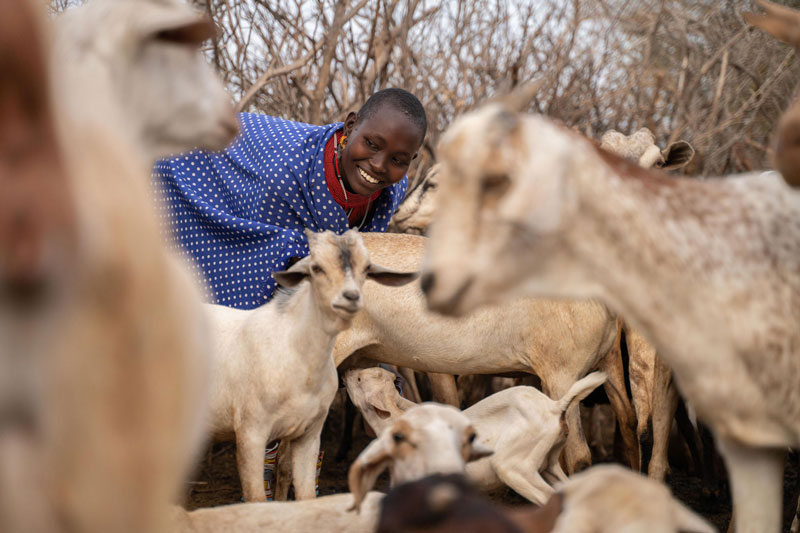
The Milk to Market programme is a prime example of how little steps create ripple effects with a powerfully positive impact. The programme came about during COVID-19 when milk formula could no longer be obtained for the orphaned elephants of Reteti Elephant Sanctuary. Samburu women came to the rescue by creating a goat milk-based formula for the elephants. In 2021, when the programme started, a small group of women from one village sold 160 litres of milk per day to Reteti. Today, 1,280 “Milk Mamas” from 21 different Manyattas sell 680 litres of milk each day. Through the sale of their goat milk, the Milk Mamas are earning stable incomes enabling them to support both their families and the broader community. The mamas have also introduced more sustainable practices to improve animal husbandry and pasture management. All the while Reteti’s annual milk budget has been halved and their carbon footprint reduced with the locally produced milk. Each bottle of goat milk formula has a far-reaching impact – boosting the welfare of the Samburu community and supporting the rehabilitation of Namunyak’s rangelands – the very landscape in which Reteti’s elephants will ultimately be rewilded and released.
The Sarara model underscores an essential lesson: conservation succeeds when it aligns with daily life. Small daily actions become part of a larger, self-sustaining system.
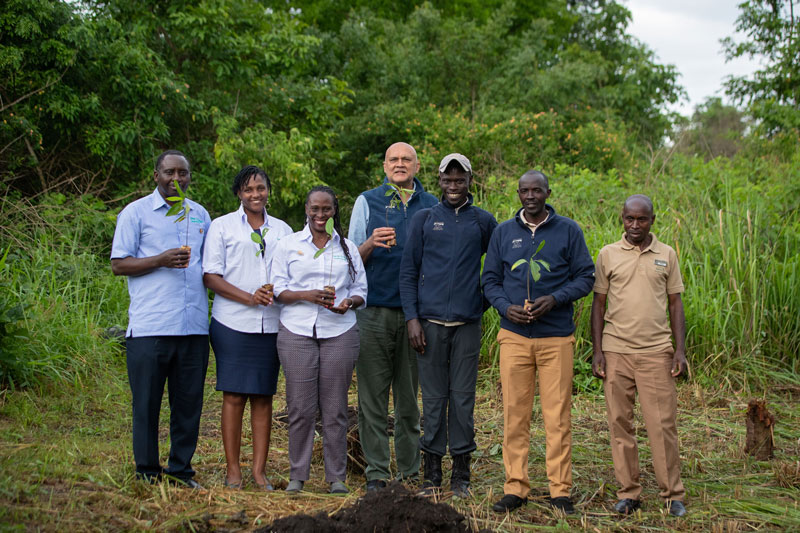
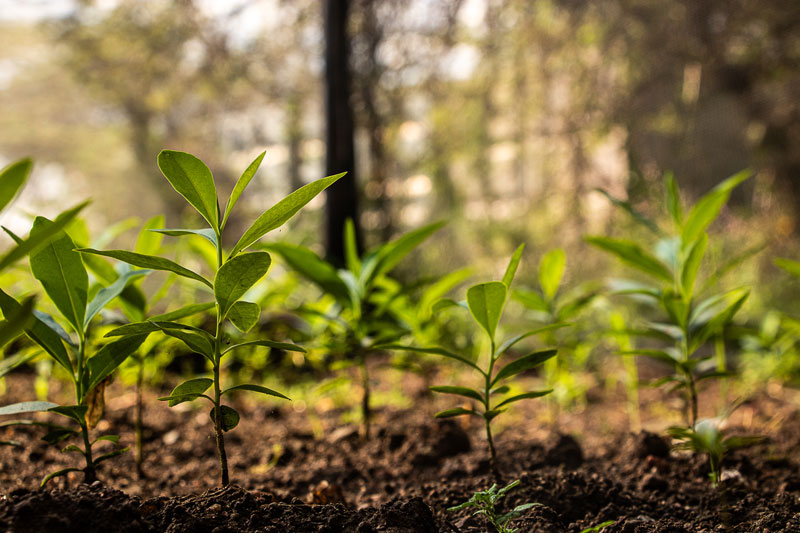
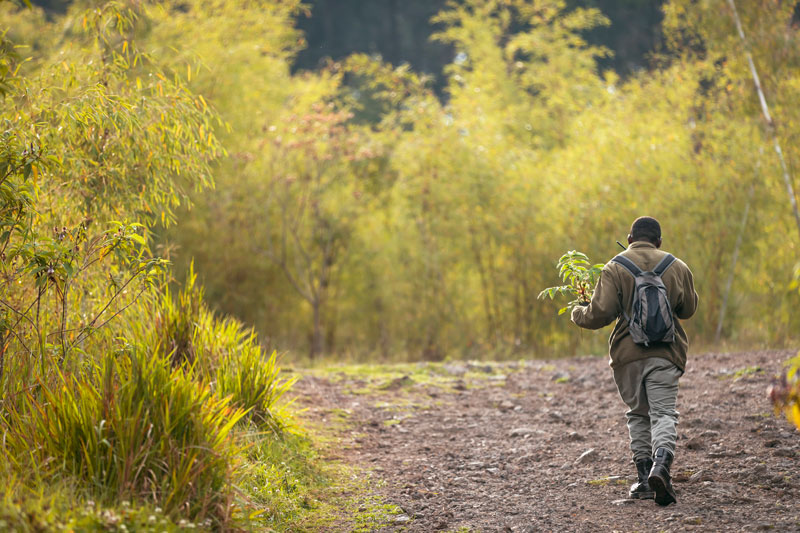
REWILDING THE WILD PLACES, ONE TREE AT A TIME
Trees have been identified as an integral part of our planet’s health – Earth’s ‘lungs’ if you will. Planting trees is an essential part of ecosystem restoration which contributes to climate regulation, wildlife conservation, food security, and long-term resource stability. Tree planting is also the ultimate example of how small steps reap big rewards and is something that almost anyone can get involved with. There are many safari operators involved with tree planting projects in Africa – here are just a few examples:
In Uganda’s Queen Elizabeth National Park lies Kyambura Gorge, a thin valley of sunken rainforest which is home to an isolated group of chimpanzees. The Kyambura area is one of the most densely populated communities neighbouring Queen Elizabeth National Park and communities here have depleted most of their natural resources including trees.
Volcanoes Safaris, owners of a number of eco-tourism lodges, established the Kyambura Gorge Ecotourism Project, a series of connected community and conservation initiatives that have been working to safeguard the Kyambura Gorge ecosystem and its threatened chimpanzees. One of the initiatives associated with Kyambura Gorge is a tree planting project which is helping to restore habitat bordering the gorge. The tree nursery aims to establish a large nursery of 400,000 indigenous trees on land adjacent to the national park. The young trees are then handed out to community members living around the National Park and also planted in the Volcanoes Safaris 100-acre restoration area along the Kyambura Gorge. With the help of the community and of Volcanoes guests, approximately 36,000 trees have been planted in the Kyambura Buffer area and 2,000 in the Kyambura Wetland. Restoring this ecosystem is a large task, but with community effort, gradual tree planting has made a big difference.
Similarly in Rwanda, Wilderness Bisate has established a reforestation and rehabilitation project helping to protect vital mountain gorilla habitat – this has resulted in 100,000 trees being planted so far and has created a model for others to follow. Alongside habitat expansion, partnering with the local communities, improving economic opportunity and increasing food security, has relieved pressure on the area’s natural resources.
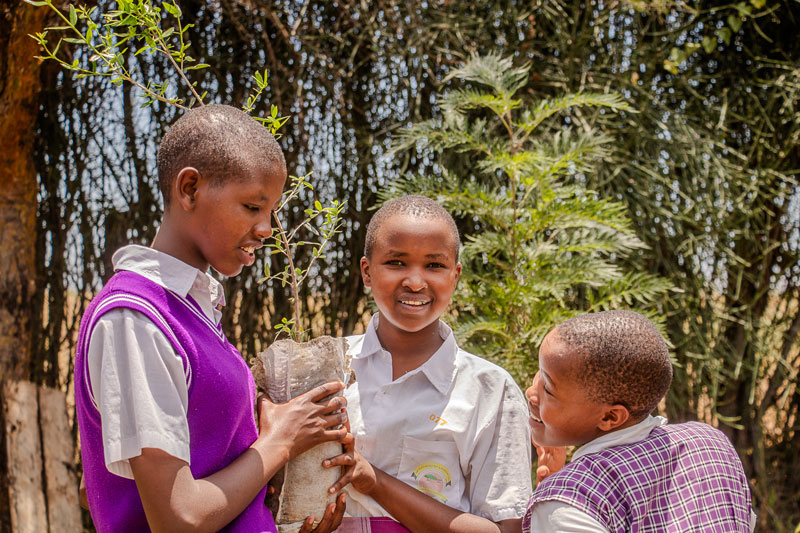
Through Conservation Roots the Great Plains Foundation is partnering with local communities to restore indigenous trees to landscapes across the areas of Africa that they operate. Working with local communities, partner organizations and school systems, Conservation Roots plants indigenous trees and teaches their value and critical role in functioning ecosystems. To date, they have planted trees in partnership with schools in Botswana and Zimbabwe as part of their conservation education outreach work and have planted more than 37,000 indigenous trees on a deforested section of land bordering the Maasai Mara. Guests staying in Great Plains Conservation camps in the Maasai Mara can take part in the initiative by planting a tree and leaving a lasting legacy in the destination they are visiting.
THE RIPPLE EFFECT
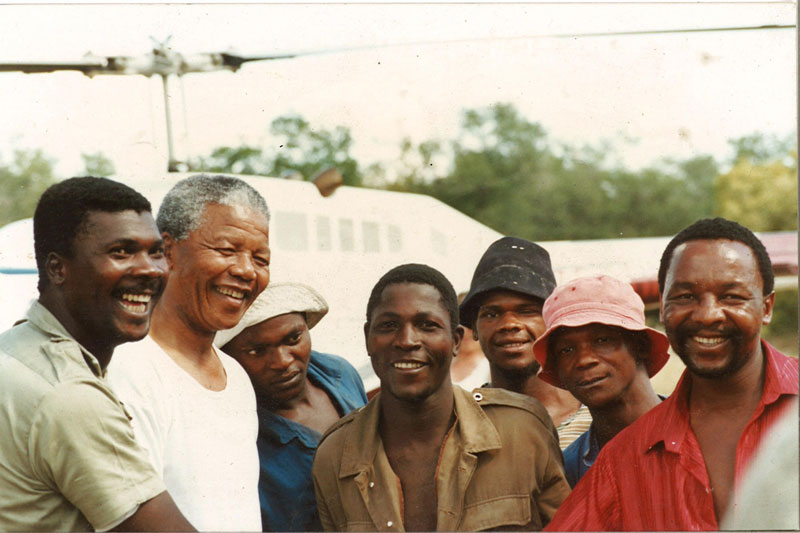
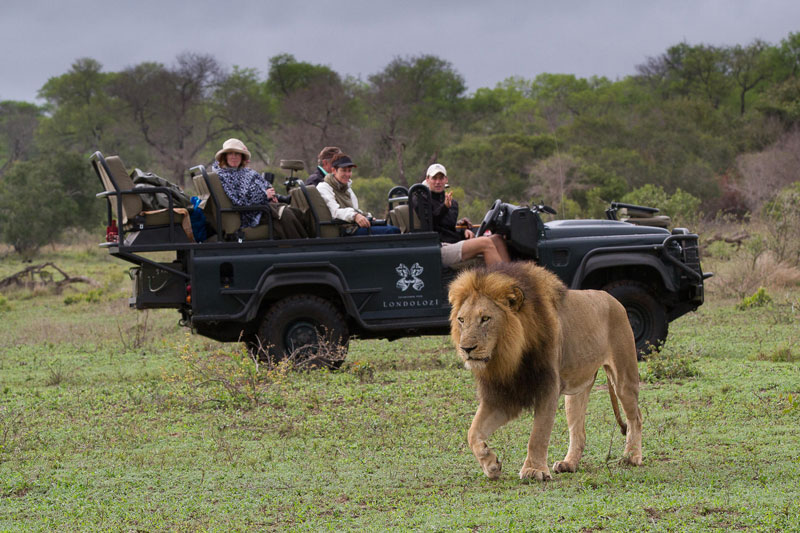
Londolozi, in South Africa’s famous Sabi Sand Nature Reserve, is celebrating 100 years of safari this year. Londolozi has evolved from humble beginnings as derelict farmland to a highly successful for-profit conservation development model offering a high end safari experience. Through decades of small steps, hard work, consistent effort and multiple approaches enormous potential was realised. The Londolozi Conservation Development Model was established in 1976 and this was endorsed by Nelson Mandela in the 1990s when it became the blueprint for conservation in South Africa. The model was further expanded to influence and impact conservation across sub-Saharan Africa and across the world. Londolozi appropriately names the reach of their impact the ‘Londolozi Ripple Effect’.
The Londolozi Ripple Fund further enshrines the idea that change starts small. Londolozi commits 1% of its annual turnover to the Ripple Fund, providing seed capital to empower small businesses, individual entrepreneurs, NGO start-ups, and projects that might normally go unnoticed. Projects include landscape and river restoration, innovative entrepreneurs (for example local families involved in innovative farming techniques), protecting endangered species, upskilling young people and women in the local communities, investing in supply chain business development, and education. The latter includes partnering with the Good Work Foundation which has created its own ripple effect through equipping students with work-ready skills in the fields of conservation, hospitality and IT.
In Londolozi’s own words: “We aim to be a place that people will look to as a model for the possibility of living in deep harmony with each other and the natural world. A place where each person belongs to the movement to restore our planet.”
WHAT CAN WE DO AS SAFARI TRAVELLERS TO HAVE AN IMPACT
Unless you’re directly contributing hands on with conservation work or are fortunate and generous enough to be able to make a large donation to a conservation project in Africa, you may wonder how valuable your impact on the safari destination you visit really is. But Africa is one of the few destinations in the world where travellers can leave a wonderfully positive footprint quite easily. Each safari guest pays park fees or conservancy fees in each destination they stay which fund the management of protected areas, including anti-poaching patrols and wildlife research. While this may seem a small contribution per guest, as we demonstrated in our end of year conservation blog our clients travelling to just Kenya, Tanzania and Zambia in 2025 contributed a collective US$630,000 in park and conservancy fees and conservation and community levies. That’s a powerful impact!
Additionally, more and more safari camps and lodges offer guests simple ways to engage with conservation and community projects in the local area. As mentioned above, you can be part of a reforestation or wilderness restoration project by planting a tree; or visits to community enterprise projects such a beading workshop offer the chance for cultural exchanges whilst supporting the project with a small optional purchase.
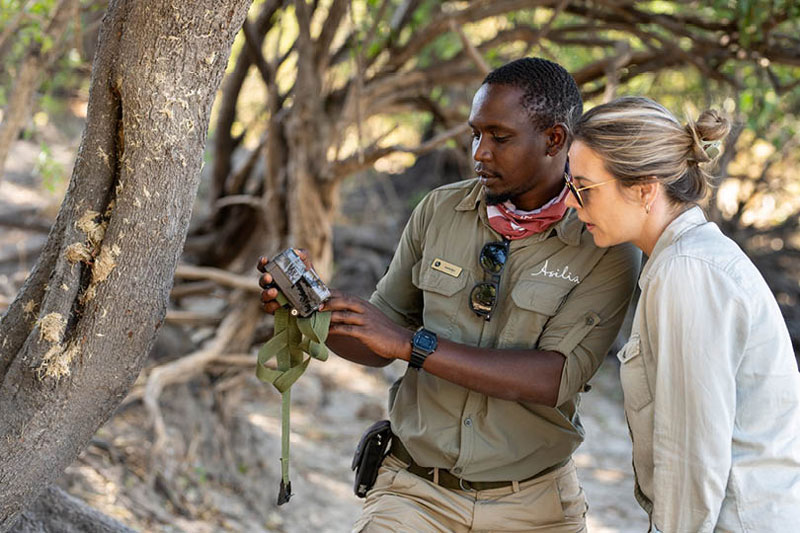
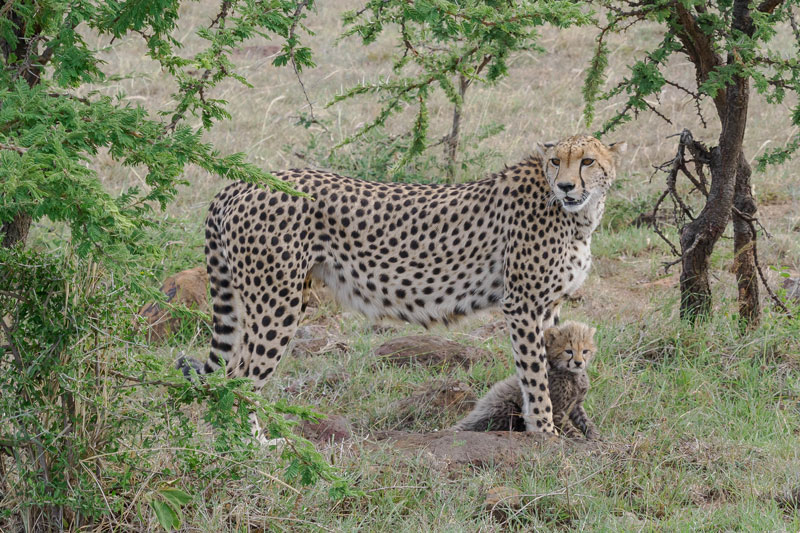
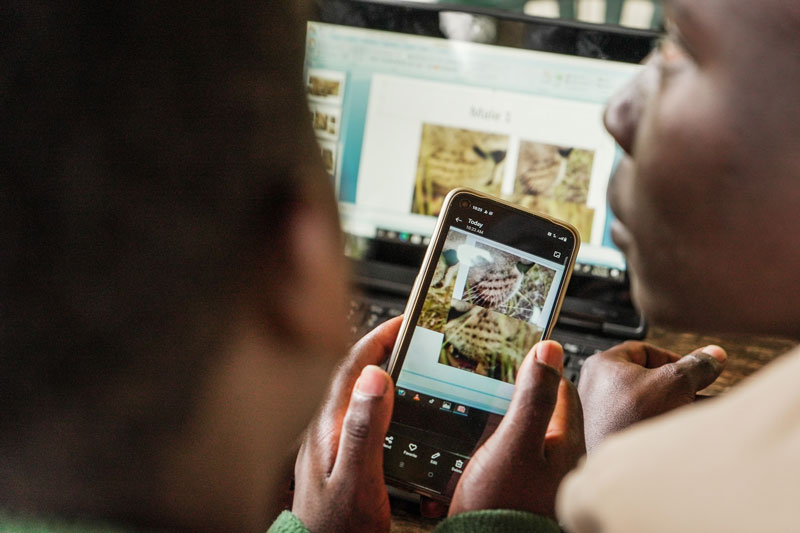
There are also opportunities to assist wildlife research by gathering data on your game drive. If you’re staying in the Serengeti, you can send photographs to the Serengeti Cheetah Project. In Kyambura again guests of Volcanoes Safaris can participate in the Lion Monitoring Project during their stay by collecting survey data during game drives in the Queen Elizabeth National Park and then submitting this to the lodge wildlife team. At Usangu Expeditions in the remote south of Tanzania’s Ruaha National Park, guests are actively involved in the ongoing research and conservation activities including positioning camera traps, image analysis for predator identification and tracking collared lions. One set of data may not seem substantial, but collectively guests can help with valuable insight into wildlife behaviour and largescale statistics, aiding species conservation.
When looking to create the best possible impact in your safari destination, however, the most important thing is to travel responsibly. Book your safari through a responsible tour operator or travel agent and check that you are staying at camps and lodges that are playing their part, however small, in protecting Africa’s wild places and supporting local communities sustainably. Act responsibly when you’re travelling – take only photos, leave only footprints, ensure you respect the wildlife and the local people. Creating a positive impact can be as much about what you don’t do as what you do. We have the power to create the world we want to live in.
CONCLUSION
In writing this article, it was very difficult to select just a few projects – there are so very many organisations doing great work, and within those organisations, so many micro initiatives and individual heroes. But this served to enforce the point – great things are not achieved in one stroke, but by multiple combined and sustained efforts.
Earth Day 2026 is a reminder that everyone has a role to play. Whether through planting a tree, educating a child, restoring a patch of land, supporting local community enterprise or making sustainable choices – small actions matter. We feel so privileged to be part of an industry where so many individuals and companies are dedicated to the cause of conservation and community empowerment, working tirelessly with small actions. When those actions are shared, repeated, and sustained, they have the power to transform landscapes, protect biodiversity, and secure a more sustainable future for us all.
CONTACT US TO START PLANNING YOUR NEXT SAFARI ADVENTURE
If you’re interested to know more about how your safari impacts the destinations in which you stay, or you’d like to plan a safari that contributes to conservation and local communities, we’d be delighted to help you plan the perfect trip. Contact our expert travel team on +44 (0) 1787 888590 or reach out via our Contact us page.
Images with thanks to: Great Plains Conservation, Wilderness Safaris, Sarara Foundation, Volcanoes Safaris Partnership Trust, Londolozi Game Reserve, Asilia Africa (Usangu Expeditions), and Tony Enticknap.
