

Tucked away in a remote corner of one of Tanzania’s least-visited national parks, there is a story of regeneration, ongoing conservation, and the positive impact of collaboration. The Usangu Wetlands stand as a remarkable example of how tourism partners, conservation organisations and local communities can work together to deliver impressive results. I was lucky enough to witness this extraordinary wilderness on my most recent trip to southern Tanzania, when I stayed at a pioneering camp.
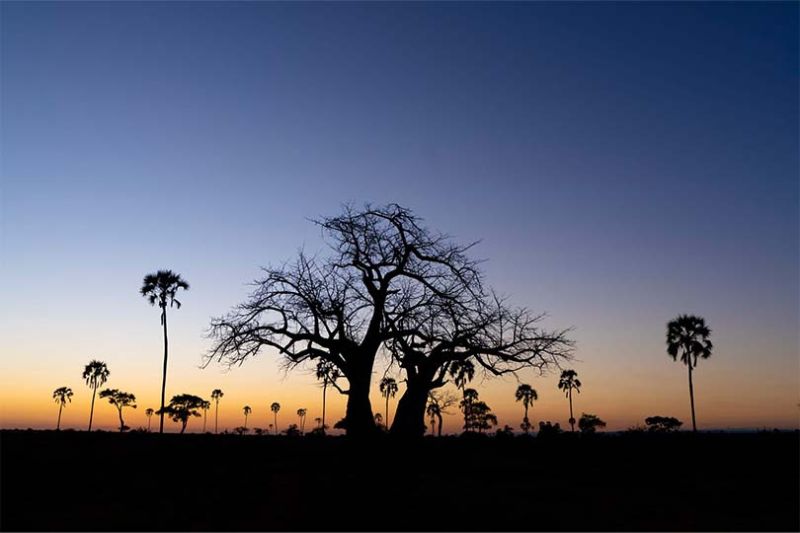
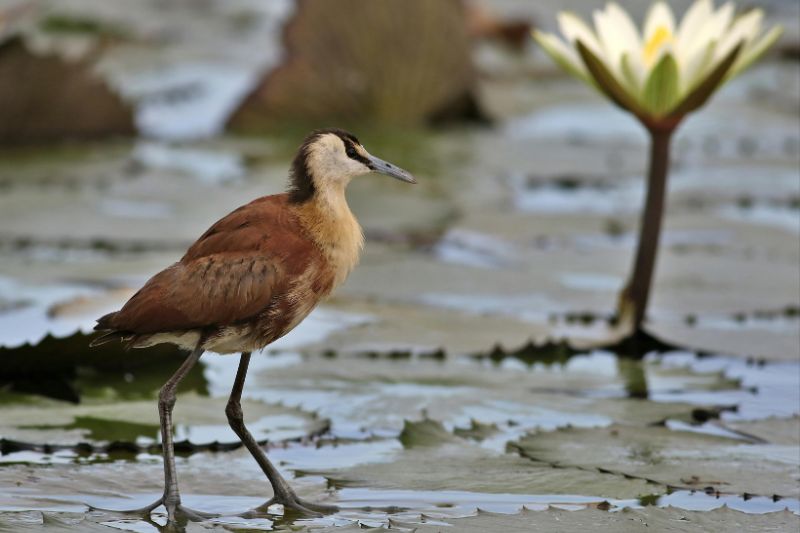
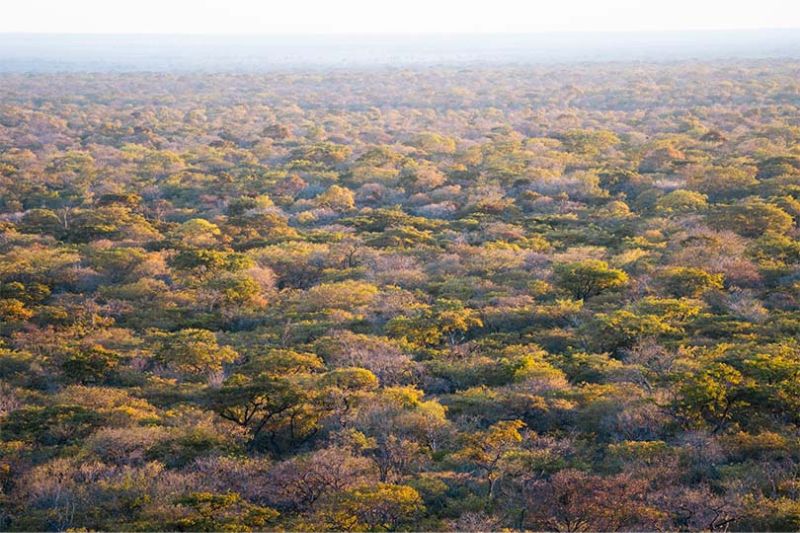
The Usangu Wetlands
The Usangu Wetlands cover a vast area of over 6,000 sq km, including the 80 sq km Ihefu Marsh. This wetland system, which collects its waters from the surrounding highlands, plays a vital role in sustaining wildlife across much of southern Tanzania. The marsh is the source of the Great Ruaha River, which goes on to feed the Rufiji River which is critically important for the wildlife in Nyerere National Park.
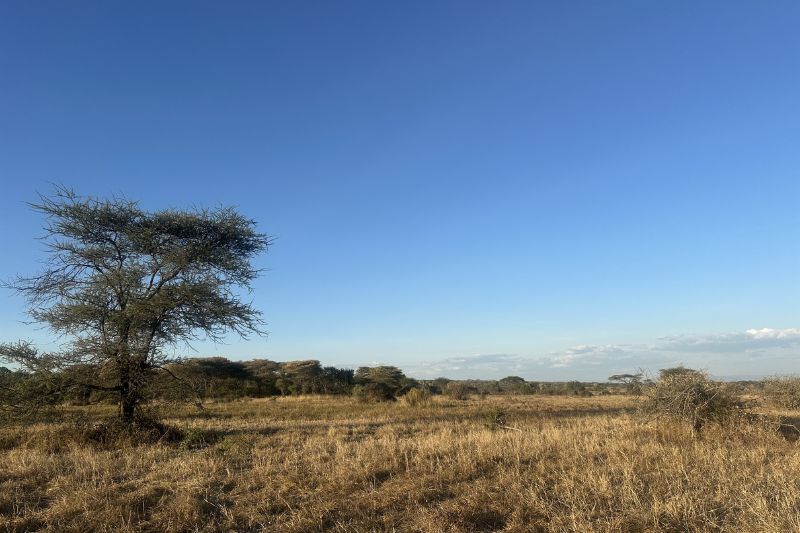
For centuries, the Usangu plains were home to large communities of pastoralists, hunter gatherers, and farming families, all of whom lived off the lands that surrounded them. Over time, however, pressure on the land intensified. Overgrazing left the marshy grasslands decimated, and with less food available, herbivore populations weakened, making them easier targets for poachers seeking both subsistence and commercial gain. The ecosystem grew increasingly fragile as a result.In the mid-1970s, after an effort to relocate villagers, the area was given Game Reserve status, but this allowed the area to be used for hunting concessions, further distressing the wildlife. The greatest damage though, came from the rapid expansion of rice farming.
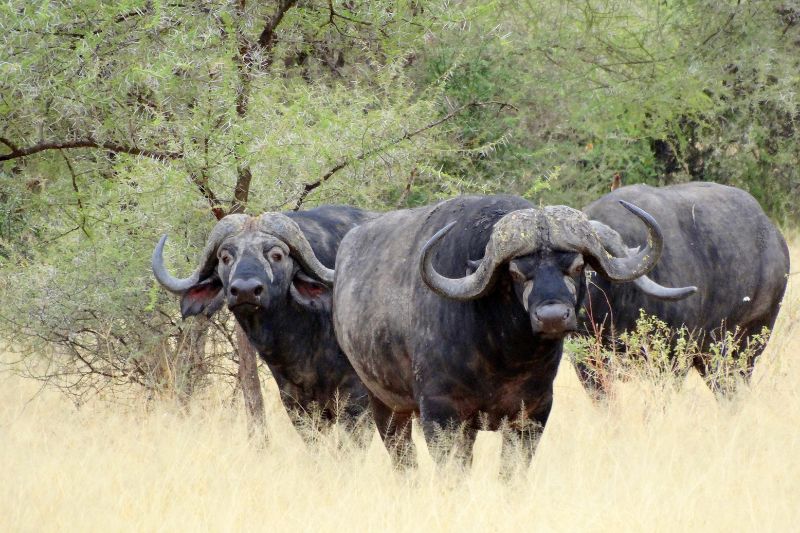
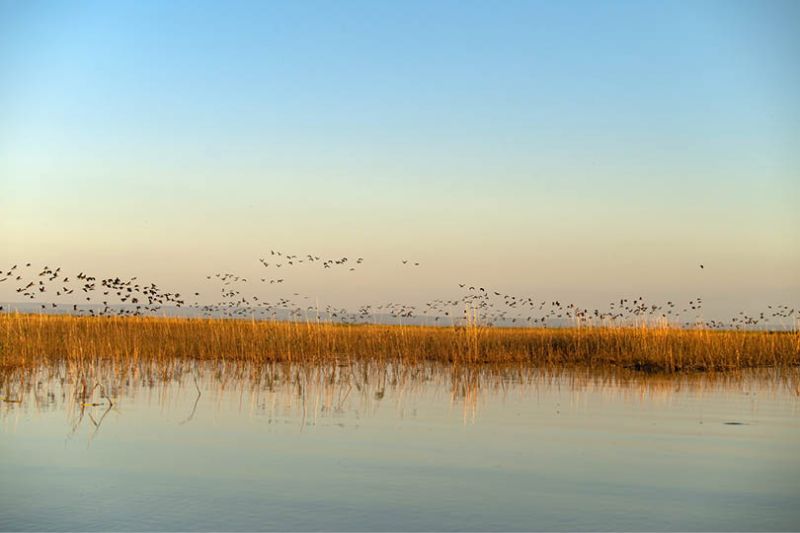
The Impact of Farming in Usangu
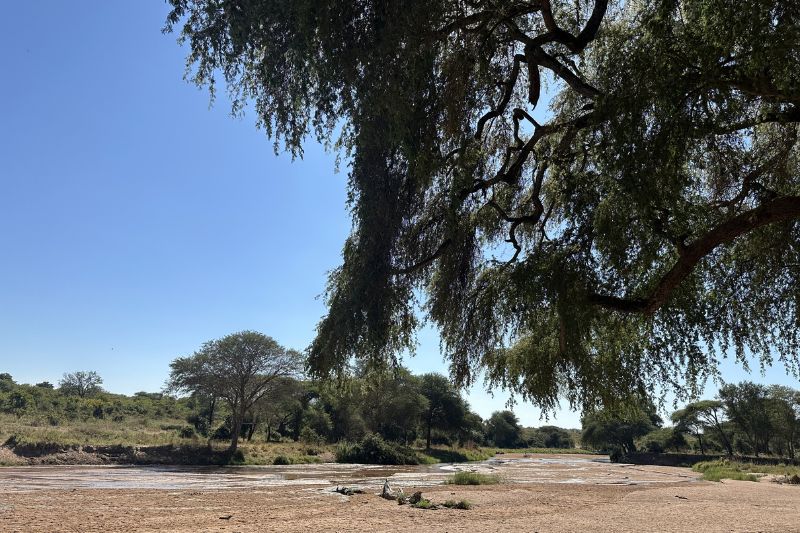
Traditionally, maize and rice were grown largely for subsistence, but when the World Bank and other donor agencies promoted rice as a profitable crop, the number of rice farmers rose dramatically. As rice production is so water-intensive, an increasing amount of water was being diverted away from the marsh. The consequences were severe, with a dramatic loss of wetland habitat and the marsh shrank from 100 to 60 sq km. More critically, the Great Ruaha River began running dry at times in the late 1990s and early 2000s. Water levels fell so drastically that even elephants, digging into riverbeds in search of water, often came up empty.
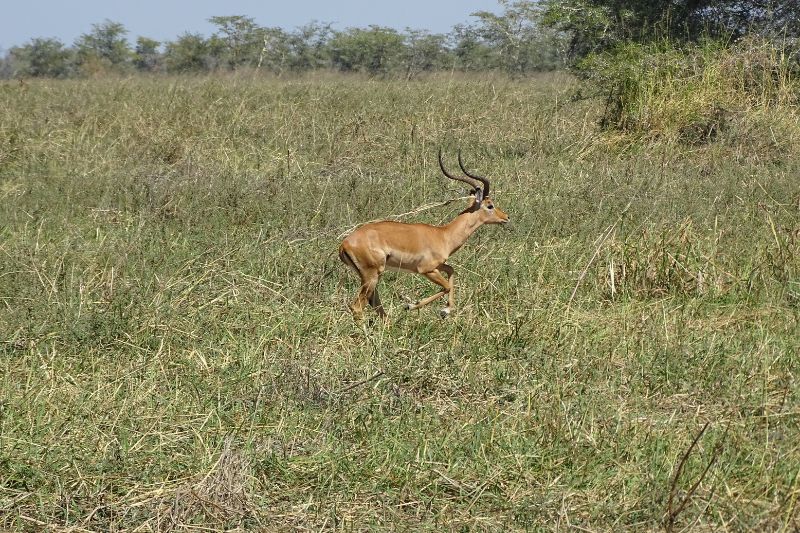
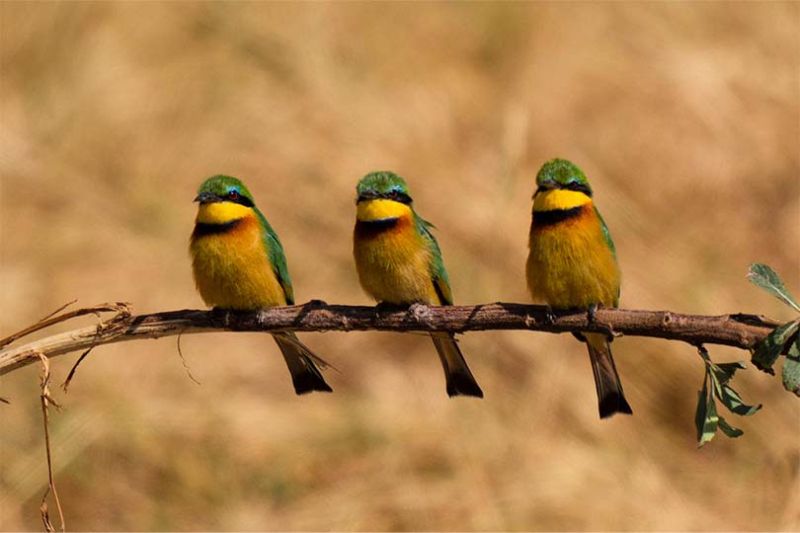
Usangu at Breaking Point
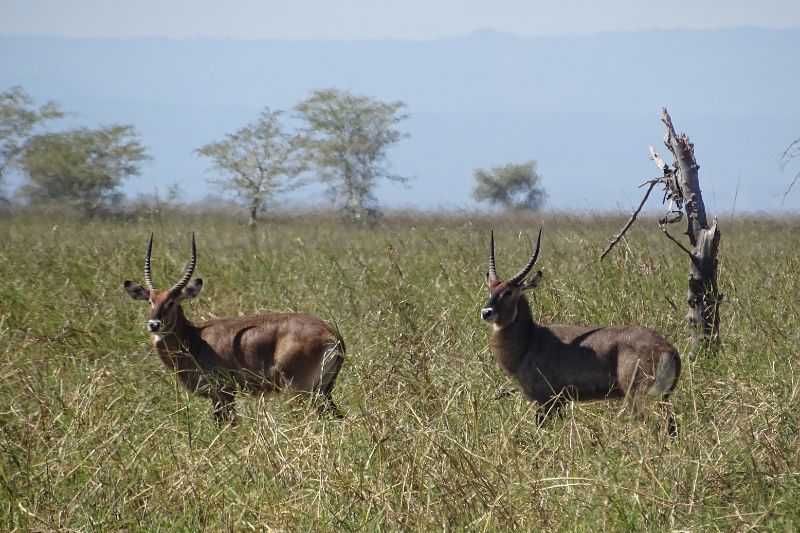
The impact on wildlife was devastating. Some species, such as the clawless otter, disappeared entirely. Hippos became dangerously overcrowded in the last remaining pools of water, leading to serious disease that spread to other species. Water-dependent species began dispersing, often entering nearby villages in search of food, which increased human-wildlife conflict. In response, some animals became more aggressive, whilst others vanished from the area altogether. Hyenas, for example, were heavily persecuted.
The consequences extended beyond wildlife. Reduced water flow also affected two major hydroelectric plants on the Great Ruaha River, which together serve more than half the country. On at least three occasions, power production had to be restricted because of low water levels.
Usangu: becoming part of Ruaha National Park
The challenges are complex and continue to be grappled with, but a major turning point came in 2006 when Usangu became part of Ruaha National Park, one of Africa’s largest protected wildlife areas covering over 20,000 sq km. The move was made in the hope that decades of ecological damage could be halted and even reversed, and to prevent a catastrophic environmental disaster.
It was not, however, a simple or universally welcomed decision. Families who had repeatedly returned to their historical lands since the 1970s were forcibly removed. Some resettled just outside the park boundaries and have tried to rebuild their lives there; others were displaced to parts of the country with which they had no connection. The resentment still lingers and runs deep. Anderson, my guide during my stay, told me that his father and grandfather were both born near the wetlands, and that his grandfather never truly reconciled himself to his grandson’s eventual work within the park.
Some benefits were immediate. Hunting, which had previously been permitted, was now banned, giving the animals some respite. However, poaching and human encroachment, particularly from pastoralists, continued and protecting such a large landscape required resources that were not available. The provision of additional rangers, equipment and accommodation in a park receiving far fewer visitors than Tanzania’s more established safari destinations, was simply not an option.
The Role of Tourism in Usangu
There is undeniable value in the tourism sector across Africa. Camps create employment and one salary can very often support an extended family. Each guest pays park fees which contribute enormously to the funding of rangers and anti-poaching patrols. Additionally, the mere presence of a camp and its guests serves as a deterrent to poaching – more people on the ground means more sets of eyes that might notice illegal activity.
In 2017 safari operator Asilia Africa, working with a conservation research NGO, and backed by Sir Jim Ratcliffe, began to investigate the possibility of establishing a small eco camp in Usangu. Asilia has experience in making brave and often pioneering investments into areas that are ecologically and economically vulnerable. Through their Positive Impact platform, they develop initiatives that help turn such areas into viable conservation economies, benefiting both people and nature alike. For Usangu, the aim was to help protect the area, increase understanding and awareness of its wildlife and create employment and training opportunities for nearby communities.
Establishing a safari camp in Usangu Wetlands
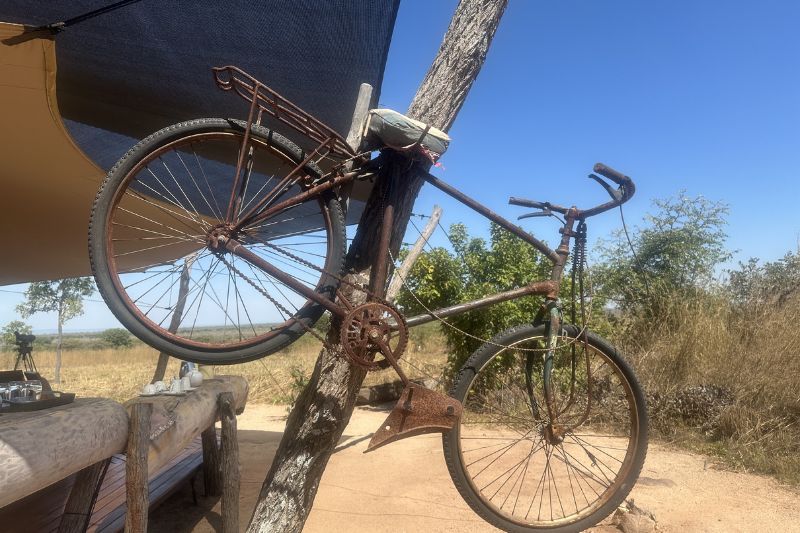
Establishing a safari camp in a place that had never supported photographic tourism was no small undertaking. The first task was to better understand the area’s biodiversity and assess whether it would appeal to travellers. There followed an 11-month exploration by vehicle, by boat and on foot. Researchers also collared some keystone species to monitor seasonal movements while a network of 60 camera traps, each spaced one kilometre apart, was set up to estimate wildlife numbers.
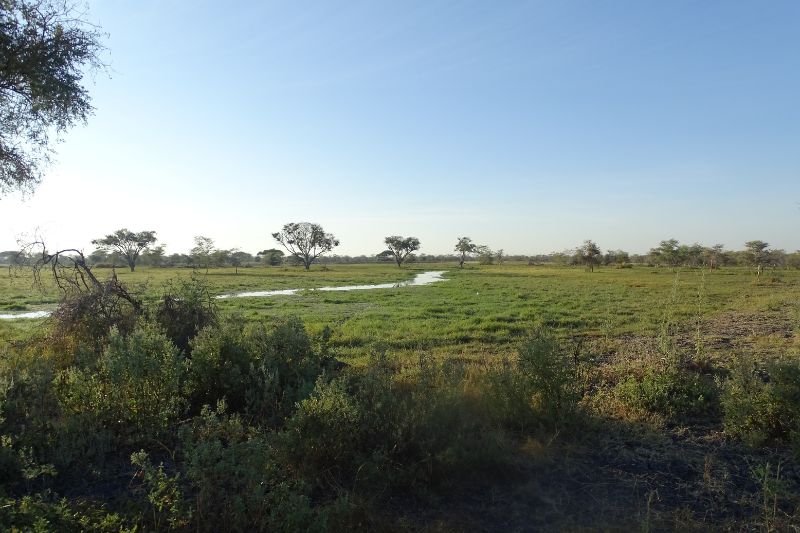
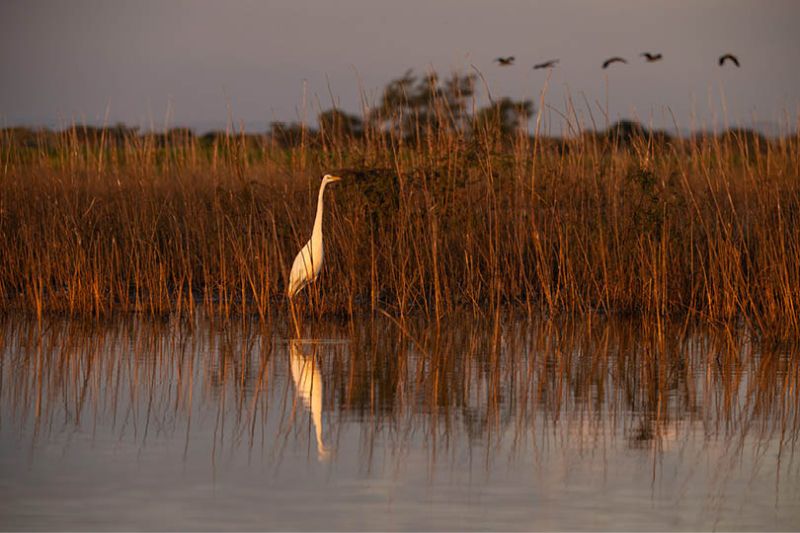
The findings were encouraging, revealing an impressive diversity of habitats including miombo woodlands, the riparian corridor along the Great Ruaha River, open grasslands, seasonal wetlands and of course the Ihefu Marsh. In the dry season, as the water sources shrink, it was discovered that large concentrations of wildlife were drawn to these areas.
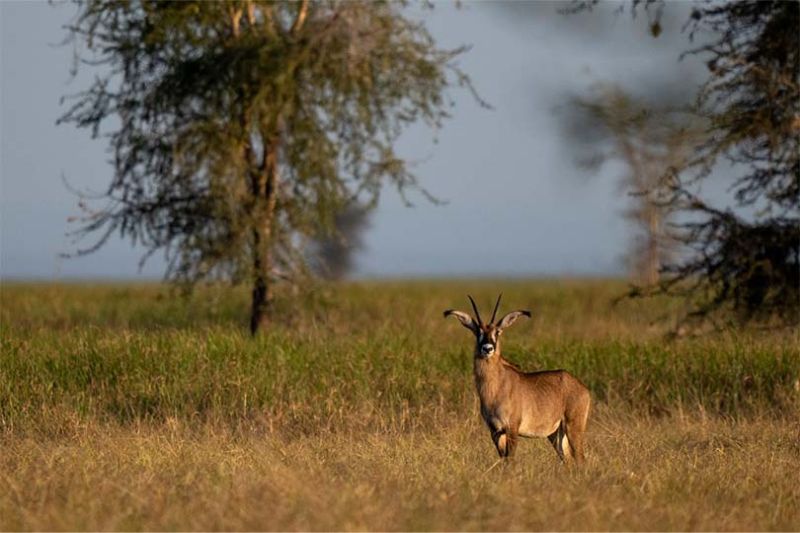
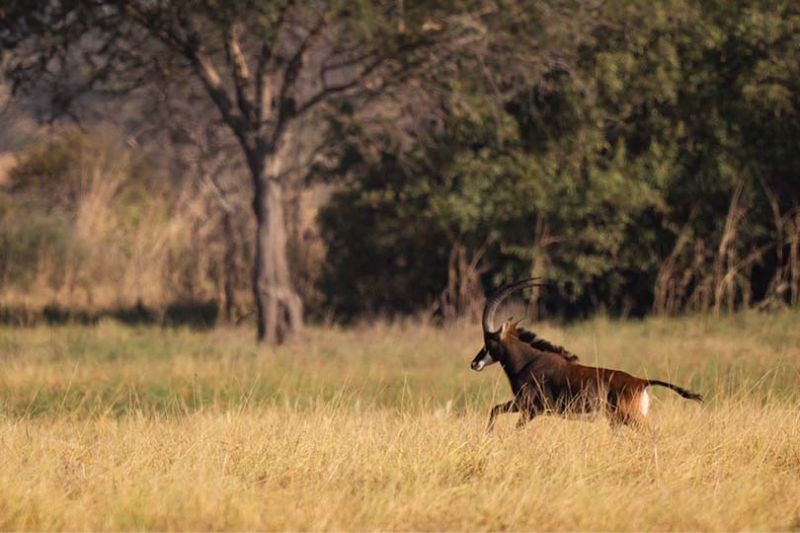
The camera traps delivered exciting results, recording the presence of large herds of roan and sable antelopes as well as consistent captures of predators including lion, leopard, cheetah, and wild dog.
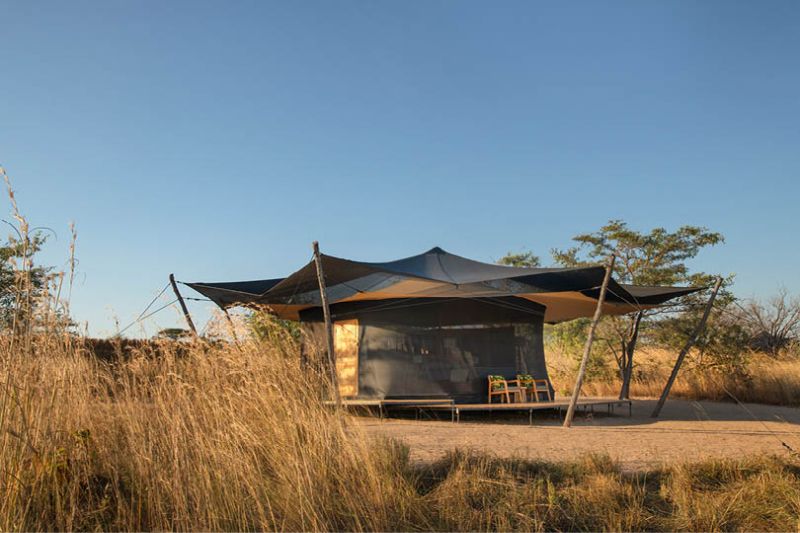
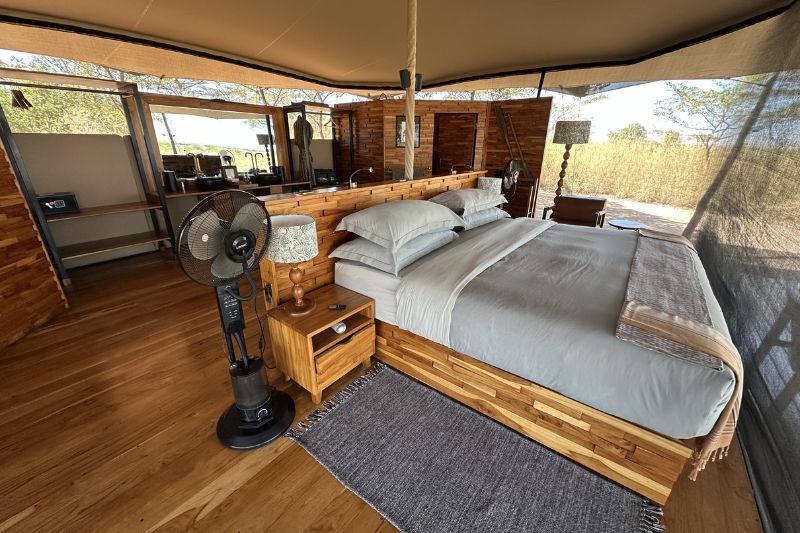
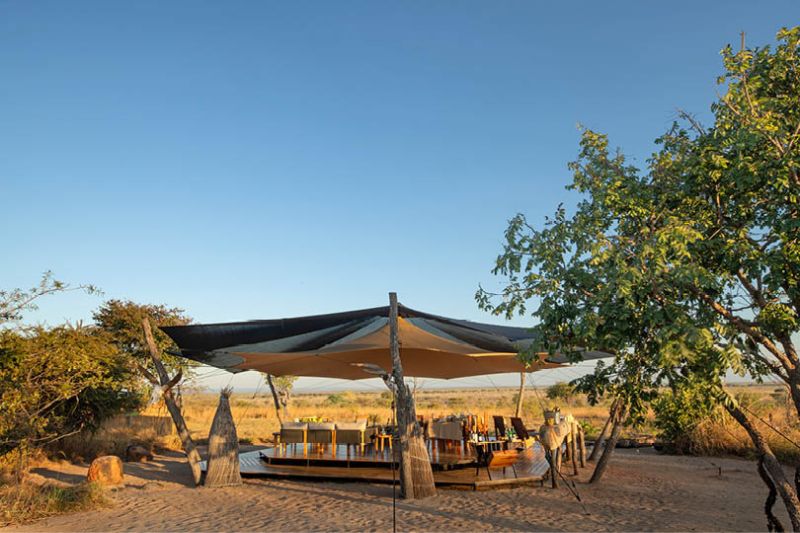
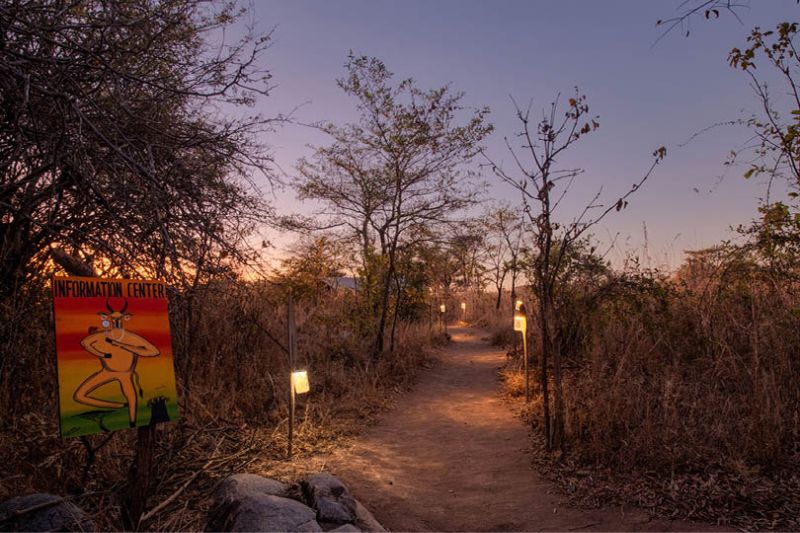
Usangu Expedition Camp
In 2022, Usangu Expedition Camp welcomed its first guests and whilst the camp and the conservation researchers now have different focuses, the camp and its visitors continue to contribute to the area’s ongoing rehabilitation.
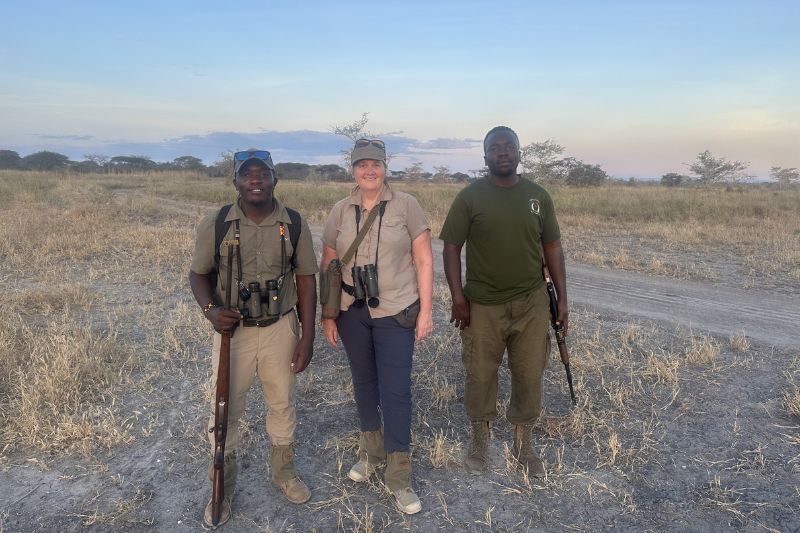
All but six of the staff come from villages just outside of the park, creating a unique atmosphere in camp, shaped by a shared history, a deep connection to the land and a pride in sharing that with their guests. Staff development is actively nurtured and encouraged. Peter, for instance, one of the waiters, started as a room attendant and now confidently recommends wine pairings. Anderson’s story is perhaps the best example of the Asilia Africa’s Positive Impact approach. When he initially started with Asilia he spoke no English and was employed as an ‘eco warrior’ responsible for clearing up the bush. He had a thirst to learn, however, and an ambition to work front of house. With encouragement from staff and guests alike, he learned English, improving his confidence and conversation, and progressed to security, then housekeeping, staff chef, front-of-house waiter and eventually qualified as a guide, a role in which he excels. All achieved within eight years.
The Game Viewing Experience in Usangu
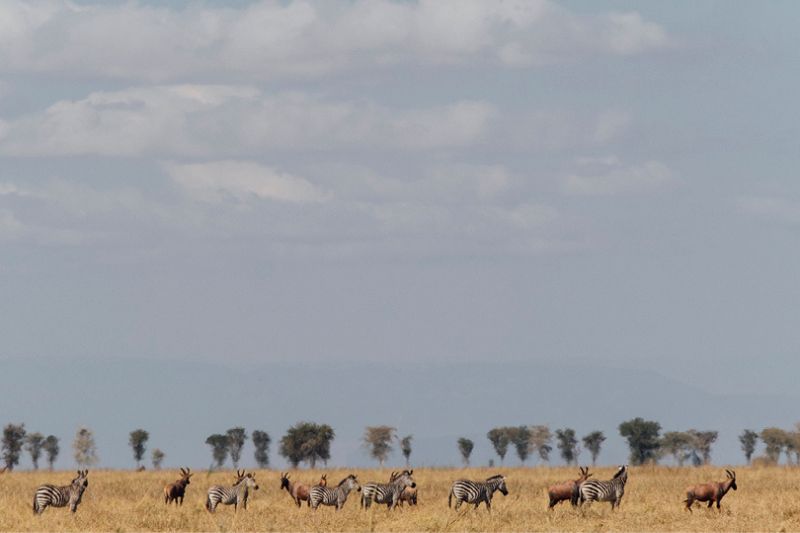
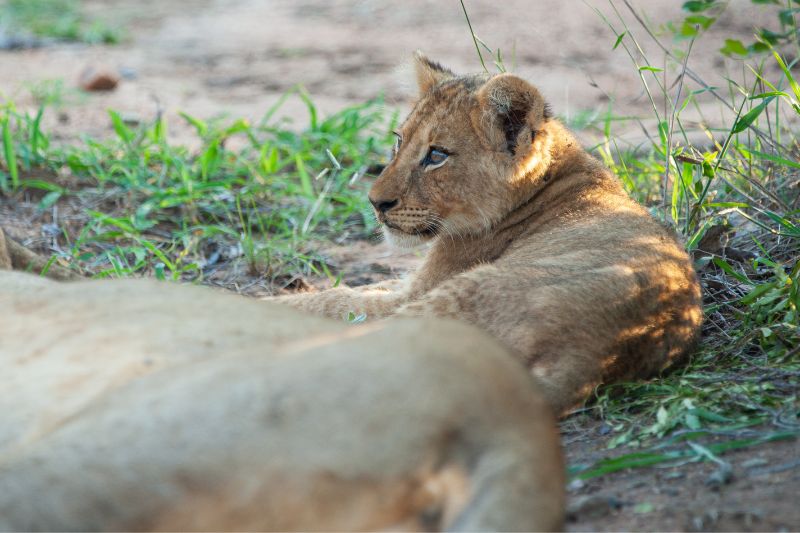
Usangu still bears some of the scars of hunting, poaching, and human encroachment. The wildlife is understandably skittish and up-close sightings remain rare. More than once, I found myself looking at the retreating backsides of animals disappearing into the distance. Rather than feeling disappointed at the distant sightings, however, I found that I was celebrating each one as a small victory in what remains a lengthy process.
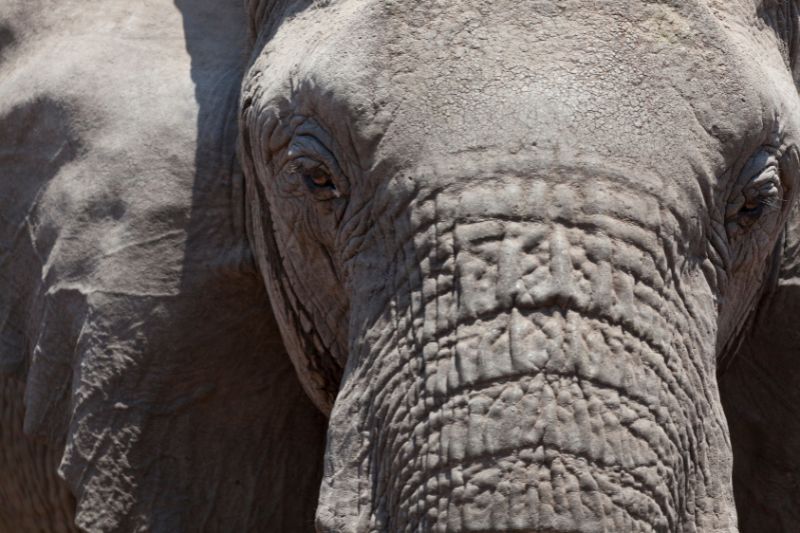
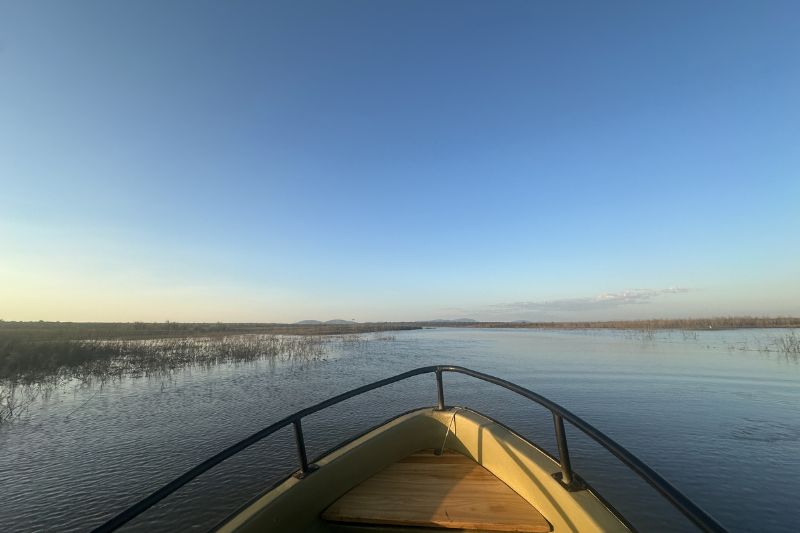
With every game drive, the animals grow a little more accustomed to vehicles and people. In addition to game drives, guests can also explore by boat and on foot. I had a lovely sighting of some relaxed bull elephants while on an afternoon boat cruise, although when walking, the binoculars had to be used to view the beautiful roan antelope that wandered into view.
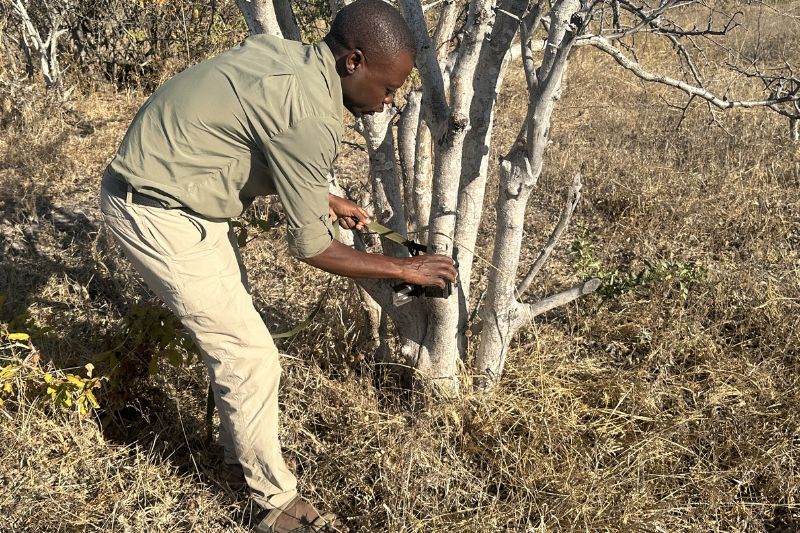
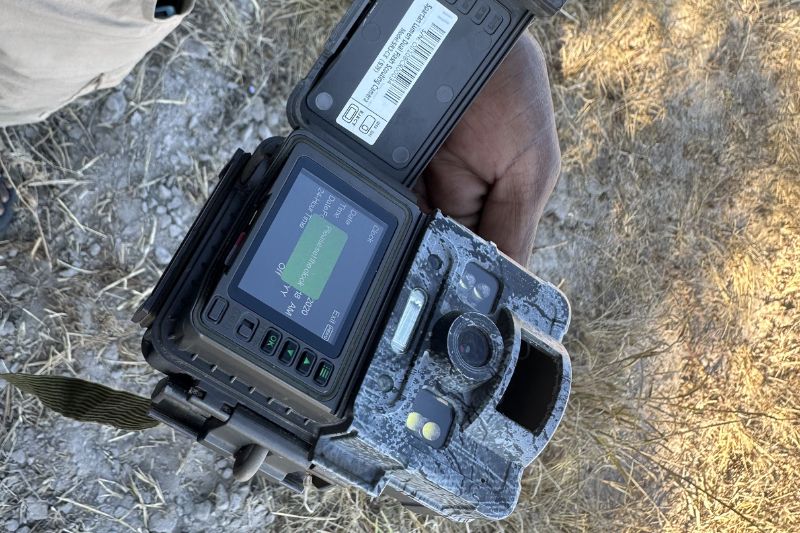
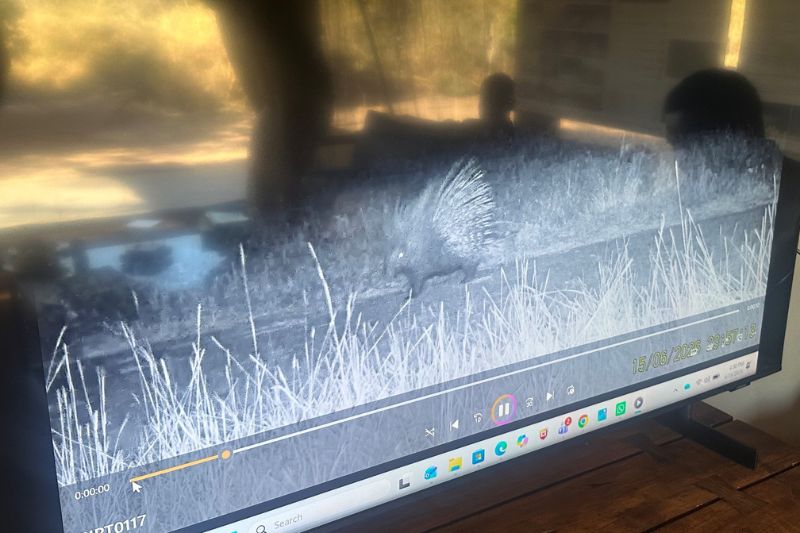
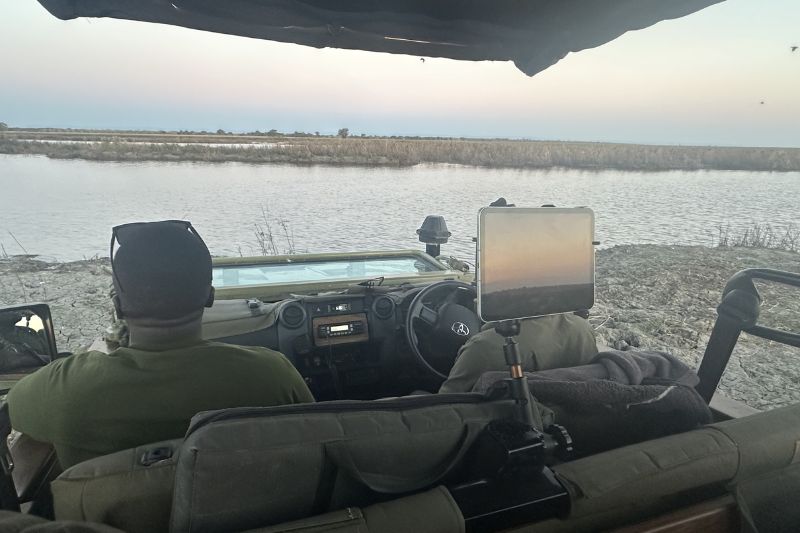
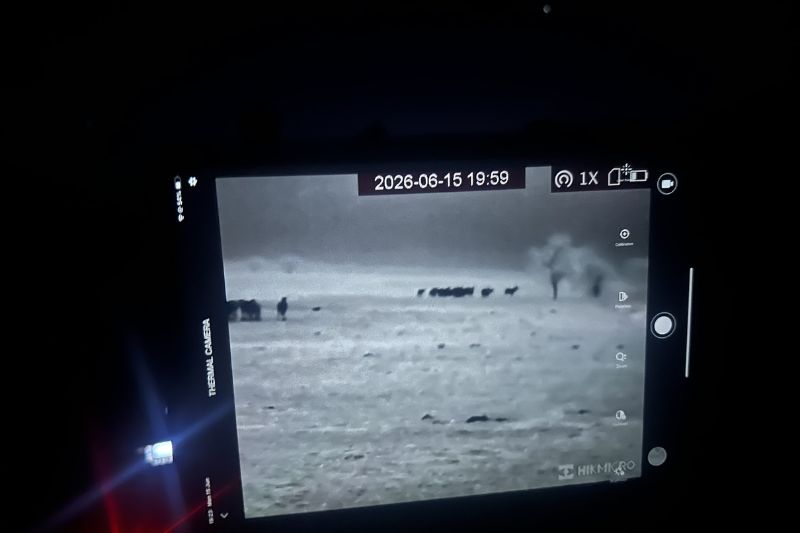
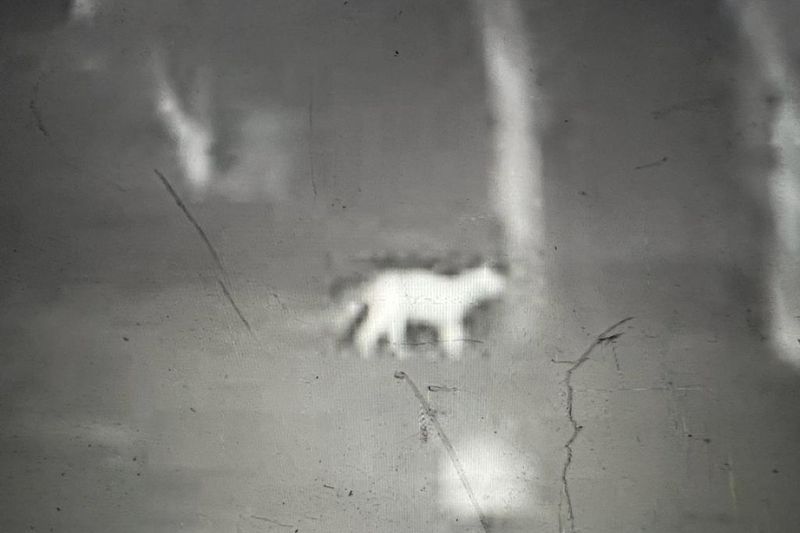
In further efforts to understand and protect wildlife, each visitor to Usangu gets the opportunity to put up a camera trap on their first afternoon and the results are shared on their final afternoon. Guests love this activity and I can see why as I was incredibly excited to find that a porcupine had wandered past one of my traps. Using white lights on night drives can focus unwanted attention on animals and to avoid this Usangu has embraced the use of technology. The guide uses a thermal camera with the images being shown on a screen in the vehicle. Without this, I would not have seen an aardwolf or a family of bat-eared foxes.
How to reach Usangu Expeditions Camp
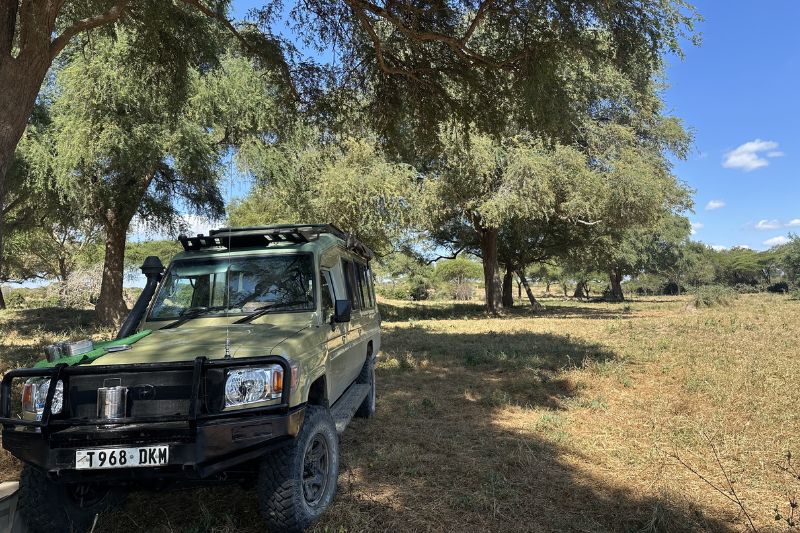
Visiting Usangu is not for the faint-hearted. The closest airstrip, Jongomeru, is a two-hour drive away, through thick miombo woodlands where tsetse flies lie in wait. Being driven in a comfortable, closed vehicle, however, makes the journey bearable and what awaits you at the end makes the journey worthwhile.
Usangu is not a destination for a first safari, or perhaps even a second. For seasoned safari enthusiasts, however, keen to explore an emerging wilderness through a variety of activities while contributing meaningfully and in an insightful way, it is a worthy consideration.
The Future for Usangu
Wildlife habituation in a newly opened area takes a long time – often as long as 10 years. Habitat restoration can take longer. Finding a sustainable compromise with the rice farming operations and their use of water is a further ongoing challenge, so there is still a lot of work to be done.
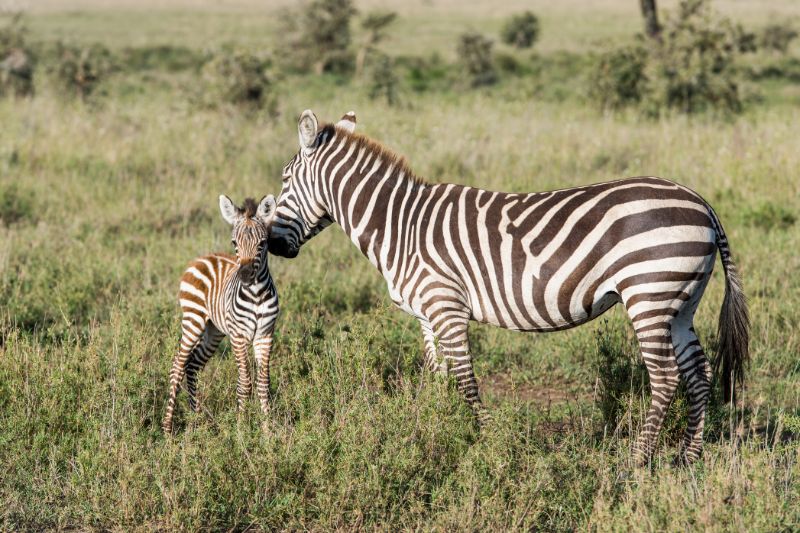
Tourism, however, has given the process a kick start and there are already signs of progress. Grasslands which were previously overgrazed have bounced back remarkably quickly, resulting in large herds of herbivores, especially in the dry season. The giraffe population is growing. It would also appear that lions are establishing a territory in the area instead of just moving through. And hyenas are beginning to return.
So long as people continue to visit this quiet corner of Tanzania, the outlook for the restoration of Usangu will be promising.
Inspired to visit Usangu? We would be delighted to help you plan the perfect trip. Contact our expert travel team on +44 (0) 1787 888590 or reach out via our contact us page.
