Onguma Tented Camp
Onguma Tented Camp Is A Luxurious Tented Lodge In The Private Onguma Nature Reserve Bordering Etosha National Park.
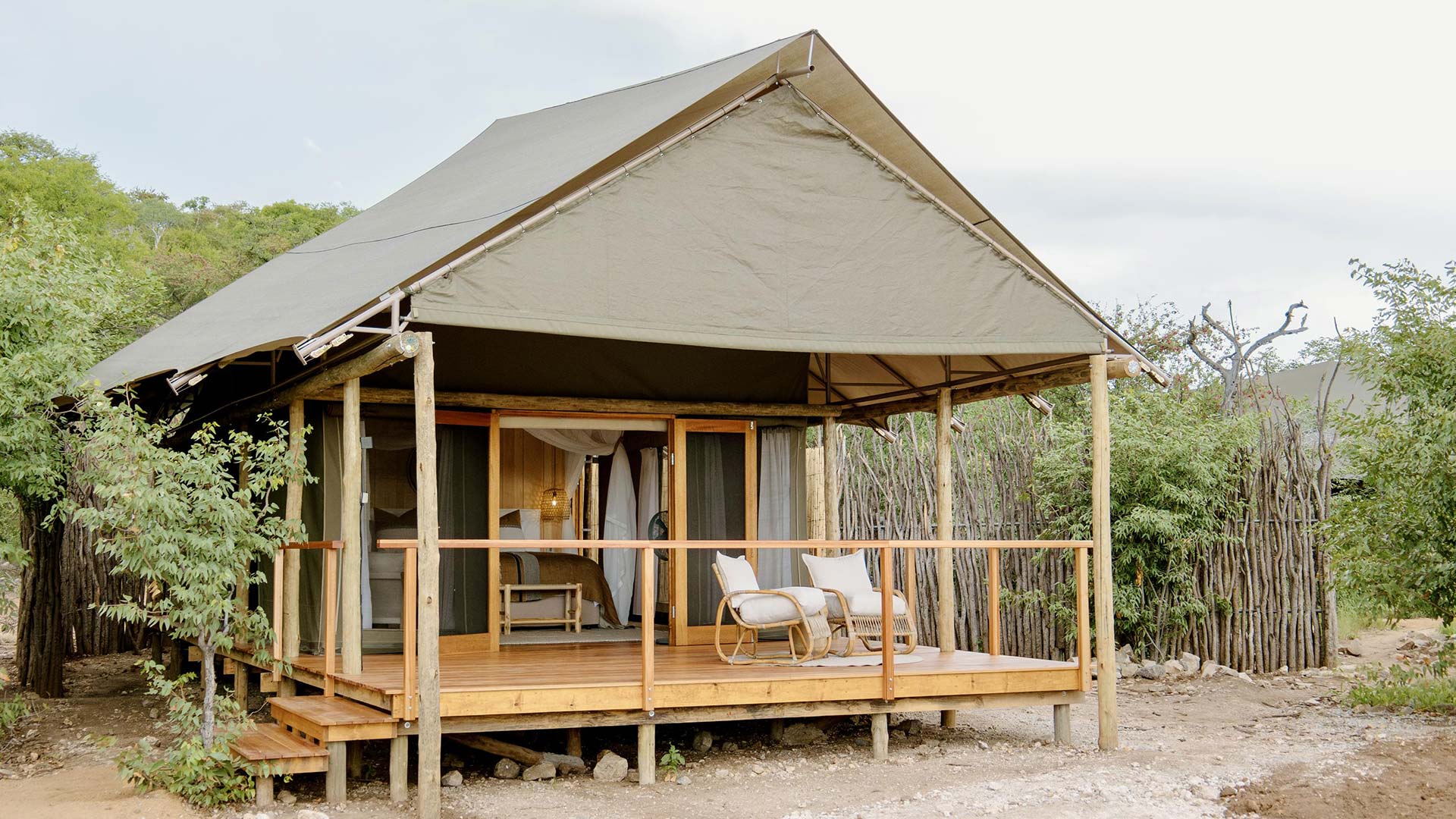
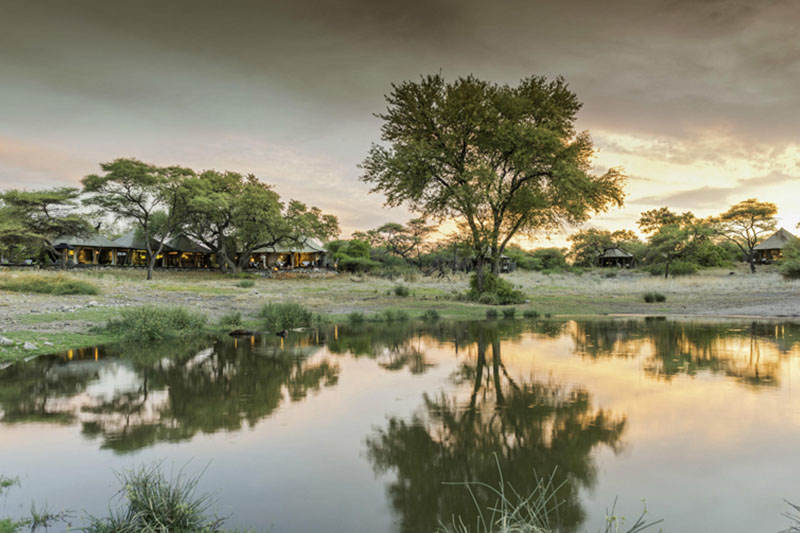
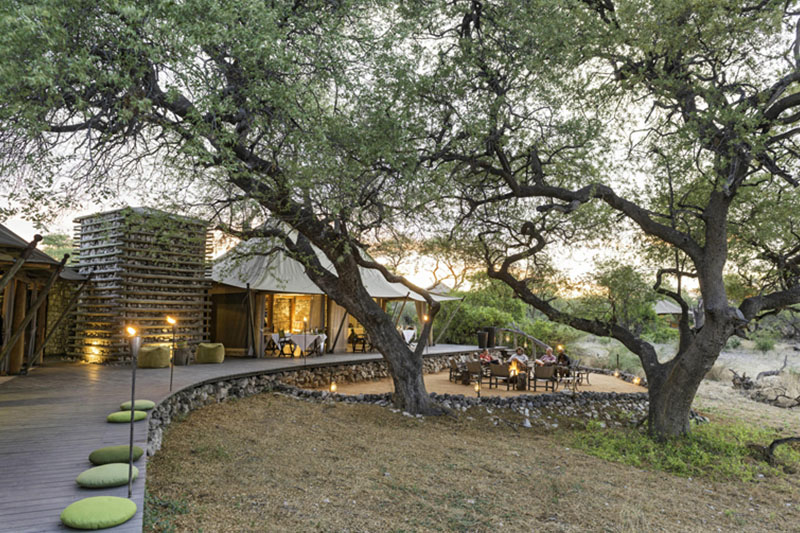
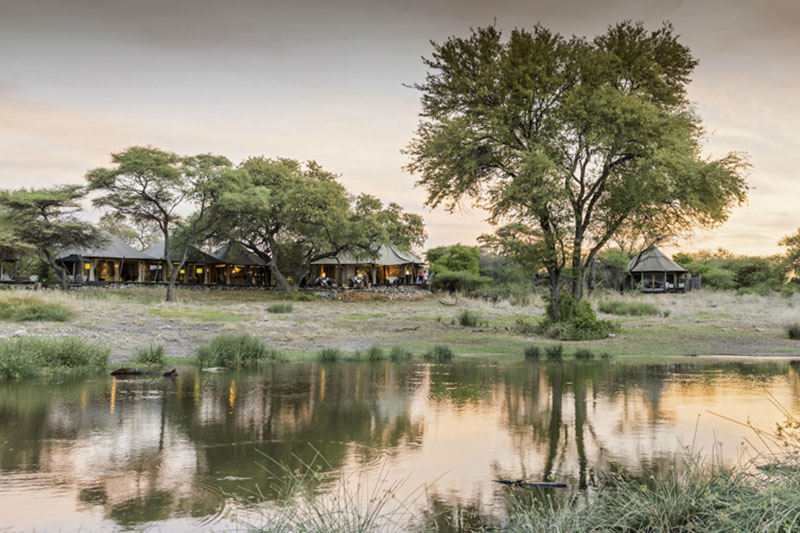
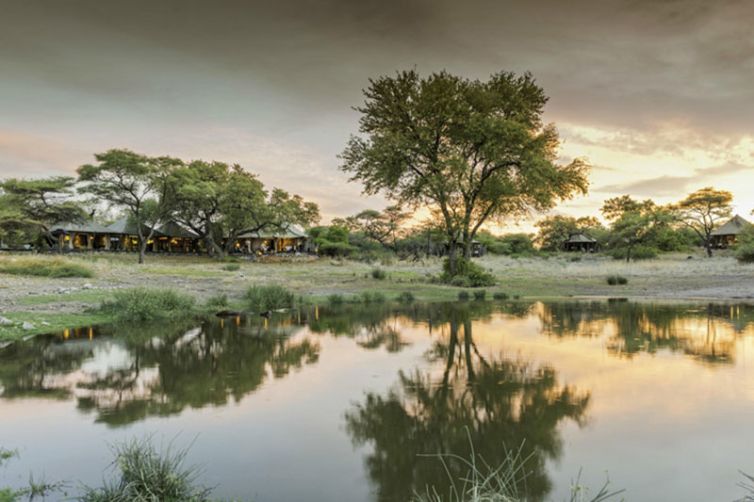
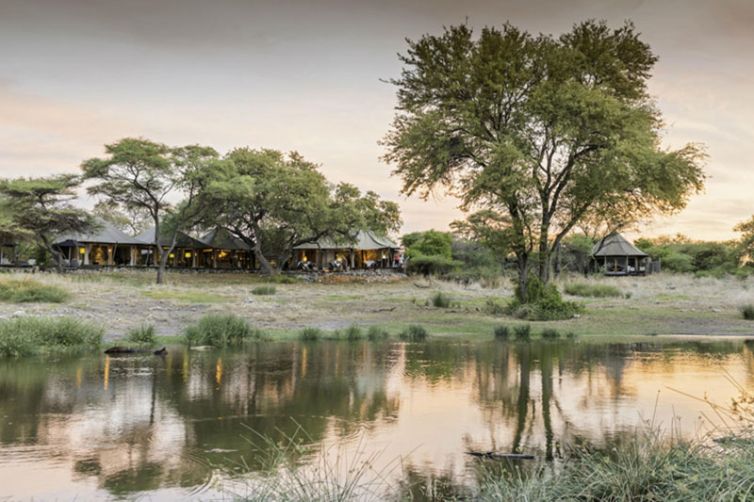
Onguma Tented Camp is a stylish and exclusive tented lodge nestled into the Onguma Nature reserve on the eastern boundary of Etosha. The lodge has a sophisticated feel, with good food and service, but being tented it retains an authentic bush atmosphere. Being located on Onguma allows the opportunity to combine exploration of the eastern side of Etosha National Park with more flexible and exclusive local activities on the Onguma Nature Reserve.
Rooms
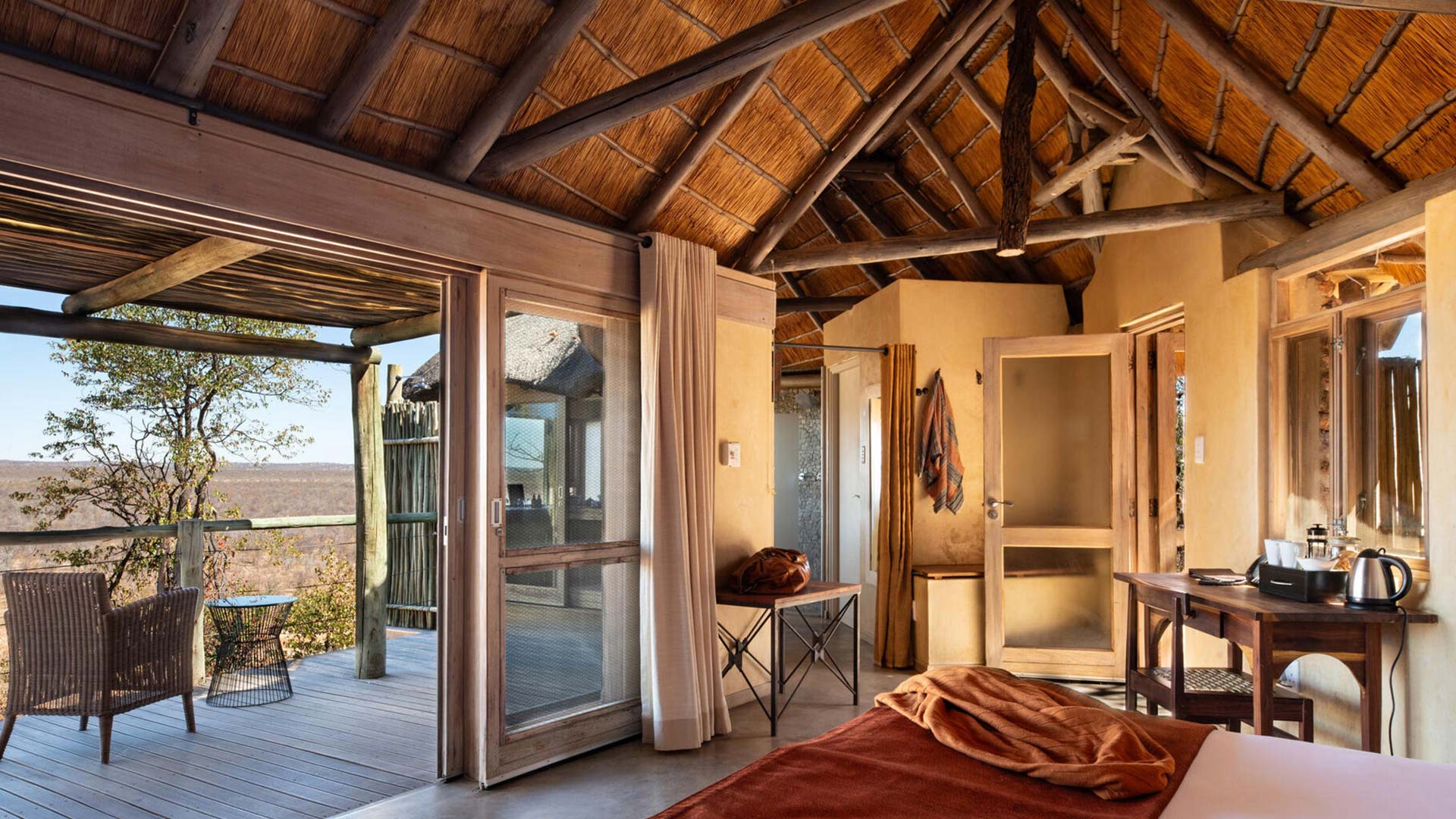
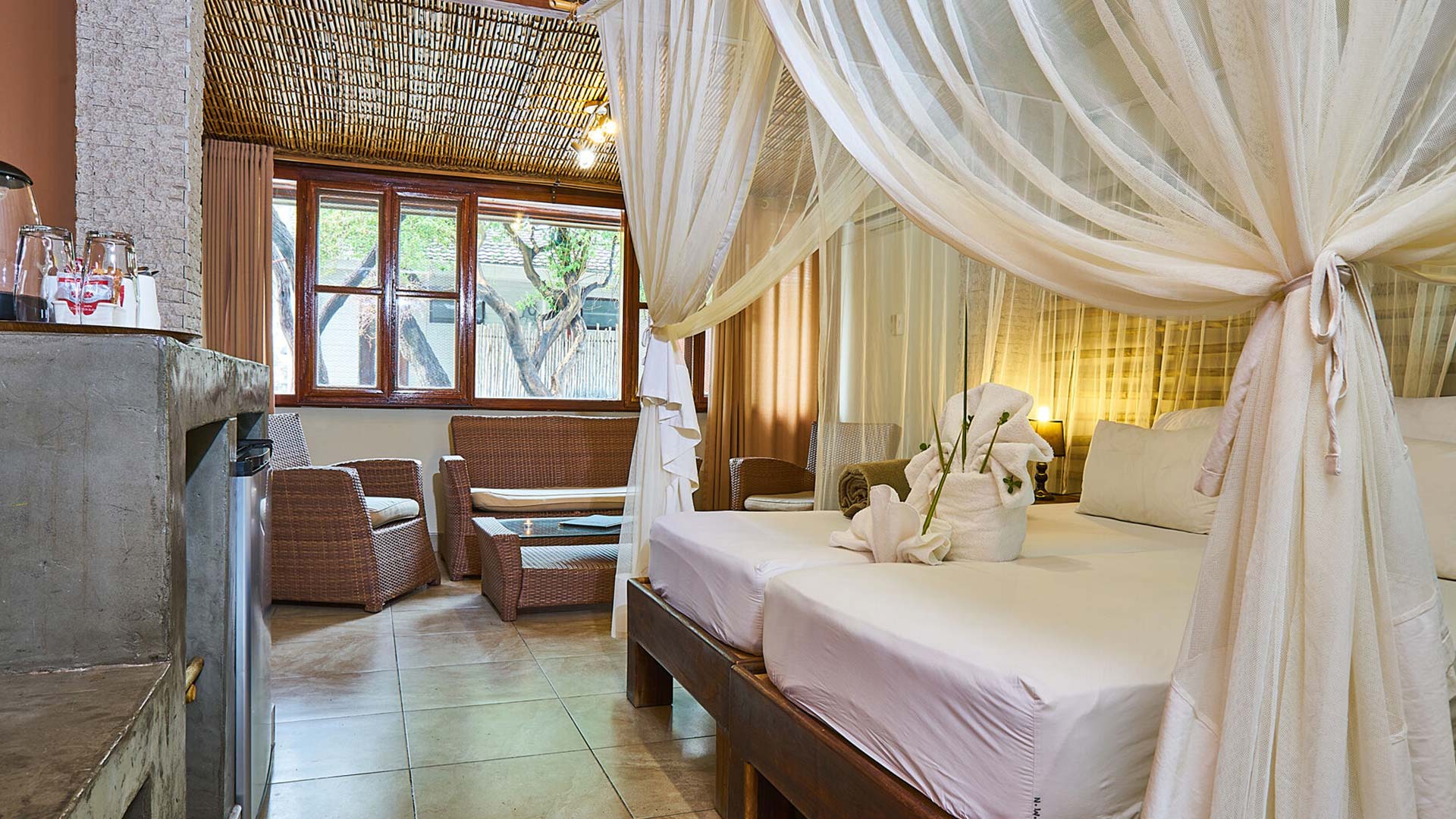
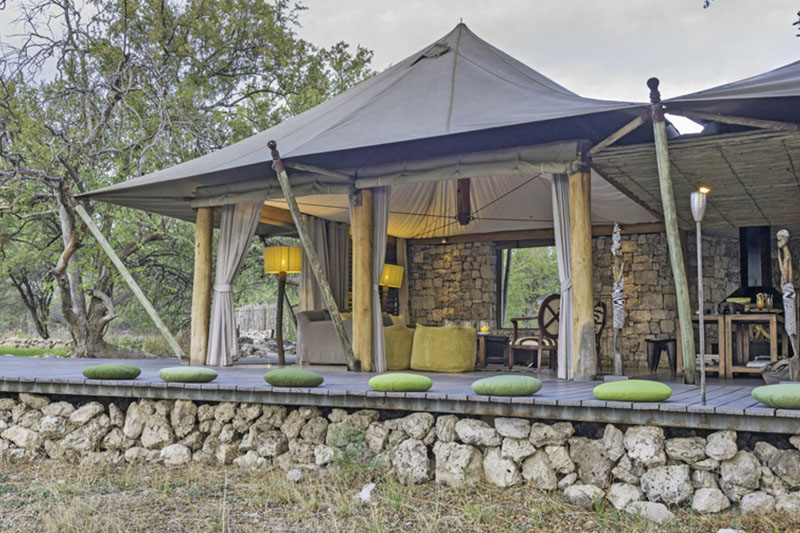
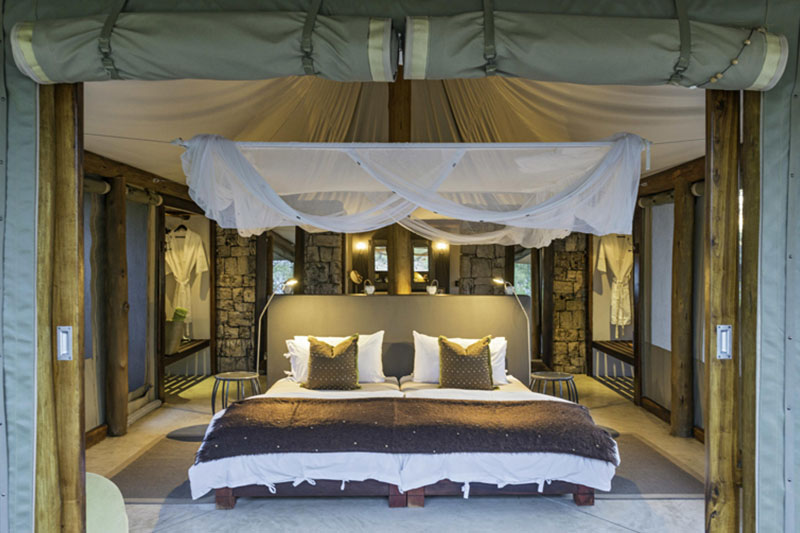
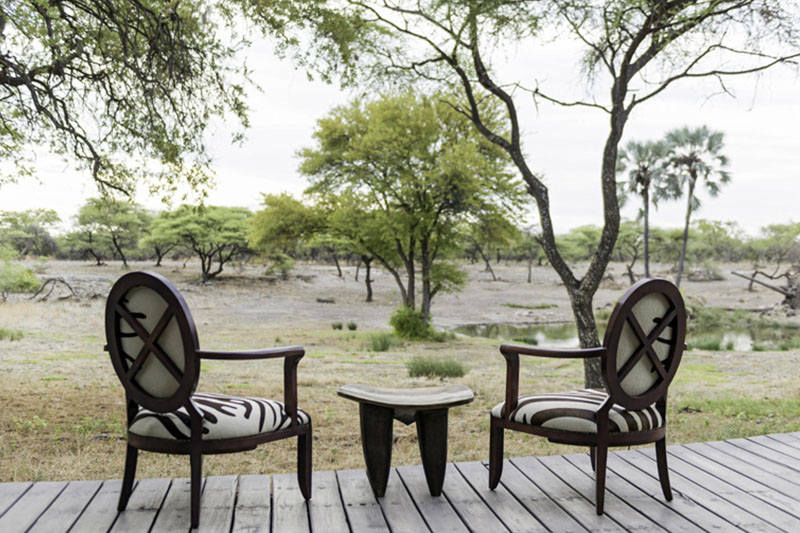
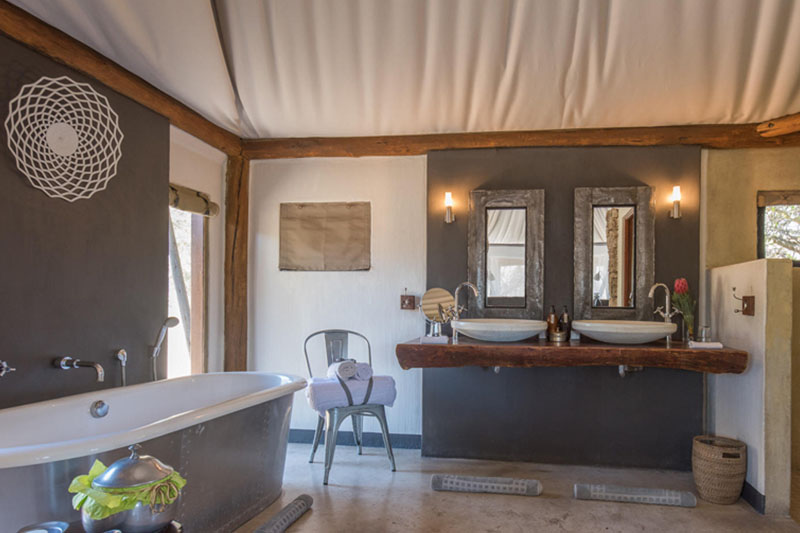
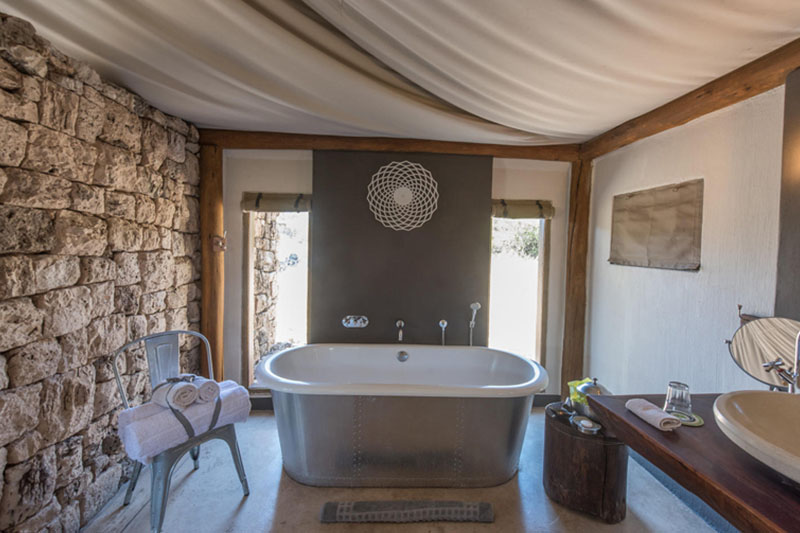
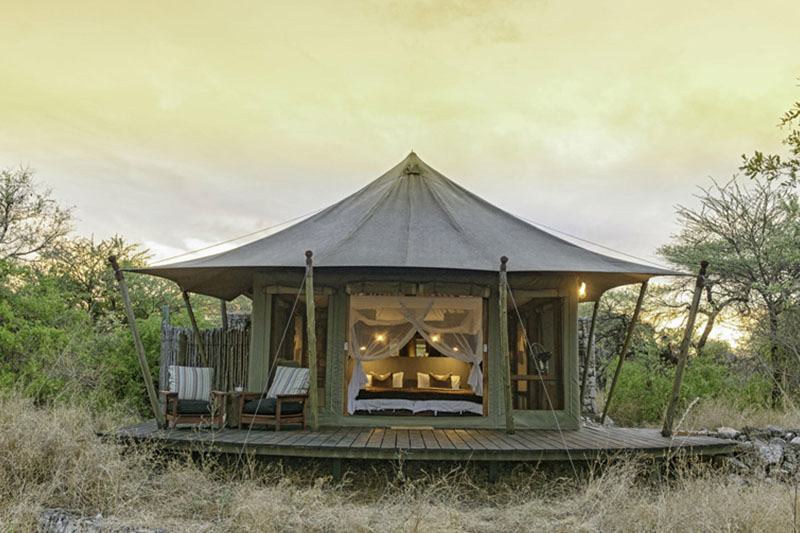
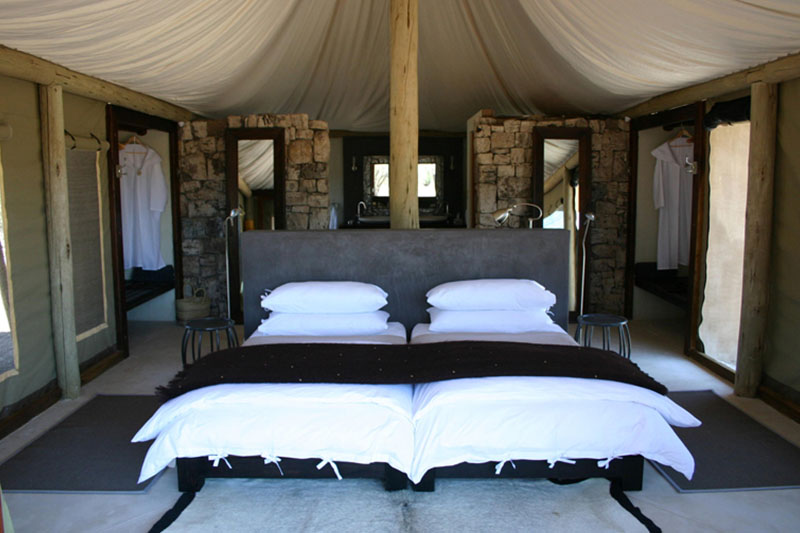
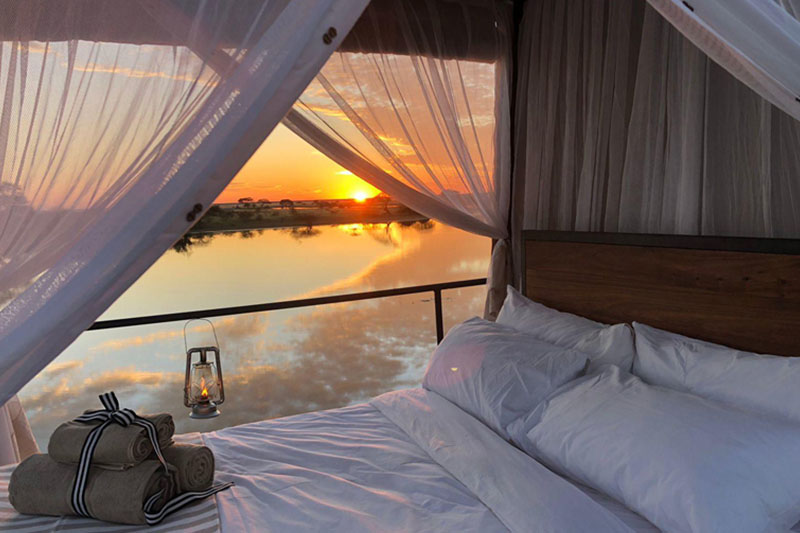
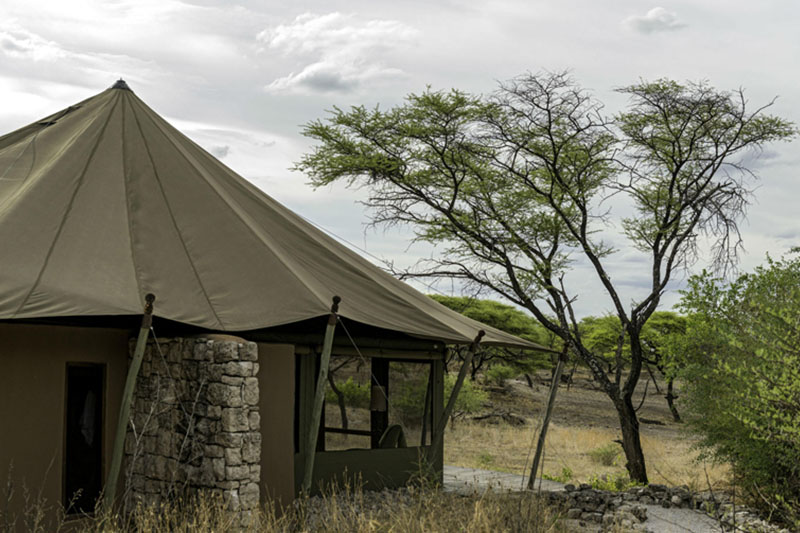
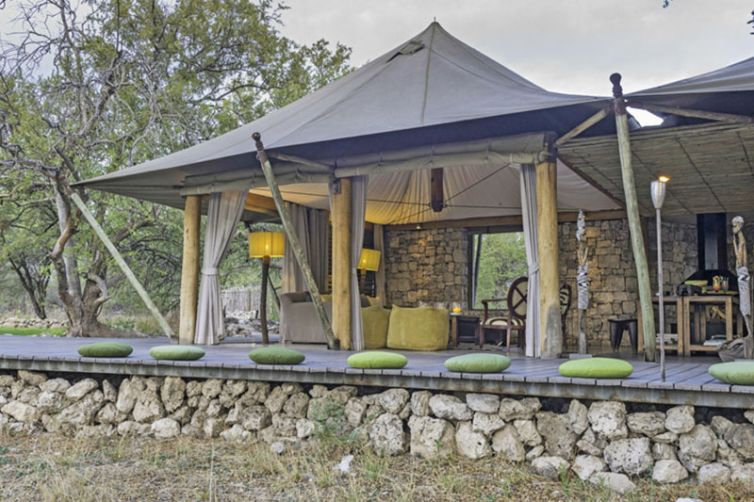
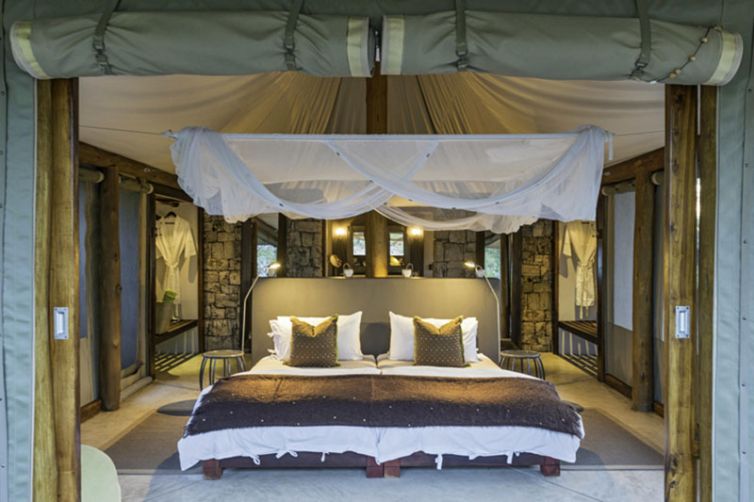
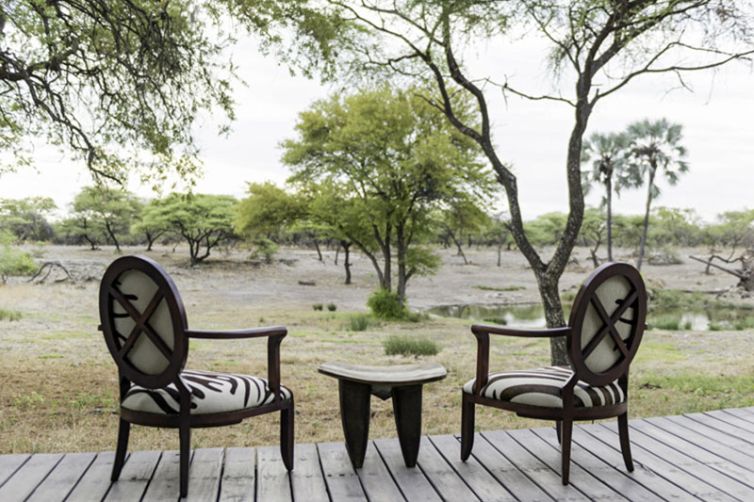
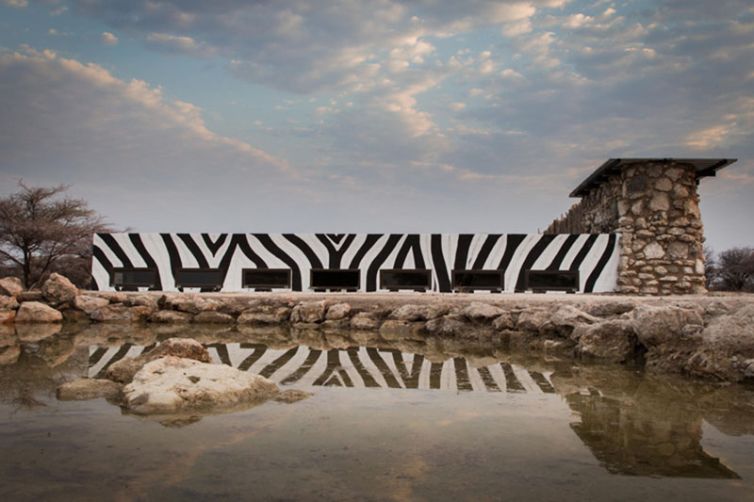
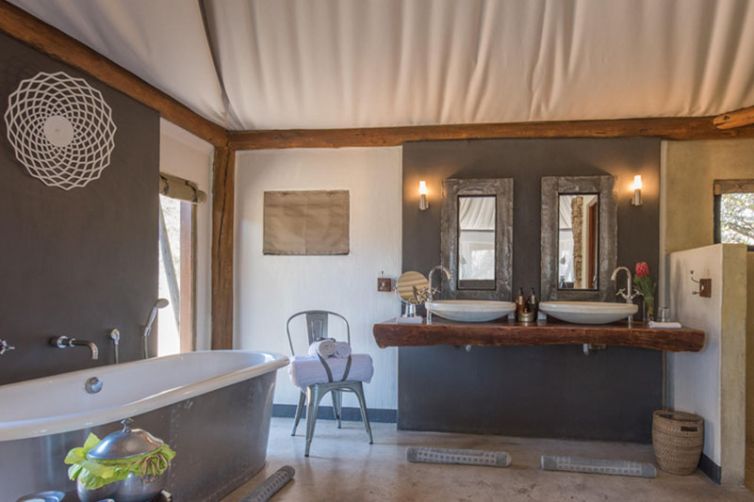
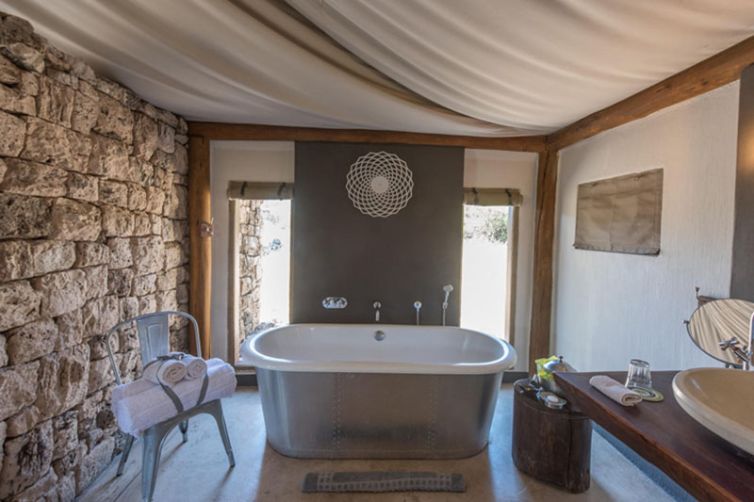
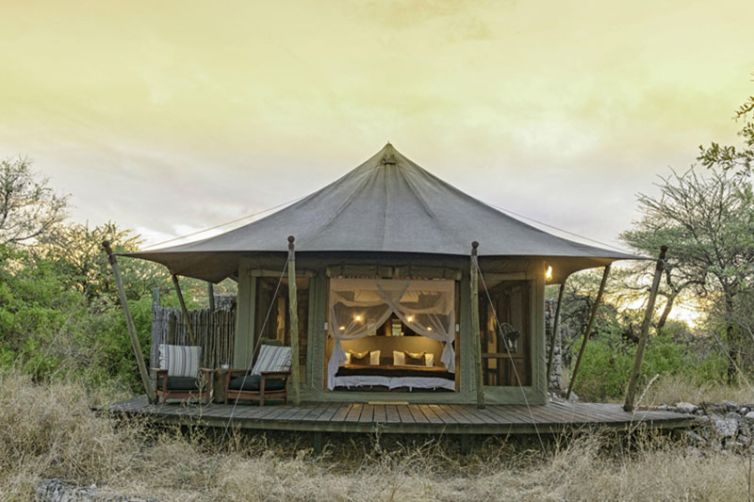
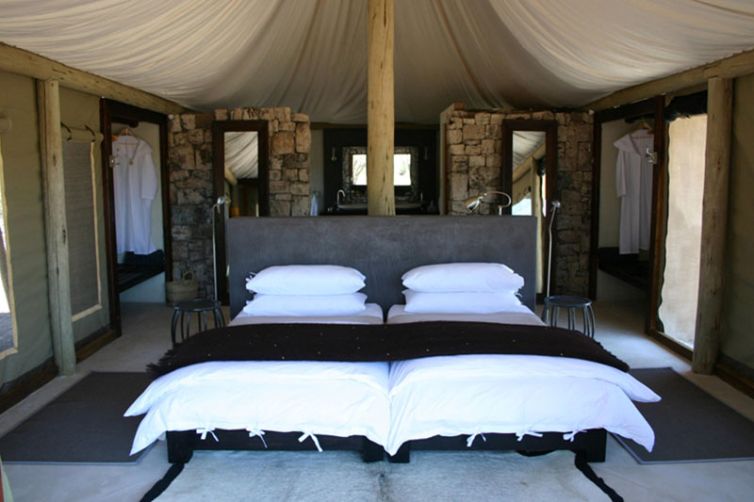
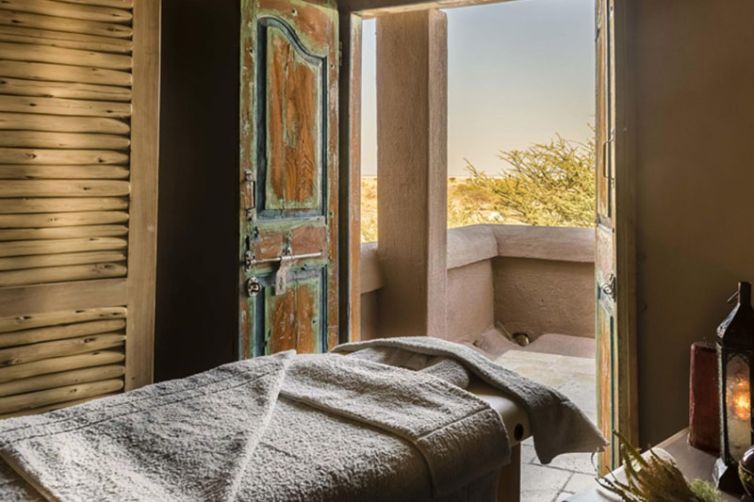
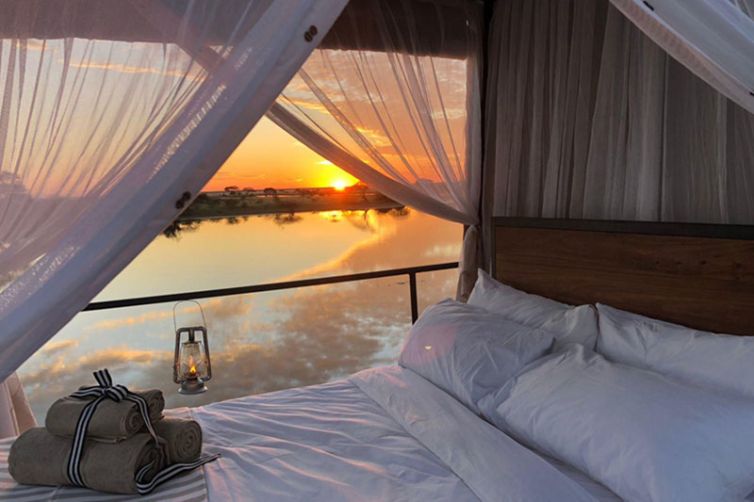
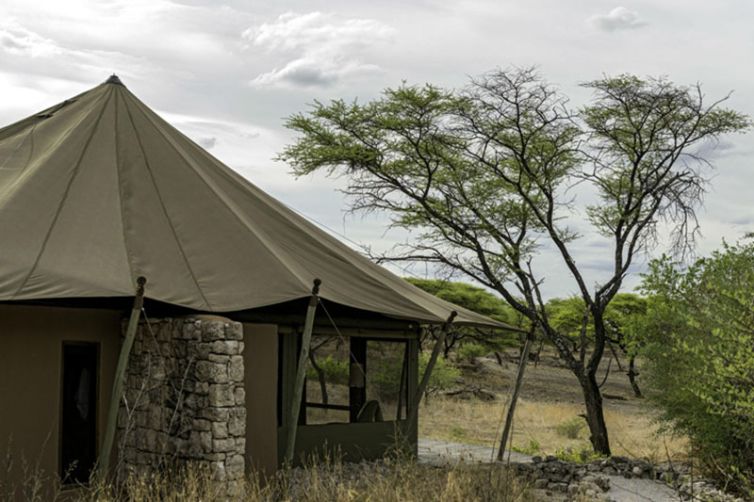
The camp caters for 14 guests in seven luxury tents, built onto low wooden decking with views of the camp waterhole. En suite facilities include an indoor and outdoor shower and a bath, and each tent has a shaded deck with wood-fired hot tub. Tents are also equipped with an evening breeze air conditioning unit and tea and coffee making facilities.
Central Areas
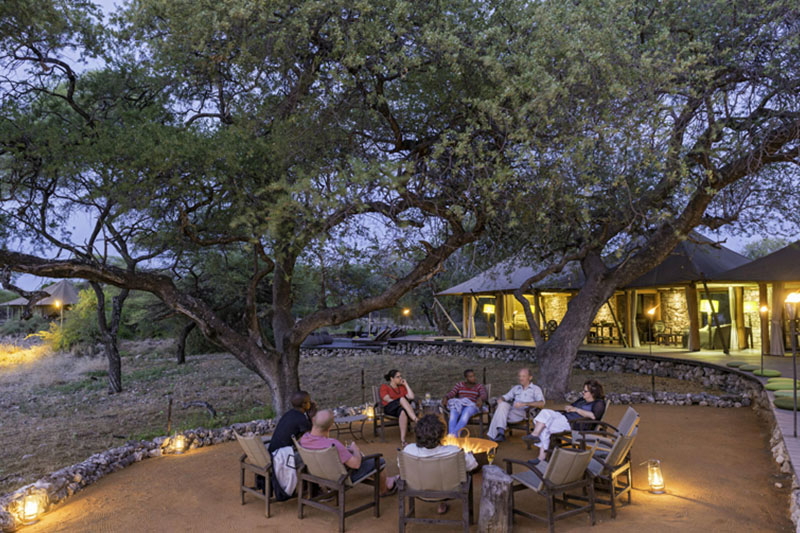
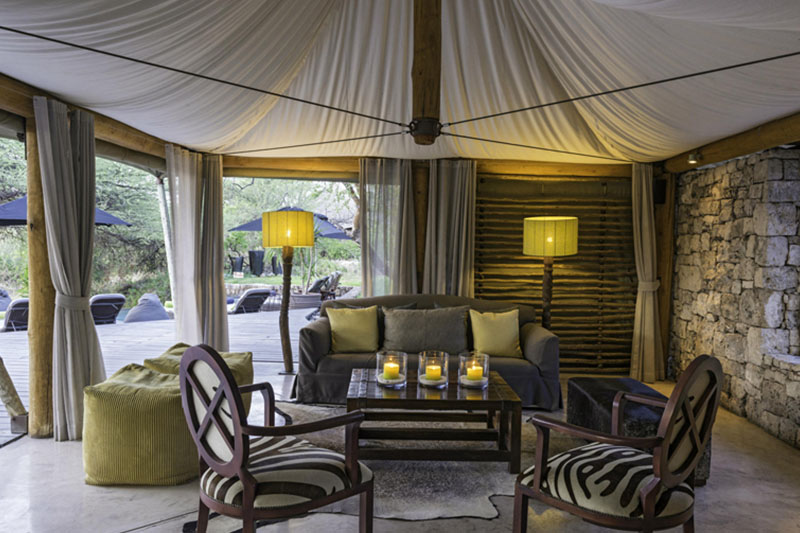
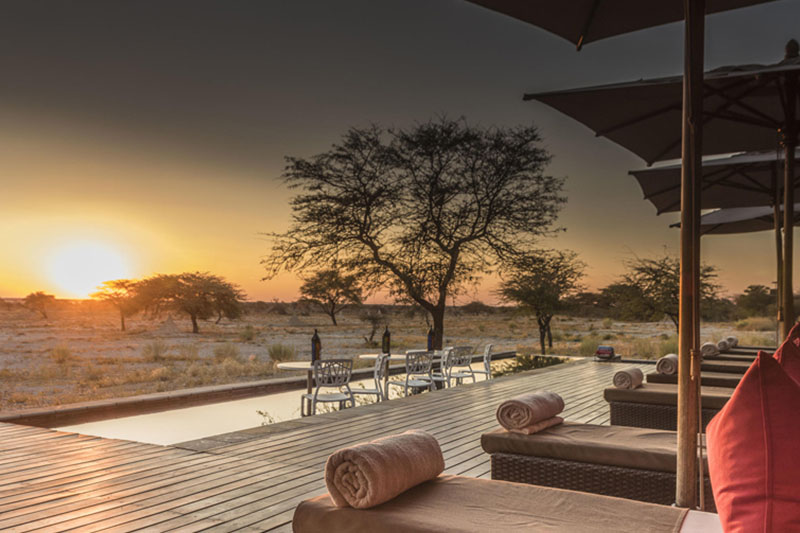
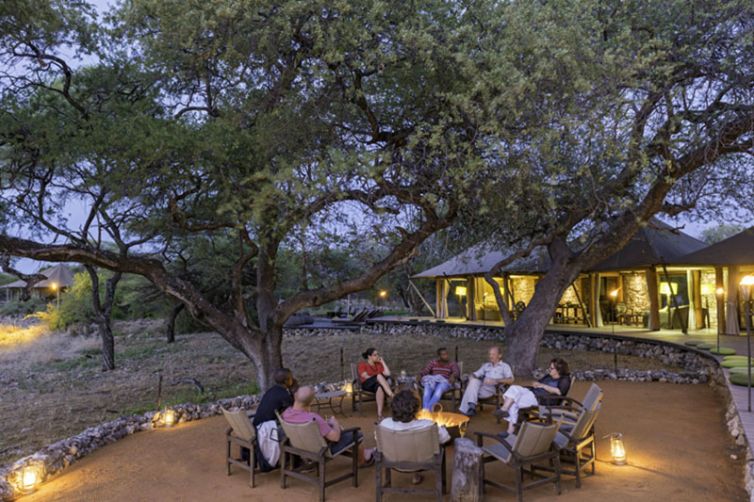
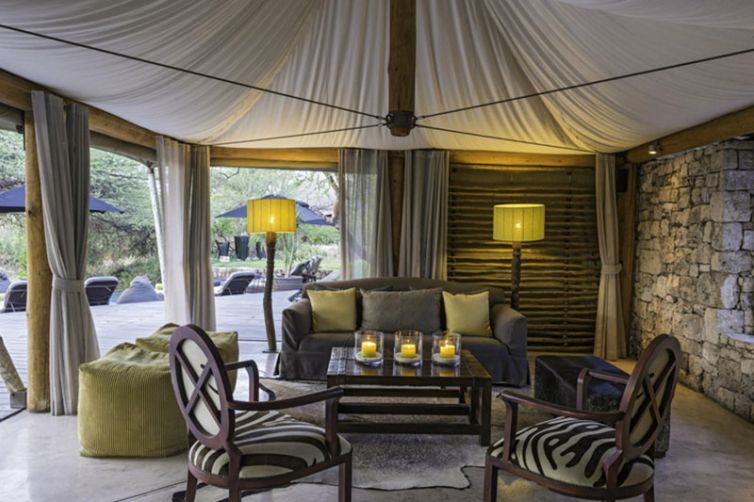
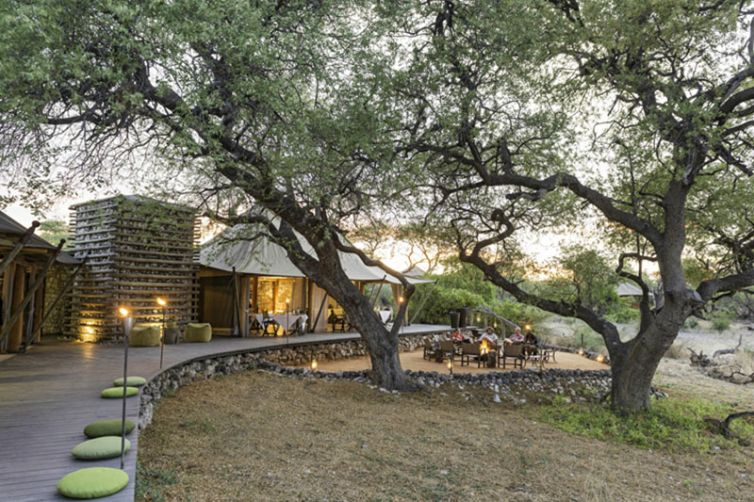
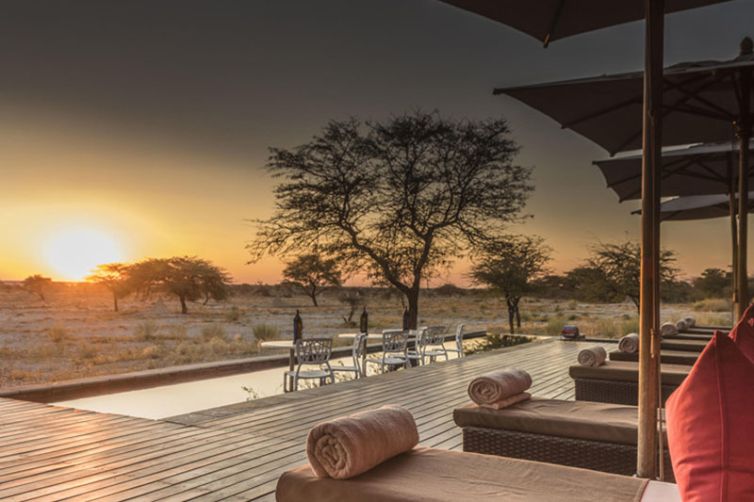
The central dining area and lounge is built under canvas on raised wooden decking, and there is a small swimming pool, a shop and a fire pit area.
Facilities
Wi-Fi – Yes
Power for Charging – Yes
Swimming – Yes
Area
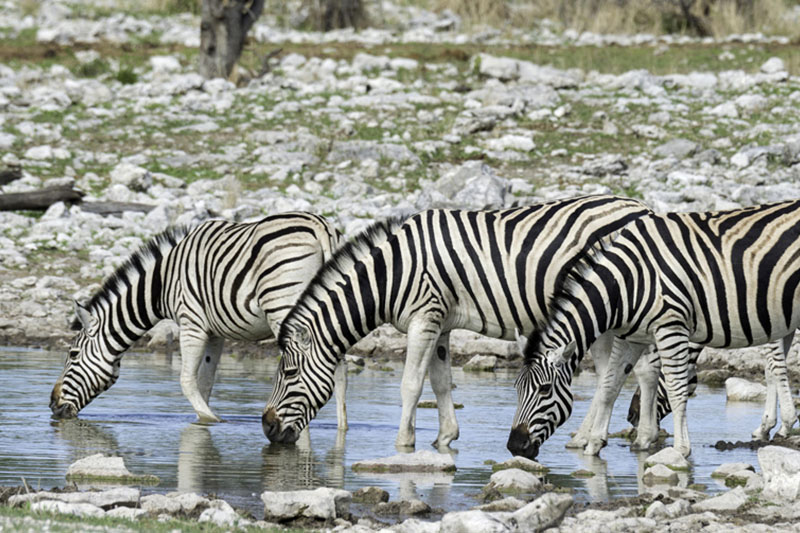
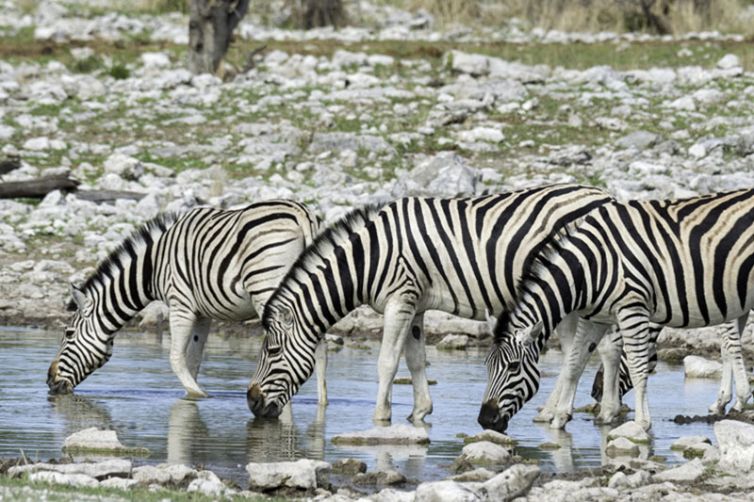
The 22,270 sq. kms Etosha National Park was proclaimed a game reserve as early as 1907 (after years of being a hunter’s paradise), but it was not until 1958 that it gained its National Park status. The famous pan, which covers an area of some 4,900 sq. kms. was discovered in 1815 and, according to geologists, is the remains of a huge inland lake, fed millions of years ago by the Kunene River, which changed course causing the lake to shrink to its present size. During the rains, the pan does hold sufficient water to enable millions of waterfowl to descend onto it, including greater flamingo, which breed here. The extensive habitat is home for some 340 species of birds, including the ostrich, kori bustard, black-bellied korhaan and red-crested korhaan; numerous species of francolin, vulture, hawk, eagle, plover, rollers and waterbirds such as Egyptian geese, spoonbill, avocet, ducks and storks; and finally, the stunning crimson-breasted shrike. Strangely, there is also a rather special small population of blue crane. The vegetation varies from the desolate sands of the pan and the surrounding grass plains (of salt-loving grasses and shrubs) to deciduous bush and mixed woodland. Animals to be seen include elephant, lion, cheetah, leopard, eland, black rhino, kudu, hartebeest, giraffe, zebra, wildebeest, black-faced impala, springbok, gemsbok and the small Damara dik dik. Bat-eared fox, jackal and hyaena are also common. The best way to game-view through the park is to spend time visiting the various waterholes which are found south of the pan itself. These attract a wide range of wildlife species.
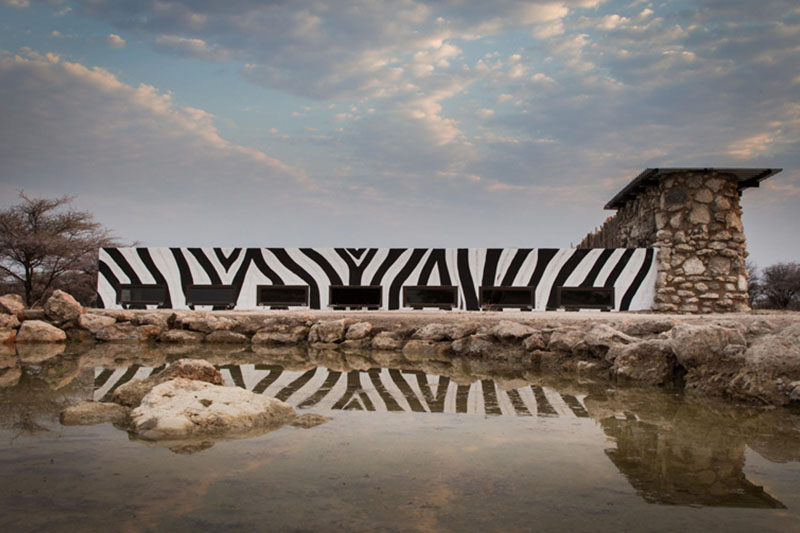
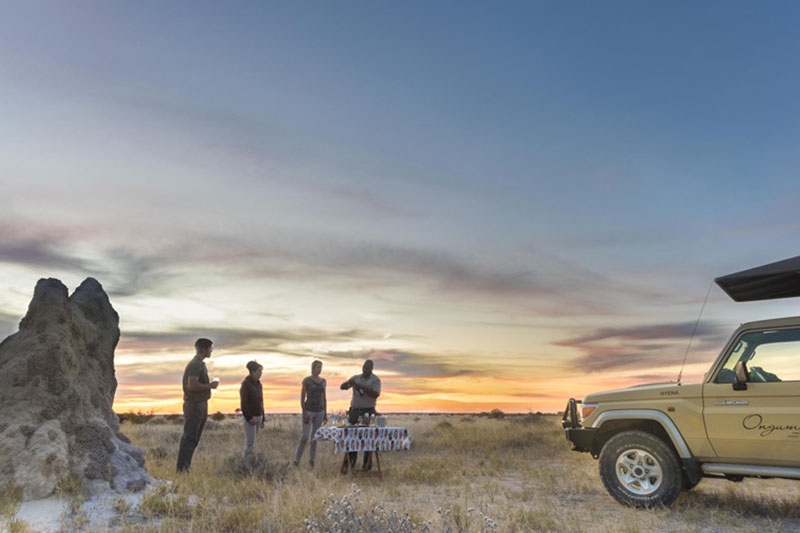
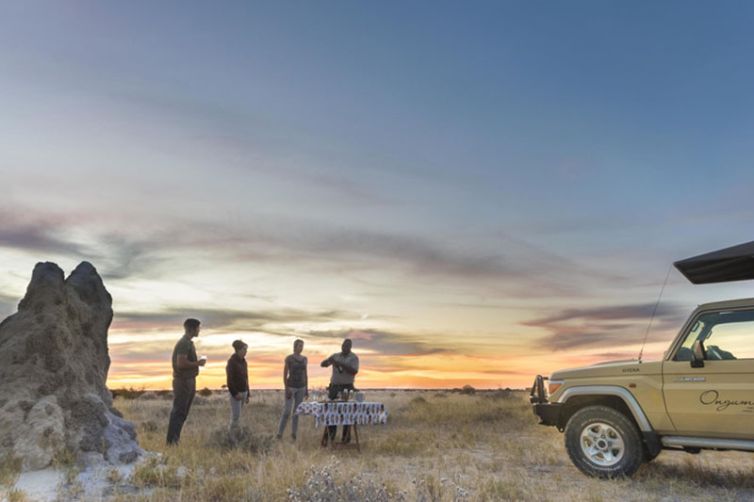
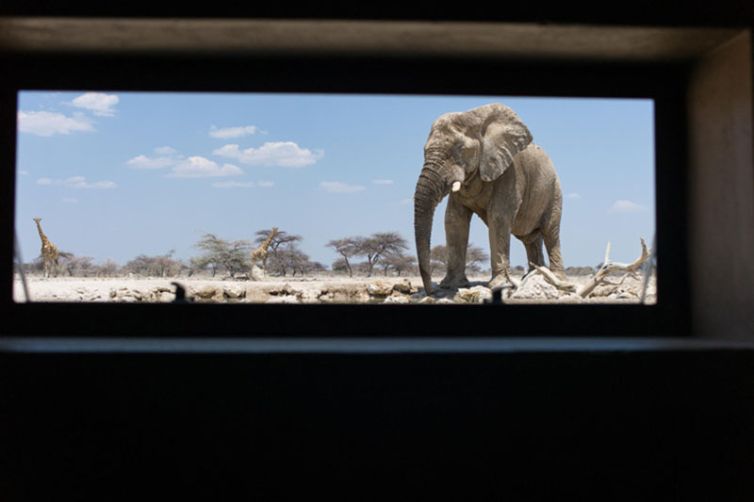
The Onguma Nature Reserve is 35,970 hectares in size bordering the eastern edge of Etosha National Park. It is home to over 300 species of birds and a variety of plains game and predators such as lion, leopard, cheetah and hyena. Whilst longer game drives in search of big game will usually enter the National Park, the reserve is ideal for relaxed sundowner drives and more varied activities such as bush meals, bush walks and a visit to the Onkolo Hide.
Activities
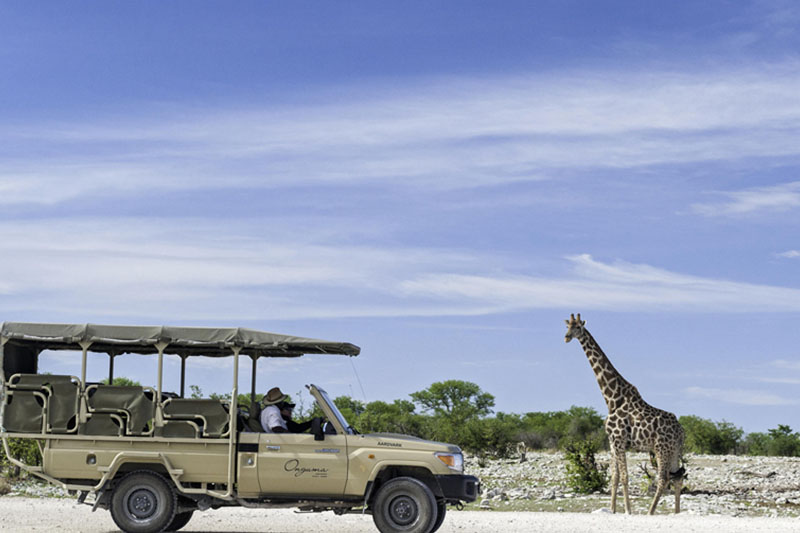
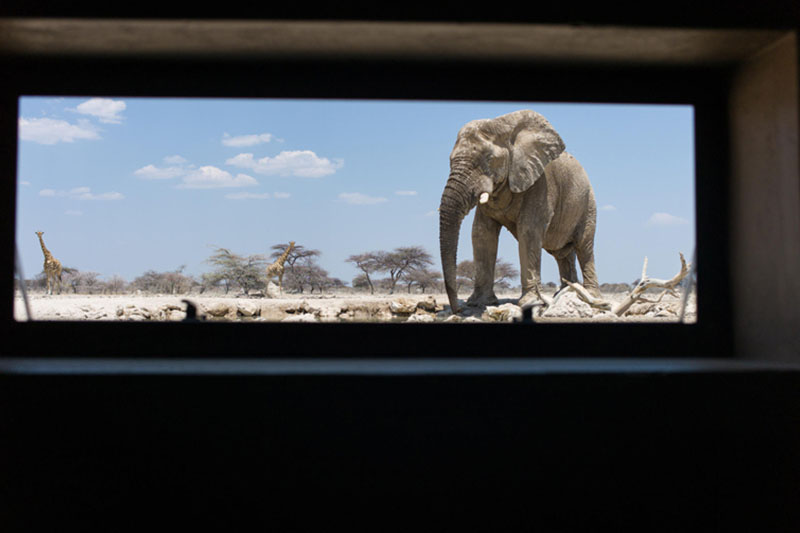
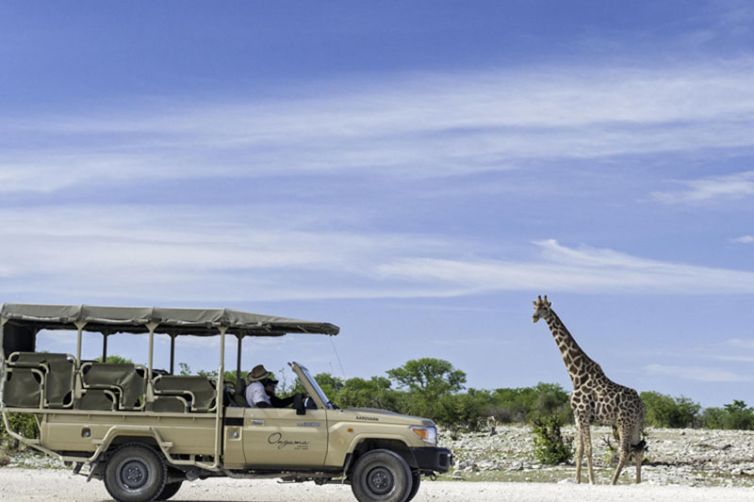
A range of activities are included in your stay and these include a morning Etosha drive and sundowner drive on Onguma Reserve which are scheduled daily – other activities can be substituted subject to availability including a nature walk (minimum age 16 years)/Young Explorer’s Walk, hide viewing activity in the water level Onkolo Hide or a sunrise drive on the Onguma Reserve.
For anyone looking for a more immersive experience with a unique perspective, the hide activity can be enhanced with a ‘soundscapes’ experience at extra cost: using a network of sensitive microphones discreetly and strategically positioned around the hide, the system captures and amplifies the sounds of the surrounding bush, far beyond what the human ear alone can detect.
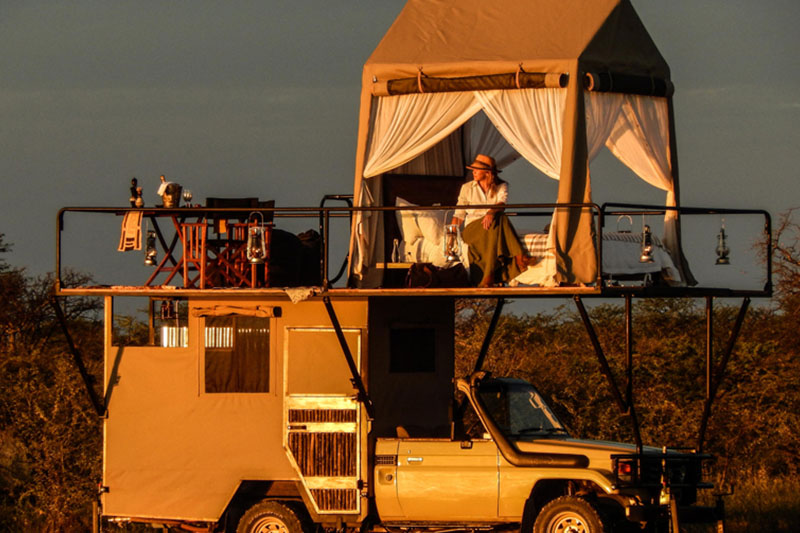
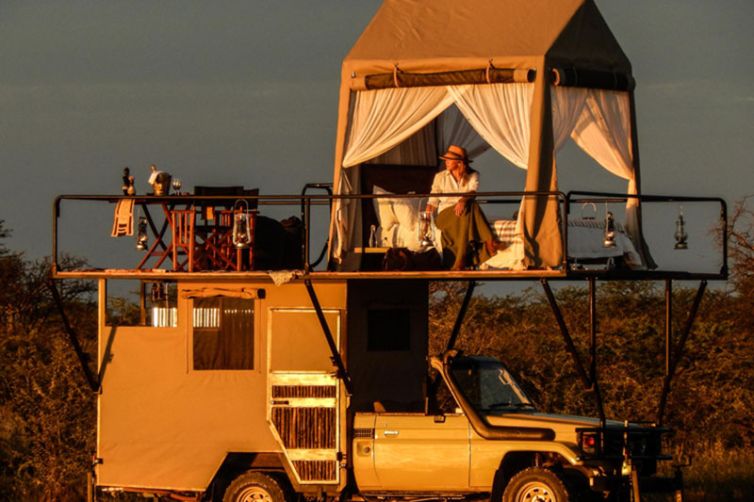
At extra cost it is also possible to spend a night out in the bush on the Dream Cruiser, a converted Land Cruiser built on two levels with a full bathroom downstairs complete with shower, flush toilet and basin and a bedroom with lounge area on the upper deck. Guests are driven through the reserve to arrive at a chosen location at sunset. After a briefing by the guide, you are left with a picnic style dinner and chilled drinks, to enjoy a night under the stars. You are collected the following morning and return to camp for breakfast. This experience should be pre-booked to guarantee availability.
At extra cost (must be prebooked, payment can either be in advance or made locally), self-drive guests can also book a tour of the Ombili Foundation which is around an hour’s drive from Onguma (see conservation and community information for further information about the foundation). The 2.5hr hour tour includes the farm, villages and schools, a Bushman Trail walk, entertainment by the Traditional Culture Group and the Community Choir, ending in the culture centre which includes a craft shop.
Seasons
Although you can visit Namibia year-round, the best time to visit Etosha is June through to October.
Children under 12 are not permitted at Onguma Tented Camp. With wildlife able to wander freely through camp and no specific family accommodation, Onguma Tented Camp is likely to only suit those families travelling with older teenage children.
Each stay at Onguma includes a nightly Rhino Conservation Levy which goes directly towards the protection of rhino on Onguma Nature Reserve, including the vital operation of a well-equipped and highly trained anti-poaching unit.
Onguma is also involved in supporting the local Oshivelo community through the creation of jobs, including projects such as Oshivelo Farming which comprises a 500 hectare vegetable farm selling product to national supermarkets, creating a major source of employment.
Onguma also supports the Ombili Foundation (it is possible to book a self drive tour to learn more about this – see the activities section for further information). The aim of the Foundation is to work with the San-people to enable gradual integration into the developing Namibian society. The main priorities are consistent access to education, the creation and preservation of jobs and the cultivation of the ancient tradition and culture of the San-people.