Ongava Lodge
Ongava Lodge Is A Luxurious Lodge In The Exclusive Ongava Game Reserve Bordering Etosha National Park.
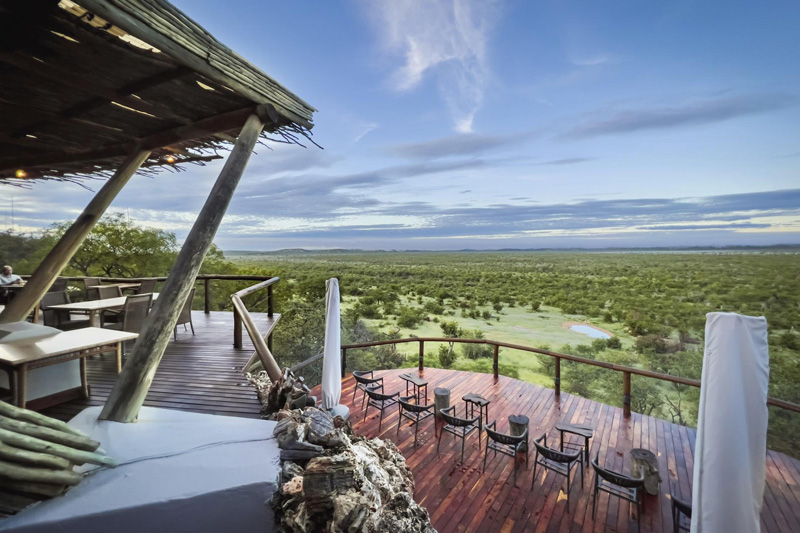
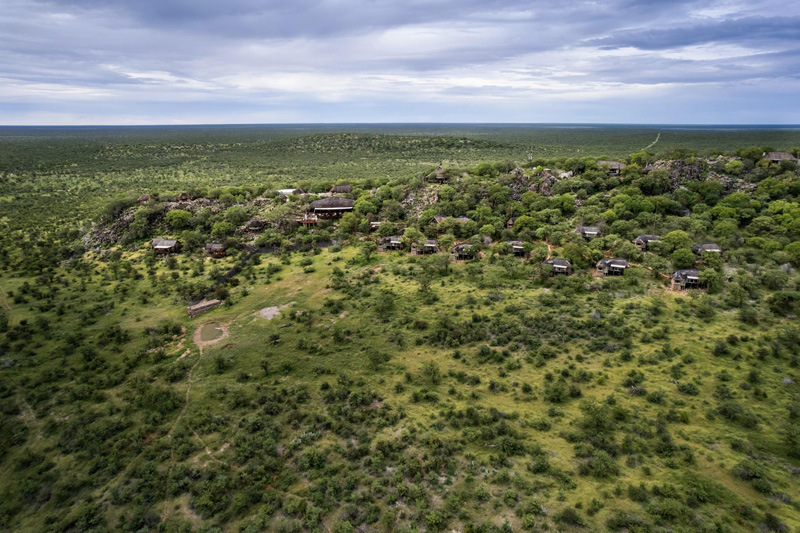
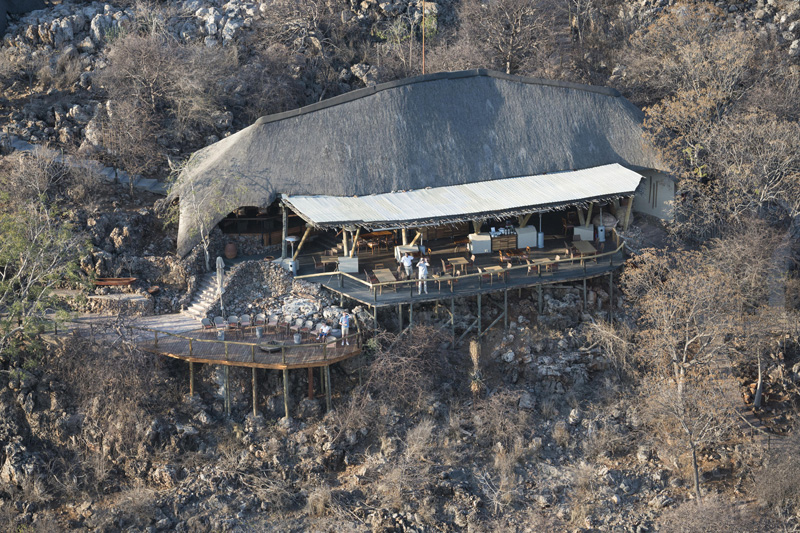
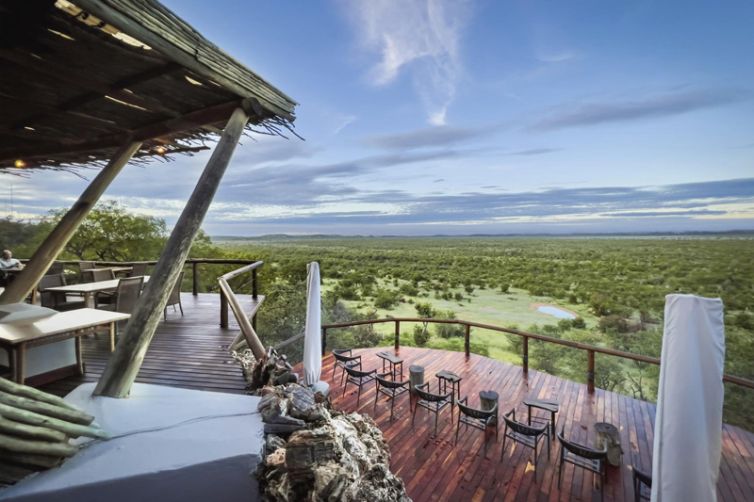
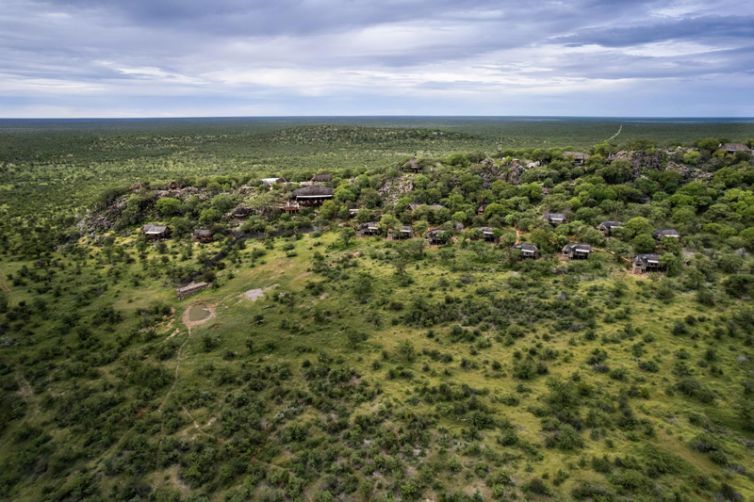
Ongava Lodge is a long-established property offering very comfortable accommodation and good facilities in the excellent Ongava Game Reserve. Set on a low hill overlooking a productive waterhole, the lodge offers lovely views and a relaxing stay in between activities. A key benefit of staying on Ongava is the ability to combine exploration of the public National Park (especially to see the pan itself and surrounding landscape) with exclusive game-viewing and more varied activities on the private Ongava Reserve.
Rooms
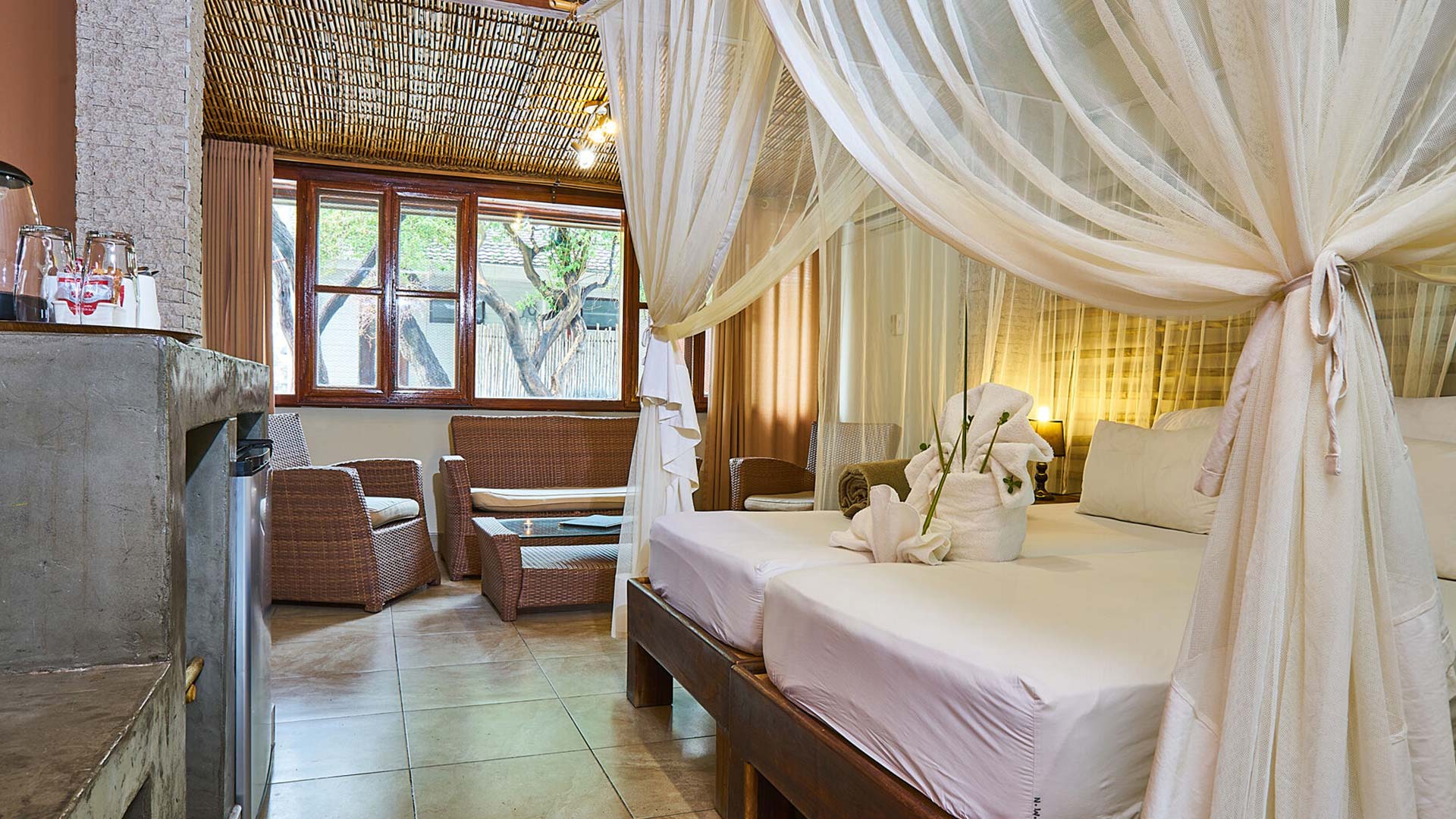
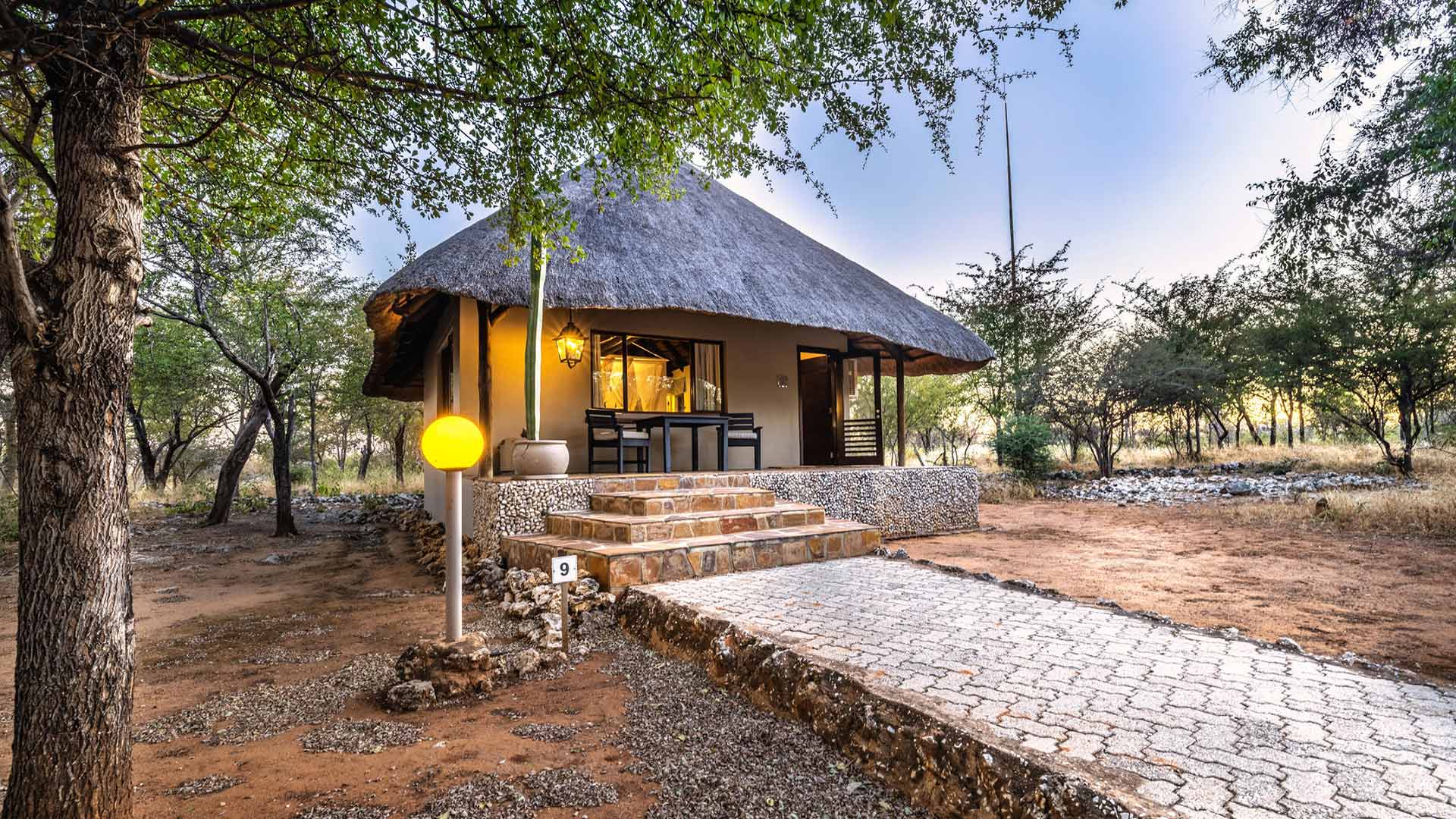
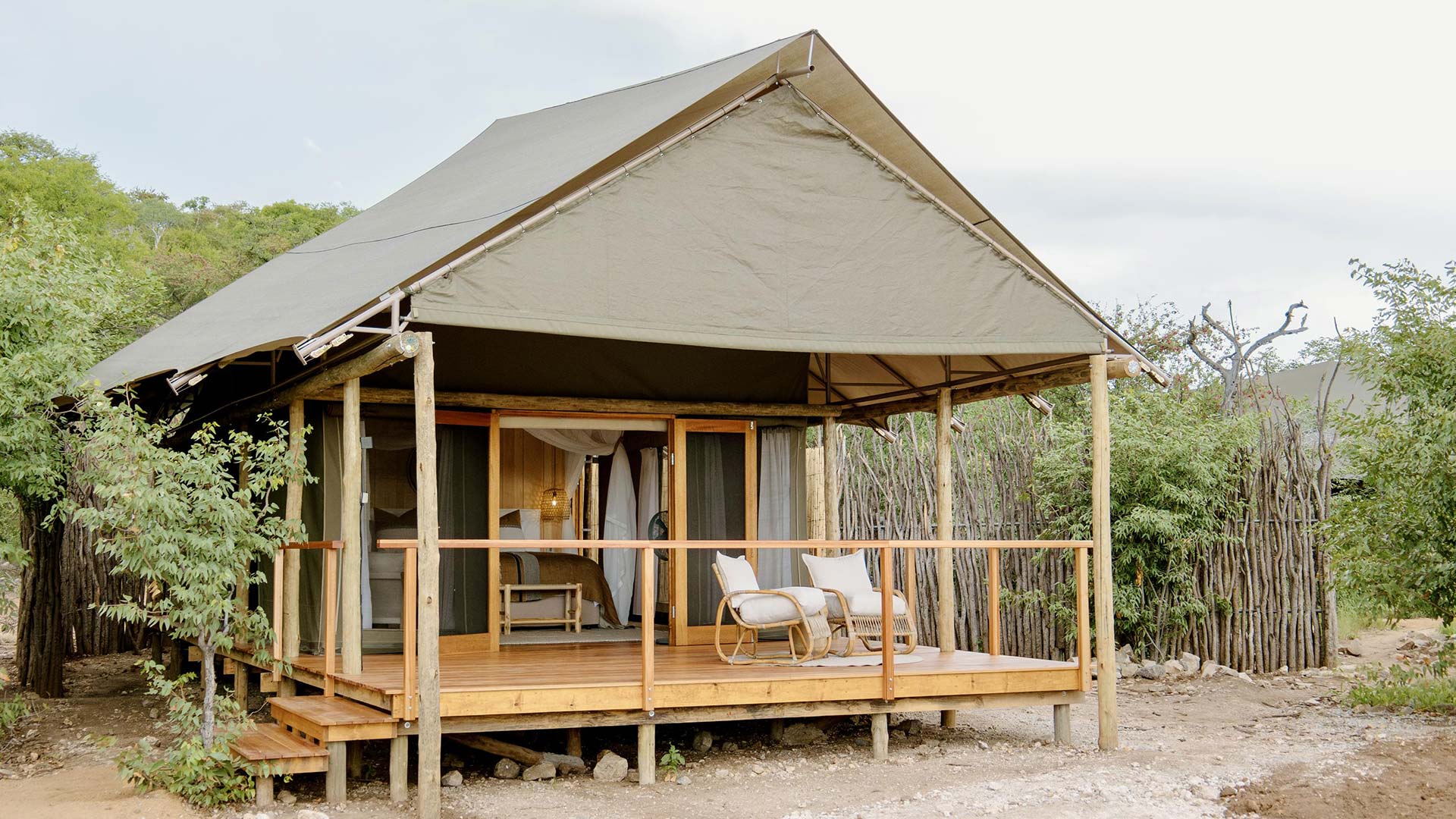
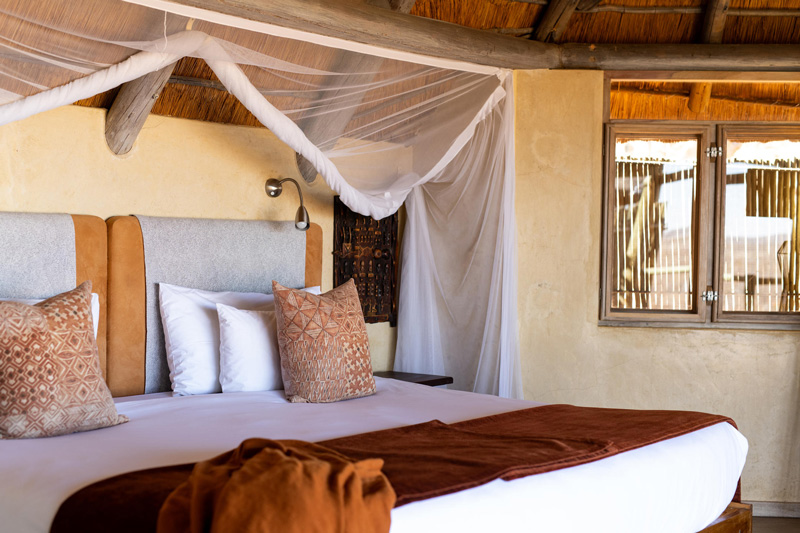
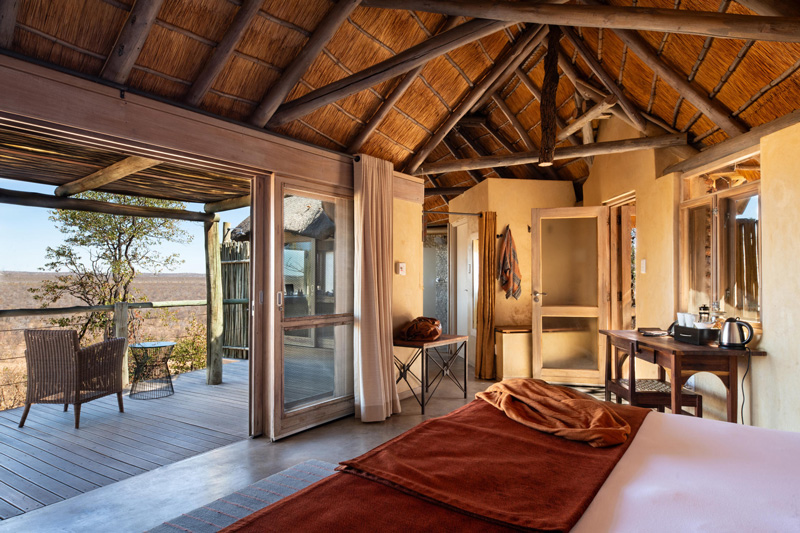
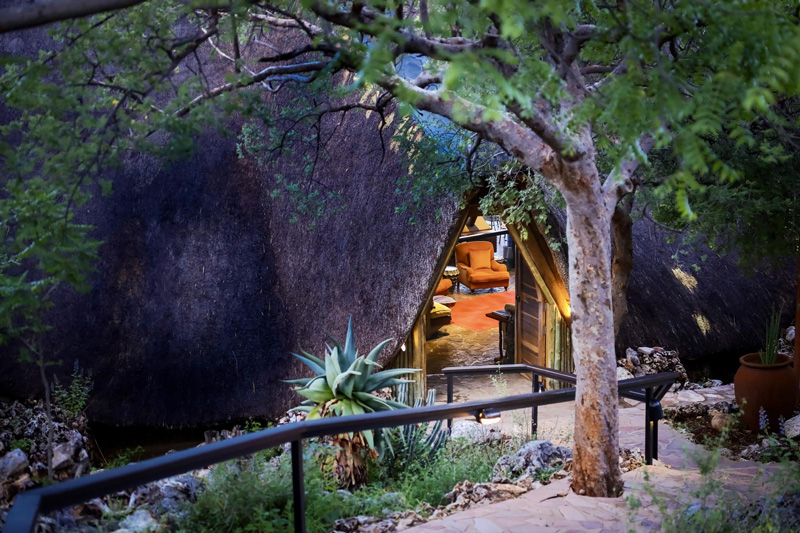
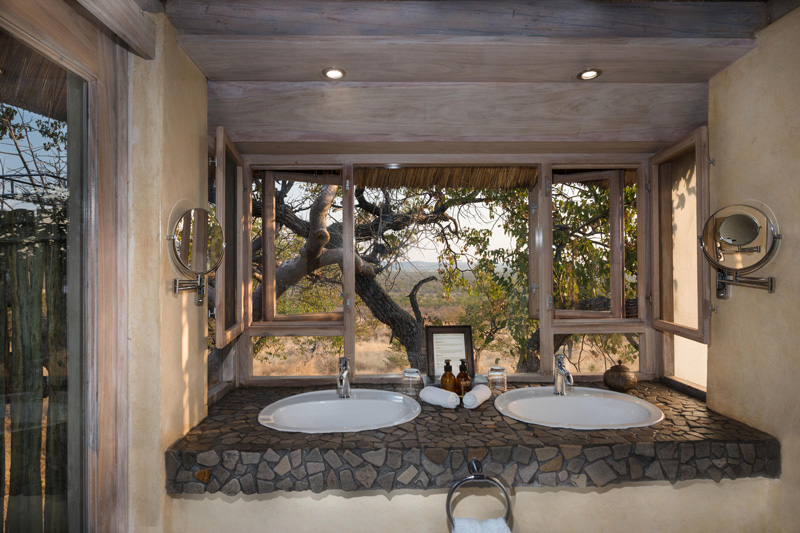
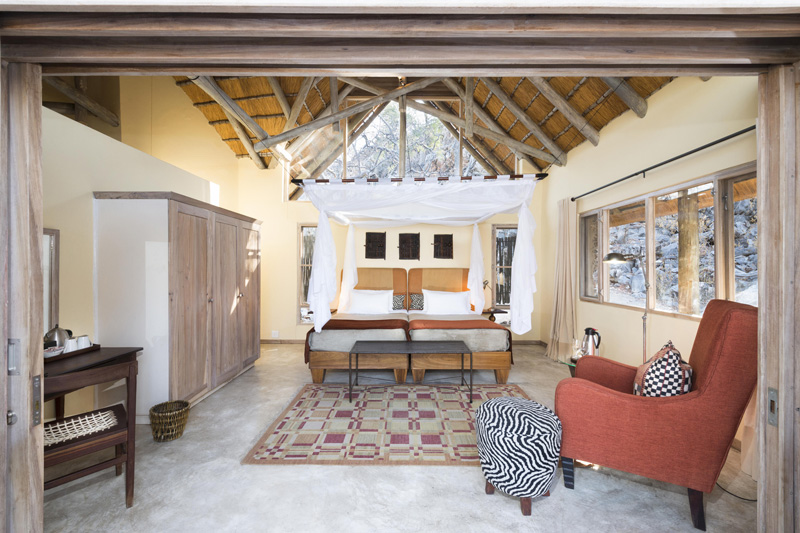
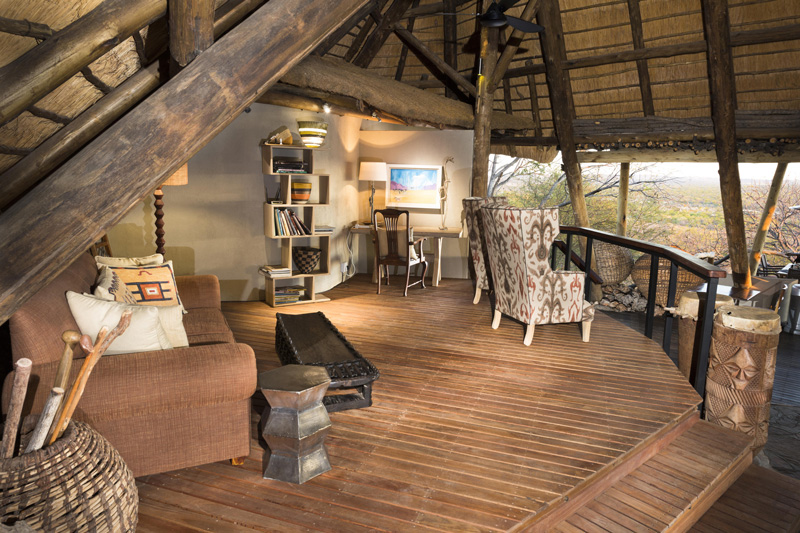
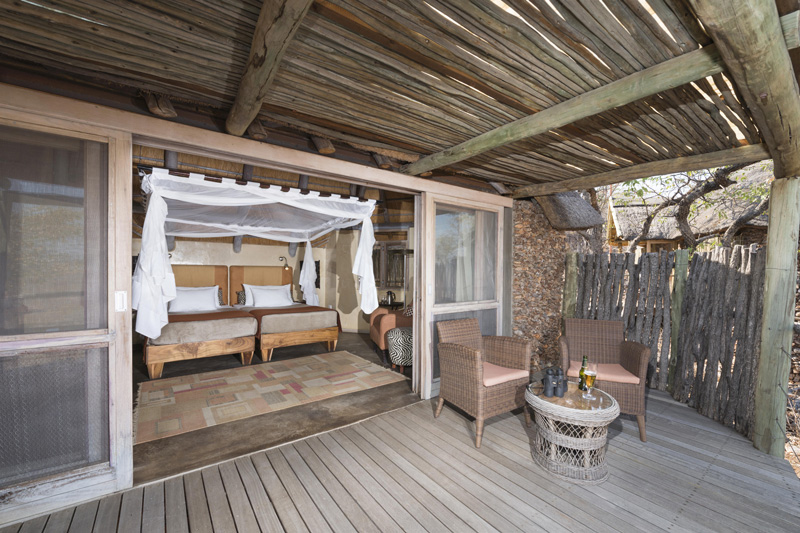
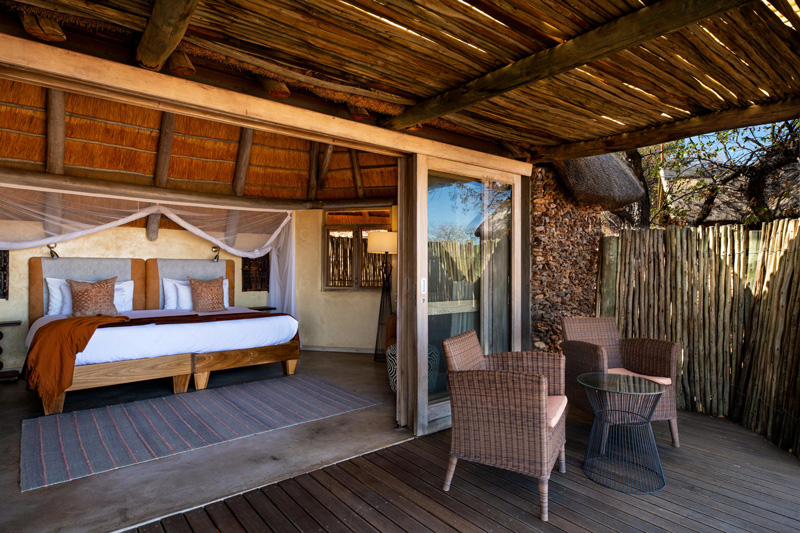
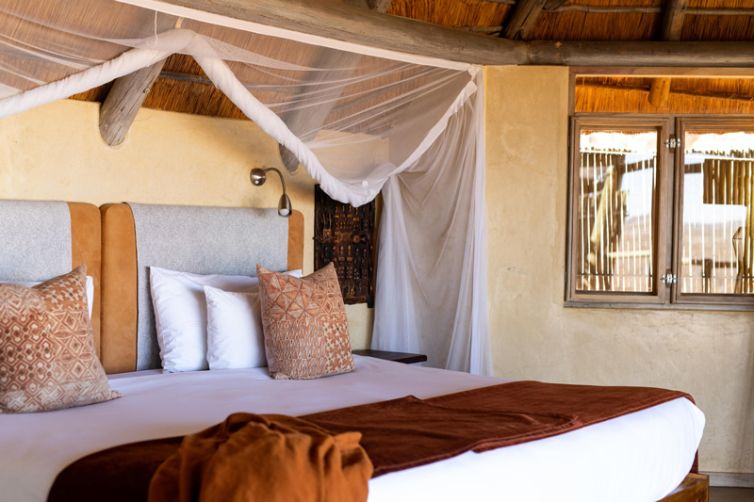
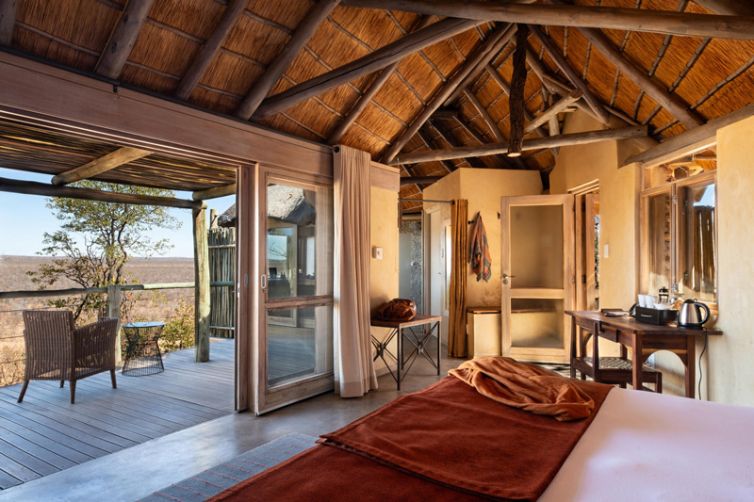
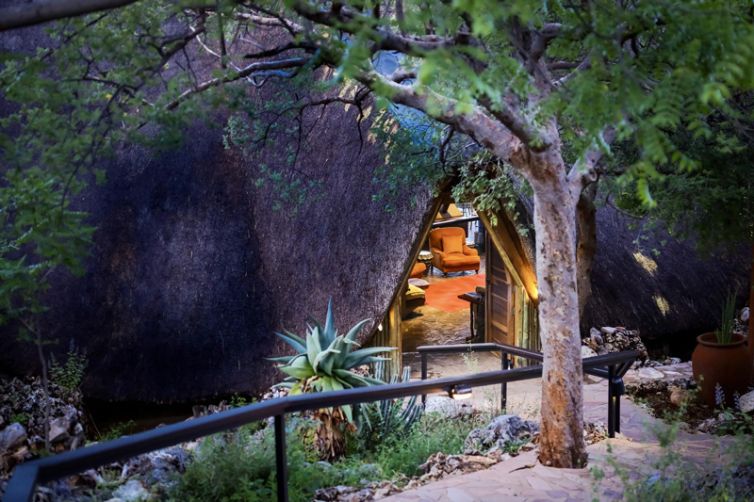
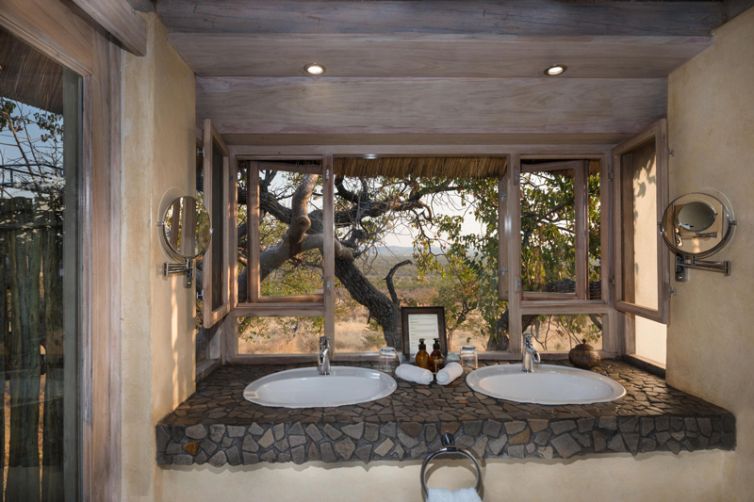
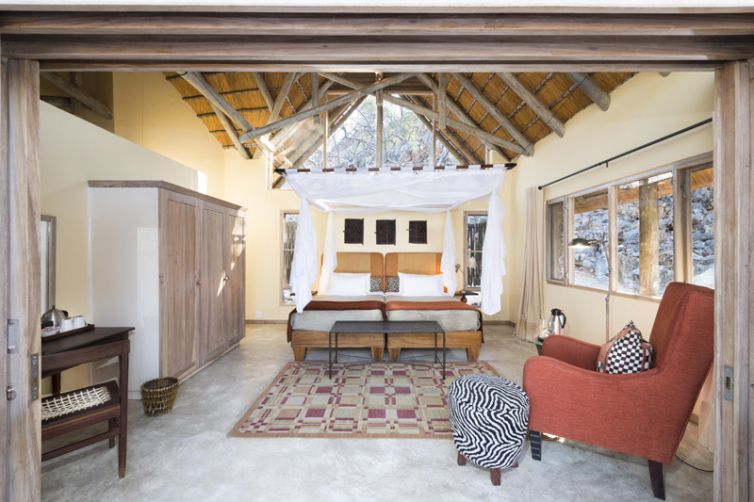
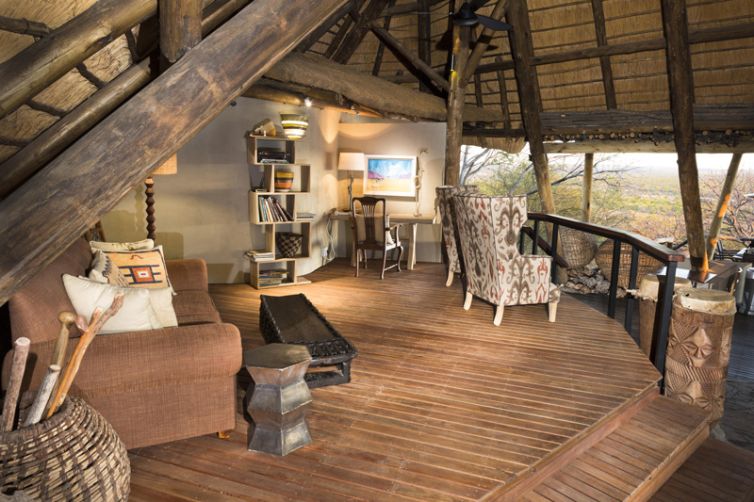
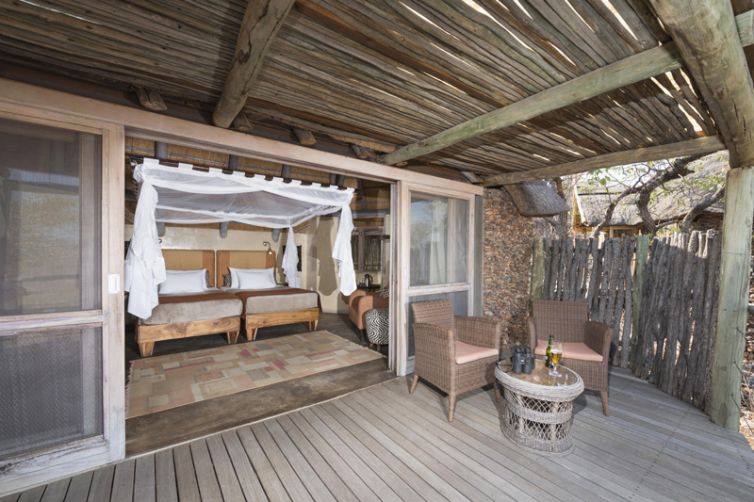
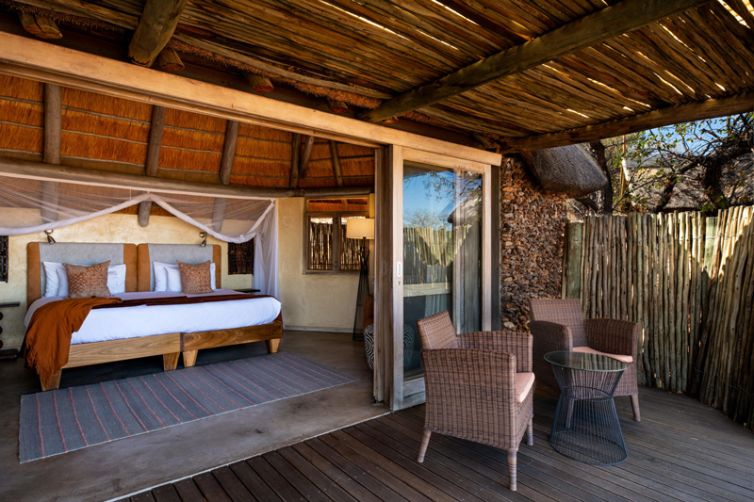
Accommodation is provided in 14 thatched rooms. The rooms have air-conditioning, comfortable furnishings, en suite facilities (including indoor and outdoor showers) and a verandah overlooking the reserve. There is one family unit with two en suite rooms connected by an internal corridor.
Central Areas
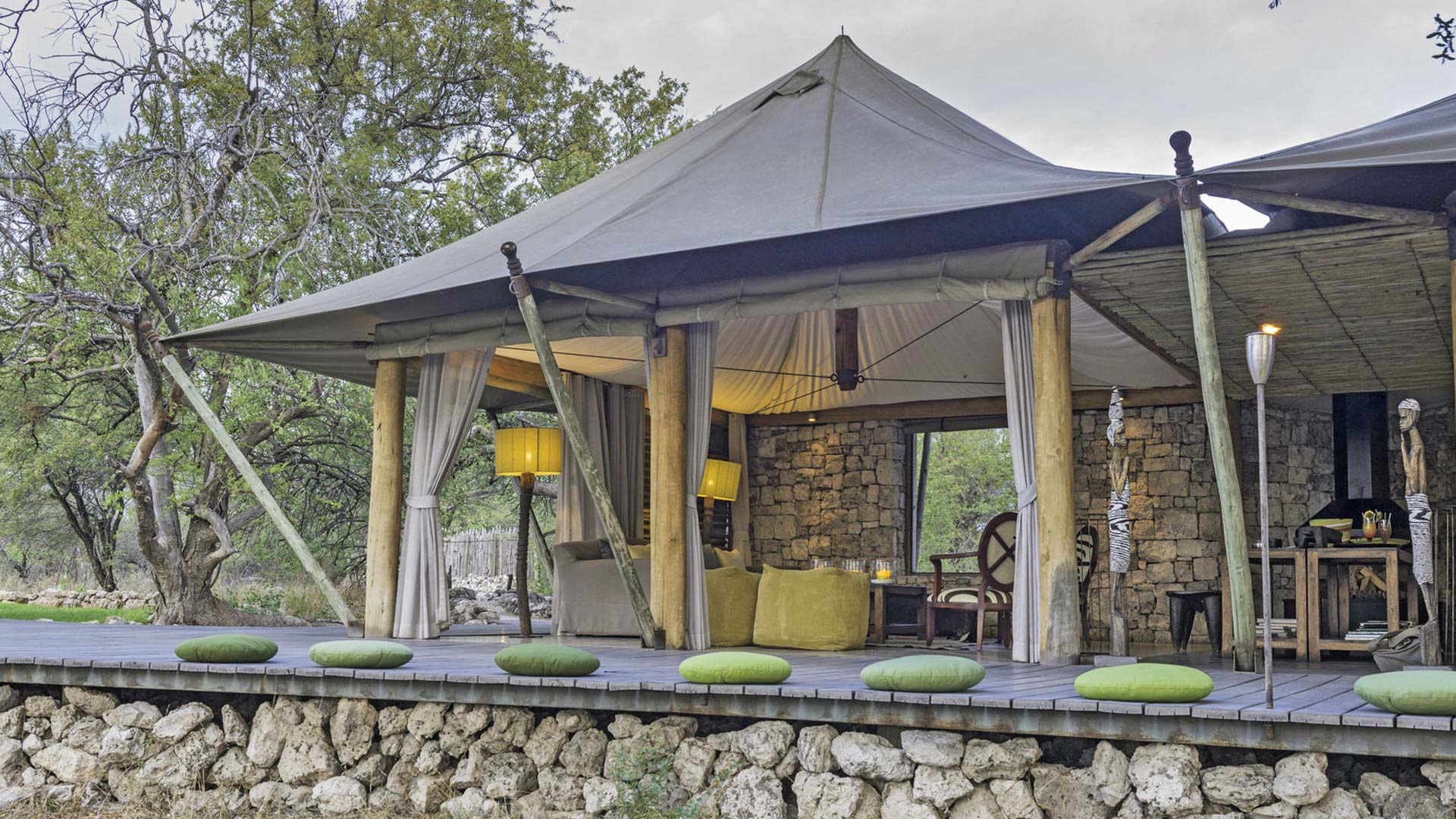
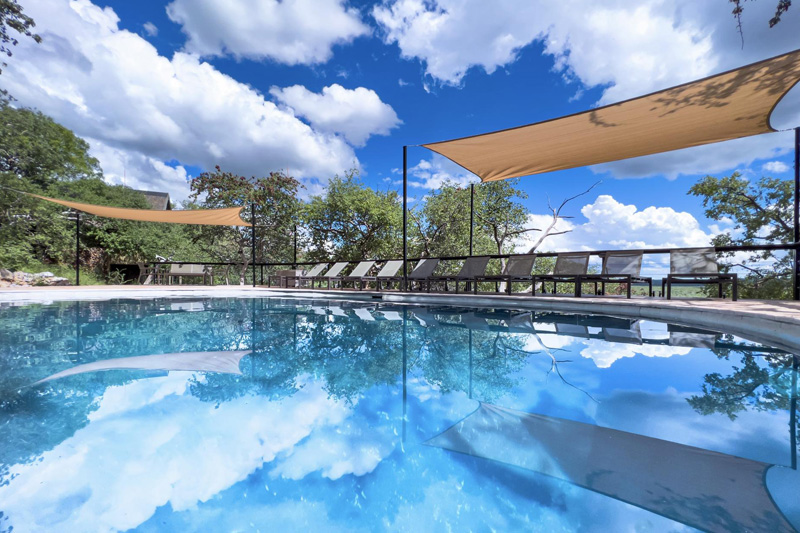
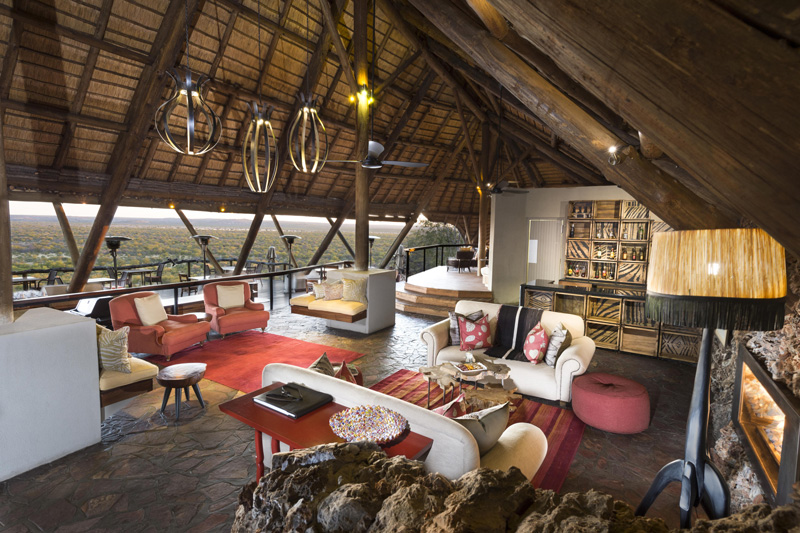
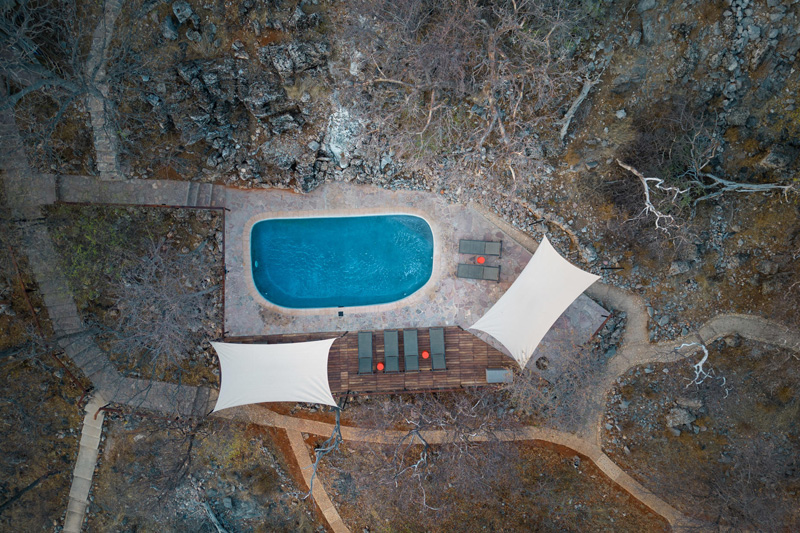
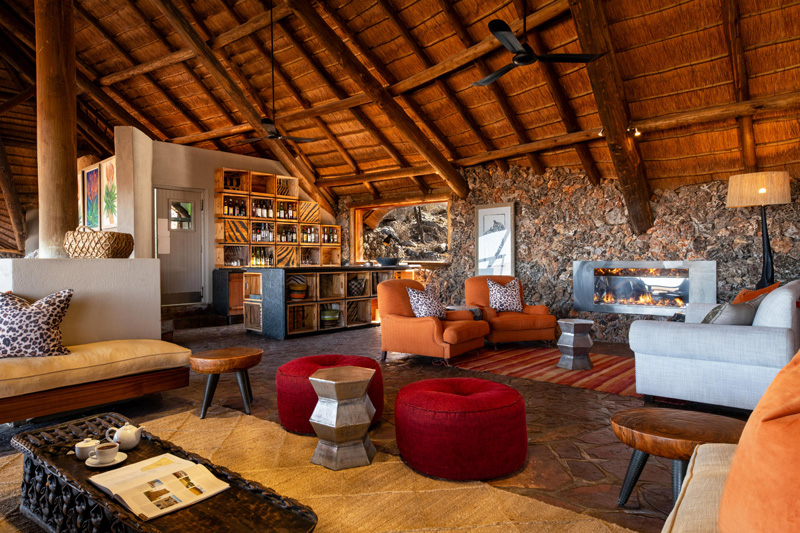
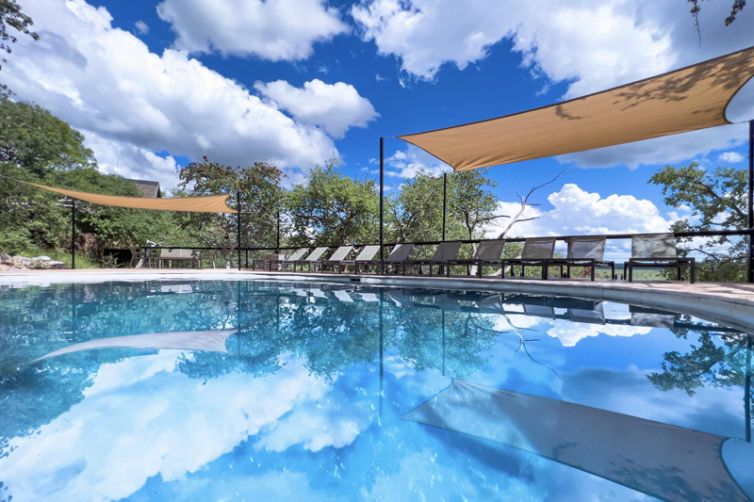
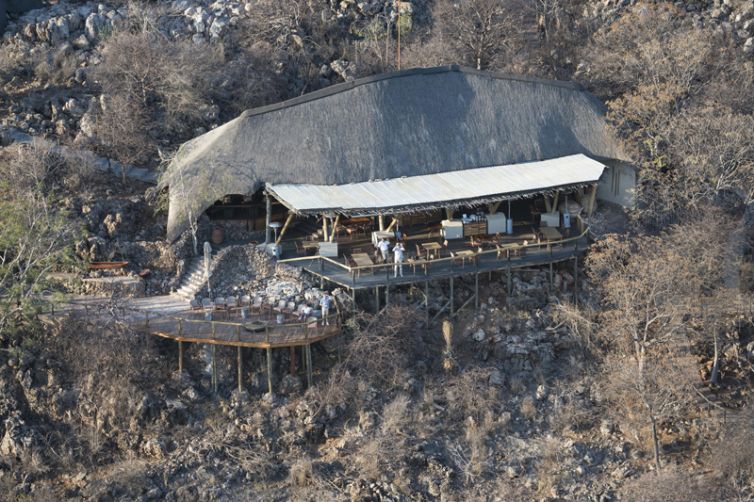
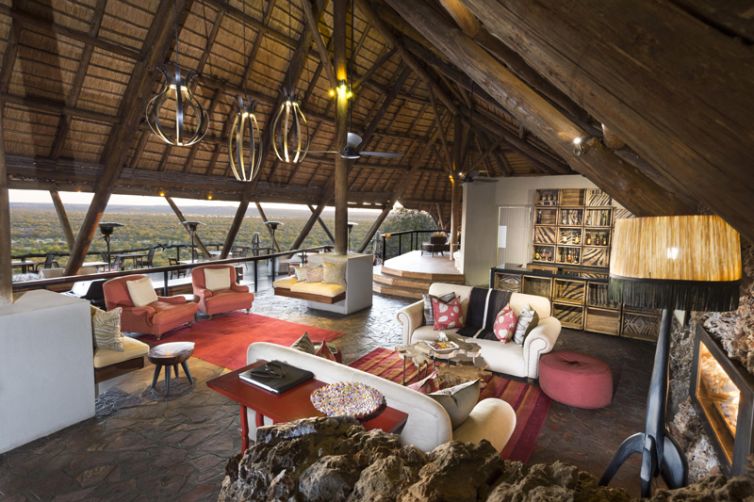
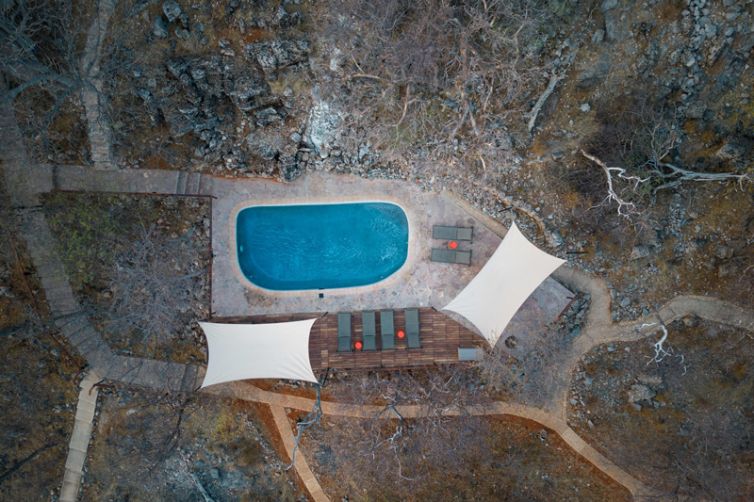
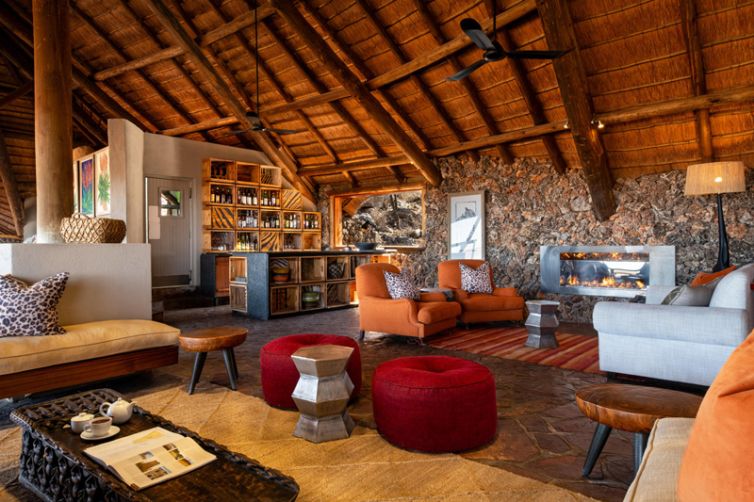
The central bar and dining area are also under thatch and have elevated views over the waterhole whilst the pool deck may also be used for ‘alfresco’ dining and barbeques. An underground hide overlooks the waterhole, though please note it is quite a few steps down from the main reception and dining area.
Facilities
Wi-Fi – Yes
Power for Charging – Yes
Swimming – Yes
Area
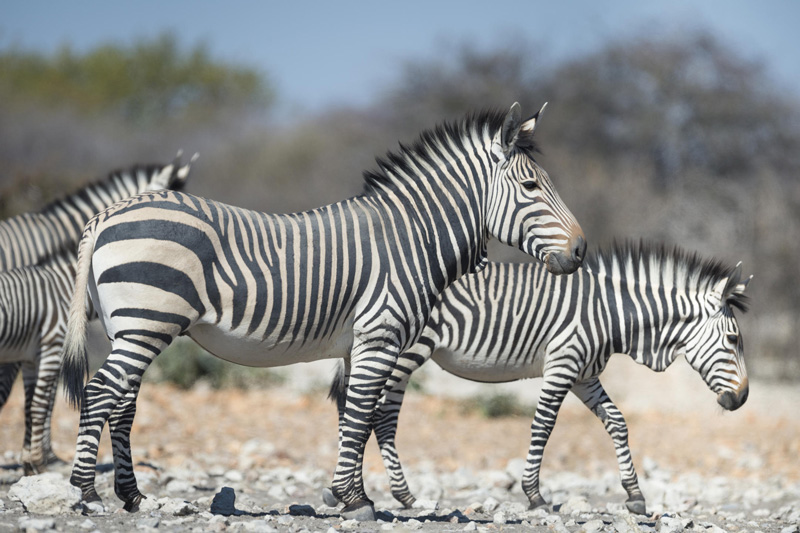
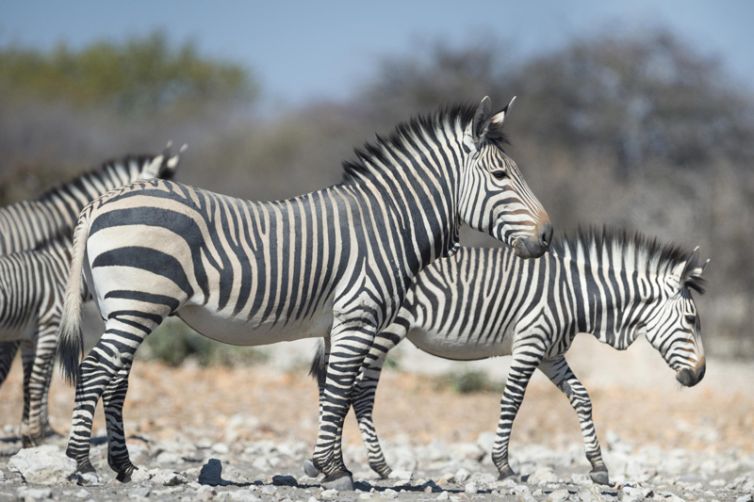
The 22,270 sq. kms Etosha National Park was proclaimed a game reserve as early as 1907 (after years of being a hunter’s paradise), but it was not until 1958 that it gained its National Park status. The famous pan, which covers an area of some 4,900 sq. kms. was discovered in 1815 and, according to geologists, is the remains of a huge inland lake, fed millions of years ago by the Kunene River, which changed course causing the lake to shrink to its present size. During the rains, the pan does hold sufficient water to enable millions of waterfowl to descend onto it, including greater flamingo, which breed here. The extensive habitat is home for some 340 species of birds, including the ostrich, kori bustard, black-bellied korhaan and red-crested korhaan; numerous species of francolin, vulture, hawk, eagle, plover, rollers and waterbirds such as Egyptian geese, spoonbill, avocet, ducks and storks; and finally, the stunning crimson-breasted shrike. Strangely, there is also a rather special small population of blue crane. The vegetation varies from the desolate sands of the pan and the surrounding grass plains (of salt-loving grasses and shrubs) to deciduous bush and mixed woodland. Animals to be seen include elephant, lion, cheetah, leopard, eland, black rhino, kudu, hartebeest, giraffe, zebra, wildebeest, black-faced impala, springbok, gemsbok and the small Damara dik dik. Bat-eared fox, jackal and hyaena are also common. The best way to game-view through the park is to spend time visiting the various waterholes which are found south of the pan itself. These attract a wide range of wildlife species.
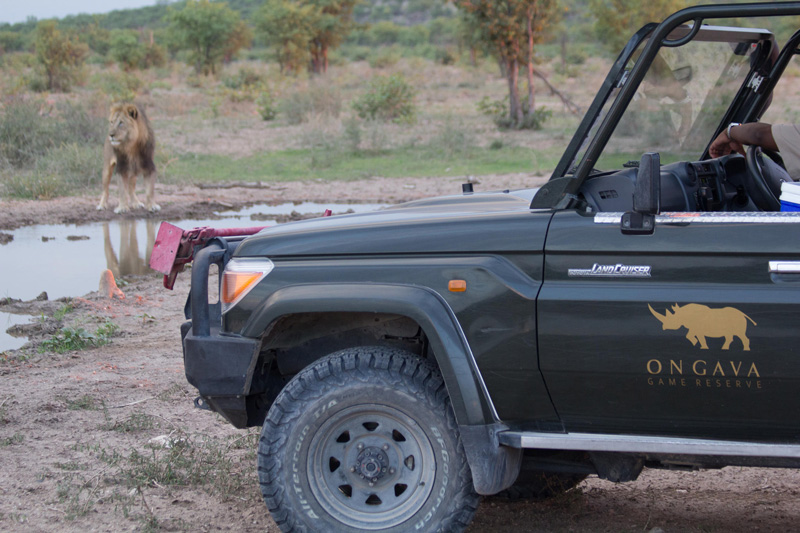
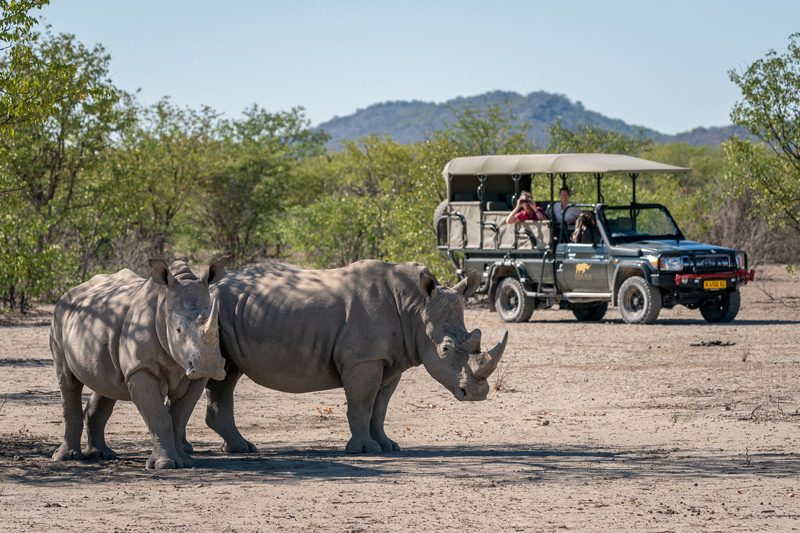
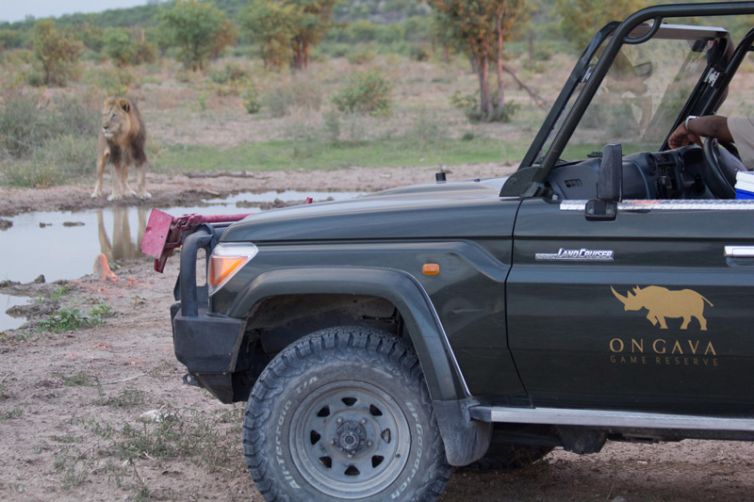
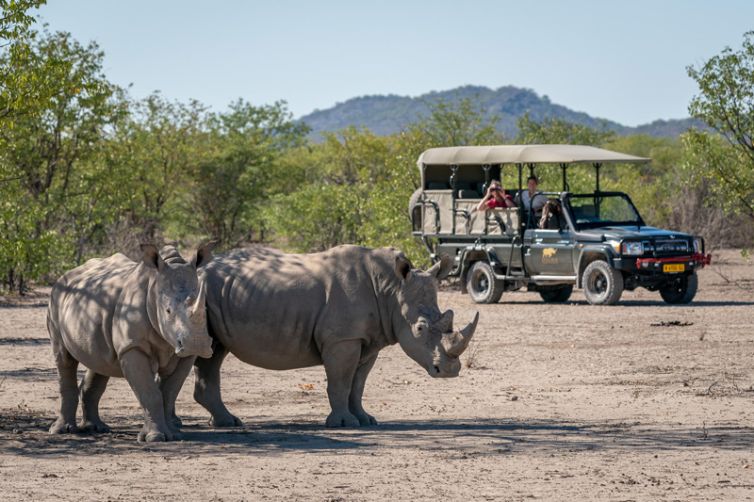
The private Ongava Game Reserve borders the southern boundary of the National Park and covers an area of 75 000 acres with a habitat similar to that of neighbouring park. As well as game drives by day, you will also be able to enjoy night drives and guided walks on the property. Night drives will allow you the opportunity to see some of the nocturnally active species, such as aardvark, genet, civet, caracal, hyaena, leopard, African wildcat, white-tailed mongoose, honey badger and porcupine.
Activities
Activities include guided game drives (including night drives) and walks on the Ongava property and extended morning game drives into Etosha National Park. There is also a hide in camp overlooking the camp water hole. Please note that there is a minimum age of 16 years for guided nature walks and the minimum age for use of viewing hides is 11 years.
Seasons
Although you can visit Namibia year-round, the best time to visit Etosha is June through to October.
Ongava Lodge accepts children aged 6 years and above and the family unit works well with internally connecting bedrooms. Families travelling with children under 11 years are required to book and pay for private activities. The minimum age for walking is 16 years.
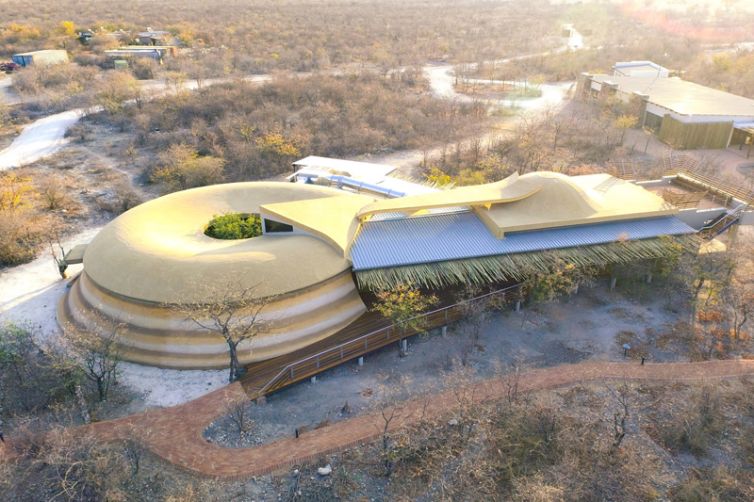
In 1991, several families invested in the future by turning four unproductive cattle ranches in northern Namibia into a prolific 30,000 hectare private game reserve that is now the Ongava Reserve and a haven to large concentrations of wildlife. With the opening of the Ongava Research Centre, the reserve is not only a sanctuary for rare and endangered species, but making a difference to conservation Africa-wide.
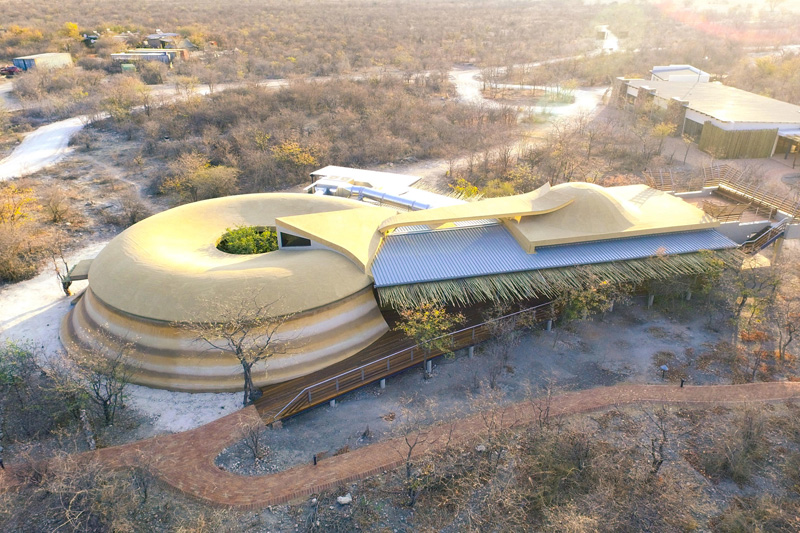
Cutting edge research into the genetics of Ongava’s rhino population, studying wildlife and plant ecology and developing new methods to document the natural world are some examples of the work being done. All guests on the Ongava Reserve have the opportunity of visiting the interactive self-guided Discovery Centre during their stay.
All guests staying at Ongava pay the Ongava Conservation Fee along with accommodation fees and this contribution directly supports vital initiatives, including endangered species protection, wildlife conservation, habitat management, anti-poaching efforts, infrastructure improvements, research, and conservation education.