Okaukuejo Rest Camp
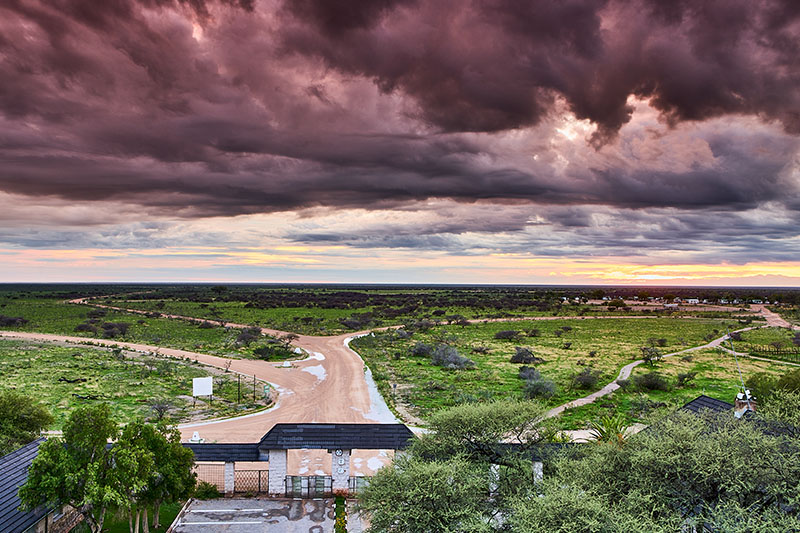
Okaukuejo Rest Camp Is Run By Namibia Wildlife Resorts And Is Located In The Central Region Of Etosha National Park.
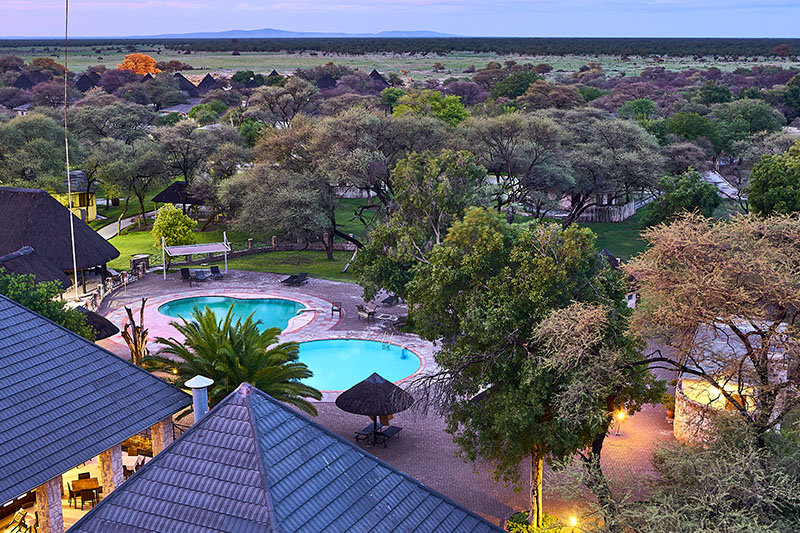
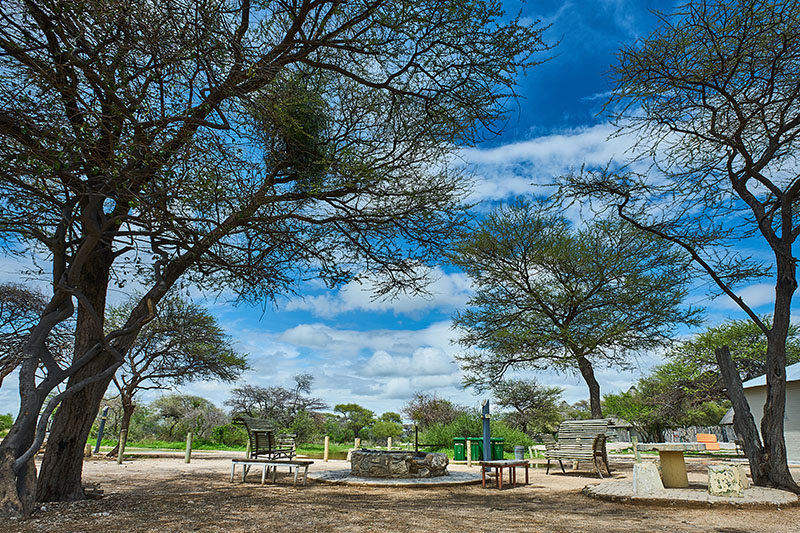
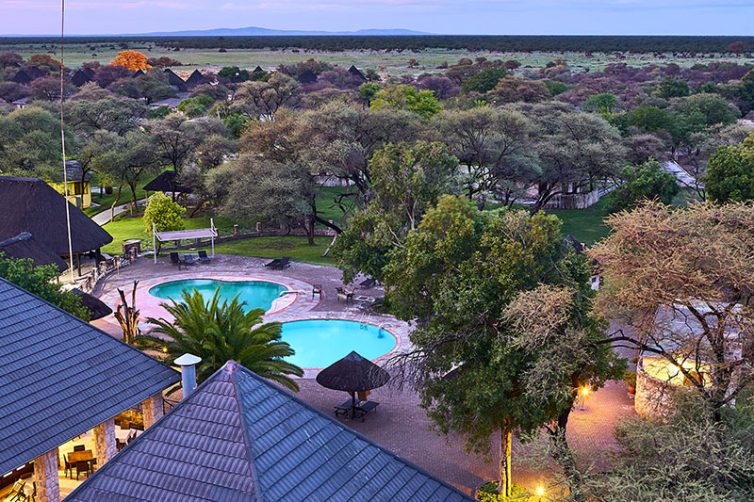
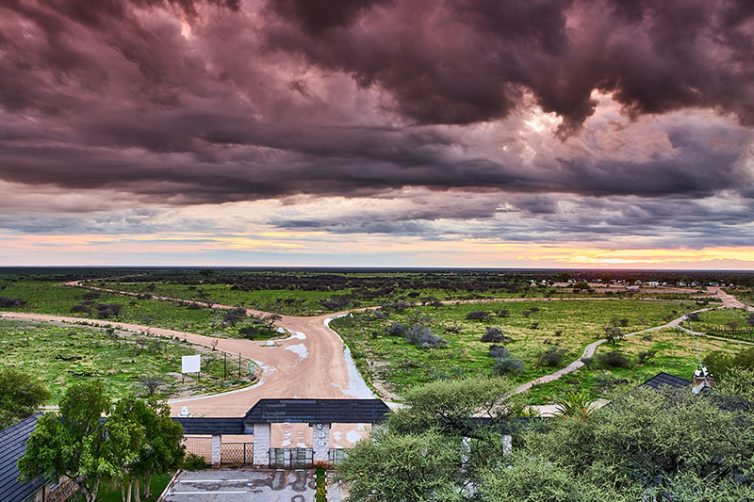
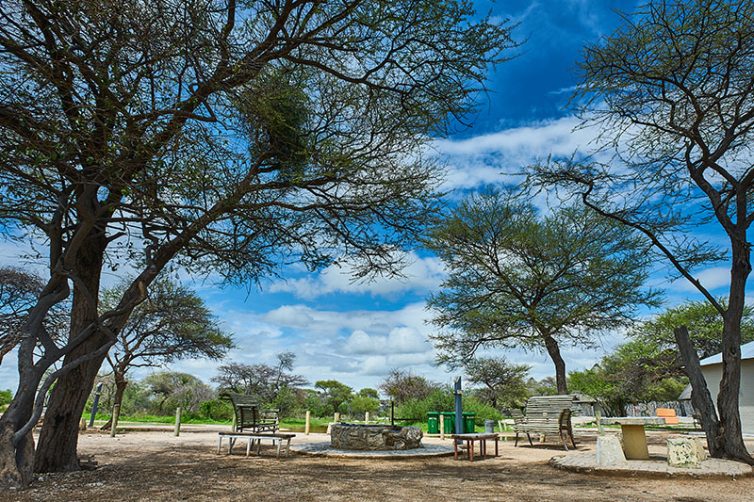
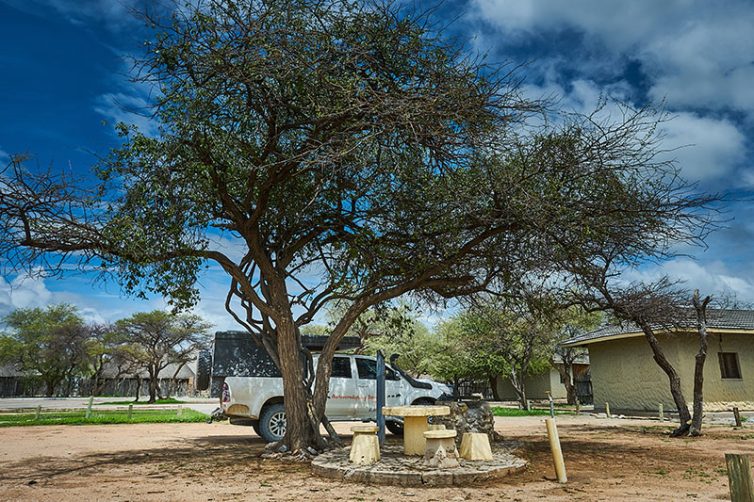
Okaukuejo is one of three National Park Rest Camps in Etosha which can be reached by self-driving. Located in the middle of the park, north of the Andersson Gate, Okaukuejo is the administrative centre of the park and home of the Etosha Ecological Institute as well as offering a comparatively good standard of accommodation and a good selection of facilities. The rest camp has a busy feel, with various accommodation levels, a camp site, fuel station, shop, dining area and bar, swimming pool, park office and a floodlit water hole. It is a great base for self-drivers looking for more affordable accommodation and immediate access to game-viewing.
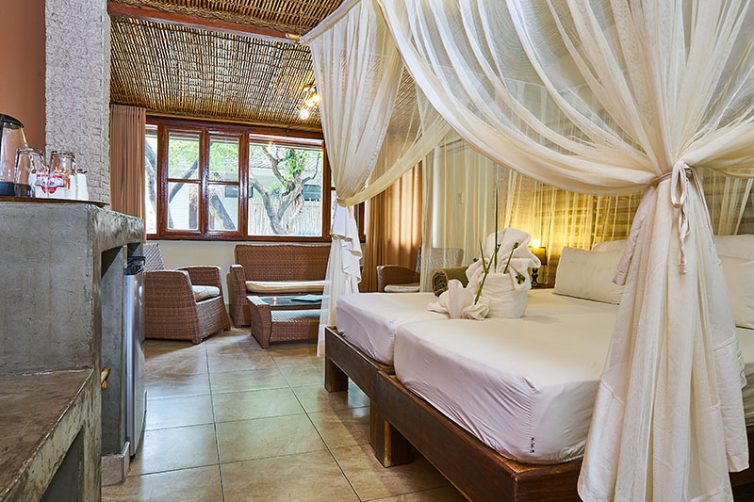
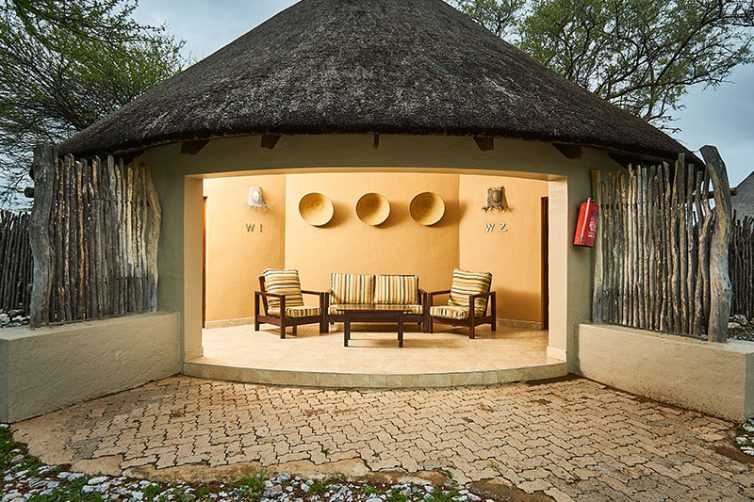
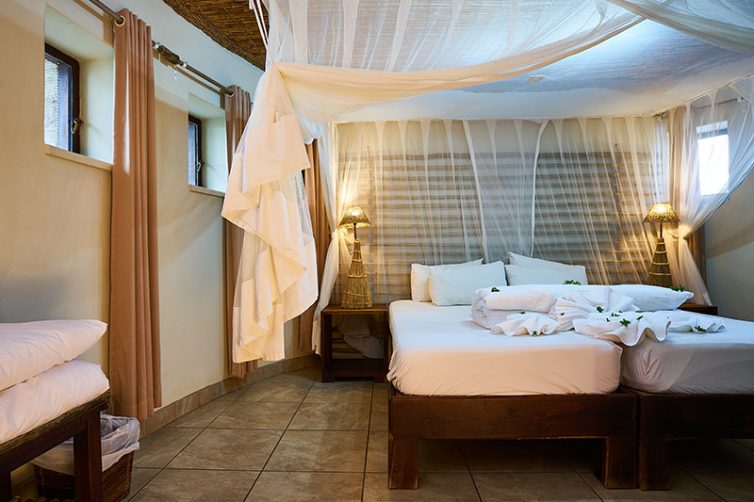
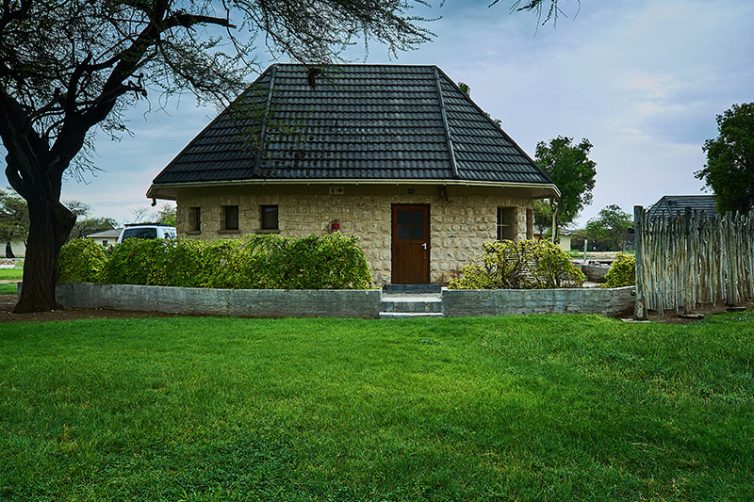
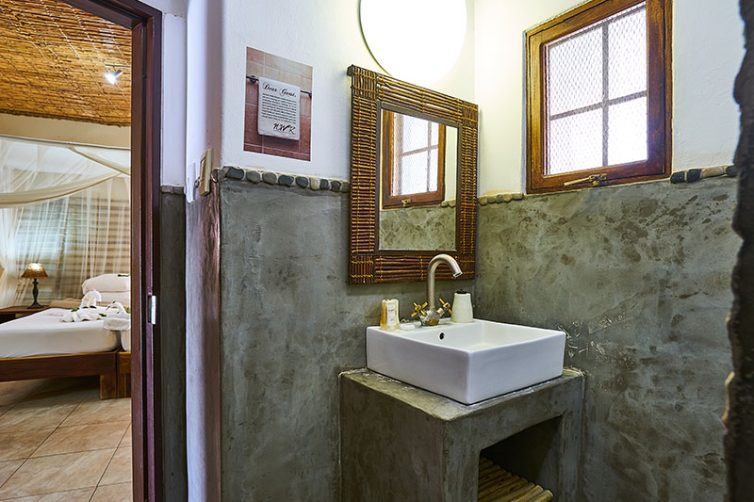
Rooms
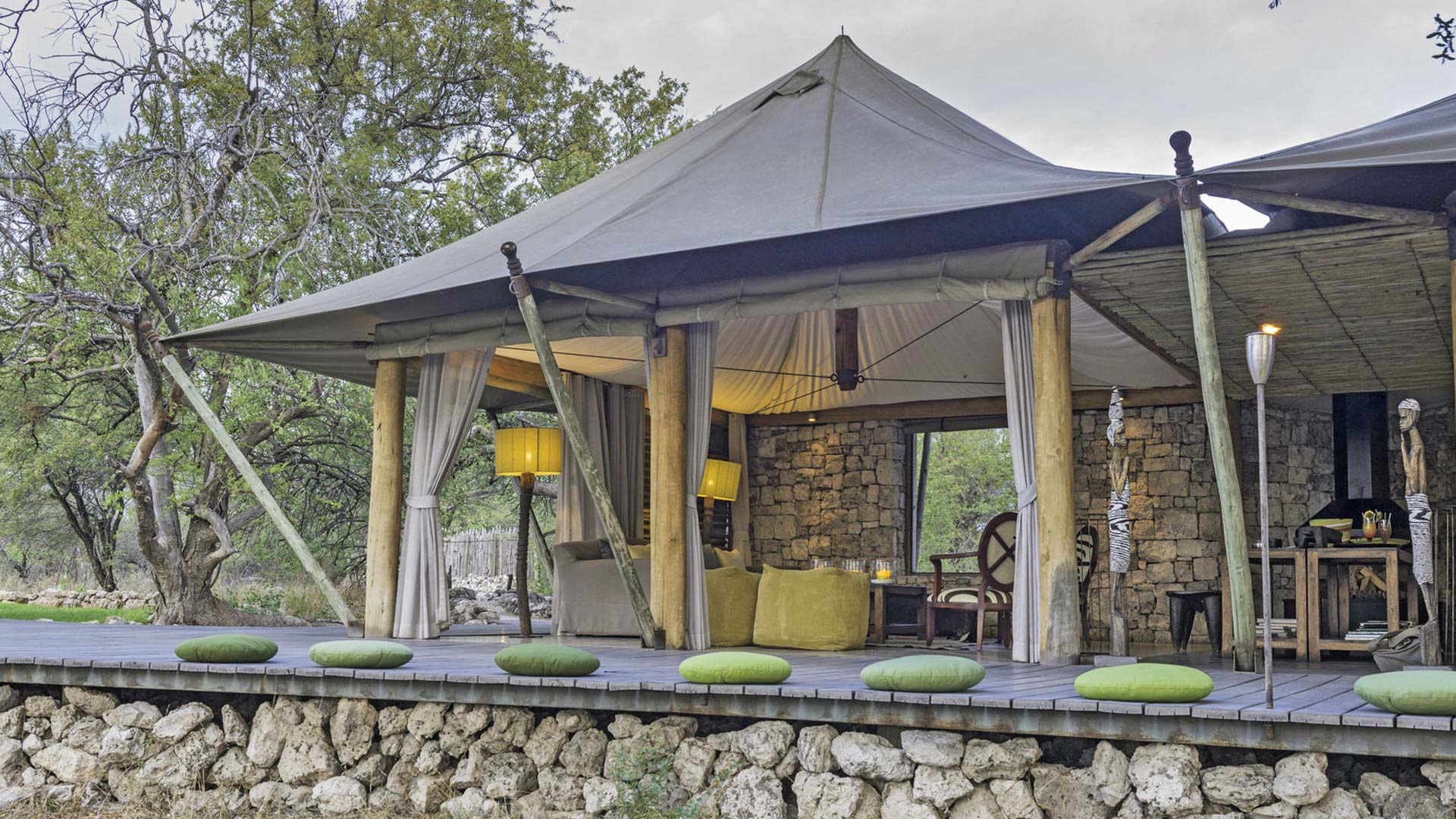
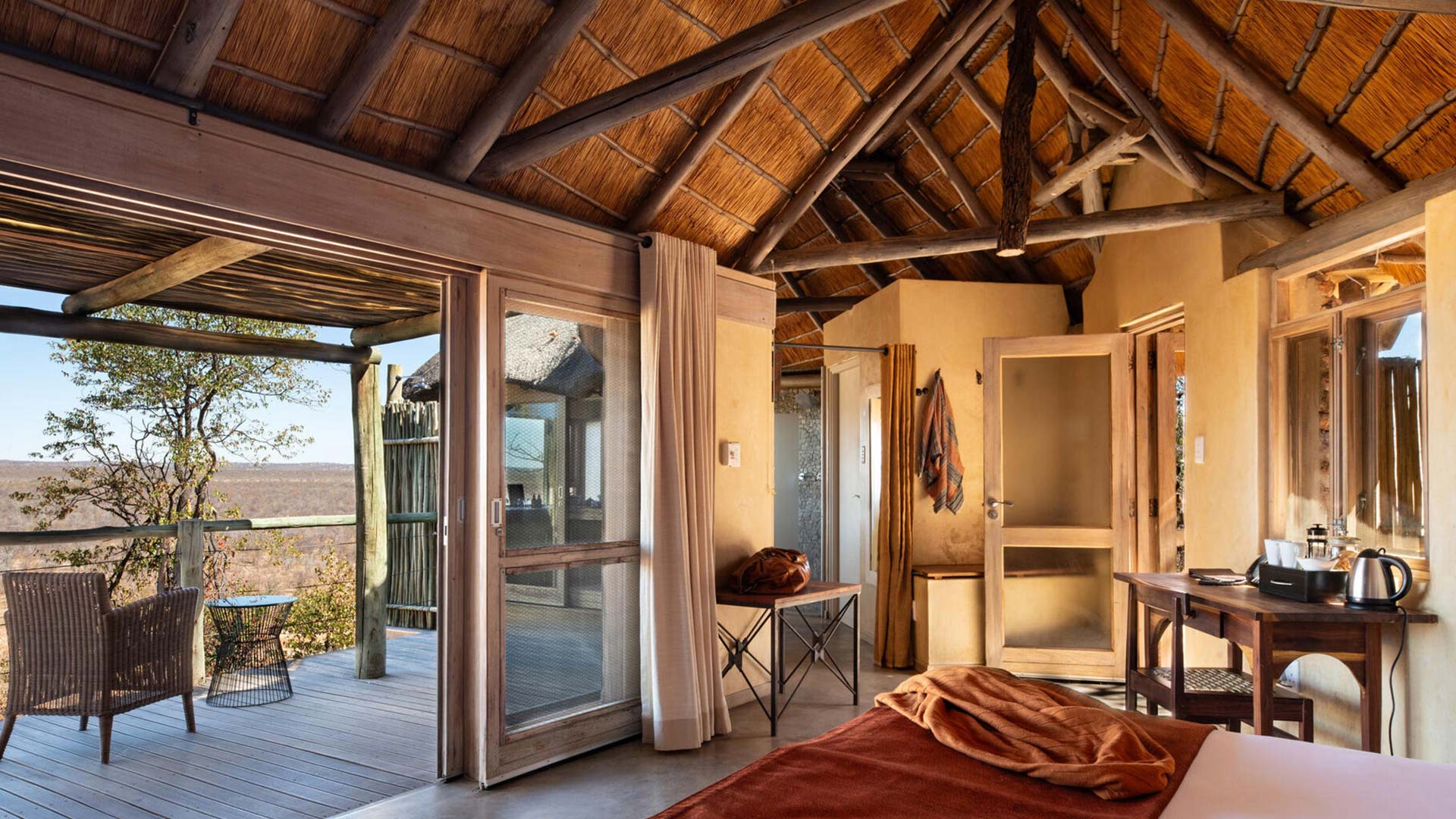
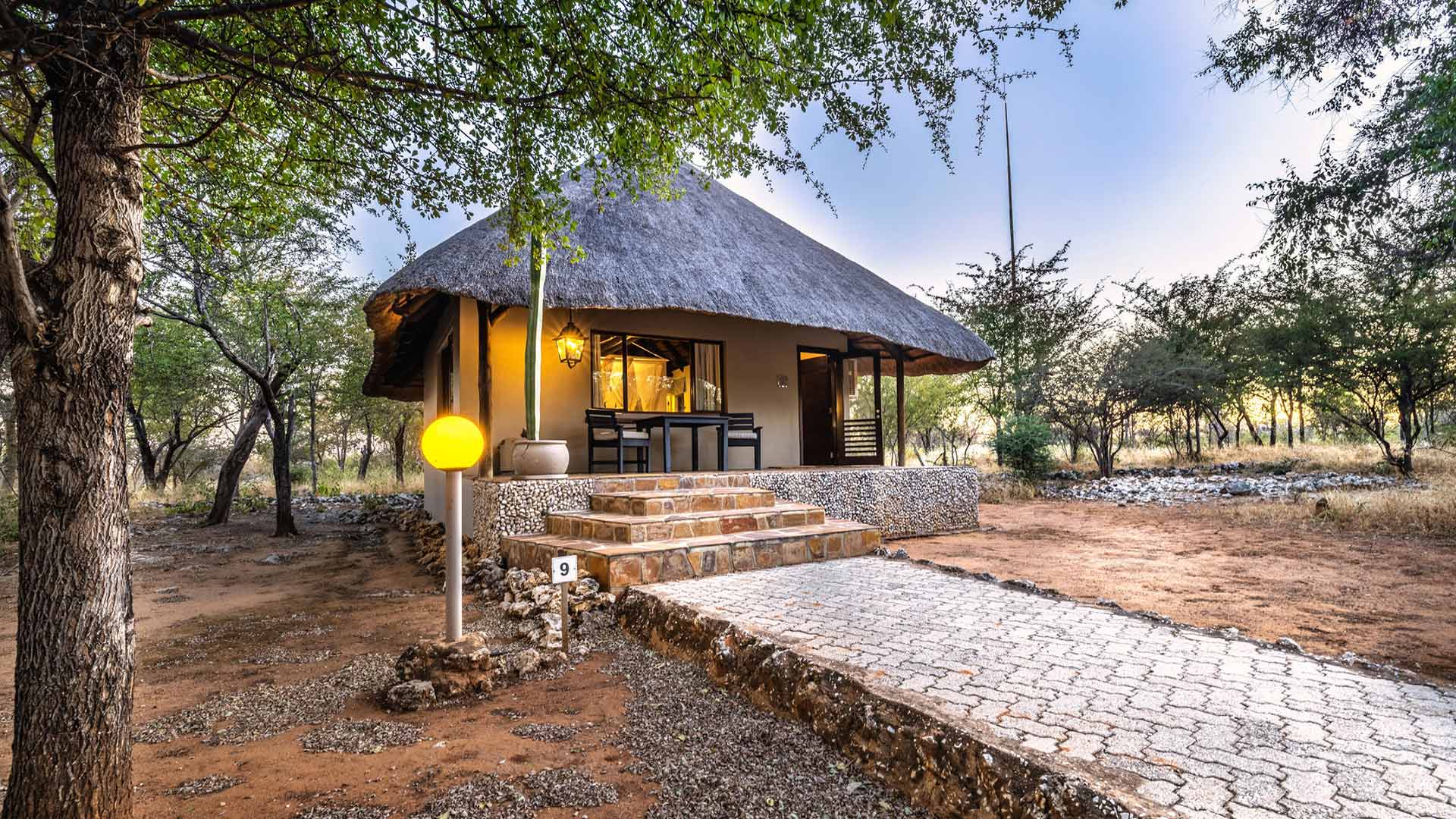
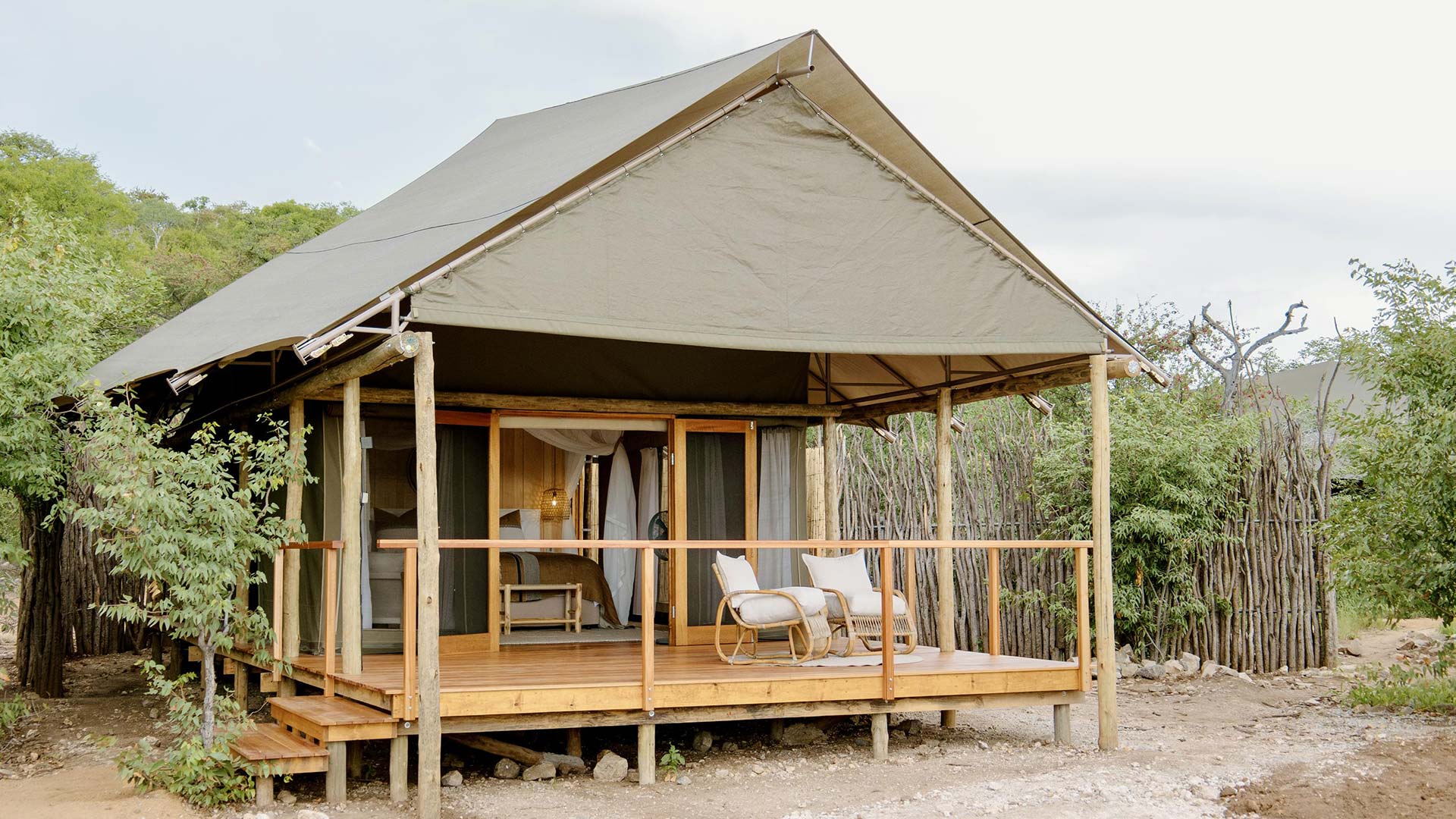
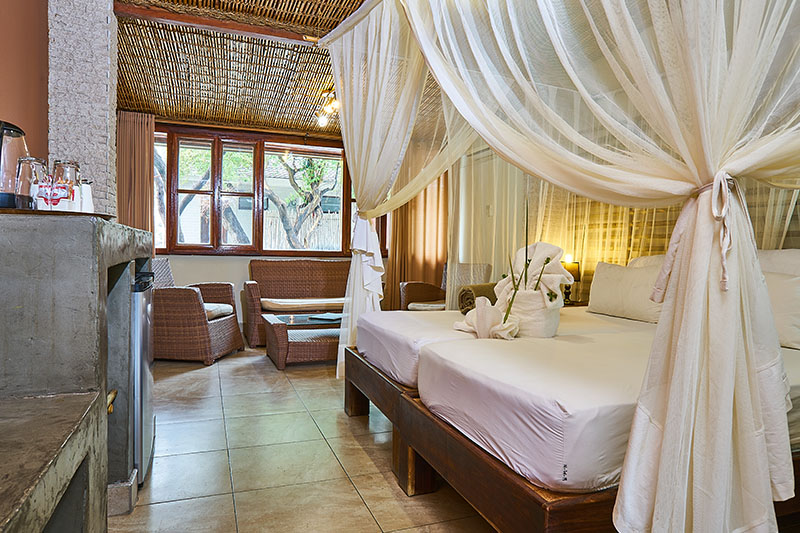
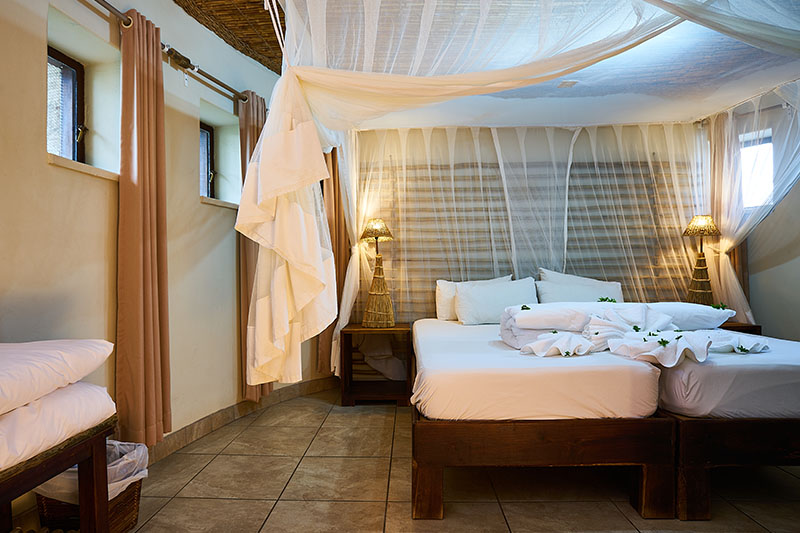
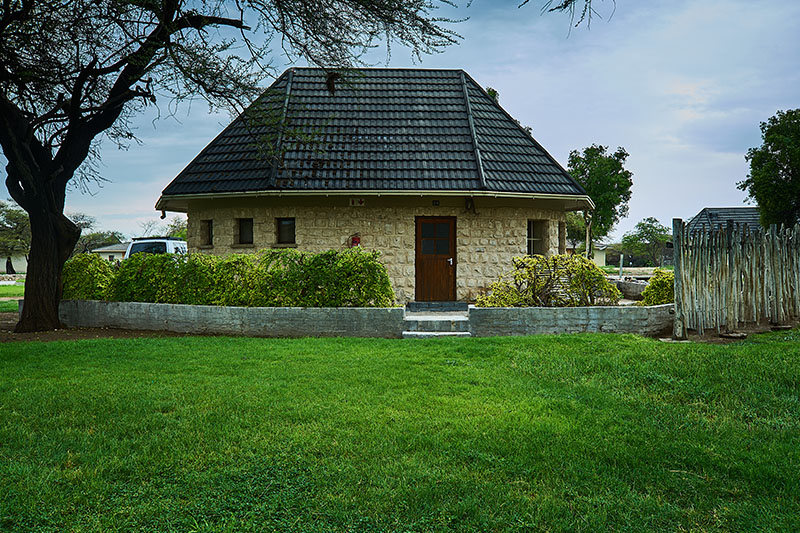
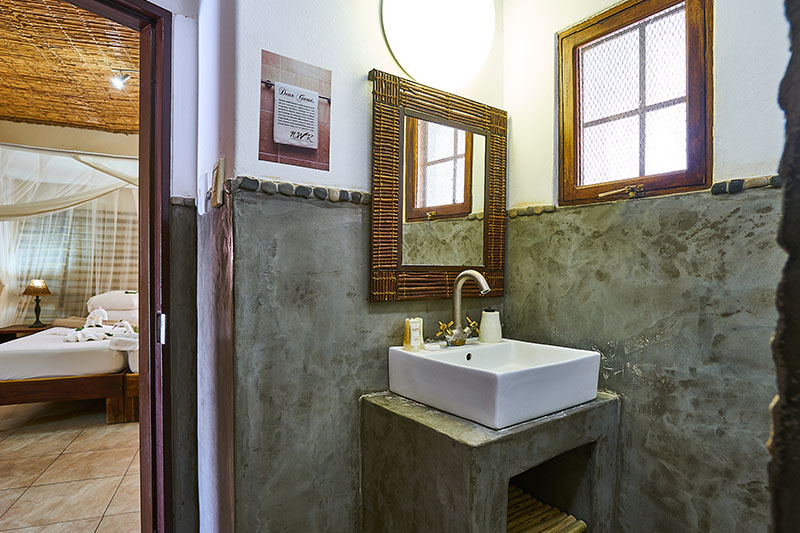
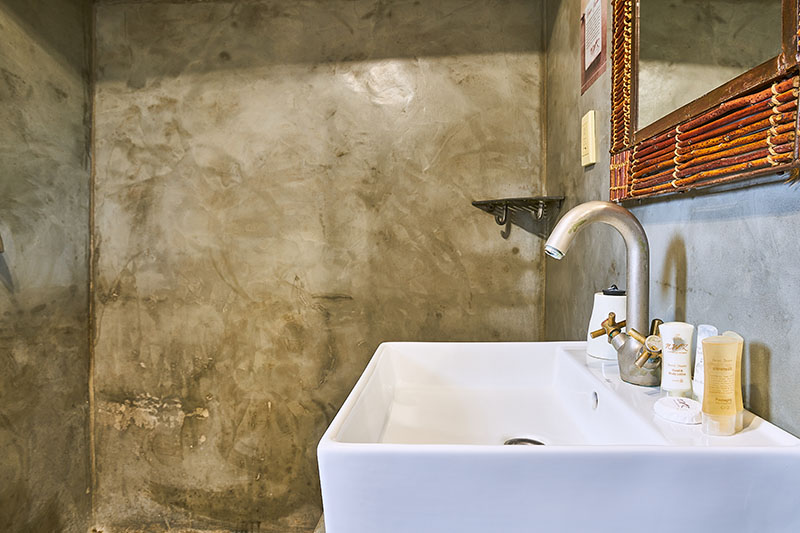
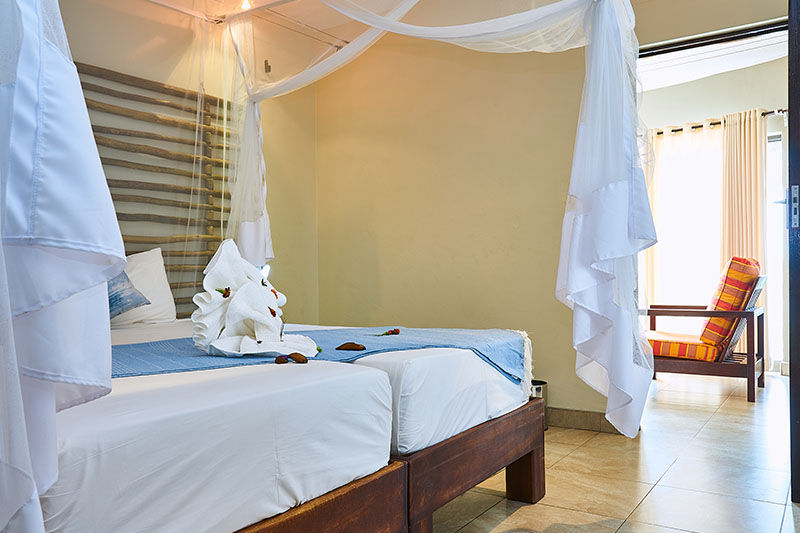
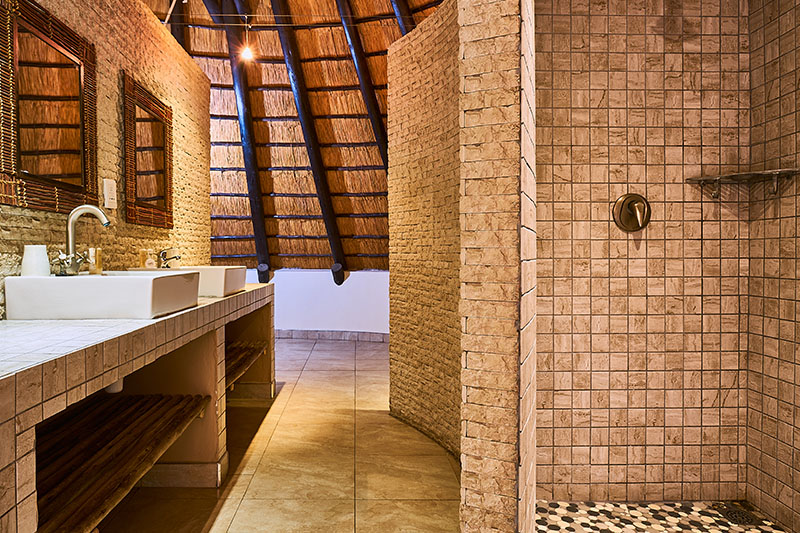
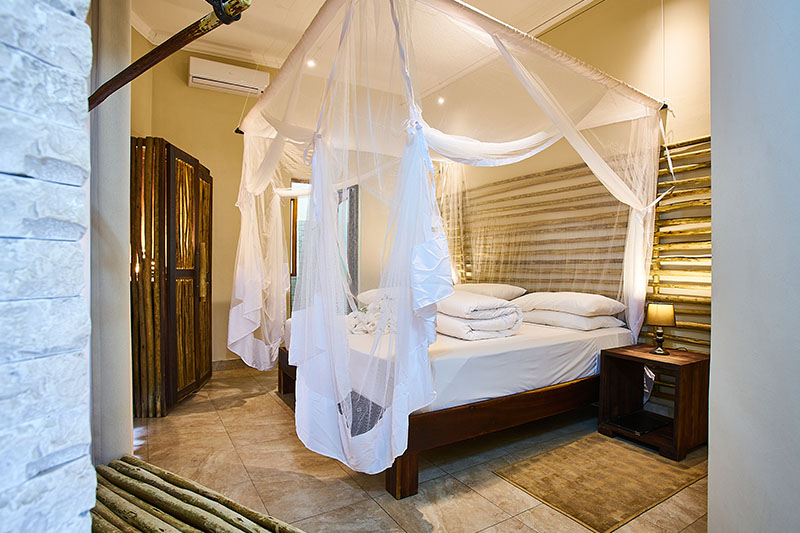
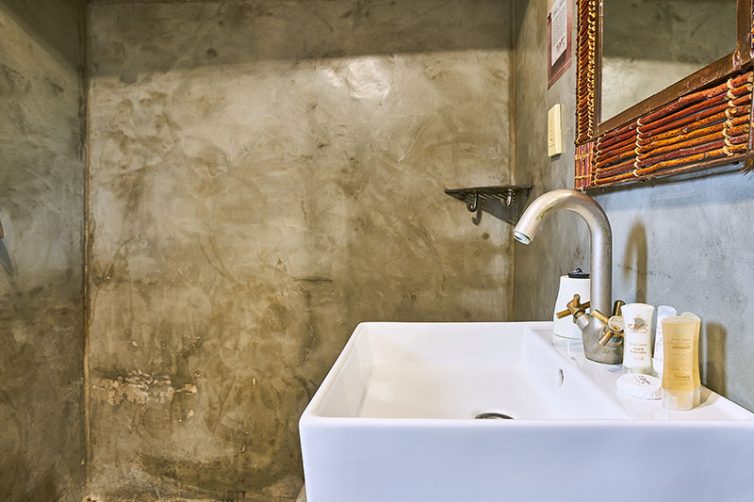
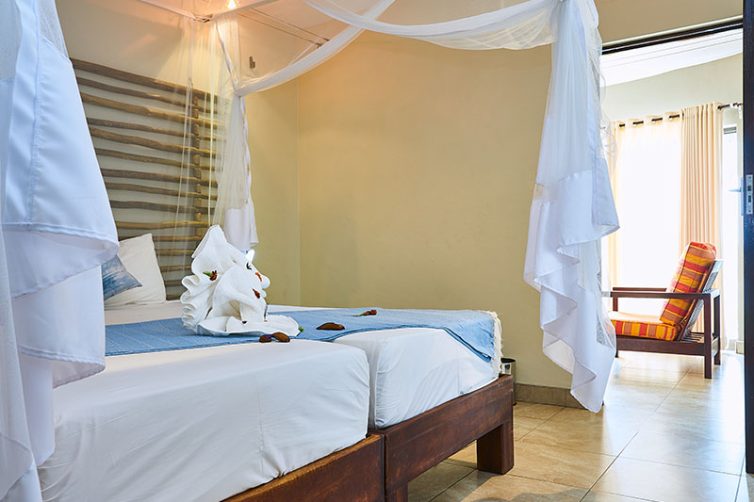
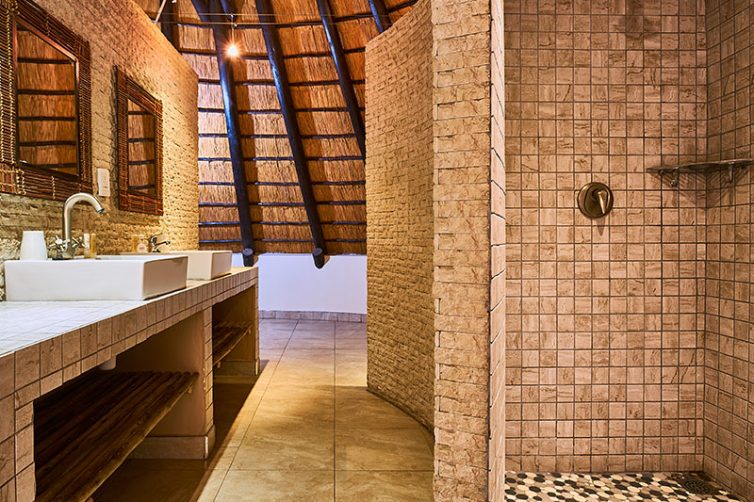
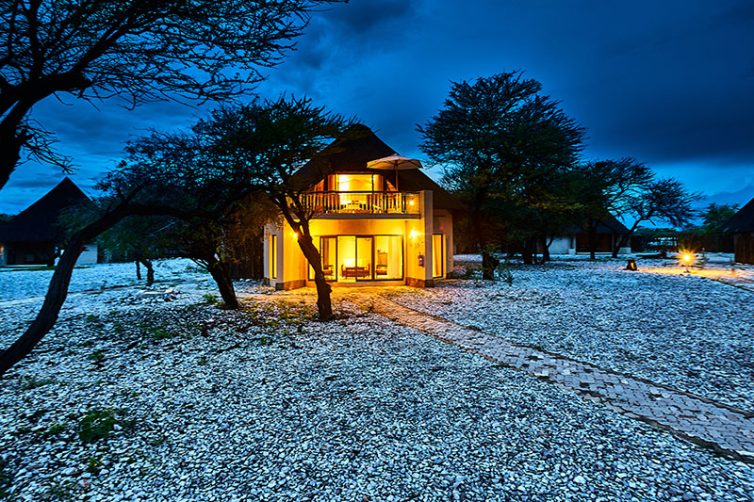
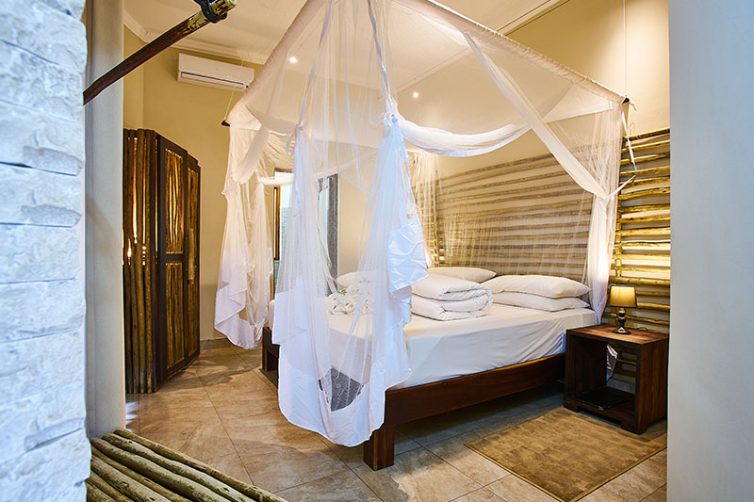
Accommodation is offered in a variety of double rooms, bush chalets, family chalets, waterhole chalets and premium waterhole chalets, all comfortably furnished and all with en suite facilities. All rooms and chalets have air-conditioning, a fridge and a kettle.
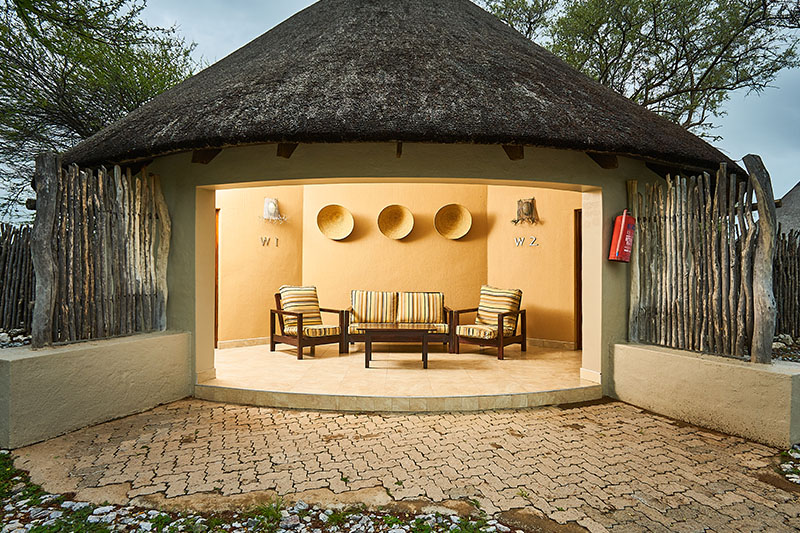
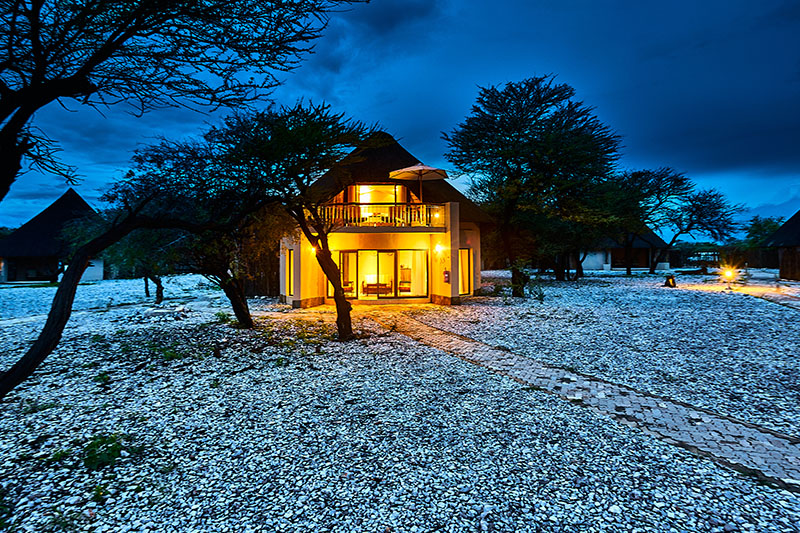
The family chalets are on one level and have two en suite bedrooms, a shared living area and kitchen with cooking facilities and an outside braai area. The bush chalets also include an outdoor braai area and indoor sink (but no indoor cooking facilities). The premium waterhole chalets are double storey two-bedroomed units (each bedroom is en suite) and include an upstairs balcony looking towards the waterhole (views can be partially obscured by trees).
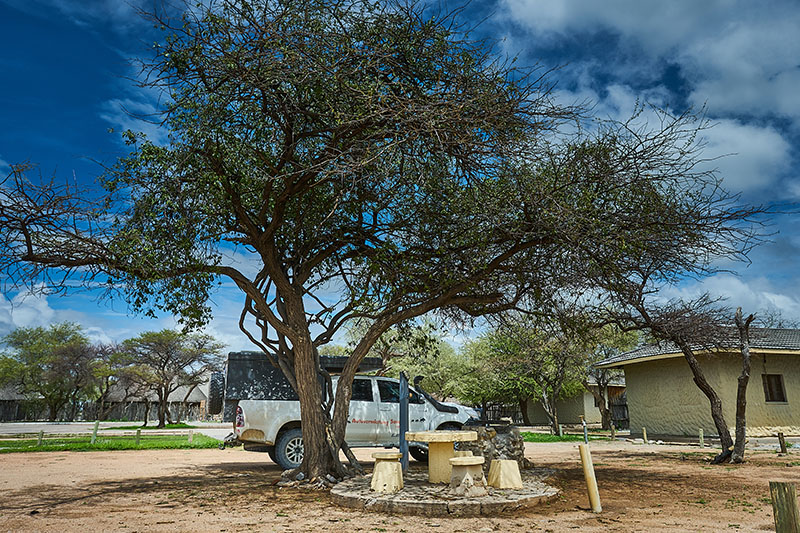
There is also a public camp site which is very busy but has good facilities.
Central Areas
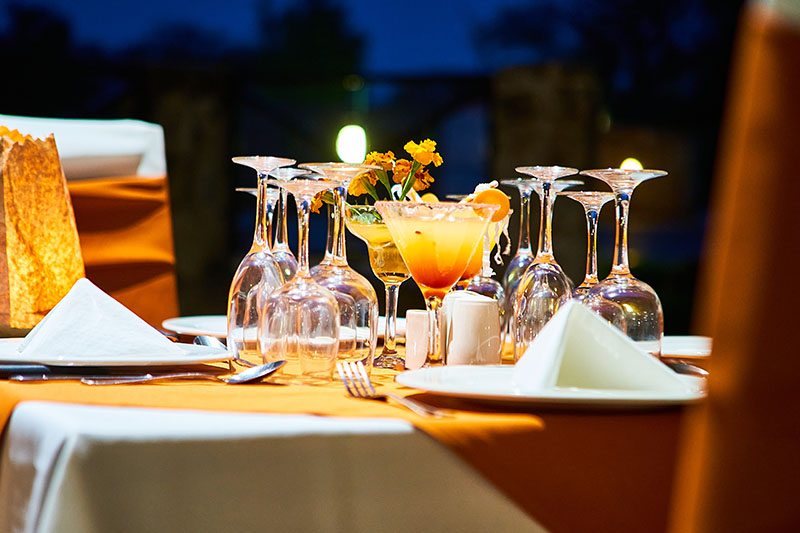
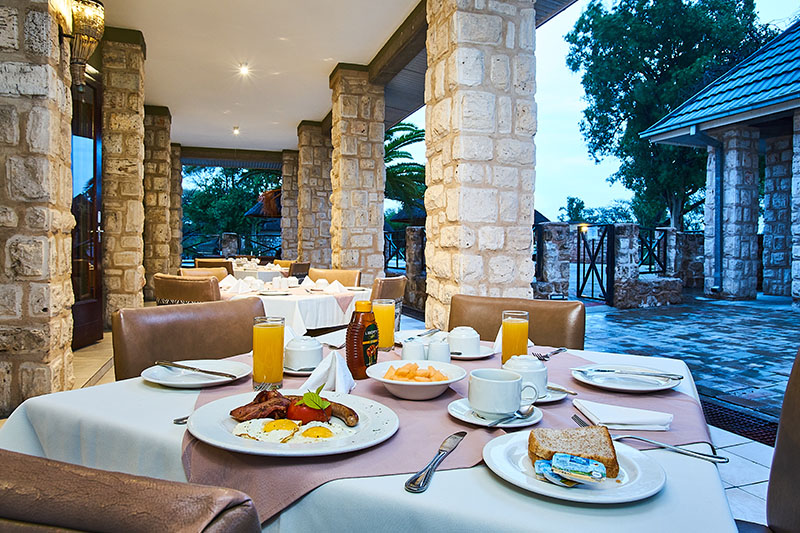
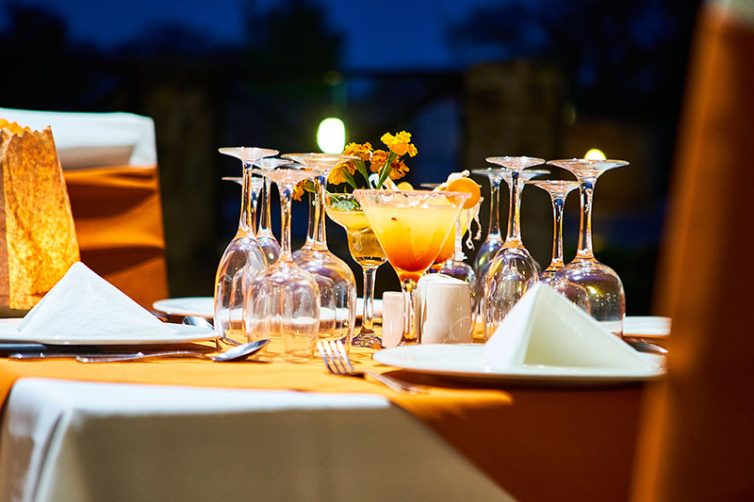
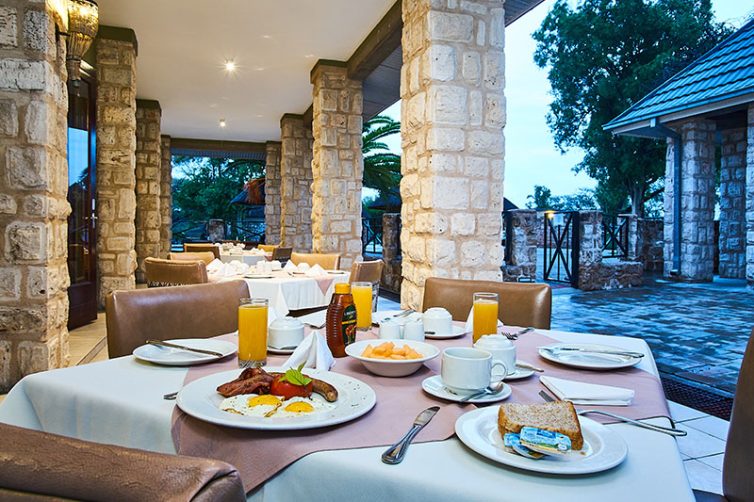
Central facilities include a shop, restaurant, fuel station and swimming pool. The highlight is the floodlit waterhole where you can watch nocturnal species drinking at night. This waterhole is particularly productive for black rhino during the dry season months.
Facilities
Wi-Fi – Yes
Power for Charging – Yes
Swimming – Yes
Area
The 22,270 sq. kms Etosha National Park was proclaimed a game reserve as early as 1907 (after years of being a hunter’s paradise), but it was not until 1958 that it gained its National Park status. The famous pan, which covers an area of some 4,900 sq. kms. was discovered in 1815 and, according to geologists, is the remains of a huge inland lake, fed millions of years ago by the Kunene River, which changed course causing the lake to shrink to its present size. During the rains, the pan does hold sufficient water to enable millions of waterfowl to descend onto it, including greater flamingo, which breed here. The extensive habitat is home for some 340 species of birds, including the ostrich, kori bustard, black-bellied korhaan and red-crested korhaan; numerous species of francolin, vulture, hawk, eagle, plover, rollers and waterbirds such as Egyptian geese, spoonbill, avocet, ducks and storks; and finally, the stunning crimson-breasted shrike. Strangely, there is also a rather special small population of blue crane. The vegetation varies from the desolate sands of the pan and the surrounding grass plains (of salt-loving grasses and shrubs) to deciduous bush and mixed woodland. Animals to be seen include elephant, lion, cheetah, leopard, eland, black rhino, kudu, hartebeest, giraffe, zebra, wildebeest, black-faced impala, springbok, gemsbok and the small Damara dik dik. Bat-eared fox, jackal and hyaena are also common. The best way to game-view through the park is to spend time visiting the various waterholes which are found south of the pan itself. These attract a wide range of wildlife species.
Activities
Guided morning, afternoon and night game drives are operated by Namibia Wildlife Resorts and can be booked locally at the camp or in advance; or else the camp is well located for self-drive exploration of the park.
Seasons
Although you can visit Namibia year-round, the best time to visit Etosha is June through to October.
Children of all ages are accepted and the family chalets offer practical accommodation for those travelling with children.
Through the payment of National Park entry fees, all guests are contributing to the upkeep of the park and the conservation of its wilderness and wildlife.