Wilderness Camping with Kunene Tours
Kunene Tours Offer Wild Camping Adventures Through The Rugged And Remote Wilderness Of Kaokoland.
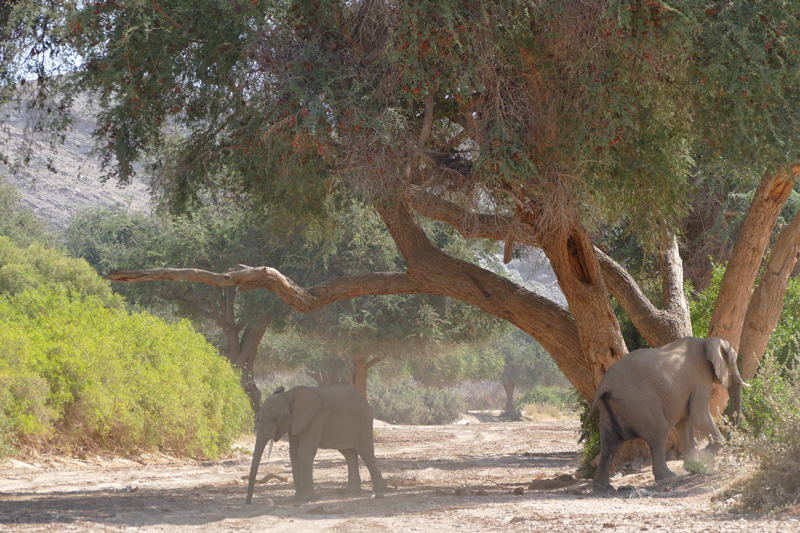
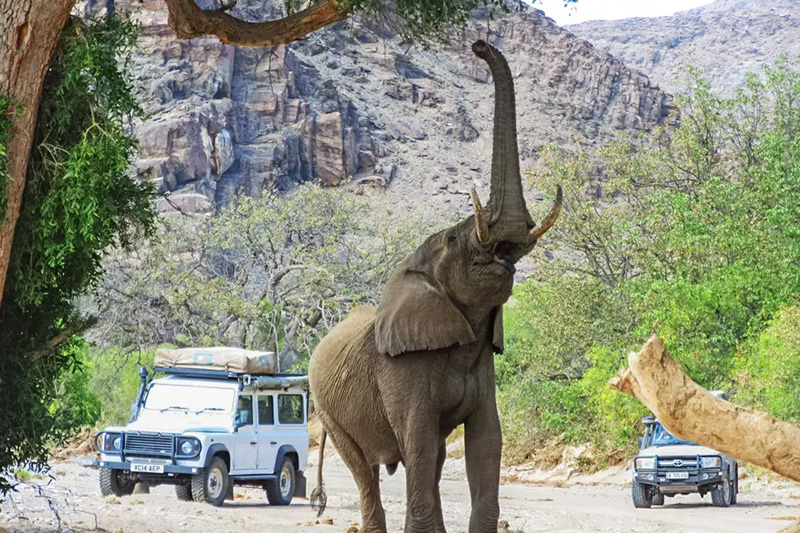
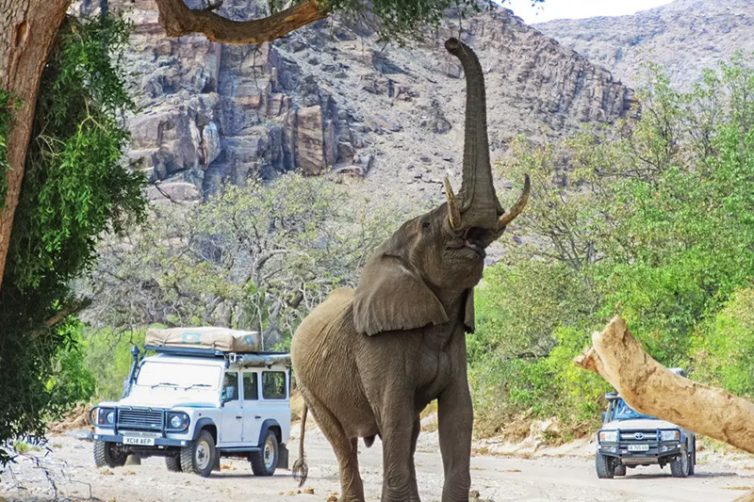
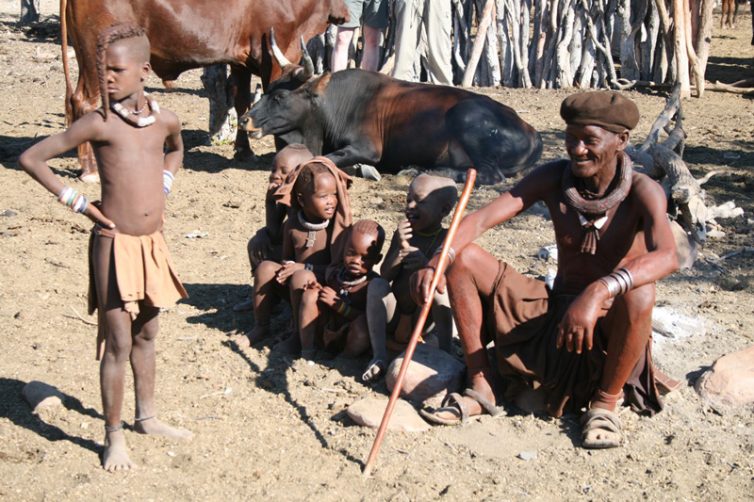
Wild Camping with Kunene Tours is adventurous and not suited to anyone seeking traditional luxury and relaxation. If, however, you are happy to adopt a modest level of comfort for a few days, spend some hours on the road through the wilderness, and embrace the unpredictability of exploration, this safari could be one of the most rewarding trips you ever do. The scenery is incredible, and travelling through it by land gives you a true perspective of the scale and remoteness. There is wildlife to see, from desert elephants and lions to desert dwelling reptiles and birdlife, and culture to embrace when you come across Himba communities. But mostly this is about pure wilderness exploration, escaping the modern world into a physical, dynamic environment where you have time to think and re-boot. We often recommend shorter trips (three nights) to fit the highlights into holiday schedules, but trips can be up to a week or more in duration if required.
Rooms
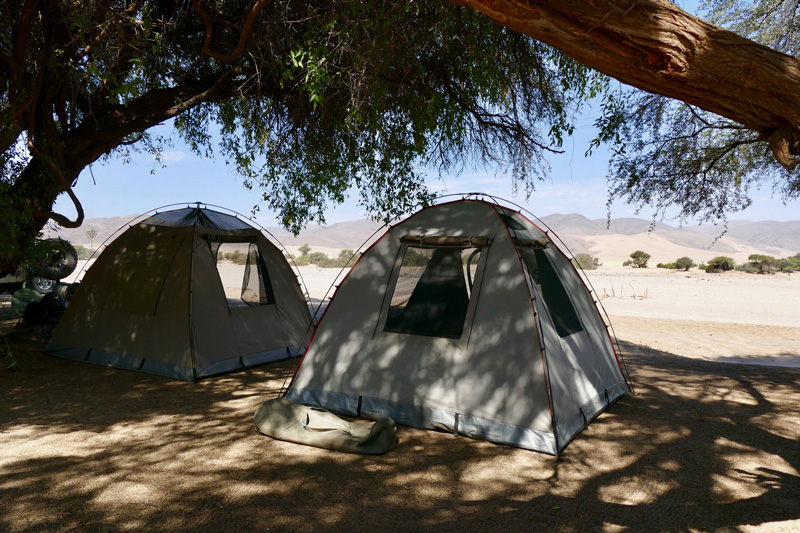
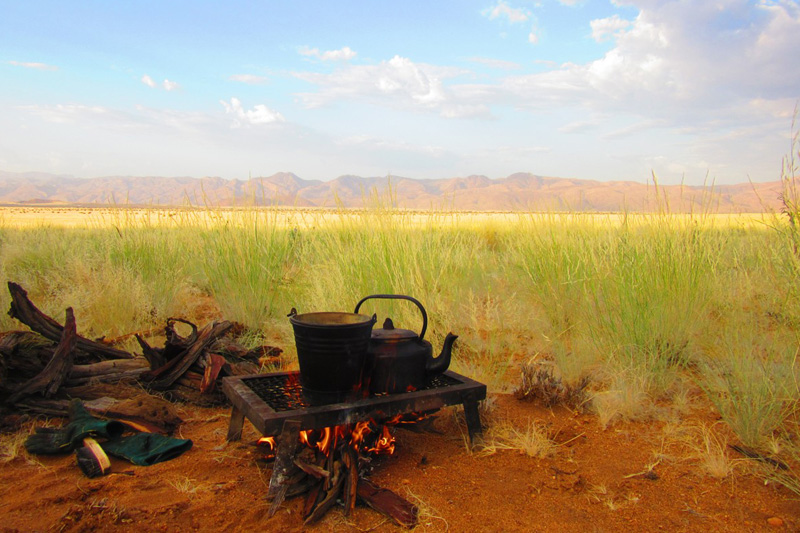
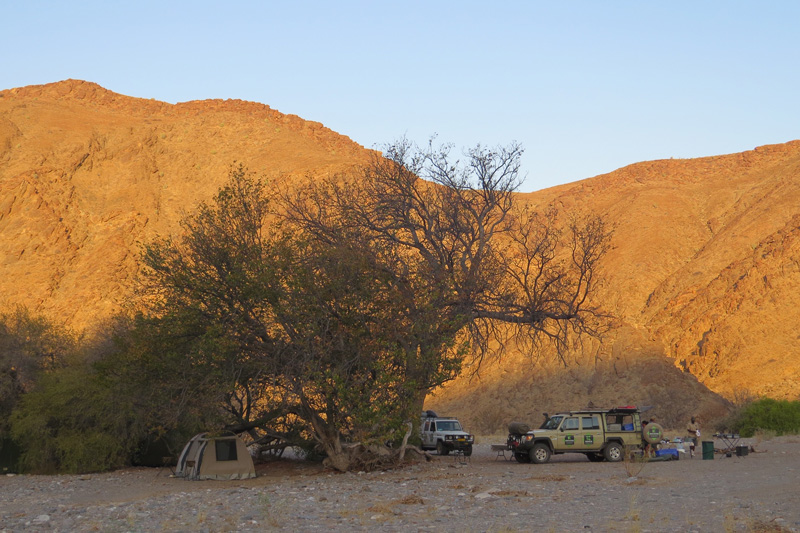
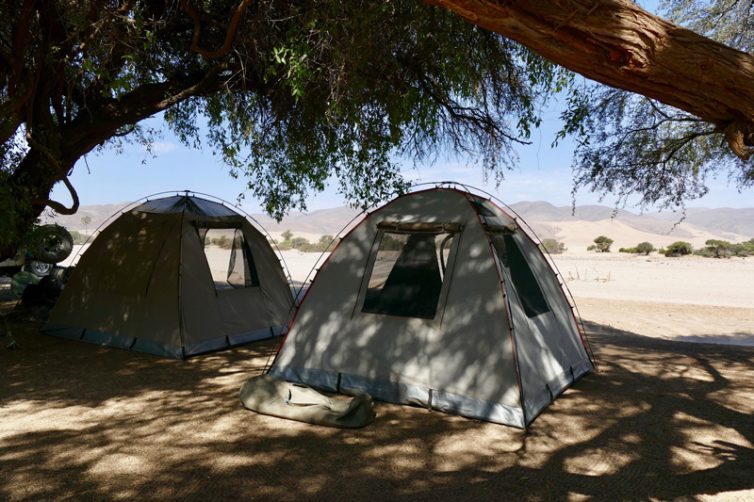
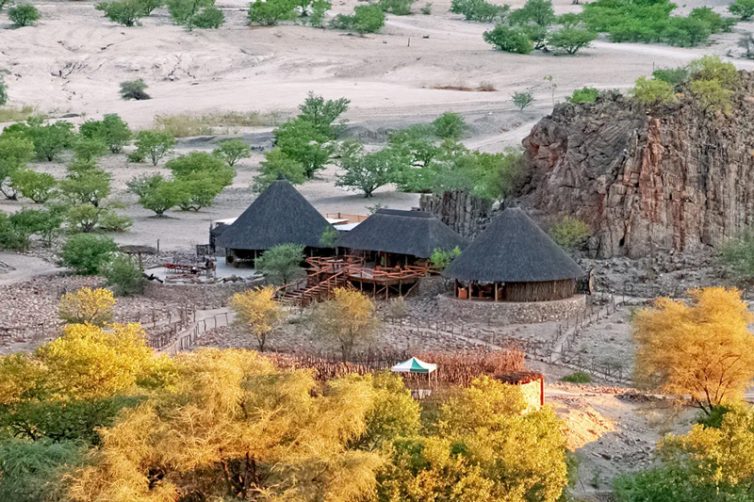
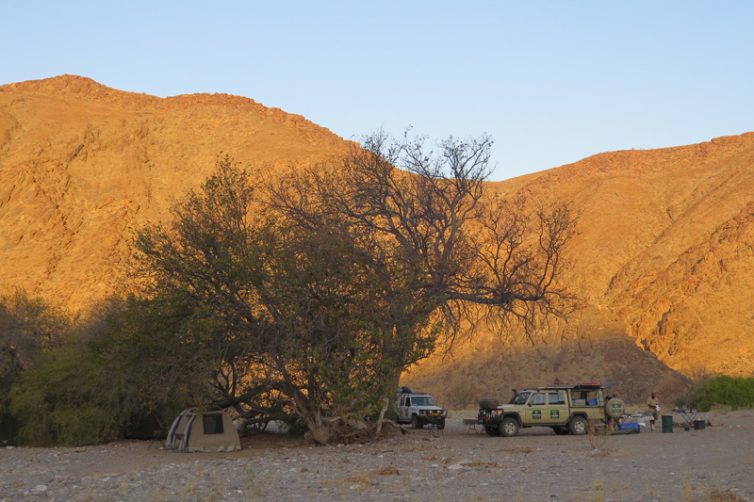
A combination of community camp sites and totally wild camp sites will be used, according to areas visited. Accommodation is in 10 foot square ‘igloo’ tents, containing camp beds, mattresses, linen etc, towel, battery powered lamp and a bedside table. Outside your tent will be a washstand, with hot water available on demand. In the community camps sites, flush toilet and hot shower facilities are provided in each allocated camping space, whilst where ‘wild camping’ is required, your guide will rig up a short drop toilet tent, and a bucket shower on the side of the vehicle, with a canvas screen.
Central Areas
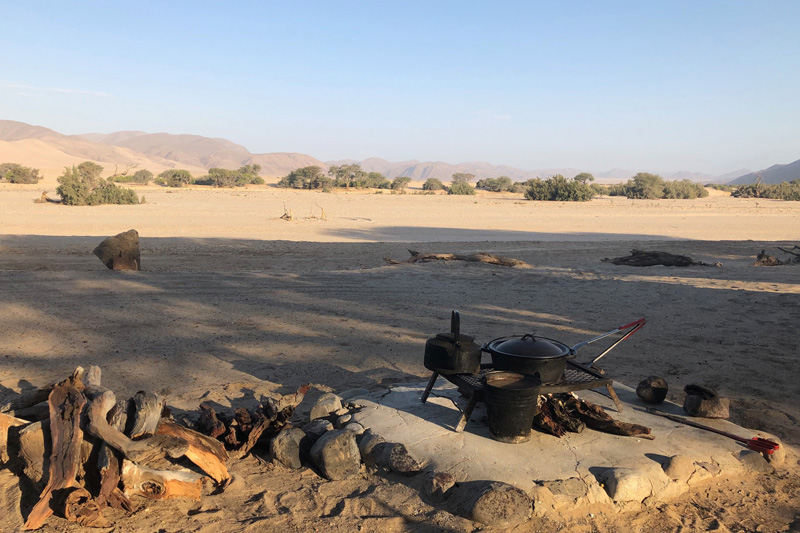
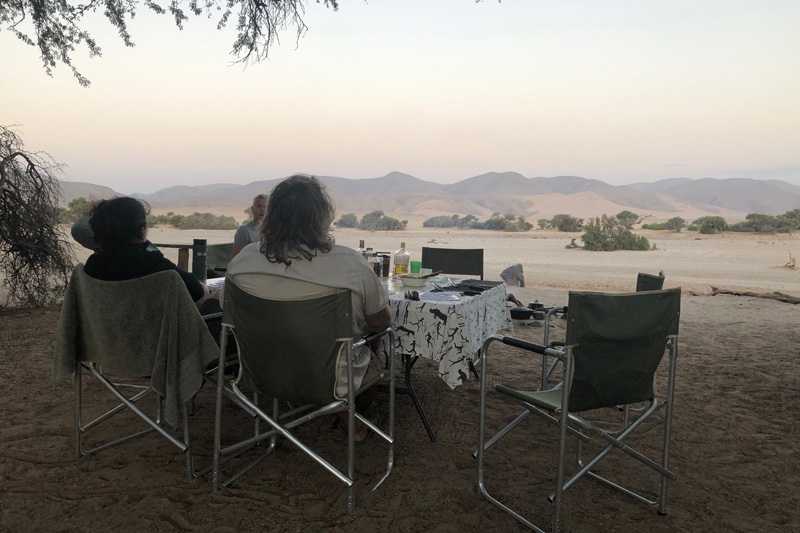
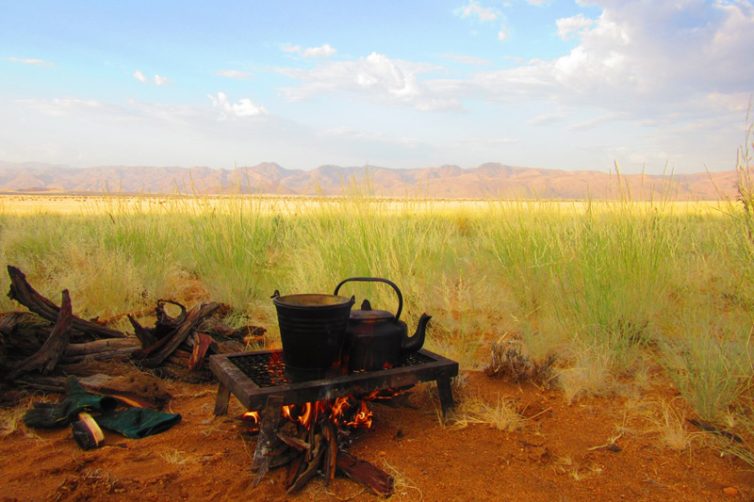
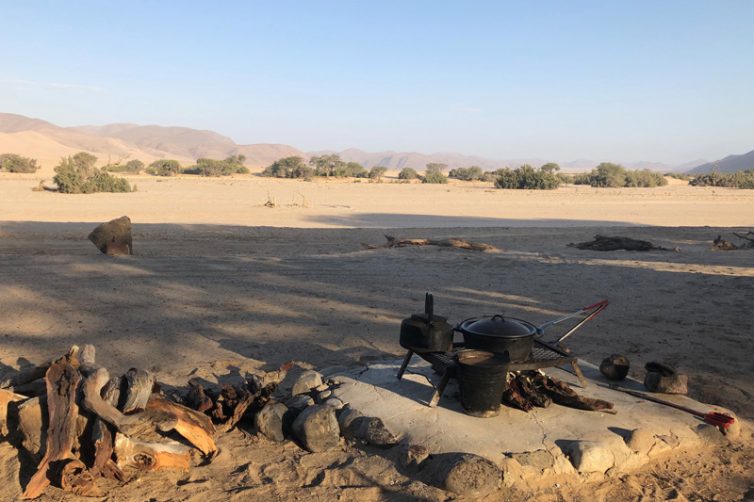
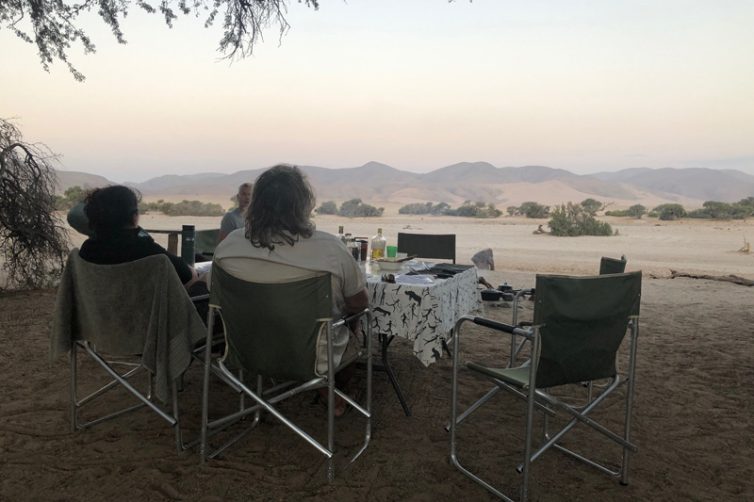
When wild camping, evening meals will be taken around a camp table, with chairs provided, and drinks will be cooled by a fridge in the vehicle and stored in cool boxes overnight.
Facilities
Wi-Fi – No
Power for Charging – Limited
Swimming – No
Habitat & Wildlife
Kaokoland and the Skeleton Coast offer some of Namibia’s most remote and dramatic landscapes, beginning in the Hoanib Valley and stretching north to the border with Angola. The interior of this rugged wilderness is defined by towering mountains punctuated by the sandy valleys and deep gorges of several ephemeral rivers, including the Hoanib, Hoarusib, Tsumeb and Kunene. The terrain is challenging and remote, with the vast distances between remote settlements emphasizing the region’s wild character.
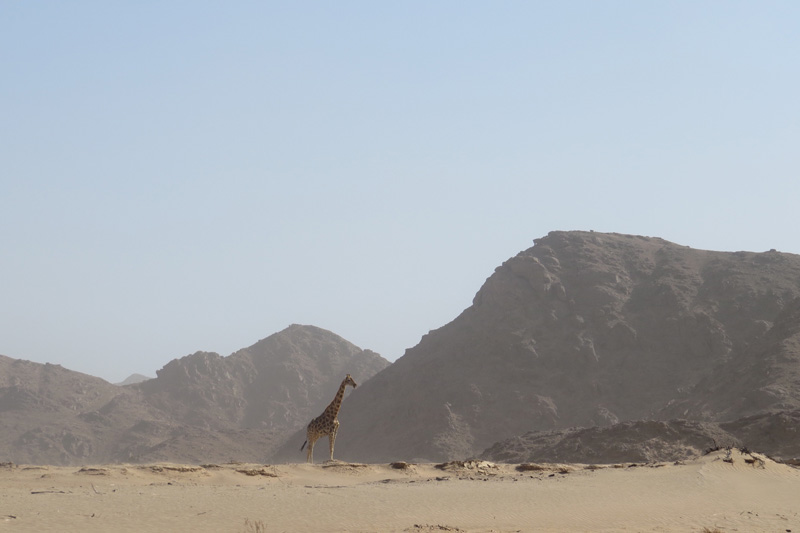
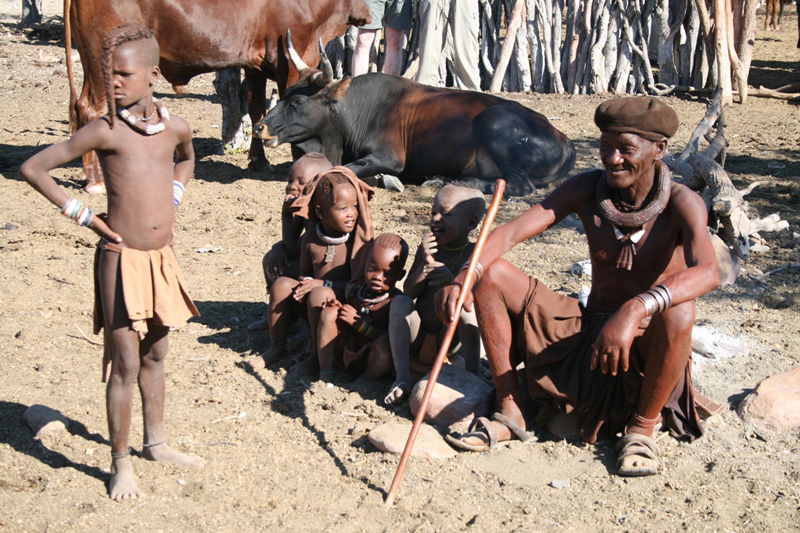
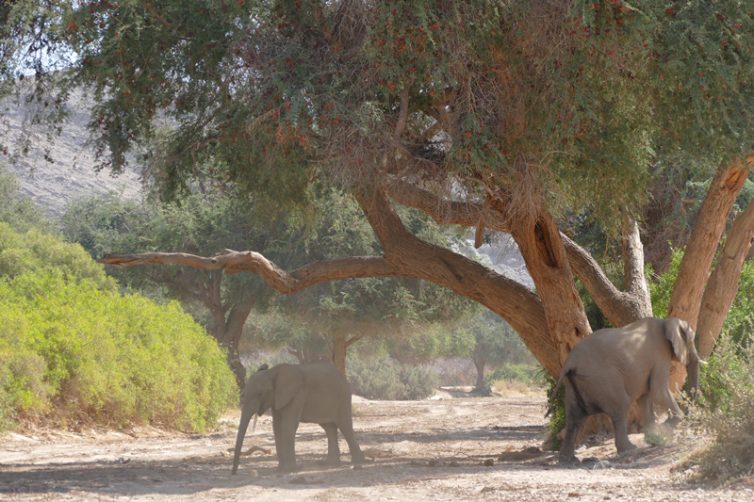
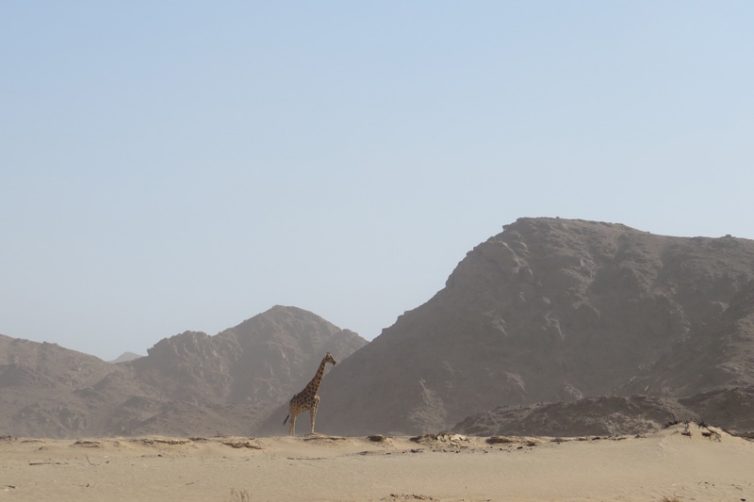
In the far north, the Kunene River forms a verdant corridor in an otherwise arid landscape, providing crucial water for wildlife and pastoralists alike. Kaokoland is home to semi-nomadic Himba communities who maintain traditional lifestyles, herding cattle and goats in harmony with the desert environment. Wildlife is abundant despite the harsh conditions, mostly found along the river beds. Desert-adapted elephants traverse the Hoanib and Hoarusib, as do giraffe, elusive desert lions and the occasional cheetah. Herds of oryx, springbok and Hartmann’s mountain zebra are seen throughout the area. Birdlife is plentiful, with raptors often seen circling above the valleys.
Towards the coast, where the mountains end, the inhospitable Skeleton Coast National Park is primarily made up of wide gravel plains and roaring sand dunes, bisected by seasonal river beds and the occasional rocky outcrop or oasis. Along the often mist-shrouded coastline scattered shipwrecks attest to centuries of maritime history, whilst seal colonies are patrolled by brown hyena and black-backed jackals who scavenge along the beaches and dunes. Desert adapted species such as oryx and springbok will venture throughout the park, whilst whales and dolphins can be seen off the beach, and the coast is well known for offering excellent onshore fishing.
Typically, a three night safari would want to cover the Hoarasib River Valley (Purros and surrounds) and the Hoanib River Valley. You’ll have the opportunity to see desert elephant as well as the Himba people, and travel through some spectacular landscapes. On a longer safari, you can include the Palmwag Concession in northern Damaraland, which is the best area in which to spot the elusive desert rhino, or extend northwards through the Kaokoland region, perhaps even travelling as far north as the Kunene River on the Angolan border. On these longer tours, you’ll be able to cross the infamous Van Zyl’s Pass, travel along the Marien River, and through the spectacular Hartmann Valley – a truly wild safari.
Activities
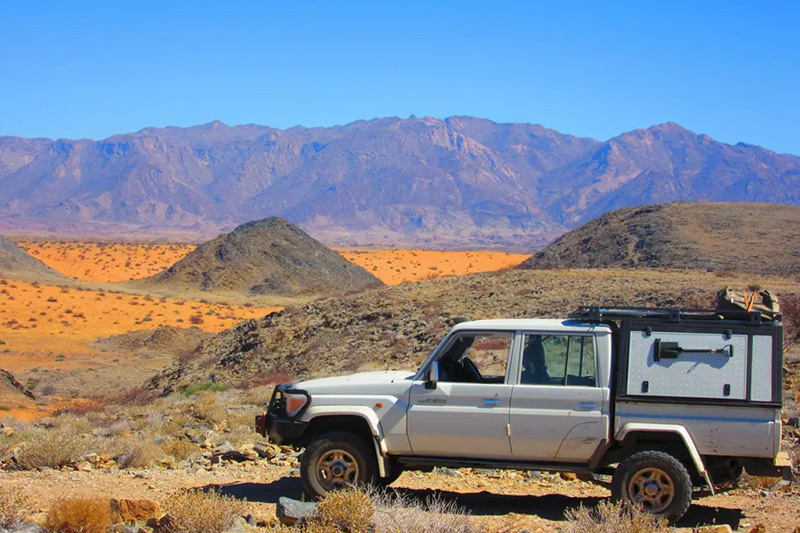
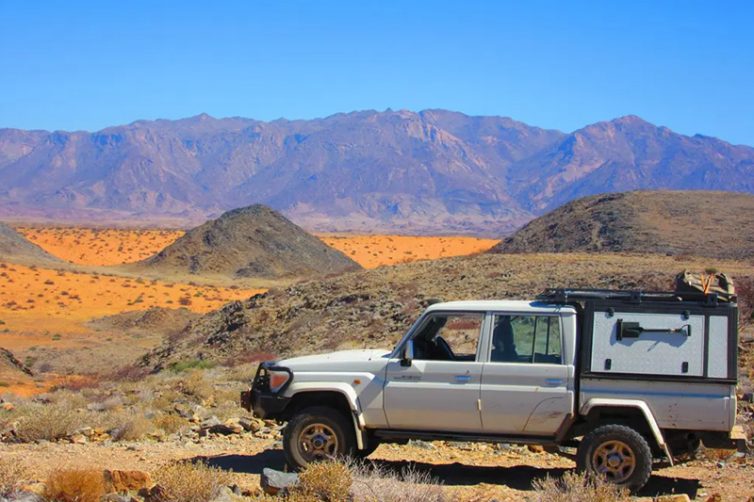
This is an overland expedition with many hours spent exploring and game viewing with your private guide and 4×4 vehicle. There are opportunities to stretch your legs and explore a little on foot, but there is not a specific focus on walking. Searching for desert rhino is possible in the northern Palmwag Concession, whilst from the Hoarusib River and northwards encounters with nomadic Himba tribes are expected and a highlight of the trip. The stunning scenery and dramatic landscapes form a major part of this safari.
Seasons
Kunene Tours operate all year round, but flash flooding along narrow river valleys can be a limiting factor during the rainy season from November to March.
This safari is not suitable for young children, and will only be suitable for older children that are comfortable spending many hours a day travelling by vehicle through the wilderness. For the right family with older children, this could be an amazing family adventure.
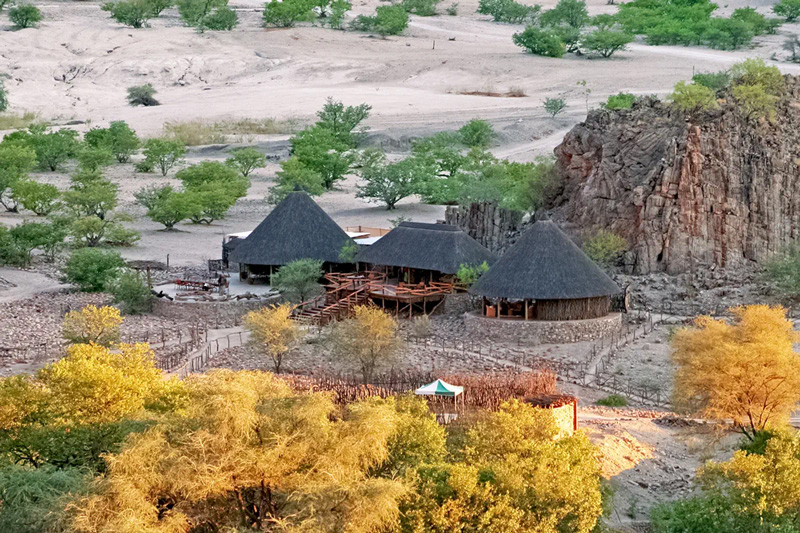
Kunene Tours owner Caesar Zandberg has been leading tours through Damaraland and Kaokoland for many years. He has a profound connection with these wilderness areas, arguably knowing them better than anyone. At his base camp, Khowarib Lodge, he employs and trains local Damara staff, and on his tours he regularly supports local communities by staying in their camp sites. He is known for providing sensitive interactions with Himba communities.