

When is the best time to visit Botswana?
You might think that the answer to this question is very obvious – as with most other African safari destinations, the later dry winter months lend themselves to superb wildlife viewing: there is little ground water, so the animals are more mobile as they search for water; and much of the vegetation has withered away under the harsh sun, making the animals far more visible.
All of this is true, but is it worth considering a safari to Botswana in the green season or are the compromises too great?
I have just returned from an extensive trip exploring part of the vast Linyanti region as well as some of the northern and western reaches of the Okavango Delta. Never having been in Botswana so early (March) in the year before I was keen to experience for myself what the game viewing experience is like.
When is the green season in Botswana?
The green season is generally viewed as starting in November, when the first rains begin to fall on the arid lands, and extending through until March or even April, when the rains finally begin to ease, and cooler mornings mark the arrival of the dry winter months.
Throughout the green season months, however, the weather and game viewing conditions vary considerably.
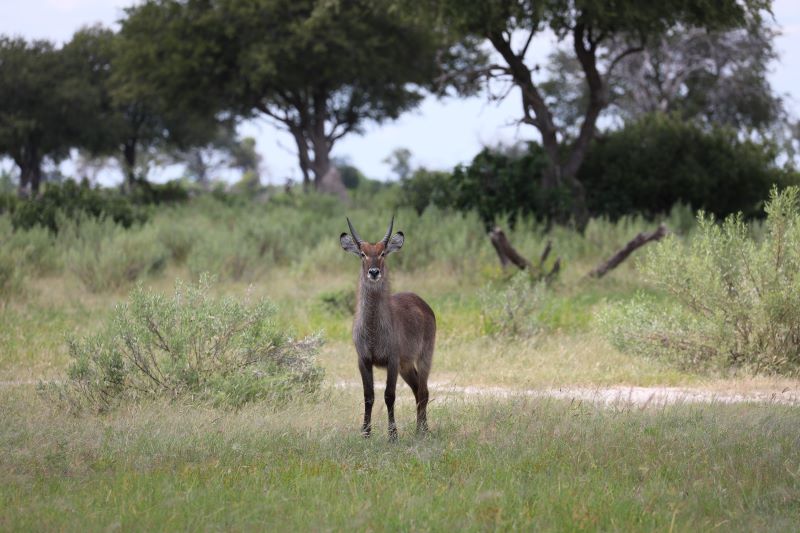
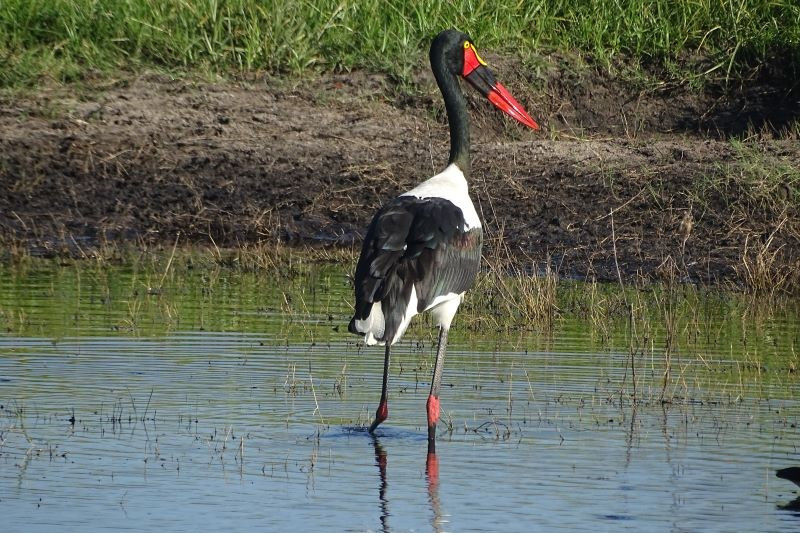
By the end of October, the land is parched, arid and dusty, but the game viewing is excellent. Convectional weather systems soon start moving across the country bringing with them dramatic thunderstorms. These storms often occur in the afternoons, leaving a dramatic imprint on the skies which are a photographer’s dream.
The heat can be searing at this time of year, but the big game wildlife viewing can still be superb throughout November.
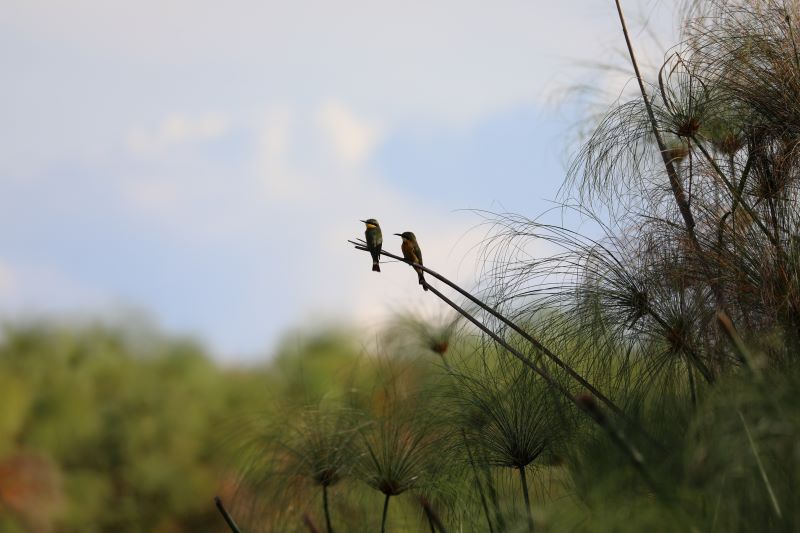
Birding too is excellent as intra African, European, and Asian migrants such as carmine bee-eaters, swallows, woodland kingfishers, plus large numbers of storks and herons make their annual pilgrimage to the Okavango Delta looking for both feeding and breeding grounds.
The first rains have an immediate impact. A flush of green appears almost overnight as new shoots appear. This provides much needed nutrition, particularly benefitting the grazing antelope species. At the end of the year, and into the start of the next, with food in such easy supply, many of these antelope will drop their young, so it’s a lovely time of year so see the adorable young animals running around; but equally it can be a time for action-packed game viewing as the vulnerable youngsters make easy pickings for predators.
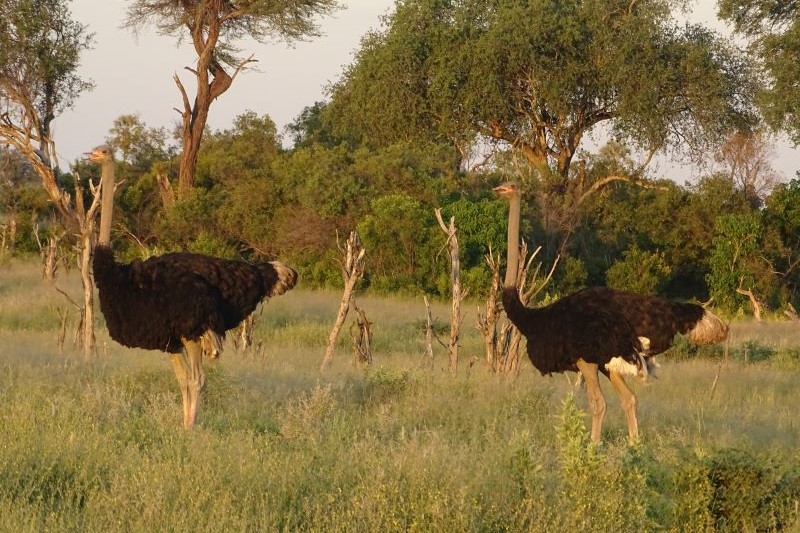
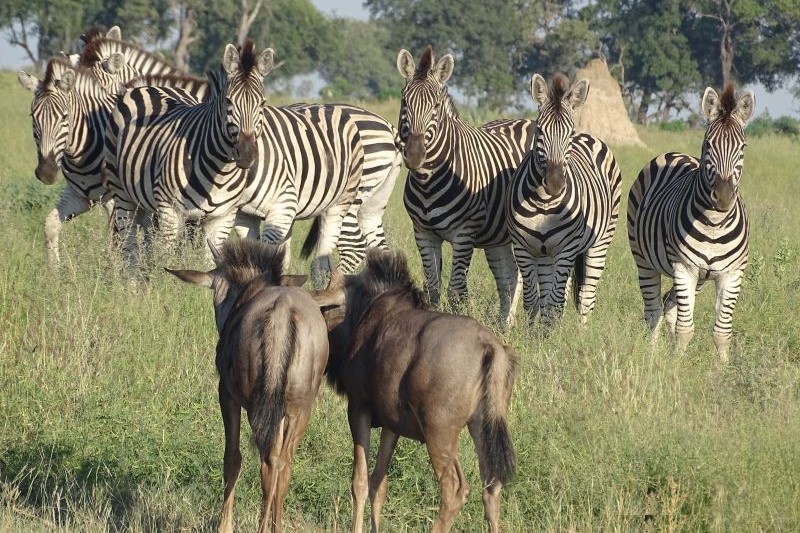
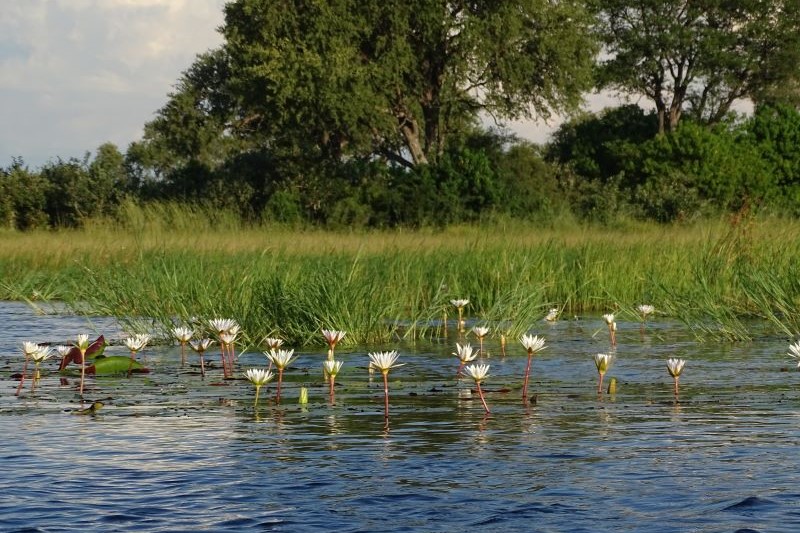
January and February bring the most consistent rainfall with regular heavy downfalls and by now the bushes have thickened out with new growth, the trees are fully green once again with sweet fresh leaves for the browsers to feast upon and the grasses have grown high, sometimes to over half the height of a game viewing vehicle.
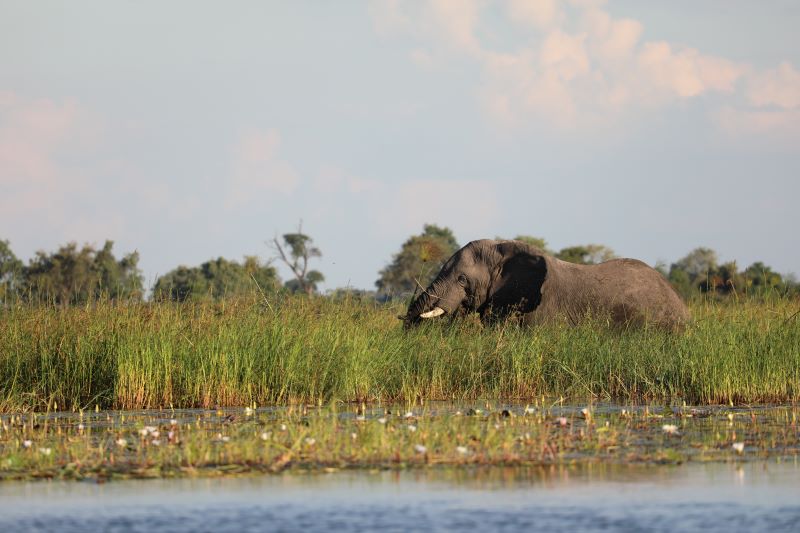
This is a wonderful time for the animals – with the pressure to find water removed, many of them, including elephants, will retreat to the woodlands where there is an endless supply of food and water. This can make game viewing more challenging.
Is climate change having an impact on seasons?
The above description is how weather patterns have played out in Botswana for hundreds of years, but they are altering and climate change is a major contributing factor. In 2019 and 2023/2024 the rains failed, resulting in harsh droughts. There was cost not only to wildlife, but also to the human population as crops failed with devastating consequences for both commercial and subsistence farmers. By contrast, in early 2025, the country and indeed much of southern Africa received unrelenting rainfall with severe flooding in the south of Botswana damaging infrastructure and causing schools to close. So whilst we know how the seasons traditionally affect the safari experience throughout the year, recent fluctuations and extremes in weather patterns mean traditional seasons are less predictable.
How do the rains affect the Okavango Delta flood levels?
Aside from being a life-giving force, rainfall also feeds Botswana’s most amazing natural habitat, and the biggest draw for safari goers – the Okavango Delta. However, whilst local rainfall does affect water levels in the delta, the seasonal flood is dictated by the rainfall in the distant Angolan mountains which arrives in the delta some months after Botswana’s own green season rainfall. It may seem counterintuitive, but it is when the flood waters are high that the game viewing can be at its best, especially where the waters create islands where the land loving mammals retreat to, thus making them more accessible to game viewers.

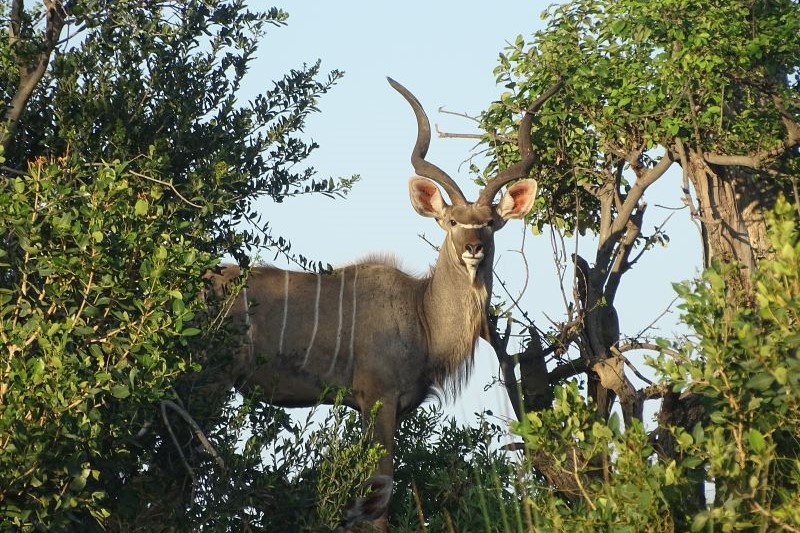
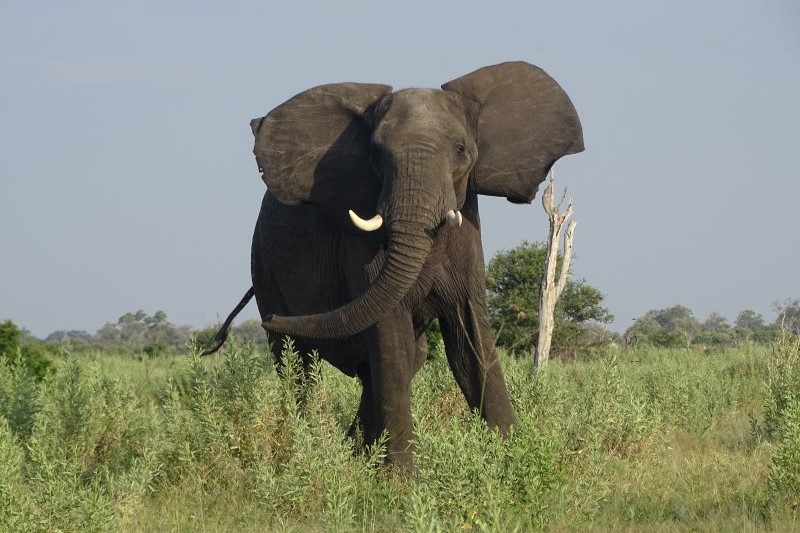
Given the recent levels of rain in Botswana, I was keeping my expectations of good game viewing firmly in check as I was anticipating the bush to be thick, lush, beautiful, and alive with birdsong, all if which it was. There is already a lot of water this year, mostly from the green season rains, which made the Delta look spectacular from above and the expectation is that the flood will be excellent this season.
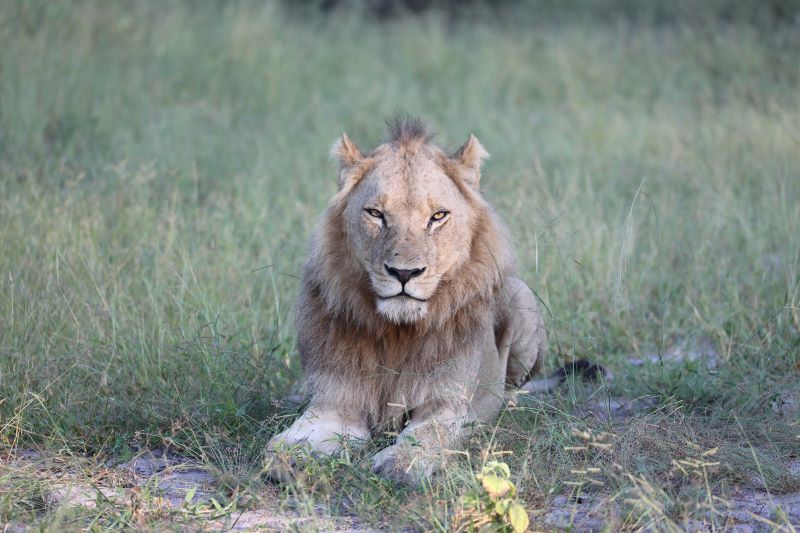
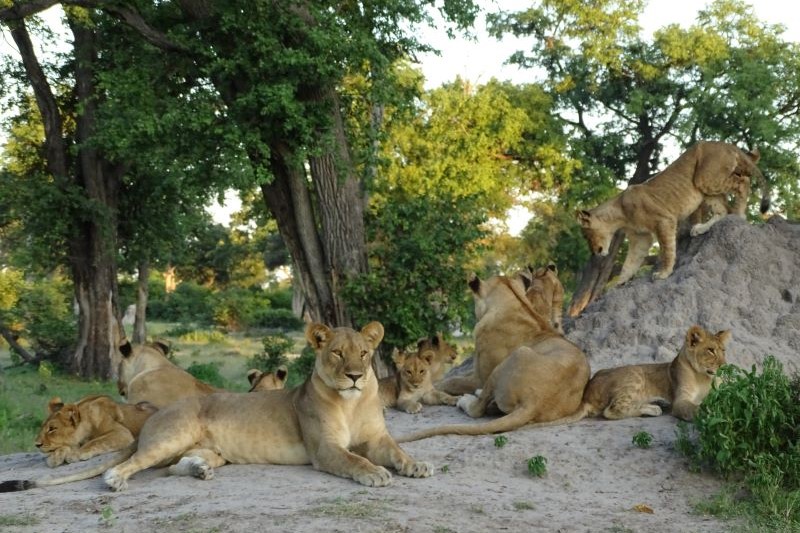
Whilst acknowledging that luck always plays a part, I was surprised at how good some of the wildlife sightings were, in particular the cats. The first evening drive from Wilderness Little Duma Tau camp led us to a beautiful pride of lions relaxing on a termite mound in perfect evening light; and a beautiful female leopard posed languidly on a branch, nor far from Mokolwane Camp.
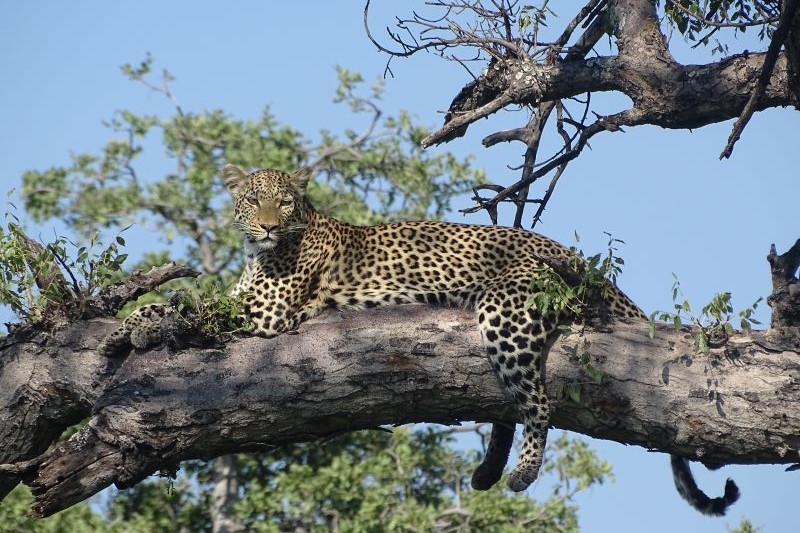
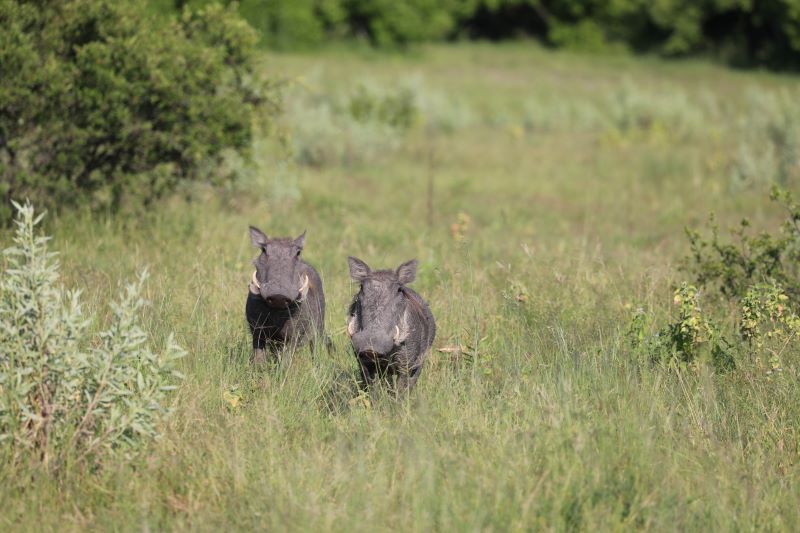
Along with incredible birdlife, the lion and leopard sightings were the most rewarding during my stay. The big cats dislike wet conditions as much as we do and so rather than get wet walking through high grasses, they prefer to walk along, and sleep on, established game viewing roads, making very easy viewing!
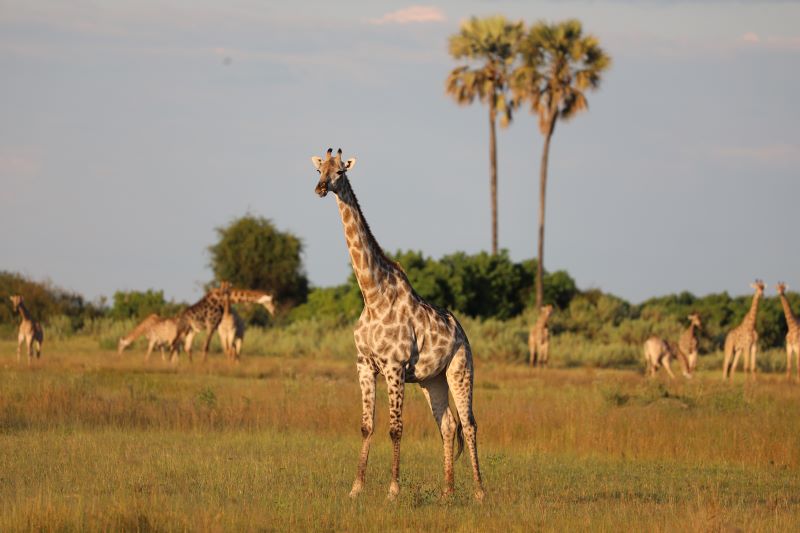
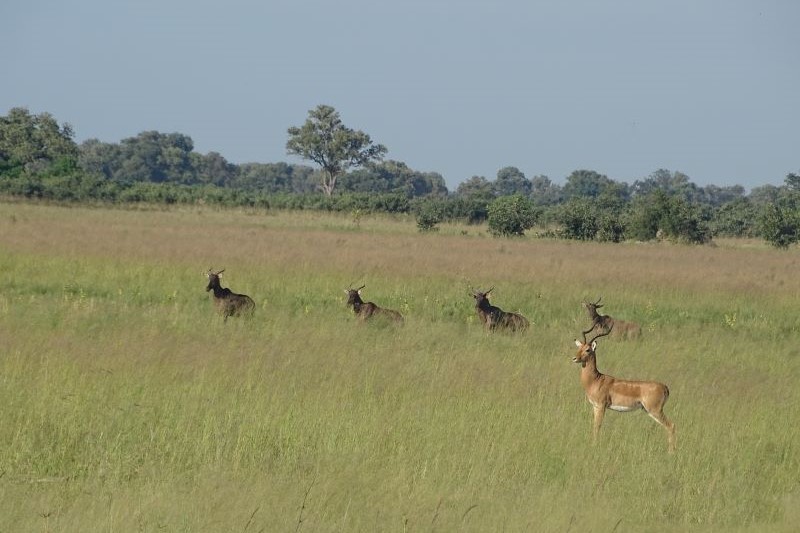
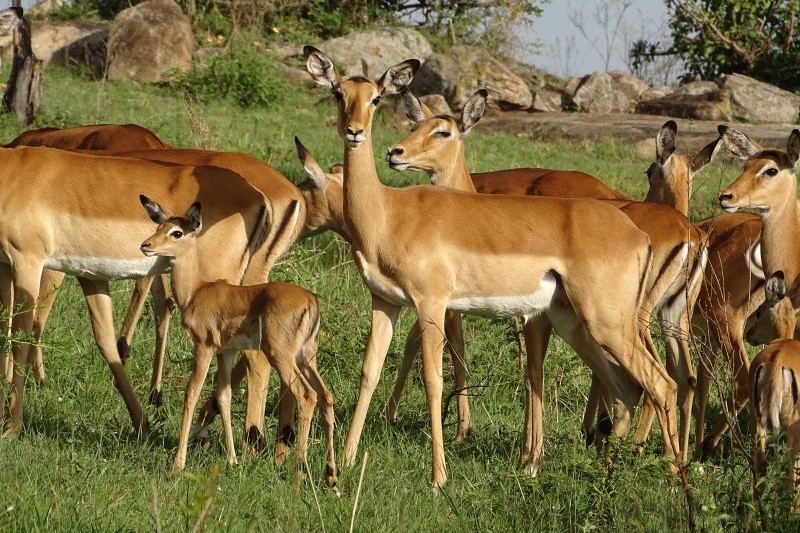
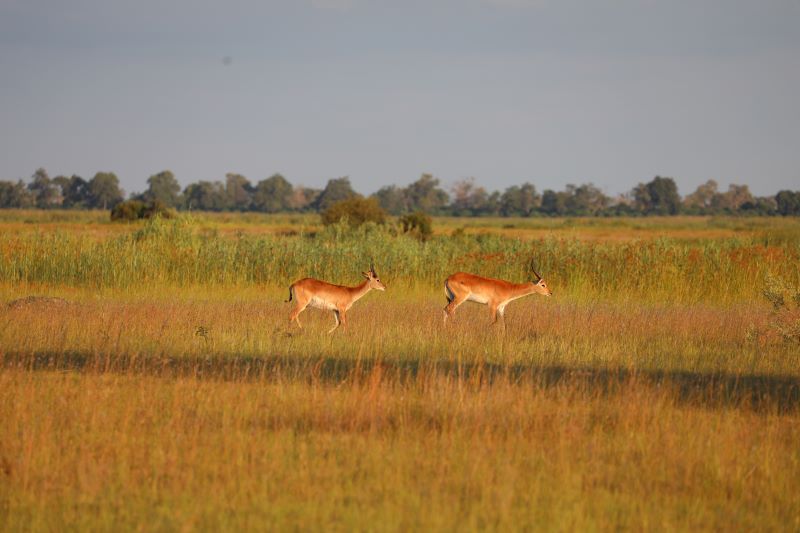
Plains game was in abundance with large numbers of impala and red lechwe. I had been hoping to see the more unusual antelope species, such as sable and roan, whilst staying at Karangoma in the northeastern Delta, but they were still in the inaccessible northern woodlands on the reserve and will only start moving further south as the waters dry up.
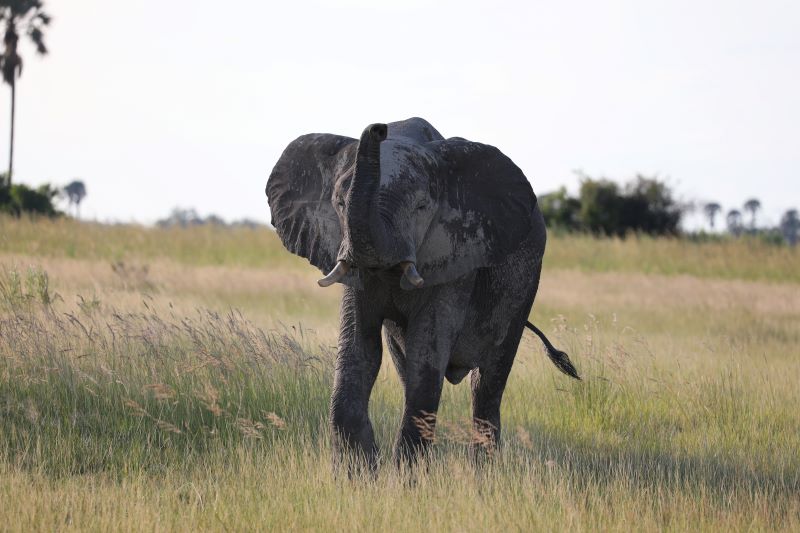
Elephants were also taking their time to return from their summer holidays, but we saw enough to keep an elephant lover like me happy!
Although there was plenty of water, the flood had not yet arrived and in my opinion the quality and availability of the water activities is one potential compromise of travelling in the green season. Camps such as Sitatunga Private Island Camp, Kala Camp and Xigera Safari Lodge, with access to the larger channels including the Jao Boro and Maunachira River are able to put their boats in the water earlier in the season; but whilst very enjoyable, these boat cruises don’t offer the same sense of tranquillity and ability to silently observe the birds as you float by, as is possible on the smaller channels which are created when flood waters push in.
What are the advantages and what are the compromises of green season in Botswana?
There are plenty of reasons to consider a safari in Botswana in the green season.
The cost of a safari in the green season is significantly better value than in the high season and in some cases, the savings can be as much as half.
There are fewer people travelling in the green season months, meaning fewer vehicles out on safari and thus increasing the sense of exclusivity.
The green season is an incredible time of year for birding with many of the species being resplendent in their breeding plumage.
The clear air, dramatic skies, vibrant colours, and photogenic newborns combine to make this a very popular time of year with photographers.
Somewhat inevitably, there are also some caveats to consider when planning.
You should expect some rainfall and should pack with the anticipation that you may even get wet, but the rain tends to be in short, sharp bursts, and you would be very unlucky to have your game viewing persistently disrupted.
The grass will be high in some places, and you could easily drive past a leopard hiding in the grass without knowing! We should be clear that the game viewing will not be as good as if you travelled in the peak dry season, but you will still see wildlife. The sightings may be more spread out, but in between them you will be driving through some of Africa’s most spectacular landscapes, and when you do come across a sighting, the chances are that there will be very few other vehicles in attendance.
Dependant on your particular interests, it is definitely worth considering a green season safari. If you are tempted, please get in touch with us to further discuss.
Mary stayed at Little Duma Tau, Selinda Camp, Karangoma, Kala Camp, Tubu Tree Lodge, Mokolwane, Macatoo, Beagle Expeditions and Xigera and if you are thinking of travelling in the green season it is essential to check which camps are open.
Botswana Green Season Safari in Video
Our Senior Safari Specialist, Mary Grimwood, recently visited the Okavango Delta for a whirlwind tour of the Okavango Delta in the green season. It was a bountiful trip, re-affirming the beauty and exclusivity of this watery paradise.


