As African safari specialists, we are often asked “When is the right time to take our children on a family safari?”.
A very simple, quick answer would be that, whilst it is possible to enjoy a family safari with children of all ages, children tend to get most out of a safari holiday if they are roughly 8 years or older. The older they are, the more they will join in, understand where they are, and remember their adventures.
However, as with all things ‘safari’, there is huge flexibility on what is possible and the decision on when to travel to Africa with children can be very individual to each family. What might be right for one family could be completely different to another, especially as different destinations in Africa offer completely different levels of adventure.
We find the perfect places in Africa and the perfect safari experience for families of all ages, shapes and sizes. Read on for a few things to consider but we do always say it’s best to give us a call as we can share our experience and find the right camps, experiences and destinations for you.

Travelling with older teenagers (16yrs+)
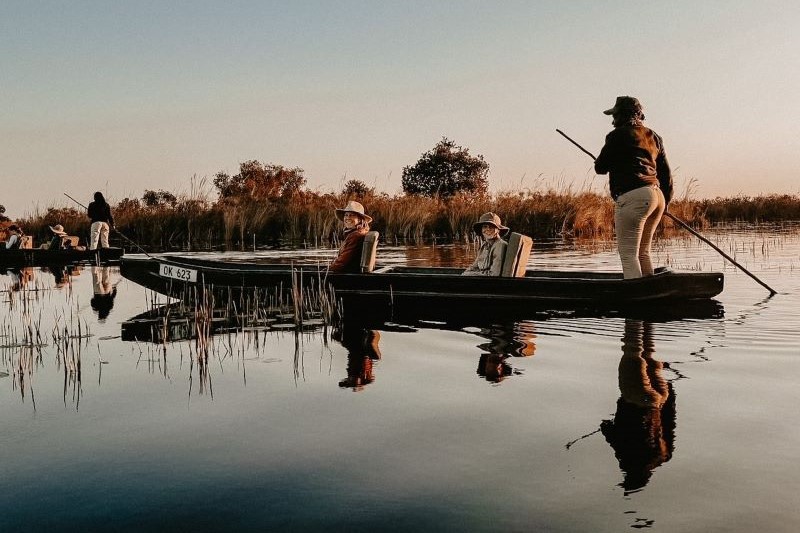
By the time children are 16 years or older they are virtually considered as adults and there are very few restrictions on where you can go and what you can do. You are less likely to require ‘family accommodation’ though in some places family units with more than one bedroom and bathroom may well still be ideal. Your decisions will perhaps be more oriented around normal considerations about what will suit everyone best, rather than needing to focus specifically on family factors. For inspiration take a look at family safaris in Botswana.
Travelling with younger teenagers (12 to 15 yrs)
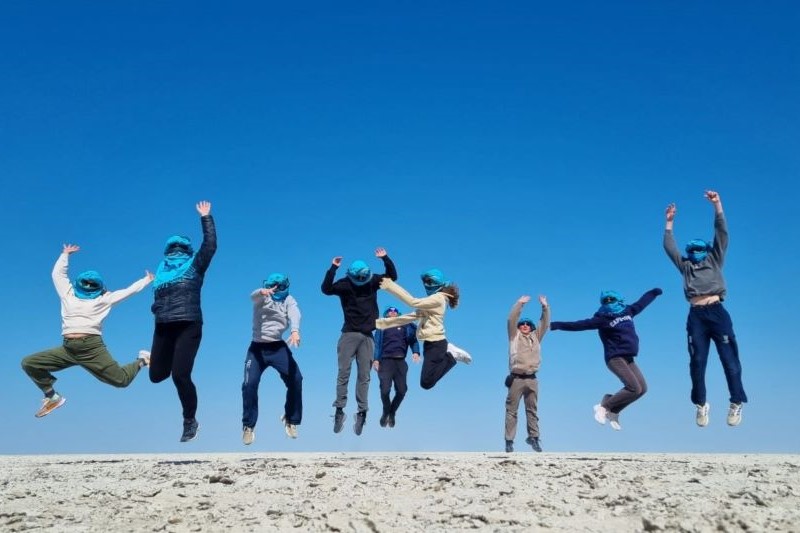
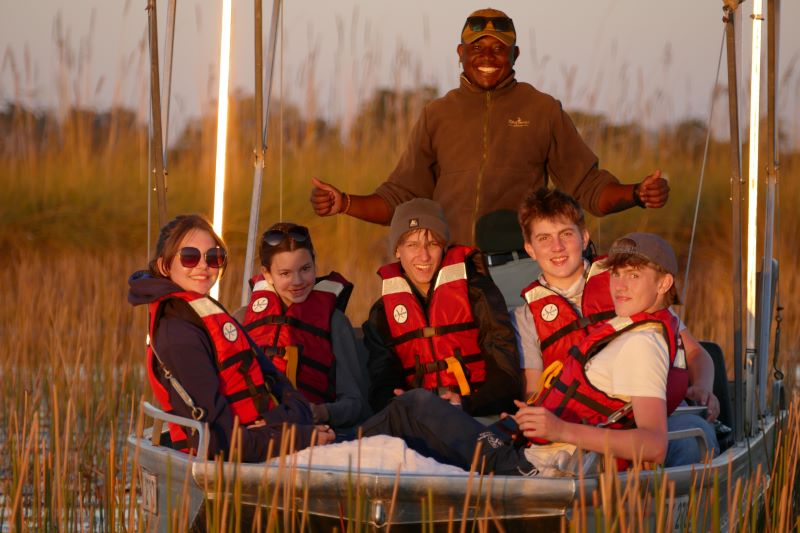
Children of this age can join most normal safari activities, though there are occasionally restrictions on more specialist activities. They can also still benefit from reductions on rates. Family accommodation is usually perfect, often including more than one bedroom and bathroom, but sometimes a large quadruple room/tent with one shared bathroom might be necessary. Some families may be comfortable with children having their own separate tent or room, especially if sharing with an older sibling. Very remote, adventurous safaris may still be inappropriate to this age group, but ultimately it will be an individual decision for each family what style of safari will suit them best. Decisions such as how long you spend on safari, how active and adventurous you wish to be, and how much travelling you include, should all be influenced by the ages and characters of your children. There is a perfect balance for all families. For ideas take a look at family safaris in Kenya.
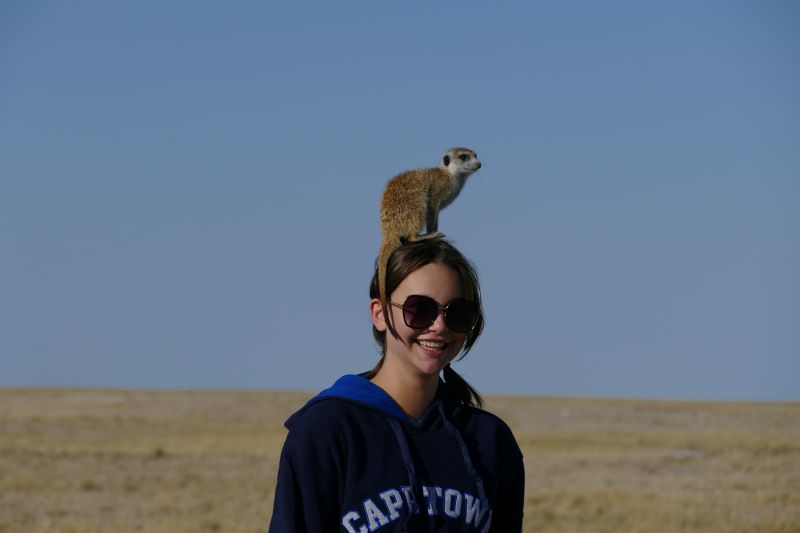
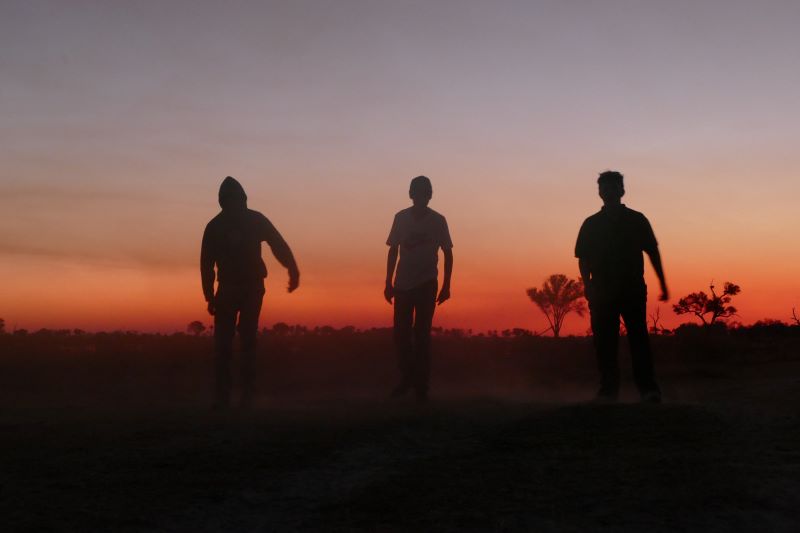
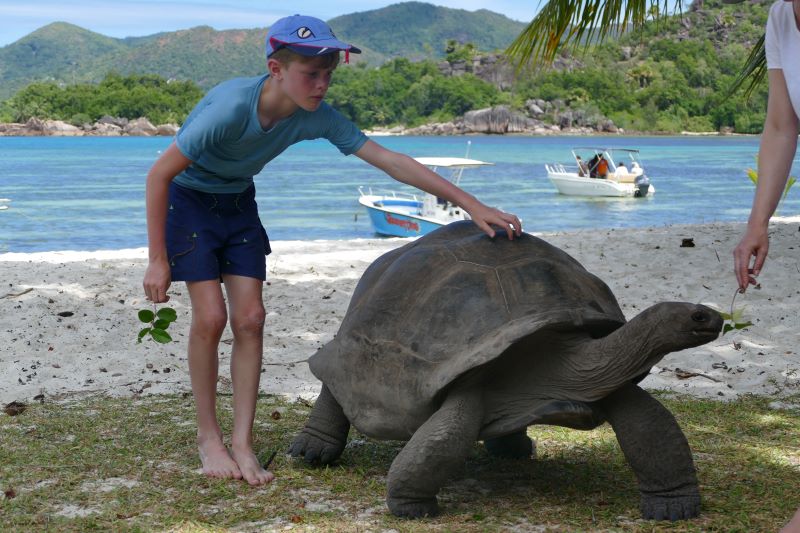
Travelling with young children (6 to 11 yrs)
Obviously, there is a big difference between travelling with a 6 year old or an 11 year old, but broadly speaking this is an age range where there is much to consider to ensure the safari is a success. Most suitable safari camps and lodges accept children of all ages, but there are some which don’t accept children under 12 years old, especially in more remote areas. Family-style accommodation is 100% necessary, often with your children sleeping close by to you and sometimes sharing one bathroom. Children of this age group are welcome on game drives (private vehicles are sometimes necessary and often recommended) however some other activities are often not permitted for safety reasons, such as walking or horse-riding safaris.
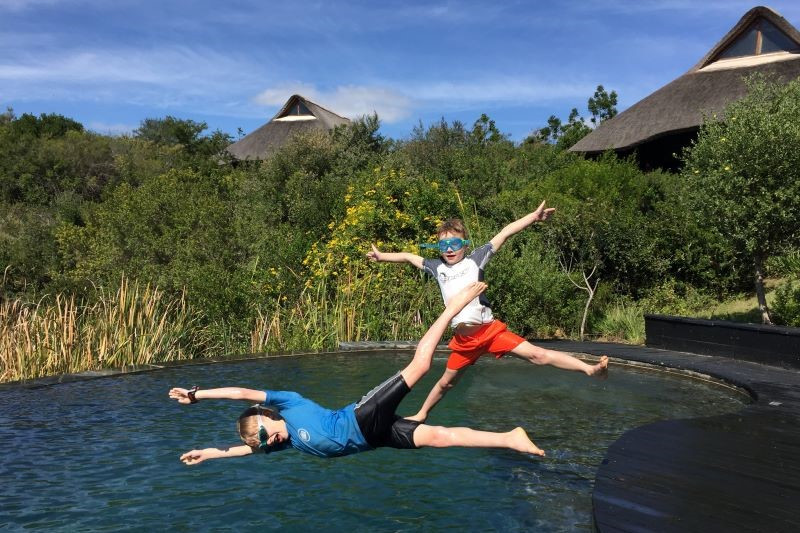
Key considerations when planning your safari will include how much safari you feel your kids can handle (early starts, sometimes long drives), how much entertainment they may need in between game drives (keeping active, playing games, swimming in a pool), and how they will cope with internal travel (long drives, small aircraft flights). The best family safaris always have happy kids that are not over-stretched mentally or physically. Having said this, you may also wish to consider whether your children are a good age to benefit from cultural experiences and you may feel that taking them slightly out of their usual comfort zone is a good experience for them. There are definitely certain camps and lodges that are better suited to hosting children, with staff and guides on hand to supervise your kids in between game drives and entertain them with child-friendly activities like art, cookery, looking at animal tracks (and poo) or bow and arrow making. Often a big decision for families in this range is whether or not to take malaria tablets, as malaria-free regions are limited on safari. For ideas take a look at family safaris in South Africa.
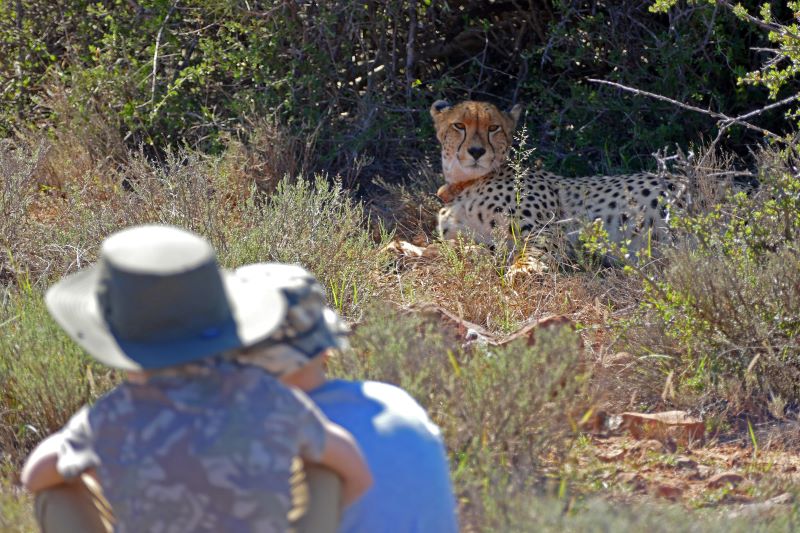

Travelling with very young children
Travelling on safari with very young children (and even a baby) is possible, but you do need to be very conscious of what you intend to do. Firstly, you will need to visit places that accept and cater for children. Family-style accommodation is 100% necessary, with your children sleeping close by to you and sometimes sharing one bathroom. Whilst it is usually possible to head out on game drives with children of all ages, you will almost certainly need to stay somewhere that can provide a private vehicle and there are sometimes restrictions. In some camps, young children are supervised during standard game drive times and taken on gentle ‘children’s game drives’ later in the morning. Factors such as flexibility with meals, child supervision and baby-sitting, children’s activities/ clubs, whether there is a swimming pool will all be important considerations when choosing where to stay, whilst you will naturally wish to consider travel times and the overall length of your safari. You are very likely to focus on malaria-free safari regions, which are very limited (though this isn’t essential and is a personal choice).
You do also need to be aware of the realities of being in the wild with very young children. Young children always need to be supervised and can never be left alone, even when asleep you need to be close by for when they wake. A crying baby or screaming child can attract the wrong attention from predators, and there are also many poisonous creatures to be avoided. Children can’t play freely outdoors on safari in the same way they usually can at home. Beyond the safety and practical aspects, you should also consider how engaged your children will be. Being in the middle of the bush with young kids who are not really aware of what they are doing, and who are bored and restless, really isn’t much fun. So our big advice for anyone hoping to travel on safari with very young children is to be careful what you choose to do, and really take into account the practical needs of the family to ensure a successful holiday.
Things to Consider when Planning a Safari Holiday
Family Memories
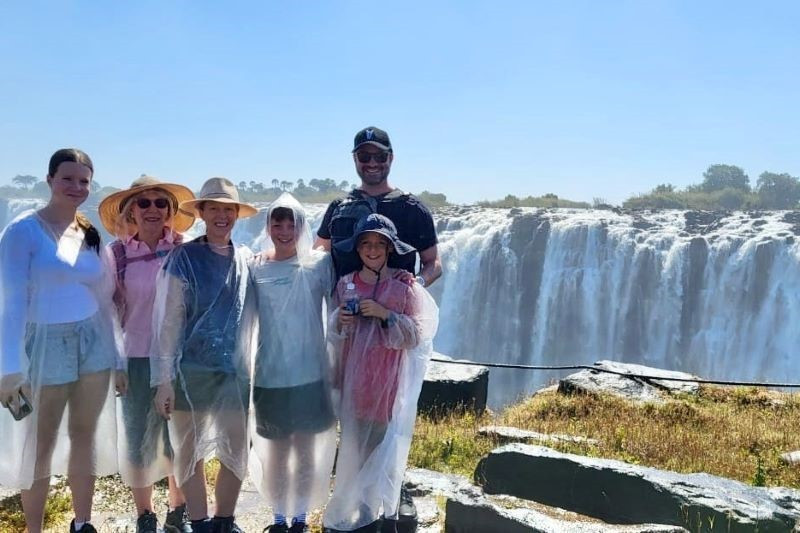
Whilst many serious considerations do apply when travelling with children, the truth is that once children are old enough to grasp what they are seeing and doing, and to remember their experiences in the future, a family safari holiday becomes an unbelievable and potentially life defining experience. To see and experience such amazing sights, sounds and places as a family together is just the absolute best for family bonding and creating happy memories.
Cultural Interaction and Hosting
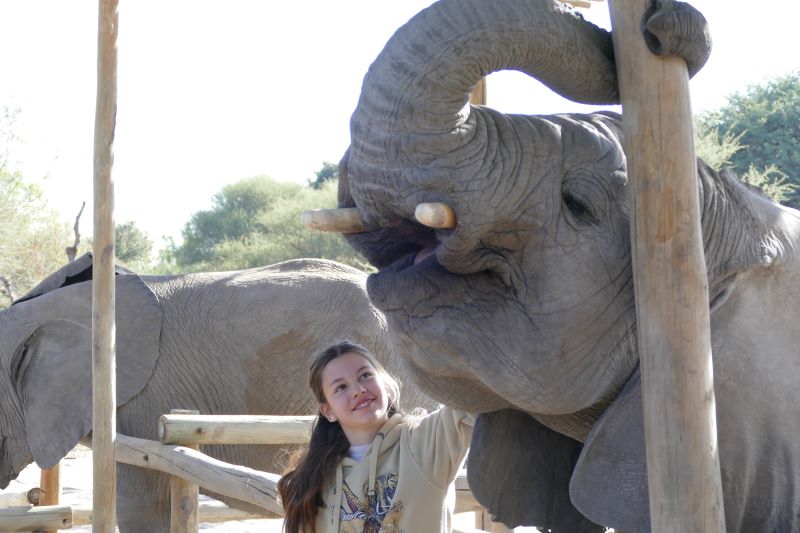
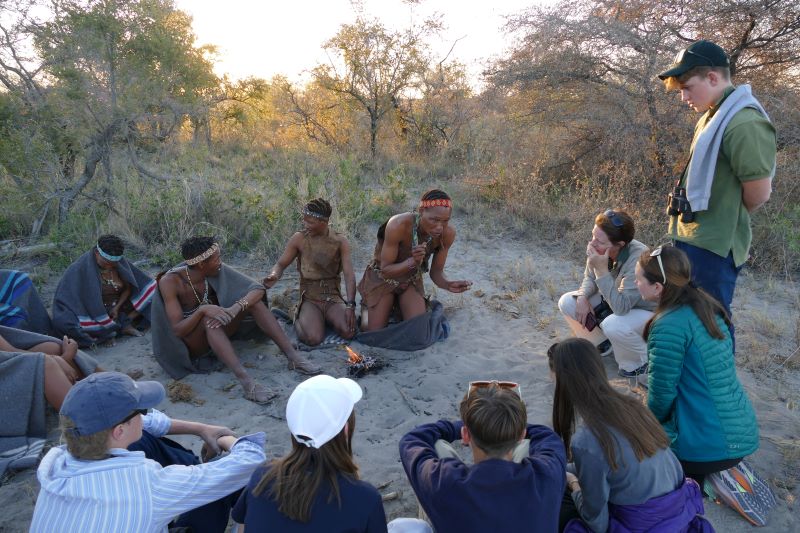
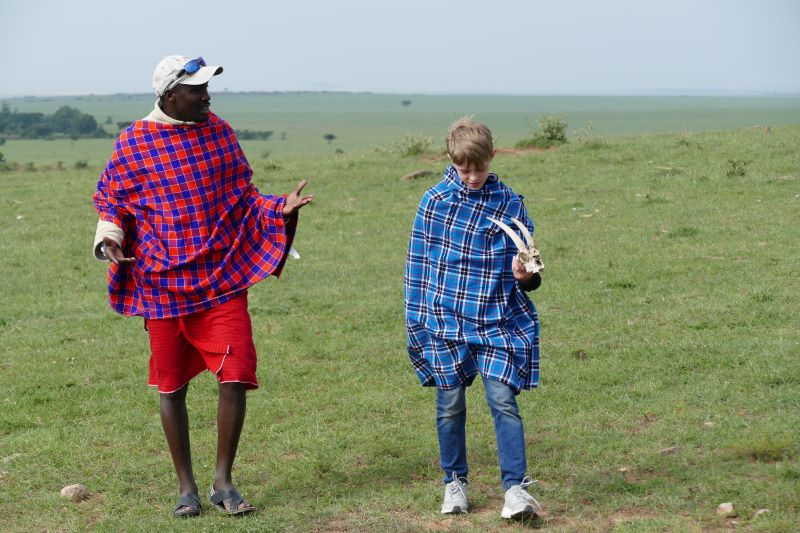
Whilst the famous animals of Africa usually create the most vivid and long-lasting holiday memories, it is incredible how much enjoyment can be found in the personal relationships formed on safari. In addition to the friendly and warm hospitality almost always provided on safari, your kids (and yourselves) can be exposed to different cultures and spend time with guides and staff who they will remember fondly for many years to come. You go for the animals, but sometimes it is the people you meet that make an equally rewarding impression. Explore more about cultural and animal sanctuary experiences here.
Internal travel
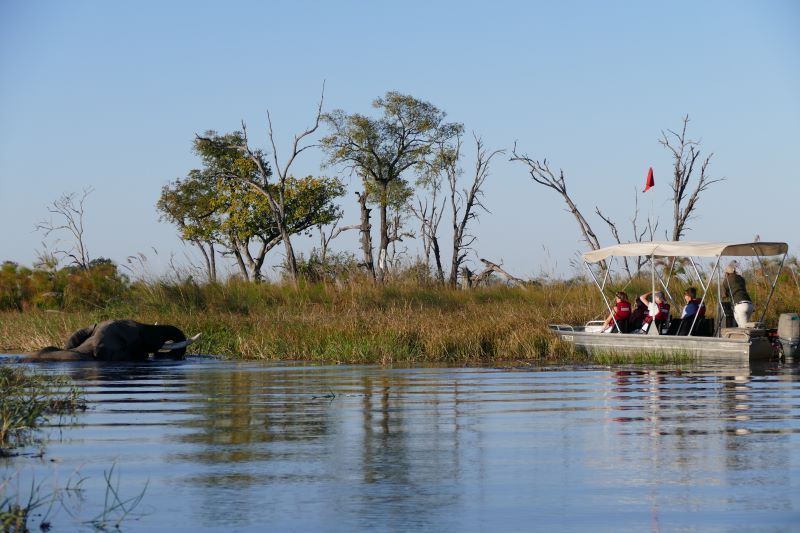
Most safari areas are reached by air, though some are reached by road. Internal air travel often involves light aircraft (catering for between 4 and 12 passengers), and flight durations usually vary between 40 and 90 minutes. Every safari is different, and many can be individually tailored to a degree. Airstrips in the bush are invariably dirt strips, and light aircraft fly low enough to see the landscape beneath you. In some areas, helicopters or boats may be used to access remote camps or lodges.
Activities
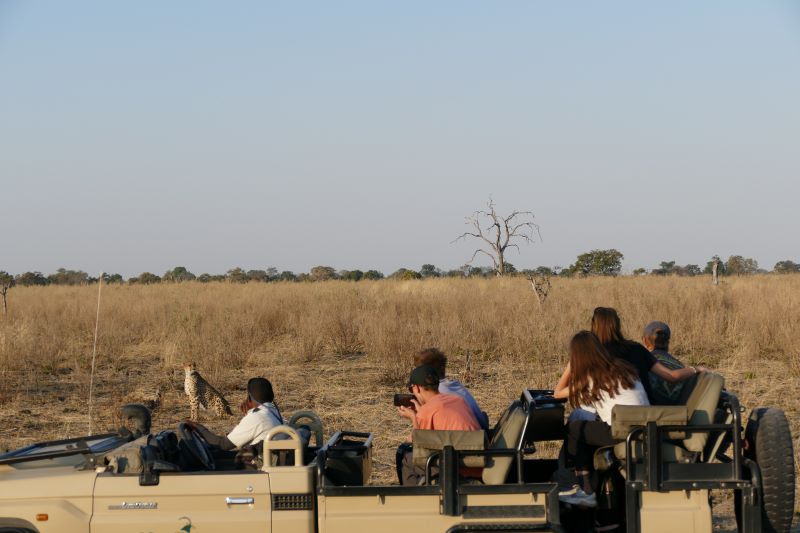
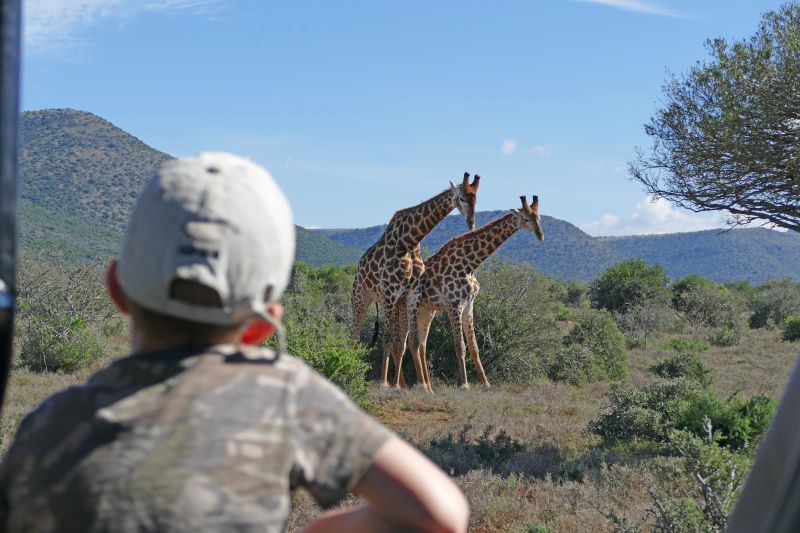
Game drives are the main wildlife viewing activity in Africa, and being in a vehicle allows you to get closest to Africa’s big game. Game drives are widely available for children, though there are occasionally restrictions for very young children. Activities such as walking safaris, horse-riding, gorilla trekking and canoeing are usually only suitable for older children (age limits vary).
Accommodation for Families
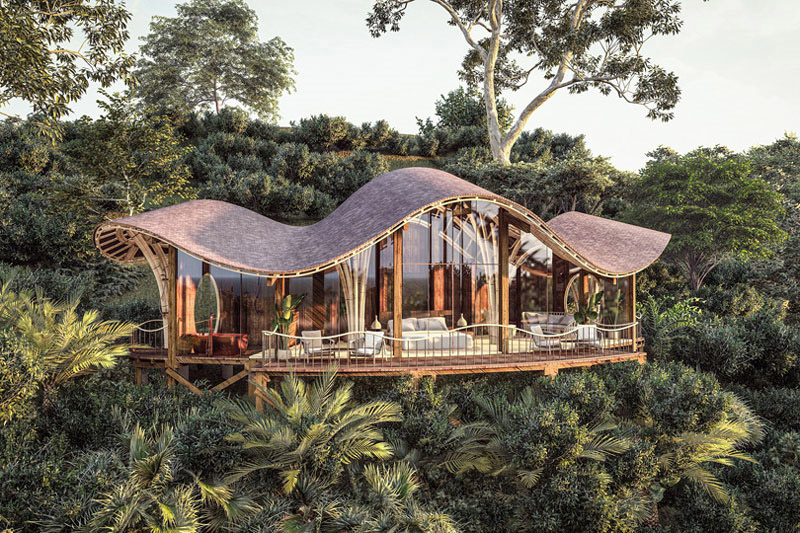
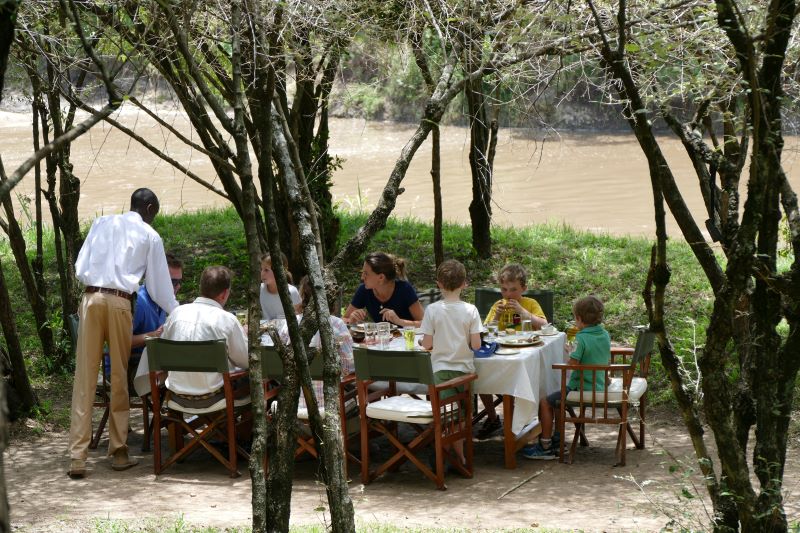
Family accommodation is widely available on safari, in various forms. Most modest and affordable, and most suitable when travelling with young children, would be a large room or tent with extra beds for your kids, with everyone sharing one bathroom. For a bit more space, many camps have dedicated family units which include two ensuite bedrooms which are internally linked by a small living area. Family units of this kind sometimes come with a private dining option and a private guide and vehicle, maximising flexibility and exclusivity. Taking things a step further, it is also possible to stay in larger family houses or private enclaves, which cater for larger family groups (6 to 12 guests) and operate as your own private safari lodge, offering the most amazing and exclusive family adventure.

Guiding and private safaris
Guiding is crucial on any safari, but especially so when teaching and entertaining children on safari. A good guide really does make a big impact on your safari experience, and to get the most out of the experience, having a private guide to yourselves is ultimately the best! Some camps will insist you have a private vehicle if travelling with young children (this can mean paying extra), and others will automatically provide a private vehicle for a family of 4 or 5 travelling, without charging extra. Sometimes it will be an option that you have to pay for. It is also possible to hire a dedicated private guide to host your family for part or all of your safari, even travelling between camps with you, adding a deeper layer of personal hosting.
Budgeting for a Family Safari
Safaris can be very expensive and a key consideration for any family is deciding where their budgetary limits lie, with or without international flights. A very approximate range, without international flights, could be between US$5,250 (UK£4,000) per person and US$19,500 (UK£15,000) per person for a 10-14 day trip. Many families will combine some time on safari with some time on the beach or sight-seeing, which can help keep costs down. Spending longer on safari costs more, and naturally choosing more luxurious safaris can be very pricey.
How long should a family spend on safari?
The minimum amount of time we would recommend on safari is just 3 or 4 nights, and this works best when visiting an area that can offer exceptional game-viewing in a short space of time. Kenya’s Masai Mara and South Africa’s private reserves tend to be most popular for shorter, high impact safaris. For families this is often a great option, especially with younger children or where budget is a concern. Longer safaris allow you to explore further afield, combining different regions and landscapes, and you naturally get more of a chance to really immerse yourselves in nature. For families with older kids who want to really experience Africa, 6 to 10 nights on safari is ideal.
Adventure levels on safari
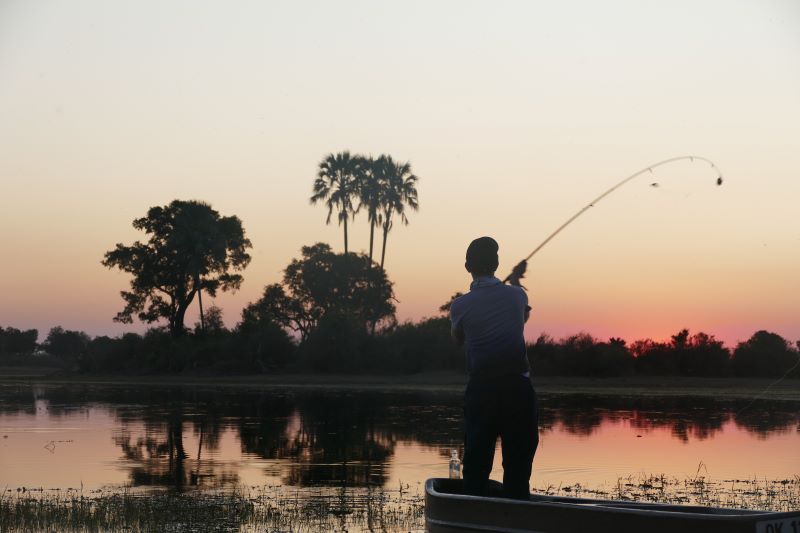
It is critical for all families that they choose the correct adventure level for their family. This may or may not be dictated by your kids, but if the kids are the main consideration, it is important their ages and characters are taken into account when planning. If you are an adventurous family with older teenage children who are naturally active, there are many incredible possibilities, including private tented camps in the wilderness, remote bush camps, walking safaris, horse-riding safaris and a range of other activities including fishing, quad-biking, trekking, canoeing and sleeping out on ‘starbed’ platforms in the middle of the bush. However, many families on their first safari may choose to stay in more comfortable safari lodge, with facilities such as a swimming pool. If in doubt, it is usually better not to push the adventure element too much, especially considering that it is seeing the animals themselves that is most exciting for everyone on a first safari.
Safari and Beach – the perfect family holiday?
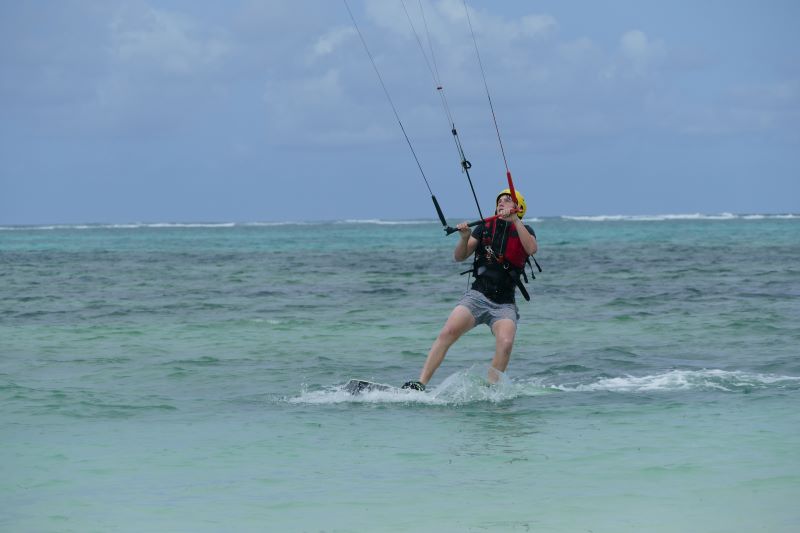
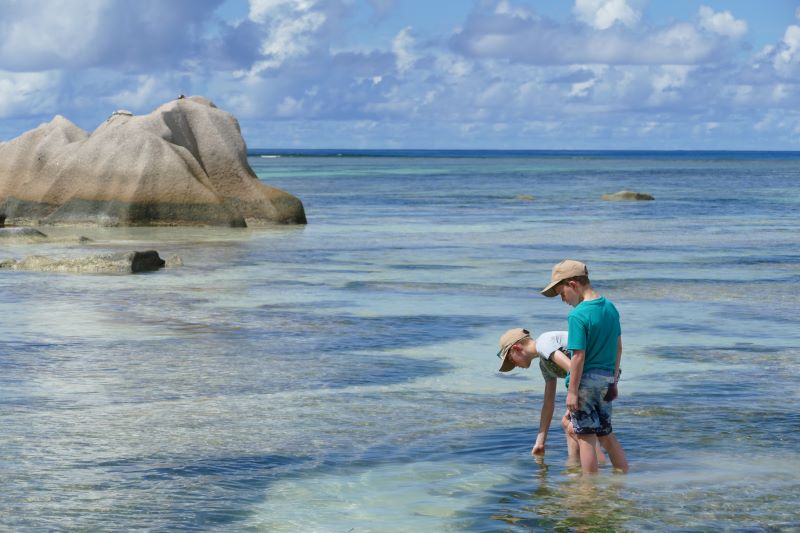
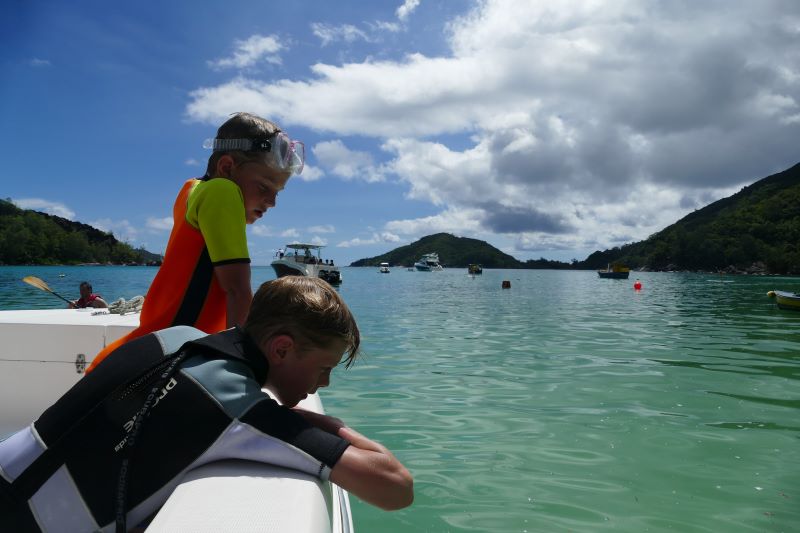
Many families will combine a safari with some relaxation time, often on the beach. There are many superb beach locations along the east coast of Africa (Kenya, Tanzania, Mozambique and South Africa), and within the Indian Ocean Island (Mauritius and Seychelles). Beautiful palm-fringed beaches, swimming, snorkelling, scuba diving and fishing are all possible. Other experiences can include whale-watching, dolphin cruises, village visits, sailing and kite-surfing. Age limits will apply to certain activities, and activities are often seasonal, but safari and beach combinations are very popular and can offer a wonderful balance of family adventure and relaxation.
Health, Safety and Security
Travelling to Africa is naturally an adventurous undertaking, and if you travel with children in particular, you need to be conscious of the style of holiday you are taking them on. Some safari activities inherently carry greater risk from wild animals, though often such activities are not available to children. Some more rustic and smaller tented safari experiences require more vigilance regarding wild animals than large safari lodges. However, in general safari tourism is very well established, highly organised and hospitality standards are very high.
From a health perspective, the first consideration for any family is to be aware that most safari areas are malarial, with just a few areas where you would not need malaria tablets. Various inoculations are also recommended for Africa, and in some cases Yellow Fever vaccination certificates may be required. All responsible safari camps and lodges have basic medical kits in camp and key staff such as guides and managers are first-aid trained. However, camps and lodges can be remote and far from western standard medical facilities. Standard travel insurance should always cover medical emergencies and evacuation, but in some areas you can also join local medical evacuation services.