What Makes Busanga Plains So Special?
Tucked away in the far north of Zambia’s largest National Park, Kafue, is the wildlife paradise of the Busanga Plains. These vast, seasonal floodplains are accessible for just a short window of the year, but are home to an incredible predator density and rare and iconic plains species. Add to this the fact that the plains have just handful of small camps and few vehicles, and you have a safari experience that feels very exclusive.
Whilst Kafue as a whole may often be overshadowed by South Luangwa and Lower Zambezi National Parks (Kafue’s sheer size and very low vehicle volume mean sightings can be harder work), Busanga Plains is without doubt an exceptional safari destination.
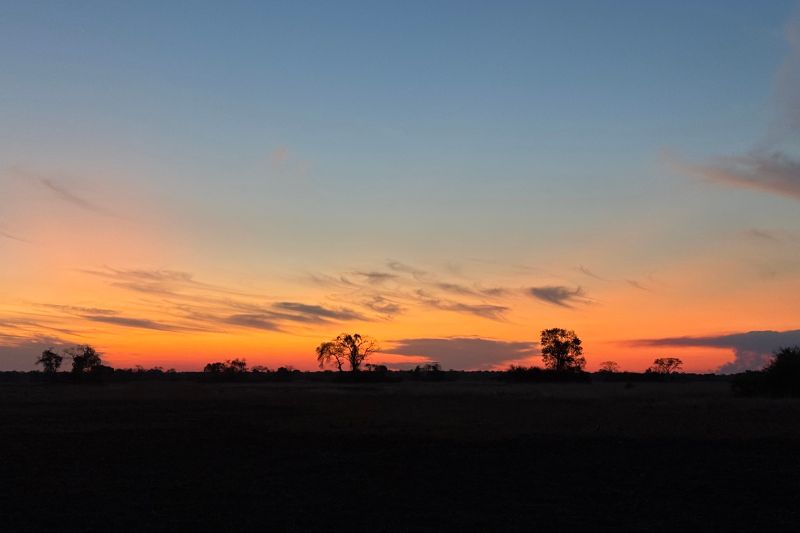
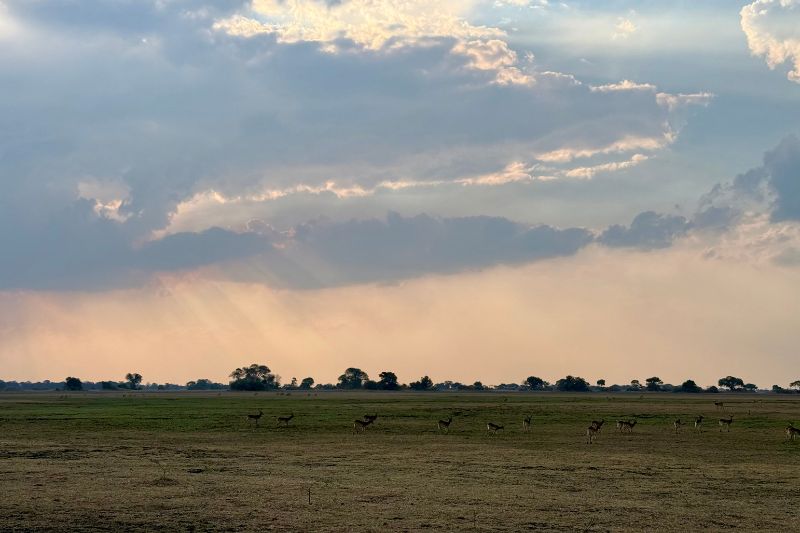
Fed by the Lufupa River, the flood plains cover 278 square miles. After the rainy season they form a stunning wetland, but as waters recede and the dry season develops, a landscape emerges which is more reminiscent of the Masai Mara and Serengeti.
Wildlife You Can Expect to See at Busanga Plains
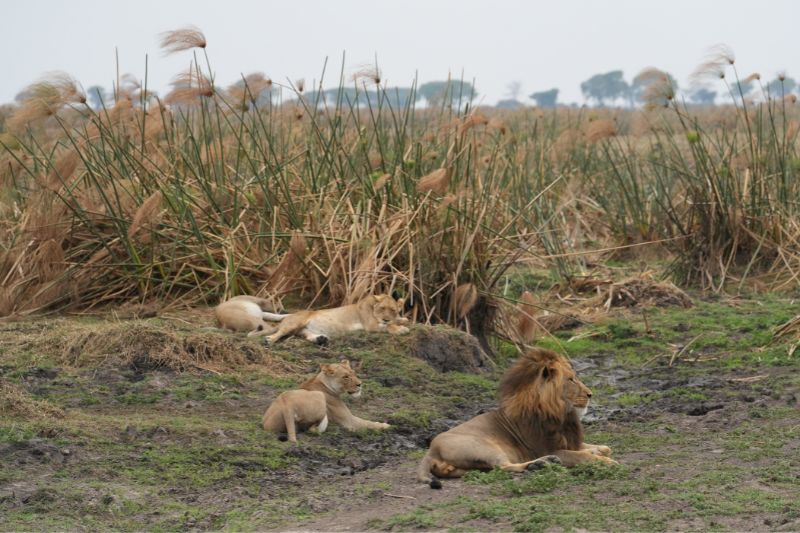
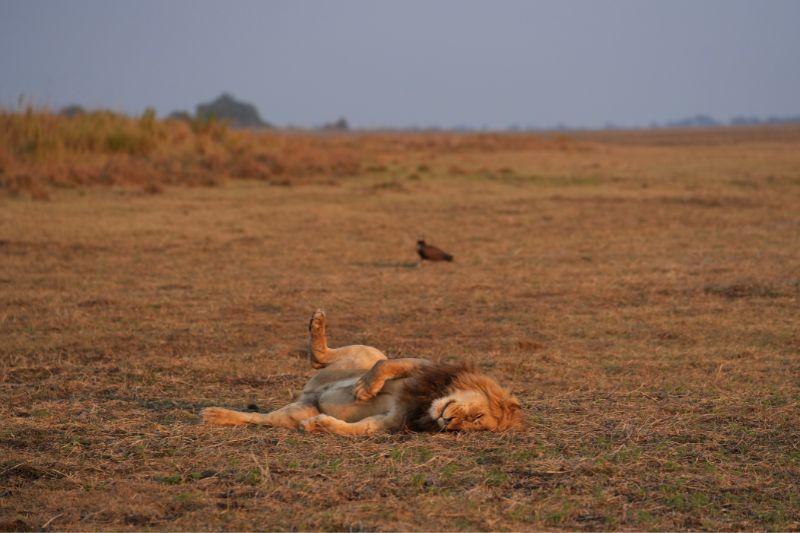
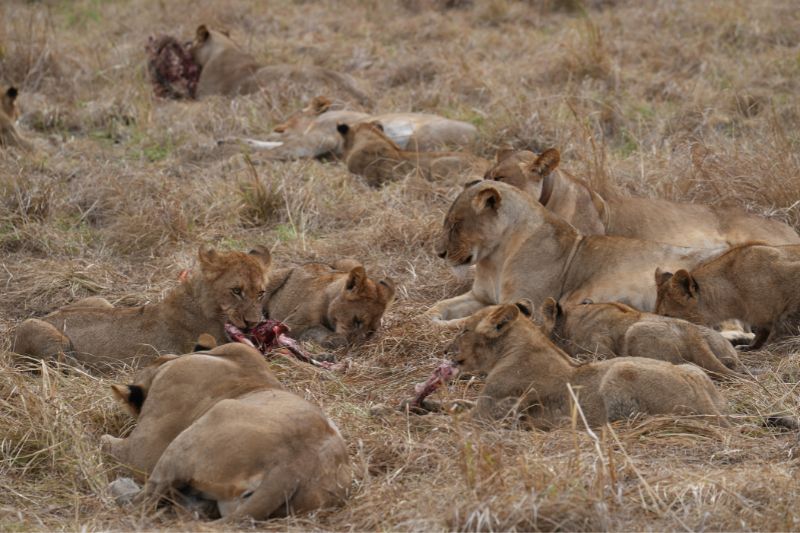
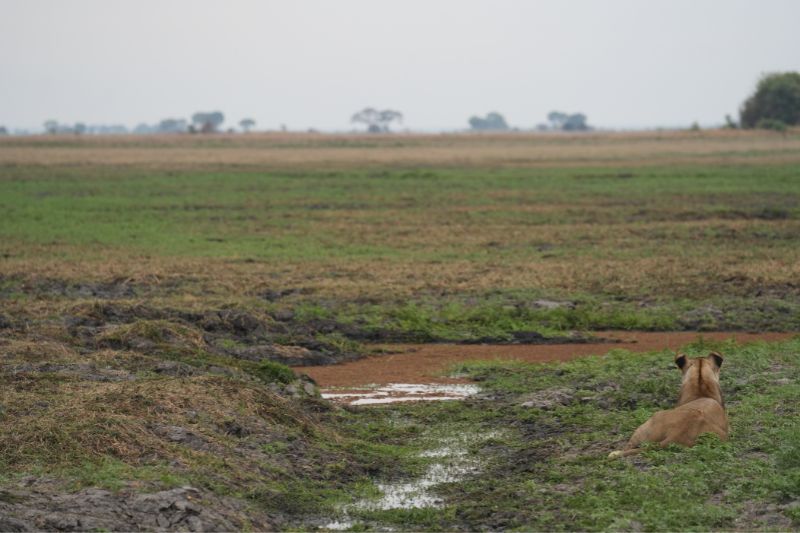
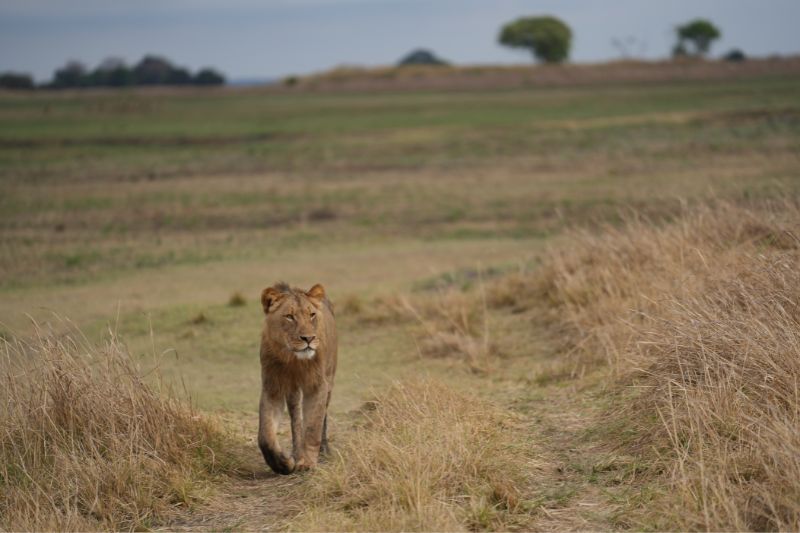
Busanga Plains are synonymous with lion. The prides are incredibly successful with good numbers in each pride, and a total resident population estimated at over 60 individuals. The lions here are large, powerful and very much a force on the plains.
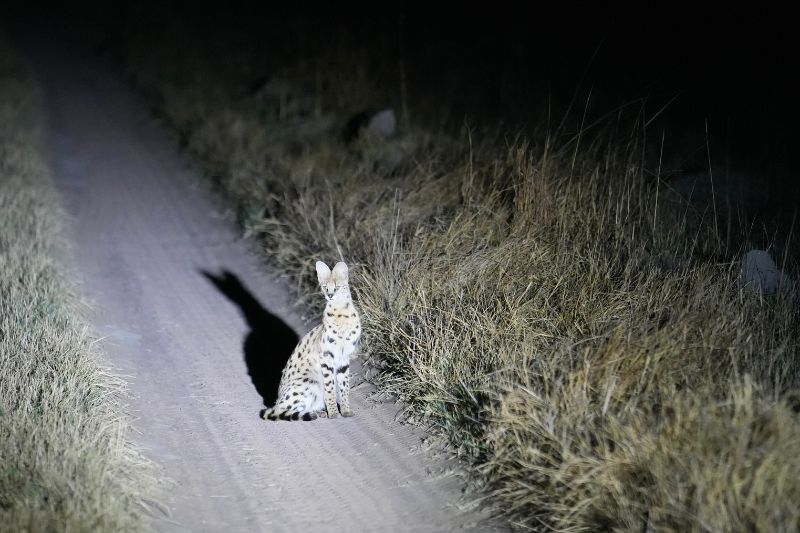
On the edge of the plains, other predators can be seen with cheetah, leopard and wild dog all seen regularly. The area is also excellent for smaller cats such as serval and African wild cat.
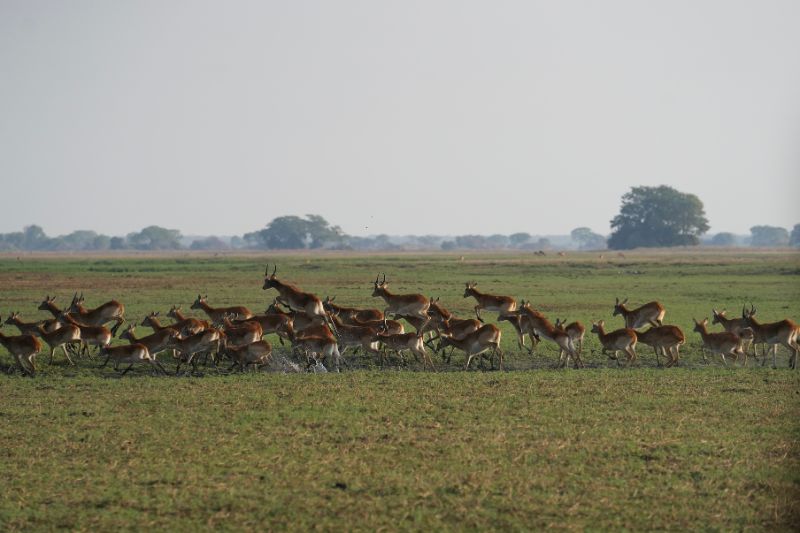
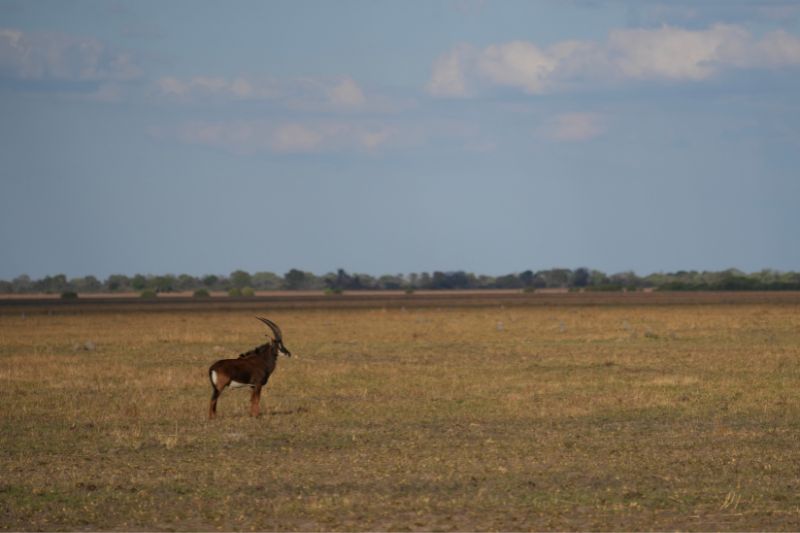
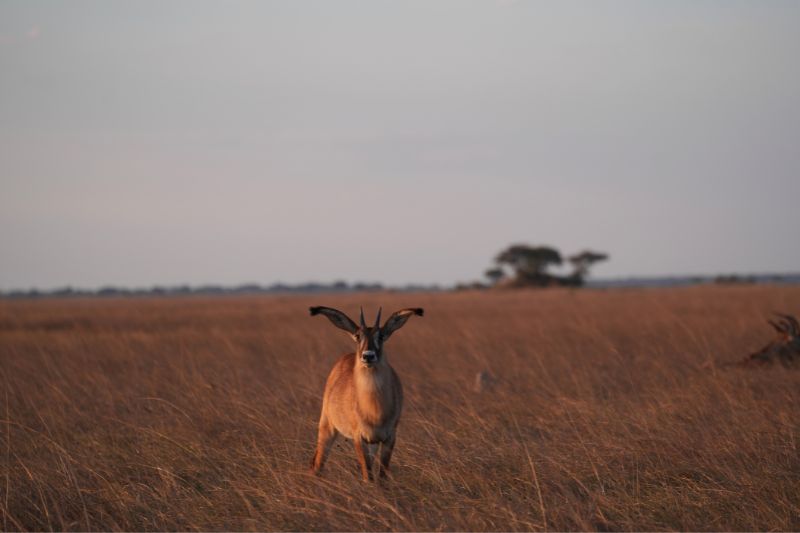
As well as the predators, the plains are home to a diversity of antelope. The central plains are home to large numbers of both red lechwe and puku – the main diet of the lions. Closer to the tree line the more unusual roan, sable and oribi are seen, as well as Lichtenstein’s hartebeest, eland and kudu.
Lastly, the birdlife is breathtaking as a result of the varied habitats. Water birds such as grey crowned crane, saddle-billed and yellow-billed storks are plentiful, as well as other rarer species such as Chaplin’s barbet, wattled cranes and rosy-throated longclaws. For keen birders, combining these northern plains with the Kafue River further south works superbly.

What is the Best Time of Year to Visit Busanga Plains?
Busanga Plains are highly seasonal. As the rainy season approaches in November, camps start to close and the plains begin to flood. Most camps start to open again in June (some open as early as May), but as the plains are still in flood this can be challenging time for activities. Historically, in the earlier months, boating has been possible in certain areas of the plains but over the past five or six years, changing water levels have meant this isn’t always the case and very much depends on the conditions of a specific year. From July the plains start to dry out and mid July through to October is peak season for reliably superb wildlife viewing.
Top Things to Do at Busanga Plains
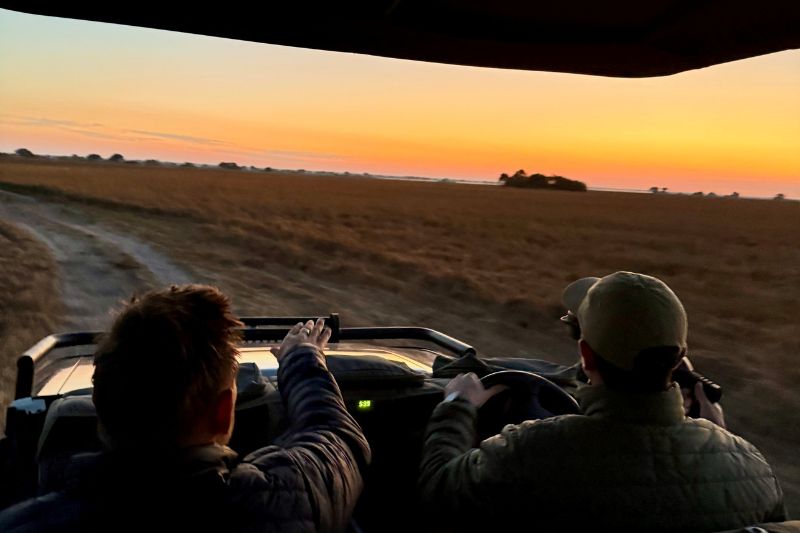
Compared to other parts of the country, activities are more limited in Busanga. Game drives are without a doubt the focus in the dry season – either morning and afternoon or full day, depending on the camp and month of travel.
The game drives often extend into the evenings, with guides spotlighting back to camp after sundowners. Sightings can be good, with the lions and leopard being active, as well as serval, civet and other nocturnal species.
Walking safaris were previously offered, but the growing lion populations and the unpredictable elephants in the park, together with the exposed conditions of the plains, has meant the majority of camps have stopped promoting walks. If you’re looking to include some walking, then Busanga Plains can be combined with other areas of Zambia such as the South and North Luangwa and the Lower Zambezi for some of the best walking in Africa.
Photographers are drawn to the plains for the large maned lions and the red lechwe which are particular highlights. Iconic photos of lions jumping over the seasonal channels and large herds of lechwe running across the flood plains give a taste of what Busanga can offer.
Where should I stay at Busanga Plains?
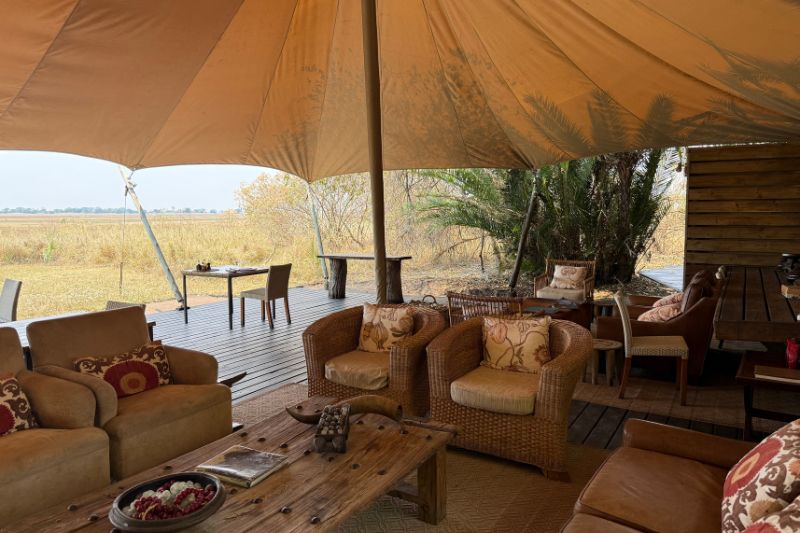
There are six camps on the plains – four of which are on the central plains and two which are set on the edge of the plains closer to the tree line.
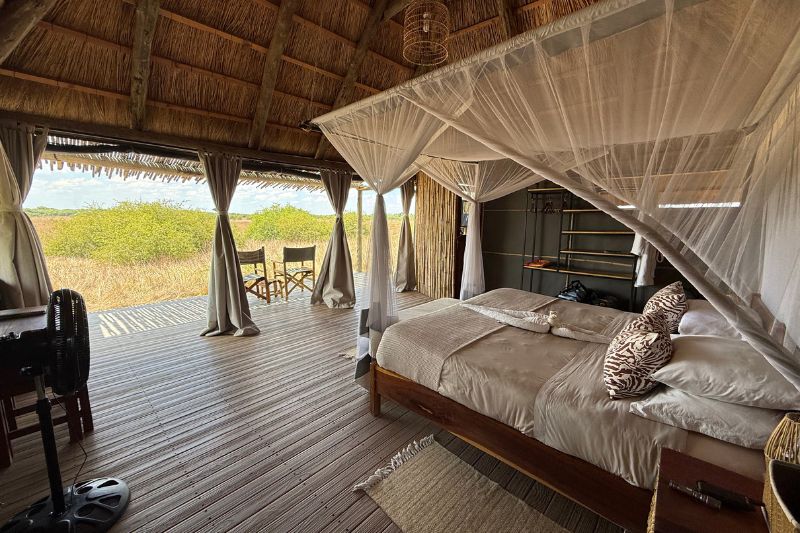
The central camps are Wilderness Busanga Bush Camp, Wilderness Shumba, Chisa Busanga and Mukambi Busanga Plains Camp. These have a superb location for accessing the plains and lion prides early in the morning. They also often have lions in camp, as the islands on which they are located are a popular resting spot for these cats.
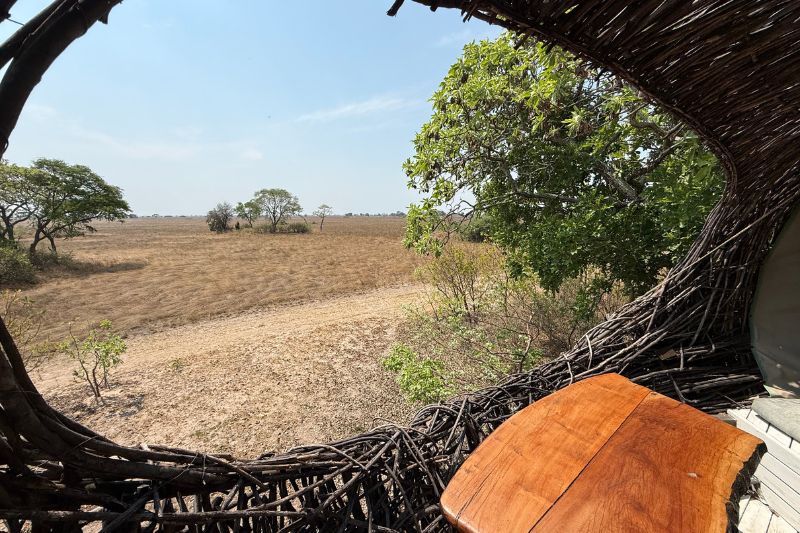
These plains camps are excellent, but you have to travel a little further for diversity of wildlife. On the plains, the action is very much centred around lions, lechwe and puku. The camps on the edge of the plains, Ntemwa Busanga and Kasonso Busanga Camp, offer more varied wildlife viewing, but longer drives to access the plains. Being able to see roan, sable and eland in addition to the cats who prefer to avoid the lions (cheetah and leopard) is wonderful.
How to Get to Busanga Plains
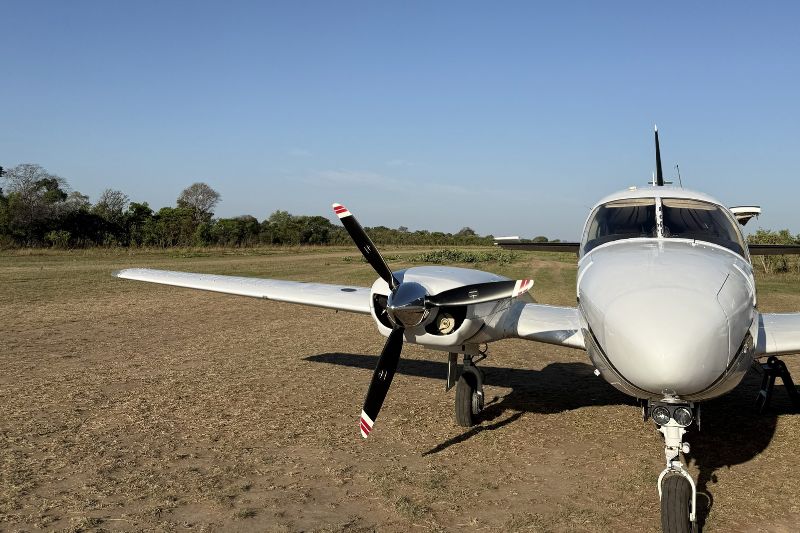
Access to Kafue and Busanga is possible by road or air. Road to Busanga is not recommended as it takes a good nine hours from Lusaka. Light aircraft flights are the best way to get there, with flights into Plains airstrip from both Lusaka and Livingstone. Some camps offer special packages with flights included if you spend a certain length of time with them or combine more than one of their camps.
Whilst Busgana is undoubtedly the highlight, Kafue National Park warrants a stay in more than one area, as the diversity is great – it feels like three or four parks in one! Spending time in the south or central areas of the park, either pre or post Busanga Plains works well and there are short flights between the areas which makes access straight forward.
Inspired to visit Busanga Plains on your next safari?
There are few destinations in Africa that combine impressive wildlife density, diversity of species and a true sense of wilderness, but Busanga Plains manages to do just that. If you’d like to learn more, contact our expert travel team on +44 (0) 1787 888590 or reach out via our contact us page to find out more.